Reviewed · TOURS IN KATHMANDU
Experiential Career Break trip to Nepal for Gap year and Sabbatical travelers
Kathmandu is only the beginning here. This nine-day private journey moves from the Monkey Temple and Asan market to quiet villages, hill paths, and a monastery stay at Namo Buddha. I like the mix of famous places and less-visited stops, especially Bajrayogini and Panauti. I also like that meals and private transport are built into the $980 price.
The main caution is pace. Several days combine long walks with multiple cultural visits, and the program includes village and monastery time that may feel basic rather than polished. English-guide arrangements should be confirmed in writing, since one past booking raised a serious communication problem.
Key points to know before booking
- Kathmandu beyond the usual sights: Walk from Swayambhunath to shrines, old streets, Kumari Chowk, Hanuman Dhoka, and Asan market.
- A strong village-and-hiking section: Nagarkot, Ghimire Gaun, Tukucha Nala, Dhulikhel, and Panauti bring daily life into the trip.
- Real monastery time: Namo Buddha includes a six-hour day with monks, meditation, and a morning walk.
- Private transport matters: You travel with your own group, with pickup available and transport included.
- Meals add useful value: The package includes seven breakfasts, six lunches, and six dinners.
- A flexible final day: Day nine is left open for shopping or extra sightseeing in Kathmandu.
What this Nepal career-break trip is really about
This is not a standard highlights tour with a quick photo stop at each temple. It is built around changing pace: busy Kathmandu gives way to hill villages, then to quiet monastery grounds and old Newari towns.
That format suits a sabbatical or gap year particularly well. You get famous landmarks, but you also spend time walking between communities and meeting local people. The program seems designed to help you notice how Nepal is lived in, not just how it is photographed.
The trip costs $980 for about nine days. At first glance, that is a fair price for private transportation, taxes and fees, and 19 included meals: seven breakfasts, six lunches, and six dinners. The value is strongest if you make full use of the village walks and local contact.
One point needs checking before you pay. Accommodation is not clearly itemized in the supplied details, although one related account describes first-class hotels on a wider Nepal and Bhutan journey. Ask exactly which hotels, guesthouses, or homestays are included in this specific program. Do not assume the accommodation level from another trip.
The activity is private, so only your group participates. That gives you more control than a large coach tour, but it also makes the guide especially important. The available information does not name a guaranteed guide for this nine-day program. Confirm the guide’s English ability, guiding role, and contact details before departure.
Other trips people book in Kathmandu:
- Everest Base Camp Trek – 14 Days
★ 5.0 · 1,499 reviews - Private Kathmandu Sightseeing Tour | UNESCO World Heritage sites
★ 5.0 · 756 reviews - Everest Base Camp Helicopter Tour landing at Everest View Hotel
★ 5.0 · 668 reviews
Day one: Kathmandu temples, old streets, and the Asan market
The opening day packs a lot into central Kathmandu. You begin at Swayambhunath, better known as the Monkey Temple, on a hill above the valley. The stupa dates back to around the fifth century and remains an important Buddhist and Hindu pilgrimage site.
Allow yourself time to look beyond the monkeys and the famous painted eyes. The hilltop gives you an early sense of Kathmandu’s religious mix, and the site sets up the spiritual thread that continues through the rest of the program.
From there, the route moves through Shobha Bhagawati, a pagoda-style shrine dedicated to the Hindu goddess Bhagawati. The stop is brief, only about ten minutes, so it is more of a local introduction than a full visit.
Bijayashwari and Nardevi add a different feel. These short walks lead through places that are less familiar to first-time visitors. Nardevi is especially distinctive because of the Ayurvedic medicine shops along the street. You may smell herbs and preparations before you see the stores, and you can step inside to look or ask questions.
Kathmandu Durbar Square then brings you to the old royal center. The square contains temples, shrines, and palace buildings, with admission to the main site not included in the stated package. The visit is scheduled for about 30 minutes, which is enough to get oriented but short if you want to examine the architecture carefully.
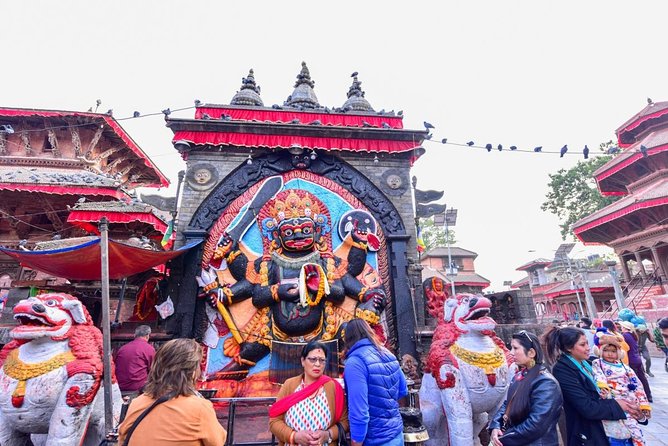
Kumari Chowk introduces the Kumari, Nepal’s living goddess. You may be able to see her if the timing works, but there is no guarantee, and she does not speak with visitors. Treat this as a brief cultural stop, not a performance.
Hanuman Dhoka takes about 45 minutes and functions as the historical museum portion of the day. You then move through local clothing and traditional fashion areas before reaching Asan, one of Kathmandu’s best places to see daily trade.
Asan is not a tidy market made for sightseeing. You will find produce, dried vegetables, meat, fish, pickles, and ordinary household goods packed into the same walking area. This is where the trip begins to feel grounded in everyday Kathmandu.
The first day is busy. Swayambhunath, Durbar Square, Hanuman Dhoka, and Asan each deserve more time than the schedule allows, so I would treat this as an introduction rather than a final word on Kathmandu.
Day two: Boudhha, Bajrayogini, and the first hill walk
Boudhha gives you one of Nepal’s most recognizable religious scenes. The great Tibetan Buddhist stupa is surrounded by monasteries and thangka painting schools. Walking around the stupa, you will see prayer flags and encounter the repeated Buddhist chant Om Mani Padme Hum.
The planned visit is only about 30 minutes. That works if you want a first look, but it is short for a place where the atmosphere changes throughout the day. If you value quiet observation, ask if the schedule allows extra time here.
Bajrayogini offers a useful contrast. This temple is less familiar than Boudhha and carries a local story tied to its name, which combines ideas of strength and female spiritual practice. The stop lasts about an hour and gives the guide more room to explain local beliefs and the evidence found around the site.
The day ends with a hike to the Jarsing Pauwa viewpoint. The walk takes about an hour, with views toward the Himalayas and nearby hills when conditions are clear. Weather is a real factor here. Mountain views are possible, not guaranteed, so enjoy the walk itself rather than treating the panorama as promised scenery.
Day three: Nagarkot and a night in Ghimire Gaun
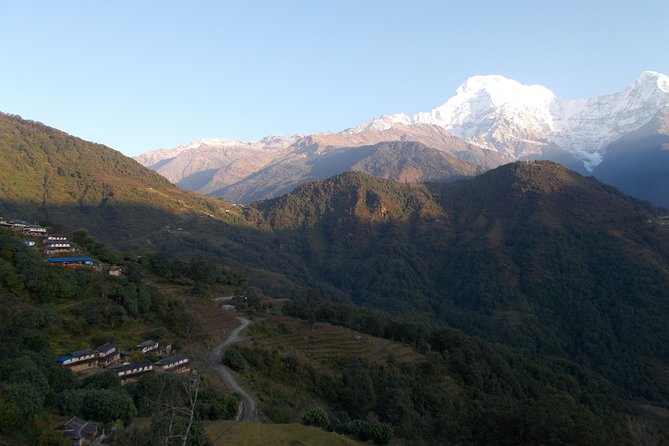
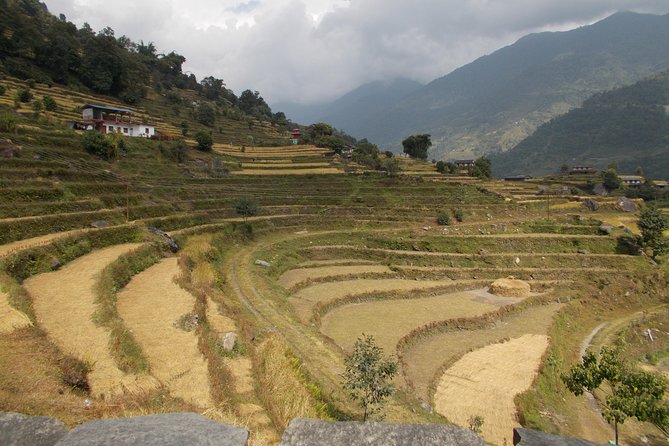
The Nagarkot panoramic trail takes you through villages, terraced fields, wooded paths, and hill country. The walk is scheduled for about an hour, so it is a gentle introduction to rural Nepal rather than a major trek.
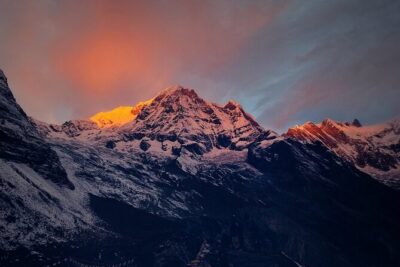
Nagarkot is known for its mountain views and sunset. Clear air can bring striking Himalayan scenery, but clouds may cover the peaks. The best part of this section is the change in pace from Kathmandu, with paths through working communities instead of city traffic.
After Nagarkot, you walk to Ghimire Gaun and spend about three hours experiencing village life. The details of the accommodation are not specified, so confirm whether this means a homestay, a community visit, or another form of local lodging.
This is one of the most distinctive parts of the program. A short visit to a village can feel staged, but several hours gives you more time to observe how people live and to ask questions. It also means giving up some comforts. Pack lightly and be ready for a simpler evening than you might have in a city hotel.
Same base, a different kind of day:
- Half day cooking class in Thamel kathmandu
★ 5.0 · 607 reviews - Everest Base Camp Trekking
★ 5.0 · 485 reviews - Nagarkot Sunrise View and Day Hiking from Kathmandu
★ 5.0 · 471 reviews - Kathmandu: Full Day 7 UNESCO Tour with Lunch – Private/Group
★ 5.0 · 415 reviews
Day four: Tukucha Nala and the route toward Dhulikhel
Day four is one of the longest. The visit to Tukucha Nala lasts about five hours and combines a monastery, historic local temples, and walks through less-developed areas near the village. Local people guide you around the area and explain the places you see.
The wording of the program suggests a flexible day rather than a fixed museum route. That can be a strength if you enjoy following local knowledge, but ask how much walking is involved and what the meeting arrangements are.
Later, you hike from Nagarkot toward Dhulikhel for about three hours. The path passes villages and green hill country, with mountain views possible on a clear day. Taken together, this is a demanding day: five hours of local exploration followed by a three-hour walk.
You should be comfortable walking for much of the day and carrying what you need. The schedule does not present this as a difficult mountain trek, but it is not a sit-back sightseeing day either.
Days five and six: Namo Buddha and time with monks
The move from Dhulikhel to Namo Buddha forms the spiritual center of the trip. You hike for about four hours to the Thrangu Tashi Yangtse Monastery, learning about monastic life along the way.
Namo Buddha is valuable because the schedule allows time rather than a quick visit. You have a chance to sit quietly, observe the monastery setting, and learn about the monks’ routines. The program includes a meal with monks in its overview, while the included meals list covers six lunches and six dinners, so confirm exactly when that meal takes place and what it includes.
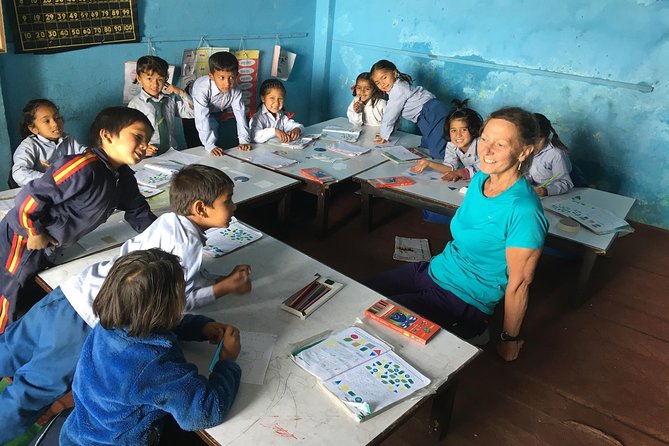
Day six continues the experience. You descend to a nearby village for a morning walk with monks, then return to the monastery to learn about daily routines and meditation. The full block is about six hours.
This is not a sightseeing stop with a dramatic checklist. It asks you to slow down and pay attention. If you are looking for nightlife, shopping, or constant movement, two days at Namo Buddha may feel too quiet. If you want reflection during a career break, it may be the strongest reason to choose this program.
The monastery section also calls for respectful behavior. Dress modestly, follow local instructions, and understand that meditation and religious practice are not staged entertainment. The experience has value precisely because it is slower and less commercial.
Day seven: Panauti’s temples and Newari craftsmanship
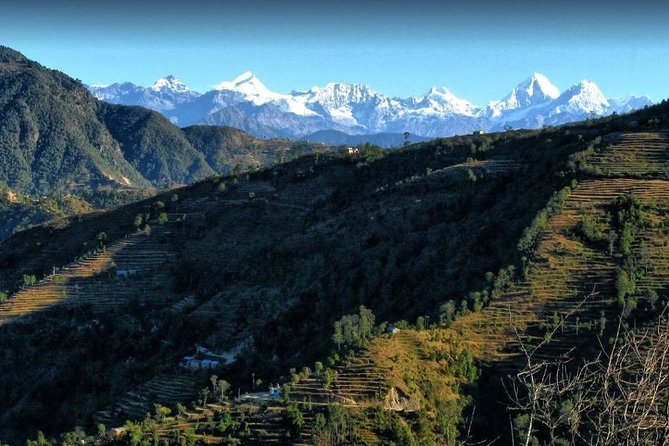
Panauti is a historic Newari town with temples dating to the fifteenth century. The program describes about 40 temples dedicated to different deities, along with old houses and narrow streets.
The three-hour town visit should give you time to notice the details that are easy to miss in a vehicle: carved doors, courtyards, shrines, and the shape of the streets. Panauti is a good counterpoint to Kathmandu because it feels smaller and more contained.
Two hours are set aside for the Panauti Museum inside Indreshwor Temple. The museum focuses on stone and woodwork developed within the community. This is useful context for the temples you have already seen, since it connects religious buildings with local craft traditions.
The day is less physically demanding than the earlier walks, though you will still spend time on foot. It is also one of the better days for asking the guide detailed questions about Newari design and local religious practice.
Day eight: Bhaktapur and the five-story Nyatapola Temple
Bhaktapur brings you back to a major heritage center, but it does not feel like a repeat of Kathmandu. The old Newari city is known for temples, food, customs, and traditional architecture.
You have about three hours to explore Bhaktapur itself, followed by two hours in Bhaktapur Durbar Square. The square includes the five-story Nyatapola Temple, one of the defining buildings in the area.
Admission to Bhaktapur Durbar Square is included, which helps with the day’s value. Still, the schedule covers a lot. If you want photographs, architectural study, and time to sample local food, five hours may pass quickly.
Bhaktapur works well near the end because you can now recognize details in the buildings and religious spaces. After days of villages and monasteries, you will also have a better sense of how this city’s traditional life fits into the wider valley.
Day nine: an open ending in Kathmandu
The final day is intentionally loose. You have about two hours to spend as you wish, perhaps shopping for souvenirs or visiting a place you missed earlier.
That flexibility is welcome after a packed schedule. Use it to return to Asan, buy traditional clothing, or simply rest. The program does not specify a final guided activity, so confirm your departure transfer and the exact pickup arrangements if you are flying out that day.
Who gets good value from $980?
I would consider this a good fit for you if you want:
- A private trip rather than a large group
- A blend of temples, markets, villages, and short hikes
- Time with local communities and monks
- Meals and private transport included
- A structured experience during a career break or gap year
- A program that goes beyond Kathmandu’s standard highlights
The price is less appealing if you want a luxury holiday, a slow schedule, or a serious multi-day trek. The program contains several long days, and the accommodation details need clarification.
The package includes travel insurance and personal expenses only at your own cost. Free cancellation is available up to 24 hours before the start time, with no refund for a later cancellation. Pickup is offered, and confirmation is provided at booking.
Past agency experiences connected with this operator include praise for careful coordination, punctual communication, experienced drivers, and high-quality hotels. But one account also describes a major English communication problem with a guide. I would not ignore that contrast. Get the guide’s name, language level, hotel details, and daily transport plan in writing.
Should you book this Nepal experience?
Book it if the idea of Nepal means more than checking off temples. The best parts are the less obvious ones: Bajrayogini, the walk through Ghimire Gaun, the long Namo Buddha stay, and the quiet streets of Panauti.
Before booking, ask three direct questions: What accommodation is included? Who is the English-speaking guide? How strenuous are the walking days for your group? If those answers are clear and suitable, $980 offers a useful mix of culture, nature, meals, and private transport.
Skip it if you want a polished luxury package or a clearly defined hotel-and-sightseeing schedule. This program is at its best when you are curious, flexible, and willing to trade some comfort for closer contact with Nepalese village, religious, and city life.
FAQ
How long is the experience?
The experience lasts approximately nine days. The first eight days contain scheduled visits and walks, while day nine is left open in Kathmandu.
What is included in the price?
Private transportation, all fees and taxes, seven breakfasts, six lunches, and six dinners are included.
Is this a private tour?
Yes. Only your group participates in the activity.
Is pickup available?
Yes. Pickup is offered, though you should confirm the exact location and time when booking.
Are mountain views guaranteed?
No. The program offers Himalayan and hill views from places such as Jarsing Pauwa and Nagarkot when conditions are clear. Weather may limit visibility.
Does the experience include time with monks?
Yes. At Namo Buddha, you spend time learning about monastic life, take a morning walk with monks, and learn about meditation and daily routines.
Is travel insurance included?
No. Travel insurance and personal expenses are not included.
Just added in Kathmandu
- Traditional Momo Making Class★ 5.0 · 10 reviews
- Women Empowerment Project(Nepali cooking class & jewelry workshop★ 5.0 · 15 reviews
- Kathmandu 2 Nights 3 Days Chitwan Jungle Safari Tour★ 5.0 · 9 reviews
- Walking tour of Kathmandu with awesome local guides★ 5.0 · 4 reviews
- Wildlife Adventure in Chitwan Nepal★ 4.0 · 4 reviews
- Kathmandu to Pokhara Premium sofa bus ticket★ 4.0 · 17 reviews
- Regular Yoga for all levels of practitioners in Kathmandu★ 5.0 · 4 reviews
- Kathmandu Street Food Walking Tour – Eat Like a Local★ 5.0 · 3 reviews
Tours in Kathmandu, compared.
Private Kathmandu Sightseeing Tour | UNESCO World Heritage sites
Read our review →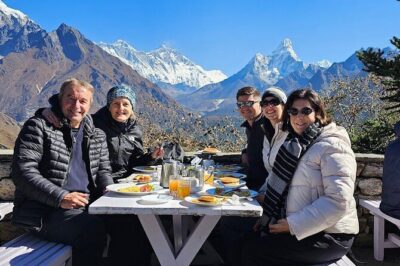
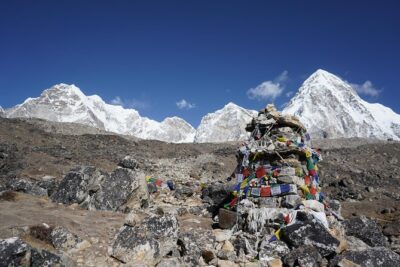
Everest Base Camp Helicopter Tour landing at Everest View Hotel
Read our review →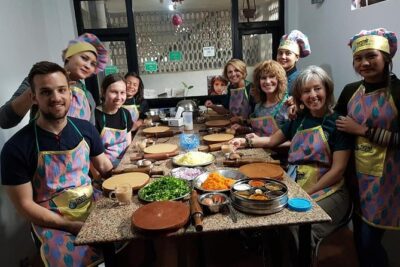
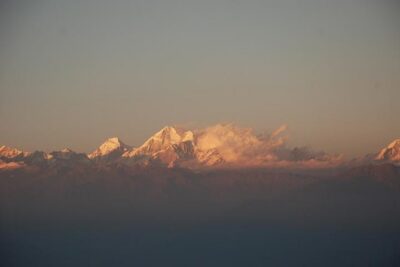
Nagarkot Sunrise View and Day Hiking from Kathmandu
Read our review →
Full Day 7 UNESCO Tour with Lunch – Private/Group
Read our review →