Reviewed · TOURS IN KATHMANDU
Fixed Departure Tibet Overland Group Joining Tours.
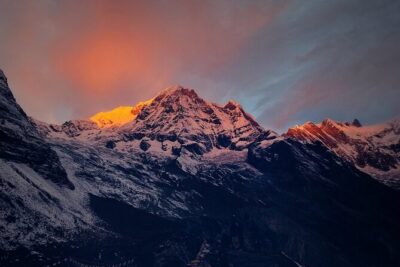
Crossing into Tibet by road gives you something an airport arrival cannot: a slow change from Nepal’s green foothills to the vast high plateau, with Everest views, turquoise Yamdrok Tso, and mountain passes above 5,000 meters. I like the route for two clear reasons: it combines big scenery with major religious sites, and it includes transport, a Tibetan guide, monastery fees, permits, and seven breakfasts in the $1,300 price.
The tradeoff is the pace. You begin around 5:15 a.m., spend long hours in a van or bus, and reach high altitude quickly. This is best for you if the road journey matters as much as the monuments. If you want leisurely hotel mornings or easy, low-altitude sightseeing, this is not the right fit.
Key points to know before booking
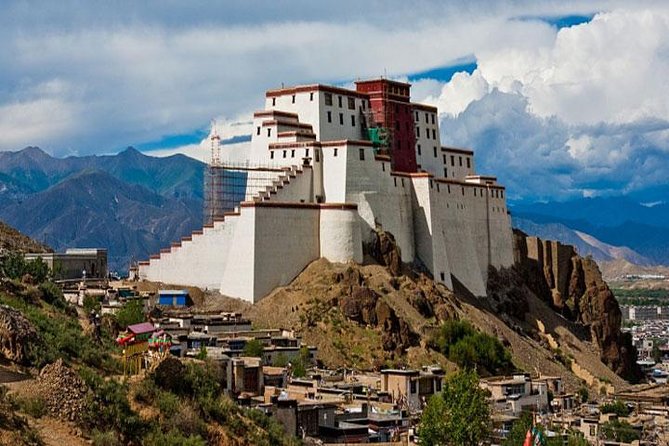
- Everest and five-thousand-meter passes: The route crosses Gyatchu La at 5,220 meters, plus Karo La and Kamba La.
- A strong monastery program: Tashlhumpu, Gyantse Kumbum, Gyantse Dzong, Sera, Drepung, Jokhang, Sakya, and Shalu are part of the wider plan.
- Two sightseeing days in Lhasa: Potala Palace, Norbulingka, Barkhor Bazaar, Tibet Museum, Drepung, and Sera receive the attention they deserve.
- A practical group format: The group can reach up to 30 people, with transport by van or bus and twin-sharing rooms.
- Permits require advance planning: Your original passport is needed at least three working days ahead for the Tibet visa process, while tour-permit confirmation requires at least 15 working days.
- Helpful local planning support: Asmita is praised for preparing people before departure, while Gokul is noted for strong English and Spanish communication.
Why the overland route from Kathmandu is worth considering
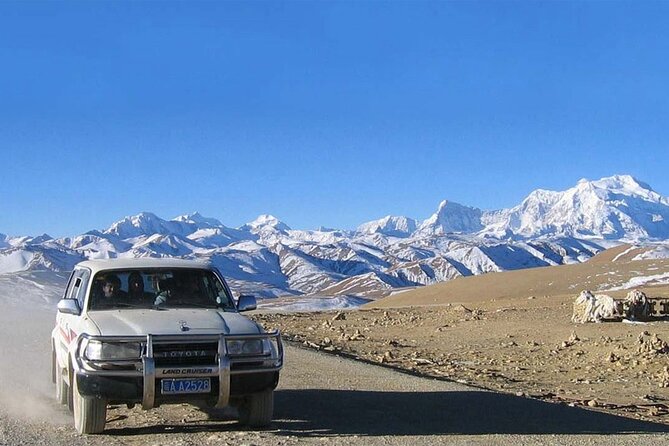
The great appeal here is the route itself. You do not simply fly into Lhasa, visit a palace, and fly out. You cross the Nepal-Tibet border at Kerung, climb toward the world’s highest plateau, and watch the scenery change by road.
That journey takes time, but it also gives the trip a sense of place. The road passes through countryside, Tibetan villages, mountain country, broad open plains, and high passes. You’ll see the Brahmaputra River and Yamdrok Tso, not just the famous buildings at the end.
I also like the way the itinerary mixes religious centers with ordinary daily life. Tashlhumpu Monastery and Drepung Monastery show the scale and importance of Tibetan Buddhism. Barkhor Bazaar offers a more street-level look at Lhasa. The Tibet Museum adds context to the sights, though your time at each place will depend on the group schedule.
The price is strong for what is included. At $1,300 per person, you receive twin-sharing accommodation on a bed-and-breakfast basis, seven breakfasts, an English-speaking Tibetan guide, road transport, monastery entrance fees, and the Tibet Travel Permit. You still need to budget for lunch, dinner, drinks, tips, visa charges, and any air or train travel.
That last point matters. The package is not an all-inclusive holiday. Food outside breakfast and personal spending are yours to cover. A single room also costs extra if you do not want to share.
Other trips people book in Kathmandu:
- Everest Base Camp Trek – 14 Days
★ 5.0 · 1,499 reviews - Private Kathmandu Sightseeing Tour | UNESCO World Heritage sites
★ 5.0 · 756 reviews - Everest Base Camp Helicopter Tour landing at Everest View Hotel
★ 5.0 · 668 reviews
Day 1: Kathmandu to Kerung and the border crossing
The first day begins early, with a listed meeting time of 5:15 a.m. You drive toward the Kerung border through picturesque Nepalese countryside, then handle the border formalities before continuing uphill toward Kerung.
This is a practical travel day, not a sightseeing day packed with monuments. The main experience is the transition from Nepal into Tibet. Border procedures can take time, so you should arrive patient and ready for a long day on the road.
The route’s steep climb also gives you an early reminder that this is a high-altitude trip. Keep your first day simple. The schedule is already demanding, and there is no reason to make it harder with a late night or heavy personal plans before departure.
Day 2: The Tibetan plateau and views toward Everest
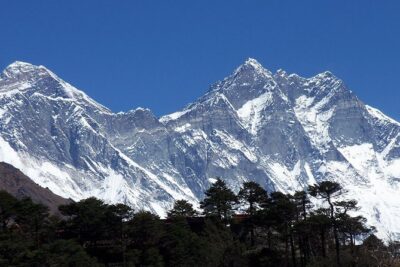
The second day continues upward toward the Tibetan plateau. The scenery becomes broad, dry, and open, with Himalayan peaks appearing across the horizon. The program specifically points to views around Tengri and to Mount Everest, which rises to 8,848 meters.
This is likely to be one of the most memorable road days. Everest is not presented as a climb here. You are seeing the mountain from the route, which makes this suitable for people who want a powerful Himalayan view without a trekking program.
The drawback is the distance. You spend much of the day moving between places, and the high elevation can make even simple stops feel tiring. The itinerary does not promise a long Everest-side stay, so think of this as a scenic overland crossing rather than a dedicated Everest base-camp visit.
Day 3: Gyatchu La at 5,220 meters and Shigatse
After breakfast, the road continues toward Shigatse over Gyatchu La, listed at 5,220 meters. This is the highest pass on the trip. The drive offers wide mountain views and more of the stark Tibetan scenery before you reach Shigatse.
The pass is a major geographic marker, and it gives you a real sense of how high this journey goes. At the same time, the altitude is not a small detail. You should expect the day to feel physically demanding, especially after two previous days on the road.
Shigatse provides an important change of rhythm. It is a major destination on the Tibetan route, and it sets up the next day’s visit to Tashlhumpu Monastery. Since the transport is shared and the group can include up to 30 people, stops may not feel as flexible as they would on a private trip.
Same base, a different kind of day:
- Half day cooking class in Thamel kathmandu
★ 5.0 · 607 reviews - Everest Base Camp Trekking
★ 5.0 · 485 reviews - Nagarkot Sunrise View and Day Hiking from Kathmandu
★ 5.0 · 471 reviews - Kathmandu: Full Day 7 UNESCO Tour with Lunch – Private/Group
★ 5.0 · 415 reviews
Day 4: Tashlhumpu Monastery and the monuments of Gyantse
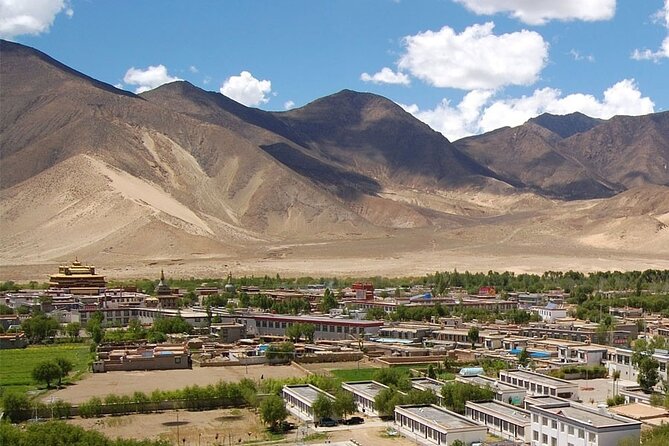
The morning sightseeing visit focuses on Tashlhumpu Monastery, associated with the Panchen Lama. This is one of the tour’s most important religious sites, and it gives you a closer look at Tibetan monastic life than a quick photo stop can provide.
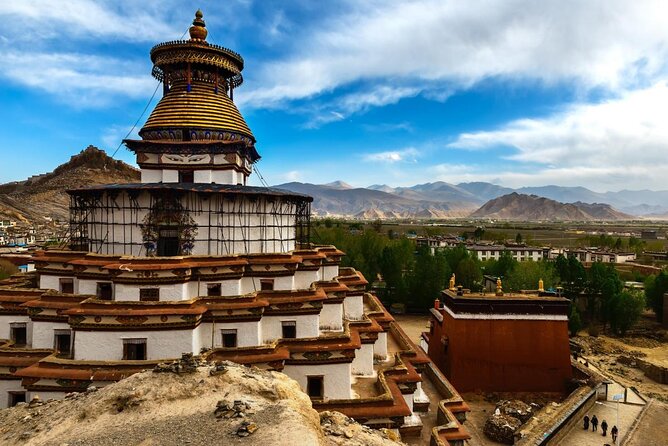
Later, you drive through Tibetan villages toward Gyantse. The program includes Gyantse Kumbum and Gyantse Dzong, two landmarks that make this more than another transfer day. Kumbum is known for its distinctive Buddhist structure and sacred art, while Gyantse Dzong connects the town with its fortified past.
Shalu Monastery is also included in the wider sightseeing program. The value of this day is variety: you move from a major monastery to village scenery and historic sites. It is one of the better-balanced sections of the route.
Day 5: Karo La, Kamba La, Yamdrok Tso, and Lhasa
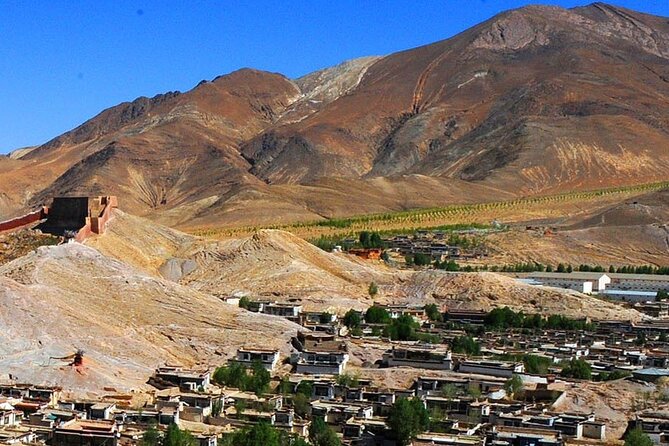
The drive to Lhasa crosses two major passes: Karo La at 5,010 meters and Kamba La at 4,794 meters. The scenery then opens toward Yamdrok Tso, the Turquoise Lake, and the Brahmaputra River.
Yamdrok Tso is one of the trip’s visual highlights. The lake gives the day a different color and texture after the dry mountain roads. The Brahmaputra adds another important geographic reference as you continue toward Lhasa.
This is also another long road day, and you should not expect a relaxed arrival with hours to spare. You are covering serious distance and crossing high passes before reaching the capital. The reward is that Lhasa arrives as the culmination of the overland journey, not as an isolated city stop.
Day 6: Potala Palace, Norbulingka, and old Lhasa
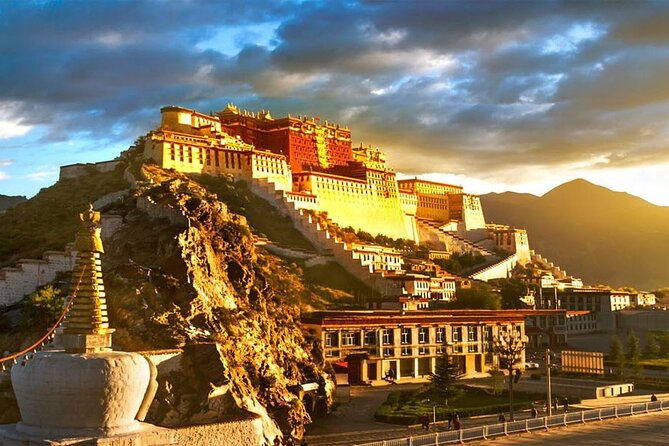
Your first full sightseeing day in Lhasa includes Potala Palace, the winter palace of the Dalai Lama. Its position above the city gives you wide views across Lhasa, and the building itself is the trip’s most instantly recognizable landmark.
You also visit Norbulingka Palace, the Barkhor Bazaar, and the Tibet Museum as part of the Lhasa program. These stops help balance the day. Potala Palace gives you a grand architectural and religious focus, while Barkhor offers a more immediate look at Lhasa’s streets and commercial life.
Jokhang Temple is also included in the broader itinerary. It is one of the central religious places in Lhasa, and its position near Barkhor makes the pairing especially useful. The exact order of these visits can depend on local scheduling and permit arrangements, so follow the guide’s timing closely.
The city portion of the tour is where the guide becomes especially valuable. The included English-speaking Tibetan guide can explain what you are seeing rather than leaving you to decode a palace or monastery on your own. The company has also arranged Spanish-language help for some visitors through Gokul, though you should confirm your language needs before booking.
Day 7: Drepung and Sera monasteries
The second Lhasa sightseeing day visits Drepung Monastery and Sera Monastery. Drepung dates to the 14th century and was once home to as many as 10,000 monks, making its scale central to understanding Tibet’s religious institutions.
Sera provides a different setting and completes the monastery focus of the Lhasa stay. Together, these visits show that Tibetan Buddhism is not limited to one palace or temple. Monastic centers shaped education, religious practice, and daily life on a very large scale.
You may also visit other listed sites depending on the final program, including Sakya Monastery, Shalu Monastery, and Jokhang Temple. The supplied itinerary gives the clearest day-by-day detail for Drepung and Sera, while the tour overview lists the wider collection of attractions. Ask for the confirmed sightseeing order before you pay if a particular monastery is essential to you.
Day 8: Leaving Lhasa toward Kathmandu or mainland China
After breakfast, you check out and continue toward your next destination, either Kathmandu or mainland China. The final drive is described as scenic, but this is mainly a departure day.
This flexible ending is useful if you are building a longer Nepal and Tibet trip. It also means you need to understand your onward transport. Airfare, train fare, and other transport outside the listed road itinerary are not included.
What the $1,300 price really covers
I consider the price reasonable for an organized border-to-Lhasa road trip, mainly because permits and monastery entrance fees are included. Those arrangements can be difficult to manage independently, and the package removes much of that paperwork from your hands.
The included breakfasts and twin-sharing rooms keep the basic cost under control. Transport is also covered, using a van or bus according to the group and route. With a maximum group size of 30, you get a planned trip at a lower cost than a private vehicle.
You should still make a realistic extra budget for:
- Lunches and dinners
- Drinks and personal purchases
- Tips
- Visa fees
- Any flight or train sector
- A single room supplement, if needed
The value is strongest for people who want one fixed arrangement rather than negotiating each transfer, hotel, permit, and entrance fee separately.
Permits, timing, and the group format
The paperwork needs attention. Your original passport must be provided at least three working days in advance for the Tibet visa process, and booking confirmation is required at least 15 working days before the Tibet tour permit. Do not leave this until the last moment.
The early start and long drives are the other key practical points. A 5:15 a.m. meeting time on day one sets the tone. Shared transport can be efficient, but it gives you less control over breaks and departure times.
The group size can reach 30 people. That is manageable for a guided sightseeing program, but it will not feel like a private journey. If you prefer personal pacing, a smaller custom departure may suit you better. If you like having the main arrangements handled and want the cost kept down, this format makes sense.
The company has received particularly strong praise for its planning support. Asmita is noted for preparing people before departure and making sure they had what they needed. Gokul is praised for handling arrangements from Nepal and for speaking English and Spanish. Those details matter because the permit process and cross-border logistics are a large part of the challenge.
Who should book this Tibet overland trip?
I would choose this tour if you want:
- A road journey from Kathmandu rather than a quick arrival by air
- Everest and high-pass scenery
- A strong selection of monasteries and palaces
- A fixed group price with transport and permits arranged
- Two sightseeing days in Lhasa
- A trip that can finish toward Kathmandu or mainland China
I would hesitate if you need a slow schedule, private transport, included meals, or a carefully tailored pace. The itinerary covers a lot in eight days, and the combination of early starts, long drives, border formalities, and high passes demands stamina.
The cancellation terms also reward early decisions. You can receive a full refund if you cancel at least six full days before the start time. Cancelling two to six full days ahead provides a 50 percent refund, while cancellations less than two full days before departure are not refunded.
Should you book it?
Book this trip if the journey across Tibet is part of your goal, not just a way to reach Lhasa. The best parts are the sequence of high mountain roads, Yamdrok Tso, Everest views, and the heavy concentration of monasteries and historic sites.
Before paying, confirm the final sightseeing order, your onward transport, the visa and permit deadlines, and the cost of a single room if you need one. For a first organized visit from Nepal, the $1,300 package offers a practical way to handle a complicated route. Just bring patience for long road days and respect for the altitude.
FAQ
Where does the tour start?
The tour starts in Kathmandu, Nepal, with a listed meeting time of 5:15 a.m.
How long does the tour last?
The planned duration is eight days.
What is the tour price?
The listed price is $1,300 per person.
Is pickup offered?
Yes, pickup is offered.
What accommodation is included?
Twin-sharing rooms are included on a bed-and-breakfast basis.
Is transportation included?
Yes. Transportation follows the itinerary by van or bus.
Is the Tibet Travel Permit included?
Yes, the Tibet Travel Permit is included. Your original passport is required at least three working days in advance for the Tibet visa process, and booking confirmation is required at least 15 working days ahead for the tour permit.
Are meals other than breakfast included?
No. Seven breakfasts are included, but lunch and dinner are not. Personal drinks and other personal expenses are also excluded.
Just added in Kathmandu
- Traditional Momo Making Class★ 5.0 · 10 reviews
- Women Empowerment Project(Nepali cooking class & jewelry workshop★ 5.0 · 15 reviews
- Kathmandu 2 Nights 3 Days Chitwan Jungle Safari Tour★ 5.0 · 9 reviews
- Walking tour of Kathmandu with awesome local guides★ 5.0 · 4 reviews
- Wildlife Adventure in Chitwan Nepal★ 4.0 · 4 reviews
- Kathmandu to Pokhara Premium sofa bus ticket★ 4.0 · 17 reviews
- Walking tour of real Kathmandu through back streets.★ 5.0 · 3 reviews
- Regular Yoga for all levels of practitioners in Kathmandu★ 5.0 · 4 reviews
Tours in Kathmandu, compared.
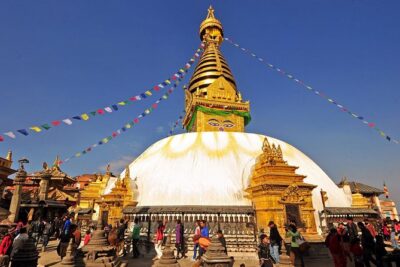
Private Kathmandu Sightseeing Tour | UNESCO World Heritage sites
Read our review →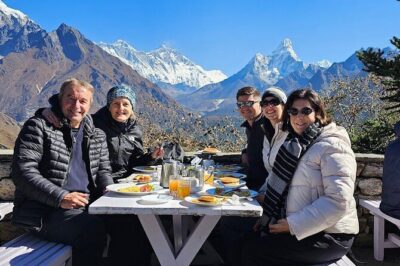
Everest Base Camp Helicopter Tour landing at Everest View Hotel
Read our review →
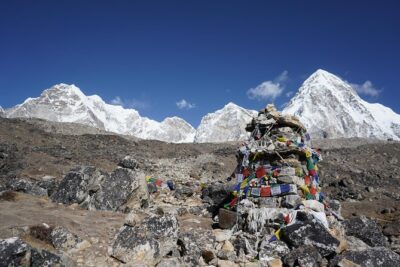
Nagarkot Sunrise View and Day Hiking from Kathmandu
Read our review →
Full Day 7 UNESCO Tour with Lunch – Private/Group
Read our review →