
Reviewed · KATHMANDU UNESCO HERITAGE TOURS
From Kathmandu: 2 Stupas and Kopan Monastery Spiritual Tour
The best part of this tour is the change of mood from one stop to the next. You begin at the quiet Jamchen Vijaya Stupa, spend time around monastic life at Kopan Monastery, then finish among pilgrims, prayer wheels, and Tibetan shops at Boudhanath Stupa. It gives you three different ways to understand Buddhism near Kathmandu.
I like the private car and flexible pace, especially if you are traveling alone or have only one spare day. I also like the chance to meditate at Kopan rather than simply take photographs. The main caution is that the monastery can sometimes be closed, and the tour is not suitable for wheelchair users or people with mobility limits.
Five things to know before you book
- Three distinct Buddhist settings: quiet Jamchen Vijaya Stupa, hilltop Kopan Monastery, and busy Boudhanath.
- Guide-led cultural context: English-speaking guides such as Pooja, Karma, Aneel, and Pranav explain Buddhist ideas, symbols, rituals, and local customs.
- A real pause for meditation: You may have time to sit quietly at Kopan, an experience several visitors found especially meaningful.
- Private transport matters: Hotel pickup and drop-off by car save you from sorting out Kathmandu traffic and site connections.
- Good value at $6 per person: The price includes transport, a licensed guide, and pickup, though you should confirm what entrance fees, if any, are covered.
- Allow for walking and stairs: Large bags are not allowed, and the experience is not designed for wheelchair users or people with mobility impairments.
Why this half-day tour works well
Kathmandu can feel like a lot in your first few days. Traffic, horns, temple courtyards, incense, and a constant stream of people make it hard to slow down. This five-hour outing gives you a clear route through three important Buddhist places without asking you to plan every taxi ride yourself.
The route also has a useful rhythm. Jamchen Vijaya Stupa is the quiet opening. Kopan shifts the focus to monastic practice and meditation. Boudhanath finishes with a larger public setting where worship, trade, food, and daily life share the same square.
You travel in a private group with an English-speaking guide and car. That is important here because the value is not just seeing the buildings. A good guide can explain why people walk clockwise, how prayer wheels are used, what the painted eyes represent, and how Buddhist practice fits into Nepalese life.
The guide quality seems to be the strongest part of the experience. Pooja is often singled out for her warmth, humor, and clear explanations. Karma is praised for his calm manner and strong grasp of Buddhist ideas. Aneel, Pranav, Prakriti, and others are also noted for making the conversation easy and adapting the visit to the pace of the group.
That personal approach makes this more useful than a simple sightseeing transfer. You can ask questions as they come up, rather than trying to decode every symbol from a guidebook.
More temple and square walks around Kathmandu:
- Private Kathmandu Sightseeing Tour | UNESCO World Heritage sites
★ 5.0 · 756 reviews - Kathmandu: Full Day 7 UNESCO Tour with Lunch – Private/Group
★ 5.0 · 415 reviews - Private Bhaktapur and Nagarkot Day Tour From Kathmandu
★ 5.0 · 305 reviews
Jamchen Vijaya Stupa: begin with quiet
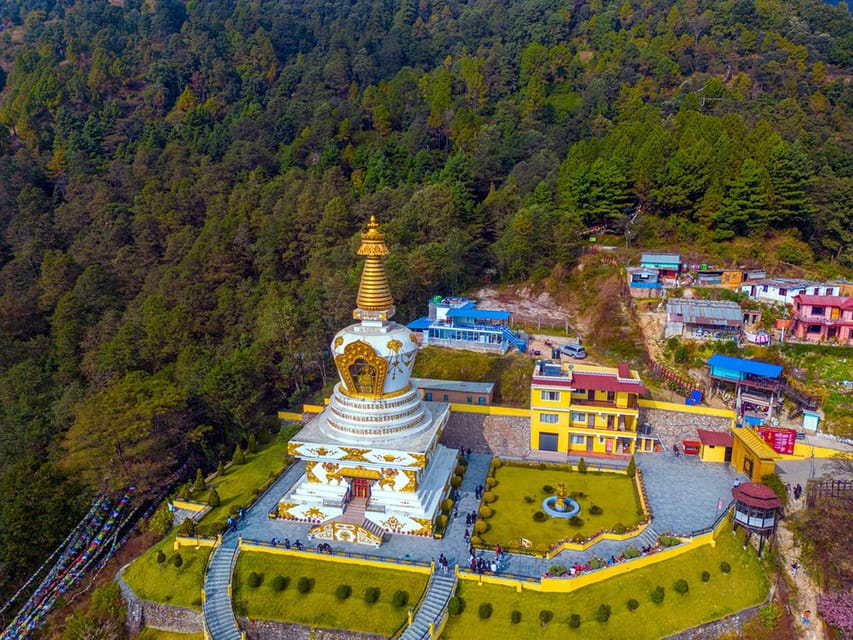
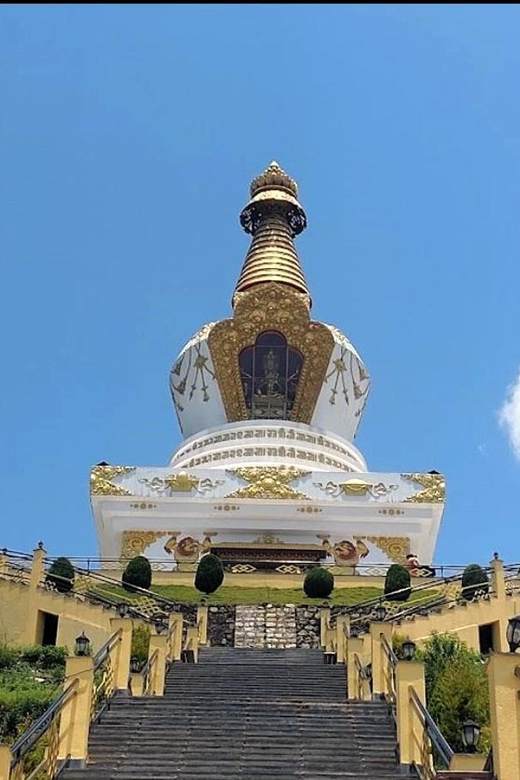
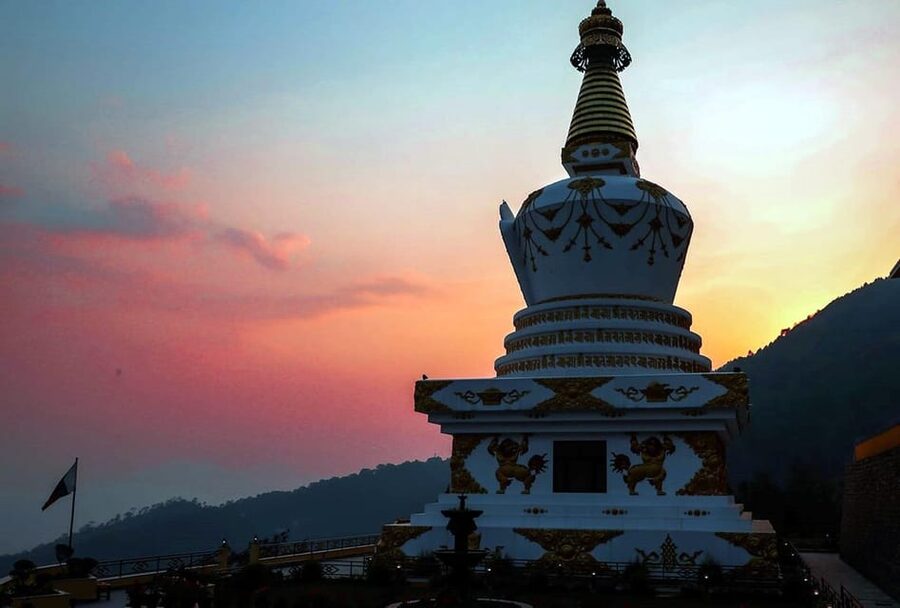
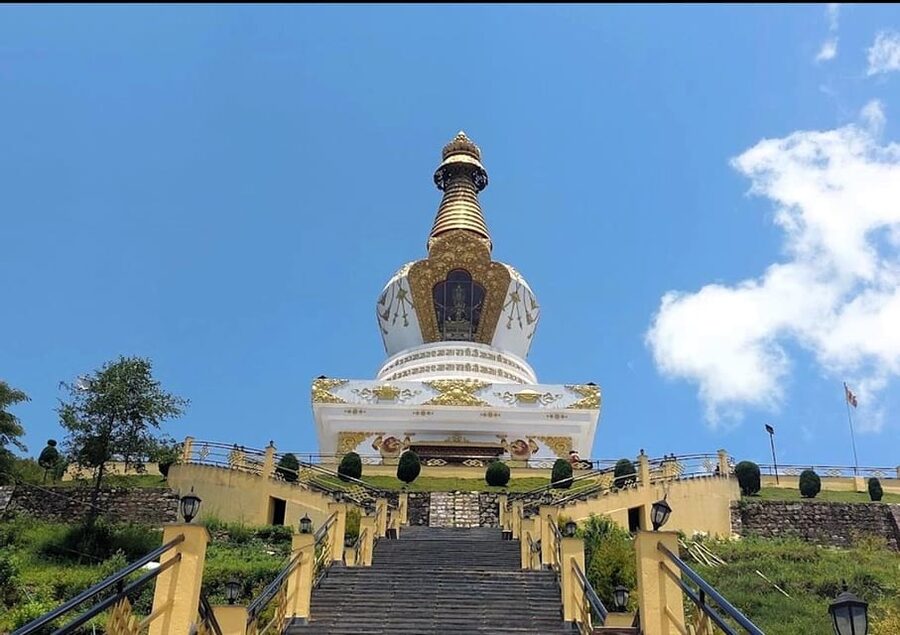
Your first stop is Jamchen Vijaya Stupa, scheduled for about an hour. This is the least familiar name on the route, and that is part of its appeal. It offers a calmer start than Boudhanath, with time to look closely at the stupa, walk around the grounds, and reflect without the same level of activity found later in the day.
The site gives you a first introduction to Buddhist architecture and practice. Your guide can help you understand the meaning of the stupa and explain how local people use the space. You are not simply checking off another monument. You are beginning to notice the relationship between the structure, the surrounding setting, and the acts of walking, prayer, and stillness.
Plan to walk during this stop. The tour description does not give a detailed accessibility route, so anyone with limited mobility should ask before booking. The general conditions specifically exclude people with mobility impairments and wheelchair users.
This first hour can also set the tone for the rest of the outing. If you arrive hoping for a full formal retreat, keep your expectations sensible. It is a guided visit with a meditation element, not a multi-day Buddhist course. Still, the quiet setting can give you a welcome break from Kathmandu’s noise.
Kopan Monastery: the tour’s reflective center
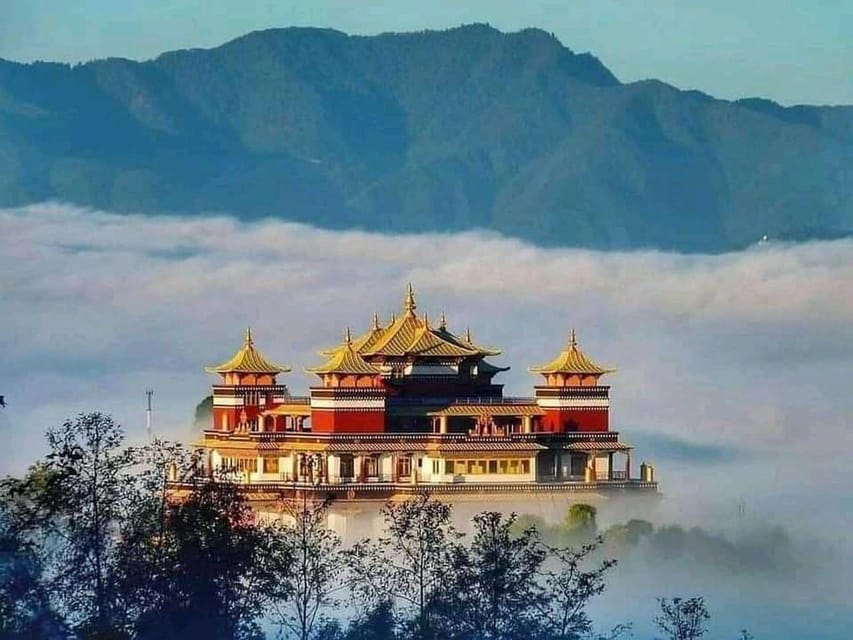
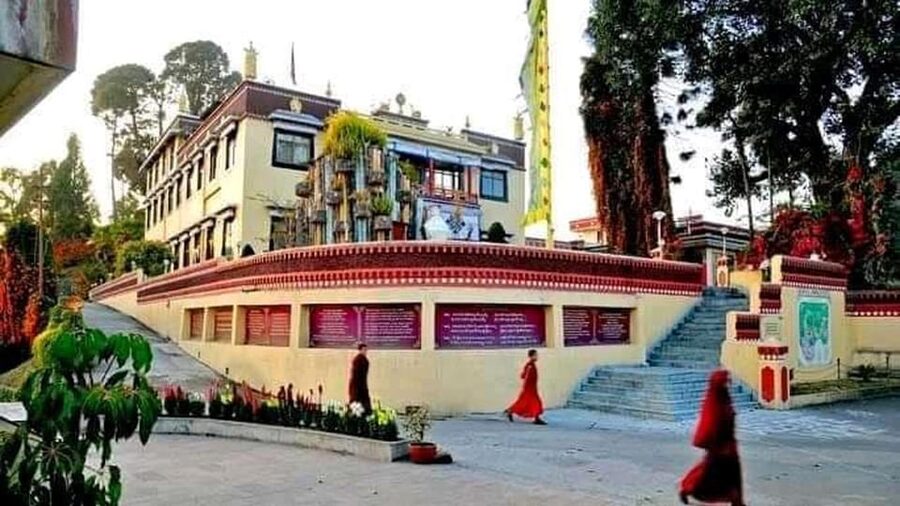
Kopan Monastery is the heart of the experience for many people. It sits on a hill and offers views across the Kathmandu Valley, along with prayer wheels, colorful murals, gardens, and spaces connected with monastic study and practice.
The planned visit lasts about an hour, including sightseeing, free time, photographs, and the possibility of a class or meditation. That is not a long time, so the guide’s role matters. You may spend part of the visit hearing about the monastery, part walking through the grounds, and part sitting quietly.
The meditation session is the most distinctive feature of the tour. Several people found that sitting at the monastery changed the visit from ordinary sightseeing into something more personal. You do not need to be an experienced meditator. The point is to stop, listen, and give yourself a little time without rushing to the next photograph.
The monastery itself can be subject to changing access. One visitor still found the outing worthwhile when Kopan was closed, but this is an important practical warning. If entry or normal activity is unavailable on your date, the tour may offer an exterior visit, views, or an adjusted experience instead. Ask about current access if Kopan is your main reason for booking.
The hilltop setting may also require walking. You should wear shoes that feel secure and comfortable, especially if you plan to spend time moving around the grounds. Bring a small personal bag only, since large luggage is not allowed.
This is also a good point to ask questions. Guides have explained Buddhist philosophy, Nepalese culture, the meaning of colors and symbols, and the difference between looking at a religious site and taking part respectfully. If you want a more personal conversation, private touring gives you room to do that.
Boudhanath Stupa: finish among pilgrims and prayer wheels
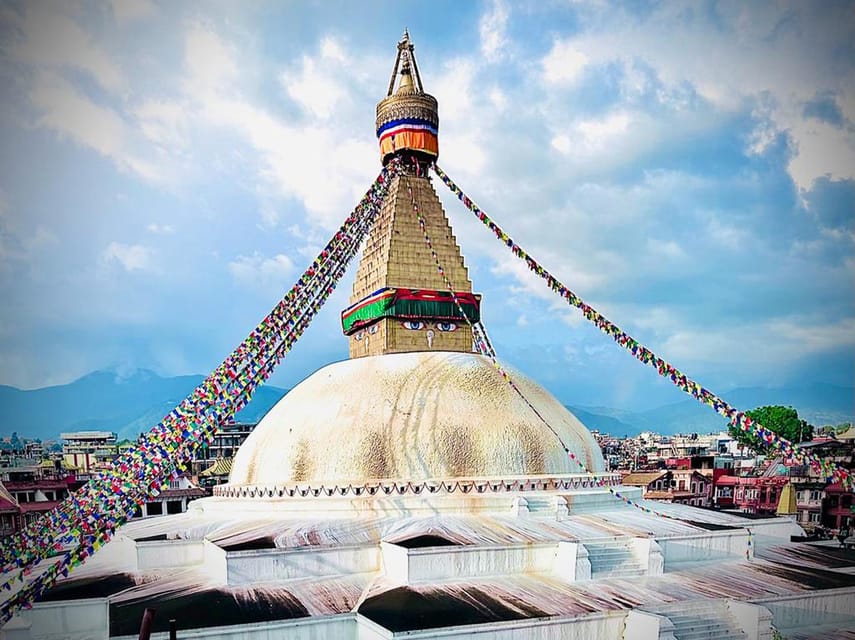
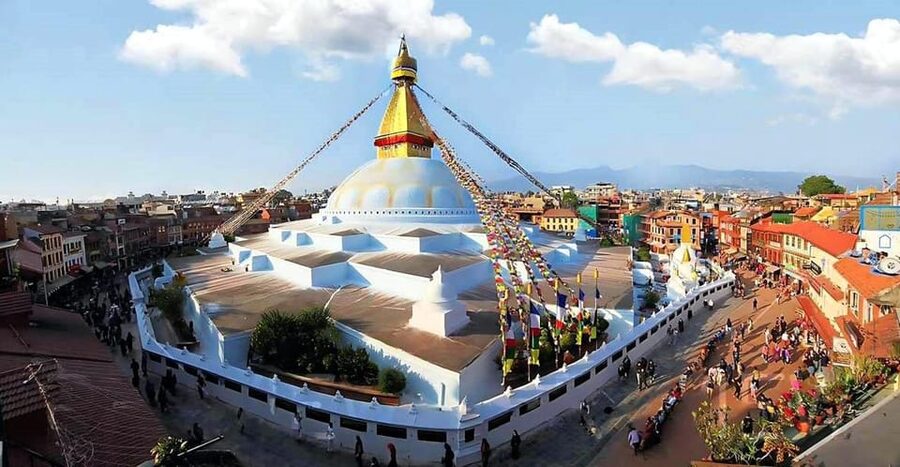
Boudhanath is the grand finale. It is one of the world’s major Buddhist sites and a UNESCO World Heritage Site. Its huge white dome, gilded pinnacle, and painted Buddha eyes make it instantly recognizable, but the real experience comes from watching how people use the space.
You can walk around the stupa with pilgrims, turn prayer wheels, observe people reciting mantras, and take in the steady movement around the base. Walk clockwise, following the local practice, unless your guide tells you otherwise. This simple act helps you participate respectfully rather than treating the site as a photo backdrop.
The area around Boudhanath also brings Tibetan culture into view through prayer flags, shops, monasteries, and traditional restaurants. You have free time here, so it is the best place on the route to browse or pause for food. The tour includes the chance to buy an authentic Nepalese lunch, but the meal itself is not listed as included in the price.
If you want to try local food, guides can offer useful suggestions. One guide helped point out good places for momos, Nepal’s popular dumplings. Treat lunch as an optional extra and keep enough time for the visit itself. Boudhanath can easily absorb an hour if you stop to watch the people moving around the stupa.
This stop is less secluded than Jamchen or Kopan. You may find more shops, more visitors, and more noise. That is not a flaw. It shows Buddhism as a living part of the city, not only as a quiet idea practiced behind monastery walls.
Same base, a different kind of day:
- Everest Base Camp Trek – 14 Days
★ 5.0 · 1,499 reviews - Everest Base Camp Helicopter Tour landing at Everest View Hotel
★ 5.0 · 668 reviews - Half day cooking class in Thamel kathmandu
★ 5.0 · 607 reviews - Everest Base Camp Trekking
★ 5.0 · 485 reviews
The guide makes the difference
The tour is sold as a spiritual and cultural experience, but much depends on who leads it. The strongest reports describe guides who explain without lecturing and who connect Buddhist ideas to everyday Nepalese life.
Pooja is repeatedly praised for being kind, funny, patient, and easy to spend time with. Karma is described as passionate about the sites and able to explain beliefs in plain English. Aneel is noted for his energy, cultural insight, and ability to make the day feel personal. Pranav is praised for conversations that extend beyond temple details into ancient and modern Nepal.
That range matters because Buddhist symbols can seem confusing if you only see them from the outside. Your guide may explain the eyes on the Boudhanath stupa, prayer wheels, colors, rituals, meditation, and the role of monasteries. You can also ask about Hindu and Buddhist traditions, which often exist side by side in Nepal.
The private-group format gives you a better chance to shape the conversation. You can ask for more explanation, spend longer in a quiet place, or move on when you have seen enough. One person was even able to adjust the route after already visiting one of the stupas.
Do not assume you will receive a formal teaching from a monk at every stop. The description allows for contact with monks and insight into monastic life, but the exact interaction can vary. The guide is the person you can count on for interpretation.
Transport, timing, and the $6 question
At $6 per person, this is an unusually low price for a five-hour private tour with hotel pickup, a car, and a licensed guide. If the advertised rate is available for your date, the value is strong, especially for solo visitors who would otherwise pay separately for several rides.
The private car also saves time. Kathmandu traffic can make short distances slow, and arranging separate taxis between three sites would add hassle. Pickup and drop-off at your accommodation keep the day simple.
The five-hour schedule includes about one hour at each main site, with the remaining time used for driving and transitions. That means this is a focused introduction, not a slow retreat. You will see all three places, but you should not expect long stretches of unplanned free time at every stop.
The price does not clearly spell out every possible admission charge or food cost. The booking information says transportation, guide service, and hotel pickup and drop-off are included. Bring some money for lunch and personal purchases, and confirm entrance arrangements when booking.
The tour has a 4.8 rating from 115 ratings, with especially strong praise for guides and drivers. Several people also note careful driving and smooth organization. That is useful in Kathmandu, where the quality of the ride can affect your mood as much as the destination.
Who should book this experience?
I would choose this tour if you are staying in Kathmandu for a short time and want Buddhist sites explained in context. It is especially well suited to solo visitors, couples, and small private groups who prefer conversation over a large coach tour.
It also works for anyone curious about meditation but not ready to commit to a longer retreat. The session at Kopan gives you a chance to try a quiet practice in a meaningful setting without making the whole day about meditation.
You may want something else if your priority is extended monastery study, long meditation periods, or a fully silent experience. The tour includes driving, guided sightseeing, photographs, and free time, so it remains a general cultural outing.
It is not suitable for wheelchair users or people with mobility impairments. You should also avoid bringing large bags. A passport or identity card is required, and a copy is accepted.
The operator allows cancellation up to 24 hours before the start for a full refund and offers reserve-now, pay-later booking. Starting times vary, so check the available departure before you plan the rest of your day.
My verdict on the three-stop route
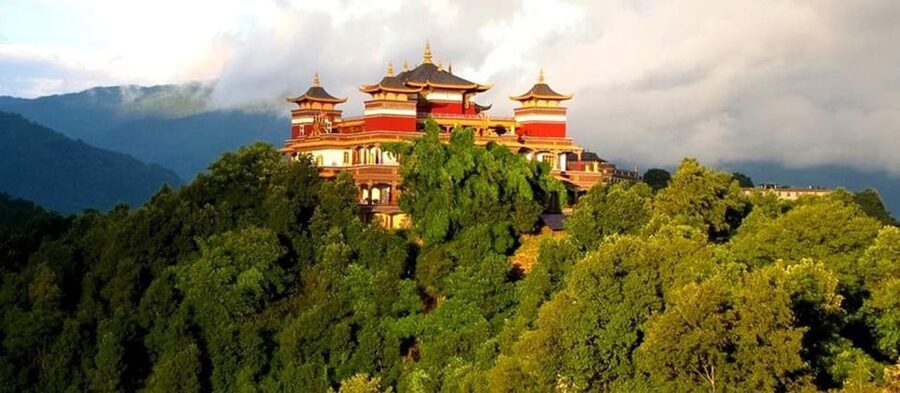
This is a strong introduction to Kathmandu’s Buddhist side because each stop does a different job. Jamchen offers calm, Kopan provides a closer look at monastic practice, and Boudhanath shows Buddhism in public, daily use.
The meditation opportunity is the feature that gives the tour more weight than a standard temple drive. The guides and private transport provide most of the practical value, particularly for first-time visitors who want clear explanations and an easy route.
Book it if you want a compact, personal, and low-cost introduction to Buddhist Nepal. Before confirming, ask about Kopan’s current opening status and any entrance charges. If the monastery is accessible and you have five hours free, this route offers a thoughtful break from Kathmandu’s crowded streets without taking up an entire day.
FAQ
How long does the tour last?
The tour lasts five hours, including pickup, visits to the three sites, travel between stops, and drop-off in Kathmandu.
Which places does the tour visit?
The route includes Jamchen Vijaya Stupa, Kopan Monastery, and Boudhanath Stupa in Kathmandu.
Is hotel pickup included?
Yes. Pickup and drop-off from accommodations in Kathmandu are included, with transportation by car.
Is meditation part of the tour?
The tour includes the opportunity for meditation with a local, and meditation time may be available at Kopan Monastery. The exact experience can depend on access and conditions at the monastery.
What language does the guide speak?
The live guide speaks English. The experience is offered as a private group tour.
What should I bring, and are there restrictions?
Bring a passport or identity card. A copy is accepted. Large bags and luggage are not allowed, and the tour is not suitable for wheelchair users or people with mobility impairments.
Just added in Kathmandu
- Kathmandu to Chitwan Tour by Tourist Bus – A Convenient and Affordable Way★ 4.0 · 4 reviews
- Changunarayan Hill to Telkot Hike Near Kathmandu Day Tour★ 5.0 · 6 reviews
- Mt Everest Base CampTrek | Budget Package★ 5.0 · 4 reviews
- Chitwan Jungle Safari 3-Day Tour★ 5.0 · 9 reviews
- Chandragiri Hill Station Tour by Cable Car★ 5.0 · 4 reviews
- Chandragiri Hills cable car day trip, private car with driver from Kathmandu★ 5.0 · 8 reviews
- Chandragiri to Taudaha Nature Day Hiking from Kathmandu★ 5.0 · 13 reviews
- Chandragiri Cable Car & Monkey Temple Private Guided Day Tour★ 5.0 · 5 reviews
Kathmandu UNESCO Heritage Tours, compared.
Private Kathmandu Sightseeing Tour | UNESCO World Heritage sites
Read our review →
Full Day 7 UNESCO Tour with Lunch – Private/Group
Read our review →
Private Bhaktapur and Nagarkot Day Tour From Kathmandu
Read our review →
Kathmandu Spiritual Sites: Bodhnath & Pashupatinath Tour
Read our review →
Day Trip to Bhaktapur and Panauti from Kathmandu
Read our review →
Browse the lists this tour appears in