
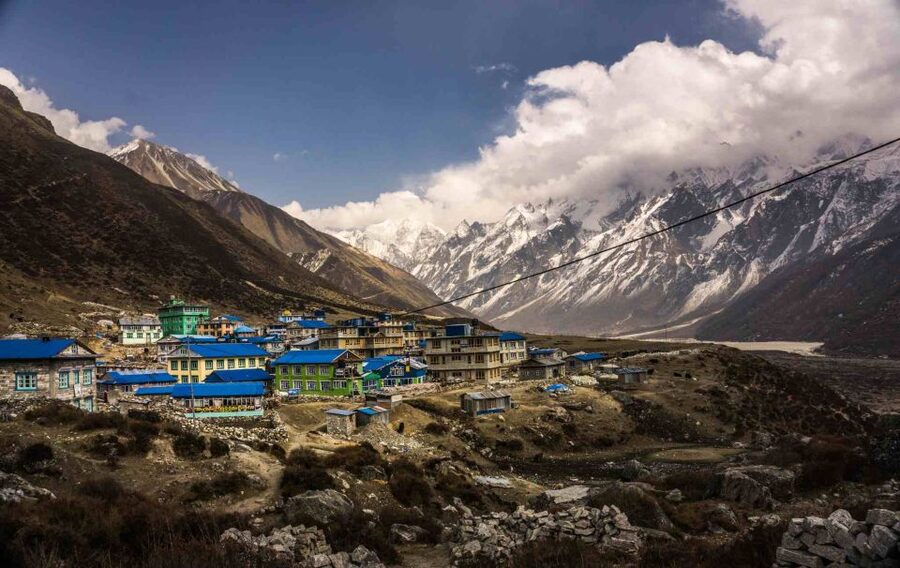
Reviewed · LANGTANG VALLEY TREKS
Kathmandu: 7 Day Langtang Valley Trek
The best part of this 7-day Langtang Valley trek is the steady approach to the high Himalayas. You begin with a road journey from Kathmandu, then walk beside the Langtang River, through rhododendron and oak forests, and toward snow-covered peaks that seem to grow larger with every day.
I like the private guide format, since hiking ability and pace can vary sharply on a mountain route. I also like the extra day at Kyanjin Gompa, where you can rest, visit the cheese factory, or climb toward Kyanjin Ri or Tserko Ri for wider views.
The main caution is the workload. One account describes days of roughly 15 kilometers, up to eight hours, and as much as 1,200 meters of climbing. That may not match every departure, but you should prepare for a serious trek, not a gentle sightseeing walk.
Key points to know before you book
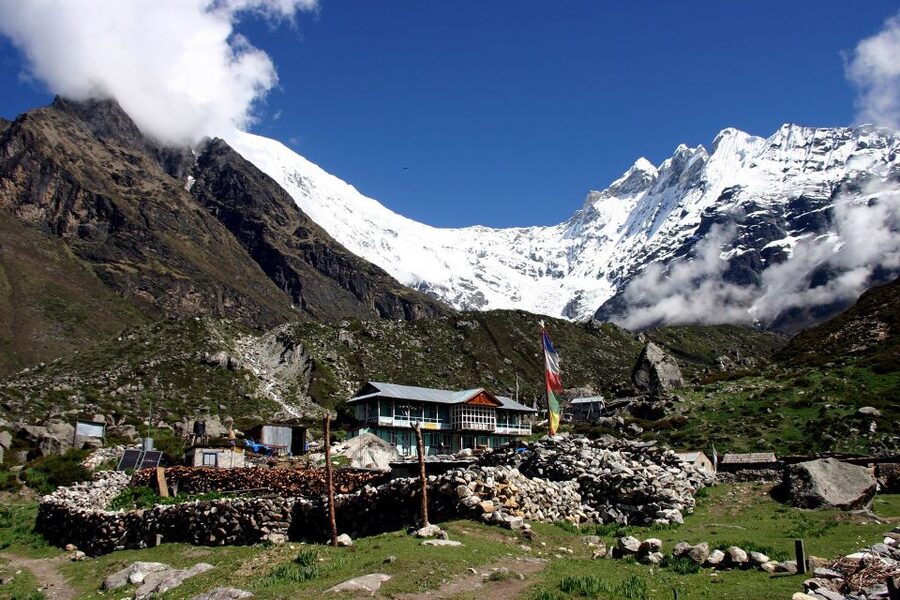
- Kyanjin Gompa is the high point: At 3,870 meters, this is where the mountain scenery becomes most dramatic.
- The route includes a proper acclimatization day: You can use it for rest or short hikes to Kyanjin Ri and Tserko Ri.
- The trek is private: You are not placed into a mixed group with strangers of different abilities.
- Tamang and Sherpa culture is part of the route: Villages and teahouse stops give the walk a human side.
- The $450 price covers major logistics: Permits, transport, guide, teahouses, and usually one or two Kathmandu hotel nights are included.
- Meals are extra: Budget about NPR 2,500 per person per day, according to the supplied cost estimate.
Why the Langtang route works so well in seven days
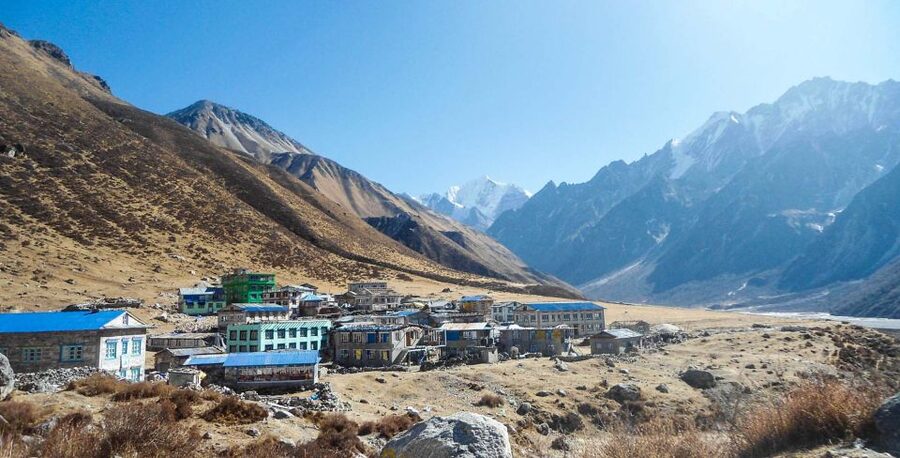
Langtang offers a strong Himalayan experience without requiring a long expedition. You leave Kathmandu by road, reach Syabrubesi at 1,550 meters, and then gain height on foot over several days.
That gradual change is important. You are not dropped straight into a high-altitude village. Instead, the route moves from river valleys and forest to open mountain country, giving your body time to adjust as you go.
The scenery also changes in a satisfying way. The early walking is shaded and green, with suspension bridges and forest paths. Higher up, the trees thin out, the valley opens, and the snow peaks become the main event.
You also get a look at daily life in the Langtang region. The route passes through communities linked with Tamang and Sherpa culture, and the teahouses provide simple places to sleep and eat. This is not a luxury mountain holiday. It is a direct, physical way to experience the region.
Other valley treks from Nepal:
- Trekking in Annapurna/Langtang/Everest/Upper Mustang regions
★ 5.0 · 161 reviews - Langtang Valley Trek
★ 5.0 · 140 reviews - Private 8 – Day Langtang Trekking
★ 5.0 · 29 reviews
Day 1: Kathmandu to Syabrubesi at 1,550 meters
Your first day is spent on the road. Transport from Kathmandu to Syabrubesi is included, and the journey takes you through villages and changing scenery before reaching the trek’s starting point.
This transfer is useful, but it is not merely a short hop to the trailhead. Road conditions in mountain regions can make a drive feel long, so keep your expectations practical. You will want a small day bag with water, snacks, documents, and anything you need during the ride.
Syabrubesi is the first overnight stop. At 1,550 meters, it gives you a sensible starting altitude before the walking begins. Use the evening to organize your boots, layers, and pack. The next morning, the trek starts in earnest.
Day 2: Syabrubesi to Lama Hotel at 2,380 meters
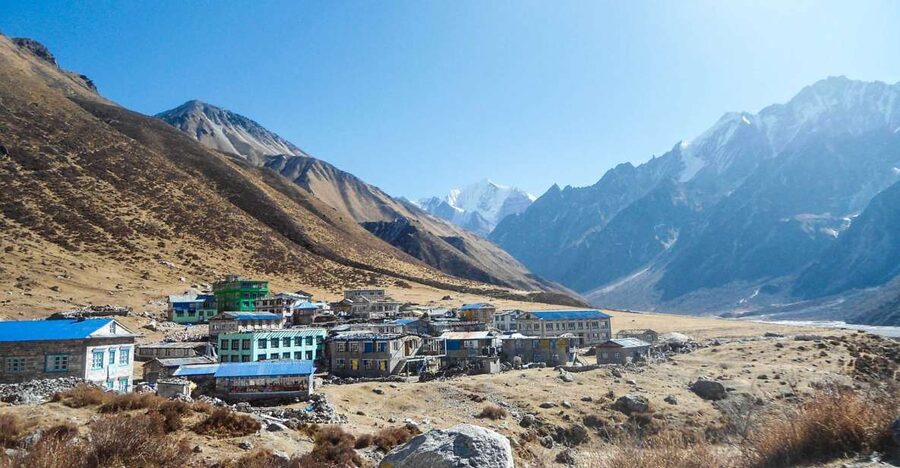
The trail follows the Langtang River through forest, with suspension bridges adding a little drama to the route. You will walk through lush surroundings, and the sound of running water helps make this a pleasant introduction to mountain trekking.
The climb to Lama Hotel is steady. It may feel manageable early in the day, then more tiring as the path keeps rising. This is a good time to settle into a consistent pace rather than trying to walk quickly and rest often.
Lama Hotel is a forest stop at 2,380 meters. Accommodation is in a teahouse, which means basic lodging rather than hotel comforts. The appeal is the location and the rhythm of mountain life: walk, eat, rest, and prepare for the next climb.
Day 3: Lama Hotel to Langtang Village at 3,430 meters
This is one of the more important altitude days. You climb through rhododendron and oak forest toward Langtang Village, gaining more than 1,000 meters from the previous night’s stop.
The trees and river views continue for part of the route, but the sense of height becomes clearer as you go. You will also begin to see more of the surrounding peaks, which gives the day a strong visual reward even when your legs are working hard.
Langtang Village is not just another overnight stop. It is a place to notice the local Tamang culture and the way mountain communities support life along the trail. Take time to look around rather than treating the village as only a bed for the night.
At this altitude, pacing matters. Drink regularly, walk steadily, and tell your guide if you feel unwell. A private guide can adjust the rhythm more easily than a large group, which is one of the practical benefits of this format.
A few more things to do in Nepal worth a look
- Everest Base Camp Trek – 14 Days
★ 5.0 · 1,499 reviews - Everest Base Camp Trekking
★ 5.0 · 485 reviews - Nagarkot Sunrise View and Day Hiking from Kathmandu
★ 5.0 · 471 reviews - Annapurna Circuit Trek with Tilicho Lake
★ 5.0 · 368 reviews
Day 4: Langtang Village to Kyanjin Gompa at 3,870 meters
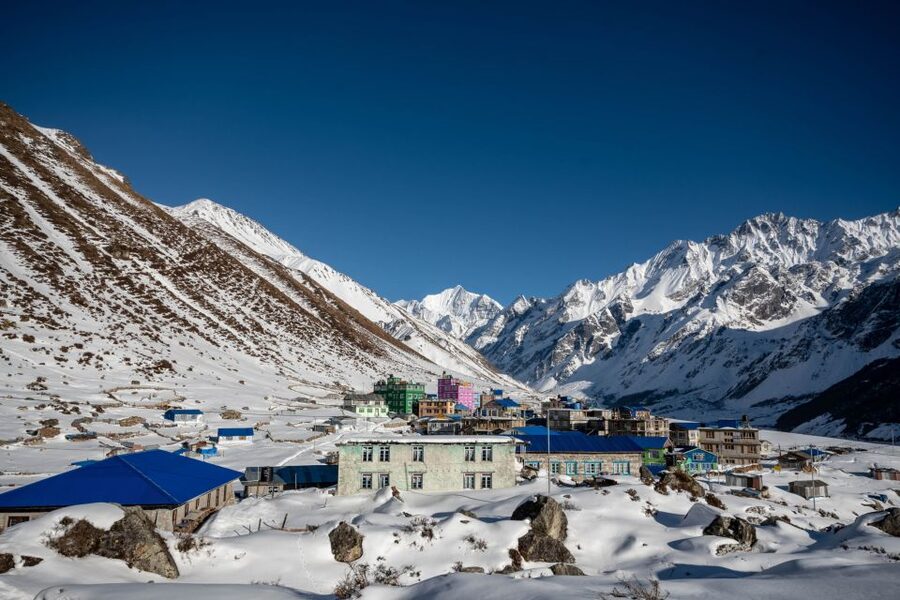
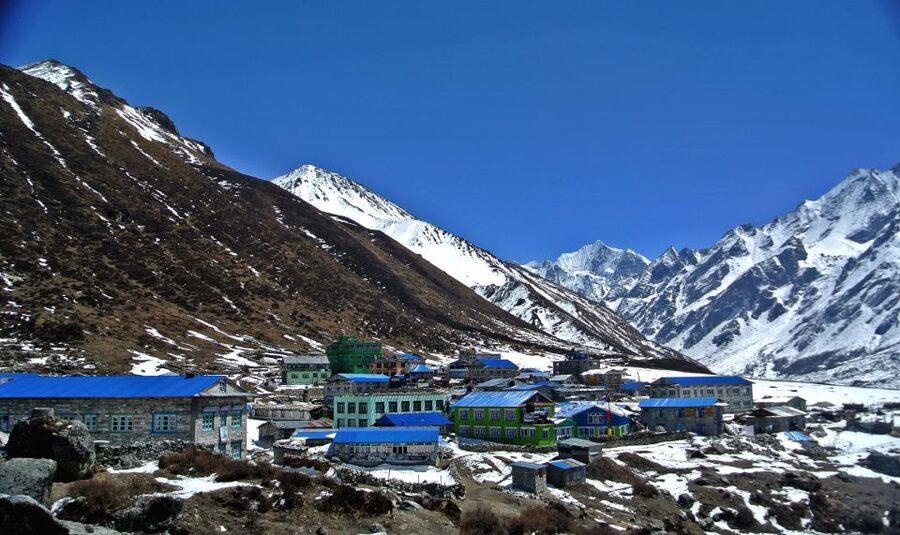
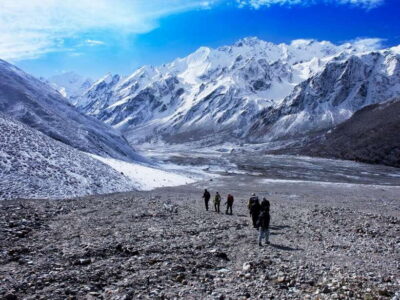
The walk to Kyanjin Gompa is the dramatic heart of the trek. The route passes yak pastures and glacial streams, while the valley opens toward peaks including Langtang Lirung.
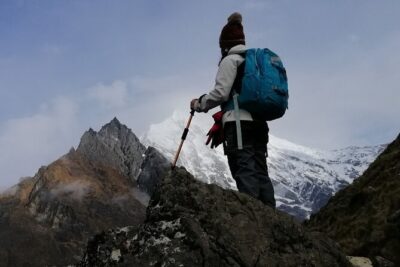
The scenery becomes more exposed and more severe. You are no longer walking mainly under trees. Snowy summits, rocky slopes, and open ground create the setting you probably imagined when you first considered a Himalayan trek.
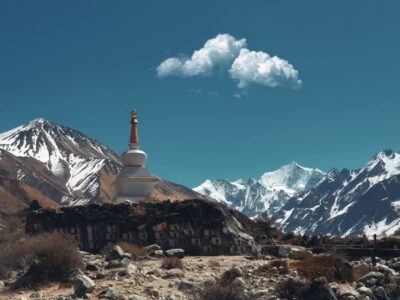
Kyanjin Gompa is both a settlement and a cultural stop. You can visit the Buddhist monastery and take in the mountain panorama before settling into the teahouse for the night.
This is also where the altitude becomes a real concern. At 3,870 meters, a slow pace is sensible. You may feel tired simply from walking and climbing stairs. The itinerary wisely gives you another day here rather than sending you straight back down.
Day 5: Rest and short hikes around Kyanjin Gompa
Calling this an acclimatization day does not mean you must sit indoors all day. You can rest at Kyanjin Gompa, explore the area, visit the local cheese factory, or choose a short hike toward Kyanjin Ri or Tserko Ri.
The best choice depends on how you feel. If your body is handling the altitude well, a viewpoint hike can add a major visual payoff. If you have a headache, nausea, or unusual fatigue, a quieter day is the better decision.
Kyanjin Ri and Tserko Ri are mentioned as options, but the exact hike you take should depend on conditions, time, and your guide’s advice. The important point is that you are not forced into one fixed activity. You have room to adjust the day.
This extra night is one of the strongest parts of the program. It gives you time to experience the high valley instead of arriving at Kyanjin Gompa late, taking a few pictures, and immediately turning around.
Day 6: Kyanjin Gompa to Lama Hotel
The return to Lama Hotel follows the route back through the valley. Downhill walking is usually faster than climbing, but it can be hard on knees and feet, especially after several demanding days.
You will see familiar sections from a different angle. The peaks, river, bridges, and forest do not look exactly the same when you are descending, and the knowledge that the highest point is behind you often makes the day feel lighter.
Do not treat this as an effortless walk. Long descents can be tiring, and the trail may include uneven sections and many steps. Trekking poles can be useful, though the supplied information does not state that they are provided, so you should ask before departure or bring your own if you use them.
Lama Hotel provides a welcome break before the final walking day and the drive back to Kathmandu.
Day 7: Lama Hotel to Syabrubesi, then Kathmandu
The final trail section takes you from Lama Hotel back to Syabrubesi. After reaching the road, included transport returns you to Kathmandu.
This day combines hiking and driving, so you should not expect a full sightseeing day in the capital. The trek ends when you return to Kathmandu, with hotel accommodation there usually included for one or two nights before and after the trek.
The road connection is convenient, but it also makes timing important. One account describes a trek being shortened because of concern about making a later flight. If you have an international departure soon after the trek, allow plenty of extra time and confirm the schedule with the provider before committing.
What the $450 price really covers
At $450 per person, this is not simply a guide and a walk. The package includes hotel pickup and drop-off, transport between Kathmandu and Syabrubesi, Langtang National Park and TIMS permits, teahouse accommodation, an experienced licensed guide, a basic first aid kit, and usually one or two Kathmandu hotel nights.
A porter service is also available as an option. Confirm whether the porter fee is included in your exact booking, since the wording presents it as an available service rather than a clearly included benefit.
Meals are not included. The stated estimate is about NPR 2,500 per person per day, which should cover your food budget for the trek if the estimate remains current. You should also confirm what the Kathmandu hotel nights include and whether airport transfers are part of the pickup and drop-off arrangement.
The value depends on how much planning you want to hand over. If you arrange permits, road transport, lodging, and guiding yourself, you may find lower direct costs. The package earns its price through convenience and support, especially for a first Himalayan trek.
One important point is accommodation quality. Teahouses are functional and basic, and conditions can vary. You should not book this expecting polished rooms or consistent hotel standards at every stop.
The guide and private-group advantage
This is a private group with an English-speaking live guide. That matters on a route where people can have very different walking speeds and reactions to altitude.
A strong guide can help with route decisions, pacing, local arrangements, and basic first aid. The supplied information specifically describes the guide as licensed and experienced, but it does not provide a guide’s name. Ask for the name and qualifications of the person assigned to you before departure.
The private setup also means you are less likely to feel rushed by a large group. You can discuss rest stops and the pace of the day more directly. That said, a private guide cannot remove the physical demands of the route. You still need to be prepared for long walking days and hundreds of steps.
How difficult is the trek?
The official information warns that you will climb hundreds of steps and lists the route as unsuitable for pregnant women, wheelchair users, people with mobility impairments, and people with back problems.
That warning should be taken seriously. The trek includes repeated ascents, uneven mountain paths, bridges, and altitude gain up to 3,870 meters. A person who is generally fit but inexperienced may manage it with preparation, while someone with limited walking ability may find it unsuitable.
The reported example of 15 kilometers, eight hours, and 1,200 meters of climbing gives you a useful upper-end picture of the effort. It should not be treated as a guaranteed daily schedule, but it shows why ordinary city walking is not enough preparation.
You should bring broken-in walking shoes, warm layers, rain protection, a refillable water bottle, sun protection, and a small personal medical kit. You also need a passport-sized photo and a passport or ID copy for the permits and registration process.
Oversize luggage and drones are not allowed. Pack light, keep your main bag manageable, and ask about porter arrangements before arrival.
The best fit for this experience
I would recommend this trek to you if you want genuine mountain scenery, basic teahouse life, and a private guide without arranging every permit and transfer yourself.
It suits first-time Himalayan trekkers who are ready for a serious physical challenge. The guide and included logistics reduce the planning burden, while the acclimatization day gives the schedule a sensible pause.
It is less suitable if you want comfortable roads, reliable luxury accommodation, short walks, or a flexible sightseeing holiday. It is also a poor match if you have mobility limits, back problems, or concerns about high-altitude walking.
The route has a clear reward structure: every day takes you farther into the valley, and Kyanjin Gompa provides a memorable high point. You trade comfort and ease for direct contact with the mountains and local communities.
Should you book this Langtang trek?
Book it if you want a compact Himalayan trek with transport, permits, teahouses, and a private English-speaking guide bundled into one $450 package. The strongest reasons are the mountain views, the Kyanjin Gompa acclimatization day, and the freedom to walk at your own pace.
Before paying, confirm the exact hotel nights, porter cost, meal arrangements, daily walking expectations, accommodation standards, and return timing to Kathmandu. Also avoid placing a tight international flight immediately after the trek.
My call: this is a worthwhile choice for a fit, prepared trekker who values support and simple logistics. It is not a soft adventure, and the uneven quality of accommodation and the extra meal cost mean you should book with clear expectations.
FAQ
How long does the Langtang Valley trek last?
The experience lasts seven days, including the drive from Kathmandu to Syabrubesi, the trek to Kyanjin Gompa, the return walk, and the drive back to Kathmandu.
What is the highest overnight point?
Kyanjin Gompa is listed at 3,870 meters and is the highest overnight stop in the itinerary.
Is an acclimatization day included?
Yes. Day 5 is set aside for acclimatization at Kyanjin Gompa. You can rest, visit the cheese factory, or take a short hike toward Kyanjin Ri or Tserko Ri.
Are meals included in the price?
No. Meals are not included. The stated estimate is approximately NPR 2,500 per person per day.
What accommodation is provided?
You stay in teahouse lodges during the trek. The package usually includes one or two nights of hotel accommodation in Kathmandu before and after the trek.
Is a guide included?
Yes. A licensed, experienced, English-speaking trekking guide is included, and the group type is private.
Is porter service included?
Porter service is available as an option. Confirm the price and whether it is included in your specific booking before you travel.
What should I bring for the trek?
Bring a passport-sized photo, your passport or an accepted copy of your passport or ID, suitable trekking clothing, and practical hiking equipment. Oversize luggage and drones are not allowed.
Just added in Nepal
- Kathmandu to Chitwan Tour by Tourist Bus – A Convenient and Affordable Way★ 4.0 · 4 reviews
- Changunarayan Hill to Telkot Hike Near Kathmandu Day Tour★ 5.0 · 6 reviews
- Mt Everest Base CampTrek | Budget Package★ 5.0 · 4 reviews
- Chitwan Jungle Safari 3-Day Tour★ 5.0 · 9 reviews
- Chandragiri Hill Station Tour by Cable Car★ 5.0 · 4 reviews
- Chandragiri Hills cable car day trip, private car with driver from Kathmandu★ 5.0 · 8 reviews
- Chandragiri to Taudaha Nature Day Hiking from Kathmandu★ 5.0 · 13 reviews
- Chandragiri Cable Car & Monkey Temple Private Guided Day Tour★ 5.0 · 5 reviews
Langtang Valley Treks, compared.
Trekking in Annapurna/Langtang/Everest/Upper Mustang regions
Read our review →
Browse the lists this tour appears in