
Reviewed · LANGTANG VALLEY TREKS
From Kathmandu: 5-Day Gosaikunda Lake Trek
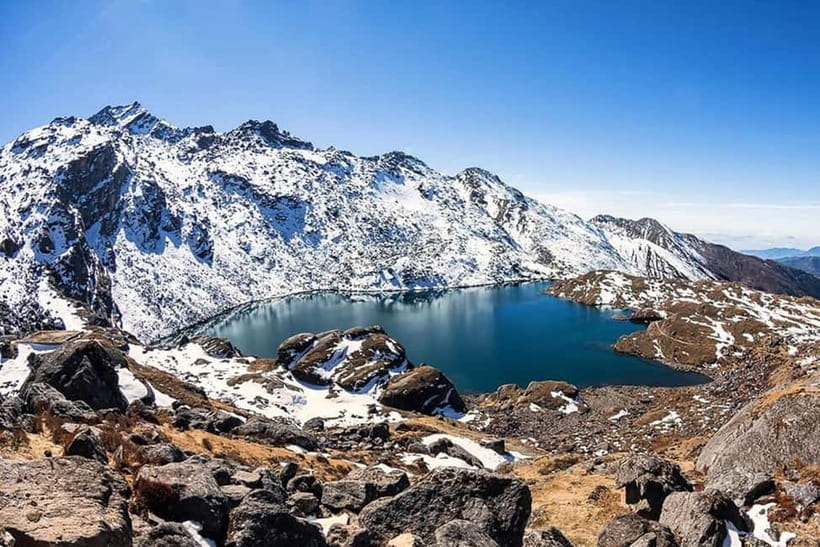
Gosaikunda is the star here: a sacred alpine lake at 4,380 meters, reached on a short but demanding route from Kathmandu. In five days, you pass through Langtang National Park, pine and rhododendron forest, mountain villages, and high Himalayan country without committing to a much longer trek.
I like the practical setup: hotel pickup, permits, bus transport, four guesthouse nights, and a licensed guide are included. I also like the small group size, capped at 14, and the loan of a down jacket, sleeping bag, and trekking poles. The main catch is the pace. The trail climbs sharply, and the high point comes quickly, so you need reasonable fitness and a little patience with basic mountain lodging.
Key points at a glance
- Gosaikunda at 4,380 meters: The third day reaches the sacred lake and nearby Bhairav, Chandra, and Saraswati Kunda.
- A short route from Kathmandu: Five days gives you a serious Himalayan trek without needing a long domestic transfer.
- Four nights in mountain guesthouses: Expect simple accommodation, with private rooms reported throughout one recent trip.
- Guides with a personal touch: Raj, Terence, and Ohm are named guides associated with recent departures, with support, local facts, and safety checks.
- Useful gear included: A down jacket, sleeping bag, trekking poles, water purification tablets, and first aid are available as part of the package.
- Best for fit hikers: The steep climb to Laurebina and the high altitude make this a poor match for anyone with limited mobility or little walking experience.
Why Gosaikunda makes a strong short trek
Many mountain trips from Kathmandu require a long time commitment. This one keeps the schedule to five days while still taking you above 4,000 meters. That is the appeal, but also the warning. You get a real high-altitude trek, not a gentle hill walk with a mountain view at the end.
Gosaikunda is an alpine freshwater lake in Langtang National Park. It freezes in winter, and its meltwater feeds the Trishuli River. The setting is both scenic and religiously important, giving the hike more meaning than a simple point-to-point walk.
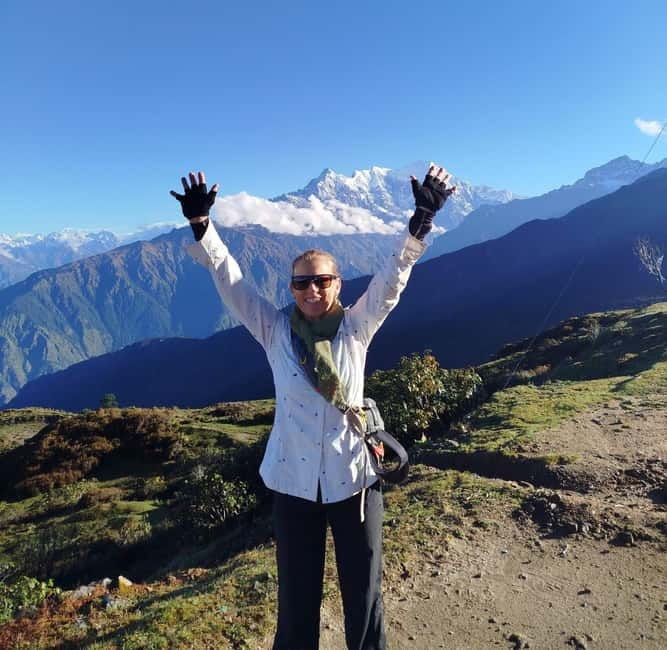
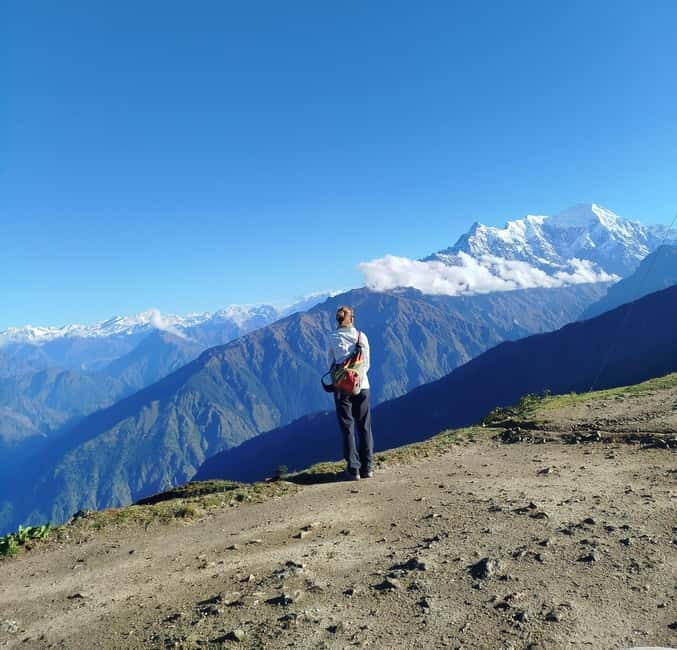
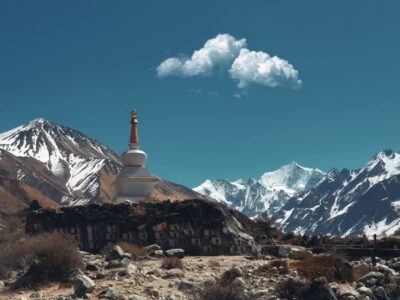
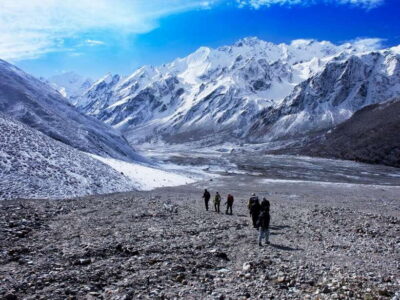
I like the variety packed into the route. The drive from Kathmandu crosses terraced fields and green hills, while the trail moves through bamboo, pine, and rhododendron forest before reaching the open, colder country around the lake. On clear days, you can see the Langtang range and other snow-capped peaks.
The trip is offered throughout the year, but the timing matters. Clear skies give you the best mountain views, and cloud can hide much of the scenery. You should also expect a big difference between the lower trail and the high lake area, even on the same day.
Other valley treks from Kathmandu:
- Langtang Valley Trek
★ 5.0 · 140 reviews - Private 8 – Day Langtang Trekking
★ 5.0 · 29 reviews - Kathmandu: 6-Day Limitless Langtang Trek
★ 5.0 · 21 reviews
Day 1: Kathmandu to Dhunche, then Deurali at 2,790 meters
Your first day begins with a hotel pickup and a drive to the bus stop. The ride to Dhunche takes about five to six hours, so the road journey is a substantial part of the day. You pass green hills, terraced farmland, and views that may include Manaslu, Ganesh, and Langtang.
Dhunche is the trailhead for this route. After a short break, you walk for about two hours to Deurali, where you spend the night in a mountain guesthouse. This first hike is brief compared with the next two days, but it gives your legs a useful start after the long bus ride.
The main thing to know is that this is not a polished transfer followed by an easy stroll. Bus travel in the hills can be tiring, and the day combines several hours on the road with an uphill walk. I would keep your first-day expectations simple: enjoy the changing scenery, listen to your guide’s briefing, and save energy for the climb ahead.
Your guide should also be the person to clarify the next day’s route, meal arrangements, and expected walking time. Recent departures have been led by guides including Raj, Terence, and Ohm. Their roles have included explaining the region, checking plans, and keeping the group moving at a sensible pace.
Day 2: The steep climb to Laurebina at 3,910 meters
Day two is the hardest sustained uphill section. After breakfast, you climb toward Laurebina by way of Chandanbari. The route follows a steep path, and the elevation rises from Deurali at 2,790 meters to a high overnight stop at 3,910 meters.
That gain is why I would not treat this as a casual weekend hike. You are sleeping at a serious altitude on the second night, before the excursion to Gosaikunda itself. The guide’s pace matters here. A good guide will help you take steady steps and avoid burning all your energy early in the day.
Chandanbari adds interest to what would otherwise be a long climb. The route passes through protected park country, with forest and changing plant life along the way. The value of Langtang National Park is not only the distant peaks. You also get the close-up details of woodland, trail vegetation, and the chance to see wildlife.
Laurebina is a mountain guesthouse stop, not a full-service hotel. The accommodation is basic, though one recent trip had private rooms throughout. That experience is possible, but you should still pack for simple facilities and a cool night. The provided sleeping bag and down jacket can make a real difference here.
Day 3: Gosaikunda and three smaller lakes
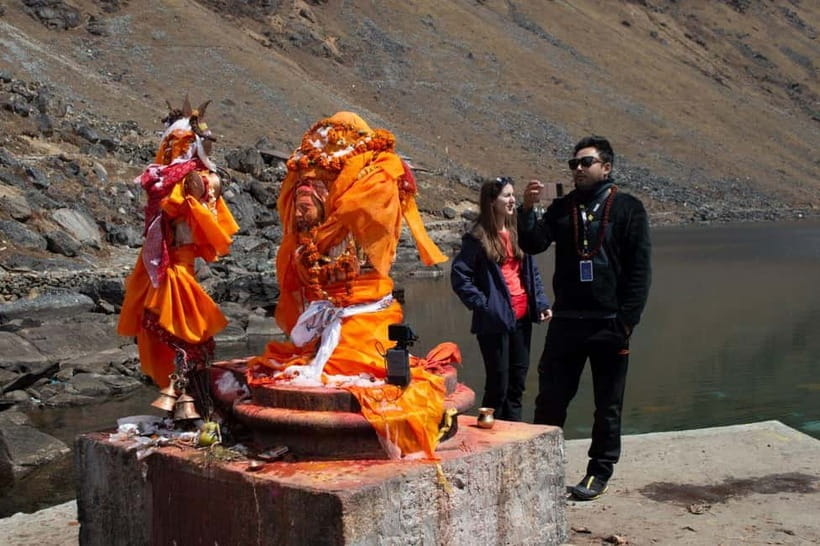
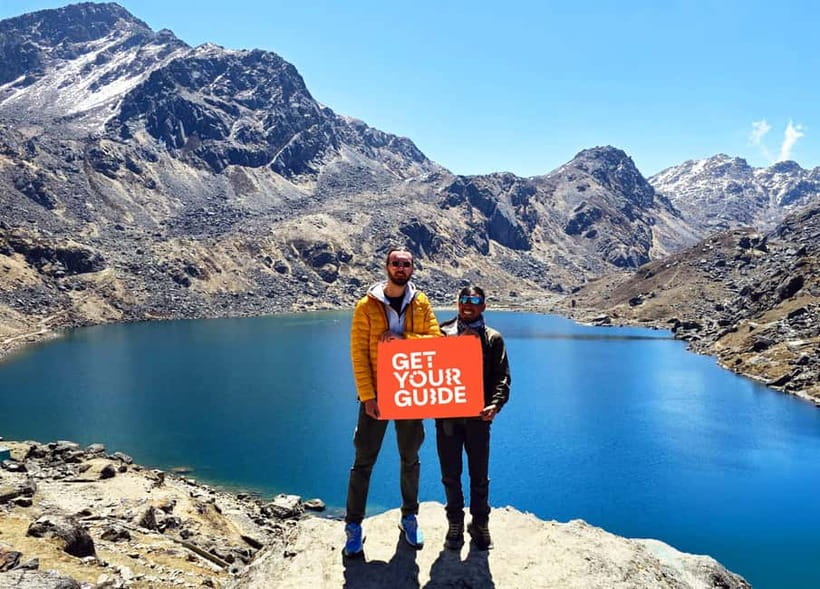
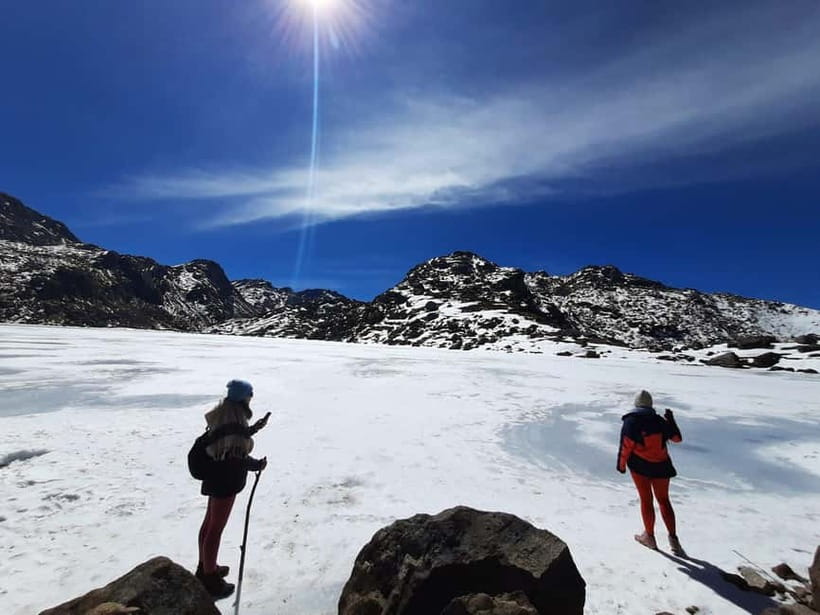
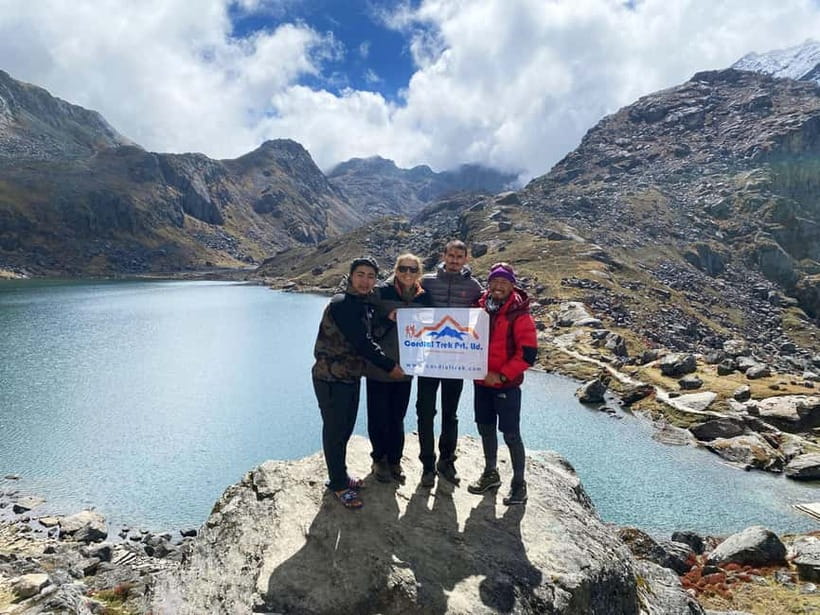
The third day is the reason to book this route. From Laurebina, you hike to Gosaikunda, reaching a maximum elevation of 4,380 meters. The lake is set in high alpine country, with the Langtang range forming the backdrop when the sky is clear.
You also have the chance to see Bhairav Kunda, Chandra Kunda, and Saraswati Kunda. This makes the day more than a walk to one viewpoint. The lake group gives you several natural features to look at as the trail reaches its highest, most exposed section.
The hike is planned as a round trip from Laurebina, followed by a return to the same guesthouse. That is a smart arrangement. You do not need to carry all your overnight belongings to the lake, and you return to a familiar room at the end of the day.
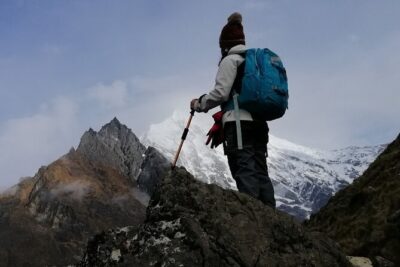
Altitude is the serious issue. At 4,380 meters, you may feel the thin air even if you are fit. Walk slowly, drink according to your guide’s advice, and speak up if you feel unwell. A down jacket and sleeping bag are loaned out, but those items do not remove the need for warm personal layers, gloves, a hat, and suitable footwear.
This is also the most weather-sensitive day. The lake and mountains have much more impact when the sky is open. If clouds move in, the walk is still worthwhile, but your views may be limited. The activity description is honest about this: clear conditions are the best time to see the central Himalayas.
A few more things to do in Kathmandu worth a look
- Everest Base Camp Trek – 14 Days
★ 5.0 · 1,499 reviews - Everest Base Camp Trekking
★ 5.0 · 485 reviews - Nagarkot Sunrise View and Day Hiking from Kathmandu
★ 5.0 · 471 reviews - Annapurna Circuit Trek with Tilicho Lake
★ 5.0 · 368 reviews
Day 4: Forest descent to Dhunche
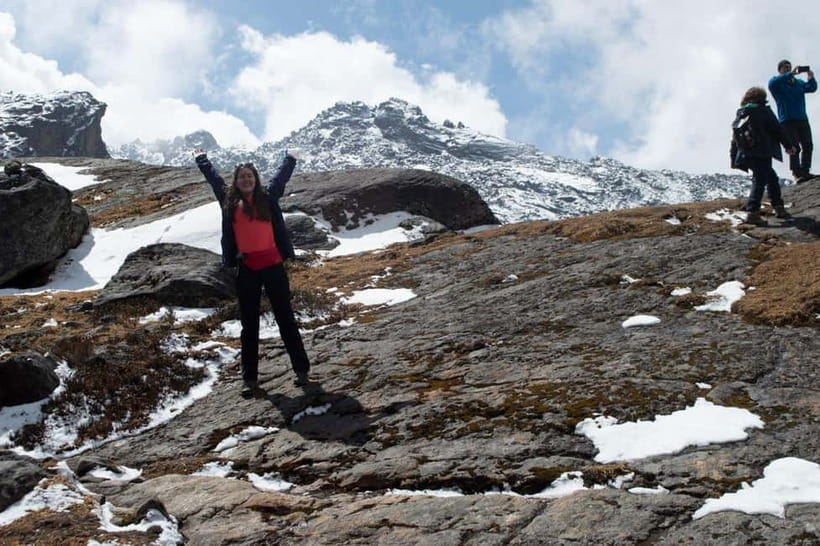
After the high point, the route turns downhill. You descend through rhododendron, pine, and bamboo forest toward Deurali, then continue through another wooded stretch before crossing a river and reaching Dhunche.
A downhill day sounds easy, but steep descents can be hard on knees and ankles. Trekking poles are included to borrow, and this is exactly the sort of day when they are useful. Use short steps, take care on uneven ground, and do not let the relief of finishing the climb push you into rushing.
The forest also changes the feel of the trek. Day three is open and high, while day four brings shade, vegetation, and a more enclosed trail. You get a better sense of the park as a living environment rather than just a corridor to the lake.
You spend the night in Dhunche before the return drive. This gives you a proper transition from the mountains to the road and avoids trying to combine a long descent with the full journey back to Kathmandu.
Day 5: Return to Kathmandu
After breakfast, you take the bus back to Kathmandu. The return journey follows the same general road route and takes you from the hill country back toward the capital. On arrival at the bus station, a transfer takes you to your hotel.
The final day is simple, but it matters when planning flights or other commitments. The bus ride is not a quick airport transfer, and the schedule can occupy much of the day. I would avoid booking a tight same-day connection unless you have confirmed the timing directly with the operator.
What the $179 price really covers
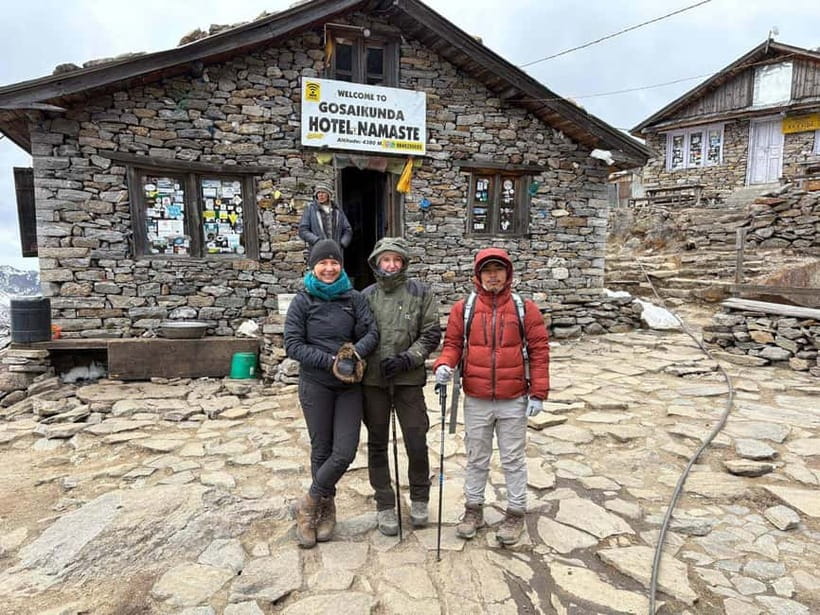
At $179 per person, this is a strong value if you use the included services. The package covers hotel pickup and return, a licensed guide, four nights in mountain guesthouses, bus transportation between Kathmandu and Dhunche, trekking permits, and the TIMS card.
You also get access to a down jacket, sleeping bag, trekking poles, water purification tablets, and first aid if needed. A duffel bag is included when you choose the porter option. These extras reduce the amount of specialist gear you need to buy for one short trek.
The meal arrangement needs careful attention. The all-inclusive option lists four breakfasts, five lunches, and four dinners. The budget option does not include meals, so you should confirm exactly which version you are booking before comparing the price with other tours.
A porter is available as an add-on rather than included as standard. That is worth considering if you want to keep your daypack light, especially on the steep climb to Laurebina. You should also budget for personal expenses, insurance, and any food not covered by your selected package.
The value is strongest for a first Himalayan trek or a visitor who does not want to arrange permits, transport, accommodation, and equipment separately. The price is less attractive if you already have gear, prefer to travel independently, or want a private itinerary with more flexible walking days.
Guides, group size, and the human side of the trek
The group is limited to 14 people, which is small enough for a guide to keep an eye on the pace and group condition. It is not a private trek, so you should still expect to share the trail, meals, and general schedule with other participants.
The named guides bring different strengths. Raj is associated with clear explanations about the region and the plan for each day. Terence has been praised for adapting to plans and putting safety first. Ohm has been described as upbeat, supportive, and good at keeping the group engaged with local facts and fun video work.
That human element matters on a short, strenuous trip. A guide is not only there to lead the path. You need someone who can explain how the day will unfold, notice when the altitude is affecting someone, and keep morale steady during the long climb.
The tour offers English, Hindi, and Icelandic guiding. The specific language available may depend on the departure, so confirm this if language support is important to you.
What to pack for comfort
The operator provides several useful items, but you still need a personal clothing system for changing temperatures. Bring warm layers, sturdy walking shoes, sun protection, a water bottle, and a small daypack.
Your passport and a recent passport-size photo are required before the trek so the permits can be processed. Bring cash for personal expenses, along with a camera if you want to record the views and villages along the route.
The loaned down jacket, sleeping bag, and trekking poles are especially useful for anyone who does not own trekking gear. Ask about sizes and availability before departure, rather than assuming every item will fit perfectly.
Do not rely only on the supplied gear. Personal base layers, socks, gloves, and rain protection still matter. Conditions can change quickly at high elevation, and the high lake section is far colder than the lower forest trail.
Who should book this trek?
I would recommend this trek to a reasonably fit adult who wants a concentrated Himalayan experience from Kathmandu. It suits you if you enjoy uphill walking, simple guesthouses, mountain roads, and a clear goal at the end of the route.
It is also a good choice if you want support with permits and transport but do not want a large tour group. The five-day length works well for a short Nepal visit, especially when you want more than a sightseeing trip around Kathmandu.
I would be cautious if you have limited mobility, little walking experience, or difficulty with steep trails. The trek is not suitable for people with mobility impairments, children under 10, or people over 140 kilograms. The altitude also makes it a poor match for anyone expecting an easy nature walk.
A porter can make the route more manageable, but it does not change the steepness or the altitude. If you are unsure about your fitness, ask the operator for a candid assessment before paying.
Should you book the Gosaikunda trek?
Book it if you want a short, organized route to a high sacred lake and you value having a guide, permits, transport, lodging, and basic equipment handled for you. The combination of forest, alpine lakes, Himalayan views, and local culture gives the five days plenty of variety.
Think twice if you dislike long bus journeys, basic mountain accommodation, or steep uphill walking. The trip is compact because it moves quickly, not because the route is easy.
For the right person, $179 is a sensible price for a tightly organized introduction to high-altitude trekking near Kathmandu. Choose clear-weather dates when possible, confirm whether meals are included in your package, and consider adding a porter if you want a lighter load.
FAQ
How long is the Gosaikunda trek from Kathmandu?
The activity lasts five days, including bus transportation from Kathmandu to Dhunche and back. The route includes four nights in mountain guesthouses.
What is the highest point on the trek?
The highest point is Gosaikunda Lake at 4,380 meters. You spend the previous night at Laurebina, at about 3,910 meters.
Is transportation from Kathmandu included?
Yes. Bus transportation between Kathmandu and Dhunche is included, along with hotel pickup and transfer back to your hotel after returning to Kathmandu.
Are meals included?
Meals are included with the all-inclusive option: four breakfasts, five lunches, and four dinners. Meals are not included with the budget option.
What trekking equipment is available?
A down jacket, sleeping bag, and trekking poles can be borrowed. Water purification tablets and first aid are also available. A duffel bag is included with the porter option.
Do I need to provide documents before the trek?
Yes. You need to provide a copy of your passport and a recent passport-size photograph at least one day before departure so the required trekking permits can be processed.
Just added in Kathmandu
- Kathmandu to Chitwan Tour by Tourist Bus – A Convenient and Affordable Way★ 4.0 · 4 reviews
- Mt Everest Base CampTrek | Budget Package★ 5.0 · 4 reviews
- Chitwan Jungle Safari 3-Day Tour★ 5.0 · 9 reviews
- Changunarayan Hill to Telkot Hike Near Kathmandu Day Tour★ 5.0 · 6 reviews
- Chandragiri Hill Station Tour by Cable Car★ 5.0 · 4 reviews
- Chandragiri Hills cable car day trip, private car with driver from Kathmandu★ 5.0 · 8 reviews
- Chandragiri to Taudaha Nature Day Hiking from Kathmandu★ 5.0 · 13 reviews
- Chandragiri Cable Car & Monkey Temple Private Guided Day Tour★ 5.0 · 5 reviews
Langtang Valley Treks, compared.
Trekking in Annapurna/Langtang/Everest/Upper Mustang regions
Read our review →
Browse the lists this tour appears in