
Reviewed · LANGTANG VALLEY TREKS
Kathmandu: 6 Days Langtang Valley Trek with Kyanjin Ri
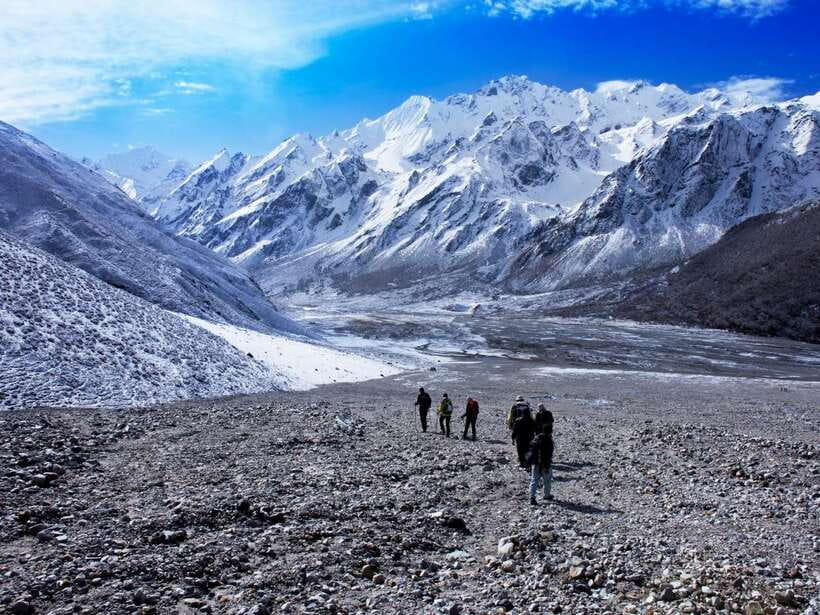
The best part of this trek is how quickly it moves you from Kathmandu’s busy streets into the Tamang villages and mountain trails of Langtang Valley. By the third day, you reach Kyanjin Gompa at 3,870 meters, where monasteries, Himalayan peaks, and a local cheese factory give the trip more substance than a simple walk through pretty scenery.
I like the short six-day format and the option to climb Kyanjin Ri at 4,770 meters for sunrise views. I also like the human side of the trip: guides such as Ghanshyam and Sudarshan are described as patient, flexible, and attentive to pace and health. The main consideration is altitude. The schedule gains height quickly, and the Kyanjin Ri climb is optional for good reason.
Key points at a glance
- Kyanjin Ri at 4,770 meters: Add a demanding early hike for broad views of snow-covered peaks and glacial valleys.
- Tamang culture in the valley: Walk through mountain villages, meet local people, and visit Kyanjin Gompa.
- A useful six-day route: The trek includes transport from Kathmandu, five nights of accommodation, permits, and a guide.
- Cheese and monastery stop: Kyanjin Gompa combines a local cheese factory with traditional Himalayan religious sites.
- Private group format: You can expect a private group with an English or Hindi-speaking guide and room to adjust the walking pace.
- $179 per person: This is strong value if the quoted package includes the stated meals and transport, though porter service and personal costs are extra.
Why Langtang Valley works so well in six days
Langtang offers a more compact Himalayan trek than the long routes around Everest. You still get forests, waterfalls, high mountain villages, Buddhist sites, and snow-covered peaks, but the program fits into six days from Kathmandu and back.
I like the balance here. The walk is not only about reaching a viewpoint. You pass through Tamang communities, follow the Langtang River, sleep in mountain settlements, and spend time around Kyanjin Gompa. That mix gives you a better sense of daily life in the valley.
The route is also suitable for people who want a guided introduction to Nepal trekking without committing to a much longer expedition. Still, short does not mean easy. The altitude rises from 1,550 meters at Pahiro to 3,870 meters at Kyanjin Gompa in two trekking days, so you need to take the pace seriously.
Other valley treks from Kathmandu:
- Langtang Valley Trek
★ 5.0 · 140 reviews - Private 8 – Day Langtang Trekking
★ 5.0 · 29 reviews - Kathmandu: 6-Day Limitless Langtang Trek
★ 5.0 · 21 reviews
Day 1: Kathmandu to Syabrubesi and Pahiro
Your first day begins with a road journey from Kathmandu to Syabrubesi, the main gateway to the Langtang trek. The drive passes mountain roads, villages, and green hills before you reach the trailhead.
From Syabrubesi, you walk toward Pahiro at about 1,550 meters. The route follows the Langtang River and moves through forested sections, giving you a gentle introduction to trekking after the long drive.
This day is less about dramatic altitude or a major summit and more about getting into the rhythm of the trip. The road journey can make the day feel long, so having hotel pickup and arranged transport is useful. Transport is shared according to the number of people, rather than a guaranteed private vehicle for the entire road journey.
You spend the night in Pahiro. The accommodation is described as private during the trek, but you should confirm exactly what private means for your booking, since mountain lodging standards are simpler than city hotels.
Day 2: Forest trails to Ghoda Tabela
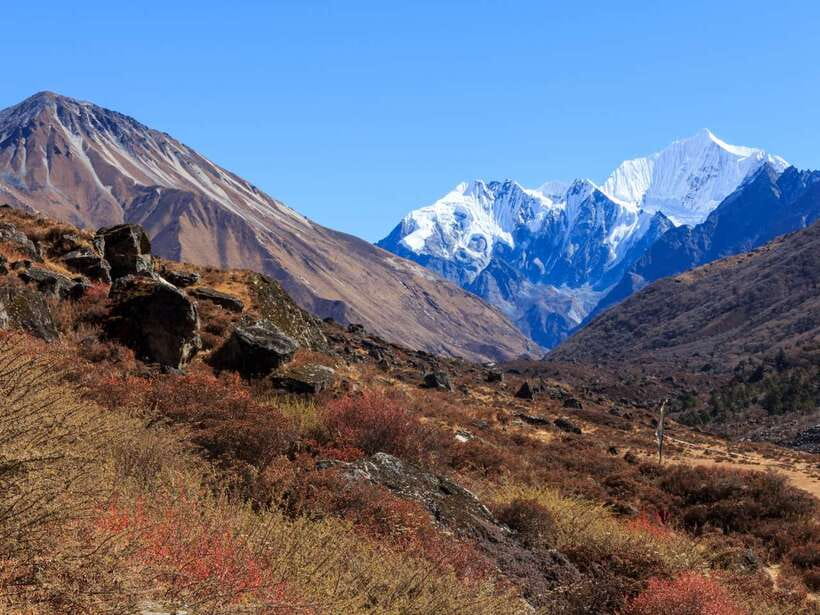
The walk from Pahiro to Ghoda Tabela reaches roughly 2,900 meters. You follow forest paths, pass villages, and see waterfalls along the way.
This is one of the most attractive sections for people who enjoy changing scenery. The trail begins with greenery and river views, then gradually feels more alpine as you gain height. Snow-covered peaks appear through breaks in the trees, and the sound of falling water adds to the sense that you are moving deeper into the valley.
The practical issue is the amount of climbing packed into the day. Your guide should watch your pace and how you respond to the altitude. Ghanshyam has been praised for adjusting breaks and checking health, while Sudarshan is noted for allowing a comfortable walking speed. Those are important qualities here, especially if this is your first long trek.
You sleep at Ghoda Tabela. At this point, the cold can be more noticeable, so bring the jacket, gloves, sleeping bag, and warm trekking clothing listed for the trip.
Day 3: Reaching Kyanjin Gompa at 3,870 meters
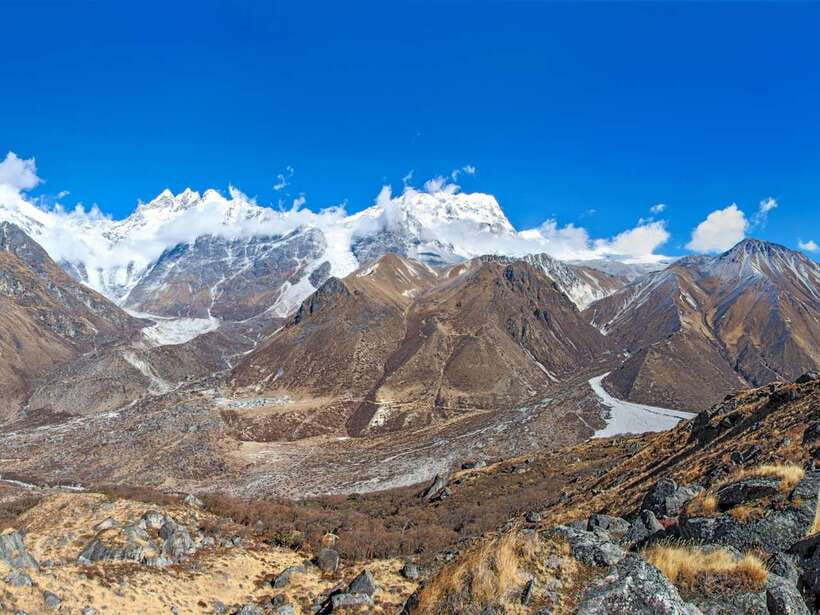
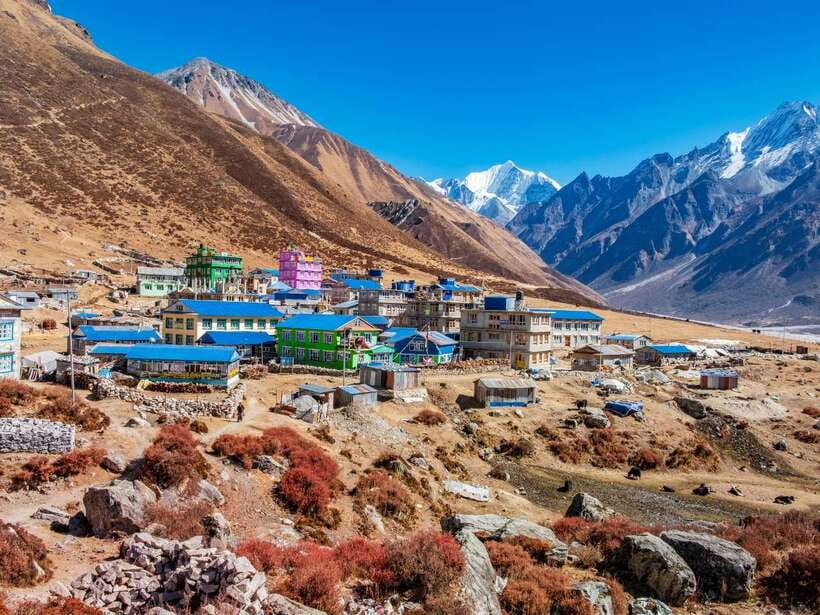
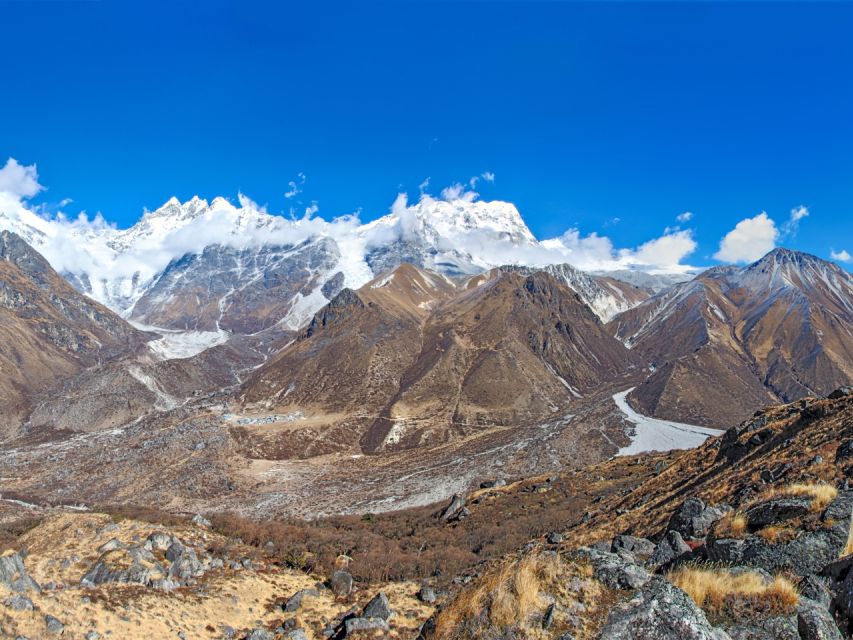
The third day takes you to Kyanjin Gompa, the cultural and scenic center of the trek. The village sits high in the valley and is surrounded by towering Himalayan peaks.
This is the day when the route feels most rewarding. You continue through Tamang communities and open mountain scenery before reaching the settlement. The combination of high peaks, local homes, monastery buildings, and narrow trails gives Kyanjin Gompa a strong sense of place.
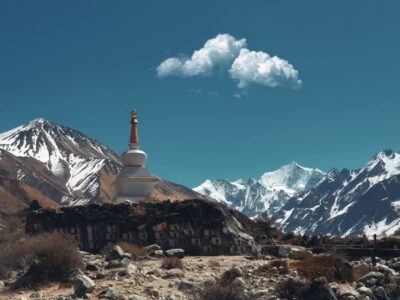
Make time to visit the historic monastery and the local cheese factory. Cheese tasting may sound like a small detail, but it gives the stop a local character that a viewpoint alone cannot provide. You can also meet people from the area and learn about Tamang culture through your guide.
The altitude is the serious part of the day. At 3,870 meters, you might feel fine, or you might develop a headache, nausea, tiredness, or reduced appetite. The program does not offer a full extra acclimatization day at Kyanjin Gompa, so walk steadily, drink water, and tell your guide about symptoms early.
A few more things to do in Kathmandu worth a look
- Everest Base Camp Trek – 14 Days
★ 5.0 · 1,499 reviews - Everest Base Camp Trekking
★ 5.0 · 485 reviews - Nagarkot Sunrise View and Day Hiking from Kathmandu
★ 5.0 · 471 reviews - Annapurna Circuit Trek with Tilicho Lake
★ 5.0 · 368 reviews
Day 4: Kyanjin Ri before descending to Thangsyap
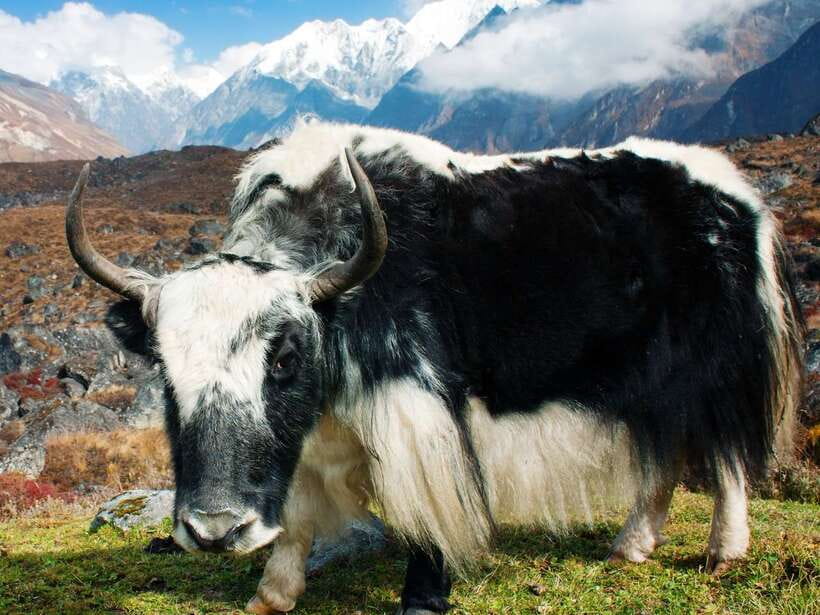
The optional Kyanjin Ri hike is the trip’s biggest physical challenge. At 4,770 meters, the climb gives you views across snow-covered peaks and glacial valleys, and an early start can bring sunrise light to the mountains.
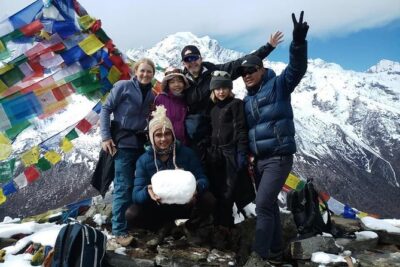
The hike is not required, which is a wise feature of the plan. If you feel strong, the climb can be the highlight of the trek. One guide-led group reached the viewpoint at sunrise with clear mountain views and wildlife sightings along the way, showing why the early start is worth considering when conditions cooperate.
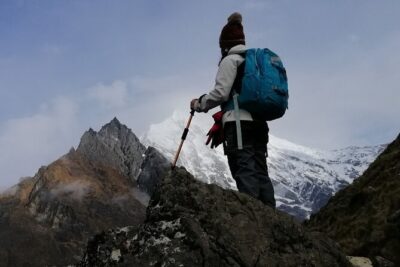
You should not treat Kyanjin Ri as a casual walk. The air is thin, the trail is steep, and the height is greater than the overnight stop. Your guide can help you decide if the climb makes sense that morning. If not, you can enjoy Kyanjin Gompa at a lower pace before descending.
After the optional hike, the itinerary returns toward Thangsyap at about 3,200 meters. This descent gives your body a break from the highest altitude, though the day remains long if you complete Kyanjin Ri.
Day 5: Returning through the forest to Syabrubesi
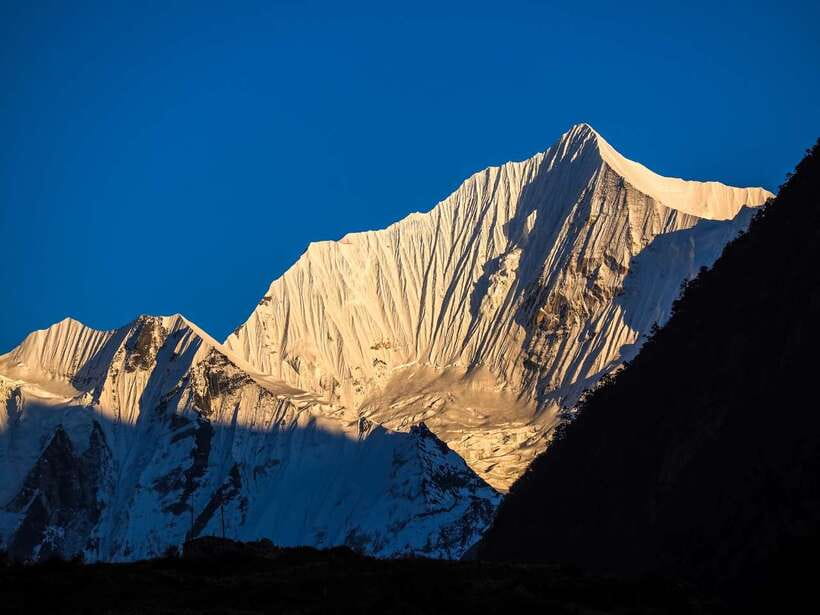
The fifth day retraces the route to Syabrubesi, following the river and passing back through forested sections. You will recognize parts of the trail, but the walk can look different in reverse, especially after the open views around Kyanjin Gompa.
This is a good day to reflect on the contrast between the lower forests and high valley. The descent is often easier on breathing, but it can still be tiring on knees and legs. Trekking poles can help, though they are not listed as provided equipment, so bring your own if you use them.
You spend the night in Syabrubesi before the return drive. This overnight stop is practical because it avoids combining a full mountain walk with the long road trip back to Kathmandu.
Day 6: The road back to Kathmandu
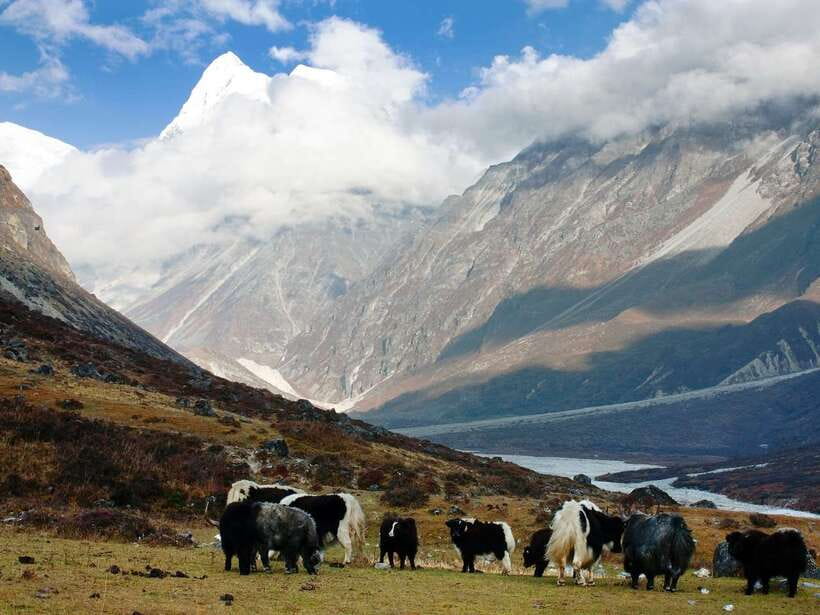
The final morning is reserved for the drive back to Kathmandu. The trip ends without another walking section, giving you time to rest after the descent.
The return journey is part of the experience, but it is also a reminder that Langtang is reached by mountain roads rather than a quick airport transfer. If road conditions or weather affect the schedule, the route can change slightly. Build some flexibility into your wider Nepal plans if you have an international flight soon after the trek.
What the $179 price really covers
At $179 per person, this is an attractive price for a six-day guided trek, especially because it includes several costs that can add up quickly:
- Hotel pickup and drop-off
- An authorized English-speaking guide
- Trekking permits and required paperwork
- Trekkers’ Information Management System fees
- Five nights of accommodation during the trek
- Transportation connected to the itinerary
- Government taxes
- Staff wages, meals, accommodation, equipment, insurance, and transport
- Luggage storage
The stated full package also includes breakfast, lunch, and dinner during the trek. Check that the meal plan attached to your exact booking is the full package, since the information distinguishes it from other arrangements.
The price does not include a porter. I strongly suggest considering one if you are new to multi-day trekking or want to keep your pack light. One participant specifically found using a porter to be the right choice. You still need to pay for drinks, bottled or boiled water, showers, battery charging, laundry, phone calls, extra porters, and bar bills.
Travel insurance and rescue insurance are also excluded. At this altitude, that is not a minor line item. Arrange suitable coverage before you go, and check that it applies to trekking at the maximum elevation on your route.
Guides, pacing, and the private group advantage
The private group format is one of the better features for a route with quick altitude gain. You are not locked into the speed of a large group, and the guide can adjust breaks or walking time to suit the people in your party.
Several guides connected with this trek receive strong personal praise. Ghanshyam is repeatedly described as friendly, caring, funny, and attentive to health. Sudarshan is noted for adjusting the trek to the pace of the person walking, while Projol has worked as a porter alongside him.
The guiding language is English or Hindi. If your English is limited, the trip information says the guide can speak at a slower pace and check that you understand. That can make a real difference when discussing altitude symptoms, meeting times, or route changes.
A guide is also useful for more than navigation. You can ask about Tamang culture, monasteries, local food, plants, animals, and the history of the valley. The best parts of this trek are not all visible in a mountain panorama.
Timing, weather, and what to pack
The main trekking seasons are mid-March to April and October to mid-November. These periods generally offer clearer skies and warmer conditions, although mountain weather can still change quickly.
Autumn usually brings less wind and higher temperatures. Late March and April can add rhododendron blooms at lower elevations, giving the forest sections more color. Conditions outside these periods may still allow trekking, but you should expect greater uncertainty.
Bring the listed essentials:
- Passport or identification
- Sleeping bag
- Flashlight
- Sunscreen and sunglasses
- Hiking shoes
- Gloves and a warm jacket
- Water
- Suitable trekking gear
The sleeping bag is worth taking seriously because mountain accommodation can be basic and temperatures drop at night. Sunscreen and sunglasses matter even on cool days, particularly at high altitude. Keep water accessible throughout the day, and budget separately for bottled or boiled water because it is not included.
Alcohol and drugs are not allowed. More broadly, save your energy for the trail, especially on the Kyanjin Ri morning.
Who should book this Langtang trek?
I would recommend this route to you if you want Himalayan scenery and local culture in a compact program. It suits first-time trekkers who prefer a guide, organized transport, and a private group rather than sorting out permits, lodging, and route details alone.
It is also a good choice for people who want a meaningful alternative to a simple sightseeing trip from Kathmandu. The Tamang villages, monastery, cheese factory, and river trails provide plenty of interest between the big mountain views.
You should think twice if you dislike long road journeys, basic mountain accommodation, or rapid altitude gain. The Kyanjin Ri climb is optional, but Kyanjin Gompa itself is already high, and the itinerary does not build in a spare acclimatization day.
Cancellation is flexible, with a full refund available when you cancel at least 24 hours in advance. You can also reserve now and pay later, which helps if your Nepal plans are still shifting.
Should you book it?
Book this trek if you want a short, guided route with real village contact, not just a mountain photo stop. The $179 price is good once you account for permits, five nights, transport, guide costs, and the stated full-package meals, but confirm the meal option and budget for a porter, water, insurance, and personal expenses.
The strongest reason to choose it is the combination of Kyanjin Gompa and the optional Kyanjin Ri sunrise hike. If you are reasonably fit, willing to respect the altitude, and comfortable with mountain-road travel, this is a practical first Himalayan trek. If you need a slower acclimatization plan or more comfort, choose a longer itinerary with additional rest time.
FAQ
How long is the Langtang Valley trek?
The experience lasts six days, including transportation from Kathmandu to Syabrubesi, the trek through Langtang Valley, and the return drive to Kathmandu.
What is the highest point on the route?
Kyanjin Ri reaches about 4,770 meters. The overnight stop at Kyanjin Gompa is about 3,870 meters.
Is the Kyanjin Ri hike required?
No. The Kyanjin Ri hike is optional. It is a challenging climb, but it offers broad views of snow-covered peaks and glacial valleys.
Are meals included?
Breakfast, lunch, and dinner during the trek are included with the full package. Soft drinks, alcoholic drinks, bottled or boiled water, and personal snacks are not included.
Is a porter included?
No. The guide is included, but porter service costs extra. You can arrange an additional porter if you do not want to carry your own trekking luggage.
What languages does the guide speak?
Guiding is available in English and Hindi. The experience is organized as a private group, and hotel pickup is included.
Just added in Kathmandu
- Kathmandu to Chitwan Tour by Tourist Bus – A Convenient and Affordable Way★ 4.0 · 4 reviews
- Changunarayan Hill to Telkot Hike Near Kathmandu Day Tour★ 5.0 · 6 reviews
- Mt Everest Base CampTrek | Budget Package★ 5.0 · 4 reviews
- Chitwan Jungle Safari 3-Day Tour★ 5.0 · 9 reviews
- Chandragiri Hill Station Tour by Cable Car★ 5.0 · 4 reviews
- Chandragiri Hills cable car day trip, private car with driver from Kathmandu★ 5.0 · 8 reviews
- Chandragiri to Taudaha Nature Day Hiking from Kathmandu★ 5.0 · 13 reviews
- Chandragiri Cable Car & Monkey Temple Private Guided Day Tour★ 5.0 · 5 reviews
Langtang Valley Treks, compared.
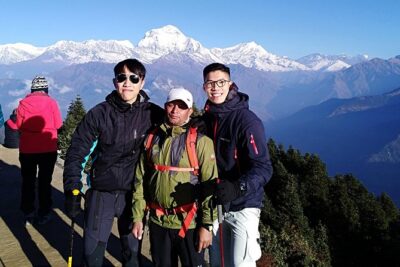
Trekking in Annapurna/Langtang/Everest/Upper Mustang regions
Read our review →
Browse the lists this tour appears in