
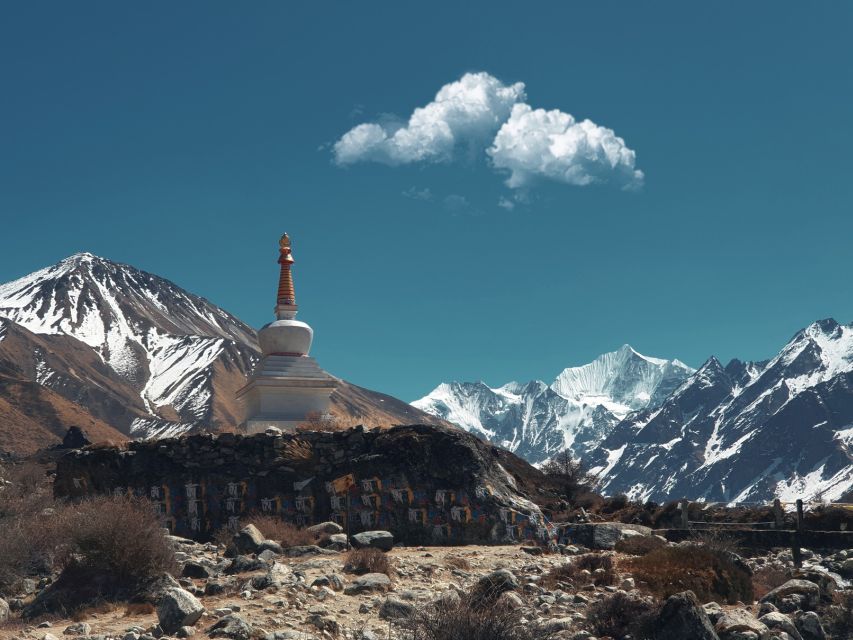
Reviewed · LANGTANG VALLEY TREKS
Kathmandu: 6-Day Limitless Langtang Trek
The best part of this six-day trek is the quick change from Kathmandu traffic to quiet Himalayan trails. You begin with a long mountain-road journey, then walk beside the Langtang River through forest, waterfalls, Tamang villages, and high mountain country. The route gives you a real taste of Nepal without asking for the two or three weeks needed by longer treks.
I like the strong guide support, especially for first-time trekkers, and I like the chance to stay in small mountain lodges rather than rush through the valley. Guides such as Niraj, Mahesh, Bipin, Dipesh, and Ghanshyam have received especially warm praise for checking on comfort, explaining the next day, and helping with heavy packs when needed. The main caution is the pace: six hours of walking is common, and one day may stretch toward eight hours on steep ground.
Key points to know before booking
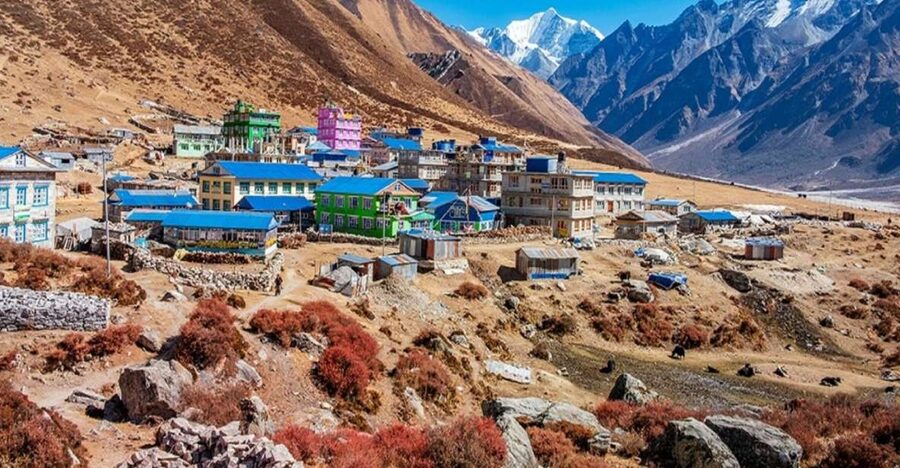
- Kyanjin Ri is the big challenge: The optional climb reaches about 4,770 meters and brings wide views of snowy peaks, but it is a serious uphill effort.
- The route is private: You travel as a private group with an English, Hindi, or Nepali-speaking guide.
- Tamang culture is part of the trek: Villages, monasteries, local lodges, and the cheese factory add more than mountain scenery.
- The price covers the basics: At $181 per person, the package includes permits, five nights of lodging, transport, guide costs, and meals on the full package.
- The road journey is part of the deal: The first and last days include shared bus transport between Kathmandu and Syabrubesi.
- Cold nights require planning: Bring warm clothing, gloves, a sleeping bag, and a jacket, especially outside the warmer trekking months.
Why Langtang works well for a short Nepal trek
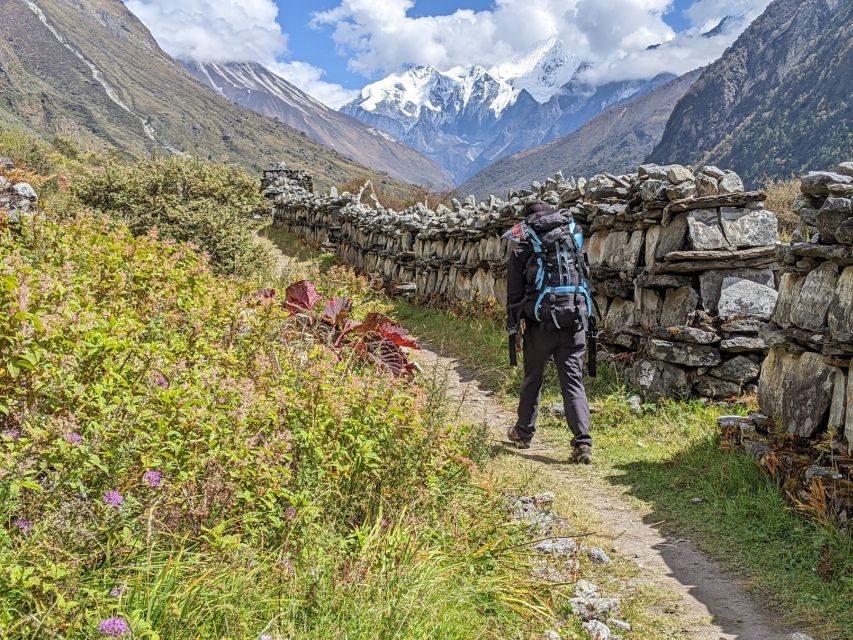
The Langtang Valley is a practical choice if you want mountain scenery but have only six days. You do not spend every day at extreme altitude, yet the trek still climbs high enough to bring snow-covered peaks, glacial valley views, and a true Himalayan feel.
The route also has a human side. The Tamang community has deep roots in this region, and you pass through villages where local hospitality is part of the experience. At Kyanjin Gompa, you can visit monasteries, see the cheese factory, and take time to look around rather than simply treat the village as a sleeping stop.
The trek is described as moderate, but that word needs a little care. The schedule includes long walking days, uphill sections, and a rapid rise from 1,550 meters at Syabrubesi to 3,870 meters at Kyanjin Gompa. You need reasonable fitness and the ability to walk for several hours on uneven trails.
Families with older children, couples, solo trekkers, and fit beginners can all find this route suitable. The guide makes a big difference. Mahesh, for example, was praised for checking regularly on comfort, reviewing the day just finished, and explaining the plan ahead. That kind of routine is useful when you are tired and no longer want to study a map.
Other valley treks from Kathmandu:
- Langtang Valley Trek
★ 5.0 · 140 reviews - Private 8 – Day Langtang Trekking
★ 5.0 · 29 reviews - Langtang Valley Trek
★ 5.0 · 20 reviews
Day 1: Kathmandu to Syabrubesi and Pahiro
Your first day begins with a long drive from Kathmandu to Syabrubesi, followed by roughly two hours on foot toward Pahiro. The road follows winding mountain routes and opens to views of hills and river valleys. This is not a polished coach excursion. Expect a practical shared bus ride, with the road journey taking about six hours.
The short walk after the drive gives you a gentle start. You follow the Langtang River through forest, with the sound of running water helping to separate you from the capital. Pahiro, at about 1,550 meters, is your overnight stop.
There is a small scheduling wrinkle worth clarifying before you leave. The day description names Pahiro as the walking destination, while the next day is also described as starting from Syabrubesi. Ask your guide to confirm the exact walking point and overnight lodge when you meet. This is a simple detail, but it prevents confusion after a long road journey.
Day 2: Pahiro to Ghoda Tabela
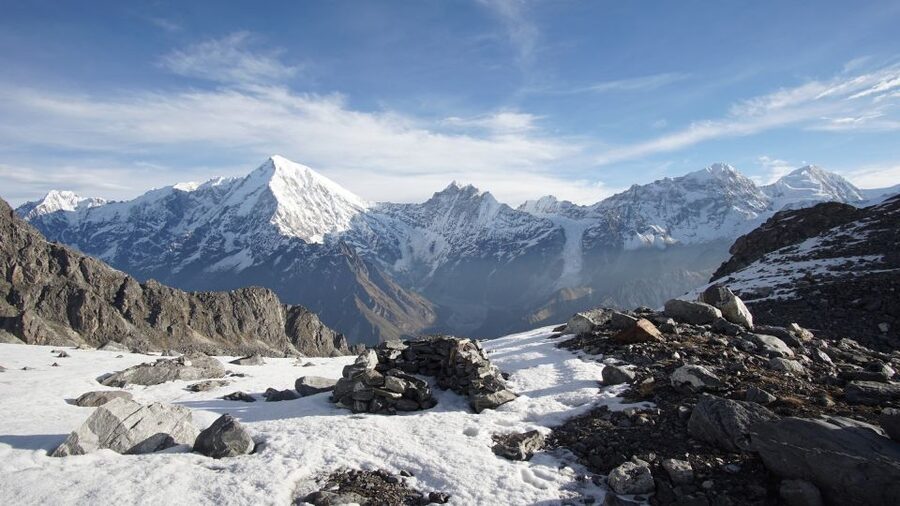
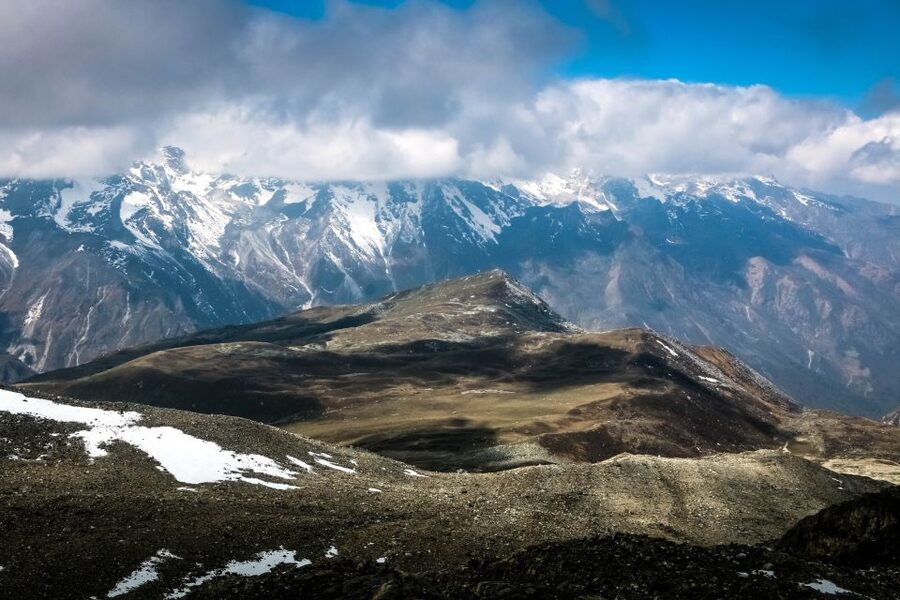
The second day takes you deeper into the valley and is listed at about six hours of walking. The trail passes through forest, villages, waterfalls, and river scenery before reaching Ghoda Tabela at 2,900 meters.
This is where the trek begins to feel properly remote. You are no longer just walking after a bus ride. The trees, rushing water, and changing mountain views create a steady rhythm, with the trail doing most of the talking.
Ghoda Tabela is an important altitude step. You gain a substantial amount from the previous night, so do not treat this as a race. Walk steadily, drink regularly, and tell your guide if you feel unwell. The guides are expected to monitor how you are doing, and several have been praised for doing exactly that.
The drawback is that the day can feel long if you are new to mountain walking. The path is described as moderate, but moderate does not mean flat. Good hiking shoes and a comfortable daypack matter here.
Day 3: Ghoda Tabela to Kyanjin Gompa
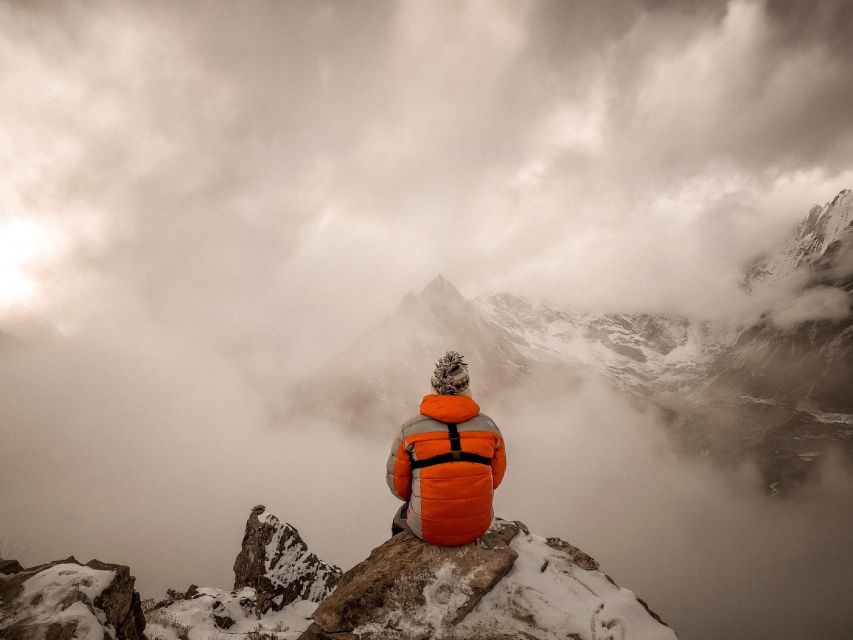
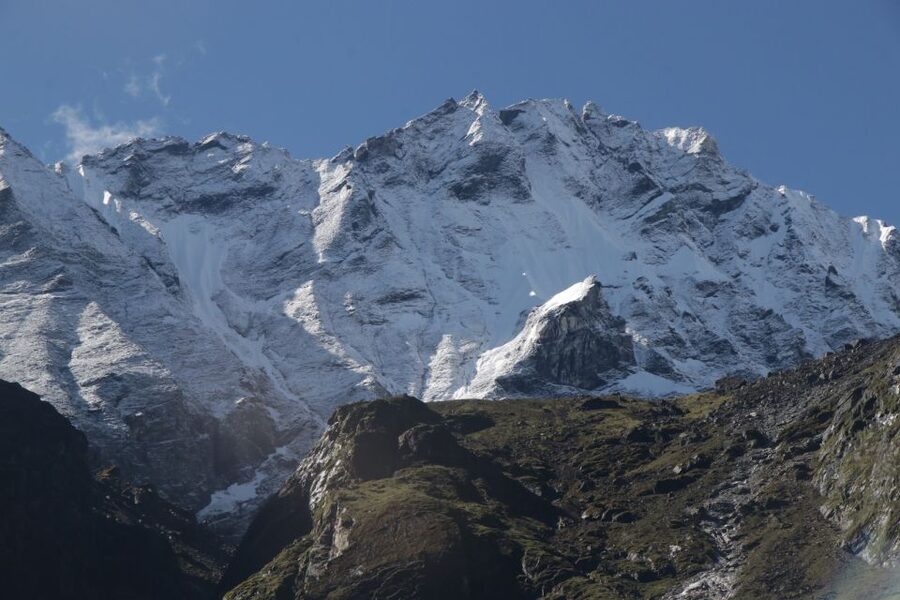
The climb continues to Kyanjin Gompa, at approximately 3,870 meters. This is one of the most rewarding days because the views open up as you reach the upper valley, and the surrounding peaks become a constant part of the walk.
Kyanjin Gompa is more than a night stop. You have time to explore the village, visit the monastery, see the cheese factory, and meet local residents. The Tamang character of the area is especially important here. A good guide can explain what you are seeing and connect the village to the wider culture of the Langtang region.
This is also the point where altitude becomes a serious consideration. You have gained more than 2,300 meters since Syabrubesi in a short period. The itinerary is compact, so listen to your body and keep your guide informed. The ability to adjust the pace is one of the main benefits of a private group.
Accommodation is described as private lodging for five nights during the trek, though the precise room arrangements are not detailed. Mountain accommodation is functional rather than luxurious. A fire may be available in some dining areas, and warm clothing remains important because nights can be cold. One January trekker specifically advised bringing warm clothes and medication.
A few more things to do in Kathmandu worth a look
- Everest Base Camp Trek – 14 Days
★ 5.0 · 1,499 reviews - Everest Base Camp Trekking
★ 5.0 · 485 reviews - Nagarkot Sunrise View and Day Hiking from Kathmandu
★ 5.0 · 471 reviews - Annapurna Circuit Trek with Tilicho Lake
★ 5.0 · 368 reviews
Day 4: Kyanjin Gompa and the optional Kyanjin Ri climb
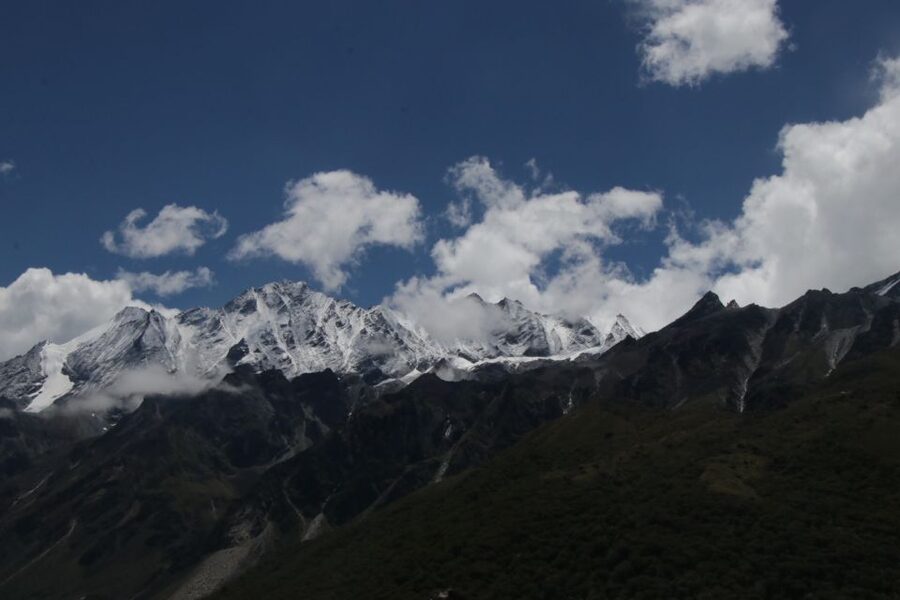
Day four is the physical centerpiece. The plan calls for a climb toward Kyanjin Ri, with the high point listed at 4,770 meters. Some descriptions refer to a peak around 4,700 meters, so consider the figure approximate and ask your guide about the exact route and summit target.
The climb is optional, and that is good news. You can attempt it if your energy, weather, and altitude response are favorable. You can also skip it and enjoy Kyanjin Gompa and the glacial valley without turning the day into a test of pride.
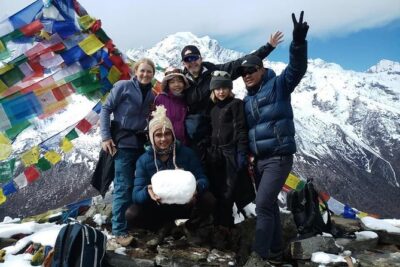
Those who make the ascent get broad views of snowy Himalayan peaks and the valley below. One January trekker singled out reaching the black peak of Kyanjin Ri at sunrise as the high point of the trip. Sunrise also means an early start and colder conditions, so bring your gloves, hat, flashlight, jacket, and warm layers.
After the climb, you retrace the route toward Thangsyap, listed at about 3,200 meters. The schedule wording is slightly confusing because it refers to trekking from Langtang Village to Kyanjin Ri before descending to Thangsyap. Confirm the exact overnight plan with the company before departure. The important practical point is that this is a demanding uphill section followed by a return walk, not a relaxed transfer day.
This optional climb is the clearest dividing line between the route’s moderate core and its harder version. If you are a first-time trekker, you can still enjoy the trip without reaching the top. If you want a high viewpoint, understand that the altitude and steep ascent make this the day that requires the most care.
Day 5: Thangsyap to Syabrubesi
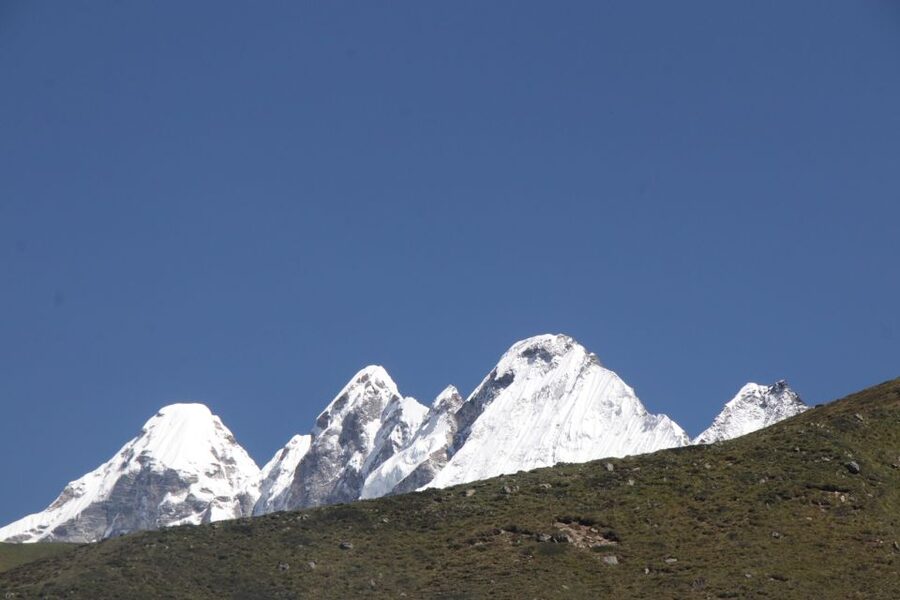
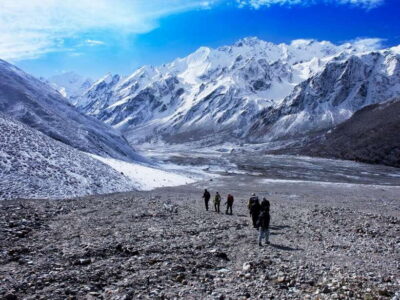
The return to Syabrubesi drops you back toward 1,550 meters. You retrace the trail beside the Langtang River, passing through familiar forest and mountain scenery from a new direction.
Descending is easier for some people than climbing, but it can be tough on knees and ankles. Trekking poles would be useful, though they are not listed among the included items, so ask about bringing or renting them. Your hiking shoes should have good grip, and your daypack should remain light.
This day gives you a chance to notice details you may have missed on the way up: waterfalls, village life, changing tree cover, and the way the river grows stronger lower in the valley. It is also a satisfying transition from high mountain walking back to a road-accessible town.
The night in Syabrubesi provides a useful buffer before the final bus ride. You can sort your belongings, charge devices if available, and prepare for the early return to Kathmandu. Battery charging is specifically listed as a personal expense, so do not assume it is included.
Day 6: The shared bus back to Kathmandu
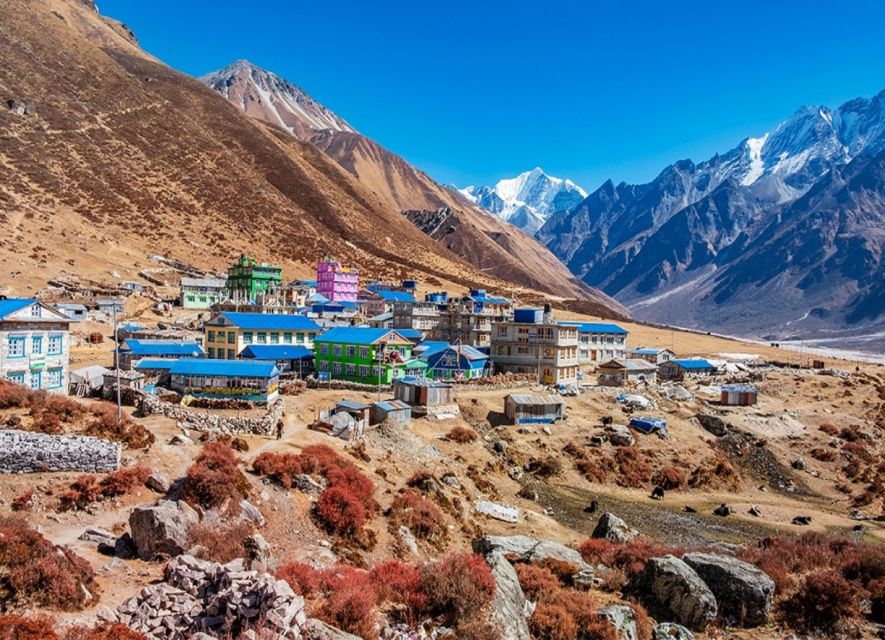
The final day is a return by shared bus from Syabrubesi to Kathmandu. The drive takes you back through the same general mountain-road setting, but the mood is different after completing the trek.
Transport is one of the less glamorous parts of this experience. Shared buses keep the price down, but they are not the same as a private car. The package says transportation is arranged according to group size, with shared transportation or buses used as appropriate. If road comfort is important to you, ask about the vehicle before booking.
The benefit is value. At $181 per person, the transport links the trek to Kathmandu without requiring you to arrange a separate transfer. You also avoid spending time figuring out permits, paperwork, and local staff costs on your own.
What the $181 price really covers
The price is attractive for a guided six-day trek. It includes hotel pickup and drop-off, an authorized guide, trekking permits, necessary paperwork, the Trekkers’ Information Management System fee, government taxes, five nights of private accommodation, and transport according to the schedule.
For the full package, breakfast, lunch, and dinner are included during the trek. Check that you are booking the full meal package, since the wording separates meals from the general inclusions.
Staff expenses are also covered, including meals, lodging, salary, equipment, insurance, and transport. A porter is not included in the base guide service, and porter charges cost extra. This matters if you do not want to carry your larger backpack. One trekker specifically praised the porter service, while another said the guide helped with backpacks during difficult sections.
You still pay for drinks, bottled or boiled water, showers, phone calls, laundry, bar bills, battery charging, and personal purchases. Travel and rescue insurance are not included. You should arrange that insurance yourself, especially for a trek reaching nearly 4,800 meters.
The value is strongest if you want a simple package with the major arrangements handled. It is less complete if you expect every daily expense, porter service, and extra night in Kathmandu to be covered.
Guides who can make the difference
Guide quality is the most consistently praised part of this experience. Niraj is noted for being supportive and helping one group reach about 4,700 meters, while Mahesh is praised for route knowledge, regular check-ins, local explanations, and practical help with packs.
Bipin is described as particularly attentive to lodge arrangements, food orders, next-day plans, and questions about Nepal, animals, and local sports. Dipesh is remembered as patient and reassuring for first-time trekkers. Ghanshyam is praised for making a solo woman feel safe through professional and kind support.
These names do not guarantee which guide you will receive. Ask the operator who is assigned to your departure and whether you can request a particular guide. The languages offered are English, Hindi, and Nepali.
The private-group format also matters. You are not locked into the pace of a large bus-sized walking group. That makes the optional Kyanjin Ri climb easier to discuss and gives you more room to slow down if the altitude affects you.
What to pack for the six days
The required list is sensible but basic. Bring your passport or ID card, hiking shoes, trekking clothing, jacket, gloves, hat, sunglasses, sunscreen, towel, flashlight, sleeping bag, and general trekking gear.
Warm clothing deserves special emphasis. Even though lower sections may feel mild in the daytime, Kyanjin Gompa is high and nights can be cold. A sleeping bag is listed, so do not assume the lodge will provide one suitable for you.
Bring enough personal medication, as the trip information specifically points out medication as something to carry. Also plan for water purchases or treatment, since bottled and boiled water are not included.
Who should book this trek?
Book it if you want a genuine Himalayan walk in a tight schedule, value a guide who explains the route, and are comfortable with long days on uneven trails. It suits fit beginners because the route is supported and the private format allows more personal attention.
It is also a good choice for couples, families with suitable fitness, solo trekkers, and anyone who wants Tamang villages and monasteries alongside mountain views. The route offers more cultural contact than a simple viewpoint hike.
Think twice if you dislike long bus rides, shared transport, cold nights, steep climbs, or basic mountain lodging. Pregnant women should not book, as the experience is specifically listed as unsuitable for them. Anyone with serious concerns about altitude or fitness should seek medical advice and arrange proper travel and rescue insurance.
Free cancellation is available up to 24 hours before departure, and you can reserve now and pay later. Those policies add flexibility, but they do not remove the need to confirm the exact departure time, guide, porter cost, meal package, and day four route.
Should you book the Langtang trek?
I would choose this trek if I had six days and wanted a strong first look at Nepal’s mountain life without committing to a much longer expedition. The combination of forests, river trails, Tamang villages, Kyanjin Gompa, and the optional Kyanjin Ri climb gives you several kinds of experience in one compact route.
Book it for the guide support and cultural contact, not for luxury or a perfectly relaxed schedule. Confirm the small itinerary inconsistencies before paying, budget for water and personal costs, and pack for cold nights. If you accept the long walking days and shared bus transport, $181 offers a practical route into the Langtang Valley.
FAQ
How long is the Langtang trek?
The experience lasts six days, including transportation from Kathmandu to Syabrubesi at the beginning and the return bus journey to Kathmandu at the end.
Is Kyanjin Ri included in the itinerary?
The climb to Kyanjin Ri is listed as an optional part of day four. The high point is given as approximately 4,770 meters, though some trip details refer to about 4,700 meters.
Are meals included?
Breakfast, lunch, and dinner during the trek are included with the full package. Drinks, bottled or boiled water, and personal purchases are not included.
Is a porter included?
The authorized guide is included, but porter charges are extra. Porter service can be arranged for an additional cost.
What languages does the guide speak?
Guides are available in English, Hindi, and Nepali.
Can I cancel the booking?
You can cancel up to 24 hours in advance for a full refund. The activity also offers a reserve-now-and-pay-later option.
Just added in Kathmandu
- Kathmandu to Chitwan Tour by Tourist Bus – A Convenient and Affordable Way★ 4.0 · 4 reviews
- Changunarayan Hill to Telkot Hike Near Kathmandu Day Tour★ 5.0 · 6 reviews
- Mt Everest Base CampTrek | Budget Package★ 5.0 · 4 reviews
- Chitwan Jungle Safari 3-Day Tour★ 5.0 · 9 reviews
- Chandragiri Hill Station Tour by Cable Car★ 5.0 · 4 reviews
- Chandragiri Hills cable car day trip, private car with driver from Kathmandu★ 5.0 · 8 reviews
- Chandragiri to Taudaha Nature Day Hiking from Kathmandu★ 5.0 · 13 reviews
- Chandragiri Cable Car & Monkey Temple Private Guided Day Tour★ 5.0 · 5 reviews
Langtang Valley Treks, compared.
Trekking in Annapurna/Langtang/Everest/Upper Mustang regions
Read our review →
Browse the lists this tour appears in