
Reviewed · LANGTANG VALLEY TREKS
Langtang Valley Trek
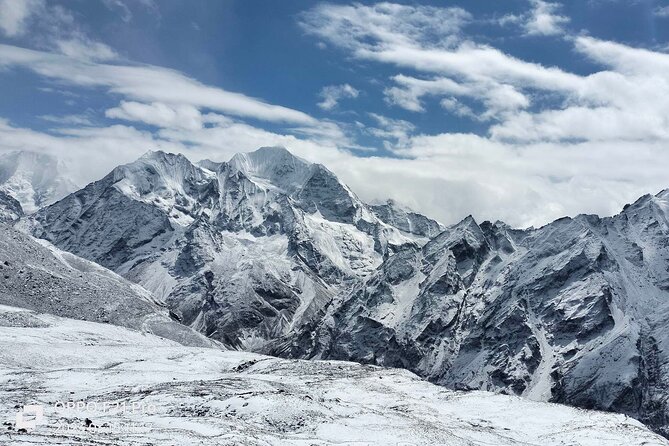
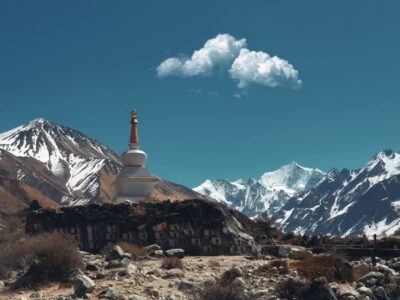
Langtang Valley gives you a lot of Nepal in eight days: a rough local-bus ride, forest trails, high mountain villages, Buddhist culture, and a choice of two serious day hikes above 4,700 meters. The route reaches Kyanjin Gompa beneath Langtang Lirung, a 7,246-meter peak that dominates the upper valley.
I like the manageable length and the fact that the price includes teahouse lodging, meals, local transport, and one porter for every two people. I also like the human scale of the trip. The group is capped at 12, and guides such as Purna, Pralhad, and Madan have been praised for being helpful, flexible, and attentive.
The main caution is the altitude. The itinerary climbs from Kathmandu to nearly 5,000 meters in a few days, and Day 5 can be demanding. Accommodation is basic, the bus ride can be tiring, and drinks and tips cost extra.
Key points before you book
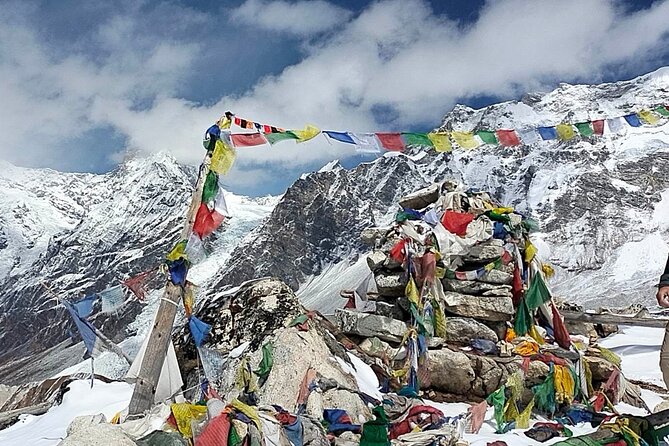
- Kyanjin Gompa is the high point: You reach the famous monastery area at about 3,870 meters, surrounded by views toward Langtang Lirung and Langshisha.
- Choose your summit day carefully: Kyanjin Ri takes about three hours round trip, while Tsergo Ri takes seven to eight hours and reaches 4,984 meters.
- The route uses local buses: Transport to and from Syabrubesi is included, but expect roughly seven hours each way and possible delays from traffic.
- Porter support is shared: One porter is provided between two participants, so pack with the carrying arrangement in mind.
- Expect simple teahouses: Lodging is part of the package, but comfort is basic and not the reason to choose this trek.
- Altitude deserves respect: You need moderate fitness, steady pacing, and a willingness to stop if you feel unwell.
Why Langtang works for a shorter Nepal trek
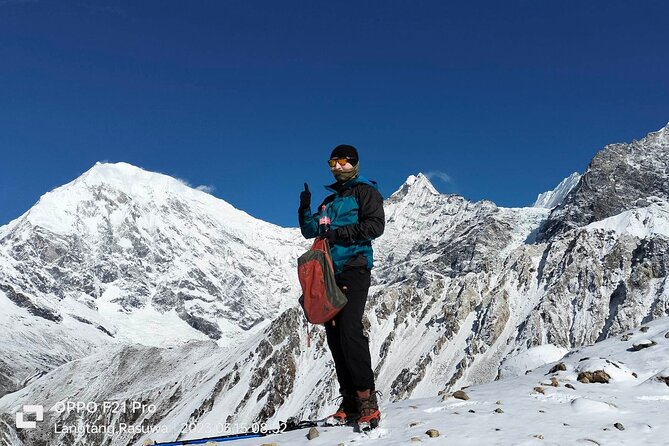
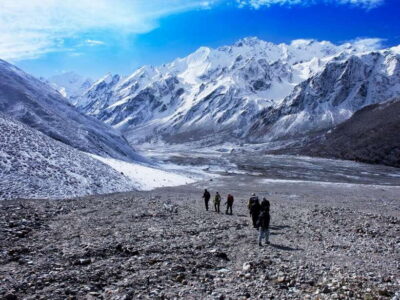
Langtang Valley is a practical choice if you want serious Himalayan scenery without committing to a much longer trek. The trail begins north of Kathmandu, close to the Tibetan border, and quickly leaves the city behind. You pass through farmland, traditional villages, pine and rhododendron forest, river valleys, and open high country.
The appeal is variety. One day you are crossing a suspension bridge beside a fast river. The next, you are walking through pine woods with giant beehives overhead. By the time you reach the upper valley, the trees thin out and the mountains take over.
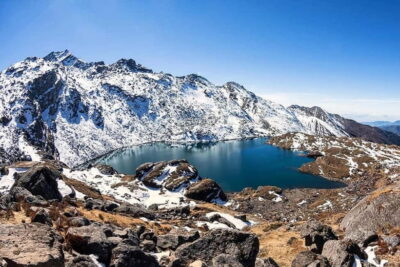
Langtang Lirung, at 7,246 meters, is the main visual prize. The peak appears from several points along the route, but the views become especially strong near Langtang Village and Kyanjin Gompa. The area also includes high mountain lakes and broad alpine surroundings, though the exact lake visits depend on the route and conditions.
Langtang National Park protects the route. The forest is known as habitat for wild boar, Himalayan black bears, ghoral, gray langur monkeys, leopards, musk deer, and the endangered red panda. You should not expect to see these animals on a normal trek, but the forests are still an important part of the experience. Keep your eyes open for wildlife, bird calls, and the large beehives mentioned along the return trail.
Other valley treks from Kathmandu:
- Langtang Valley Trek
★ 5.0 · 140 reviews - Private 8 – Day Langtang Trekking
★ 5.0 · 29 reviews - Kathmandu: 6-Day Limitless Langtang Trek
★ 5.0 · 21 reviews
Day 1: The long bus ride to Syabrubesi
The trip starts early, with a 6:45 am meeting time and a local bus from Kathmandu to Syabrubesi. The ride takes about seven hours, depending on traffic. It is not glamorous transport, but it puts you in direct contact with the countryside and avoids the cost of a private vehicle.
You will see rural views during the drive, though the road itself may be tiring. This is a day for patience. Bring water, snacks, and something to occupy you during slow sections. Since bottled water and other drinks are not included, plan to buy beverages along the way.
Syabrubesi is the trailhead and the place where the walking portion begins the next day. The first day is mostly about reaching the starting point, so do not judge the trek by the bus ride. The mountain experience comes after you leave the road.
Day 2: Forest paths to Lama Hotel
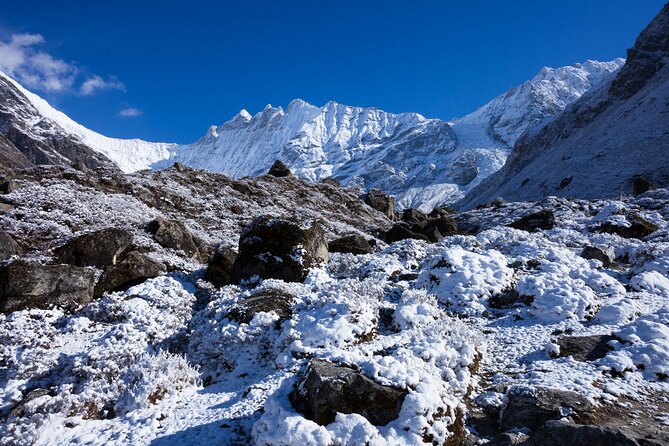
The first walking day takes you to Lama Hotel at about 2,500 meters. The route is described as easy to moderate, with gentle climbs, riverbank trails, forest tracks, and a suspension bridge.
This is a useful introduction to the pace of Himalayan trekking. You are not charging uphill all day. Instead, the route changes rhythm as it follows the river and moves through wooded sections. Rhododendron, oak, maple, alder, and pine give the trail plenty of shade and color, especially when conditions bring the flowers into bloom.
The distance and walking time are not specified in the schedule, so your guide will set the pace. That flexibility matters. The right speed on Day 2 is one that leaves you with energy for the higher sections ahead.
Lama Hotel is a stopping point rather than a grand destination. The value is in the change of setting. You finish the day among forested hills, far from Kathmandu, with the valley beginning to feel remote.
Day 3: Higher views at Langtang Village
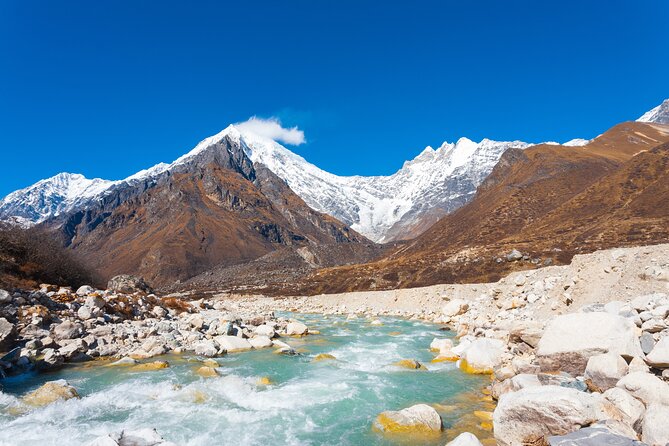
Day 3 takes you to Langtang Village at about 3,430 meters after roughly six and a half hours of walking. The trail continues through forest and beside the river, with gentle inclines, grassy meadows, pine trees, and views toward Langtang Lirung.
This is where altitude becomes a real part of the trip. The elevation gain is substantial, and the walking time is long enough to test your legs. You should keep your pace calm and tell your guide if you develop a headache, unusual fatigue, nausea, or other signs of altitude trouble.
The route is not all uphill suffering. Meadows open the view, and the valley begins to show its larger scale. The combination of river, forest, and snowy peaks gives you a strong sense of how the valley is shaped.
Langtang Village is one of the key cultural and scenic stops. The schedule does not promise a set of formal cultural activities, so do not expect a staged program. The experience comes from staying in a mountain settlement and walking through a region with Tibetan-influenced traditions and architecture.
A few more things to do in Kathmandu worth a look
- Everest Base Camp Trek – 14 Days
★ 5.0 · 1,499 reviews - Everest Base Camp Trekking
★ 5.0 · 485 reviews - Nagarkot Sunrise View and Day Hiking from Kathmandu
★ 5.0 · 471 reviews - Annapurna Circuit Trek with Tilicho Lake
★ 5.0 · 368 reviews
Day 4: Reaching Kyanjin Gompa
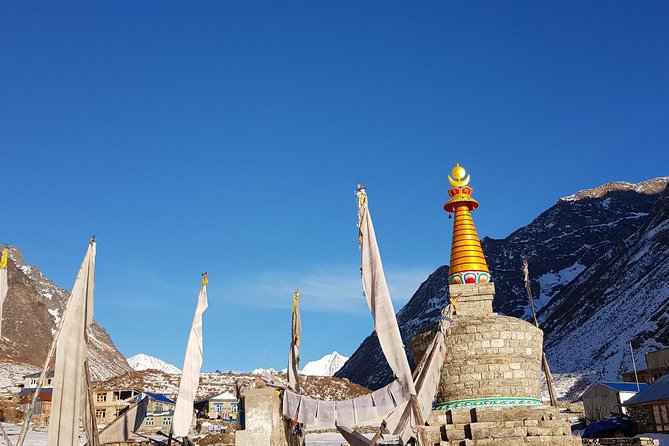
The fourth day is shorter, with about five hours of moderate walking to Kyanjin Gompa. The trail passes farmland, bridges, and gentle ascents, with views toward Langshisha and Langtang Lirung.
Kyanjin Gompa is the main destination of the trek. The monastery gives the area its name, but the setting is the larger attraction. You are now in the high valley, surrounded by snow-capped peaks and open mountain terrain. After several days of walking, reaching this point feels earned.
The shorter day is welcome because it gives you time to settle in before the high day trip. Teahouse accommodation remains simple, and one of the clearest cautions from the available feedback is that lodging quality can be basic. You should choose this trip for the trail, scenery, and local setting, not for hotel-style comfort.
Your guide is particularly useful here. Guides who have led this route, including Purna and Pralhad, have been praised for their organization and positive approach. The exact guide is not guaranteed, but the operator has a record of assigning staff who help with pacing, questions, and practical problems.
Day 5: Kyanjin Ri or Tsergo Ri
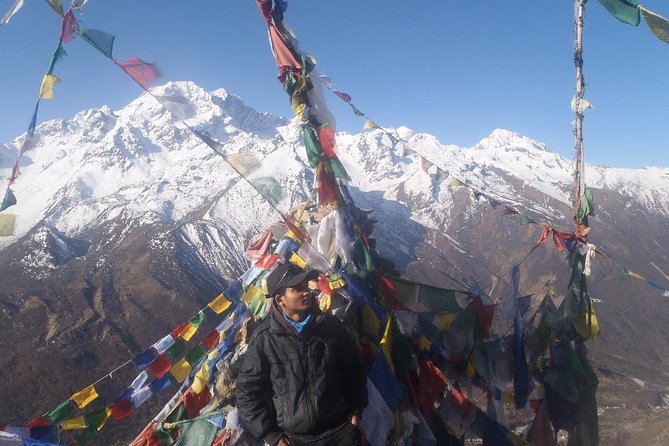
This is the most flexible and demanding day. You choose between Kyanjin Ri and Tsergo Ri with your group and guide.
Kyanjin Ri is about a three-hour round trip and reaches roughly 4,773 meters. It is the sensible choice if you want a strong high-altitude viewpoint without spending most of the day climbing. It also leaves more time to rest and enjoy Kyanjin Gompa.
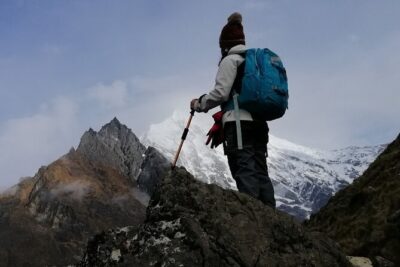
Tsergo Ri reaches about 4,984 meters and takes seven to eight hours. This is a much bigger outing. It suits strong hikers who are acclimatizing well and want the highest point offered on the itinerary. The difference is not just distance. At nearly 5,000 meters, every step feels harder, and weather or energy levels may affect the decision.
Do not treat Tsergo Ri as a box to check. A shorter hike is the better choice if you feel unwell or are struggling with the altitude. One family group had a child with altitude sickness, and the guide provided hands-on assistance during difficult sections. That shows the value of an attentive guide, but it also underlines the need to take symptoms seriously.
The summit day is about views, not technical climbing. The schedule does not describe ropes, climbing equipment, or technical sections. Still, these are high mountain walks, and moderate fitness is the minimum expectation.
Day 6: Returning through pine forest
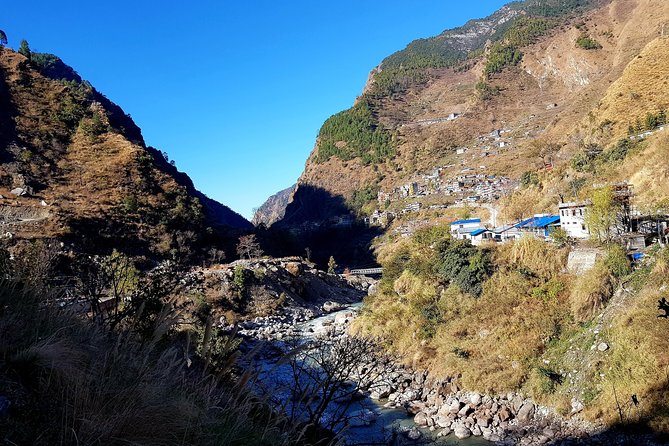
After the high point, you retrace the route toward Lama Hotel for about six hours. Walking the same trail in reverse can sound repetitive, but it gives you a different view of the valley. Descending often reveals details you missed while climbing, and the change in light can alter the appearance of the forest and peaks.
The route follows riverbanks and forest trails. You may notice the smell of pine, look for wildlife, and see large beehives along the way. The downhill direction is easier for your lungs but can be hard on knees, especially after the long Day 5 outing.
This is where a shared porter becomes helpful. You still carry a daypack, but your heavier main luggage is handled by the porter assigned to two participants. Pack only what you need and keep personal essentials in your own bag.
Day 7: Down to Syabrubesi
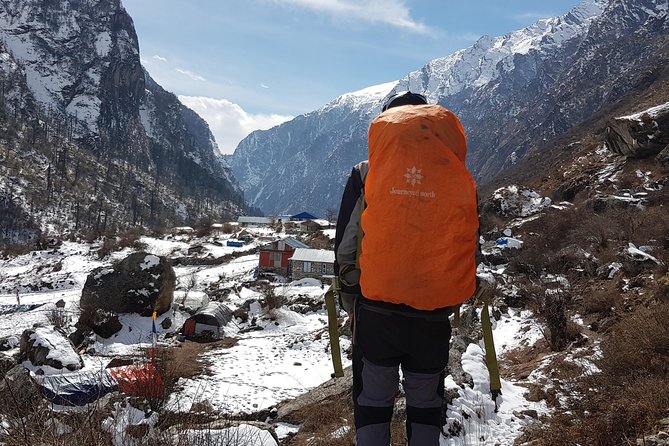
The final walking day returns you to Syabrubesi. The trail includes gentle and some steep descents on established paths. Your legs may be tired, but the route is familiar now, and reaching the trailhead gives you a clear sense of completion.
The descent is not merely a formality. Steep downhill sections can cause slips and sore knees, so use trekking poles if you have them. The itinerary does not list equipment rental, although some past arrangements included free rental equipment selection before the trek. Confirm what is available before relying on it.
You finish the trekking section in Syabrubesi and prepare for the trip back to Kathmandu. This overnight location also gives you a buffer before the bus ride, rather than forcing the entire return journey onto the same day as the final descent.
Day 8: Back to Kathmandu and Thamel
The final day uses another local bus to Kathmandu. The ride takes about seven hours, depending on traffic, so keep your schedule open after arrival.
The plan leaves the evening for a hot shower, a walk around Thamel, and perhaps a massage. That is a sensible finish after a week of walking. The return to Kathmandu can feel busy after the quiet valley, but the contrast is part of the trip.
Pickup is offered, and the tour uses a mobile ticket. Confirmation is provided at booking. Ask for the exact pickup arrangement and meeting point when you reserve, since the supplied details give the start time but not a named Kathmandu location.
What the $560 price really covers
At $560 per person, the package includes:
- Bus transport to and from Syabrubesi
- All listed fees and taxes
- Teahouse accommodation
- One porter for every two participants
- Eight lunches
- Seven dinners
- Seven breakfasts
That is solid value for an organized Himalayan trek. Transport, lodging, food, and porter support are the main costs that can complicate independent planning. You also avoid arranging each teahouse and bus connection yourself.
The package does not include tea, coffee, bottled water, other beverages, or tips. Those costs are easy to overlook. Bring enough local currency for drinks and plan a separate tip budget for your guide and porter.
The food plan covers the trekking days, but the listing does not specify menus. Teahouse meals are usually practical rather than luxurious, and the same applies to rooms. The price is attractive because the experience is functional and local, not polished.
Guides, group size, and the human side
The maximum group size is 12, which is small enough for a guide to keep track of the group without making the walk feel like a convoy. It also gives you a better chance to talk with other hikers and coordinate the Day 5 choice.
The strongest praise has focused on the staff. Purna and Pralhad were described as energetic, reliable, flexible, and professional. Madan was singled out for helping a young trekker through altitude problems, and office manager Madhav was praised for clear communication and preparation.
Names and assignments can change, so you should not book on the assumption that one particular guide will lead your group. Still, the pattern is useful: this operator appears to put real weight on pre-trip preparation, packing guidance, equipment selection, and practical support.
You should expect a working relationship with your guide, not a luxury escort service. Ask questions, speak up about your pace, and report altitude symptoms early. Good guiding works best when you communicate clearly.
Who should book this trek?
I would recommend it to hikers who want a classic Himalayan route in eight days and are comfortable with basic lodging, local buses, and long walking days. It is also a good fit if you want porter help without paying for a private group.
The trek suits people with moderate fitness, but that phrase should not be read as easy. Day 3 takes about six and a half hours, the upper valley is high, and Tsergo Ri is a serious day hike. You need to be comfortable walking several hours on uneven paths and climbing at altitude.
Families can consider it, but the route is not automatically suitable for every child. One 13-year-old completed the trek with major help from the guide during altitude problems. That is encouraging, but it is also a warning to assess age, fitness, and altitude tolerance honestly.
This is less suitable if you want private vehicles, upscale hotels, short walking days, or a tightly controlled schedule. It is also not the right choice if you dislike shared porter arrangements or want beverages included in the price.
Cancellation terms are worth noting before payment. You receive a full refund if you cancel at least six full days before the start time. Cancellations two to six full days ahead receive 50 percent back, while cancellations less than two full days before the start receive no refund. Changes follow the same timing limits.
Should you book the Langtang Valley Trek?
I would book this trip if you want big mountain scenery, a genuine village-to-village route, and a shorter alternative to Nepal’s longer trekking programs. The price is fair because it bundles the essential costs, and the staff support appears to be one of the strongest parts of the experience.
Choose Kyanjin Ri if you want a rewarding viewpoint with a shorter outing. Choose Tsergo Ri only if your body is handling the altitude well. Pack lightly, budget for drinks and tips, and accept that the teahouses and buses are basic.
If you can handle those tradeoffs, Langtang offers an impressive return for eight days: forest, rivers, high peaks, Buddhist mountain culture, and the satisfaction of reaching Kyanjin Gompa under Langtang Lirung.
FAQ
How long is the Langtang Valley Trek?
The itinerary lasts approximately eight days, including bus travel between Kathmandu and Syabrubesi.
What time does the trek start?
The stated start time is 6:45 am.
Is transportation to Syabrubesi included?
Yes. The package includes local bus transportation to Syabrubesi and the return bus to Kathmandu.
What accommodation is included?
Teahouse accommodation is included throughout the trek. The lodging is basic rather than hotel-style.
Are meals included?
Yes. The package includes eight lunches, seven dinners, and seven breakfasts. Beverages such as tea, coffee, and bottled water are not included.
What is the difference between Kyanjin Ri and Tsergo Ri?
Kyanjin Ri is about a three-hour round trip and reaches approximately 4,773 meters. Tsergo Ri takes about seven to eight hours and reaches approximately 4,984 meters.
How many people can join the group?
The maximum group size is 12 people. One porter is provided for every two participants.
What fitness level do I need?
A moderate level of physical fitness is required. You should be ready for several hours of walking, uphill and downhill sections, and high-altitude hiking.
What is the cancellation policy?
You can receive a full refund by canceling at least six full days before the start time. Cancellations two to six full days before the start receive a 50 percent refund. Cancellations less than two full days before the start are not refunded.
Just added in Kathmandu
- Kathmandu to Chitwan Tour by Tourist Bus – A Convenient and Affordable Way★ 4.0 · 4 reviews
- Changunarayan Hill to Telkot Hike Near Kathmandu Day Tour★ 5.0 · 6 reviews
- Mt Everest Base CampTrek | Budget Package★ 5.0 · 4 reviews
- Chitwan Jungle Safari 3-Day Tour★ 5.0 · 9 reviews
- Chandragiri Hill Station Tour by Cable Car★ 5.0 · 4 reviews
- Chandragiri Hills cable car day trip, private car with driver from Kathmandu★ 5.0 · 8 reviews
- Chandragiri to Taudaha Nature Day Hiking from Kathmandu★ 5.0 · 13 reviews
- Chandragiri Cable Car & Monkey Temple Private Guided Day Tour★ 5.0 · 5 reviews
Langtang Valley Treks, compared.
Trekking in Annapurna/Langtang/Everest/Upper Mustang regions
Read our review →
Browse the lists this tour appears in