
Reviewed · CITY TOURS
Kathmandu at Sunset: Explore the City on Rickshaw
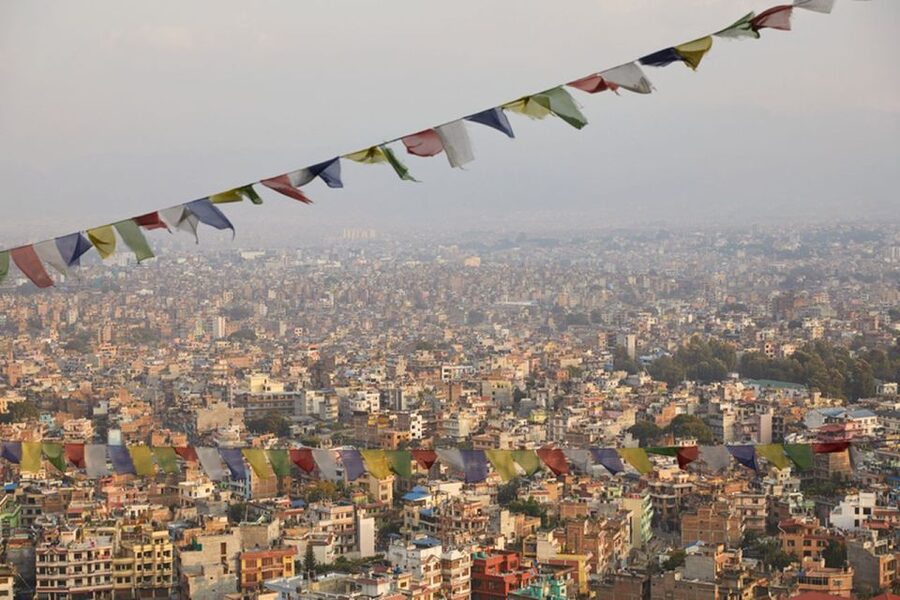
Kathmandu changes character at sunset. On this outing, you roll from Thamel’s backstreets to Asan Market and Kathmandu Durbar Square, stopping for temples, shrines, spices, chai, and ordinary city life. The rickshaw is not just a ride. It gives you a slow, open-sided view of streets that can feel too crowded for a car and too spread out on foot.
I like the small group size of up to 12 and the chance to hire directly from local rickshaw drivers. I also like the stops that break up the ride, especially the quiet Sigal shrine and the time set aside to sit in a temple square and watch Kathmandu carry on. The main caution is timing: although the tour is advertised at 2.5 to 3 hours, one departure lasted 1.5 hours and another about two hours.
Key points at a glance
- Sunset by rickshaw: See Thamel, Asan, and the old city from a traditional pedicab rather than a modern car.
- Sigal Buddhist shrine: Step into a peaceful shrine tucked just inside an alley near Thamel.
- Asan Market: Pause among vegetable stalls, spices, and local shoppers beneath Annapurna Temple.
- Kathmandu Durbar Square: Entrance is included, with time to see the temples and observe daily life in a UNESCO World Heritage setting.
- Direct local support: The rickshaws are hired from their drivers, giving them useful income in a city where cars and motorbikes have largely replaced this work.
- Flexible booking: You can cancel up to 24 hours before departure for a full refund and reserve without paying immediately.
Why a rickshaw is a smart way to see Kathmandu at sunset
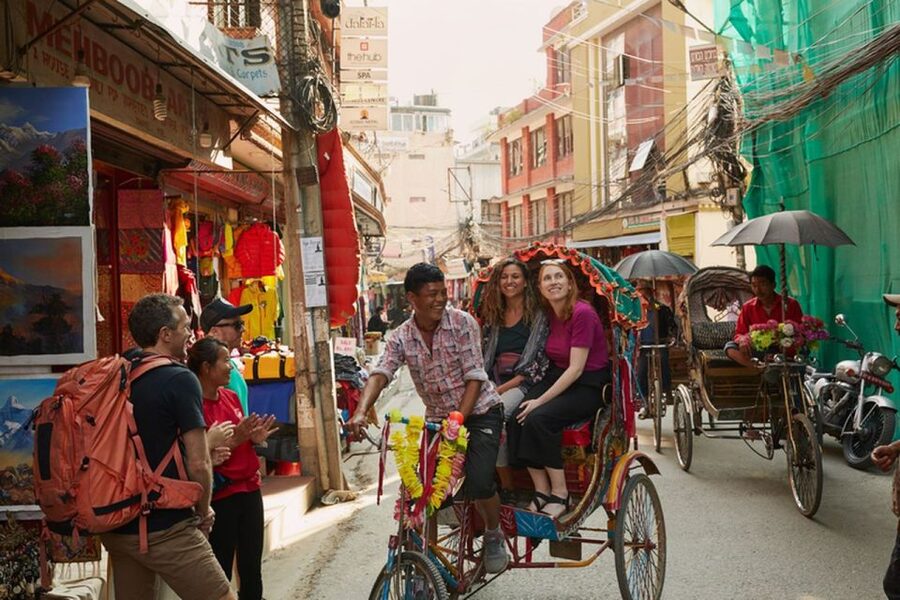
Kathmandu is a city best understood at street level. From a rickshaw, you are close to the noise, cooking smells, shopfronts, shrines, and foot traffic, but you do not have to cover every stretch on foot. That matters in the old city, where lanes can be tight and the route between sights is part of the experience.
The ride also gives you a local form of transport with a clear social benefit. Modern motorbikes and cars have taken over much of Kathmandu, so rickshaw work is less common than it once was. This tour hires the vehicles directly from their drivers. Your fare therefore supports a practical local livelihood, not only the sightseeing operation.
The sunset timing is another strength. You should expect a mix of fading daylight and evening activity rather than a grand scenic sunset viewpoint. The appeal is watching the city shift gears: markets remain active, people stop for hot chai, devotees pray, and temple courtyards take on a softer mood.
At $49 per person, the price is fair if you value a guide, transport, and the included Durbar Square entry. It is less compelling if you only want a short pedicab ride. The guide’s explanations and the access to several different parts of the old city are what make the price worthwhile.
A few more things to do in Kathmandu worth a look
- Kathmandu: Private City Guided Tour
★ 4.9 · 174 reviews - Kathmandu Valley City Day Tour
★ 5.0 · 40 reviews - Full Day Kathmandu City Sightseeing Tour of UNESCO Heritage Sites
★ 5.0 · 36 reviews
Starting in Thamel at Hotel Marshyangdi
The meeting point is Hotel Marshyangdi on Chaksibari Marg in Thamel. Thamel is Kathmandu’s main tourist quarter, but the tour does not keep you on its polished, busy streets. You begin by moving into its smaller lanes and backstreets, where the city feels more local and less arranged for visitors.
Allow a little mental space at the beginning. A rickshaw is slower and more exposed than a taxi, and the route is meant to show you the city rather than rush you from one landmark to another. An English-speaking Nepali guide accompanies the group, explaining what you see along the way.
The advertised group size is limited to 12 people, which should make it easier to hear the guide and ask questions. A private group option is also available if you want a more personal outing. The supplied information does not name the guides, so you should not book expecting a particular person.
Rolling through Thamel’s backstreets
The first riding section takes you through Thamel, a useful introduction to Kathmandu’s urban rhythm. You pass through the tourist heart of town, then move into lanes where the activity is less about shops aimed at visitors and more about everyday movement.
This part is short on the formal schedule, with about 15 minutes listed for the Thamel visit, but the rickshaw portion is longer. The schedule gives one hour to the pedicab ride overall. Since the route and exact pauses can vary, treat the timings as a guide rather than a strict promise.
One benefit of the rickshaw is the changing pace. A car would make the trip more comfortable but would separate you from the street. Walking would give you closer contact but require more time and energy. The pedicab sits between the two, letting you look around while someone else handles the movement through the city.
You should keep your expectations practical. This is not a polished vehicle experience or a private sightseeing car. It is a local ride through crowded lanes, and part of its charm is that it feels slightly old-fashioned and exposed to the city around you.
The quiet turn at Sigal shrine
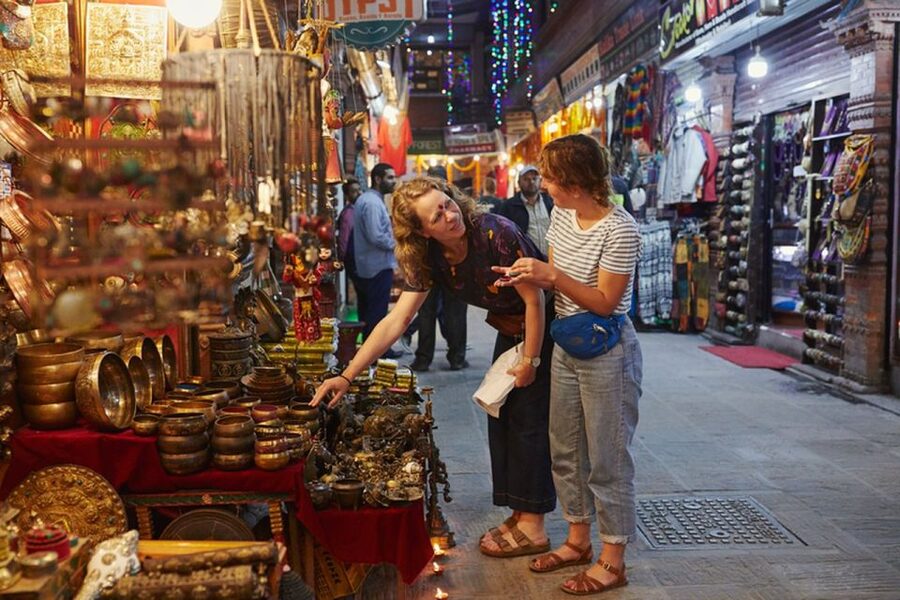
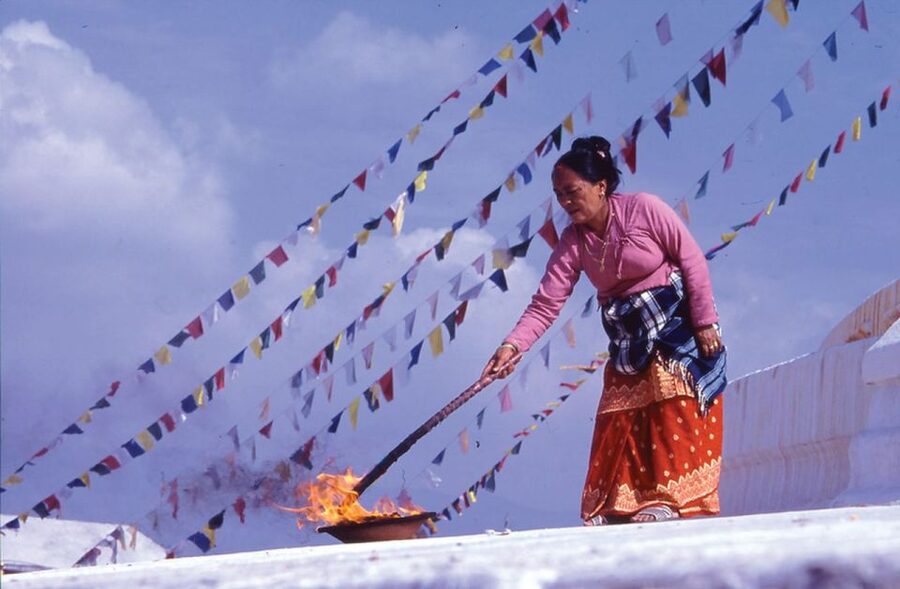
Near Thamel, you get off for a visit to Sigal, described as a tranquil Buddhist shrine just inside an alley. This is a useful contrast to the traffic and activity outside. You move from the public street into a smaller religious space, where the mood changes quickly.
The stop is not presented as a large monument or a long formal temple visit. Its value is the setting and the pause. Your guide can explain the shrine and help you understand why small religious sites matter so much in Kathmandu’s daily life.
This is also where the tour earns some of its balance. Without a quiet stop, a rickshaw ride through markets and old streets could become a fast sequence of sights. Sigal gives you time to slow down before continuing toward Asan and Durbar Square.
The exact name is given as Sigal, so check the meeting instructions or confirm with the guide if you need precise spelling for later reference. The experience information does not provide opening hours or any special dress rules, so follow the guide’s directions at the shrine.
Same base, a different kind of day:
- Everest Base Camp Trek – 14 Days
★ 5.0 · 1,499 reviews - Private Kathmandu Sightseeing Tour | UNESCO World Heritage sites
★ 5.0 · 756 reviews - Everest Base Camp Helicopter Tour landing at Everest View Hotel
★ 5.0 · 668 reviews - Half day cooking class in Thamel kathmandu
★ 5.0 · 607 reviews
Spices and daily trade at Asan Market
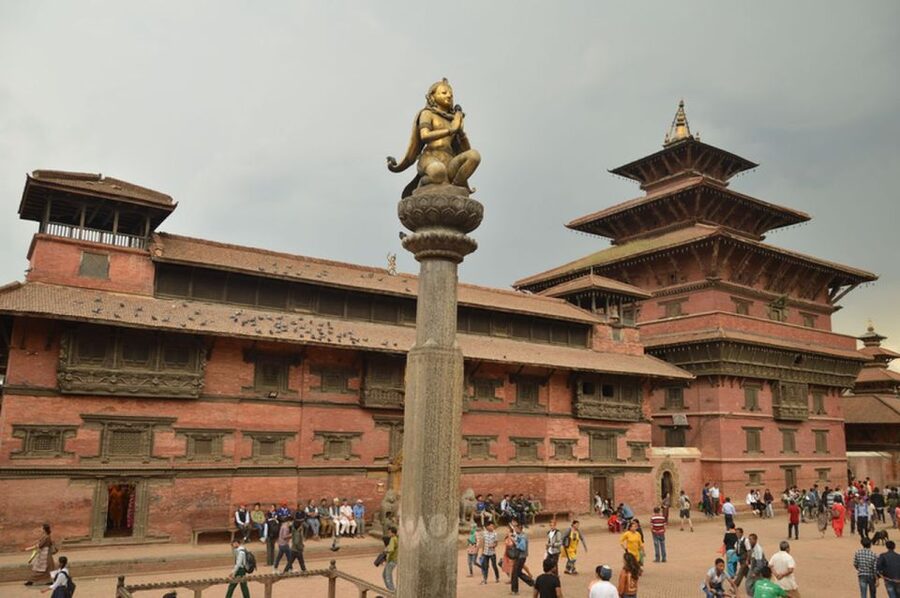
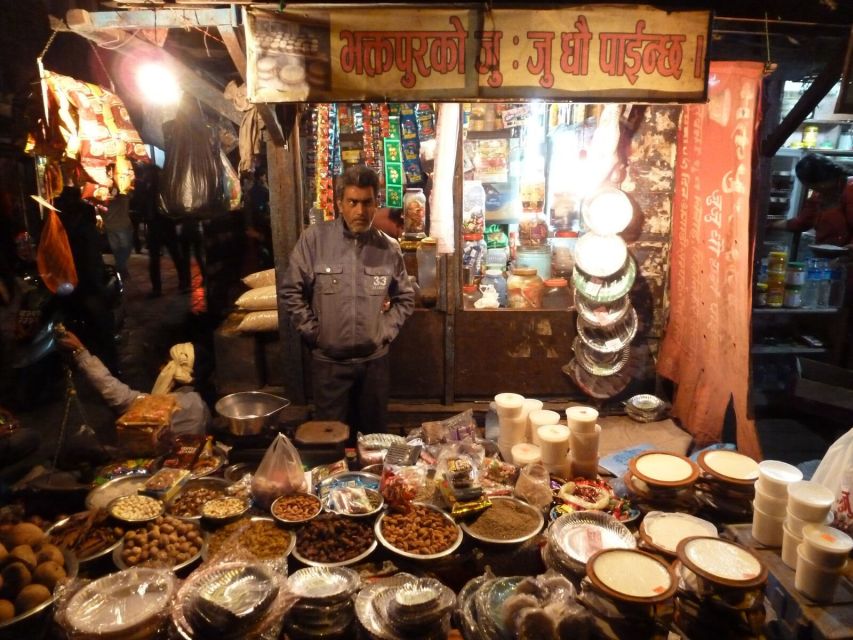
Asan is one of the tour’s most useful stops. The market is known for vegetables and spices, and Annapurna Temple overlooks the area. Here, you see Kathmandu as a working city rather than only a collection of historic buildings.
Give yourself time to look carefully. Spices, produce, temple activity, and shoppers all compete for attention. The odors are part of the point: you may notice cooking ingredients, incense, and the general smell of a busy market. You are not simply passing through on the rickshaw. The schedule allows about an hour for Asan, giving the guide room to explain what you are seeing.
I would keep this section flexible. Market activity changes by time of day, and the tour takes place around sunset. Some stalls may be especially active, while others may be winding down. The guide can help you tell the difference between a religious feature, a food item, and an ordinary part of local trade.
Food and drinks are not included. That keeps the price clear, but it means any chai or snack you decide to have is extra. The advertised tour does not promise a tasting, so treat the market as a place to see and learn rather than as a food tour.
Sitting with Kathmandu in Durbar Square
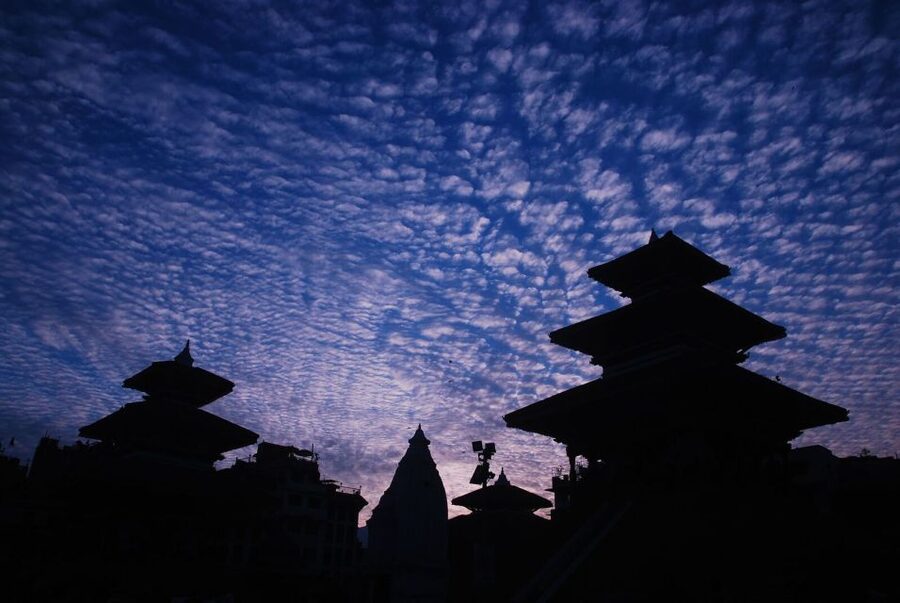
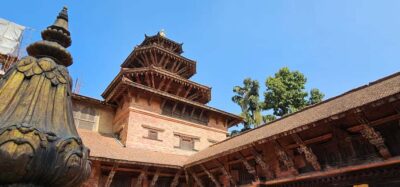
The final major stop is Kathmandu Durbar Square, where entrance is included. This is the tour’s strongest formal sight and the place where the ride’s small details come together. After passing shrines, markets, and side streets, you reach a major historic square filled with temples and public life.
The best use of your time here is not to hurry from building to building. Find a place in one of the temple squares and watch the scene. Locals sip hot chai, devotees pray, pigeons move through the space, and people continue their daily errands around the monuments.
That ordinary activity is important. Durbar Square is not just a museum backdrop. It remains part of Kathmandu’s living city, and the guide can help you read the difference between a ceremonial moment and routine life.
The schedule lists 1.5 hours here, although the total advertised duration is only 2.5 to 3 hours. That mismatch is worth noticing. The listed stop times add up to longer than the headline duration, and past outings have been shorter than promised. Ask at the beginning how long you will have at each location if seeing the square is your top priority.
Your entrance fee also supports cultural heritage preservation through the site’s admission system. That does not turn the tour into a conservation project, but it does give the entry portion of your price a clear purpose beyond access alone.
What the duration really means
The published duration is 2.5 to 3 hours. The route includes one hour of rickshaw travel, 15 minutes in Thamel, one hour at Asan, and 1.5 hours at Durbar Square in the detailed schedule. Those figures do not fit neatly within the stated total.
You should plan for the advertised 2.5 to 3 hours, but stay flexible. One verified departure lasted about two hours, and another lasted only 1.5 hours. The shorter outing was still described as interesting and well guided, but the reduced time could disappoint you if you have arranged your evening around a full three-hour program.
This is the clearest weakness of the experience. The guide may be excellent, yet the time on the ground matters. If your main goal is a long visit inside Durbar Square, confirm the planned schedule before setting out.
Guide quality and group feel
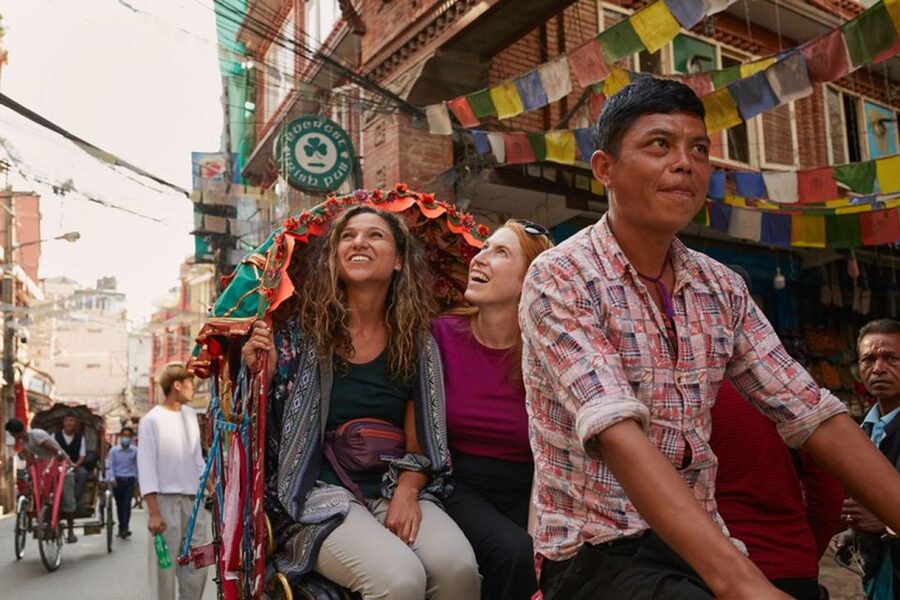
The tour is led in English by a Nepali guide. The guide’s role is especially important here because the appeal lies in explanation: why a shrine sits in an alley, what makes Asan significant, and how to understand activity in the temple squares.
A past participant specifically praised a female guide for being kind and making the outing interesting. Another said the guide gave strong explanations about the temples and market, even though the ride lasted only about two hours. Those comments point to the guide as one of the experience’s strongest features.
The group format should help. With no more than 12 people, you are not part of a large crowd moving from stop to stop. If you prefer an even more personal pace, a private group can be arranged.
Still, guide quality and timing can vary. No guide names are supplied, and there is no guarantee that the same person will lead every departure. Book this for the route and format, not for a named guide.
Who will get the most from this outing
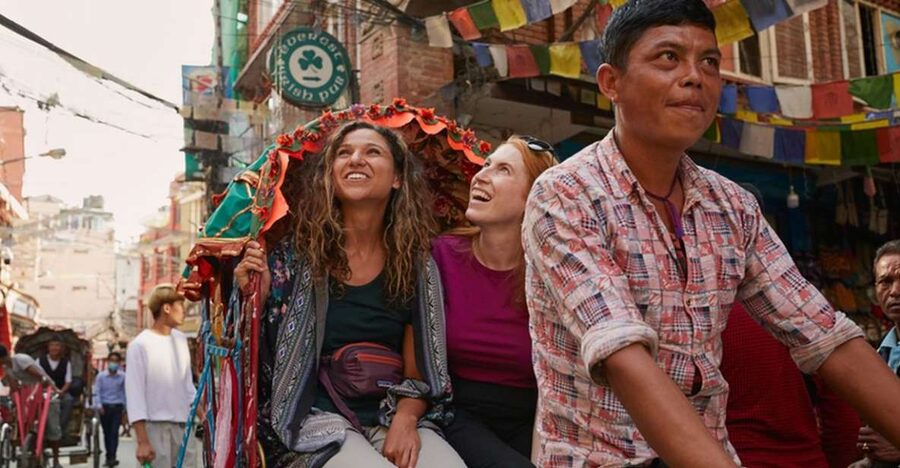
I would choose this tour if you are in Kathmandu for the first time and want a gentle introduction to the old city. It combines transport, orientation, history, religion, and market life without making you spend the entire evening walking.
It also suits anyone curious about everyday Kathmandu. The strongest moments are not only the famous square. They are the small turns into alleys, the shrine behind a doorway, the smell of spices, and the chance to watch people use a historic public space for ordinary tasks.
Families can consider it as well. The stated child policy says children from 6 through 11 are included in the child category, and children below 6 are permitted on the tour. Since the ride is open and the route moves through active city streets, parents should decide if the format suits their own children.
You may want to skip it if you dislike crowded urban riding, need a guaranteed three-hour schedule, or want a food-focused tour. Food and drinks are not included, and the experience is built around seeing and interpreting the city rather than sampling it.
Practical value at $49
The $49 price covers the rickshaw, English-speaking Nepali guide, Sigal shrine visit, and Kathmandu Durbar Square admission. You pay extra for any food or drinks.
That is a reasonable package for a small-group outing, particularly because transport links several areas that would otherwise require separate walks or taxis. The direct payment to rickshaw drivers adds another practical reason to choose it.
The value drops if the tour finishes much earlier than expected. A 1.5-hour outing is a different product from a full three-hour evening, even if the guide is good. I would ask about the expected finish time when you meet at Hotel Marshyangdi, then decide how much of your evening to leave open.
The carbon-neutral operation and B Corp certification may also matter to you. Those labels do not change what you see, but they indicate that the company frames the activity around responsible travel and local benefit.
Should you book Kathmandu by rickshaw?
Book it if you want to see Kathmandu at street level, prefer a small group, and enjoy a mix of temples, markets, and ordinary city scenes. The rickshaw format is memorable, the guide adds needed context, and the route gives you more texture than a simple ride between major monuments.
Go in with flexible timing. The shorter departures reported in the tour information are the main reason I would not recommend this to anyone with a tight evening schedule. If you can accept that uncertainty, $49 buys a useful introduction to Thamel, Asan, Sigal, and Durbar Square, while also supporting local rickshaw drivers.
FAQ
Where does the tour start?
The meeting point is Hotel Marshyangdi on Chaksibari Marg in Thamel, Kathmandu.
How long does the activity last?
The advertised duration is 2.5 to 3 hours. Past departures have lasted about two hours and, in one case, 1.5 hours, so the actual timing may vary.
What language is the tour conducted in?
The live tour guide speaks English.
Is the tour private?
A private group option is available. The standard small group is limited to 12 people.
What is included in the price?
The price includes rickshaw hire, an English-speaking Nepali guide, entrance to Kathmandu Durbar Square, and a visit to the Sigal Buddhist shrine.
Are food and drinks included?
No. Food and drinks are not included.
Which places does the tour visit?
The route includes Thamel, Sigal Buddhist shrine, Asan Market, and Kathmandu Durbar Square.
Are children allowed?
Children from 6 through 11 are included in the stated child category. Children below 6 are also permitted on the tour.
Can I cancel the booking?
You can cancel up to 24 hours in advance for a full refund. You can also reserve now and pay later.
Just added in Kathmandu
- Kathmandu to Chitwan Tour by Tourist Bus – A Convenient and Affordable Way★ 4.0 · 4 reviews
- Changunarayan Hill to Telkot Hike Near Kathmandu Day Tour★ 5.0 · 6 reviews
- Mt Everest Base CampTrek | Budget Package★ 5.0 · 4 reviews
- Chitwan Jungle Safari 3-Day Tour★ 5.0 · 9 reviews
- Chandragiri Hill Station Tour by Cable Car★ 5.0 · 4 reviews
- Chandragiri Hills cable car day trip, private car with driver from Kathmandu★ 5.0 · 8 reviews
- Chandragiri to Taudaha Nature Day Hiking from Kathmandu★ 5.0 · 13 reviews
- Chandragiri Cable Car & Monkey Temple Private Guided Day Tour★ 5.0 · 5 reviews
City Tours, compared.
Sarangkot Sunrise with Half or Full-Day City Tour
Read our review →
Full Day Kathmandu City Sightseeing Tour of UNESCO Heritage Sites
Read our review →
Browse the lists this tour appears in