
Reviewed · CITY TOURS
Kathmandu City Tour
Kathmandu’s greatest attraction is how much of Nepal’s past is still part of daily life. On this private city tour, you move from Hindu temple rituals at Pashupatinath to Buddhist prayer wheels at Bouddhanath, then on to royal courtyards and hilltop views. Four major sights give you a useful first look at the Kathmandu Valley without forcing you to arrange transport between them.
I like the private format, since only your group participates and the day can feel more personal than a large coach outing. I also like the air-conditioned vehicle and hotel pickup, two practical comforts in a city where traffic can make short distances take time.
The main consideration is cost. At $100 per person, this is not the cheapest way to see Kathmandu, especially since lunch, drinks, and heritage-site permits are not included. It makes better financial sense for a small group that values a dedicated vehicle and guide.
Key points to know before booking
- Four major cultural sites in one day: Visit Pashupatinath, Bouddhanath, Patan Durbar Square, and Swayambhunath.
- Private touring: Only your group participates, so you are not tied to a large shared bus.
- 8:15 am start: The planned day lasts about seven hours, with the full experience taking roughly seven to eight hours.
- Air-conditioned transport: Pickup is offered, and the tour includes a driver and guide.
- Bring extra money: Lunch, coffee, tea, and permits at heritage sites are not included in the $100 price.
- Strong guide-and-driver focus: Names associated with the company include Kumar, Madan, and Kiran, though your assigned guide is not specified in the tour details.
Four Kathmandu landmarks in one well-packed day
This tour works as a broad introduction to Kathmandu Valley culture. You will not see every corner of the city, and you should not expect long, quiet hours at each monument. Instead, the plan links four of the area’s best-known religious and royal sites in one organized circuit.
That matters because Kathmandu is not a city where sightseeing always follows a neat route. Traffic, narrow streets, crowds, and scattered monuments can make independent planning slow. A private vehicle removes much of the guesswork, while a guide can explain why a Hindu shrine, Buddhist stupa, and royal square belong in the same day.
The schedule begins at 8:15 am and lasts about seven hours. That is enough time for a substantial introduction, but you should wear comfortable shoes and expect a fairly active day. The tour information says most people can participate, and public transportation is nearby, but the included vehicle is the more useful feature for moving between the sites.
A few more things to do in Kathmandu worth a look
- Kathmandu: Private City Guided Tour
★ 4.9 · 174 reviews - Kathmandu Valley City Day Tour
★ 5.0 · 40 reviews - Full Day Kathmandu City Sightseeing Tour of UNESCO Heritage Sites
★ 5.0 · 36 reviews
Pashupatinath Temple and the Bagmati riverbank
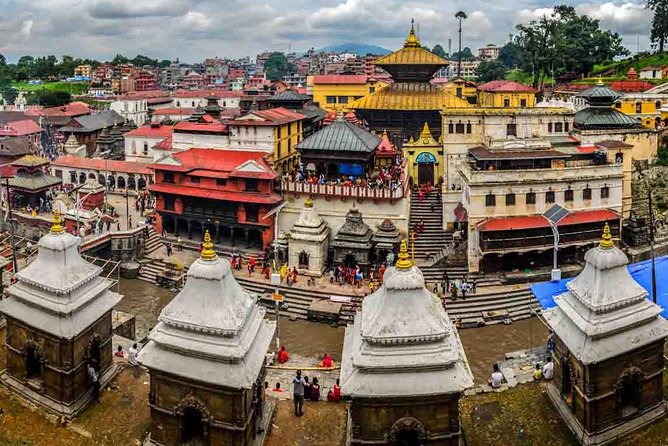
Pashupatinath is one of Kathmandu’s most important Hindu religious sites. The temple complex is associated with Shiva, one of the central figures in Hindu worship, and sits beside the Bagmati River.
You can expect a place of active worship rather than a silent museum. That distinction is important. The value of the visit comes from seeing a living religious center, with rituals and sacred spaces still used by local worshippers. Your guide can help explain what you are seeing and where visitors should show respect.
Access rules can vary within religious sites, so follow your guide’s instructions and dress modestly. The tour details do not specify which interior areas are open to non-Hindu visitors, so do not assume you can enter every shrine. Even from the surrounding areas, the complex gives you an immediate sense of Kathmandu’s spiritual importance.
Pashupatinath can also be an emotionally serious stop because of its connection to Hindu funeral rites along the river. If you see a ceremony, keep a respectful distance and avoid treating it like a performance. A good guide is particularly useful here, since context and manners matter as much as the architecture.
Bouddhanath Stupa and Tibetan Buddhist Kathmandu
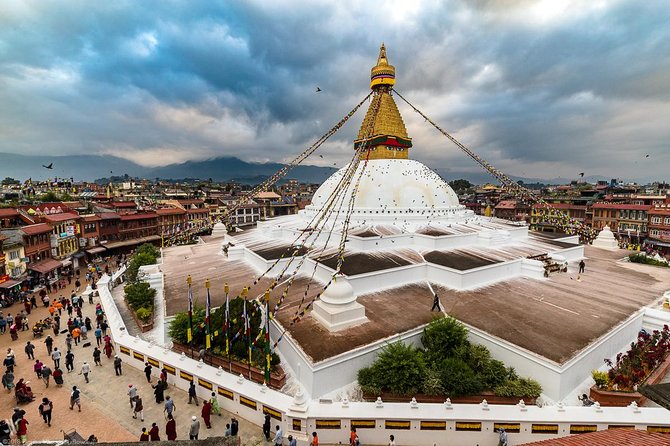
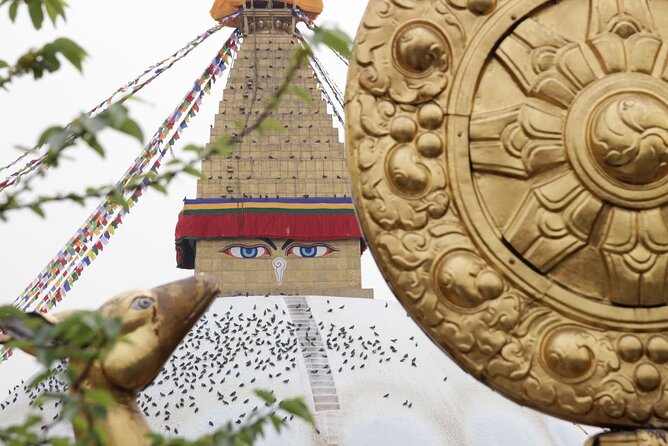
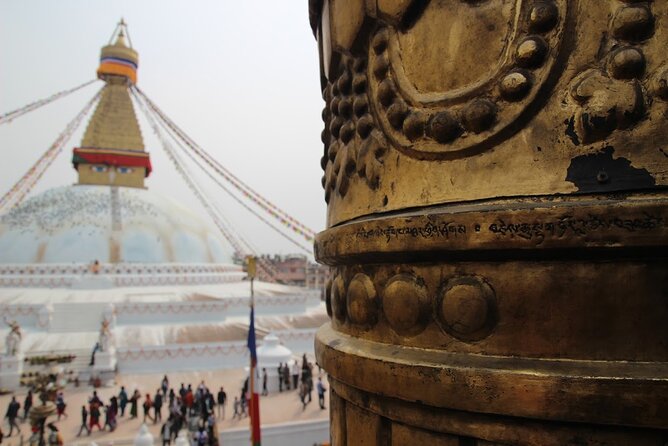
Bouddhanath, also spelled Boudhanath, is one of the world’s best-known Buddhist stupas and one of the defining sights of Kathmandu. Its large white dome, painted eyes, prayer flags, and ring of surrounding buildings create a setting quite different from Pashupatinath.
The stupa is designed for movement. People traditionally walk clockwise around it, often turning prayer wheels as they go. You can take your time with the central monument, look up at its symbolic design, and watch daily religious activity around the surrounding courtyards and shops.
This is one stop where a guide adds real value. The symbols on the stupa are not self-explanatory, and the site’s importance reaches beyond its appearance. Your guide can help connect the architecture with Buddhist practice and the Tibetan cultural presence in Kathmandu.
The area around Bouddhanath includes places to eat and shop, but lunch is not part of the tour price. If you want to stop for food, ask about the plan early in the morning. One past city-tour experience included recommendations for shops and lunch spots, so the company may be able to help with that part of the day, but the details should be confirmed when you book.
Patan Durbar Square and the Newar artistic tradition
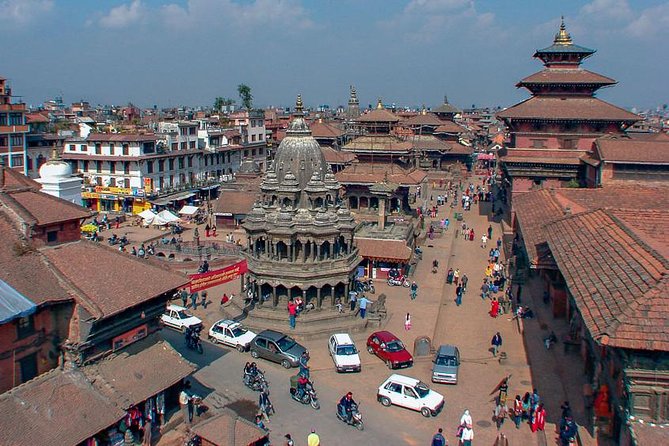
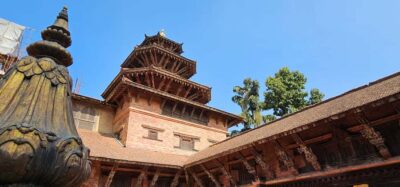
Patan Durbar Square is in the city of Lalitpur, across the Bagmati from central Kathmandu. It is known for its palace courtyards, temples, carved woodwork, stone details, and metal craftsmanship.
This is the stop where you can best appreciate the Kathmandu Valley’s artistic side. The square brings together royal architecture and religious buildings in a compact area. Look closely at the windows, doorways, roof supports, and temple figures. Much of the pleasure comes from small details rather than one single monument.
The tour description places Patan among the valley’s UNESCO-listed heritage areas. That status reflects its cultural importance, but it does not mean the site feels frozen in the past. Religious activity, local movement, and ordinary city life continue around the monuments.
Allow yourself time to look up and around. A rushed visit can reduce Patan to a series of photo stops. The guide should help identify the main buildings and explain how the square relates to the former royal city, but you can also ask for a few minutes to inspect the carving at your own pace.
The tour price does not include lunch, coffee, or tea. Patan is a sensible place to discuss a food break if the schedule allows, but do not assume a restaurant stop is included. The day already covers four major sights, so clarify how much time is planned here.
Same base, a different kind of day:
- Everest Base Camp Trek – 14 Days
★ 5.0 · 1,499 reviews - Private Kathmandu Sightseeing Tour | UNESCO World Heritage sites
★ 5.0 · 756 reviews - Everest Base Camp Helicopter Tour landing at Everest View Hotel
★ 5.0 · 668 reviews - Half day cooking class in Thamel kathmandu
★ 5.0 · 607 reviews
Swayambhunath, the hilltop Monkey Temple
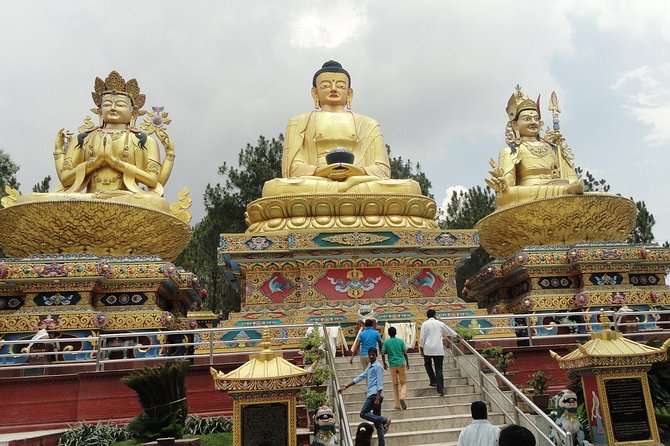
Swayambhunath is a Buddhist stupa on a hill above Kathmandu, often called the Monkey Temple because monkeys live around the complex. The hilltop position gives the stop a different feel from the city squares and riverbank temples.
You will need to be comfortable with steps or uneven walking areas if you want to explore the hilltop complex fully. The supplied information says most people can participate, but it does not provide detailed accessibility information. If stairs or slopes are a concern, ask the provider what route and vehicle access are available before booking.
At the stupa, look for the painted Buddha eyes and the prayer flags moving above the shrine. The setting combines religious symbolism with broad city views, making it a strong final stop for the day. Keep food secure around the monkeys, and do not treat them as tame animals.
Swayambhunath is also a good place to put the whole tour together. After seeing Hindu worship at Pashupatinath, Tibetan Buddhist culture at Bouddhanath, and royal Newar architecture at Patan, you have a clearer sense of how several traditions share the Kathmandu Valley.
What the private vehicle and guide add
The included air-conditioned vehicle is more than a comfort item. Kathmandu traffic can be tiring, and the four stops are spread across different parts of the valley. A private car lets your group travel together and avoid the uncertainty of finding separate rides between monuments.
The private setup also gives you room to ask questions. The company has been associated with guides and drivers named Kumar, Madan, and Kiran. One driver, Kiran, has been noted for speaking good English, while Kumar and Madan have been involved in organizing broader Nepal trips. Your actual guide is not named in the booking information, so confirm who will lead the city tour if that matters to you.
The day is described as private, not shared. That means only your party participates, which is useful for families, couples, or small groups with a particular pace. It does not promise unlimited flexibility, however. Four major stops in seven hours create a full schedule, so discuss any special interests at the start.
Pickup is offered, with an 8:15 am start. The exact pickup location is not provided, so give the company your hotel details when booking. The tour is also near public transportation, though the private vehicle remains the main way to get around.
Is $100 per person a fair price?
The answer depends on your group size and priorities. The $100 price includes an air-conditioned vehicle and a guide for roughly seven hours, with pickup offered. For a solo visitor, that is a sizeable day-tour expense. For a small private group, the cost may feel more reasonable because you are paying for dedicated transport and personal attention rather than a seat on a large bus.
The price does not include lunch, coffee, tea, or permits at heritage sites. The itinerary also says admission is free, while the exclusions mention heritage-site permits. Those details do not line up perfectly, so ask the operator exactly which site charges are payable locally.
You should also budget for food and drinks. If the guide suggests a lunch place or shops, decide in advance how much time you want to spend there. The strongest value in this tour is the organized route and private transport, not an all-inclusive package.
Who will get the most from this tour?
I would recommend it to a first-time visitor who wants a clear introduction to Kathmandu’s major cultural sights in one day. It is also a good match for people who prefer a private car, want hotel pickup, or do not want to work out the valley’s transport system alone.
Families and small groups should appreciate the private format. You can ask questions, keep your party together, and avoid waiting for strangers. The air-conditioned vehicle is another plus in a city where a day of road travel can feel long.
This is less suitable if you want a slow, highly specialized visit to one monument. Four major sites mean a broad overview rather than hours of concentrated study. It may also disappoint anyone expecting lunch, drinks, or all heritage fees to be included.
The tour can be useful after a mountain trip, too. If you have only a free day in Kathmandu before flying home, it covers the major religious and royal highlights without requiring a separate plan for each location.
Practical advice for making the day better
Start with a clear question about the fees. Ask which permits are required, which are included, and how much extra cash you should carry. This avoids confusion at the first heritage site.
Tell the guide what interests you most. If you care about religious practice, ask for more time at Pashupatinath and Bouddhanath. If architecture is your priority, request careful explanations at Patan. If views and photography matter most, ask how much time is planned at Swayambhunath.
Plan for a full morning and afternoon. The stated duration is seven to eight hours, and traffic can affect the exact finish time. Avoid scheduling a tight flight, train, or other fixed appointment immediately afterward.
Wear practical clothing for temples and walking. Respectful dress is especially important at Pashupatinath. Comfortable shoes will help at Patan and Swayambhunath, where exploring on foot is part of the appeal.
Free cancellation is available if you cancel at least 24 hours before the local start time. Cancellations or changes inside that window are not refunded, so check your plans before the deadline.
Should you book the Kathmandu City Tour?
Book this tour if you want four of Kathmandu’s most important cultural sites covered by private transport in one organized day. The guide, hotel pickup, air-conditioned vehicle, and private format are the main reasons to choose it.
Think twice if you are traveling alone on a tight budget or prefer to explore slowly and independently. At $100 per person, the value improves for a group, while the extra cost is harder to justify if you only want one or two sights.
Before paying, confirm the guide’s name, pickup details, lunch plan, and heritage-site fees. If those answers suit your needs, this is a practical first-day orientation to Kathmandu, with enough variety to show why the valley feels like an open-air museum and a living city at the same time.
FAQ
Where does the Kathmandu City Tour take place?
The tour takes place in Kathmandu and the surrounding Kathmandu Valley, visiting Pashupatinath Temple, Bouddhanath Stupa, Patan Durbar Square, and Swayambhunath Stupa.
How long does the tour last?
The planned duration is about seven hours, with the total experience listed as approximately seven to eight hours.
What time does the tour start?
The stated start time is 8:15 am.
Is hotel pickup available?
Pickup is offered, but the provided information does not specify the exact pickup locations. Give your accommodation details when booking.
Is this a private tour?
Yes. Only your group participates in the activity.
What transportation is included?
An air-conditioned vehicle is included, along with a tour guide.
Is lunch included?
No. Lunch is not included in the tour price.
Are coffee and tea included?
No. Coffee and tea are listed as additional expenses.
Are heritage-site permits included?
The tour information lists permits on heritage sites as not included. It also says admission is free, so ask the provider to clarify any local charges before the tour.
Can I cancel for a full refund?
Yes, if you cancel at least 24 hours before the experience’s start time. Cancellations or changes made less than 24 hours in advance are not refunded.
Just added in Kathmandu
- Traditional Momo Making Class★ 5.0 · 10 reviews
- Women Empowerment Project(Nepali cooking class & jewelry workshop★ 5.0 · 15 reviews
- Kathmandu 2 Nights 3 Days Chitwan Jungle Safari Tour★ 5.0 · 9 reviews
- Kathmandu to Pokhara Premium sofa bus ticket★ 4.0 · 17 reviews
- Walking tour of Kathmandu with awesome local guides★ 5.0 · 4 reviews
- Wildlife Adventure in Chitwan Nepal★ 4.0 · 4 reviews
- Regular Yoga for all levels of practitioners in Kathmandu★ 5.0 · 4 reviews
- Kathmandu Street Food Walking Tour – Eat Like a Local★ 5.0 · 3 reviews
City Tours, compared.
Sarangkot Sunrise with Half or Full-Day City Tour
Read our review →
Full Day Kathmandu City Sightseeing Tour of UNESCO Heritage Sites
Read our review →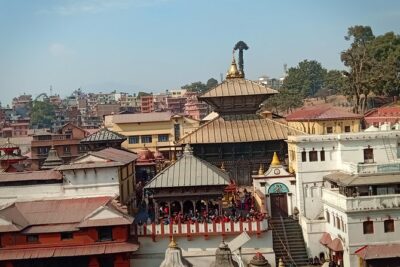
Browse the lists this tour appears in