
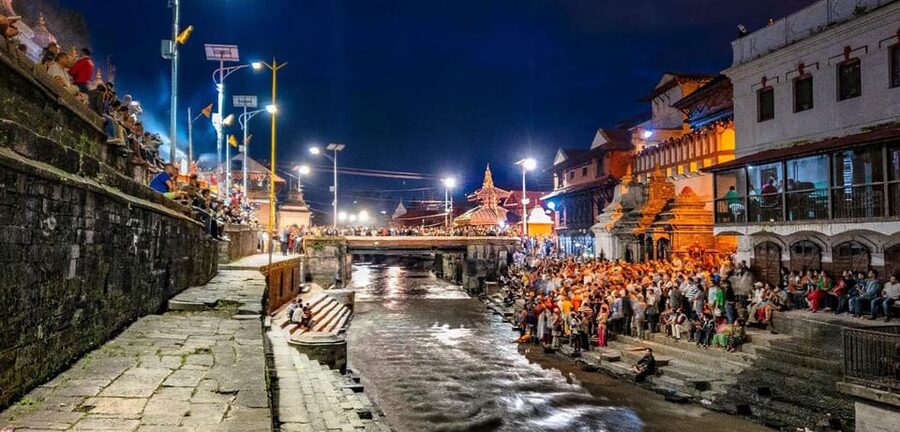
Reviewed · KATHMANDU UNESCO HERITAGE TOURS
Kathmandu: Pashupatinath Temple Evening Aarati Tour
Pashupatinath’s evening Aarati is one of Kathmandu’s most moving public rituals. As daylight fades beside the Bagmati River, priests chant Vedic mantras, bells ring, incense curls upward, and oil lamps swing before Lord Shiva. The ceremony is the heart of this tour, not a quick photo stop.
I like the private format and the way a guide can explain what you are seeing as it happens. I also like the timing: you arrive before sunset, tour the temple grounds, and then settle in for the ceremony. Ramesh, Rajat, and Anjan are especially praised for patient, clear explanations.
The main drawback is the short three-hour schedule. Traffic can reduce your time at the temple, and the ceremony draws a large crowd, so a perfect front-row view is not guaranteed. This is a thoughtful cultural visit, not a quiet or leisurely temple stroll.
Key points to know before you book
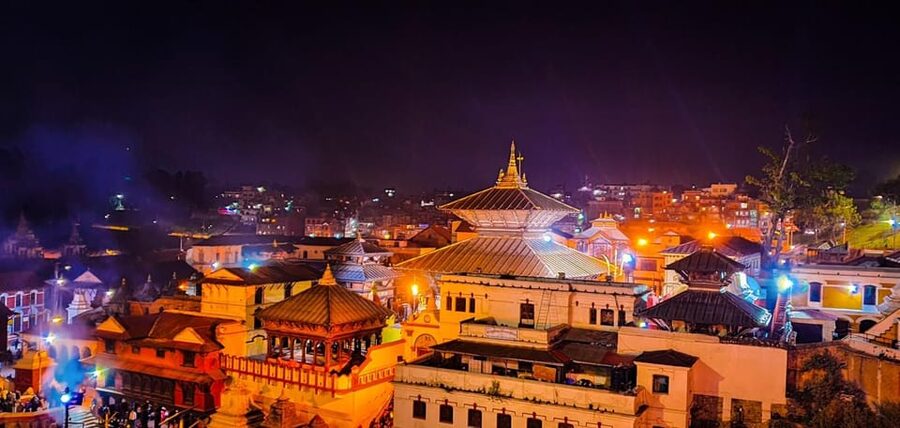
- Aarati beside the Bagmati River: Watch priests use lamps, incense, bells, prayer, music, and hymns in a nightly Hindu ceremony.
- A useful sunset arrival: The tour reaches Pashupatinath before the evening ritual, giving you time to see the complex and ask questions.
- Private three-hour format: You travel by arranged transport with your own guide rather than joining a large public group.
- Strong guide feedback: Ramesh is praised for cultural insight and patience, while Rajat and Anjan are also noted for friendly, clear explanations.
- Photography is possible in permitted areas: Tell your guide if photos matter to you, since one guest received extra time and help with suitable views.
- Simple pricing: At $45 per person, the fee covers transport, hotel pickup and drop-off, an English-speaking guide, temple entry, taxes, and service charges.
Why the evening Aarati matters
Kathmandu has no shortage of temples, shrines, courtyards, and prayer sites. Pashupatinath is different because the evening Aarati gathers religious practice, music, riverfront scenery, and a large local audience into one concentrated event.
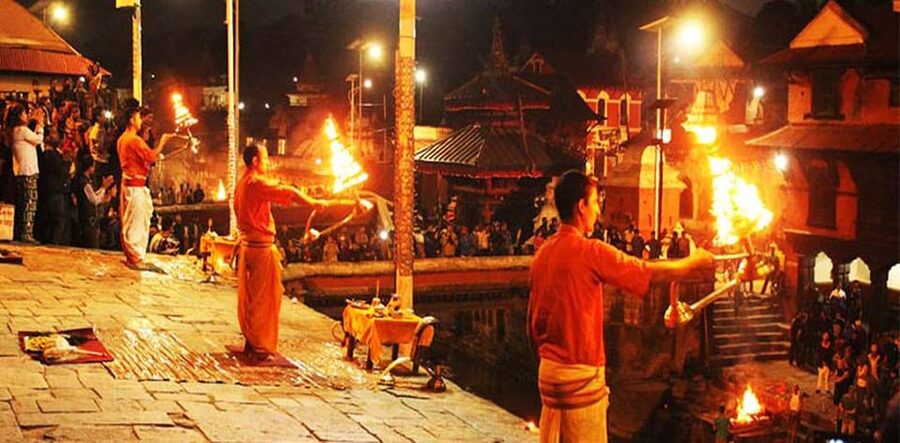
Aarati is a worship ritual using light. Priests wave oil lamps before the idol of Lord Shiva while prayers and Vedic mantras fill the riverside. Bells, incense, classical instruments, and sung hymns add layers of sound and movement.
You do not need to know Hindu theology to appreciate the ceremony. Still, without context, it can be hard to tell what each gesture means or why the crowd responds in certain ways. That is where the guide earns the fee. A good explanation helps you watch with respect instead of treating the ceremony as a colorful show.
I especially like that the tour includes time before the Aarati. You are not dropped beside the river five minutes before the main event. The guide takes you through the Pashupatinath area and explains its religious importance, then leaves room for questions and independent looking before the ceremony begins.
More temple and square walks around Kathmandu:
- Private Kathmandu Sightseeing Tour | UNESCO World Heritage sites
★ 5.0 · 756 reviews - Kathmandu: Full Day 7 UNESCO Tour with Lunch – Private/Group
★ 5.0 · 415 reviews - Private Bhaktapur and Nagarkot Day Tour From Kathmandu
★ 5.0 · 305 reviews
Hotel pickup and the ride from Kathmandu
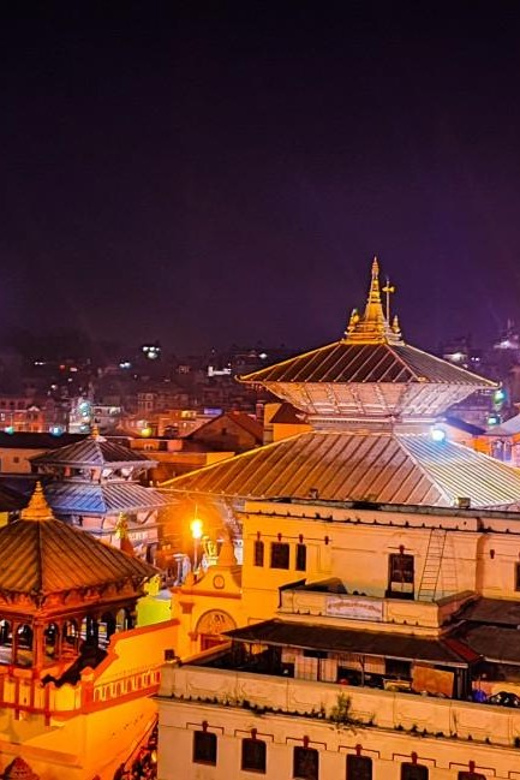
The tour begins with pickup in Kathmandu and ends with a drive back to your hotel. Transportation is included, so you do not have to negotiate a taxi at the end of the evening or work out the route to Pashupatinath yourself.
That convenience matters most at dusk. Kathmandu traffic can affect any short city outing, so the three-hour length should be treated as an approximate window rather than a promise of three full hours at the river. The supplied schedule places the ceremony around 6 p.m., but you should check the available starting time when booking.
The transport is private, which gives you more control than a large group outing. You can ask your guide to repeat an explanation, raise a photography concern, or spend a little longer on a point that interests you. Several accounts also praise the drivers and guides for polite, welcoming service, with Santosh specifically mentioned as a safe and friendly driver.
Exploring Pashupatinath before sunset
On arrival, your guide leads a tour around the temple complex. The visit is not only about reaching the riverbank. You get a chance to see the setting, understand the importance of Pashupatinath, and learn how the evening ceremony fits into local religious life.
The information provided does not promise a fixed list of individual shrines or a set number of stops, so expect the exact route to depend on the guide, timing, and conditions at the complex. That flexibility can be useful. You can ask about the parts that catch your eye instead of following a rigid script.
This is also the best point to ask practical questions. If you want to take photographs, ask where it is permitted before the ceremony begins. One guest booked mainly for photography and found the guide willing to accommodate requests and allow extra time. That does not guarantee a particular viewpoint, but it shows why speaking up early helps.
You also have time for independent exploration before Aarati starts. Use it to look carefully, take permitted photographs, or simply watch the movement around the temple area. The guide remains important here because religious sites can have customs that are not obvious to an outsider.
The Bagmati River ceremony around 6 p.m.
The evening Aarati takes place on the eastern side of Pashupatinath, beside the Bagmati River. People gather along the bank, and the ceremony gradually shifts the mood from ordinary evening activity to focused prayer.
The sequence includes Vedic mantras, bells, burning incense, oil lamps, classical instruments, and hymns. The priests wave the lamps before Lord Shiva, creating the most visually striking part of the ceremony. Smoke, fire, music, and the river setting make this a powerful scene, but the religious purpose comes first.
You should approach it as an active place of worship, not as a staged performance made for visitors. Keep your attention on the ceremony, follow your guide’s advice about photography, and avoid treating every moment as a picture opportunity. The supplied details allow photography only in permitted areas, so your guide is the right person to ask.
Crowds are part of the experience. They add energy and show how important the ritual is to local worshippers, but they can also make it harder to move or see clearly. One guest specifically appreciated having a good view, yet you should not assume that every booking will produce the same position. Your guide can help you find a sensible place, but no short tour can control the crowd.
Same base, a different kind of day:
- Everest Base Camp Trek – 14 Days
★ 5.0 · 1,499 reviews - Everest Base Camp Helicopter Tour landing at Everest View Hotel
★ 5.0 · 668 reviews - Half day cooking class in Thamel kathmandu
★ 5.0 · 607 reviews - Everest Base Camp Trekking
★ 5.0 · 485 reviews
What the guide adds to the evening
The strongest part of this tour is the interpretation. Several guides receive specific praise for explaining Hindu culture and ritual in an accessible way.
Ramesh is repeatedly singled out for warmth, patience, and detailed cultural insight. He is also described as able to answer questions about rituals, history, and local traditions without making the evening feel like a lecture. One booking included a Spanish and English conversation, so bilingual support may be possible in some cases, though English is the stated tour language.
Rajat is praised for being friendly and informative, while Anjan is noted for helping a visitor better understand Hindu religion and the Aarati ceremony. These names are useful to know, but guide assignment can vary. The key point is that the experience depends heavily on who leads it and how willing you are to ask questions.
I would not book this solely for transport. You can arrange a ride to Pashupatinath yourself. The value comes from combining the ride, entry, temple orientation, and live explanation in a private three-hour visit.
Photography, views, and respectful behavior
Pashupatinath offers plenty to observe, but the most memorable view is likely to be the ceremony itself: rows of people facing the priests, lamps moving in rhythm, and the sound of prayer beside the river.
If you want strong photographs, say so at the beginning. One guest booked with photography in mind and found the guide patient with requests and concerns. That is a useful lesson: guides cannot change the ceremony, but they can help you understand where photography is allowed and how to use your limited time.
Avoid letting the camera take over. The Aarati is a religious act, and the crowd is there for more than scenery. Take photographs only where permitted, listen when the guide explains local expectations, and be ready to put the camera away during important moments.
The ceremony takes place in the evening, so conditions will be darker than during the earlier temple visit. Even without perfect photographs, you still have the sounds, movement, and atmosphere of the ritual. For many people, that is the part worth remembering.
Is $45 per person good value?
At $45 per person, the tour is not the cheapest way to reach Pashupatinath. But the price includes hotel pickup and drop-off, transportation, an English-speaking licensed guide, temple entry, taxes, and service charges.
For a solo visitor, couple, or small private group, that package can be good value. You are paying for more than a vehicle. You get a guide who can put the ceremony into context and help you manage the short schedule.
The private format matters here. A large group might be less expensive, but it could limit questions and make it harder to find a useful viewing position. A private group also suits anyone who wants to spend more time on cultural explanation or photography.
Food and drinks are not included. That is hardly a serious problem for a three-hour evening outing, but plan to eat before or after if you need a full meal. The tour is focused on Pashupatinath and the Aarati, not dining.
Who will enjoy this tour most?
This is a strong choice if you want a guided introduction to Hindu ritual and prefer an organized evening. It suits first-time visitors to Kathmandu who want cultural context rather than only a quick temple visit.
It is also a good fit for photographers, provided you understand that permission and crowd position control what you can capture. The private format gives you a better chance to discuss your needs than a large scheduled group would.
You should think twice if you want a silent, private spiritual moment. The ceremony attracts many people, includes music and bells, and takes place in a public setting. You may also prefer a longer temple visit if three hours feels rushed.
The tour works best for curious visitors who ask questions. Guides such as Ramesh, Rajat, and Anjan are praised for conversation and explanation, so you will get more from the evening if you speak up about Hindu practice, the temple, the river, or the ceremony.
Practical booking advice for Kathmandu
The activity is offered in English and is described as a private group tour. Check the starting time when you book, since the ceremony is listed around 6 p.m. and the exact available departure can affect how much time you have before the lamps are lit.
Hotel pickup and drop-off are included, as is entry to Pashupatinath. Food and drinks are not included. The provider allows cancellation up to 24 hours before the activity for a full refund, and you can reserve now and pay later if that option suits your plans.
The tour has a five-star rating from 36 bookings, with repeated praise for the guides, transport, cultural explanations, and the ceremony itself. Ratings alone do not remove the usual uncertainties of city traffic, crowds, or viewing position, but the pattern points to a well-liked format with a clear strength: personal guidance.
Should you book the Pashupatinath Aarati tour?
Book it if you want the evening ceremony explained, not simply witnessed. The combination of a temple visit before sunset, private transport, a live English-speaking guide, and the riverbank Aarati makes this a practical first look at one of Kathmandu’s major Hindu sites.
The best reason to choose it is the guide. Ramesh, Rajat, and Anjan are praised for patience, cultural insight, and friendly conversation, and that human element can turn unfamiliar ritual into something you can follow and respect.
Skip it if you dislike crowds, need a long unhurried visit, or want a purely photographic outing. For most curious visitors, though, $45 is a reasonable price for a short, focused evening that gives you both access and context.
FAQ
Where does the Pashupatinath Aarati ceremony take place?
The ceremony takes place beside the Bagmati River on the eastern side of the Pashupatinath Temple area.
What time does the Aarati begin?
The ceremony is described as beginning around 6 p.m. Check the available starting time when booking.
How long does the tour last?
The tour lasts three hours, including pickup in Kathmandu, the visit to Pashupatinath, the ceremony, and the return to Kathmandu.
Is hotel pickup included?
Yes. Hotel pickup and drop-off in Kathmandu are included.
Is transportation included?
Yes. Transportation to and from Pashupatinath Temple is included in the price.
Is a guide included?
Yes. The tour includes a licensed English-speaking live guide. Guides named in the supplied details include Ramesh, Rajat, and Anjan.
Is entry to Pashupatinath included?
Yes. The entry ticket to Pashupatinath is included.
Can I take photographs during the tour?
Photography is possible in permitted areas. Ask your guide where photographs are allowed, especially during the Aarati ceremony.
Can I cancel the booking?
You can cancel up to 24 hours in advance for a full refund. Reserve now and pay later is also available.
Just added in Kathmandu
- Kathmandu to Chitwan Tour by Tourist Bus – A Convenient and Affordable Way★ 4.0 · 4 reviews
- Changunarayan Hill to Telkot Hike Near Kathmandu Day Tour★ 5.0 · 6 reviews
- Mt Everest Base CampTrek | Budget Package★ 5.0 · 4 reviews
- Chitwan Jungle Safari 3-Day Tour★ 5.0 · 9 reviews
- Chandragiri Hill Station Tour by Cable Car★ 5.0 · 4 reviews
- Chandragiri Hills cable car day trip, private car with driver from Kathmandu★ 5.0 · 8 reviews
- Chandragiri to Taudaha Nature Day Hiking from Kathmandu★ 5.0 · 13 reviews
- Chandragiri Cable Car & Monkey Temple Private Guided Day Tour★ 5.0 · 5 reviews
Kathmandu UNESCO Heritage Tours, compared.
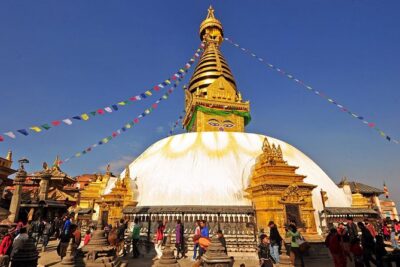
Private Kathmandu Sightseeing Tour | UNESCO World Heritage sites
Read our review →
Full Day 7 UNESCO Tour with Lunch – Private/Group
Read our review →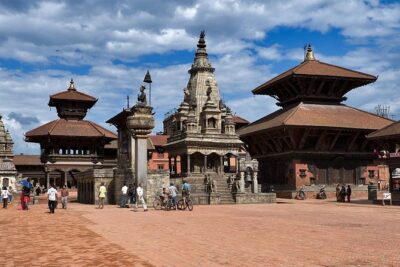
Private Bhaktapur and Nagarkot Day Tour From Kathmandu
Read our review →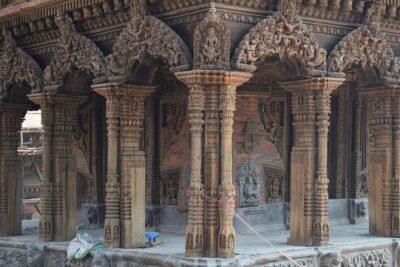
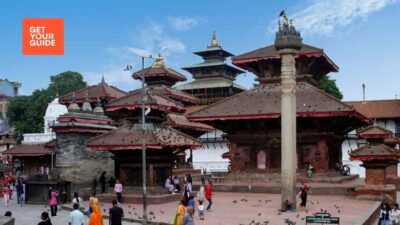

Kathmandu Spiritual Sites: Bodhnath & Pashupatinath Tour
Read our review →
Day Trip to Bhaktapur and Panauti from Kathmandu
Read our review →
Browse the lists this tour appears in