
Reviewed · KATHMANDU UNESCO HERITAGE TOURS
Katmandu: Pashupatinath Open Cremation & Evening Aarati
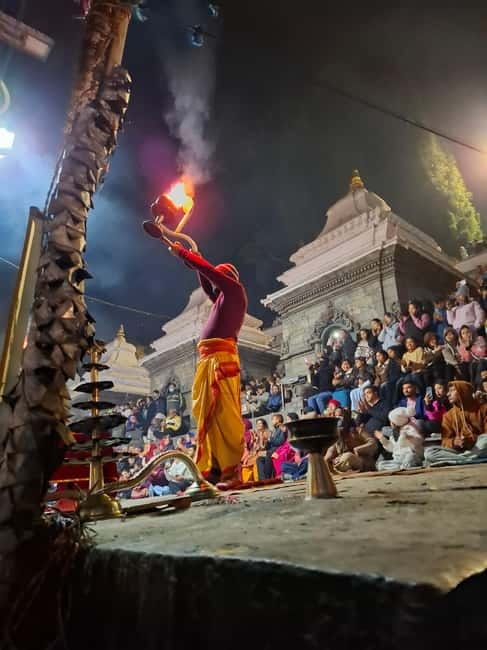
Pashupatinath brings you face to face with two sides of Hindu devotion: funeral pyres burning beside the Bagmati River and worshippers lifting lamps to Lord Shiva as evening falls. It is solemn, public, and not polished for sightseeing. The open cremations are the reason to come, but they demand quiet respect and a steady stomach.
I like the way this three-hour outing connects death, prayer, and daily religious life in one place. I also like the early arrival for Aarati, since reaching the riverfront by 5:30 PM gives you time to find a useful viewing place before the 6 PM ceremony. The main concern is the uneven guiding arrangement: some departures have included excellent explanations from Bhum Raj Tiwari, while the basic description says no tour guide is included and the driver may only provide assistance.
Key points to know before booking
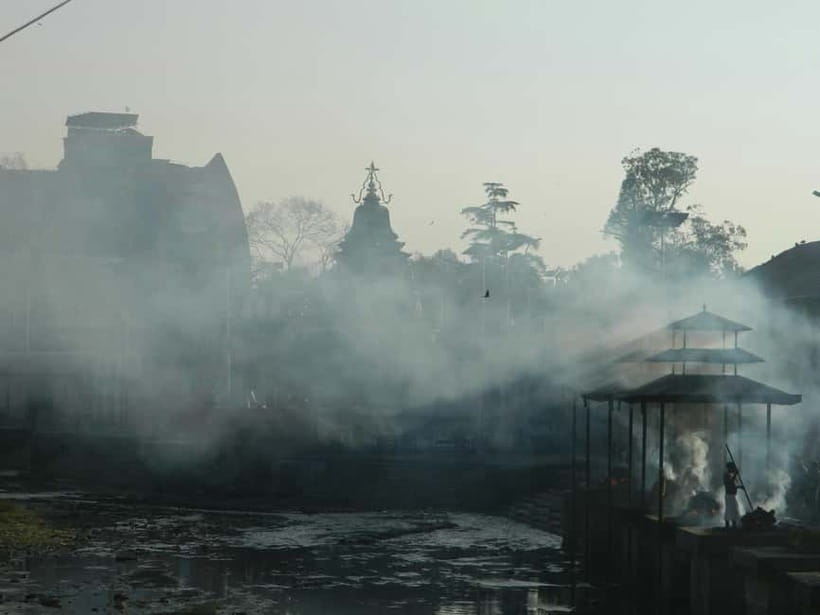
- Open cremations at Arya Ghat: Watch Hindu funeral rites beside the Bagmati River, with the understanding that this is a working sacred site, not a staged performance.
- Aarati begins around 6 PM: Arrive at 5:30 PM to settle in and improve your view of the lamps, chanting, and music.
- Bhum Raj Tiwari is a name worth requesting: He has been praised for clear English and for explaining Hindu customs to visitors unfamiliar with them.
- Private transport is included: A driver collects you in Kathmandu, provides drinking water, and returns you to your original location.
- The $27 price is about convenience: It covers transport and pickup, but not entry tickets, meals, or a guaranteed tour guide.
- Expect walking and solemn subject matter: The visit is not suitable for children under nine, wheelchair users, or people with mobility or certain health problems.
Why Pashupatinath feels different from a normal temple visit
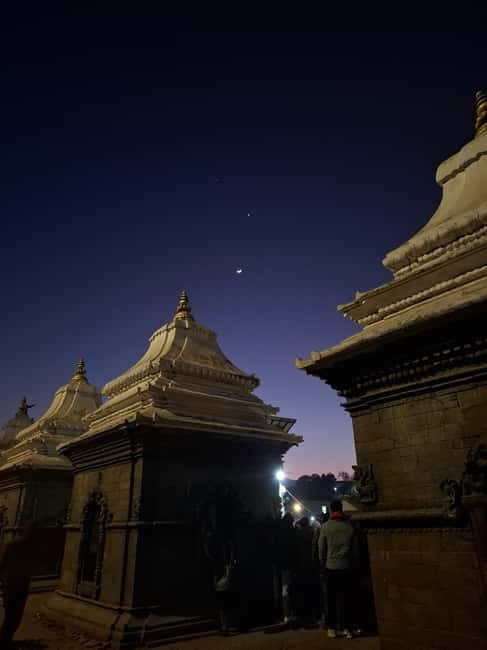
Pashupatinath is not simply a monument where you admire carvings, take a few photographs, and leave. Along the Bagmati River, religious worship and funeral rites take place in the same public setting. You may watch cremation activity while people gather for evening prayer nearby. That closeness is the heart of the experience, and also its challenge.
Hindu belief holds that cremation at this holy site can help a person attain moksha, or liberation. You do not need to share that belief to understand why the river and cremation ghats matter so much to families. The right approach is quiet observation. Keep your distance, follow instructions, and remember that people at the cremation area are dealing with loss, not performing for an audience.
The setting can feel startling to anyone from a culture where funerals are private. One Canadian visitor described the combination of the fast-flowing river, burning pyres, stone seating, and evening darkness as something from a film. That comparison captures the visual drama, but the real point is more serious: this is an active religious place where death is part of public life.
More temple and square walks around Kathmandu:
- Private Kathmandu Sightseeing Tour | UNESCO World Heritage sites
★ 5.0 · 756 reviews - Kathmandu: Full Day 7 UNESCO Tour with Lunch – Private/Group
★ 5.0 · 415 reviews - Private Bhaktapur and Nagarkot Day Tour From Kathmandu
★ 5.0 · 305 reviews
Pickup from Kathmandu and the ride to the temple
The tour begins with pickup at your hotel, accommodation entrance, or another clearly visible spot in Kathmandu. You should wait at the reception desk or main entrance, and give precise directions if you are staying in a narrow lane or a busy street. The driver is expected within a 15-minute window, with notice if there is a delay.
A private, air-conditioned vehicle is included, along with drinking water. This is useful in Kathmandu, where arranging a ride at the end of an evening ceremony can be less convenient than having a driver waiting for you. The exact drive time depends on your pickup location and traffic, so the advertised three hours can stretch to three or four hours.
The transport is the strongest practical reason to consider this experience instead of arranging the visit alone. At $27 per person, the value depends on how many people are in your private group and how much you value door-to-door transport. If you are traveling alone, a local taxi may cost less, but you would lose the organized pickup and return. One poor account described a dirty vehicle without air conditioning or seat belts, so I would confirm the vehicle standard and safety arrangements at booking.
Walking from the main entrance to Arya Ghat
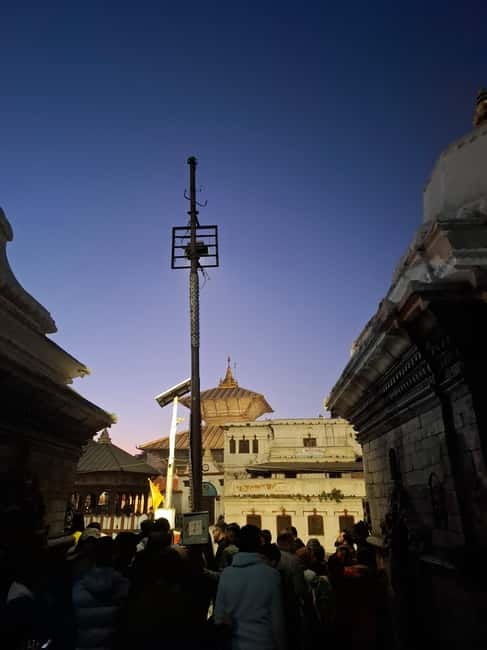
Your vehicle drops you at the main entrance of the Pashupatinath complex. From there, you walk toward Arya Ghat, the main open cremation area along the Bagmati River. Comfortable shoes matter because the visit includes walking, and the route may be less comfortable for anyone with back, joint, or mobility problems.
Arya Ghat is the most sensitive part of the outing. You are there to observe Hindu funeral rites and learn why this location is considered spiritually important. The supplied information does not promise a particular number of cremations or a fixed viewing distance, so the scene may vary from one evening to the next.
Your behavior matters more than your camera. Bring a camera if you wish, but ask before photographing people or funeral activity and follow any local instructions. Modest clothing is appropriate. Shoulders and knees covered is a sensible standard for a religious site, even though exact clothing rules are not specified.
The booking information does not include meals or entry tickets, so keep some cash with you. It also recommends carrying identification, comfortable clothing, and a light jacket for changing outdoor conditions. These are small preparations, but they make a serious evening easier.
Understanding the cremation ritual without rushing it
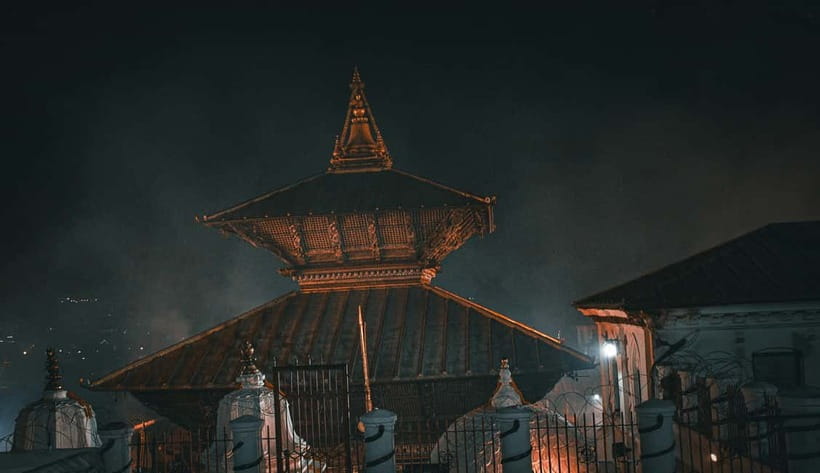
The cremation area can raise difficult questions. Why is the funeral public? Why is the river important? What does moksha mean? A good guide can explain the religious ideas without turning grief into a lecture.
Bhum Raj Tiwari is specifically praised for strong English and for explaining why Hindus follow these customs in terms that make sense to European visitors. Another account describes him as thorough and well educated, with conversation that added real value to the visit. If you want cultural context rather than simple transport, ask whether Bhum Raj Tiwari is available.
There is an important catch. The activity details also say that a tour guide is not included and that the driver provides assistance. Another section mentions a live tour guide, so the arrangements are not fully consistent. You should confirm in writing whether you receive a trained guide, a driver only, or a driver who also offers explanations. At this price, that distinction affects the value more than the drinking water or vehicle.
Even with a guide, no explanation can remove the emotional weight of the place. You may find the cremation rites confronting, particularly if you come from a culture where death is hidden from public view. That is not a reason to avoid the visit, but it is a reason to choose it carefully. Children under nine are not accepted, and the activity is not suitable for people with certain pre-existing medical conditions.
Same base, a different kind of day:
- Everest Base Camp Trek – 14 Days
★ 5.0 · 1,499 reviews - Everest Base Camp Helicopter Tour landing at Everest View Hotel
★ 5.0 · 668 reviews - Half day cooking class in Thamel kathmandu
★ 5.0 · 607 reviews - Everest Base Camp Trekking
★ 5.0 · 485 reviews
Finding a good place for the 6 PM Aarati
After visiting the cremation area, you move toward the Aarati viewing area. The ceremony begins around 6 PM and lasts about 30 minutes, until roughly 6:30 PM. The organizers advise arriving by 5:30 PM, which gives you time to sit or stand in place before the crowd gathers.
Aarati is a worship ceremony dedicated to Lord Shiva. Expect devotional songs, rhythmic chanting, music, and oil lamps raised during the service. As daylight fades, the lamps become the focus. The mood shifts from the quiet gravity of the cremation area to a more collective act of prayer, though cremation rites may continue in the background.
That contrast is what makes the evening memorable. You see the Hindu understanding of life and death placed side by side, not separated into different museum displays or scheduled performances. The experience does not offer a tidy lesson with a beginning and end. Instead, you watch several parts of religious life unfold at once.
Arriving early is not just a minor tip. The ceremony has a set start time, and a late arrival can leave you behind other people or at a poor angle. If seeing the lamps is your main goal, make the Aarati area your priority and avoid lingering too long at earlier stops.
What the private format does and does not provide
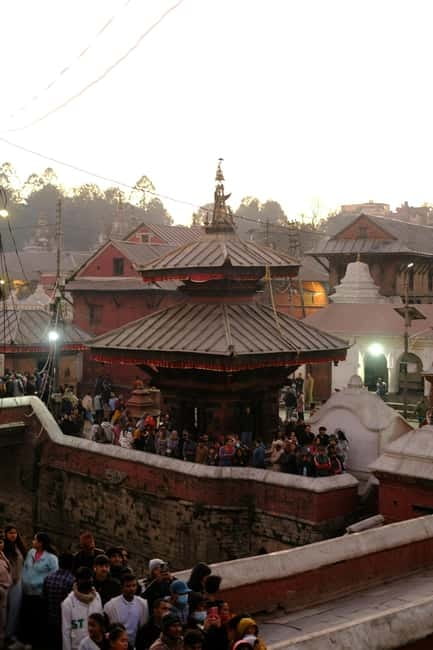
The private group format gives you a pickup arranged around your accommodation and a return to the same general location. You are not tied to a large group’s pace, and you can ask for help with the meeting point or timing. That is useful in Kathmandu, especially when traffic affects the pickup schedule.
Private does not automatically mean fully guided. The included items name an experienced driver, water, and pickup and drop-off. Entry tickets, meals, and a tour guide are not included. Since the information also refers to a live guide, confirm this point before booking.
The experience is listed at about three hours, but the practical estimate is closer to three to four hours depending on traffic and where you are staying. The Aarati schedule gives the evening a fixed shape, while pickup time may vary. Plan around the ceremony rather than assuming the vehicle will leave at an exact minute.
The $27 cost is fair if you want a private ride, a set plan, and help getting back after dark. It is less convincing if you expect a fully guided cultural tour with entrance fees included. For the best value, book only after confirming the guide, vehicle, and ticket arrangements.
Respect, photography, and personal comfort
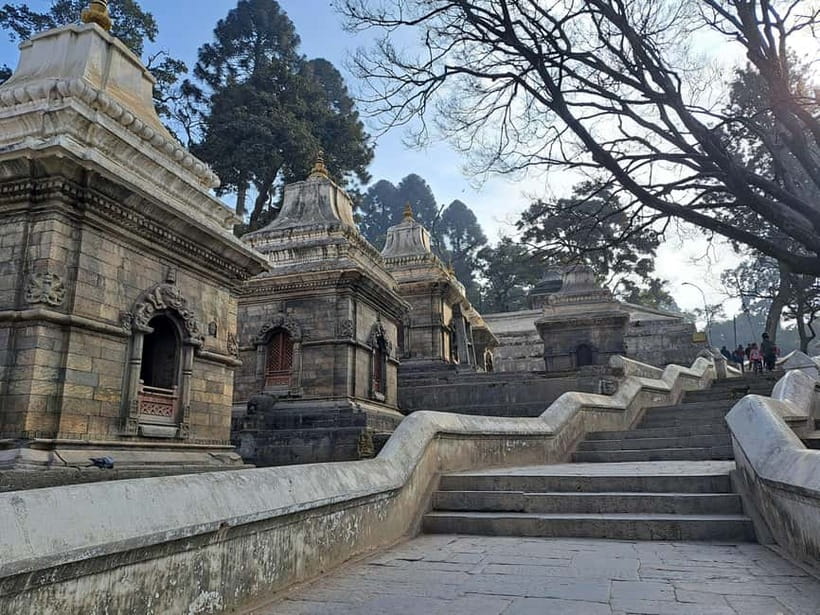
This is a religious and funerary setting, so your conduct is part of the experience. Dress modestly, keep your voice low near families, and do not treat the cremation area as a photo backdrop. The information allows you to bring a camera, but it does not promise that every moment can be photographed.
Comfortable shoes are essential. You walk from the main entrance to Arya Ghat and then to the Aarati viewing area. Wheelchair users and people with mobility impairments are advised not to book, and the same caution applies to people with back problems or certain medical conditions.
Outdoor conditions can change during the evening. A light jacket is sensible, and you should carry cash for personal needs. There is no meal included, so eat beforehand if you need a full dinner rather than relying on the short outing for refreshments.
The emotional side deserves equal attention. If you are uncomfortable around death, smoke, or public funeral rites, the open cremation may be too intense. If you want to understand a major part of Nepal’s religious life and can approach it with respect, the visit offers something far more meaningful than a standard sightseeing stop.
Who will get the most from this experience
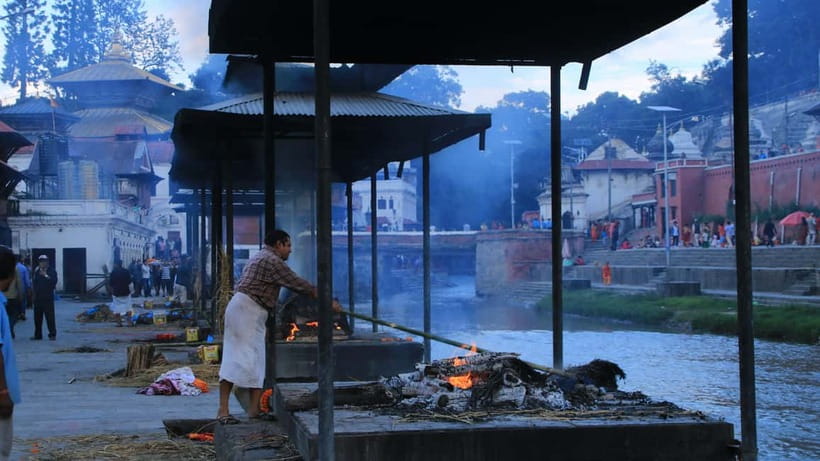
I would recommend this outing to adults who want cultural context and are prepared for a solemn setting. It suits people with an interest in Hindu religious practice, photography conducted with restraint, and the connection between public worship and family ritual.
It is also a good choice if you have only one evening in Kathmandu and want transport arranged from your hotel. The combination of Arya Ghat and the Shiva Aarati gives you two distinct experiences in one short trip.
I would not choose it for young children, anyone with serious mobility limits, or people looking for a relaxed evening of food and entertainment. I would also hesitate if the main attraction is a polished, fully scripted tour, since the guide arrangements need clarification and the setting itself is unpredictable.
Should you book Pashupatinath Open Cremation and Evening Aarati?
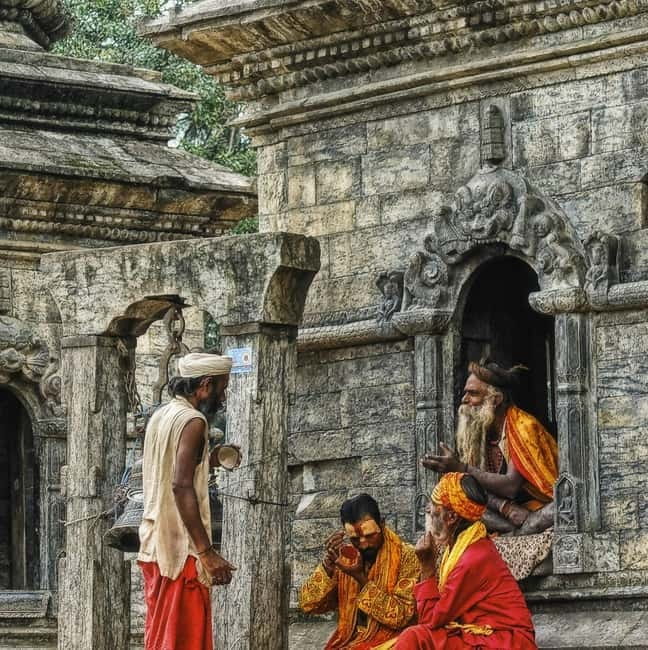
Book it if you want a serious look at Nepal’s spiritual life and accept that the cremation area may feel confronting. The best parts are the chance to observe a living religious tradition, the striking shift from funeral rites to Shiva worship, and the convenience of private pickup and return.
Before you commit, ask three direct questions: Is a guide included, and can Bhum Raj Tiwari lead the visit? What vehicle will collect me, and will it have working air conditioning and seat belts? Are entry tickets included or paid separately? Those answers will tell you if $27 is good value for your departure.
If you need a guaranteed guide and clear cultural explanation, do not assume the listing provides one. Confirm it first. If you are comfortable with a driver-led visit and mainly want transport to Pashupatinath, the price is more attractive. Either way, arrive at the Aarati area by 5:30 PM, dress modestly, and treat the cremation ground as a sacred place rather than a tourist show.
FAQ
How long does the Pashupatinath experience last?
The advertised duration is three hours, but the practical estimate is about three to four hours depending on your pickup location and Kathmandu traffic.
What time does the Aarati ceremony begin?
The Pashupatinath Aarati is scheduled from about 6 PM to 6:30 PM. You should arrive by 5:30 PM to improve your chances of finding a good viewing place.
Is hotel pickup and drop-off included?
Yes. Pickup and return transportation are included from your location in Kathmandu. Wait at your hotel reception or main entrance, and provide detailed directions for a hard-to-find private residence.
Is a tour guide included?
The information is inconsistent. One section says no tour guide is included and that the driver assists, while another mentions a live guide. Confirm the arrangement before booking. Bhum Raj Tiwari has led departures and is specifically praised for clear English explanations.
Are entry tickets and meals included?
No. Entry tickets and meals are not included. Drinking water is provided, and you should carry cash for additional expenses.
Who should not book this activity?
The activity is not suitable for children under nine, people with back problems, people with mobility impairments, wheelchair users, or people with pre-existing medical conditions. It also involves walking and an open cremation setting, so consider your personal comfort with those conditions before booking.
Just added in Kathmandu
- Kathmandu to Chitwan Tour by Tourist Bus – A Convenient and Affordable Way★ 4.0 · 4 reviews
- Changunarayan Hill to Telkot Hike Near Kathmandu Day Tour★ 5.0 · 6 reviews
- Mt Everest Base CampTrek | Budget Package★ 5.0 · 4 reviews
- Chitwan Jungle Safari 3-Day Tour★ 5.0 · 9 reviews
- Chandragiri Hill Station Tour by Cable Car★ 5.0 · 4 reviews
- Chandragiri Hills cable car day trip, private car with driver from Kathmandu★ 5.0 · 8 reviews
- Chandragiri to Taudaha Nature Day Hiking from Kathmandu★ 5.0 · 13 reviews
- Chandragiri Cable Car & Monkey Temple Private Guided Day Tour★ 5.0 · 5 reviews
Kathmandu UNESCO Heritage Tours, compared.
Private Kathmandu Sightseeing Tour | UNESCO World Heritage sites
Read our review →
Full Day 7 UNESCO Tour with Lunch – Private/Group
Read our review →
Private Bhaktapur and Nagarkot Day Tour From Kathmandu
Read our review →
Kathmandu Spiritual Sites: Bodhnath & Pashupatinath Tour
Read our review →
Day Trip to Bhaktapur and Panauti from Kathmandu
Read our review →
Browse the lists this tour appears in