
Reviewed · KATHMANDU UNESCO HERITAGE TOURS
Pashupatinath Temple, Hindu Crematorium and Aarati in-depth Tour
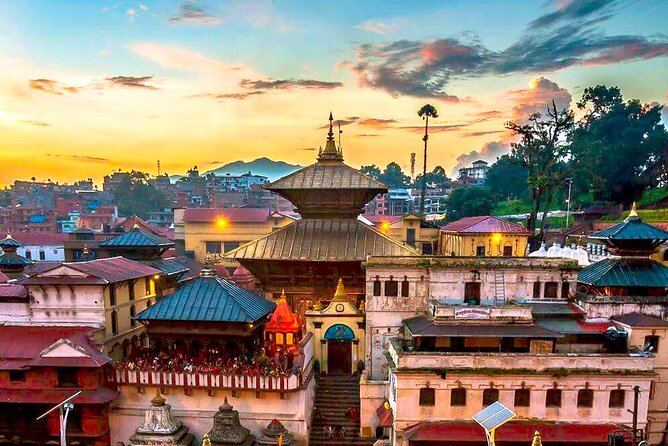
Pashupatinath is not simply a temple visit. It is a working religious site, a place of worship, pilgrimage, death rituals, holy men, bells, incense, monkeys, and daily life beside the Bagmati River. This tour connects those parts, ending with Sandhya Aarati, the evening lamp ceremony attended by hundreds of local people.
I like the way the tour pairs careful explanation with direct observation, especially at the cremation ghats. I also like the access to lesser-known paths around the temple complex, where guides such as Nabin and Nirajan can explain details you would likely miss on your own. The main consideration is time: four to five hours is a long temple visit, and the cremation area may feel emotionally difficult.
Key points to know before booking
- The tour lasts four to five hours, beginning at 2 pm and ending with the evening aarti.
- A Ph.D. heritage specialist leads the experience or supervises the guide team, with discussion of both physical sites and living religious customs.
- The cremation ghats are part of the main program, not a quick glimpse from a distance.
- Sandhya Aarati takes place beside the Bagmati River, with hundreds of local worshippers present.
- This is a private activity, so only your own group participates.
- The $90 price includes transport, water, entrance fees, taxes, and guiding, but not tips or religious donations.
Why Pashupatinath makes a powerful afternoon visit
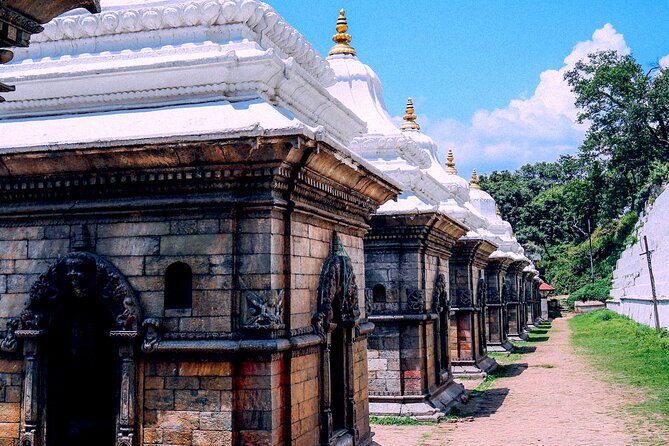
Pashupatinath is one of the oldest and most sacred Hindu temple sites in the world. Its importance is not confined to the main shrine. The surrounding area functions as a large religious center, with worship, ritual, cremation, pilgrimage, and teaching taking place within the same complex.
That mixture can be hard to understand at first. You may see people praying, holy men receiving visitors, animals moving through the grounds, and families carrying out solemn funeral rites. Without context, the setting can seem confusing or even contradictory. A good guide gives each part its place.
This tour is designed to explain both the tangible heritage, such as buildings, riverbanks, shrines, and ritual spaces, and the intangible heritage, meaning the beliefs and customs that give those places meaning. The guide team works under the supervision of an expert with a Ph.D. in the tangible and intangible heritage of Pashupatinath.
I particularly like that the explanation is meant to connect mythology with present-day Hindu practice. You are not asked simply to accept a series of legends. The tour aims to explain how religious ideas, cultural behavior, and modern life meet at Pashupatinath.
The setting can also be busy and sensory. Incense, bells, chanting, river air, people, and movement all form part of the experience. This is an active place of worship, not a quiet museum arranged for sightseeing.
More temple and square walks around Kathmandu:
- Private Kathmandu Sightseeing Tour | UNESCO World Heritage sites
★ 5.0 · 756 reviews - Kathmandu: Full Day 7 UNESCO Tour with Lunch – Private/Group
★ 5.0 · 415 reviews - Private Bhaktapur and Nagarkot Day Tour From Kathmandu
★ 5.0 · 305 reviews
Starting at 2 pm with a private guide
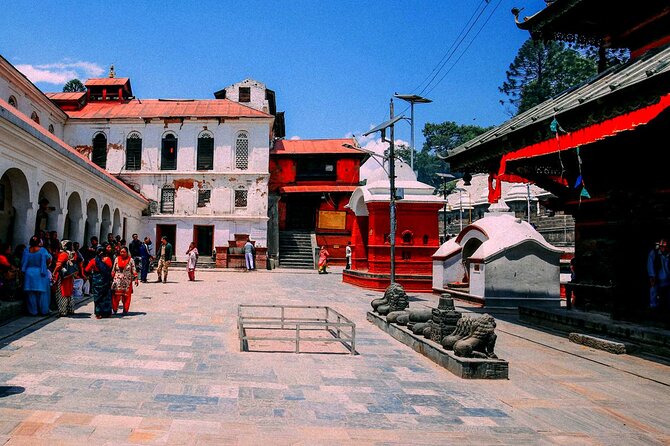
The tour begins at 2 pm. That timing matters because the program builds toward the evening Sandhya Aarati. You spend the first part learning the layout and significance of Pashupatinath, then visit the cremation area, and finally return for the evening ceremony.
Because this is a private activity, only your group participates. That gives you a better chance to ask questions and set the pace. Previous guests have especially valued guides named Nabin and Nirajan, both of whom have led detailed walks through the temple area. The assigned guide may vary, but the company presents the experience as an expert-led tour.
The private format is also useful here because the subject requires tact. You may want to pause, ask about a ritual, or spend a little longer at a particular place. A fixed group of strangers can make that harder, especially around the cremation ghats.
Pickup is offered, and private transportation is included. The published meeting time is 2 pm, so confirm the exact pickup arrangement when booking. Bottled water, entrance fees, and taxes are also included. Tips for the guide and driver, along with donations to temples or sadhus, are separate.
Walking through the Pashupatinath Temple area
The first portion lasts about two hours. Your guide takes you around the main attractions and explains the religious role of the site, its customs, and its historical meaning.
Do not expect a single monument followed by a quick exit. The Pashupatinath area contains many points of interest, and the tour uses the walk between them to explain how the site works. You may follow paths that are not obvious to an independent visitor. One of the strongest parts of the experience is the sense that you are being shown how the area fits together rather than being handed a short list of facts.
The guides explain the mythological values linked to Pashupatinath, then place those beliefs beside the temple’s present-day use. That approach suits curious visitors who want to understand Hinduism and local life rather than simply take photographs.
You should allow time for walking and standing. The first two hours are not a brief introduction. The route passes through a functioning sacred area, and the pace may include pauses for explanation, observation, and questions.
The temple grounds can also test your attention. There is a lot happening at once. Bells, incense, holy men, animals, shrines, worshippers, and river activity can compete for your focus. A guide helps separate what is central from what is simply part of the daily scene.
The tour description says the guides can explain the area in a logical and scientific way while still respecting its spiritual meaning. That balance is useful if you are interested in religion but do not already know Hindu customs. You can ask direct questions without reducing the place to a collection of exotic images.
The cremation ghats and Hindu funeral customs
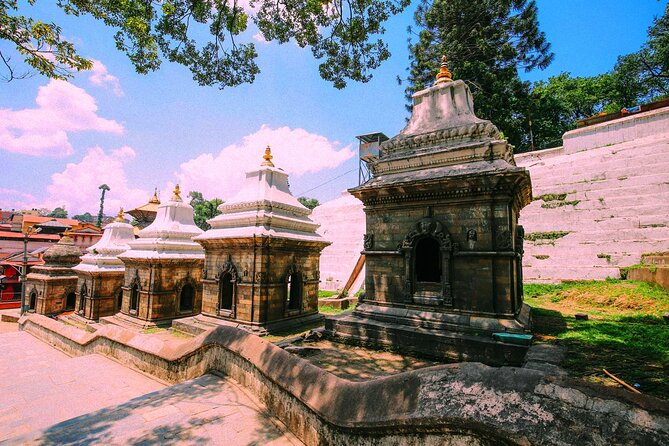
The second stop lasts about one hour and focuses on the Hindu crematorium. This is the most serious part of the tour.
At the cremation area, guides connected with the Pashupati Area Development Trust explain the cultural process of cremating the dead in Hindu religion. The explanation takes place beside a live working setting, so this is not a staged demonstration. That makes the visit valuable, but it also demands restraint and respect.
The tour presents cremation as part of a wider Hindu understanding of life, death, ritual duty, and the sacred river. The guide can explain the process and its cultural setting while you observe from an appropriate position.
You should think carefully about your own comfort before booking. The crematorium is not a side note. It is a full hour of the experience, and a cremation may be taking place during your visit. Some people find the setting moving and clarifying. Others may find it upsetting or too intimate.
Photography and behavior require particular care around funeral rites. The supplied information does not specify a detailed photography policy, so ask your guide before taking out a camera or phone. The safest approach is to follow instructions, keep your distance, and treat families and ceremonies with the same respect you would expect at home.
This section is also where a guide adds the most value. On your own, you might see a riverbank and a funeral pyre without understanding the customs around them. With explanation, you can place the scene within Hindu religious practice rather than treating it as a spectacle.
Same base, a different kind of day:
- Everest Base Camp Trek – 14 Days
★ 5.0 · 1,499 reviews - Everest Base Camp Helicopter Tour landing at Everest View Hotel
★ 5.0 · 668 reviews - Half day cooking class in Thamel kathmandu
★ 5.0 · 607 reviews - Everest Base Camp Trekking
★ 5.0 · 485 reviews
Sandhya Aarati beside the Bagmati River
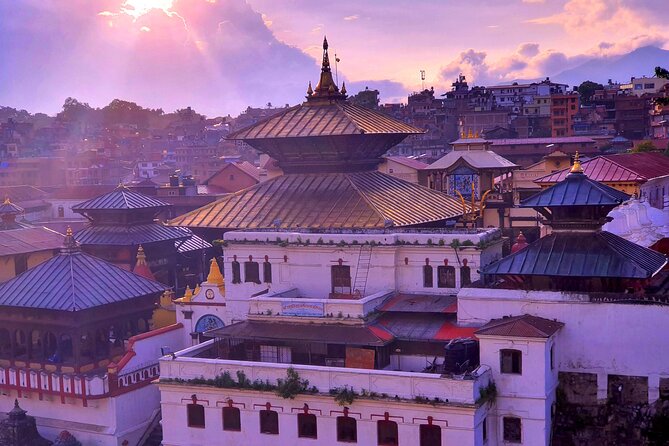
The tour returns to Pashupatinath for the final two-hour portion. You finish with Sandhya Aarati, the evening ceremony in which priests offer lamps and incense through precise ritual movements.
This is a strong ending because the ceremony gathers many themes from the earlier walk: devotion, sound, fire, river, priestly tradition, and public worship. Hundreds of local people attend, so you see the ceremony as part of Kathmandu’s religious life rather than as a performance arranged only for visitors.
Expect an energetic atmosphere, but not a concert or stage show. The ceremony is a religious offering to Shree Pashupatinath. Your guide can explain what is happening and help you understand the sequence without taking attention away from the ritual itself.
The light of the lamps, incense, bells, and movement beside the Bagmati create a memorable final scene. Several people who took this tour found the ceremony unforgettable, and that makes sense. After spending time learning about the temple and cremation customs, the aarti gives the afternoon a public and devotional close.
The timing is one of the tour’s best features. If you visited Pashupatinath earlier in the day, you would see the temple at a different stage of activity. Here, the route is built around reaching the evening ceremony, so the final stop has a clear purpose.
What the $90 price includes
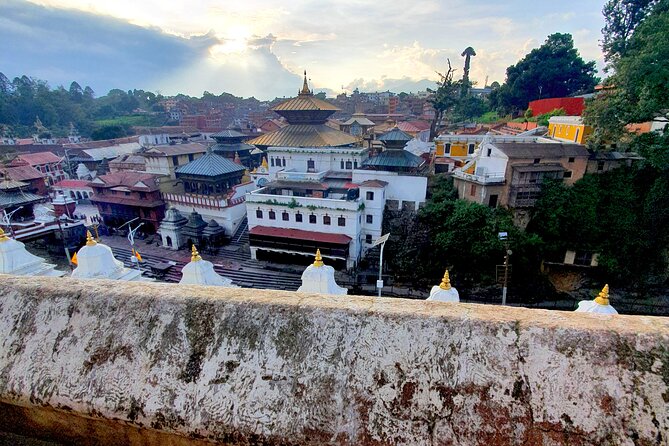
The cost is $90 per person. That is not the cheapest way to see Pashupatinath, but the value depends on what you want from the visit.
You are paying for a private four to five-hour experience, private transportation, bottled water, all fees and taxes, and an expert guide. The largest part of the value is the time and interpretation. A short independent visit may show you the temple, but it is unlikely to explain the cremation customs, the religious ideas behind the site, the lesser-known paths, and the aarti in one connected program.
The private format matters too. If your group has a strong interest in Hinduism, religious practice, death customs, or Kathmandu’s cultural life, you can ask questions as they arise. A group discount may be available, which could improve the price for families or larger private parties.
The cost does not include tips for the guide or driver. Donations and offerings to sadhus or temples are also not included. Those payments are optional and personal, so do not feel that you must budget a fixed amount unless you wish to give.
For a casual look at Pashupatinath, $90 may feel high. For someone who wants a careful explanation and a long visit that includes the crematorium and evening aarti, the price is easier to justify.
Who will get the most from this tour
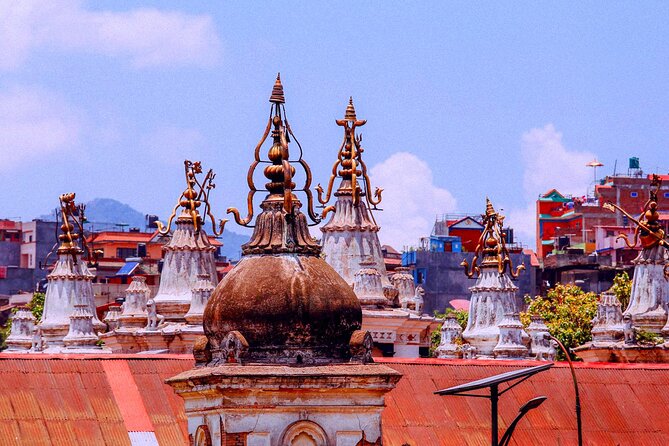
I would choose this experience if you want context, not just a photo stop. It suits visitors who are curious about Hindu beliefs, Kathmandu’s living traditions, and the way religious places function in everyday life.
It is also a good choice if you have already visited Pashupatinath and felt you had seen only the obvious parts. The guides can lead through less familiar paths and explain details that are easy to miss without local help.
The tour may suit you if you prefer a private experience. You can ask questions without worrying about a large group, and you can discuss sensitive topics with a guide who is used to explaining the site to international visitors.
I would think twice if you want a short, easy sightseeing stop. Four to five hours is substantial, and the crematorium is a central part of the program. The walk may also feel demanding if you prefer a very light schedule.
This is not the right choice for anyone who wants to avoid death rituals or active religious ceremonies. It is also not a photo-first outing. The strongest reason to book is the opportunity to understand what you are seeing.
Practical details that affect your visit
Confirmation is provided when you book. The tour begins at 2 pm, and the experience lasts approximately four to five hours.
You receive a mobile ticket, and public transportation is nearby. Public toilets are available. Service animals are allowed, and the activity information says most people can participate.
The tour is private, but group discounts may be offered. Since the schedule ends with the evening aarti, avoid arranging another fixed activity too close to the estimated end time.
Free cancellation is available up to 24 hours before the start time for a full refund. Cancellations made within 24 hours are not refunded, and changes within that period are not accepted. Cut-off times use local time in Kathmandu.
Should you book the Pashupatinath tour?
Book it if you want Pashupatinath explained as a living religious center rather than treated as another Kathmandu attraction. The expert guidance, private format, cremation customs, and final aarti give the afternoon a clear shape and real substance.
I especially recommend it for first-time visitors who want help reading the setting, and for returning visitors who suspect they missed much of the complex. The main warning is simple: this is a long and serious tour, not a quick temple visit.
If the crematorium feels like too much, choose another way to see Pashupatinath. If you are prepared for a respectful look at worship, death, and public ritual, the $90 price buys far more than entrance access. It buys time, explanation, and a direct connection to one of Kathmandu’s most important sacred places.
FAQ
How long does the Pashupatinath tour last?
The tour lasts approximately four to five hours. The itinerary allows about two hours at the temple area, one hour at the crematoria, and two hours for the final temple visit and Sandhya Aarati.
What time does the tour begin?
The published start time is 2 pm.
Is this a private tour?
Yes. Only your own group participates in the activity.
What is included in the price?
The price includes bottled water, private transportation, all fees and taxes, and expert guides. A mobile ticket is also provided.
Are tips and temple donations included?
No. Tips for the guide and driver are not included. Donations or offerings to sadhus or temples are also separate.
Can I cancel for a full refund?
Yes, if you cancel at least 24 hours before the experience start time. Cancellations made less than 24 hours before the start time are not refunded.
Are public toilets and public transportation available nearby?
Yes. The activity information lists public toilets and nearby public transportation. Service animals are allowed, and most people can participate.
Just added in Kathmandu
- Kathmandu to Chitwan Tour by Tourist Bus – A Convenient and Affordable Way★ 4.0 · 4 reviews
- Changunarayan Hill to Telkot Hike Near Kathmandu Day Tour★ 5.0 · 6 reviews
- Mt Everest Base CampTrek | Budget Package★ 5.0 · 4 reviews
- Chitwan Jungle Safari 3-Day Tour★ 5.0 · 9 reviews
- Chandragiri Hill Station Tour by Cable Car★ 5.0 · 4 reviews
- Chandragiri Hills cable car day trip, private car with driver from Kathmandu★ 5.0 · 8 reviews
- Chandragiri to Taudaha Nature Day Hiking from Kathmandu★ 5.0 · 13 reviews
- Chandragiri Cable Car & Monkey Temple Private Guided Day Tour★ 5.0 · 5 reviews
Kathmandu UNESCO Heritage Tours, compared.
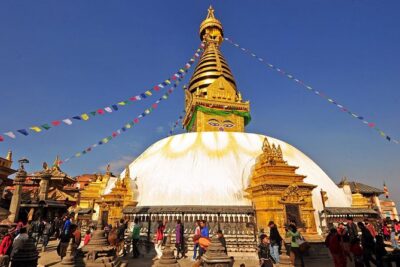
Private Kathmandu Sightseeing Tour | UNESCO World Heritage sites
Read our review →
Full Day 7 UNESCO Tour with Lunch – Private/Group
Read our review →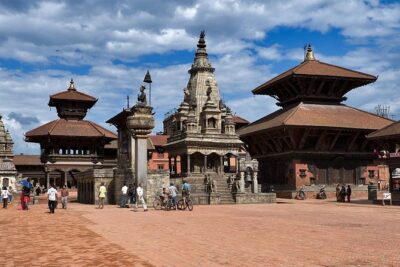
Private Bhaktapur and Nagarkot Day Tour From Kathmandu
Read our review →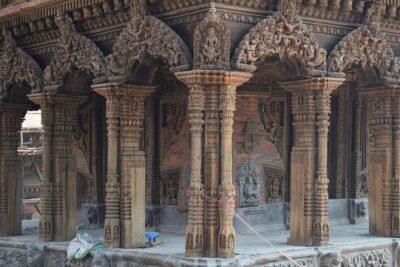

Kathmandu Spiritual Sites: Bodhnath & Pashupatinath Tour
Read our review →
Day Trip to Bhaktapur and Panauti from Kathmandu
Read our review →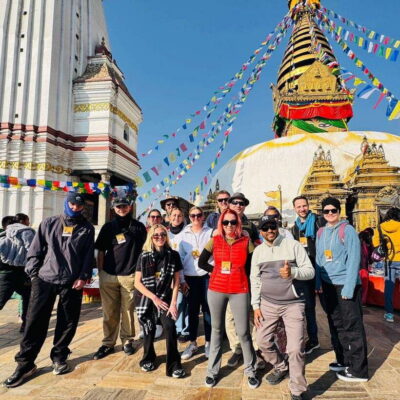
Browse the lists this tour appears in