
Reviewed · ANNAPURNA CIRCUIT TREKS
Annapurna Circuit Trekking 13 Days
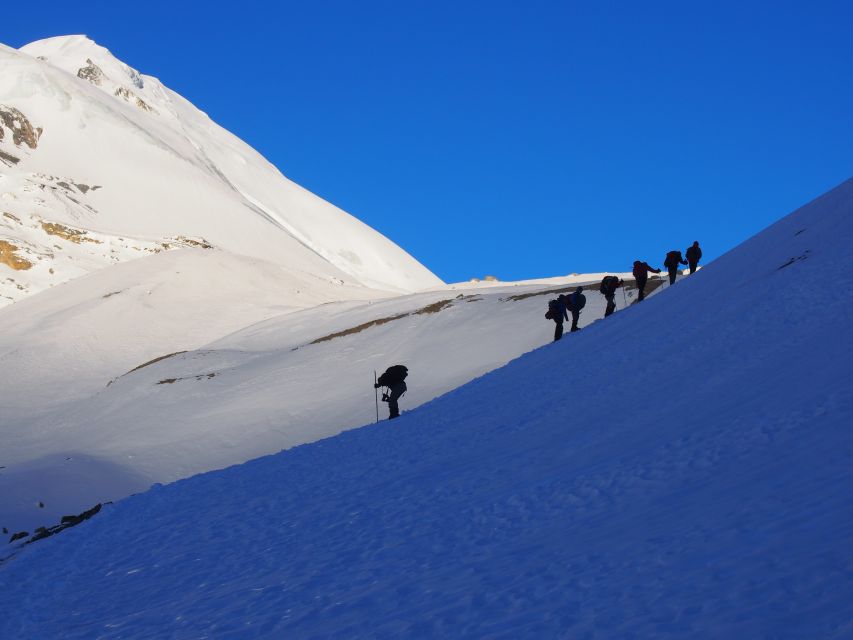
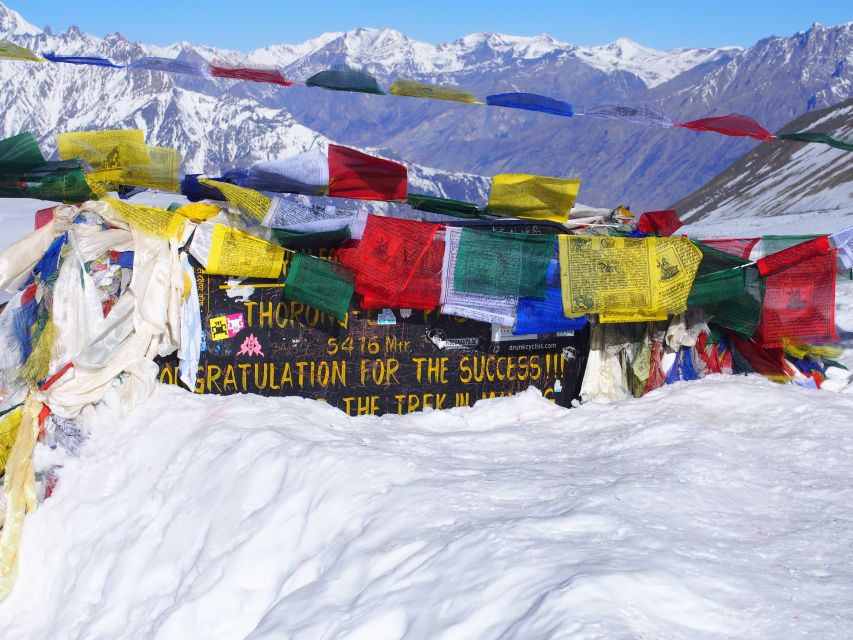
The most demanding and rewarding part of this trek is the crossing of Thorong La Pass at 5,416 meters, where the route shifts from the green Marshyangdi Valley to the dry Mustang side of the mountains. You’ll also see a remarkable change in people, buildings, food, and religious life as you move through Manang, Muktinath, and the Kali Gandaki Valley.
I like the mix of high-mountain scenery and village life, and I like that the trip finishes with Poon Hill rather than ending right after the pass. The main drawback is the tight 13-day schedule. You spend only one acclimatization day in Manang, and the pass crossing demands steady walking at serious altitude.
Key points to know before booking
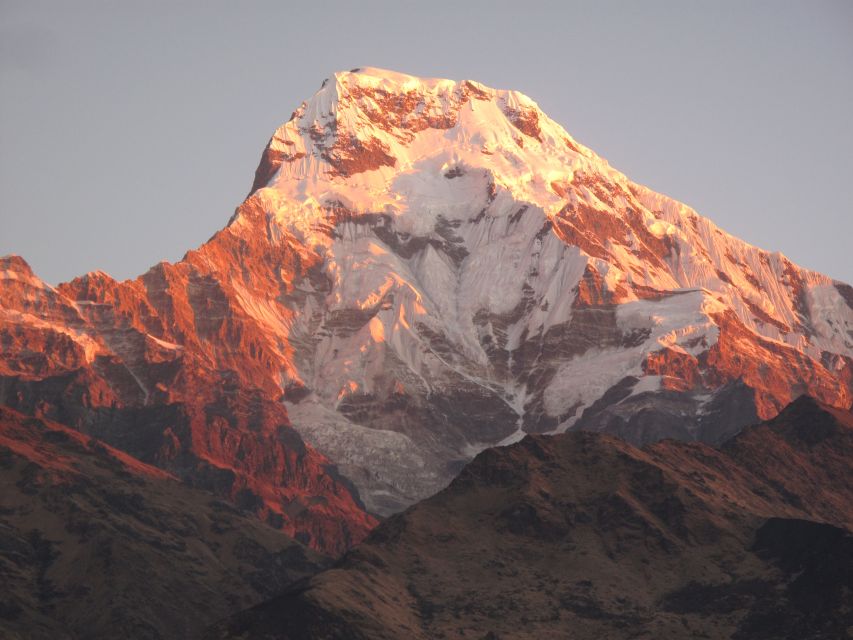
- Thorong La is the physical test: The 5,416-meter pass is the highest point and the hardest day of the route.
- The scenery changes quickly: You move from river valleys and forests to Manang’s Tibetan Buddhist setting, then into dry Lower Mustang.
- Poon Hill adds a second great viewpoint: The final morning hike reaches 3,210 meters before you descend toward Pokhara.
- Guiding is a major strength: Ganesh received special praise for patience, careful attention, and adapting to a solo trekker’s needs. Rabin was also singled out as an excellent guide.
- The $970 price covers the main trek costs: Meals, permits, guide expenses, tea-house lodging, transport listed in the plan, and equipment loans are included.
- Expect basic comfort: You sleep in twin-sharing tea houses, not mountain hotels, and a porter costs an additional $250 if you want one.
Why the Annapurna Circuit still feels special
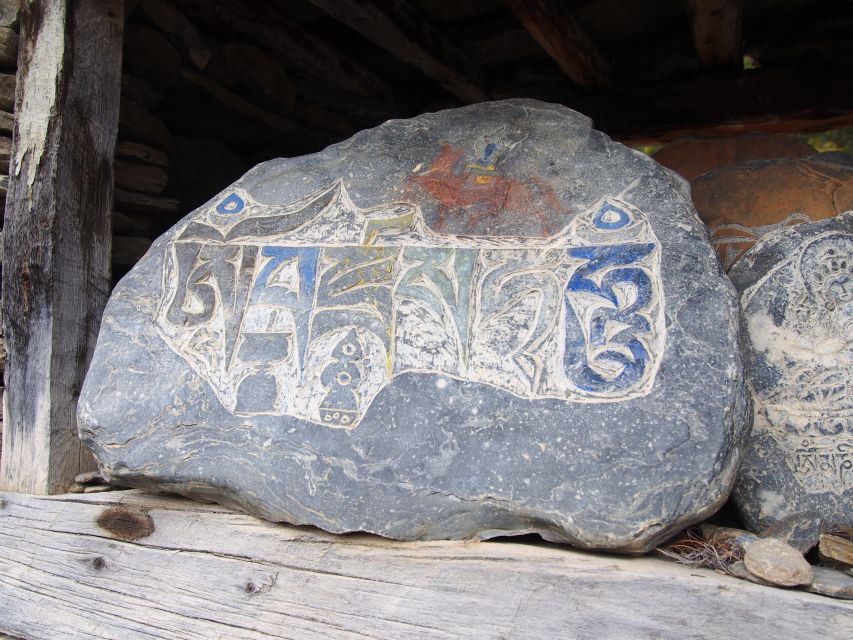
The Annapurna Circuit is not one single type of walk. It is a long change of scenery, altitude, and culture packed into less than two weeks.
At the start, the route follows the Marshyangdi River through green hills, forests, waterfalls, and small communities. Higher up, the air gets thinner and the villages show stronger Tibetan Buddhist influence. After Thorong La, the route turns dry and wind-swept, with Muktinath, Kagbeni, and the Kali Gandaki Valley giving the trek a different mood.
That variety is the trip’s great strength. You are not simply walking toward a mountain view for 13 days. You are watching Nepal change around you, step by step.
The trip also gives you two strong viewpoint moments. Thorong La is the major physical achievement, while Poon Hill offers a more accessible mountain panorama near the end. That second viewpoint helps the itinerary feel rounded rather than focused only on one hard pass.
Other long routes from Nepal:
- Annapurna Circuit Trek with Tilicho Lake
★ 5.0 · 368 reviews - Annapurna Circuit Trek
★ 5.0 · 94 reviews - Annapurna Circuit Trek
★ 5.0 · 35 reviews
Day 1: Kathmandu to Jagat through Besisahar
The first day is a long road journey, listed at eight to nine hours. You travel by public transport toward Besisahar and continue to Jagat, at about 1,100 meters.
This is not a sightseeing day in the usual sense. It is mainly a position-yourself-for-the-trek day, and the ride can feel long after arriving in Nepal. Still, it takes you from the capital toward the trail and lets you begin near the lower Marshyangdi route instead of spending an extra trekking day on roads.
The transport plan includes a taxi to Kathmandu’s bus station and public bus transportation. A private vehicle is not included, so you should expect a more basic road journey. Private transport is available only at an additional cost.
Day 2: Jagat to Dharapani beside the Marshyangdi
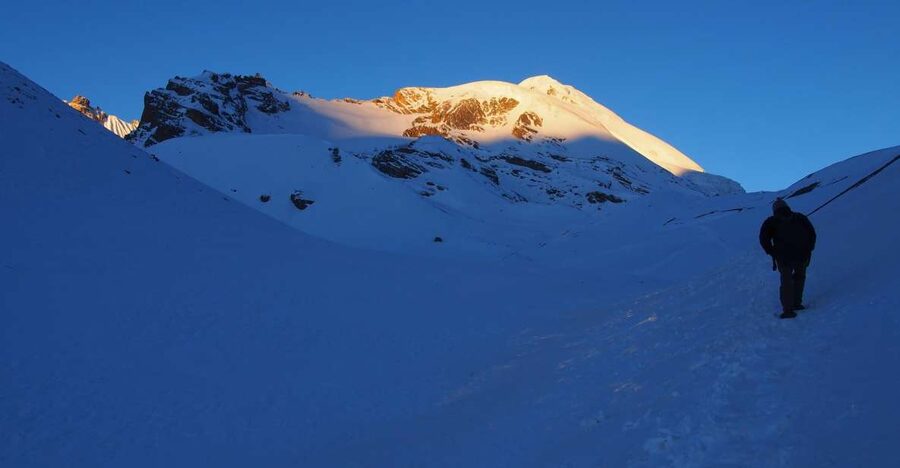
The trek begins in earnest with a six to seven-hour walk to Dharapani, at 1,960 meters.
This section introduces the character of the circuit: river crossings, forested slopes, waterfalls, and local settlements. You are still at a relatively moderate altitude, but the walking day is long enough to test your legs and footwear.
I like this gradual start. You do not jump straight into thin air, and the route gives your body time to settle into regular walking. At the same time, you should not treat the first two days as easy warm-ups. The hours on foot and uneven trail can be tiring, especially after the long road transfer.
Day 3: Dharapani to Chame at 2,710 meters
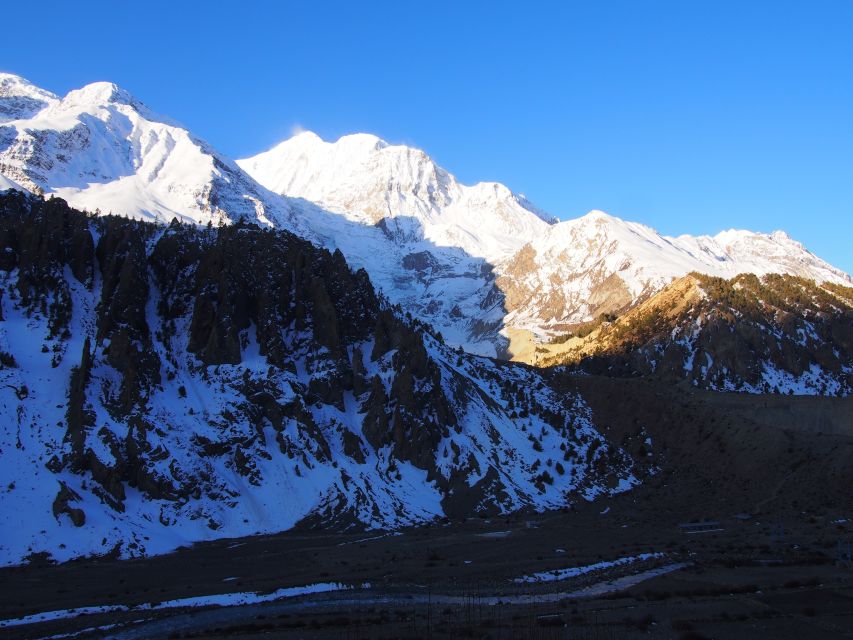
The five to six-hour walk to Chame brings you deeper into the Annapurna region. The elevation rises to 2,710 meters, so this is where pacing begins to matter more.
Chame is an important stop before the route climbs higher toward Pisang and Manang. You will notice the growing presence of mountain scenery, cooler conditions, and more obvious changes in the villages.
The accommodation is in basic tea houses with twin-sharing rooms. That setup keeps the price down and gives you a practical place to sleep, eat, and recover, but you should not expect the privacy or facilities of a regular hotel.
A few more things to do in Nepal worth a look
- Everest Base Camp Trek – 14 Days
★ 5.0 · 1,499 reviews - Everest Base Camp Trekking
★ 5.0 · 485 reviews - Nagarkot Sunrise View and Day Hiking from Kathmandu
★ 5.0 · 471 reviews - Everest Base Camp Trekking – 13 Day
★ 5.0 · 365 reviews
Day 4: Chame to Pisang and the first high-mountain feel
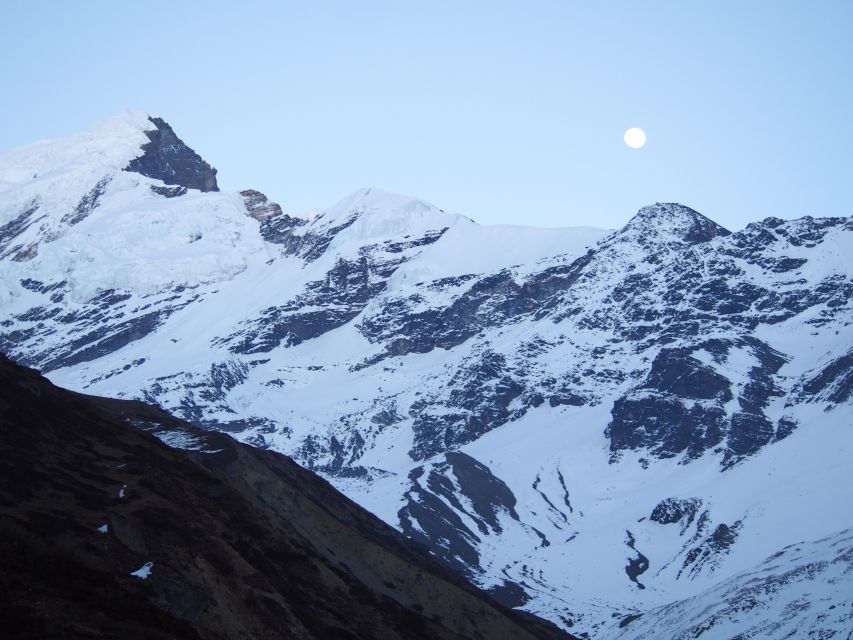
The five to six-hour walk to Pisang reaches about 3,300 meters. At this height, the Annapurna region begins to feel much more alpine.
The route continues through the upper Marshyangdi Valley, with forest, rock, water, and large mountain views appearing in changing combinations. Pisang is also a useful point for noticing the cultural shift toward the Tibetan Buddhist world found farther up the valley.
You should walk at a measured pace here. The aim is not to arrive first. It is to reach Manang ready for the next day and avoid wasting energy before the important acclimatization stop.
Day 5: Pisang to Manang, 3,540 meters
The six to seven-hour walk to Manang is one of the most rewarding days before the pass.
Manang is more than a place to sleep. It is a high valley settlement with strong Tibetan Buddhist connections, and it gives you a chance to see how communities live in a colder, drier part of Nepal. The scenery around the valley becomes broader and more exposed, with striking views of the Annapurna range.
This is also the point where altitude becomes a serious concern. You have climbed steadily from Jagat, and your body needs time to adjust. The itinerary sensibly includes an acclimatization day here, but one day is still a limited margin for some people.
Day 6: Acclimatization in Manang
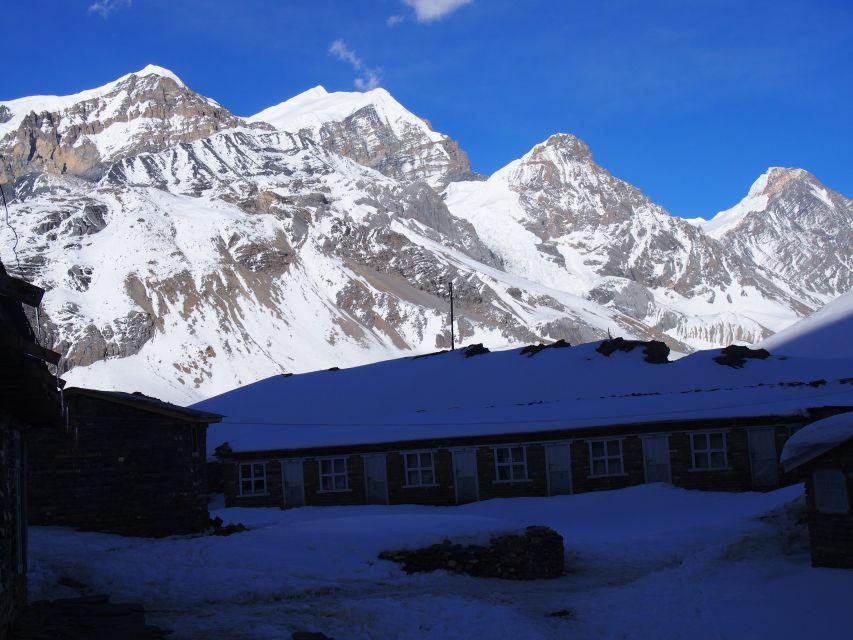
You stay in Manang for the sixth day rather than gaining more height.
The point is not simply to rest in bed. The schedule gives you time to adjust before the route moves above 4,000 meters. You can use the day to walk locally, visit nearby cultural sites if arranged with your guide, and keep your effort gentle.
Your guide matters most here. A good guide watches how you are moving, listens to your concerns, and helps you judge the next stage sensibly. Ganesh was praised for exactly those qualities: patience, careful attention, flexibility, and strong mountain judgment. Rabin was also recommended as a guide to request if available.
Do not hide altitude symptoms to keep the itinerary on track. The pass is not a place for bravado, and the schedule should be treated as a plan rather than a promise that every person will react to height in the same way.
Day 7: Manang to Yak Kharka above 4,000 meters
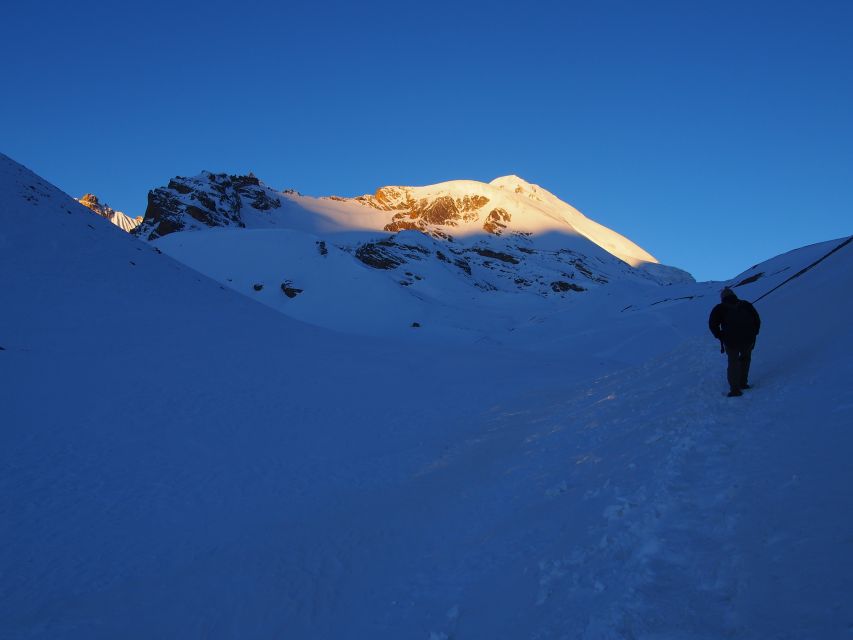
The four to five-hour walk to Yak Kharka reaches 4,120 meters.
This is a shorter walking day, but altitude changes the effort. A moderate distance can feel demanding when the air is thin, and the route may seem slower than you expect. The scenery also becomes more spare as you leave the lower valley behind.
Yak Kharka is a staging point for the pass rather than a destination with a long list of activities. You are there to rest and prepare for Thorong Phedi. Keep your evening simple, eat well, stay hydrated, and follow your guide’s advice.
Day 8: Yak Kharka to Thorong Phedi
The next four to five hours take you to Thorong Phedi, at about 4,450 meters.
This is another preparation day, but do not underestimate it. You are now sleeping high, and the cold and thin air can affect comfort even when the walking time looks manageable. The tea-house setting is basic, so the sleeping bag and down jacket supplied by the company can be useful if you need them.
The package includes a sleeping bag, down jacket, and duffel bag for use during the trip, with the items returned afterward. You can also leave luggage in storage at the Adventure Bound store if needed.
Day 9: Crossing Thorong La to Muktinath
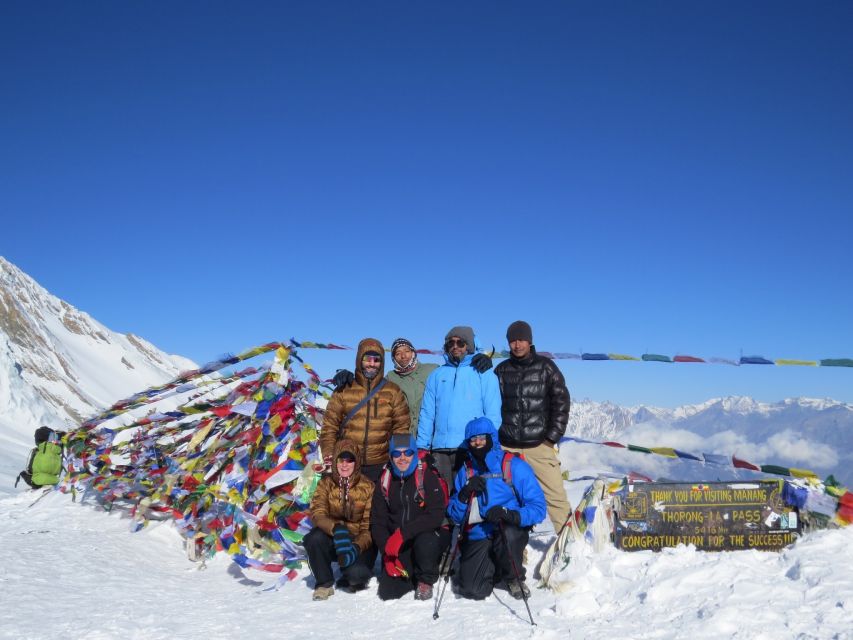
The pass day is the heart of the trek. You walk from Thorong Phedi over Thorong La at 5,416 meters, then descend to Muktinath at 3,802 meters. The total walking time is listed at seven to eight hours.
This is a serious day, even for fit walkers. The challenge comes from the height, the length of the route, and the big ascent followed by a long descent. Your guide’s pace and judgment are important, especially if conditions make the crossing harder.
The reward is not just reaching the top. From the pass, you get a sweeping view of high Himalayan peaks and the surrounding terrain. Then the route drops toward Muktinath, a major spiritual center visited by both Hindu and Buddhist pilgrims.
The descent can be hard on knees and feet, so trekking poles may be worth bringing, though they are not listed among the included items. You should also keep your daypack light and carry only what you need.
Day 10: Muktinath to Jomsom through the Kali Gandaki Valley
The five to six-hour walk to Jomsom drops to 2,743 meters and brings noticeable relief after the pass.
Muktinath gives the route a strong spiritual dimension, while the Kali Gandaki Valley supplies a dramatic change in scenery. The area becomes dry, open, and windy, with the feel of Lower Mustang rather than the green river country from the first days.
Jomsom is an important transport point, but the route still treats it as a walking stage. The lower altitude should help your breathing, though the valley wind can make walking unpleasant at times.
Day 11: Jomsom to Tatopani and the hot spring stop
You drive from Jomsom to Tatopani, at 1,290 meters, in about four to five hours. Public transport is included for this section.
Tatopani means hot water, and the natural hot spring is a welcome change after the pass and long descent. It gives you a chance to rest your legs before the final climb toward Ghorepani.
The road transfer also shows the practical side of the modern circuit. The Annapurna route is not a pure footpath from start to finish. Roads and public transport now connect sections of the region, allowing a 13-day version to include both the high pass and Poon Hill.
Day 12: Tatopani to Ghorepani
The seven to eight-hour trek to Ghorepani climbs back to 2,750 meters.
This is one of the tougher late-stage days because you have already crossed the highest pass, yet you must gain substantial height again. The route connects with the lower Annapurna section through Sikha before reaching Ghorepani.
The reward is a return to greener hills and a different type of mountain walking. You are no longer dealing with the same high-altitude pass conditions, but the uphill hours can still be demanding. Save some energy for the next morning, when you will hike to Poon Hill.
Day 13: Poon Hill and the descent to Pokhara
The final day starts with an early morning hike to Poon Hill at 3,210 meters. After the viewpoint, you trek down to Nayapul and take a taxi to Pokhara. The full day is listed at seven to eight hours.
Poon Hill is a smart finish. You get one more mountain viewpoint without attempting another extreme pass, and the early start gives the stop its best chance of offering clear morning views. Afterward, the descent brings you back into the lower hills and toward Pokhara.
The trip includes one night of hotel accommodation with breakfast in Pokhara. It also includes tourist bus transport from Pokhara to Kathmandu, though that return ride is not part of the 13 trekking days listed in the daily plan.
What the $970 price really covers
At $970 per person, the trip offers solid value if you want a guided circuit with the main costs bundled together.
Included are airport pickup, listed public transport, the taxi from the trek ending point to Pokhara, a licensed guide, guide salary and expenses, meals during the trek, permits, 12 nights of basic tea-house accommodation, one Pokhara hotel night, and the tourist bus back to Kathmandu.
You also receive access to a first-aid kit with normal medical supplies and an oximeter, plus an Annapurna Circuit map. The oximeter is a useful practical touch at altitude, although it does not replace careful observation or medical advice.
The price does not include a Nepal visa, international flights, Kathmandu hotel costs, city meals, drinks, personal expenses, or private transport. A porter costs an extra $250 if you want one. That extra fee is worth considering if you prefer to walk with a light daypack, but it raises the total cost well above the advertised amount.
Who should choose this trek
This route suits you if you want a classic Himalayan trek with cultural stops, changing scenery, and a clear physical goal. You should be comfortable walking five to eight hours on many days and sleeping in basic tea houses.
It is especially appealing if you want more than the pass itself. Manang, Muktinath, the Kali Gandaki Valley, Tatopani, and Poon Hill give the journey a broad mix of experiences.
Spring and autumn are listed as the best seasons. The small group is limited to 12 people, which should make guide communication easier than on a large departure. English, Nepali, and Hindi guiding is available.
The trip may not suit you if you want a slow schedule, private rooms, or luxury transport. The 13-day plan is efficient, but it leaves little spare time if altitude, weather, road delays, or tired legs force changes.
Should you book the Annapurna Circuit Trek?
I would book this trip if you want the Annapurna Circuit’s biggest features in a compact schedule and you value having a guide handle permits, meals, transport, and mountain logistics.
Pay close attention to the altitude profile. Thorong La is not a casual viewpoint, and the itinerary gives you just one full acclimatization day in Manang. Ask in advance if you can request Ganesh or Rabin as your guide, since both received especially strong personal praise.
At $970, the package is attractive for a guided trek, but add the porter fee, drinks, personal costs, and any private transport before setting your real budget. Choose spring or autumn, prepare for basic lodging, and book it if the challenge matters more to you than comfort.
FAQ
How long is the Annapurna Circuit Trek?
The trek lasts 13 days. The schedule includes road transfers, trekking days, one acclimatization day in Manang, one night in Pokhara, and transport from Pokhara to Kathmandu.
What is the highest point on the route?
The highest point is Thorong La Pass at 5,416 meters, or 17,769 feet.
Is an acclimatization day included?
Yes. Day 6 is an acclimatization day in Manang at about 3,540 meters.
What languages can the guide speak?
The available guide languages are English, Nepali, and Hindi.
How large is the group?
The group is limited to 12 participants.
Are meals included during the trek?
Yes. Breakfast, lunch, and dinner are included during the trek. Meals in the cities and drinks are not included.
Is a porter included?
No. A porter is optional and costs an additional $250.
What accommodation is included?
The trek includes 12 nights in basic tea houses with twin-sharing rooms, plus one hotel night with breakfast in Pokhara.
Just added in Nepal
- Kathmandu to Chitwan Tour by Tourist Bus – A Convenient and Affordable Way★ 4.0 · 4 reviews
- Changunarayan Hill to Telkot Hike Near Kathmandu Day Tour★ 5.0 · 6 reviews
- Mt Everest Base CampTrek | Budget Package★ 5.0 · 4 reviews
- Chitwan Jungle Safari 3-Day Tour★ 5.0 · 9 reviews
- Chandragiri Hill Station Tour by Cable Car★ 5.0 · 4 reviews
- Chandragiri Hills cable car day trip, private car with driver from Kathmandu★ 5.0 · 8 reviews
- Chandragiri to Taudaha Nature Day Hiking from Kathmandu★ 5.0 · 13 reviews
- Chandragiri Cable Car & Monkey Temple Private Guided Day Tour★ 5.0 · 5 reviews
Annapurna Circuit Treks, compared.
15-Day Private Annapurna Circuit Trek from Kathmandu
Read our review →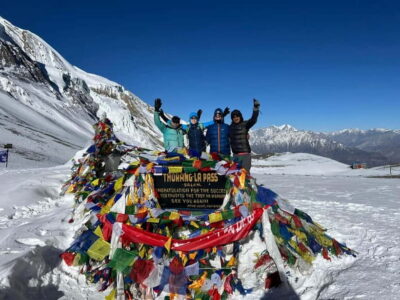
8 Days Private Guided Trekking in Annapurna Circuit with Pickup
Read our review →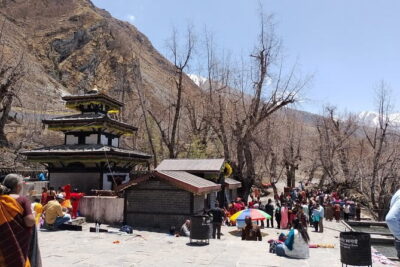
Browse the lists this tour appears in