
Reviewed · ANNAPURNA CIRCUIT TREKS
12 Days Annapurna Circuit Trek from Kathmandu
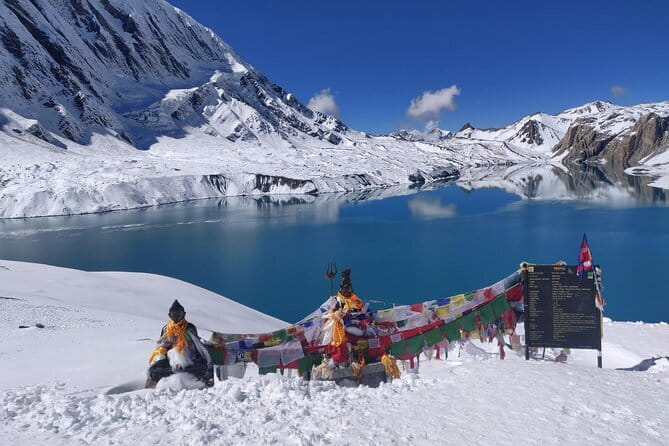
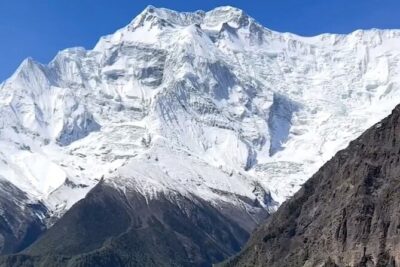
The big draw is the sharp change in scenery: you begin among green river valleys, then climb toward Manang and Mustang, where the air turns dry, the hills turn bare, and snow peaks fill the horizon. The high point is Thorong La Pass at 5,416 meters, a serious but memorable crossing.
I like the built-in acclimatization day in Manang and the chance to meet Gurung, Manangi, and Tibetan communities along the way. I also like that permits, guides, guesthouses, trekking poles, and major transfers are covered. The catch is the pace: this is a demanding high-altitude trek, with a 9-hour road journey at the start, a 9-hour pass-crossing day, and long bus rides at the end.
Key points at a glance
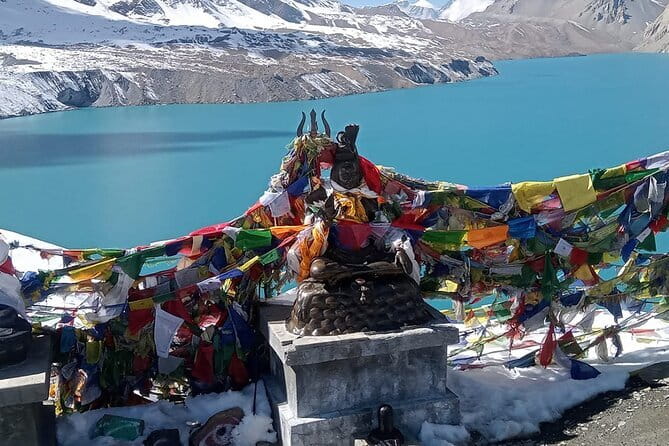
- Thorong La reaches 5,416 meters, making altitude preparation central to the trip.
- Manang includes an acclimatization day, with short walks and time to adjust before higher camps.
- The route changes dramatically, from the green Marshyangdi Valley to dry Mustang and the Kali Gandaki Valley.
- Guides such as Biru, Milan, Amrit, and Krishna are praised for care, honesty, clear English, and adjusting the walking pace.
- The $680 price covers major basics, including permits, accommodation, breakfast in Kathmandu and Pokhara, guesthouses, transfers, and a trekking pole.
- Food is extra at about $25 per day, and the route demands strong physical fitness.
From Kathmandu to the Marshyangdi Valley
This 12-day trip is built around the classic Annapurna Circuit, but the first and last sections involve substantial road travel. That matters. You are not walking every mile of the circuit, yet you still reach its defining high point and see a wide range of Nepal’s terrain and cultures.
Your first day begins with airport pickup in Kathmandu. A representative takes you by private vehicle to your hotel in Thamel, a useful base for getting settled. The day allows about five hours for arrival arrangements, though the actual time will depend on your flight and airport traffic.
Kathmandu accommodation for two nights with breakfast is included. The package also includes airport transfers, official trekking documents, and permits. Those inclusions save you from sorting out some of the practical pieces yourself, especially if this is your first Himalayan trek.
The second day is mostly a road day. You travel through the Trishuli and Marsyangdi river areas, passing Besisahar before continuing toward Chame. The ride takes about nine hours. You may see rafting activity on the Trishuli River, while the road toward Chame brings the first real sense of the mountain corridor.
I would treat this as a demanding travel day, not a gentle transfer. Road conditions in mountain regions can make long journeys feel longer, and sitting in a vehicle for nine hours before the walking begins may test your patience. Still, starting at Chame lets the trek reach higher country within the 12-day schedule.
Other long routes from Kathmandu:
- Annapurna Circuit Trek with Tilicho Lake
★ 5.0 · 368 reviews - Annapurna Circuit Trek
★ 5.0 · 94 reviews - Annapurna Circuit Trek
★ 5.0 · 35 reviews
Chame to Upper Pisang, six hours on foot
From Chame, the route begins in earnest. You pass Telekhu and walk toward Upper Pisang, with views toward the Annapurna range and Mt. Pisang, which rises to 6,091 meters. A suspension bridge adds a classic Himalayan touch to the day.
This section gives you a useful introduction to the rhythm of the trek. You walk for about six hours, sleep in a guesthouse, and begin gaining altitude without yet facing the hardest section. The scenery shifts from river valleys and wooded slopes toward more open mountain country.
Guesthouse accommodation is included during the trek. The package does not include meals during the walking days, apart from breakfast at the Kathmandu and Pokhara hotels. Budget about $25 per day for food and drinks, then carry enough local currency for the route.
The arrangement is practical, but not luxurious. A guesthouse provides a bed and a place to rest, not the full hotel service you receive in Kathmandu or Pokhara. If you prefer private rooms, special diets, or extra comfort, confirm the details before booking, since those points are not specified.
Braga and Manang, the cultural heart of the route
Day four takes you from Pisang toward Braga and Manang. Braga is known for its Tibetan-style village design, with houses built one above another along the slope. This is one of the most interesting cultural sections of the journey because the architecture reflects the dry, high country ahead.
The route is not only about mountain views. You pass through areas connected with Gurung, Manangi, and Tibetan communities, and the trip includes opportunities to see traditional villages, Buddhist stupas, and ancient monasteries. Your guide is meant to explain the local customs, history, and religious sites as you walk.
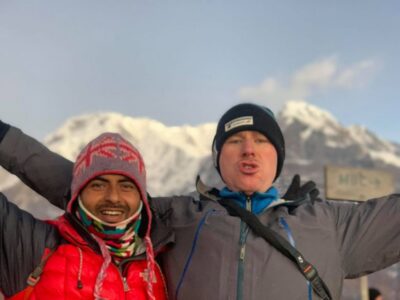
That guide relationship can shape the whole trip. Biru is repeatedly praised for looking after people and explaining mountain culture. Milan is described as helpful and honest, while Amrit receives strong praise for guiding the circuit from Kathmandu. Krishna is noted for speaking clear English and adjusting the walking pace to suit the group.
Those names are useful when you book because you can ask which guide will lead your departure. The operator may not guarantee a particular person, but the feedback points to a recurring strength: attentive guiding, good communication, and practical care on a difficult route.
Manang acclimatization day, six hours at altitude
The extra day in Manang is one of the smartest parts of the schedule. At increasing altitude, your body needs time to adjust before you push higher. The plan combines rest with activity rather than asking you to spend the entire day indoors.
The supplied timing lists about six hours for the Manang day, though the exact walking distance and stops are not given. Use the day to stay active at an easy pace, drink regularly, and tell your guide if you feel unwell. This is not a day to prove your toughness.
The importance of Manang becomes clear when you look at what follows. You soon climb toward Yak Kharka, Thorong Phedi, and the pass. Skipping acclimatization would make the upper section less sensible, so I would regard this pause as a real safety feature, not wasted time.
The trek requires a strong physical fitness level. You should be comfortable walking for roughly six hours on several days, handling uphill trails, and managing one especially long day of eight to nine hours. The high altitude can make ordinary exertion feel much harder.
A few more things to do in Kathmandu worth a look
- Everest Base Camp Trek – 14 Days
★ 5.0 · 1,499 reviews - Everest Base Camp Trekking
★ 5.0 · 485 reviews - Nagarkot Sunrise View and Day Hiking from Kathmandu
★ 5.0 · 471 reviews - Everest Base Camp Trekking – 13 Day
★ 5.0 · 365 reviews
Yak Kharka and the last approach to Thorong Phedi
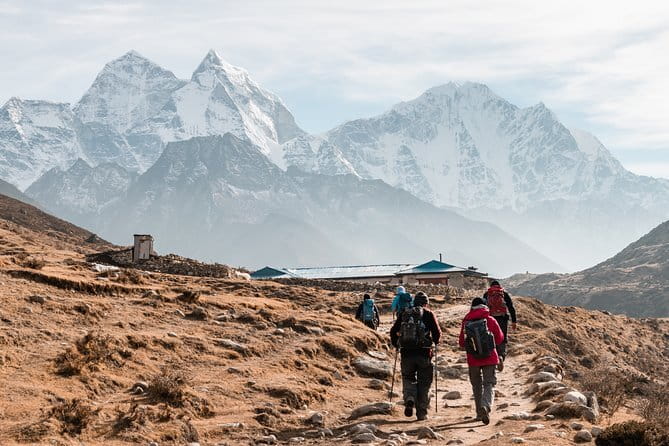
From Manang, you walk about 10.4 kilometers uphill to Yak Kharka. The trail passes juniper areas and alpine pastures where yaks graze. You also pass the only teahouse at Thorong Khola, according to the route description.
Yak Kharka is a stark change from the greener sections below. The views become wider and more exposed, and the settlement feels like a stopping point built around the needs of people crossing the high country. The day takes about six hours, but altitude makes the effort count for more than the clock suggests.
The next day leads to Thorong Phedi, the foot of the pass. You follow the east bank of the Jarang Khola and pass steep bluffs before reaching the settlement. This is another roughly six-hour walking day, designed to position you for the early and demanding pass crossing.
The itinerary does not state an exact departure time for the pass day. That is something I would confirm before setting out. Conditions can change in high country, and the timing of the crossing affects how much daylight you have for the descent to Muktinath.
Thorong La, 5,416 meters above sea level
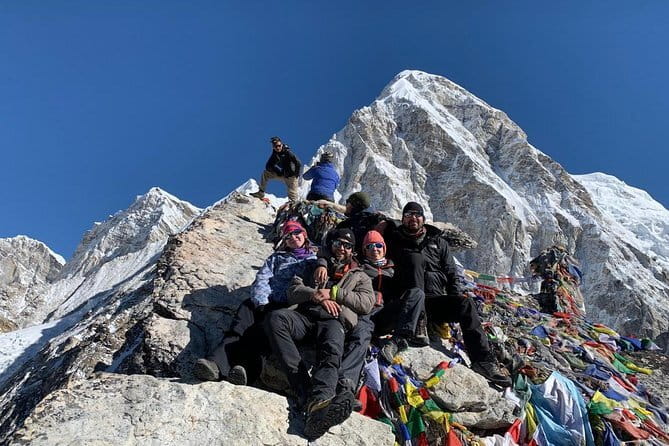
Day eight is the physical centerpiece. The plan describes eight to nine hours of hiking from Thorong Phedi over Thorong La and down to Muktinath. High altitude and strong winds can make this the hardest day of the trek.
At 5,416 meters, Thorong La is not a casual viewpoint. You need steady preparation, a sensible pace, and close attention to your body. Your guide is there to monitor the group, help with route decisions, and keep the day moving without turning it into a race.
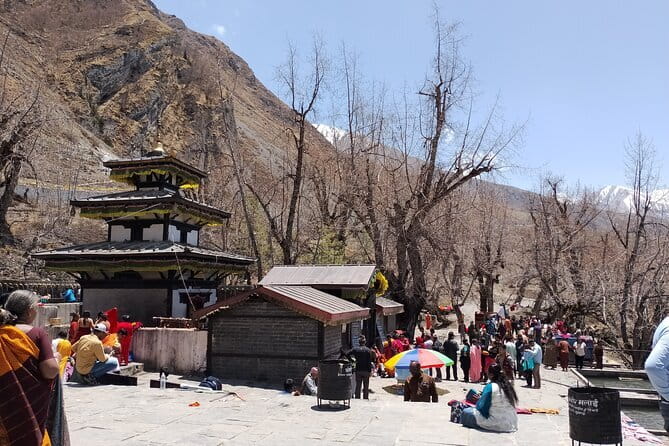
The reward is the scale of the setting. From the high pass, you can take in broad views toward the Annapurna and Dhaulagiri ranges, with the feeling of having crossed from one climatic zone to another. The route then drops toward Muktinath, a major religious site associated with both Hindu and Buddhist traditions.
The pass day is also where the tour’s limits matter most. Weather, altitude, and fitness can affect the experience. Do not choose this trip because the price is low or because the itinerary fits neatly into 12 days. Choose it because you are ready for a demanding mountain crossing.
Muktinath to Jomsom through Mustang
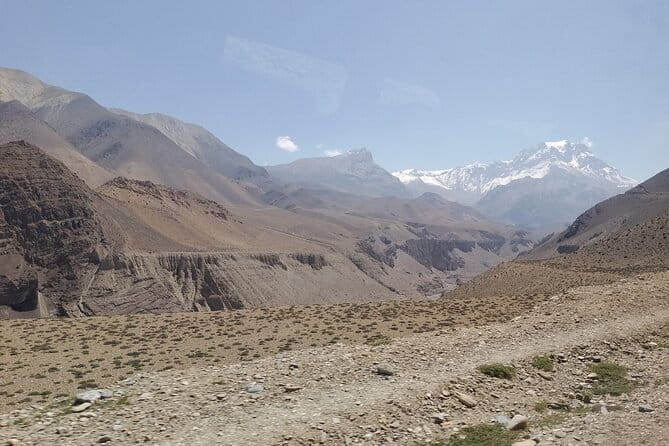
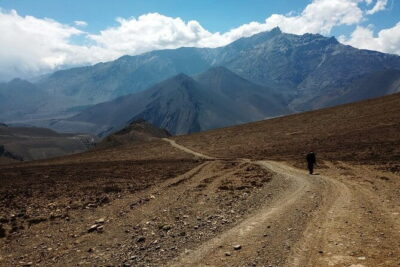
After the pass, the route changes again. You leave Muktinath and walk through meadows, orchards, and streams toward Kagbeni and Jomsom in the Kali Gandaki Valley. The combination of greener pockets and dry mountain terrain gives this section a different feel from the approach to Thorong La.
Kagbeni is a particularly appealing stop because of its reputation and position along the route. The supplied details do not specify a long visit or separate tour there, so think of it as a village you pass through rather than a guaranteed extended sightseeing stop.
Jomsom marks the end of the main walking section. The day takes about six hours and provides a gentler contrast after the pass crossing. You still need to remember that the circuit is not finished in the sense of returning to Kathmandu. The next stage involves another long road journey.
Bus to Pokhara and Kathmandu
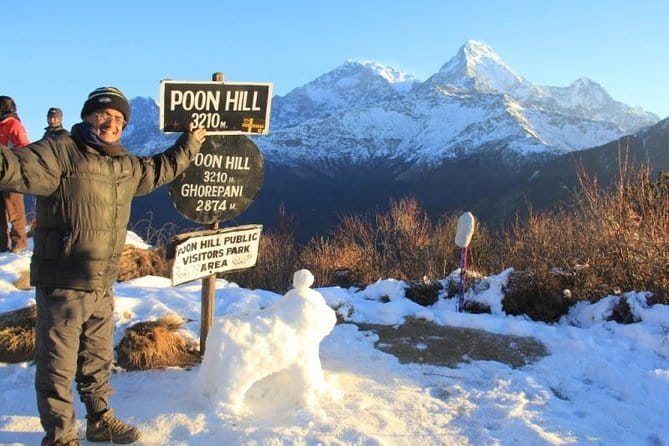
Day ten uses a local bus for the seven to eight-hour journey to Pokhara, traveling via Tatopani and Beni Bazaar. Pokhara is known for Phewa Lake, written as Phew Tal in the supplied material, and the trip includes one night there with breakfast.
This transfer is useful but not glamorous. A local bus gives you a closer look at ordinary transport in Nepal, yet it can also be tiring after days of walking. The itinerary lists about six hours for the day, while the description gives seven to eight hours for the drive, so allow for a full travel day.
The next day is another long transfer, about seven to eight hours back to Kathmandu. It is a chance to look back on the villages, rivers, monasteries, and high passes, but you should not expect much sightseeing time in either direction.
The package says round-trip transfers use a shared bus according to the itinerary, while the activity itself is private for your group. In practical terms, your trekking group is not combined with other tour participants for the activity, but transport may be shared. Clarify this point if private road transport matters to you.
What the $680 price really covers
At $680 per person, the trip offers solid basic value if you want the main services bundled together. You receive airport pickup and drop-off, an English-speaking trekking guide, permits, official documents, two Kathmandu nights, one Pokhara night, breakfast at those hotels, guesthouses during the trek, round-trip bus transfers, and a trekking pole.
You also avoid the cost and effort of arranging a guide and permits separately. For a first Himalayan trek, that coordination has real value. The guide is not just a person who points toward the path. A good guide helps with pace, altitude concerns, village logistics, and communication.
The price is not all-inclusive. Food and drinks cost about $25 per day, and gratuities are optional. You should also ask before departure about any personal equipment, extra drinks, or other expenses not listed in the package.
The strongest value comes from the route itself. You get the Annapurna region’s major change in scenery, the Manang acclimatization day, the Thorong La crossing, and the cultural stops without paying for a much longer itinerary. The tradeoff is a brisk schedule with substantial driving.
Who should book this trek?
I would recommend this trip to a fit hiker who wants a classic high-altitude Nepal route with guide support and limited planning work. It suits someone who values mountain scenery, Buddhist villages, local transport, and a clear itinerary more than hotel comfort or slow travel.
It is also a good match if you want a private group experience. The guide can adjust the pace to your group, and Krishna’s reported approach shows why that matters. Ask for a guide who communicates clearly and takes altitude seriously.
I would hesitate to recommend it to anyone who dislikes long bus rides, guesthouses, exposed mountain trails, or uncertain high-altitude conditions. The 12-day schedule leaves little spare time if illness, weather, or road delays disrupt the plan.
Booking confirmation is provided at the time of reservation. Cancellation brings a full refund if you cancel at least three full days before the local start time. Inside that window, the payment is not refunded, so make your plans carefully.
Should you book the Annapurna Circuit trek?
Book it if your priority is a strong route at a relatively modest price, with permits, guiding, accommodation, and transfers handled for you. The best parts are the Manang acclimatization day, the changing terrain, the cultural villages, and the dramatic Thorong La crossing.
Before paying, confirm the guide assigned to your group, the exact bus arrangements, what food is available along the trail, and what personal gear you must bring. If you are fit, flexible, and prepared for one very hard pass day, this is a practical way to experience a major section of the Annapurna Circuit.
FAQ
How long is the Annapurna Circuit trek from Kathmandu?
The experience lasts approximately 12 days, including arrival and departure transfers, road travel, trekking days, an acclimatization day in Manang, and stays in Kathmandu and Pokhara.
What is the highest point of the trek?
The route crosses Thorong La Pass at 5,416 meters.
Is airport pickup included?
Yes. Hotel pickup and drop-off are included, including transport from Tribhuvan International Airport in Kathmandu.
Are trekking permits included?
Yes. The package includes the trekking permit and official documents.
Is accommodation included?
Yes. Two nights in Kathmandu and one night in Pokhara with breakfast are included. Guesthouse accommodation is included during the trek.
Are meals included?
Breakfast is included at the Kathmandu and Pokhara hotels. Food and drinks during the trek are extra and are estimated at about $25 per day.
Is this a private tour?
Yes. The activity is private, so only your group participates. The itinerary also states that transfers use a shared bus, so confirm the exact road transport arrangement before booking.
Do I need to be physically fit?
Yes. The activity states that you should have a strong physical fitness level. Several walking days take about six hours, and the Thorong La day can take eight to nine hours.
Can I cancel for a full refund?
Yes, if you cancel at least three full days before the experience start time. Cancellations or changes made within three days are not refunded or accepted.
Just added in Kathmandu
- Kathmandu to Chitwan Tour by Tourist Bus – A Convenient and Affordable Way★ 4.0 · 4 reviews
- Changunarayan Hill to Telkot Hike Near Kathmandu Day Tour★ 5.0 · 6 reviews
- Mt Everest Base CampTrek | Budget Package★ 5.0 · 4 reviews
- Chitwan Jungle Safari 3-Day Tour★ 5.0 · 9 reviews
- Chandragiri Hills cable car day trip, private car with driver from Kathmandu★ 5.0 · 8 reviews
- Chandragiri to Taudaha Nature Day Hiking from Kathmandu★ 5.0 · 13 reviews
- Chandragiri Hill Station Tour by Cable Car★ 5.0 · 4 reviews
- Chandragiri Cable Car & Monkey Temple Private Guided Day Tour★ 5.0 · 5 reviews
Annapurna Circuit Treks, compared.
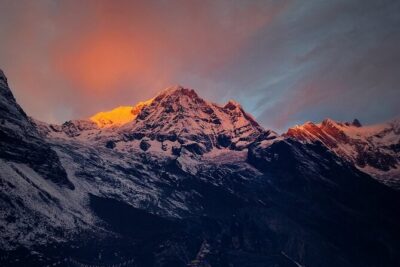
15-Day Private Annapurna Circuit Trek from Kathmandu
Read our review →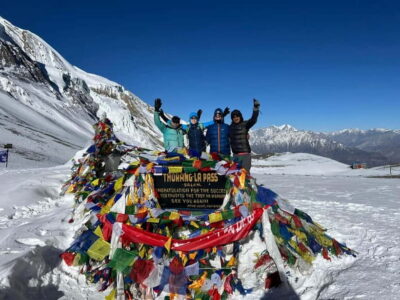
8 Days Private Guided Trekking in Annapurna Circuit with Pickup
Read our review →Browse the lists this tour appears in