
Reviewed · ANNAPURNA CIRCUIT TREKS
Kathmandu/Pokhara: Annapurna Circuit Trek 10 days
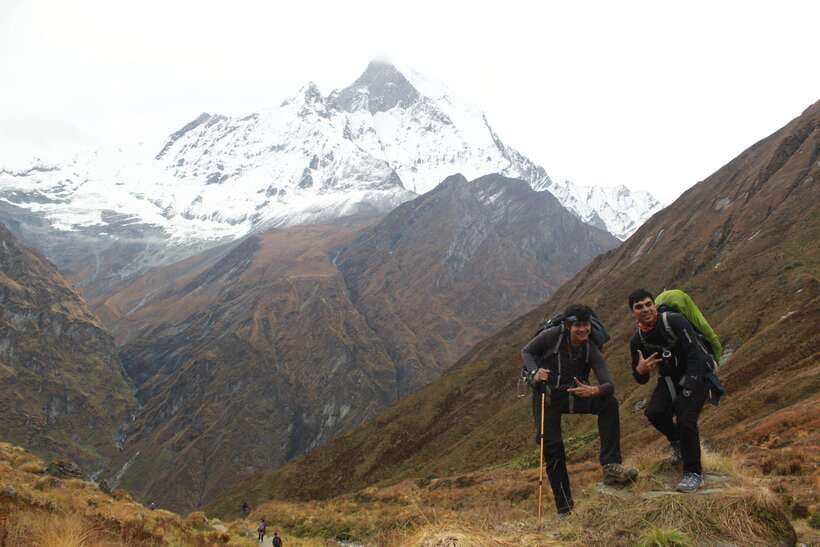
Crossing Thorong La Pass at 5,416 meters is the big prize here. You start beside the Marsyangdi River, walk through terraced hills and pine forests, then reach a dry, high world that feels close to Tibet. After the pass, Muktinath, the Kali Gandaki Gorge and Jomsom bring a striking change of scenery.
I like the private-group format, which gives your guide room to adjust the pace. I also like the strong guiding record from Kim, also spelled Khim, Nir and Milan. They are praised for care, route advice and steady support. The main drawback is the schedule: ten days is tight for this altitude, and the advertised description includes Poon Hill and Tatopani while the day-by-day plan ends in Jomsom, so confirm the exact route before paying.
Key points at a glance
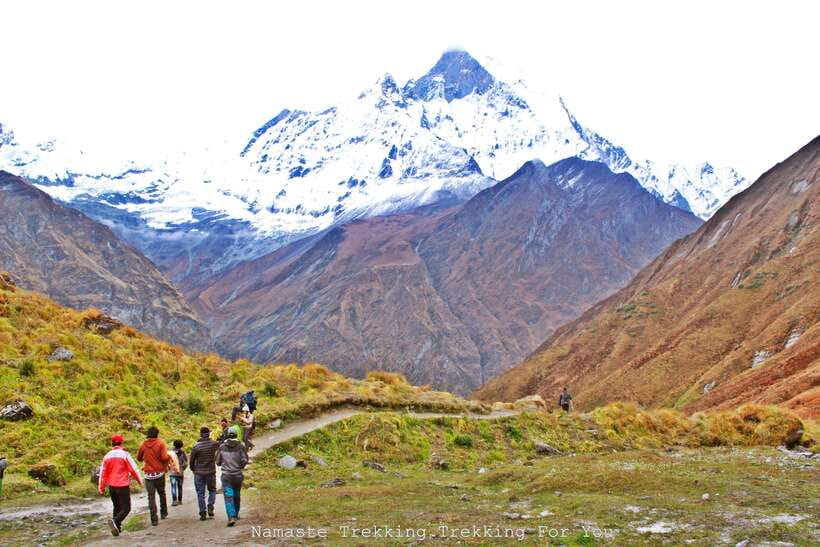
- Thorong La at 5,416 meters: The hardest and most rewarding day comes on the crossing from Thorong Phedi to Muktinath.
- Four distinct environments: Expect subtropical valleys, alpine forest, high mountain desert and the dry Kali Gandaki corridor.
- Muktinath and Marpha: The route links a sacred pilgrimage site with an apple-growing village known for its local character.
- Private guiding: Your guide can discuss the next day’s route and adjust plans when conditions or energy levels call for it.
- $430 with important inclusions: Permits, transport, guide, teahouses, maps, first aid and taxes are covered, while meals, insurance and gear are not.
- A route detail to verify: Poon Hill and Tatopani appear in the broad trip description, but not in the ten-day schedule supplied here.
What the $430 price really covers
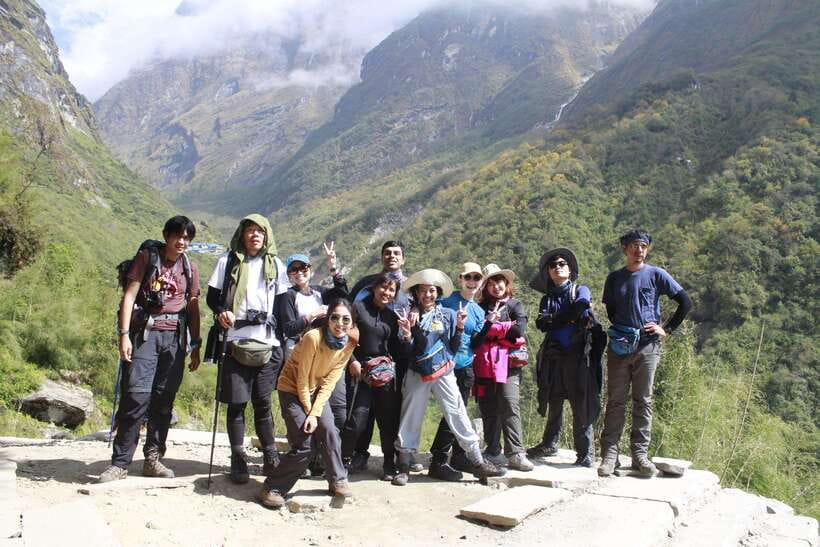
At $430 per person, this is a useful package if you want the main logistics handled without paying for a luxury trek. The fee includes ACAP and TIMS permits, transport from Kathmandu or Pokhara to the trailhead, an English-speaking guide, teahouse accommodation, a first aid kit, trekking maps, government taxes and a farewell dinner.
That is a fair list for a high-altitude trek. Permits and transport alone can be awkward to arrange, and a good guide matters most on the Thorong La day. You also get a private group rather than being placed into a large mixed party.
The omissions matter. Meals are not included, and you need to budget for breakfast, lunch and dinner throughout the trek. Personal equipment is also yours to arrange, including a sleeping bag, warm jackets and trekking poles. Hot showers and charging facilities may cost extra or be unavailable at some teahouses.
Travel insurance is mandatory and must cover high-altitude trekking. Do not treat this as a minor formality. The route reaches 5,416 meters, and the price does not include rescue or medical cover.
Other long routes from Nepal:
- Annapurna Circuit Trek with Tilicho Lake
★ 5.0 · 368 reviews - Annapurna Circuit Trek
★ 5.0 · 94 reviews - Annapurna Circuit Trek
★ 5.0 · 35 reviews
Day 1: The long road to Dharapani
The trip begins with a six to eight-hour drive from Kathmandu or Pokhara to Dharapani, at 1,860 meters. This is a travel day rather than a walking day, and the long road makes the ten-day schedule feel more demanding from the start.
Dharapani is your first overnight stop in the Annapurna region. The useful part of beginning here is that you reach the trail corridor without spending several early days on lower sections. The tradeoff is a long ride, so you should arrive ready for a modest first evening rather than a relaxed start.
Your guide is important here. The strongest guide feedback attached to this trip centers on Kim or Khim, Nir and Milan, with particular praise for care, clear planning and help when a trekker was having a hard day. Ask who is assigned before departure, since guide availability can change.
Day 2: Dharapani to Chame through changing forest
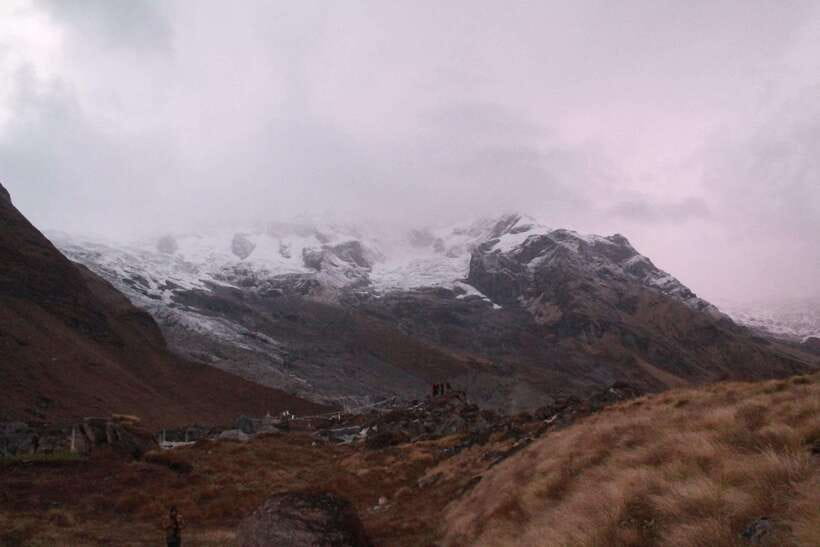
The walk to Chame takes about four to five hours and climbs to 2,670 meters. You follow the Marsyangdi corridor through villages and mountain scenery, with the terrain beginning to feel more alpine as you gain height.
Chame is the administrative center of Manang District and a practical overnight stop. The value of this day is not one single monument. It is the gradual change in air, vegetation and village life, which gives your body time to begin adjusting.
The route is still manageable, but do not rush. At altitude, a short walking day can still feel tiring, especially after the previous day’s drive. Your private guide can help keep the pace sensible.
Day 3: Chame to Pisang and the first high views
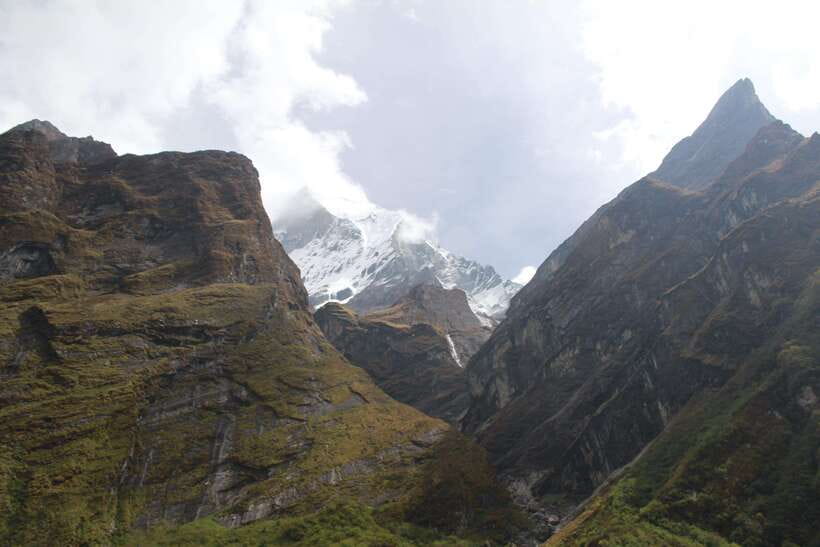
The five to six-hour walk to Pisang reaches 3,300 meters. You move farther into the mountains, with forests giving way to more open slopes and sharper views of the Annapurna range.
Pisang is split into lower and upper settlements, and the village setting gives you an early taste of the cultural contrast ahead. The lower valley remains greener, while the upper side feels drier and more exposed.
This is a good point to pay attention to your body. The altitude is now high enough for headaches, poor sleep or unusual tiredness to appear. You should tell your guide early rather than trying to prove anything. A private group helps because the day does not need to be managed around strangers.
A few more things to do in Nepal worth a look
- Everest Base Camp Trek – 14 Days
★ 5.0 · 1,499 reviews - Everest Base Camp Trekking
★ 5.0 · 485 reviews - Nagarkot Sunrise View and Day Hiking from Kathmandu
★ 5.0 · 471 reviews - Everest Base Camp Trekking – 13 Day
★ 5.0 · 365 reviews
Day 4: Pisang to Manang, the trek’s cultural center
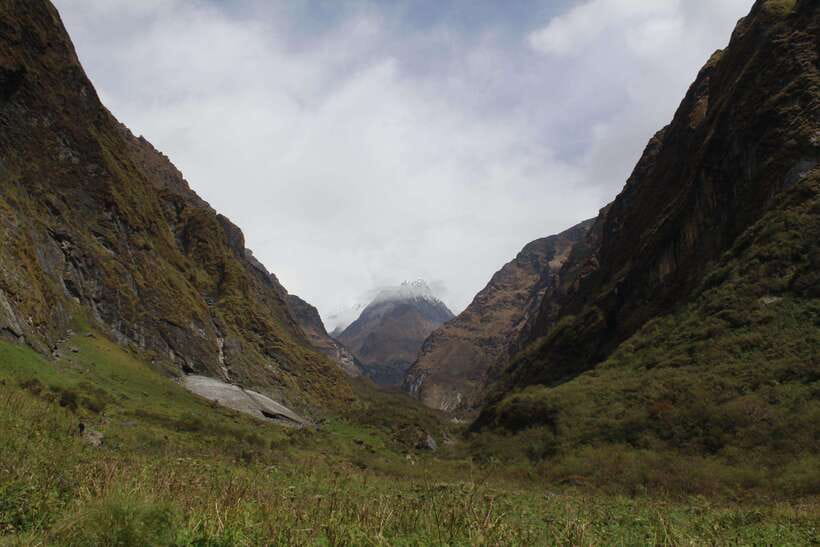
The route to Manang takes five to seven hours and climbs to 3,540 meters. This is one of the most rewarding walking days because the terrain becomes drier and more dramatic, while the villages retain their strong local character.
Manang is more than a place to sleep. It is the main acclimatization point on the route, with enough time and setting for you to slow down and prepare for the higher camps. The Marsyangdi Valley now feels far removed from the subtropical start at Besisahar.
The schedule gives you a full acclimatization day after arrival. That is essential, not wasted time. The short ten-day format leaves little spare capacity, so this rest day is one of the most important parts of the plan.
Day 5: Acclimatization in Manang
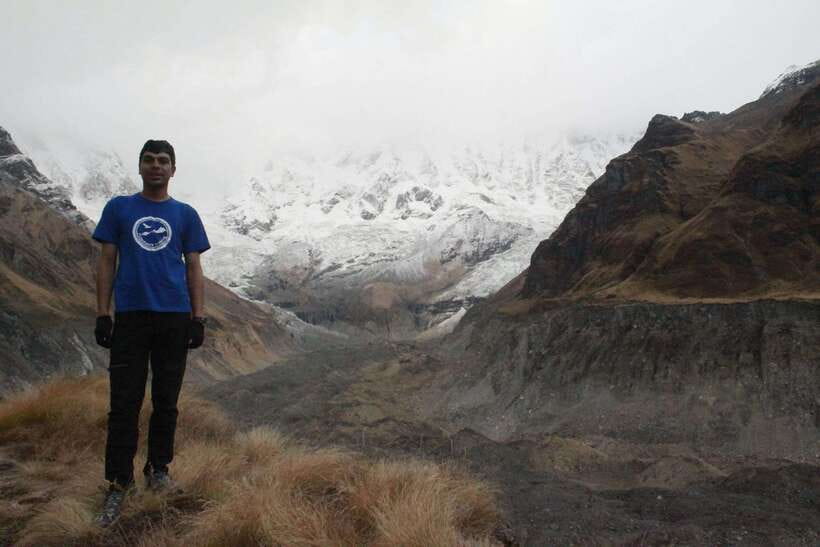
The day is set aside for exploring Manang and allowing your body to adjust at 3,540 meters. The supplied plan does not specify a particular excursion, so your guide should explain the day’s walking options and the intended pace.
I like this pause because the next stages are much harder. You are not just climbing higher; you are preparing for a pass above 5,000 meters. Keep the day easy, drink enough, eat properly and report symptoms honestly.
This is also a good time to check your equipment. Warm layers, gloves, a hat, a sleeping bag and poles become much more useful above Manang. Since meals and gear are excluded, this is the last practical moment to discuss costs and supplies with your guide.
Day 6: Manang to Yak Kharka at 4,000 meters
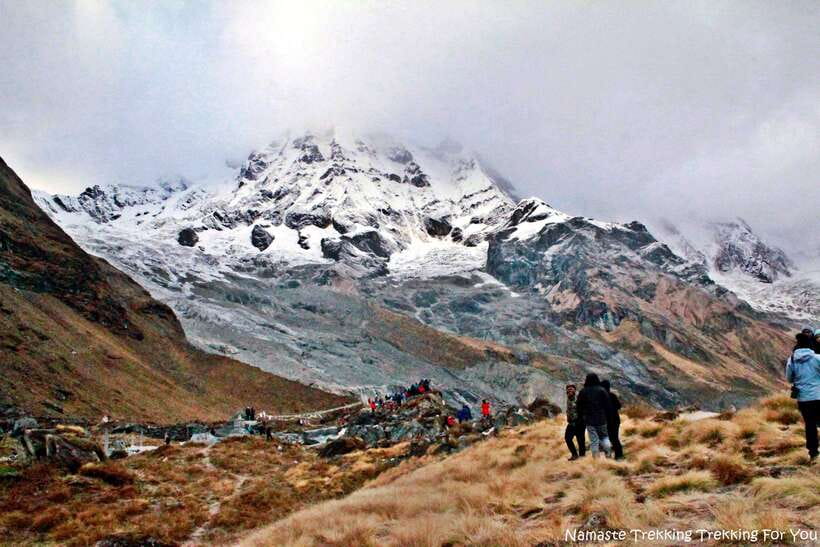
The four to five-hour walk to Yak Kharka takes you to 4,000 meters. Vegetation thins, the air gets colder and the surrounding terrain becomes more open and severe.
Yak Kharka is a simple high-altitude stopping place. The goal is not sightseeing in the usual sense. It is to gain height in controlled stages before the pass. The short distance helps, but the altitude can make this day feel harder than the clock suggests.
You should keep your expectations modest. Walking slowly is normal here. Your guide’s role is not simply to lead from the front. It is to watch how you are coping, discuss the next stage and help decide if the planned pace remains sensible.
Day 7: Yak Kharka to Thorong Phedi
The walk to Thorong Phedi takes three to four hours and reaches 4,450 meters. This is a short day on paper, but it places you at the base of the pass and gives you a chance to prepare for the main crossing.
Thorong Phedi is a functional high camp rather than a place to linger. Conditions can be basic, and hot showers or charging may not be available. Bring patience, warm clothing and enough battery power for the night.
The next morning is the crucial one. Get your clothing ready before sleeping, keep your pack light and ask your guide about the planned start. The supplied schedule gives no exact departure time, so the guide’s local judgment matters.
Day 8: Thorong La to Muktinath
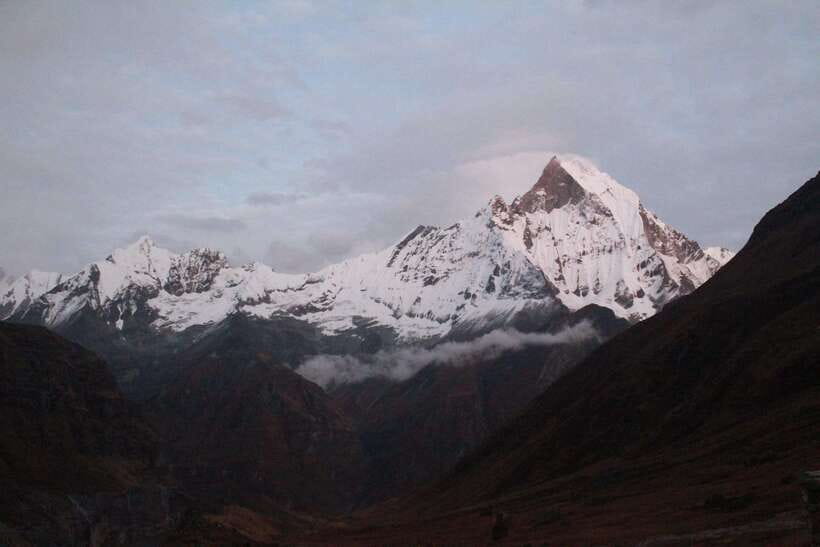
This is the toughest day, taking seven to nine hours from Thorong Phedi over Thorong La and down to Muktinath. The pass rises to 5,416 meters, making this a serious high-altitude crossing rather than a casual scenic walk.
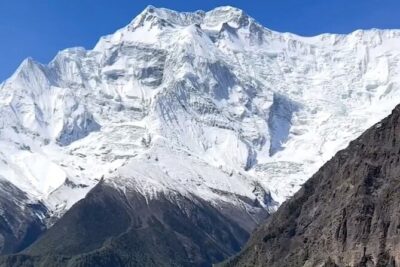
The climb is steady and the air thin. Take short steps and avoid spending energy trying to match someone else’s pace. The reward at the top is a wide mountain panorama, with views toward Annapurna, Dhaulagiri and Manaslu when conditions are clear.
The descent to Muktinath is a major relief, but it is not effortless. Your legs have already worked hard, and the downhill section can be rough. Muktinath sits at 3,710 meters and is known for its temples and monasteries. It is a meaningful place to pause after the pass, with religious importance for both Hindus and Buddhists.
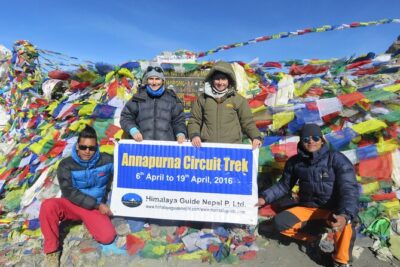
This is the day when insurance, a capable guide and honest communication matter most. One group reached the pass with a 61-year-old father, showing that age alone does not decide success. Fitness, acclimatization and careful pacing matter more.
Day 9: Muktinath to Jomsom through the Kali Gandaki corridor
The five to six-hour journey from Muktinath to Jomsom descends to 2,720 meters. The scenery changes again, becoming dry, broad and wind-shaped around the Kali Gandaki River.
The Kali Gandaki Gorge is often described as the world’s deepest gorge, and the route gives you a strong sense of the height of the surrounding peaks. You also pass through the Mustang area, where the terrain has a distinctly Tibetan feel.
The plan also identifies Marpha as part of the wider experience. Marpha is known for apple orchards and its appealing village setting. It is worth confirming how much time your actual route allows there, since the day-by-day schedule names Jomsom as the final overnight stop but does not give a separate Marpha stage.
Day 10: The road to Pokhara
The final day is a six to eight-hour drive to Pokhara. After several days on foot, the road offers an easy physical finish, though the ride itself may feel long.
Pokhara is a useful endpoint. It gives you a softer landing after the high mountains and makes onward travel simple. The package includes transport to Pokhara and a farewell dinner, which is a pleasant way to mark the end of the trek.
There is one important route question here. The broad trip description also mentions Tatopani hot springs, Ghorepani’s rhododendron forests and sunrise at Poon Hill. Those stops do not appear in the ten-day schedule that ends with Jomsom to Pokhara. Ask Peak to Peak Treks to confirm if they are part of your booking, optional additions or descriptions of a longer version.
Teahouses, meals and daily comfort
Teahouse accommodation gives you a practical way to walk between villages without carrying camping equipment. Expect simple mountain lodging rather than hotel comfort. The quality can vary, and hot showers and charging are not guaranteed at every stop.
Meals are extra, but the trek includes food stops at teahouses. One helpful point from the supplied experience is that the food was found consistently good, and the accommodation was considered pleasant. Still, you should budget separately and ask your guide about meal prices before ordering.
Bring enough personal gear for cold high camps. The included first aid kit is useful, but it does not replace your own medication or insurance. A trekking map is included, and your guide provides the route knowledge, but you remain responsible for having suitable clothing and footwear.
The guides may make the difference
The most strongly praised part of this experience is the guiding. Kim, also written as Khim, is described as supportive, good-humored and attentive to how people feel each day. Nir is praised for choosing sensible accommodation, discussing the plan and finding ways to avoid dusty or unpleasant road sections. Milan is praised for care, safety and strong support.
These details matter because the route is not just a fixed march from one village to the next. You may need the pace adjusted, the day explained again or a better response to changing energy levels. A private group gives the guide more freedom to do that.
You should confirm the guide’s name and the porter arrangement before departure. One experience included a porter named Dill, while the package description itself promises a guide but does not clearly state that porter service is included. Do not assume porter support unless it is written into your booking.
Who should book this trek?
You should consider this trek if you want one compact trip that combines village life, high mountain views, a major pass and a clear physical goal. It suits people who are comfortable walking for several hours on consecutive days and who accept basic teahouse conditions.
It is less suitable if you want a leisurely holiday, dislike long road transfers or need predictable comfort each night. The ten-day plan is efficient, but it leaves little room for delays or a slower pace.
Pregnant women should not take this activity. Everyone else should arrange mandatory high-altitude travel insurance and treat the acclimatization day as essential.
Free cancellation is available up to 24 hours before the activity for a full refund, and you can reserve now and pay later. Those terms help with planning, but they do not remove the need to check the exact itinerary, guide assignment and extra costs before booking.
Should you book the Annapurna Circuit in 10 days?
I would recommend it to a fit trekker who wants a private, guided crossing of Thorong La and values cultural stops as much as mountain views. The $430 price has solid practical value because it covers permits, transport, guide services, teahouses, taxes and a farewell dinner.
I would pause before booking if Poon Hill, Tatopani or Marpha are essential to your plans. The route description and daily schedule do not fully match, so get the final path in writing. If the shorter Jomsom finish is what you want, this is a focused and demanding Annapurna trip. If you want the full southern extension, you may need a different schedule.
FAQ
How long is the Annapurna Circuit trek?
The activity lasts 10 days, including transport from Kathmandu to Dharapani at the start and the drive from Jomsom to Pokhara at the end.
What is the highest point on the trek?
The highest point is Thorong La Pass, at 5,416 meters or 17,769 feet.
Is transportation included?
Yes. Transportation from Kathmandu or Pokhara to the trailhead is included, as is the drive from Jomsom to Pokhara at the end.
Are meals included in the $430 price?
No. Meals during the trek are not included and must be paid for separately.
Where do you sleep during the trek?
Accommodation is provided in teahouses along the route.
Is a guide included?
Yes. An experienced English-speaking guide is included, and the activity is arranged as a private group.
Do I need travel insurance?
Yes. Travel insurance is mandatory and must cover high-altitude trekking.
Are Poon Hill and Tatopani included?
They appear in the broader description of the experience, but they are not shown in the supplied ten-day schedule, which ends with Jomsom to Pokhara. Confirm the exact route with Peak to Peak Treks before booking.
Just added in Nepal
- Kathmandu to Chitwan Tour by Tourist Bus – A Convenient and Affordable Way★ 4.0 · 4 reviews
- Changunarayan Hill to Telkot Hike Near Kathmandu Day Tour★ 5.0 · 6 reviews
- Mt Everest Base CampTrek | Budget Package★ 5.0 · 4 reviews
- Chitwan Jungle Safari 3-Day Tour★ 5.0 · 9 reviews
- Chandragiri Hill Station Tour by Cable Car★ 5.0 · 4 reviews
- Chandragiri Hills cable car day trip, private car with driver from Kathmandu★ 5.0 · 8 reviews
- Chandragiri to Taudaha Nature Day Hiking from Kathmandu★ 5.0 · 13 reviews
- Chandragiri Cable Car & Monkey Temple Private Guided Day Tour★ 5.0 · 5 reviews
Annapurna Circuit Treks, compared.
15-Day Private Annapurna Circuit Trek from Kathmandu
Read our review →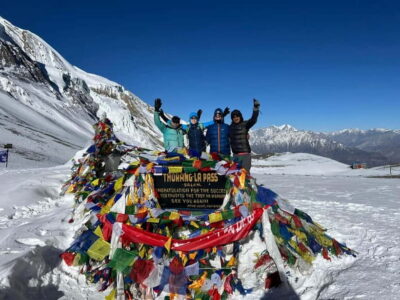
8 Days Private Guided Trekking in Annapurna Circuit with Pickup
Read our review →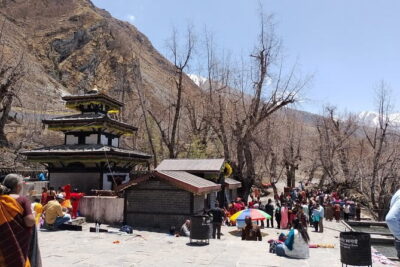
Browse the lists this tour appears in