
Reviewed · WALKING TOURS
Smells of Kathmandu Walking Day Tour
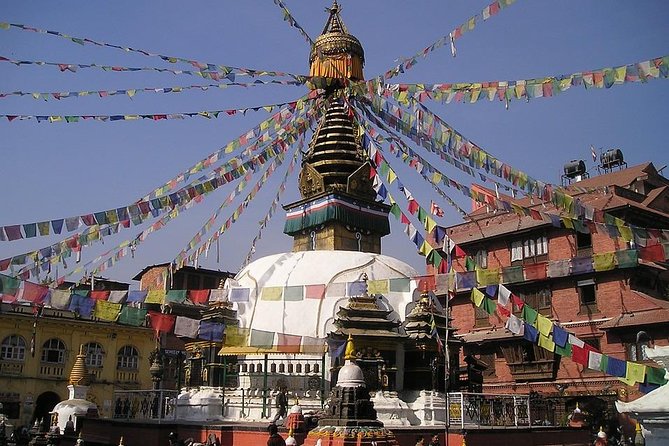
Kathmandu’s best introduction may be found not inside a monument, but in the narrow lanes where people buy spices, grains, vegetables, fish, meat, beads, and tea. This small-group walking tour takes you through Asan and nearby old-city quarters, placing ordinary Kathmandu life at the center of the experience.
I like the focus on local markets rather than a checklist of sights, and I like the chance to walk with guides such as Sunil or Rajendra, who explain what you are seeing in detail. The main consideration is the crowded, scooter-filled setting, which can feel hectic if you prefer wide streets and quiet sightseeing.
Key points to know before you book
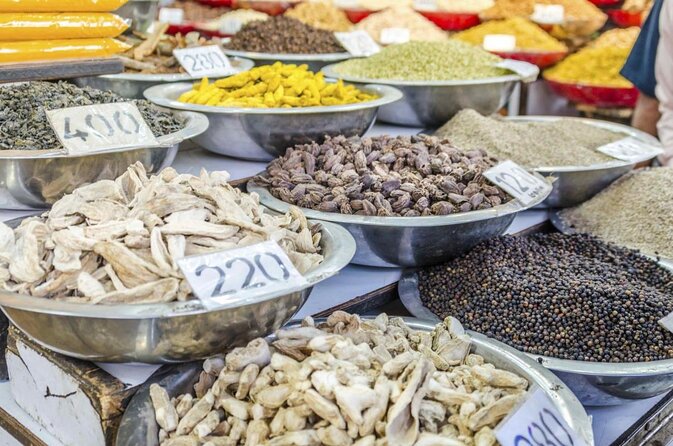
- Asan is the heart of the walk: Expect spice, grain, fruit, vegetables, fish, meat, and everyday shopping.
- The route reaches beyond the main market: You visit Indrachowk, the bead bazaar, Bangemudha, and Nardevi.
- Sunil is a named guide on this experience: He is noted for taking visitors into lanes they might miss alone.
- Rajendra may be available for German-speaking visitors: A German-language guiding option has been provided on at least one tour.
- The afternoon start is fixed: Meet at 2:45 pm at the Karmachari Sanchaya Kosh Building on Tridevi Sadak.
- The tour is short and social: It accepts no more than 10 people and returns to the same meeting point.
Why Asan makes a better introduction than a standard city walk
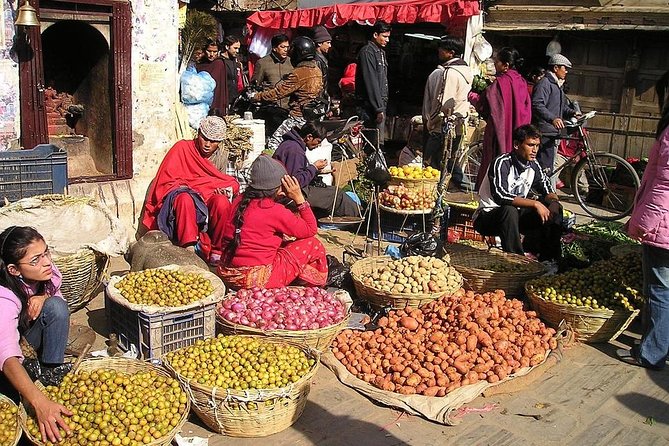
Asan sits between Kathmandu Durbar Square and Thamel, two places many people already plan to visit. Its real appeal is the daily trade carried on in the surrounding lanes. This is where you see what Kathmandu households buy and how the old center still functions as a working neighborhood.
You are not simply shown a market and sent on your way. Your guide points out spices, pulses, grains, produce, fish, meat, and other ingredients, then explains how they fit into local life. That extra layer matters. Without help, a sack of lentils or a pile of unfamiliar spice may look like color and clutter. With a guide, the market becomes a lesson in cooking, shopping, and routine.
The tour is also a useful bridge between Kathmandu’s famous sights and its less polished side. Durbar Square has the monuments. Thamel has the shops, restaurants, and trekking offices. Asan gives you the city’s working rhythm, with shopkeepers arranging goods, pedestrians squeezing through, and scooters trying to pass through spaces that seem too narrow for them.
I would not choose this walk for peaceful photography. You need to stay alert, keep close to your guide, and accept that the route can be crowded. That is part of the point, but it can also be tiring.
A few more things to do in Kathmandu worth a look
- Kathmandu Food and Drink Walking Tour
★ 5.0 · 266 reviews - Kathmandu: Food and Drink Walking Tour
★ 4.9 · 119 reviews - Walking Street Food Tour in Kathmandu
★ 5.0 · 111 reviews
Starting at Tridevi Sadak at 2:45 pm
The listed meeting point is the Karmachari Sanchaya Kosh Building on Tridevi Sadak in Kathmandu. The tour starts at 2:45 pm and finishes at the same location, which simplifies the plan if you are arranging a later meal or another evening activity.
Hotel pickup can be arranged, but you should confirm the details before booking your day around it. The standard meeting point is clear, while the pickup information is less specific. If you are staying away from central Kathmandu, ask exactly where and when the guide will collect you.
The route is described as lasting about two and a half hours. The stop information also lists three hours, so allow a little flexibility. That small difference is not likely to change the nature of the experience, but it matters if you have a tight evening schedule.
A start in the afternoon suits people who want to visit another attraction earlier in the day. It also gives you time to settle into Kathmandu before walking into the old market district. The tradeoff is that you get less daylight than on a morning walk, depending on the season.
Asan market: spices, grains, and the food of everyday Kathmandu
Asan is the main event. You spend most of the time among stalls selling the practical ingredients of local cooking. Expect to see spices, fruit, vegetables, fish, meat, grains, pulses, and other goods that a Kathmandu resident might buy for home.
The value here is not just visual. Your guide identifies ingredients and explains what they are used for, giving you a better grasp of Nepali food. If you plan to eat dal, vegetable dishes, or other local meals during your stay, this walk helps you recognize some of the ingredients on your plate.
You may also gain a better sense of how shopping works in an old urban market. The experience is close to the action. You are not looking at a staged display designed for sightseeing. People are carrying out their errands, and the guide’s job is to help you read the scene without getting in the way.
This is a good place to ask questions. What is a certain spice? How are pulses sold? Which items are common in a Kathmandu kitchen? The supplied tour details promise explanations along the way, so bring your curiosity. The walk becomes much more useful when you treat it as a conversation rather than a photo stop.
Do not expect food and drinks to be included. Any tea, snack, or purchase is your responsibility. One person who took the tour enjoyed trying tea during the walk, so you might find an opportunity to sample something, but it is not part of the stated inclusions. Carry some local currency if you hope to buy goods, though shopping is optional.
Indrachowk and the bead bazaar
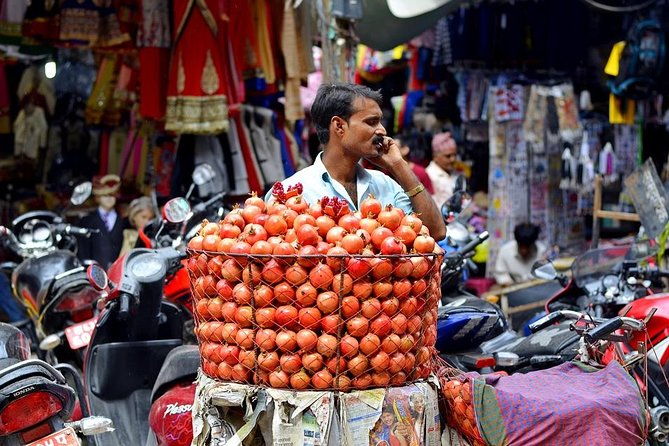
The route continues through other old Kathmandu areas, including Indrachowk and the bead bazaar. These places add variety to the market visit and show how the old center is organized into distinct trading quarters.
The bead bazaar is especially useful if you are interested in jewelry, craft materials, or the small goods used by local makers and sellers. The information provided does not promise a workshop or a shopping session, so think of it as an area to observe and understand. You can browse, ask questions, and decide for yourself if anything is worth buying.
Indrachowk brings another layer of street life. The route is not limited to one market hall or one broad avenue. It moves through the connected lanes of the old city, where the sights change quickly from food stalls to religious or commercial corners.
This variety is one of the strongest reasons to book the walk. You get a sense of how the districts connect, rather than visiting isolated points and missing the spaces in between. At the same time, the route may feel less orderly than a conventional sightseeing tour. If you need a steady pace and clear open views, this is not the ideal choice.
Same base, a different kind of day:
- Everest Base Camp Trek – 14 Days
★ 5.0 · 1,499 reviews - Private Kathmandu Sightseeing Tour | UNESCO World Heritage sites
★ 5.0 · 756 reviews - Everest Base Camp Helicopter Tour landing at Everest View Hotel
★ 5.0 · 668 reviews - Half day cooking class in Thamel kathmandu
★ 5.0 · 607 reviews
Bangemudha and Nardevi: old Kathmandu on foot
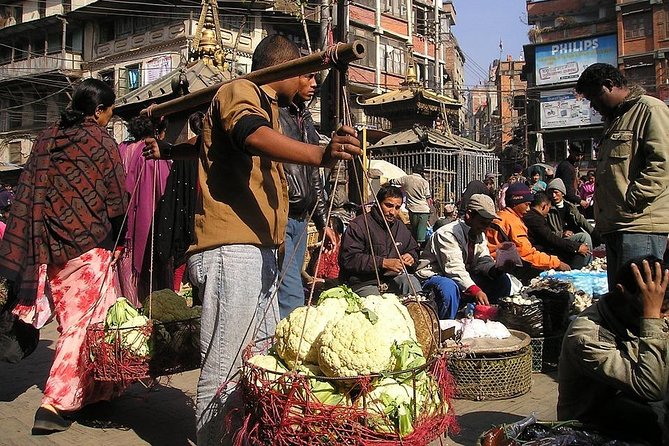
Bangemudha and Nardevi are included in the old Kathmandu route, along with Asan, Indrachowk, and the bead bazaar. The tour description does not assign a separate activity or attraction to each place, so do not expect a formal visit with a long stop at every point.
Their value is in the connections. Walking through several nearby quarters lets you see how the city changes from one lane to the next. Your guide can explain the setting and point out details that would be easy to miss if you were moving through alone.
This is where a good guide makes the biggest difference. Sunil is named as one guide for the experience and is praised for leading people into narrow streets they might not find by themselves. His role is not just to keep the group moving. He helps you understand what is happening around you and puts the route into context.
Rajendra has also guided this walk in German. If you need German-language guidance, ask about availability when booking. The information confirms that a German-speaking guide has been provided, but it does not guarantee that Rajendra will lead every departure.
What the small group changes
The tour has a maximum of 10 people. That is a useful size for a route through tight alleys. A large group would be harder to keep together and more likely to block the market lanes.
A small group also gives you a better chance to hear explanations and ask questions. You can stay near the guide as the route moves through pedestrians and scooters. The tradeoff is that the experience still depends on the group’s pace and interests. Ten people is manageable, but it is not a private walk.
The stated inclusion is an in-person guide offering expert information and a cultural experience. Food, drinks, shopping, and gratuities are not included. That makes the $28 price reasonable for visitors who want interpretation rather than transportation or entry to a major attraction.
You are paying mainly for access, explanation, and a carefully chosen route. Kathmandu’s streets are free to enter, but finding the right lanes and understanding what you see can be difficult on your own. If you only want to walk around and take pictures, the price may feel less necessary. If you want the market explained as you go, the cost is easier to justify.
How the walk feels in practice
Expect a close-up city walk. The route uses narrow streets and alleyways, and the setting can be crowded with pedestrians and scooters. You will be walking through places where local business continues around you, not through a quiet open-air museum.
Wear practical shoes and keep your belongings secure. The supplied information does not state a dress code, physical restriction, or special equipment requirement, and most people can participate. Still, a market walk requires more alertness than a relaxed pavement stroll.
Stay near the guide, especially at turns and busy crossings. The tour is short enough to be manageable for most people, but the traffic and crowds can make it feel energetic. If you dislike close quarters, tell yourself clearly what you are signing up for: this is a working market district, not a calm garden walk.
The walk also rewards patience. You may stop for an explanation while other activity continues around you. The best moments are likely to come from small details: a spice you recognize, an unfamiliar vegetable, a row of beads, or a glimpse into how people shop for dinner.
Who will get the most from this tour?
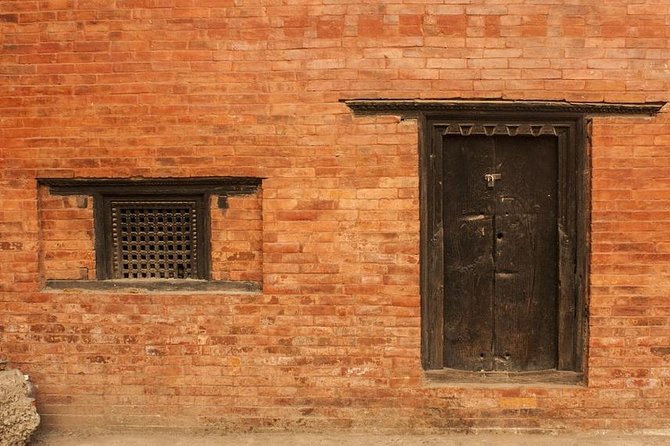
I would recommend this experience to first-time visitors who want an early sense of Kathmandu beyond the major monuments. It is also a good fit if you enjoy food culture, street photography, markets, and guided walks that focus on daily life.
It suits people who want a compact activity. At roughly two and a half hours, it gives you a clear look at the old city without taking up a full day. The 2:45 pm start leaves room for another plan earlier in the day.
The tour may be especially useful if you are nervous about exploring narrow lanes alone. The guides provide direction and explain what you are seeing, while the small group makes the route easier to follow.
I would think twice if your main goal is a formal history tour of temples and palaces. This route passes through old Kathmandu areas, but its emphasis is markets, ingredients, alleys, and local routines. It is also not the best match for anyone who wants included tastings, organized shopping, or private transportation.
Booking, cancellation, and practical value
The price is $28 per person. For a 2.5-hour guided walk with a maximum of 10 people, that is a fair price if you value local explanation and a route you might not find on your own.
Hotel pickup can be arranged, but confirm the arrangement before relying on it. The regular meeting point is the Karmachari Sanchaya Kosh Building, and the return is to that same building. Confirmation is provided when you book.
Free cancellation is available if you cancel at least 24 hours before the local start time. Cancellations made less than 24 hours before the start are not refunded, and late changes are not accepted. The experience requires good weather. If poor weather causes cancellation, you are offered another date or a full refund.
Should you book the Smells of Kathmandu walk?
Book it if you want Kathmandu explained through its food markets and back lanes. The strongest parts are the Asan market, the chance to see everyday shopping, the small group, and guides such as Sunil who know how to lead you through places you might otherwise skip.
Choose another activity if you want a monument-heavy tour, included food, or a quiet route. For most visitors who want a short and practical introduction to old Kathmandu, this $28 walk offers good value. Go prepared for crowds, scooters, and a little sensory overload, and you will get a much clearer sense of how the city works.
FAQ
How long does the Smells of Kathmandu Walking Day Tour last?
The tour is described as lasting about 2 hours and 30 minutes. The itinerary also lists a three-hour duration, so allow some extra time if your schedule is tight.
What time does the tour start?
The listed start time is 2:45 pm.
Where does the tour begin and end?
It begins at the Karmachari Sanchaya Kosh Building on Tridevi Sadak, Kathmandu. The tour returns to the same point after it finishes.
Which places are included on the walking route?
The route includes Asan, Indrachowk, the bead bazaar, Bangemudha, and Nardevi, along with surrounding areas of old Kathmandu.
Is hotel pickup available?
Hotel pickup can be arranged. Confirm the pickup details when booking because the standard meeting point remains the Karmachari Sanchaya Kosh Building.
What is included in the price?
An in-person guide and cultural information are included. Food, drinks, shopping, and gratuities are not included.
Just added in Kathmandu
- Kathmandu to Chitwan Tour by Tourist Bus – A Convenient and Affordable Way★ 4.0 · 4 reviews
- Changunarayan Hill to Telkot Hike Near Kathmandu Day Tour★ 5.0 · 6 reviews
- Mt Everest Base CampTrek | Budget Package★ 5.0 · 4 reviews
- Chitwan Jungle Safari 3-Day Tour★ 5.0 · 9 reviews
- Chandragiri Hill Station Tour by Cable Car★ 5.0 · 4 reviews
- Chandragiri Hills cable car day trip, private car with driver from Kathmandu★ 5.0 · 8 reviews
- Chandragiri to Taudaha Nature Day Hiking from Kathmandu★ 5.0 · 13 reviews
- Chandragiri Cable Car & Monkey Temple Private Guided Day Tour★ 5.0 · 5 reviews
Walking Tours, compared.

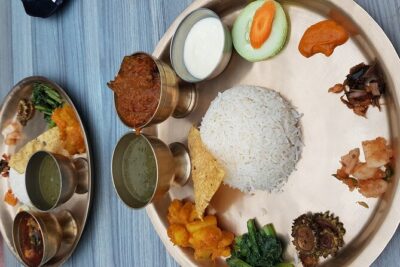
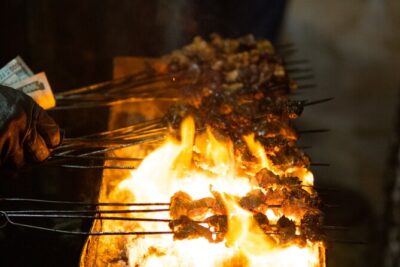
Walking Food Tour in Hidden Local Eateries of Kathmandu
Read our review →
Old Kathmandu Walking Tour, Historic World Heritage Durbar Square
Read our review →

Full-Day Safari Canoeing and Jungle Walk and Jeep
Read our review →
Browse the lists this tour appears in