
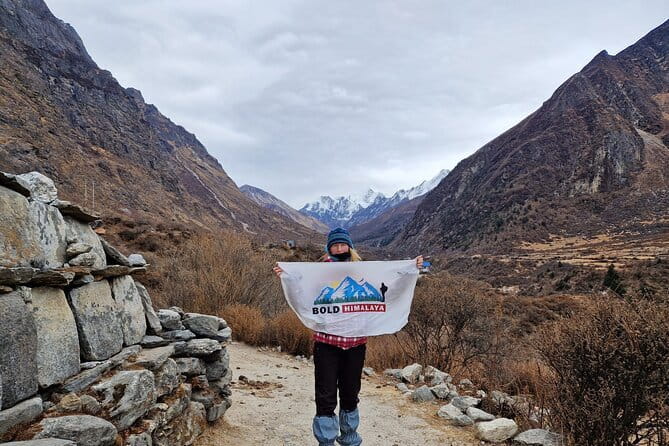
Reviewed · LANGTANG VALLEY TREKS
Explore The Beauty Of Langtang Valley In 8-Days Trek
Langtang Valley gives you a big Himalayan experience without requiring a long expedition. In eight days, you travel from Kathmandu to Syabrubesi, walk through forest and mountain villages, and reach Kyanjin Gompa at 3,870 meters, with the option to climb higher to Tserko Ri.
I like the small guide-to-hiker ratio, with one licensed guide assigned to up to five people, and I like the flexible pace. Guides such as Garap and Sobit are singled out for patient support, including help with practical problems such as lost luggage. The main consideration is altitude: even though the schedule suits beginners, several walking days last five to seven hours, and Tserko Ri reaches nearly 5,000 meters.
Key points to know before booking
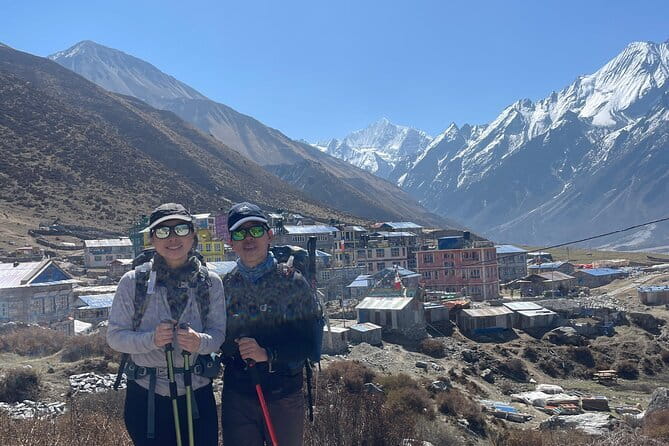
- Kyanjin Gompa is the high point: You spend a full day around this 3,870-meter village, with time for mountain views and an optional Tserko Ri climb.
- The price covers the basics: At $270 per person, you receive transport, teahouse lodging, all listed trekking meals, a guide, and a farewell program.
- The route works for first-time trekkers: You can walk at your own pace and take extra breaks, but you still need to prepare for long uphill days.
- The guide service is personal: One licensed English-speaking guide serves up to five trekkers, with salary, food, lodging, and insurance included.
- Kathmandu hotels cost extra: Pickup and drop-off are provided, but three-star to five-star hotel or resort stays in Kathmandu are optional add-ons.
- Tserko Ri is optional, not required: The 4,984-meter climb offers the biggest view of the trip, but you can enjoy Kyanjin Gompa without attempting it.
What this eight-day Langtang trek is really like
This is a compact Himalayan walking trip with a clear rhythm. The first and last days are road journeys between Kathmandu and Syabrubesi. The middle six days take you up the Langtang Valley, to Kyanjin Gompa, and back down the same route.
That out-and-back design is useful. You do not need to arrange a second transport route, and the return walk lets you see familiar places from a different angle. The tradeoff is that days six and seven repeat much of the route used on the way up.
The tour is listed at $270 per person, which is a strong price if the included services match your needs. Meals during the trek, teahouse accommodation, guide costs, and transport are included. Your guide’s salary, meals, lodging, and insurance are also covered, so the published price is not just a cheap walk with important costs left out.
You should still budget for personal expenses and bar bills. Accommodation in Kathmandu is extra, despite hotel pickup and drop-off being included. That distinction matters if you want a comfortable hotel before or after the trek.
Other valley treks from Kathmandu:
- Langtang Valley Trek
★ 5.0 · 140 reviews - Private 8 – Day Langtang Trekking
★ 5.0 · 29 reviews - Kathmandu: 6-Day Limitless Langtang Trek
★ 5.0 · 21 reviews
Day 1: Six hours from Kathmandu to Syabrubesi
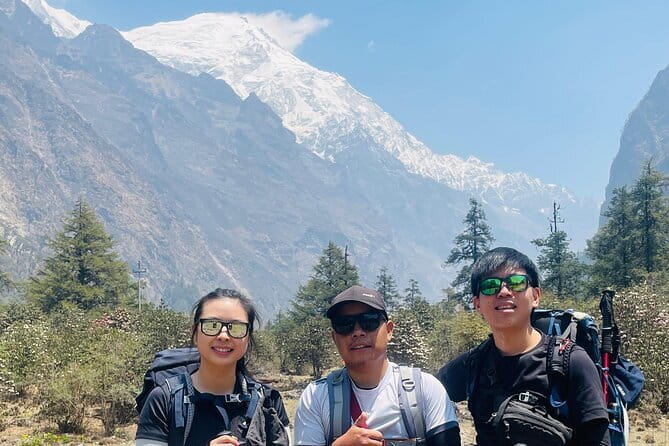
The trip begins with pickup and a drive from Kathmandu to Syabrubesi in a shared jeep. The journey takes about six hours, passing mountain valleys, villages, rivers, and waterfalls.
The shared jeep is practical rather than luxurious. Roads in the region can make a long drive feel longer, so this day is best treated as part of the adventure, not as wasted time. You get your first views of rural Nepal without needing to walk yet.
Syabrubesi is the trailhead for the trek. Arriving here gives you a chance to settle into the first teahouse and prepare for the next morning. The first day has no admission fee listed, and transport from Kathmandu is included.
If you are prone to motion sickness, keep that in mind before setting out. The tour information does not specify a private vehicle, so you should expect shared road transport unless you arrange something different with Bold Himalaya.
Day 2: Forest trails from Syabrubesi to Lama Hotel
After breakfast, you begin walking toward Lama Hotel at 2,380 meters. The trek takes about five and a half hours, though it is shown as roughly six hours in the schedule.
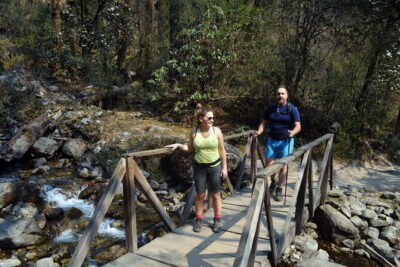
The route crosses suspension bridges over the Bhote Koshi and Langtang rivers. Forest, water, and rising mountain slopes shape much of the day. This is a good introduction to the walking style you will follow for most of the trip: steady progress, regular rests, and time to look around rather than rushing from one point to the next.
Lama Hotel is not a grand destination. Its value is its position on the route and its lower elevation compared with the upper valley. You sleep in a teahouse and continue adjusting to the altitude.
For a first-time trekker, this is the day to establish a sensible pace. The operator specifically recommends walking at your own speed to help your body adjust to high mountain conditions. That advice is worth taking seriously. You do not gain anything by racing the group on day two.
Day 3: Six hours through the Langtang Valley to Langtang Village
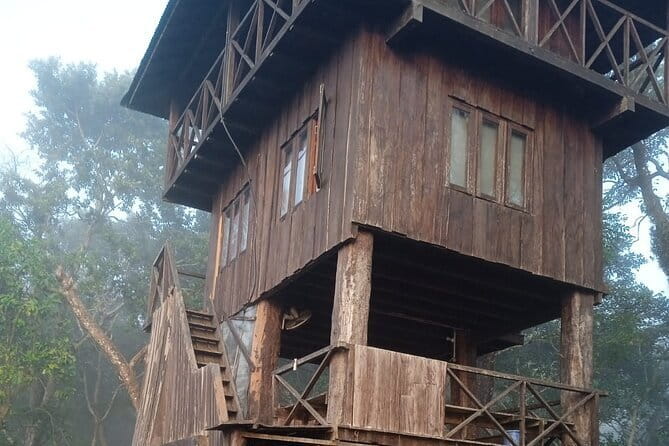
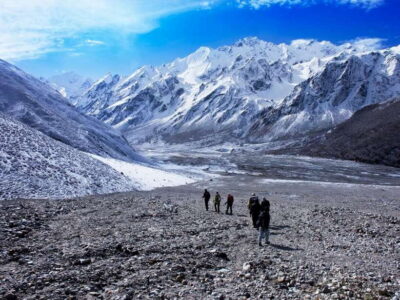
The trail continues from Lama Hotel to Langtang Village at 3,430 meters. Expect about six hours of walking through forests and meadows, with increasingly open views as you gain height.
This is one of the key days of the trek because the valley begins to feel more alpine. The change is gradual, which helps the route feel varied. You move from wooded trails toward more exposed mountain scenery, while the guide explains local culture and the plants and wildlife found along the route.
The elevation gain is also more serious here. Langtang Village is 1,050 meters higher than Lama Hotel, so you may feel the difference. The flexible itinerary helps, since you can stop for photos, breakfast, or extra rests. Even so, six hours on foot is a real day of walking.
A licensed English-speaking guide accompanies the group. The service is limited to a maximum of five trekkers per guide, which should make it easier to ask questions, adjust your pace, and get help if you are struggling.
A few more things to do in Kathmandu worth a look
- Everest Base Camp Trek – 14 Days
★ 5.0 · 1,499 reviews - Everest Base Camp Trekking
★ 5.0 · 485 reviews - Nagarkot Sunrise View and Day Hiking from Kathmandu
★ 5.0 · 471 reviews - Annapurna Circuit Trek with Tilicho Lake
★ 5.0 · 368 reviews
Day 4: Langtang Village to Kyanjin Gompa
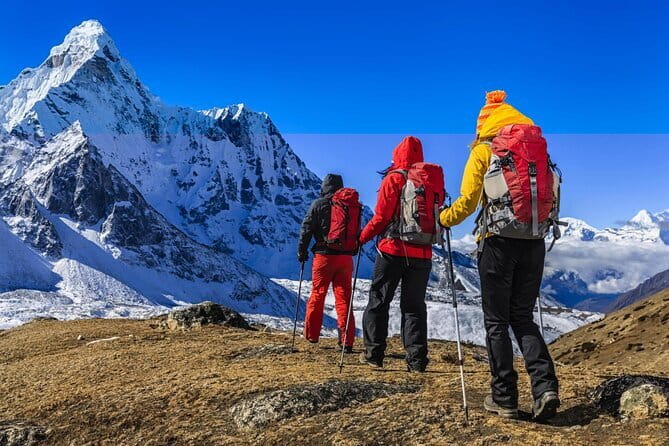
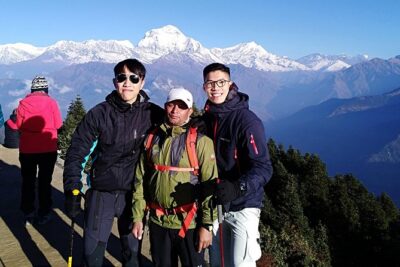
The walk to Kyanjin Gompa takes about four and a half hours, making it shorter than the previous day. You continue upward to 3,870 meters, with views toward Langtang Lirung and other high peaks.
This is the scenic centerpiece of the route. The shorter walking time gives you more room to enjoy the setting instead of simply trying to reach the next bed before dark. The schedule also leaves space for breaks and photographs.
Kyanjin Gompa is the highest overnight base on the trip. It is the place where you spend the most time looking at the high mountains and deciding how ambitious you want to be the next day.
Altitude affects people differently. The tour is presented as suitable for beginners, but suitable does not mean effortless. At nearly 3,900 meters, you should pay attention to how you feel, drink regularly, and use the slower pace to your advantage. The guide can help you make sensible choices, but you remain responsible for communicating if you feel unwell.
Day 5: A choice between Kyanjin Gompa and Tserko Ri
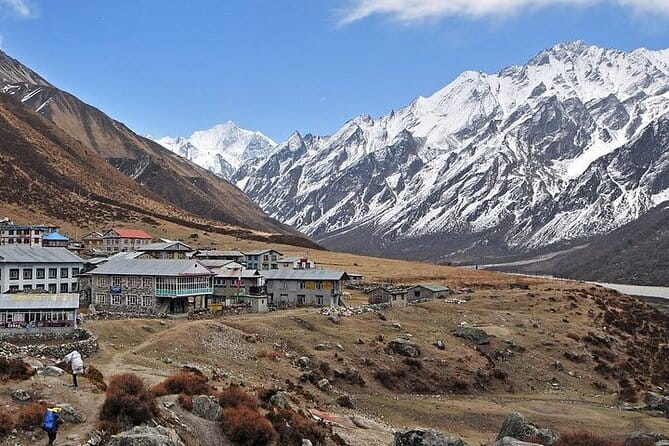
Day five is the most flexible and potentially the most demanding. You explore around Kyanjin Gompa and can attempt Tserko Ri, a high point at 4,984 meters.
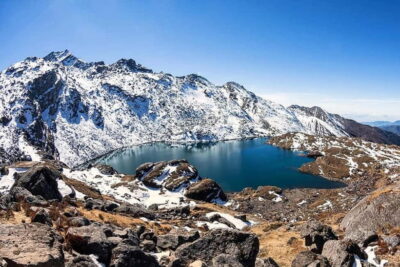
The reward is a 360-degree Himalayan view. On a clear day, this is likely to be the visual high point of the trip, with broad views across the surrounding peaks and glaciers. The climb is optional, so you can enjoy the area without taking on nearly 5,000 meters of elevation.
The schedule allows about seven hours for the day. That makes Tserko Ri a serious outing, not a casual stroll. The description does not provide a detailed route profile or a guaranteed summit time, so ask the operator about current trail conditions and the expected start time before you go.
I like that the itinerary does not make the summit mandatory. This is important for mixed groups and first-time trekkers. You can take a shorter walk, rest, enjoy breakfast, and spend time photographing the valley while stronger hikers attempt the peak.
The extra day at altitude also has practical value. Rather than climbing high and immediately descending, you get time to experience the upper valley at a slower pace. The main limit is weather, since mountain views depend on conditions you cannot control.
Days 6 and 7: Returning through Lama Hotel and Syabrubesi
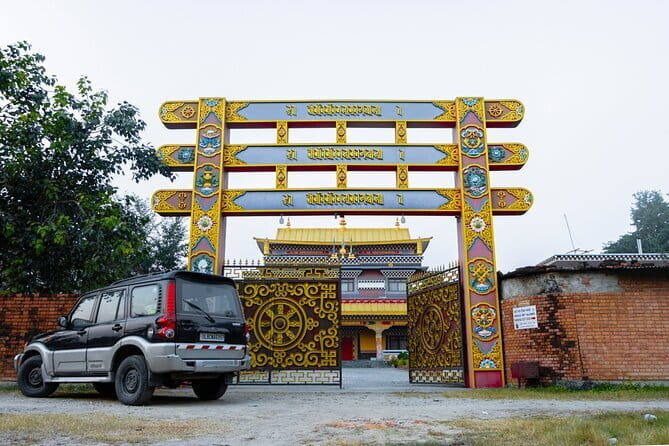
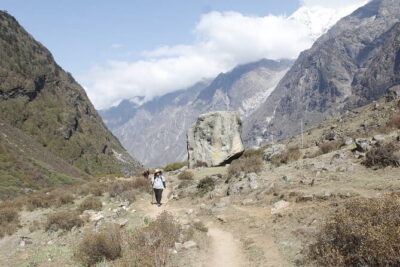
Day six retraces the trail from Kyanjin Gompa to Lama Hotel, a walk of about six hours. You lose altitude, passing back through the valley and the forest sections you saw on the way up.
Descending can feel easier on the lungs, but it still puts work on your knees. Trekking poles may be useful, though they are not listed among the included items. The return also gives you a chance to notice details missed during the uphill walk.
On day seven, you continue to Syabrubesi in about five hours. Rivers and forest accompany the route, and the trail finishes where the walking section began.
The repeated route is the clearest drawback of this itinerary. If you prefer a circular trek with new scenery every day, this will feel less varied. On the other hand, a return route keeps the planning simple and gives you more time in the Langtang Valley instead of adding complicated transport connections.
Day 8: Six hours back to Kathmandu
The final day is another roughly six-hour road journey to Kathmandu. You pass towns and mountain views while looking back on the trek.
This is not a sightseeing day with a long list of planned stops. It is mainly a transfer. Traffic and road conditions can affect the timing, so avoid scheduling an important evening flight too tightly around the return.
Pickup and drop-off are included, and the stated meeting point is Tribhuvan International Airport. You should send a passport copy after booking so the necessary documents can be prepared. The operator also recommends checking your phone and getting a local SIM card on arrival, useful advice for coordinating transport and staying in contact.
A cultural show and farewell dinner are included as part of the trip. These provide a pleasant finish, though the exact timing and format are not specified.
Teahouses, meals, and what the $270 price covers
The trek includes accommodation in teahouses along the route. Teahouse stays are a practical part of walking in Nepal: you sleep close to the trail and eat where you stop, rather than returning to Kathmandu each night.
Breakfast, lunch, and dinner are included during the trek, along with some seasonal fruit. The package lists eight lunches, seven breakfasts, and seven dinners. That covers the full walking schedule and the final return day’s lunch, but you should confirm the exact meal arrangement if your transport timing changes.
The package also includes the guide’s accommodation, meals, salary, and insurance. One English-speaking licensed guide can serve up to five trekkers. This is an important part of the price because guide costs can otherwise become a surprise.
Personal spending and bar bills are not included. Kathmandu accommodation is also extra, with three-star, four-star, and five-star hotel or resort options available at an additional cost. At $270, I see this as good value for a person who wants the main trekking costs bundled without paying for a luxury Kathmandu stay.
How flexible is the experience?
Flexibility is one of the stronger features. You can take extra breaks for photographs, breakfast, and refreshments, and the route can be adjusted around your interests and experience level.
That does not mean every part of the trip can be changed freely. The route still has fixed transport days and a fixed high point at Kyanjin Gompa. The return follows the same valley, and the group needs to move together within a reasonable schedule.
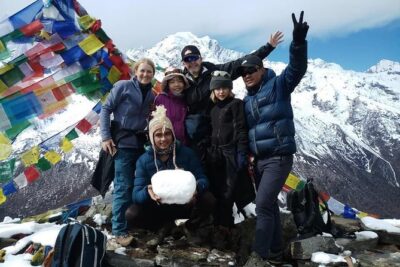
The private format means only your group participates. That can make a big difference if you are traveling alone, with a partner, or with a small family group. It also lets you discuss a slower pace or skip Tserko Ri without being tied to a large public group.
The available feedback places strong emphasis on personal care. Sobit, also spelled Sorbit in one account, helped a participant whose luggage failed to arrive in Kathmandu and even accompanied that person while shopping in Thamel. Another account highlights a warm welcome and close attention from Sobit, while Garap is praised for patience and support on a first high-altitude trek.
Those details point to the kind of service you should expect: practical help, clear guidance, and attention to individual needs. Still, guide assignment can vary, so confirm your guide’s name before departure if that matters to you.
Who should book this Langtang Valley trek?
This trip fits you best if you want a relatively short Himalayan trek with meals, lodging, transport, and guide services arranged in advance. It also suits a first-time trekker who wants support but does not want to join a large group.
You should be comfortable walking for five to seven hours on several days. You should also be ready for a major change in elevation, especially between Lama Hotel, Langtang Village, and Kyanjin Gompa.
The optional Tserko Ri hike makes the trip appealing to stronger walkers, while the flexible day at Kyanjin Gompa gives less experienced people a sensible alternative. Couples, solo trekkers, and small private groups can all use the customizable format.
It is less suitable if you want luxury throughout, a fully private vehicle, or a new route each day. Kathmandu hotels are extra, the road journeys are long, and teahouse trekking is a practical experience rather than a resort holiday.
Booking details and cancellation terms
Confirmation is provided when you book. The tour is offered as a private activity, and mobile tickets are available.
You can cancel at least 24 hours before the start time for a full refund. Cancellations or changes made within 24 hours are not accepted for a refund. The cutoff uses local Nepal time.
Most people can participate, but the operator advises beginners to walk at their own pace. Since the route reaches high altitude, be honest about your fitness and tell the guide promptly if you feel unwell.
Should you book it?
Book this trek if you want a well-supported eight-day route to Kyanjin Gompa at a modest price, with an optional high climb rather than a forced summit attempt. The guide ratio, included meals, teahouse lodging, transport, and flexible pace give it solid practical value.
Think twice if you dislike shared road transport, repeated trails, or basic mountain accommodation. Before paying, confirm the Kathmandu hotel cost, the guide assigned to your group, the transport arrangements, and the plan for Tserko Ri.
For a first Himalayan trek, this is a sensible package. It offers real mountain walking, strong scenery, and personal guide support without making the hardest climb compulsory.
FAQ
How long is the Langtang Valley trek?
The experience lasts approximately eight days, including the drives from Kathmandu to Syabrubesi and back.
Where does the trek start?
The listed meeting point is Tribhuvan International Airport in Kathmandu. The first travel day continues by shared jeep to Syabrubesi.
How much does the trek cost?
The listed price is $270 per person.
What meals are included?
Breakfast, lunch, and dinner are included during the trek, along with some seasonal fruit. The package lists eight lunches, seven breakfasts, and seven dinners.
Is accommodation included?
Teahouse accommodation along the trekking route is included. Hotel or resort accommodation in Kathmandu costs extra.
Is a guide included?
Yes. A licensed English-speaking trekking guide is included, with salary, meals, lodging, and insurance covered. One guide can lead up to five trekkers.
Is the Tserko Ri climb required?
No. The hike to Tserko Ri at 4,984 meters is optional. You can spend the day exploring or resting around Kyanjin Gompa instead.
Is the trek suitable for beginners?
The tour is designed for beginners as well as experienced trekkers. Beginners are advised to walk at their own pace to adjust to high-altitude conditions.
What is the cancellation policy?
You can cancel at least 24 hours before the experience begins for a full refund. Cancellations or changes made less than 24 hours before the start time are not refunded.
Just added in Kathmandu
- Traditional Momo Making Class★ 5.0 · 10 reviews
- Women Empowerment Project(Nepali cooking class & jewelry workshop★ 5.0 · 15 reviews
- Kathmandu 2 Nights 3 Days Chitwan Jungle Safari Tour★ 5.0 · 9 reviews
- Kathmandu to Pokhara Premium sofa bus ticket★ 4.0 · 17 reviews
- Walking tour of Kathmandu with awesome local guides★ 5.0 · 4 reviews
- Wildlife Adventure in Chitwan Nepal★ 4.0 · 4 reviews
- Regular Yoga for all levels of practitioners in Kathmandu★ 5.0 · 4 reviews
- Kathmandu Street Food Walking Tour – Eat Like a Local★ 5.0 · 3 reviews
Langtang Valley Treks, compared.
Trekking in Annapurna/Langtang/Everest/Upper Mustang regions
Read our review →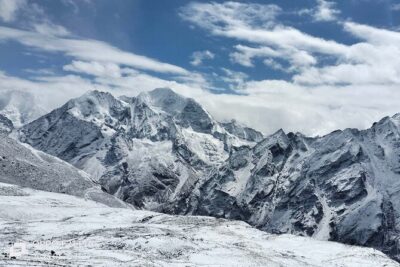
Browse the lists this tour appears in