
Reviewed · FOOD & DRINK
Kathmandu Food and Drink Walking Tour
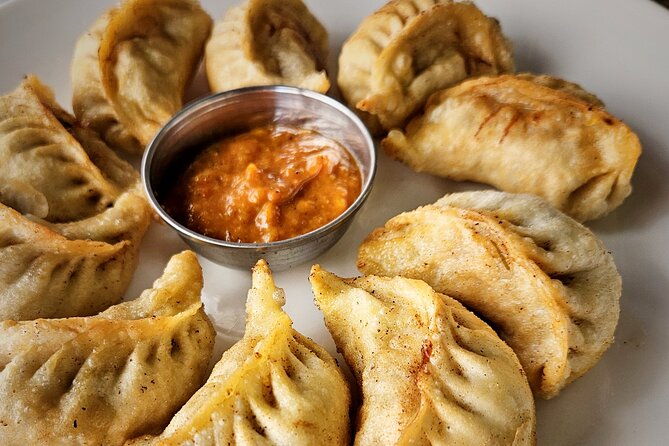
Kathmandu’s best introduction may begin with a plate, not a monument. This three-hour walk with Deepak Kushwaha takes you through Thamel, Asan, Jyatha and Chhetrapati, pairing local food with the sights, sounds and everyday movement of the old city. You may try momos, Newari dishes, noodles, pancakes, lassi, sugar cane juice and masala tea, with the exact lineup changing by day.
I like the generous amount of food and the way the route mixes restaurants with street stalls. I also like that Deepak explains what you are eating and connects dishes to Nepali culture, religion, festivals and regional traditions. The main drawback is practical: narrow lanes, tight staircases and plenty of walking make this a poor fit if you have mobility limits.
Key points at a glance
- Five to seven food stops: Expect more than a token tasting, with some past groups trying nine dishes.
- Four Kathmandu neighborhoods: Thamel, Asan, Jyatha and Chhetrapati each bring a different feel to the walk.
- Guide Deepak Kushwaha: He explains ingredients, customs, history and the places he chooses along the way.
- Vegetarian-friendly choices: Vegetarian food is available at every stop according to the tour details.
- Food and drinks included: The package covers snacks, meals, dessert-style items, tea or coffee and bottled water.
- A $36.21 introduction: The price is strong value if you want many tastings and a local orientation in one afternoon.
Why a Kathmandu food walk works so well
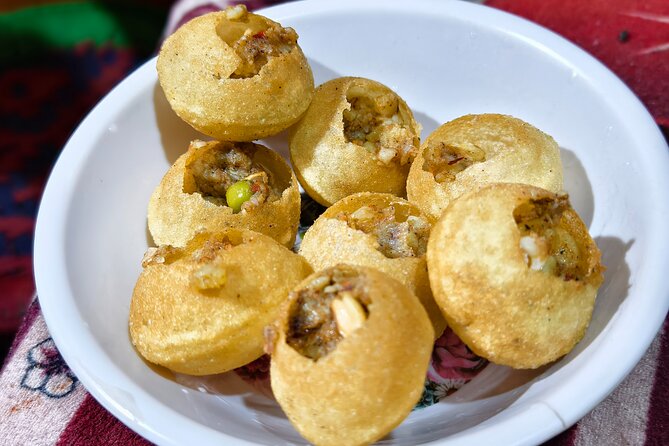
Food gives you a reason to enter parts of a city you might otherwise pass by. In Kathmandu, that matters. The streets around Thamel and Asan can feel chaotic, and the best food counters are not always easy to identify when you are new to Nepal.
Deepak acts as both guide and translator of the scene. He leads you to places you might not choose on your own, explains what is on the plate and keeps the walk moving through the city. I like this format because you get more than isolated tastings. You see where people shop, eat and meet, then understand how food fits into daily life.
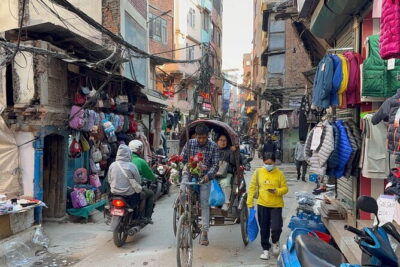
Do not picture a polished restaurant crawl. This is a walking tour through narrow lanes and crowded streets, with simple food stops rather than luxury dining. That is part of its value, but it also means you should be comfortable with a less controlled setting.
The experience lasts about three hours and begins at Kaiser Library on Kanti Path. It ends back at the same meeting point. A mobile ticket is provided, and pickup is offered in the tour information, but private transportation to and from the activity is not included. Check the precise arrangements when booking rather than assuming a vehicle will collect you.
A few more things to do in Kathmandu worth a look
- Kathmandu: Food and Drink Walking Tour
★ 4.9 · 119 reviews - Walking Street Food Tour in Kathmandu
★ 5.0 · 111 reviews - Secret Food Tour – Food Bites and Sights Kathmandu 14+ Testings
★ 5.0 · 82 reviews
Thamel: a lively first taste of Kathmandu
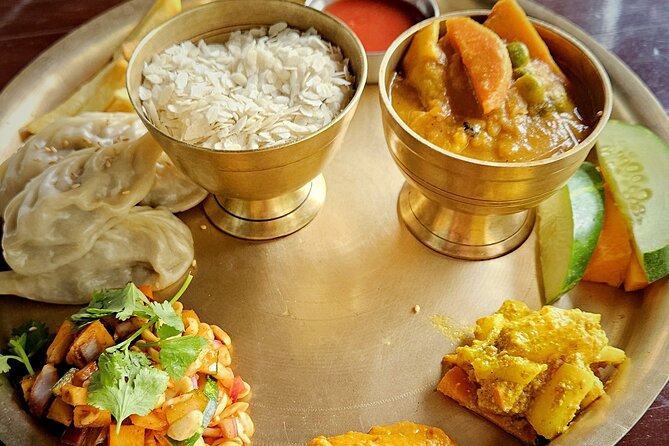
Thamel is usually the easiest place for visitors to recognize. It is Kathmandu’s main visitor district, packed with shops, restaurants, small lanes and people heading in every direction. The tour gives you a reason to look beyond the obvious restaurants and sample food in places you might not notice alone.
The Thamel portion is listed at about one hour. That makes it the longest early stop and gives you time to get comfortable with the pace. Deepak can explain the dishes as they arrive, answer questions and point out how local eating habits differ from what you may know at home.
This is also a good place to begin if you have just arrived in Kathmandu. You can ask about foods to seek out later, dishes to order cautiously and places you may want to revisit. One useful feature of a guide-led food walk is that you do not have to make every decision while still learning the basics.
The setting can be busy and noisy. If you want a quiet, sit-down meal with a carefully timed service, this is not that kind of outing. If you enjoy watching a city work around you, Thamel provides a lively start.
Asan: markets, spices and the daily food trade
The route then reaches Asan, one of central Kathmandu’s key market areas. The scheduled visit here lasts about 30 minutes, but the area adds an important piece of context to the meal.
Asan is where food feels tied to commerce. You may see ingredients, spices and daily shopping taking place around you, helping explain why Nepali cooking has such varied aromas and textures. The tour description specifically highlights Asan’s spices, and this is one of the places where the food story connects most clearly with the street scene.
I appreciate this kind of stop because it prevents the tour from becoming a string of restaurant visits. You are not only eating a dish. You are seeing the kind of neighborhood that supplies and supports the city’s cooking.
Keep your attention on the route. Streets here can be crowded, and the walk is not designed for slow, open sidewalk strolling. You will need to follow Deepak closely, especially if the group spreads out near food stalls or market activity.
Jyatha: a short stop with local flavor
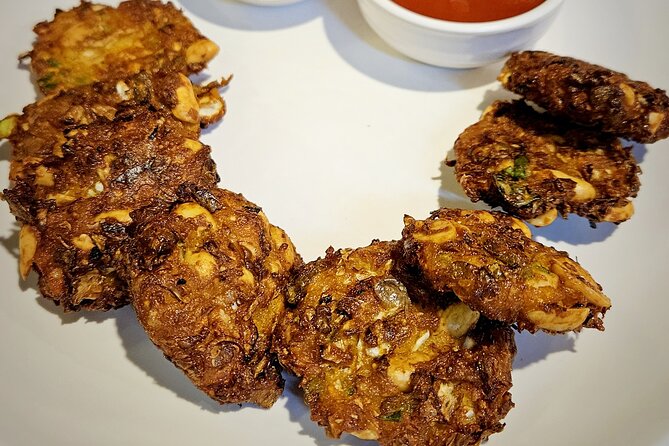
Jyatha receives about 30 minutes on the itinerary. It is a compact stop, but it helps link Thamel with the older lanes and food businesses around central Kathmandu.
The appeal here is discovery. Deepak takes you to food spots that may not look obvious from the street and explains what makes each item worth trying. The tour is not built around eating only one famous Nepali dish. It aims to show range, from familiar items such as momos to foods you may not have encountered before.
Some past groups have tried noodle soup, pancakes, Newari dishes, lassi, sugar cane juice and masala tea. The exact combination can change, so you should think of these as likely examples rather than a fixed menu.
That flexibility is useful. It allows the guide to choose places that are serving well on the day, though it also means you should not book expecting one guaranteed dish at one guaranteed restaurant. The tour’s strength is variety and local judgment, not a rigid tasting menu.
Same base, a different kind of day:
- Everest Base Camp Trek – 14 Days
★ 5.0 · 1,499 reviews - Private Kathmandu Sightseeing Tour | UNESCO World Heritage sites
★ 5.0 · 756 reviews - Everest Base Camp Helicopter Tour landing at Everest View Hotel
★ 5.0 · 668 reviews - Half day cooking class in Thamel kathmandu
★ 5.0 · 607 reviews
Chhetrapati: the longest look at older Kathmandu
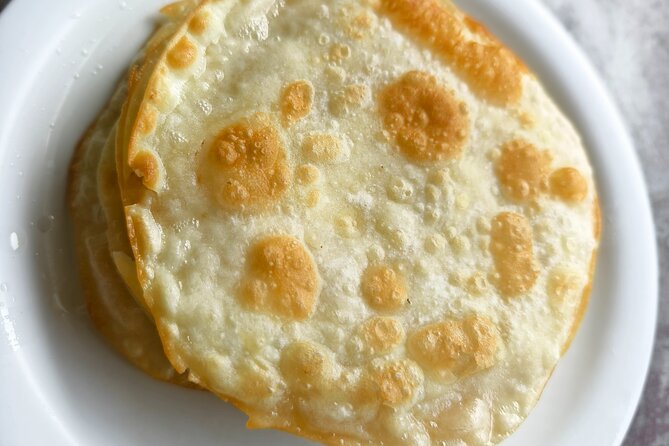
Chhetrapati gets about an hour, making it the second major section of the walk. This historic neighborhood brings more narrow streets and old alleyways, along with food traditions that have continued beside modern Kathmandu.
The route here is likely to feel less polished than a restaurant district aimed at international visitors. That is precisely why the stop can be rewarding. You see how food is served in ordinary places, and you can ask questions while the guide helps you understand unfamiliar flavors and customs.
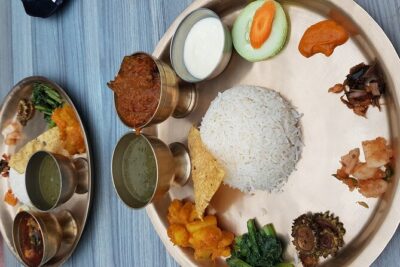
Newari food receives particular attention on the tour. One Newari dish has been a favorite for some participants, and the wider selection is designed to show that Nepali cuisine is much more than momos. Regional food traditions, religious practices and holiday foods all come into the conversation.
By this point, the amount of food becomes important. Several groups have described finishing with a very full stomach, and one account counted nine dishes across five stops. You should eat lightly before the tour. Arriving hungry is not a slogan here. It is sound planning.
What you may eat and drink
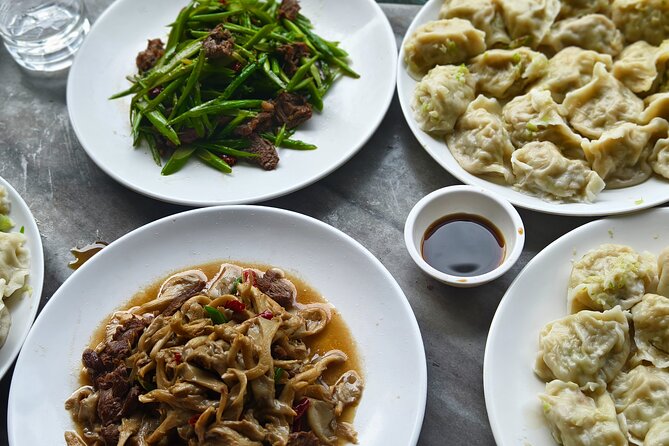
The included food is unusually broad for a $36.21 walking tour. The package lists snacks, brunch, lunch, dinner, coffee or tea and bottled water. That wording suggests the price is meant to cover a substantial series of tastings rather than one meal with a small sample.
The food examples give you a good sense of the range:
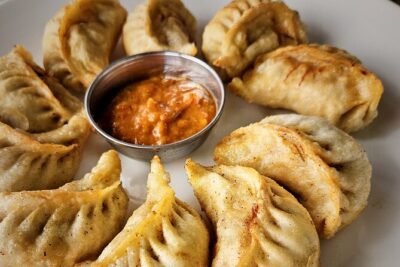
- Momo, a popular Nepali dumpling
- Newari dishes
- Noodle soup
- Pancake-style snacks
- Lassi
- Sugar cane juice
- Masala tea
- Dessert at the end of the route
The tour includes both restaurants and street food. That mix matters. Restaurant stops may offer a more settled place to sit and eat, while street stalls show you how food is sold and enjoyed in the city.
The guide also explains the background and benefits of certain foods. If you have dietary concerns, vegetarian options are available at all stops according to the tour details. Still, tell Deepak about your needs at the start, since the exact dishes and preparation can vary.
Food safety is a fair concern in Kathmandu. One of the practical benefits of a guide is that you are not left to guess which stalls or eateries are suitable for a first visit. This does not turn the walk into a luxury or sterile dining experience, but it gives you a more confident way to try local food.
Deepak’s role makes the difference

A food tour can be little more than a guide leading people from one plate to another. This one depends heavily on Deepak’s personal style, and the comments supplied about the tour repeatedly point to his warmth, humor and clear explanations.
He is described as friendly, easy to talk with and able to answer questions about Nepali history, politics, religion and culture as well as food. That broader knowledge helps because a dish rarely exists on its own. Ingredients, festivals, faith and family customs all shape what people eat.
I also like the practical follow-up offered after some tours. Deepak has sent photographs and a list of the dishes with descriptions, which can help you remember what you tried and order similar food later. This is especially useful if you are new to Nepali names and cannot keep track of every course during a full afternoon.
The group limit is listed as 100 people, though the experience can operate as a small-group walk. Ask about the expected group size if that matters to you. A smaller group will make it easier to hear explanations, ask questions and stay together in tight lanes.
Is $36.21 good value?
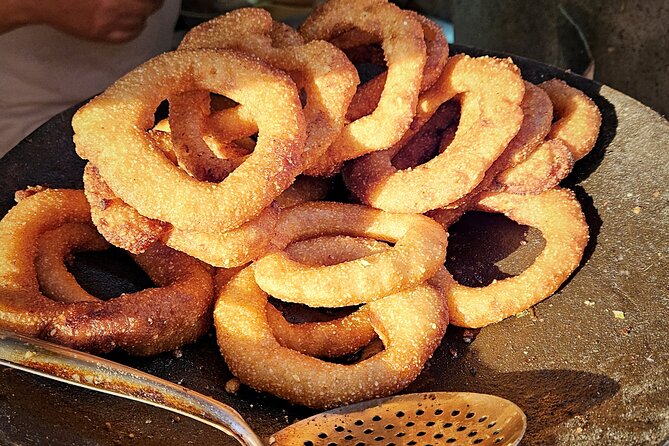
For $36.21 per person, the value is strong if you want food, orientation and local commentary in one outing. The price includes multiple tastings and drinks, and the portion sizes can add up to a proper meal or more.
You are also paying for access. A solo visitor could certainly eat in Kathmandu for less, but finding several distinct places, choosing unfamiliar dishes and understanding what you are eating takes time. Deepak’s route reduces that guesswork and gives you a starting point for the rest of your stay.
The value is weaker if you are looking for a refined culinary class, a quiet dining room or a carefully measured tasting menu. This is not a luxury food event. It is a practical, filling walk through working neighborhoods.
I would book it early in a Kathmandu visit. You can use the guide’s suggestions for later meals, and the tour can help you decide which dishes you want to seek out again. The route also works on a rainy afternoon, although the activity requires good weather and may be moved or canceled if conditions are poor.
Walking, comfort and timing
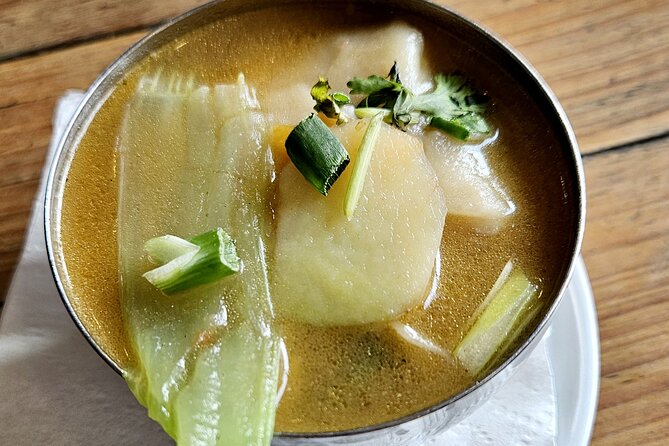
Wear shoes that can handle uneven streets and a steady three-hour walk. The route includes narrow lanes and tight staircases, so it is not suitable for people with significant mobility issues.
The start point is Kaiser Library, P878+H4G, Kanti Path, Kathmandu 44600. The tour returns there at the end. Public transportation is nearby, and a mobile ticket makes check-in simple.
The exact start time is not given here, but one afternoon departure at 3:45 pm has worked well for people who want to make the tour their main meal. If you choose a later departure, eat a modest breakfast or lunch first, then leave room for the tastings. The food can be surprisingly substantial.
Service animals are allowed, and most people can participate. The activity is not presented as a private tour, and the maximum listed capacity is 100 people. If you want a more personal pace, confirm the size of your departure before booking.
Who should book this Kathmandu food tour?
I would recommend it to first-time visitors who want a quick, tasty introduction to Kathmandu. It also suits repeat visitors who have tried the familiar dishes but want a guide to less obvious eateries and regional food.
It is especially good for:
- Curious eaters who want many small discoveries
- Vegetarians seeking several local choices
- Visitors who want cultural context with their meals
- People who enjoy walking through busy city neighborhoods
- Anyone who prefers a generous meal over a formal tasting menu
I would think twice if you have mobility limits, dislike crowded streets or need strict control over ingredients. The route is active, the food is varied and the setting is informal. You should also check the cancellation terms: cancel at least 24 hours before the start for a full refund. Changes or cancellations inside that window are not refunded, and poor weather may lead to a new date or full refund.
Should you book it?
Book this tour if you want to eat widely, walk through central Kathmandu and learn what sits behind the food. Deepak’s personal guidance, the mix of street stalls and restaurants, and the large amount of included food make $36.21 a sensible price.
Skip it if you want a short, polished restaurant meal or a fixed menu with no surprises. For everyone else, the best plan is simple: wear comfortable shoes, arrive hungry and let the route introduce you to Kathmandu one dish at a time.
FAQ
How long is the Kathmandu Food and Drink Walking Tour?
The tour lasts approximately three hours.
Where does the tour start?
It starts at Kaiser Library, P878+H4G, Kanti Path, Kathmandu 44600, Nepal.
Where does the tour finish?
The activity ends back at the meeting point at Kaiser Library.
What neighborhoods does the tour visit?
The route includes Thamel, Asan, Jyatha and Chhetrapati.
What food and drinks are included?
The inclusions list snacks, brunch, dinner, lunch, coffee or tea and bottled water. Food examples associated with the tour include momos, Newari dishes, noodle soup, pancakes, lassi, sugar cane juice, masala tea and dessert.
Are vegetarian options available?
Yes. Vegetarian options are available at all stops.
Is transportation included?
Private transportation pickup and drop-off are not included. The meeting point is near public transportation, and pickup is offered in the tour information, so confirm the exact arrangement when booking.
Is the tour suitable for people with mobility issues?
The route includes walking through narrow lanes and tight staircases. It may not suit people with mobility issues.
What is the cancellation policy?
You can cancel at least 24 hours before the start time for a full refund. Cancellations or changes made less than 24 hours before the start are not refunded. If poor weather cancels the activity, you will be offered another date or a full refund.
More Walking Tours in Kathmandu
- Kathmandu Walking Tour
★ 5.0 · 36 reviews - Old Kathmandu Walking Tour, Historic World Heritage Durbar Square
★ 5.0 · 22 reviews - Smells of Kathmandu Walking Day Tour
★ 5.0 · 20 reviews - Kathmandu: Guided Walking Tour with Monkey Temple
★ 5.0 · 18 reviews
Just added in Kathmandu
- Kathmandu to Chitwan Tour by Tourist Bus – A Convenient and Affordable Way★ 4.0 · 4 reviews
- Chitwan Jungle Safari 3-Day Tour★ 5.0 · 9 reviews
- Changunarayan Hill to Telkot Hike Near Kathmandu Day Tour★ 5.0 · 6 reviews
- Mt Everest Base CampTrek | Budget Package★ 5.0 · 4 reviews
- Chandragiri Hill Station Tour by Cable Car★ 5.0 · 4 reviews
- Chandragiri Hills cable car day trip, private car with driver from Kathmandu★ 5.0 · 8 reviews
- Chandragiri to Taudaha Nature Day Hiking from Kathmandu★ 5.0 · 13 reviews
- Chandragiri Cable Car & Monkey Temple Private Guided Day Tour★ 5.0 · 5 reviews
Food & Drink, compared.

Secret Food Tour – Food Bites and Sights Kathmandu 14+ Testings
Read our review →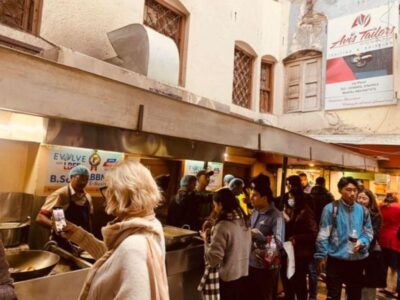
Kathmandu Food & Drink and Shopping Rickshaw Tour
Read our review →
Walking Food Tour in Hidden Local Eateries of Kathmandu
Read our review →
Taste Nepali Food & Drink- Walking Tour in Thamel
Read our review →Browse the lists this tour appears in