Reviewed · TOURS IN KATHMANDU
Full Day Guided Tour in Kathmandu
Kathmandu’s great strength is how much culture fits into one day. This tour links Patan Durbar Square, Pashupatinath, Boudhanath, and Swayambhunath, giving you palaces, Hindu ritual, Tibetan Buddhist practice, and hilltop views in one tidy outing. It is a useful first look at the Kathmandu Valley rather than a slow, scholarly examination of each place.
I like the hotel pickup and private vehicle arrangement, since Kathmandu traffic can make independent sightseeing tiring. I also like the steady pace, which guide Jaya adjusted for one group that wanted a slightly later start. The main catch is the low advertised price: the $20 attraction fee is extra, and the 4 to 6 hour schedule can feel short if you want to linger at every stop.
Four places, one compact Kathmandu day
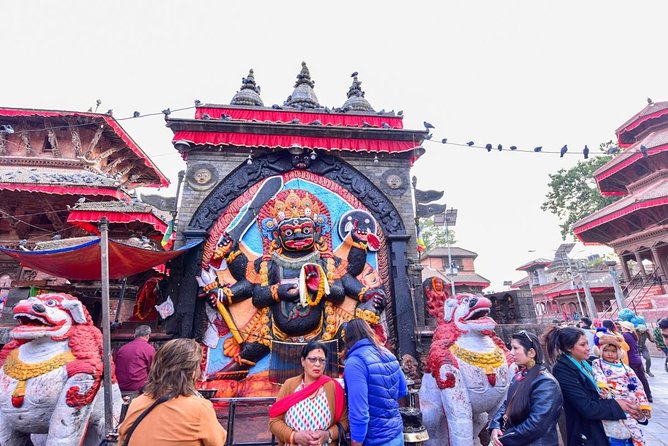
- Patan Durbar Square: See former royal courtyards, temples, and finely carved Newar woodwork.
- Pashupatinath Temple: Observe one of Nepal’s most important Hindu pilgrimage sites beside the river.
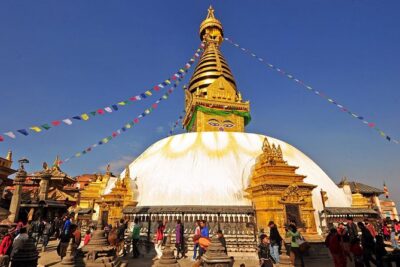
- Boudhanath Stupa: Walk around the huge white dome, turn prayer wheels, and learn about Buddhist practice.
- Swayambhunath: Climb to the hilltop stupa for Kathmandu views, with monkeys often adding comic relief.
- Licensed local guide: A guide gives context to ceremonies, carvings, religious customs, and the sites’ continuing role.
- Simple transport plan: Hotel pickup, a car, jeep, or van, bottled purified water, and hotel drop-off are included.
What this Kathmandu circuit really offers
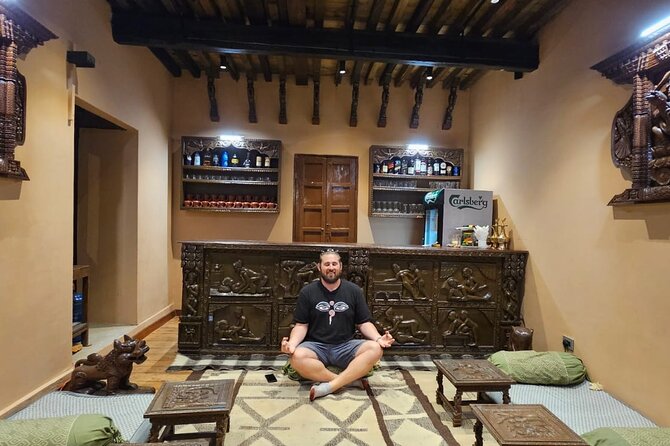
This is a sightseeing sampler with a strong cultural focus. You are not signing up for a trek, a cooking class, or a long walking tour. You are moving between four major sites by road, then exploring each on foot with a guide.
That format matters in Kathmandu. The sites are spread around the valley, and getting between them without local help can take patience. A vehicle lets you save energy for the squares, courtyards, temple grounds, and stairs rather than spending the day working out transport.
The group may contain up to 15 people. That is small enough to keep the day manageable, though it is not the same as having a private guide. If your group is larger than a few people, stay near the guide at each stop and ask questions promptly.
The tour begins at 9:15 am and usually takes about four to six hours. The phrase full day is a little generous for that timetable. Think of it as a substantial half-day outing that can stretch toward lunch, depending on traffic and how long your group spends at each place.
A few more things to do in Kathmandu worth a look
- Kathmandu: Full Day 7 UNESCO Tour with Lunch – Private/Group
★ 5.0 · 415 reviews - Kathmandu: Full Day Top 4 UNESCO Tour with Lunch – Private/Group
★ 5.0 · 269 reviews - Kathmandu: Full-Day 7 UNESCO Tour with Lunch – Private/Group
★ 4.9 · 247 reviews
Patan Durbar Square and the art of the Kathmandu Valley
Patan is the strongest opening stop for many people because it brings Nepal’s royal and artistic traditions together in a walkable historic setting. You can expect old palace courtyards, temples, and detailed carvings that show the skill of Newar artists.
The appeal is in the close-up details. Look at the wood, metal, and stone work rather than simply counting buildings. A good guide can explain how the square functioned as a royal center and point out features you could easily miss while taking photographs.
The itinerary allows about two hours here, the longest stop of the day. That is sensible. Patan needs time for its courtyards and temples, and it gives you a chance to settle into the rhythm of the tour before moving on.
Patan is also a place where ceremonies may take place. Religious activity is part of the site’s life, not a performance arranged for sightseeing. If you encounter a ceremony, observe quietly, follow the guide’s instructions, and ask before taking close photographs.
Admission is not included. The stated total for attraction entries is $20 per person, so add that amount to the $5 tour price when working out the real cost. The exact way that fee is allocated among the stops is not specified, so carry enough money for admission and small personal expenses.
Pashupatinath beside the sacred river
Pashupatinath changes the tone of the day. Patan focuses on architecture and royal heritage. Pashupatinath is an active Hindu religious center where prayer, offerings, and funeral traditions remain part of daily life.
The temple sits beside a river, and the visit is meant to help you understand Hindu customs in Nepal. You may see people praying or making offerings. The tour description also refers to funeral flames, a sight that can be powerful and emotionally difficult.
This is the stop where manners matter most. Keep your voice low, follow local restrictions, and do not treat private religious moments as a photo opportunity. Ask the guide where photography is allowed. You can learn more by watching carefully than by pushing close to a ceremony.
The planned visit lasts about one hour. That gives you enough time to see the main setting and hear an explanation, but not enough for a slow, detailed examination of every corner. The shorter stop can be a benefit here, especially if you prefer a respectful introduction rather than a long period around solemn rituals.
Pashupatinath is also a good example of why a licensed guide adds value. Without context, the river, temple buildings, offerings, and cremation activity can be hard to interpret. With an explanation, the visit becomes a lesson in how faith is practiced, not just a collection of striking scenes.
Boudhanath and the rhythm of the prayer wheels
At Boudhanath, the mood turns toward Tibetan Buddhist practice. The great white stupa is the visual center, with prayer wheels and people walking around it in a ritual circuit.
Take your time with the direction of the walk and watch how people use the site. You can turn the prayer wheels as you move, but do so respectfully and avoid interrupting anyone who is praying. The point is not to rush up, take one photograph, and leave. The circular movement gives this stop a calm rhythm after Kathmandu’s traffic.
The schedule allows about one hour. That should cover a walk around the stupa, time for photographs, and an explanation of Buddhist customs. The guide may also take you to meet monks and discuss their lives and practice. The information does not promise a formal teaching session, so treat that as a possible part of the visit rather than a guaranteed private meeting.
Boudhanath is especially useful if this is your first visit to Nepal. You see a living religious site rather than a museum display. The white dome, painted details, prayer wheels, and chanting create an experience that is easy to remember, but the guide helps connect those sights to the beliefs behind them.
As with the other stops, entry costs extra. Keep in mind that the $20 admission estimate is separate from the $5 tour fare. Food and drinks are also not included, so do not assume lunch or refreshments are part of the package.
Same base, a different kind of day:
- Everest Base Camp Trek – 14 Days
★ 5.0 · 1,499 reviews - Private Kathmandu Sightseeing Tour | UNESCO World Heritage sites
★ 5.0 · 756 reviews - Everest Base Camp Helicopter Tour landing at Everest View Hotel
★ 5.0 · 668 reviews - Half day cooking class in Thamel kathmandu
★ 5.0 · 607 reviews
Swayambhunath, stairs, monkeys, and city views
The final stop is Swayambhunath, an ancient stupa on a hill above Kathmandu. Reaching it involves stairs, and the setting can be lively, with monkeys around the temple area. The monkeys are part of the character of the place, but give them space and keep a close eye on personal belongings.
The climb may be the most physically demanding part of the tour. The information says most people can participate, but it does not give a stair count or promise an easier route. If stairs are difficult for you, ask the operator before booking for current practical guidance.
The reward is the view over Kathmandu. From the hilltop, you get a broader sense of the city and valley after spending the day among courtyards and religious buildings. This is a fitting final stop because it lets you look outward after concentrating on architectural and religious detail.
A back route is mentioned as part of the experience, with the guide pointing out less obvious features and sharing stories along the way. Do not expect an untouched secret trail. The value is more modest and more useful: a local guide may help you notice details beyond the main approach.
The planned visit is about one hour. By this point, the compact schedule can work in your favor. You have already seen several major sites, and Swayambhunath provides a final view without requiring another long stop.
Why the guide matters here
The sites are impressive on their own, but the day depends heavily on the guide’s ability to connect them. Patan, Pashupatinath, Boudhanath, and Swayambhunath represent different parts of Nepal’s religious and cultural life. Without explanation, the tour risks becoming four unrelated photo stops.
The operator provides a government-licensed guide. One named guide connected with the tour is Jaya, who was praised for keeping a comfortable pace and agreeing to a slightly later start for one group. That detail is useful because it suggests some room for practical conversation, though you should not assume every start-time change will be approved.
The strongest praise centers on friendly guiding, clear cultural explanation, and the sense that the day is worth the price. That matches the design of the tour. It is built for someone who wants a broad introduction and prefers having the major decisions handled by a local professional.
Ask questions as you go. The guide can explain what you are seeing, but the quality of your day will also improve if you say what interests you most. You might care more about architecture, Hindu ritual, Buddhist customs, photography, or local history. A short tour cannot cover everything, so speaking up helps shape the time you have.
The real cost and what you receive
The advertised price is $5 per person, which is unusually low for a guided vehicle tour. The included services help explain the appeal: hotel pickup and drop-off, transport by car, jeep, or van according to group size, a licensed guide, purified drinking water, taxes, and office service charges.
The important budget detail is the separate $20 entry fee per person. Food, drinks, tips, gratuities, and personal expenses also fall outside the price. That makes the real outing cost higher than the headline fare, but it can still be good value if you want four major sites handled in one organized route.
The low tour fee should not lead you to expect a luxury car or a private schedule. Vehicle type depends on the number of people, and the group can reach 15. If you want complete control over stop lengths, a private tour would be a different product, not something this description promises.
Group discounts are available, though no discount amount is stated. Ask for the current rate if you are booking for several people. The mobile ticket makes it easy to keep confirmation details on your phone.
Timing, comfort, and practical planning
Plan for a 9:15 am pickup and a total outing of four to six hours. Traffic can affect the day, and the route includes four busy cultural sites, so leave some flexibility around any later appointment.
Wear comfortable shoes. Patan involves walking through historic courtyards, Pashupatinath requires time on foot, Boudhanath is best experienced by walking around the stupa, and Swayambhunath includes stairs.
Carry water beyond the included purified drinking water if you prefer frequent drinks, and bring modest clothing suitable for religious sites. The information does not list a dress code, but respectful clothing and behavior are sensible at both Hindu and Buddhist sites.
Service animals are allowed, and the tour is near public transportation. Most people can participate. Still, the stairs at Swayambhunath and the amount of walking are worth considering before you book.
Free cancellation is available if you cancel at least 24 hours before the local start time. Changes or cancellations inside that window are not accepted for a refund. The tour requires good weather, and if poor weather cancels it, you are offered another date or a full refund.
Who should book this four-site tour
I would choose this experience if I had limited time in Kathmandu and wanted the main cultural sights in one outing. It is also a sensible first-day plan for someone who wants local orientation before exploring independently.
It suits people who like a moderate pace. One group found that visiting four sites in a day was enough for an easy-paced city tour, and that is a fair description. You get a meaningful introduction without trying to cover every temple in the valley.
It is less suitable if you want long, quiet visits, detailed photography time, or a full day at only one or two locations. The 4 to 6 hour schedule moves on before you can study every carving or courtyard.
The tour also fits families and mixed-interest groups because each stop offers something different. History fans get Patan, religious culture appears at Pashupatinath and Boudhanath, and Swayambhunath adds views and a little monkey drama.
Should you book it?
Book it if you want an inexpensive, organized introduction to Kathmandu’s four major cultural sights, with hotel transport and a licensed guide taking care of the route. The strongest reasons are the variety, the friendly pacing associated with guide Jaya, and the chance to see both Hindu and Buddhist traditions in one day.
Before booking, budget for the separate $20 entry fee, food, drinks, and gratuities. Also accept that this is a compact overview, not an unhurried private exploration. For a first visit or a short stay, I think the practical value is strong, as long as you judge the $5 price together with the extra costs and keep your expectations focused on a well-guided introduction.
FAQ
What time does the tour start?
The stated start time is 9:15 am.
How long does the experience last?
The tour lasts approximately four to six hours.
Which places are included?
The route includes Patan Durbar Square, Pashupatinath Temple, Boudhanath Stupa, and Swayambhunath.
Is hotel pickup included?
Yes. Pickup from and drop-off to your hotel are included.
Are attraction entry fees included?
No. Sightseeing admission fees are listed separately at $20 per person.
Is food included?
No. Food and drinks are not included in the tour price.
What is the cancellation policy?
You can cancel at least 24 hours before the local start time for a full refund. Cancellations or changes made less than 24 hours before the start are not accepted for a refund.
Just added in Kathmandu
- Kathmandu to Chitwan Tour by Tourist Bus – A Convenient and Affordable Way★ 4.0 · 4 reviews
- Changunarayan Hill to Telkot Hike Near Kathmandu Day Tour★ 5.0 · 6 reviews
- Mt Everest Base CampTrek | Budget Package★ 5.0 · 4 reviews
- Chitwan Jungle Safari 3-Day Tour★ 5.0 · 9 reviews
- Chandragiri Hill Station Tour by Cable Car★ 5.0 · 4 reviews
- Chandragiri Hills cable car day trip, private car with driver from Kathmandu★ 5.0 · 8 reviews
- Chandragiri to Taudaha Nature Day Hiking from Kathmandu★ 5.0 · 13 reviews
- Chandragiri Cable Car & Monkey Temple Private Guided Day Tour★ 5.0 · 5 reviews
Tours in Kathmandu, compared.
Private Kathmandu Sightseeing Tour | UNESCO World Heritage sites
Read our review →
Everest Base Camp Helicopter Tour landing at Everest View Hotel
Read our review →
Nagarkot Sunrise View and Day Hiking from Kathmandu
Read our review →
Full Day 7 UNESCO Tour with Lunch – Private/Group
Read our review →