
Reviewed · EVEREST BASE CAMP TREKS
Everest Base Camp Helicopter Tour
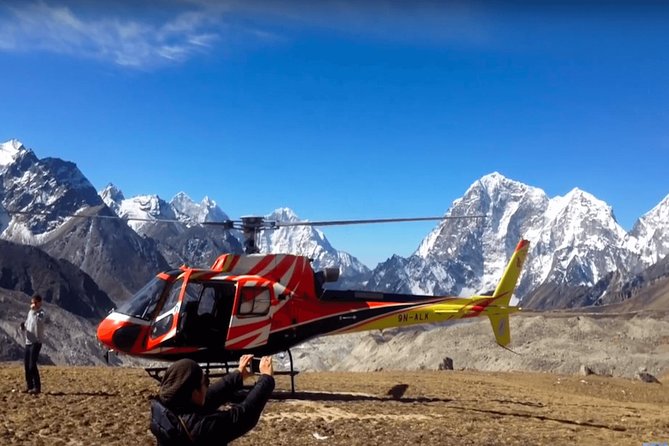
The big draw is simple: you can see Mount Everest and the Khumbu peaks in one morning, without spending two weeks on the trail. The flight heads from Kathmandu toward Lukla, Pheriche, and the Everest Base Camp area, with a possible landing at Base Camp or Kalapatthar if the helipad and weather permit.
I like the small maximum group of six, and I like the chance to stop at Hotel Everest View for breakfast above the valley. The main catch is the price: at $1,700, this is a serious splurge, and the flight can be delayed, changed, or canceled when mountain weather turns poor.
Key points to know before booking
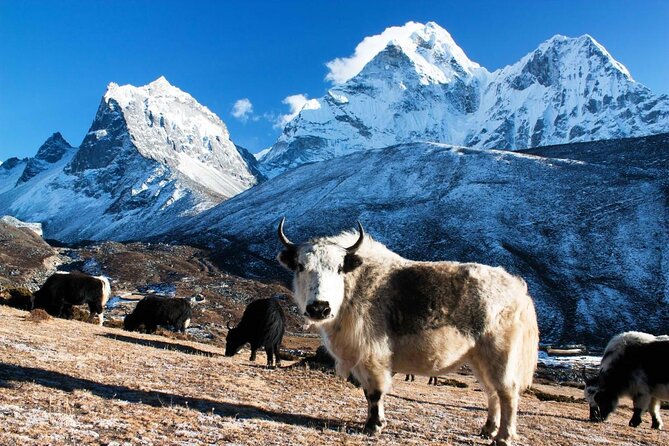
- A four to six-hour mountain flight begins with hotel pickup and starts around 7:15 am.
- Lukla is a fuel stop, not a sightseeing stop, but it gives you a quick look at the airport used by Everest trekkers.
- Pheriche may be used to split the group, helping passengers get window seats during the Everest portion of the flight.
- Base Camp or Kalapatthar landing is weather dependent, so treat it as a possibility rather than a guarantee.
- Hotel Everest View breakfast costs about $31, and the stop normally lasts around an hour if conditions are good.
- National park, airport, and Khumbu village fees add about $50, while food and drinks are extra.
Why this flight makes sense for some visitors
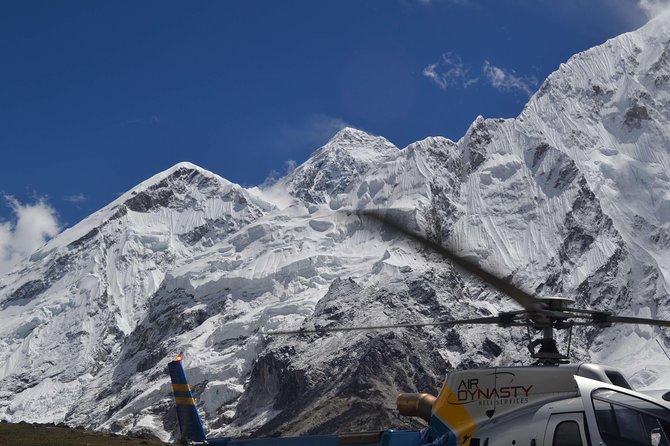
An Everest Base Camp helicopter tour is not a substitute for trekking to Everest Base Camp. It is a fast mountain flight that gives you access to views most people reach only after days of walking, altitude adjustment, and nights in mountain lodges.
That difference matters. If you have limited time in Nepal, a helicopter lets you see the Everest region from above and still return to Kathmandu the same day. If you cannot manage a long trek, this may be the most practical way to see the famous peaks in person.
I also see value for people who have already trekked elsewhere in Nepal but want one clear look at Everest. You get the high valleys, glacier country, steep ridges, and famous peaks without committing your entire holiday to the trail.
The drawbacks are just as clear. The tour costs $1,700, before some fees and optional breakfast. Weather can change the route or cancel the flight. You also spend much of the morning in a helicopter, so the experience is about views and access, not village life or a slow walk through the Himalaya.
Other treks that start from Kathmandu:
- Everest Base Camp Trek – 14 Days
★ 5.0 · 1,499 reviews - Everest Base Camp Helicopter Tour landing at Everest View Hotel
★ 5.0 · 668 reviews - Everest Base Camp Trekking
★ 5.0 · 485 reviews
Kathmandu to Lukla: the early start
The day begins with hotel pickup and a meeting time of about 7:15 am. Give the operator your hotel name and address in advance so the pickup time can be arranged. The tour starts from Tribhuvan International Airport, and the return to Kathmandu also uses the airport.
The early departure is useful. Mountain visibility is often the key factor in making the trip worthwhile, and the schedule aims to reach the Everest area during the morning. Still, you should keep your day flexible. The stated duration is about four to six hours, but mountain flights do not always run like city bus routes.
The aircraft is listed as an Airbus H125, also described as a Eurocopter 350 model. You fly with a pilot and, on a shared trip, up to five other passengers. A private flight is also available, giving you more control over the group and budget.
There is a stated passenger weight limit of 209 pounds, or 95 kilograms. The information also says passengers over 100 kilograms may need to pay extra, so you should give your accurate weight when booking. This is a safety and aircraft-balance issue, not a minor formality.
Lukla fuel stop: ten minutes on Everest’s doorstep
The helicopter makes a short stop at Lukla, usually about ten minutes, to refuel. Lukla is important because it serves as the normal starting point for many Everest treks, but this tour does not give you a long visit there.
You may step out while fuel is handled, but do not expect a full airport tour or time to explore the town. The value of this stop is practical: the helicopter needs fuel for the high mountain route, and Lukla provides the link between Kathmandu and the Everest region.
For anyone who has considered trekking to Base Camp, Lukla also gives the route some context. This is where many people begin the long walk toward Namche Bazaar, Tengboche, Dingboche, and beyond. On this flight, you see the beginning of that route from the air and then continue much farther in a short time.
Pheriche and the window-seat question
Pheriche is listed as a possible group-splitting point when more than three people fly together. The stated plan is to fly two passengers first, then three, so everyone receives a window seat for the Everest Base Camp portion.
That detail is more important than it may sound. From a helicopter, the window position can make a major difference. A middle seat gives you less room to photograph and a more limited view of the peaks, ridges, and glaciers.
The arrangement may add time, but it is a sensible trade. On a shared flight with five or six passengers, you should not assume everyone will have the same view at the same moment. The operator describes this split as a way to guarantee window seats during the key portion of the trip.
Pheriche itself is associated with the high trekking route, but the supplied schedule does not promise a sightseeing walk or extended landing there. Think of it mainly as a flight point and possible group-organization stop.
More flights over the high peaks from Kathmandu:
- Everest Base Camp Helicopter Tour landing at Hotel Everest View
★ 5.0 · 218 reviews - Everest Base Camp Trek with Helicopter Return from Gorakshep to Lukla
★ 5.0 · 161 reviews - Everest Base Camp helicopter tour with landing
★ 5.0 · 61 reviews - Everest Base Camp Helicopter Tour with Hotel Everest View Landing
★ 5.0 · 52 reviews
Everest Base Camp, Kalapatthar, and the main view
This is the part you are paying for. The helicopter flies over the Everest Base Camp area and aims for the highest practical viewpoint in the region. Depending on the helipad condition, the flight may land at Base Camp or Kalapatthar.
That wording deserves careful attention. A Base Camp or Kalapatthar landing is not guaranteed. High-altitude weather, wind, visibility, and helipad conditions control where the pilot can safely land. The itinerary also describes a flyover, so you should be prepared for the possibility that you see the area from the air rather than step out at the exact point you imagined.
Even from above, the view should be the tour’s strongest feature. The route is designed to show Mount Everest, Mount Pumori, Lhotse, and Nuptse. The operator specifically highlights the chance to take photographs and video during the flyover.
Use the flight time wisely. Keep your phone or camera ready, but do not spend the whole trip staring at a screen. The mountain light and view can change quickly, and some of the best moments may arrive between the planned photo stops.
The high point is also cold. You are advised to bring warm clothing, with temperatures around minus 5 degrees Celsius in summer and minus 10 degrees Celsius in winter at the higher points. Those figures are a useful warning. Even if Kathmandu feels mild when you leave, the mountain landing can feel severe.
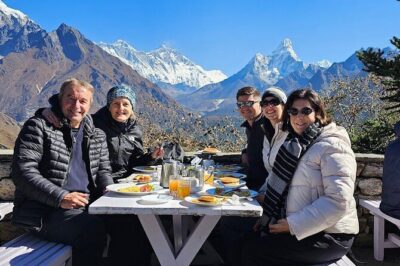
Breakfast at Hotel Everest View
After the Everest portion, the helicopter makes a breakfast stop at the Hotel Everest View in the Syangboche area, subject to weather. The stop normally lasts about one hour.
This is a strong feature because it gives you time on the ground rather than only a series of aerial views. You can pause, take in the mountains, and have breakfast at a high-altitude hotel. The breakfast is optional and costs about $31 per person.
The meal is not included in the tour price, so bring enough money if you want it. Food and drinks are listed as extra, and the stop may not happen if conditions are poor.
I would treat this as a pleasant bonus, not the central reason to book. The main value is the Everest flight. Still, a one-hour stop at Hotel Everest View helps break up the helicopter ride and gives you a more physical sense of the altitude and setting.
The return to Kathmandu
The return normally takes about an hour from the Hotel Everest View area to Kathmandu via Lukla. The captain may instead fly directly, depending on fuel conditions.
That flexibility is sensible, but it means the exact return route is not fixed. The schedule can also shift because the pilot must respond to weather and aircraft needs. Keep your plans after the tour loose, especially if you have a tightly timed connection.
The listed total duration is four to six hours. That includes the flight, the Lukla fuel stop, any group split, the Everest viewing section, and the possible breakfast stop. The experience is described in some places with a flight time of one to two minutes, but that should not be read as the total helicopter ride. The full outing is a morning excursion lasting several hours.
Is $1,700 good value?
At $1,700, this is expensive by ordinary sightseeing standards. You are paying for a specialized aircraft, a pilot, fuel, access to a remote high-altitude area, hotel transfers, and the chance to see Everest without a long trek.
For a person with only a few days in Nepal, the price may make sense. A traditional Everest Base Camp trek requires far more time, planning, walking, and altitude adjustment. This flight compresses the mountain experience into a single morning.
The value is weaker if you are already planning a full Everest trek. In that case, the helicopter flight may duplicate views and places you will experience on foot, although the aerial perspective is different.
Budget for the extra charges. National park, airport tax, and Khumbu village development fees total about $50. Breakfast at Hotel Everest View is another $31, and food and drinks are not included.
The shared option should be the better value if you are comfortable flying with others. A private option makes more sense for a family or group that wants control over the seating and schedule, but the supplied details do not give a private-tour price.
Guides, planning, and what the reviews tell me
The named guides connected with the operator include Bishal, Bashu, Devendra, Dipendra, and Mohan. The strongest praise is directed at communication, care, local explanation, and organization.
Bishal is described as explaining Kathmandu temples, myths, and legends in detail. Bashu is praised for looking after the group in the Everest region and for knowing the area well. Devendra is noted for frequent communication and careful arrangements, while Dipendra is described as experienced. Mohan receives praise for bringing Kathmandu and Mount Everest to life through regional history and guidance.
Those comments come mainly from wider Nepal trips, including treks and cultural visits, rather than this exact helicopter flight. I would not use them as proof of what every flight will be like, but they do give you useful names to ask about when confirming your booking.
The operator asks you to send all possible dates so the flight can be arranged for a suitable day. That is good advice. Do not treat the first available date as sacred if your schedule allows flexibility. A clear mountain day is worth more than a rushed booking on a poor-weather morning.
You need a passport copy, but the original is not required. A photo of the passport on your phone is accepted. The tour is not recommended for children under 10, and a moderate level of physical fitness is required. You are not trekking, but you still need to manage an early start, helicopter travel, cold conditions, and possible high-altitude stops.
Weather, cancellations, and practical risks
Weather is the deciding factor. If poor weather cancels the experience, you are offered another date or a full refund. The same applies if the minimum number of passengers is not reached.
The normal cancellation policy is strict. The booking is non-refundable and cannot be changed for personal reasons, so you should avoid reserving it on a date when your plans are uncertain.
A shared flight can carry up to six people, including the pilot. That keeps the group small, but the flight still depends on enough people joining. If you need certainty, ask about the private option and the minimum required for the shared departure.
Bring warm clothes even if you are visiting Nepal in summer. Carry your passport copy on your phone, have payment available for the extra fees, and keep your camera charged. These are small steps, but they matter when the morning moves quickly.
Who should book this Everest helicopter tour?
I would recommend it most strongly to you if you have limited time in Nepal, want to see Everest without trekking, or cannot spend weeks on a high-altitude route. It also suits photographers who value aerial views and passengers who want a compact mountain experience with a possible high-altitude landing.
I would hesitate if your budget is tight, if you expect guaranteed time at Base Camp, or if you want a slow cultural experience in Sherpa villages. This is a flight first, with a few carefully chosen stops. It cannot recreate the daily rhythm of walking through the Khumbu.
Book it if the price fits comfortably, you can keep your date flexible, and you understand that weather controls the route. Skip it if you would be disappointed by a flyover instead of a Base Camp landing. The best way to approach this tour is to value the whole mountain flight, with the landing treated as an extra reward.
FAQ
Where does the Everest Base Camp helicopter tour begin?
The tour begins at Tribhuvan International Airport in Kathmandu, with hotel pickup offered before departure.
What time does the tour start?
The listed start time is 7:15 am.
How long does the helicopter tour take?
The total duration is approximately four to six hours.
How many people can join the shared helicopter flight?
The shared flight has a maximum of six travelers, including the pilot. The included group option is described as five to six passengers and one pilot.
Is the tour available as a private flight?
Yes. The operator offers both shared and private tours, with the choice depending on your preference and budget.
Does the helicopter land at Everest Base Camp?
The helicopter may land at Everest Base Camp or Kalapatthar, depending on the helipad condition and weather. A flyover is also part of the planned experience, so a landing is not guaranteed.
Is breakfast included?
No. Optional breakfast at Hotel Everest View costs about $31 per person and is subject to weather conditions.
What extra fees should I expect?
National park fees, airport tax, and Khumbu village development fees total about $50. Food and drinks are also not included.
What documents and clothing should I bring?
Bring a copy of your passport, including a photo on your phone. Warm clothing is advised, with temperatures at higher points listed around minus 5 degrees Celsius in summer and minus 10 degrees Celsius in winter.
Just added in Kathmandu
- Traditional Momo Making Class★ 5.0 · 10 reviews
- Women Empowerment Project(Nepali cooking class & jewelry workshop★ 5.0 · 15 reviews
- Kathmandu 2 Nights 3 Days Chitwan Jungle Safari Tour★ 5.0 · 9 reviews
- Walking tour of Kathmandu with awesome local guides★ 5.0 · 4 reviews
- Wildlife Adventure in Chitwan Nepal★ 4.0 · 4 reviews
- Kathmandu to Pokhara Premium sofa bus ticket★ 4.0 · 17 reviews
- Regular Yoga for all levels of practitioners in Kathmandu★ 5.0 · 4 reviews
- Kathmandu Street Food Walking Tour – Eat Like a Local★ 5.0 · 3 reviews
Everest Base Camp Treks, compared.
Everest Base Camp Helicopter Tour landing at Everest View Hotel
Read our review →
Everest Base Camp Trek with Helicopter Return from Gorakshep to Lukla
Read our review →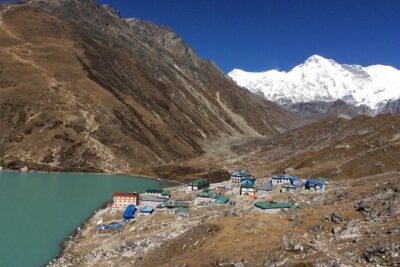
Browse the lists this tour appears in