
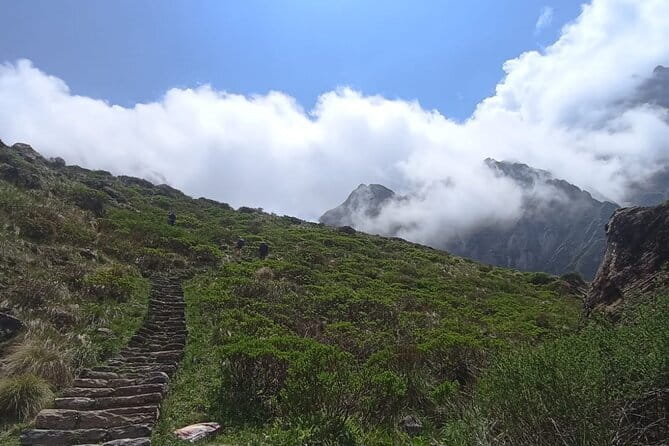
Reviewed · ANNAPURNA BASE CAMP TREKS
Annapurna Base Camp Trek
The best part of this Annapurna Base Camp trek is the steady change in scenery. You start among terraced farms and Gurung villages, pass through cool forest, and finish beneath Annapurna South, Hiunchuli, and Machhapuchhre, the famous Fish Tail mountain. The final approach to base camp gives you that satisfying feeling of walking right into the mountains, not simply viewing them from a road.
I like the practical package: meals, permits, accommodation, and ground transport are included, so you do not need to arrange each piece yourself. I also like the private format, which gives your group more say over walking speed and daily rhythm. Guides named in past bookings include Suraj, Laku, and Anos, with porters such as Sonam and Necha sometimes joining the team.
The main caution is the pace. Seven days is a short schedule for a high mountain trek, and some listed walking times are unusually long or inconsistent with the stated stop durations. You need good fitness, an early start at 4:45 a.m., and a willingness to accept simple accommodation and extra charges for hot water, showers, phone use, laundry, and battery charging.
Key points to know before booking
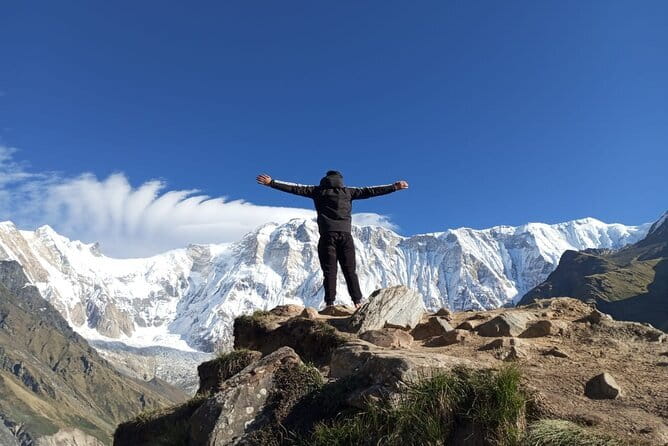
- Base camp is the payoff: Reach the Annapurna sanctuary with close views of Annapurna South, Hiunchuli, Machhapuchhre, and nearby glaciers.
- Ghandruk starts the walking: Your first proper day uses village paths, farm terraces, and forest rather than a long climb from the valley floor.
- Jhinu Danda adds a change of pace: The return route includes a stop at the hill village and hot spring area.
- Most essentials are covered: Seven nights of lodging, three daily meals, seasonal fruit, permits, a licensed guide, and listed road transfers come with the price.
- The schedule is demanding: The early meeting time and compressed seven-day plan suit fit walkers more than casual hikers.
- Guide choice may matter: Suraj, Laku, and Anos are names associated with this route, so ask in advance if you want to request a particular guide.
From Pokhara to Ghandruk, where the trek really begins
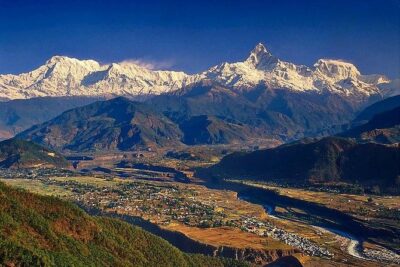
Although the experience is sold from Kathmandu, the walking section starts after an overnight stay in Pokhara. That matters because Pokhara gives you a first look at the Annapurna range, including Machhapuchhre, before you head into the hills.
On the first day, you have breakfast in Pokhara and drive beyond the city toward the trailhead. The road transfer is part of the package, with transport listed from Pokhara to Syauli Bazar. From there, the route leads toward Ghandruk, a Gurung village with mountain views and a strong sense of place.
Ghandruk is a sensible opening point. You begin with paths through terraced farmland and village surroundings rather than facing the steepest parts of the route immediately. The listed walking time is about four hours and ten minutes, though actual timing can depend on the group, weather, road conditions, and stops.
I would treat this first day as your adjustment day. You are getting used to walking with a pack, uneven stone paths, and the rhythm of eating and sleeping in mountain lodges. The scenery is already worthwhile, but the biggest reward comes later, when the valley narrows and the peaks seem to close around you.
Other Annapurna routes from Kathmandu:
- Annapurna base camp trek 5 Days
★ 5.0 · 252 reviews - Annapurna Base Camp Trek
★ 5.0 · 111 reviews - Kathmandu to Annapurna Base Camp (ABC) 5-Day Trek
★ 5.0 · 102 reviews
Ghandruk to Chhomrong, the first serious climb
Day two heads from Ghandruk toward Chhomrong. The route begins gradually, then climbs to Kimrong Danda, a ridge with a useful high point for a rest and a look across the surrounding hills.
After Kimrong Danda, the trail drops through cool forest toward the Kimrong River. You then pass a farming village before continuing toward Chhomrong. This pattern of climbing, descending, and climbing again is typical of the route, so do not judge the difficulty only by the final elevation gain. A downhill section still costs energy when your legs are fresh from the morning climb.
Chhomrong is an important stop because it is one of the main settlements before the trail enters the upper sanctuary. It gives you a last substantial village setting before the route becomes more forested and remote in character.
The supplied itinerary lists an extremely long 15-hour duration for this day. That figure does not sit neatly with the general description of the walk, so I would confirm the actual expected walking time before departure. Ask how much is spent walking and how much includes transfers or rest stops. A clear answer will help you judge whether this seven-day version matches your fitness and comfort level.
Through Sinuwa and Bamboo into the Modi River gorge
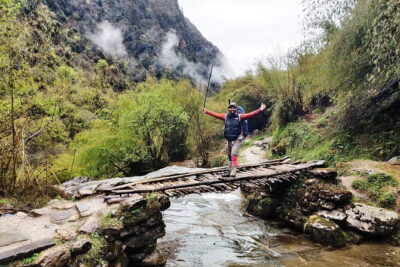
From Chhomrong, the trail drops to a bridge, then climbs toward Sinuwa Danda. This is one of the route’s more physical sections. The path winds through forest with repeated ups and downs, eventually reaching Bamboo beside the Modi River gorge.
The forest gives the trek a different feel from the open farms around Ghandruk. You get shade, cooler air, and a stronger sense that you are moving into the sanctuary. The sound of the river helps mark your progress, while the trees limit long views for parts of the day.
The itinerary refers to Ghandruk Bus Park in the day heading, but the route description clearly continues from Chhomrong toward Sinuwa and Bamboo. This is another detail worth checking with the operator, especially if you want a clean, easy-to-follow daily plan.
Food is included three times a day, and seasonal fruit is also part of the package. That is useful on a strenuous route because you can focus on walking rather than planning every meal. Drinks and extras are different: bottled water, hot water, showers, phone calls, laundry, and battery charging are listed as additional costs. Carry some local cash for these small but regular expenses.
From Himalaya Hotel to the Annapurna sanctuary

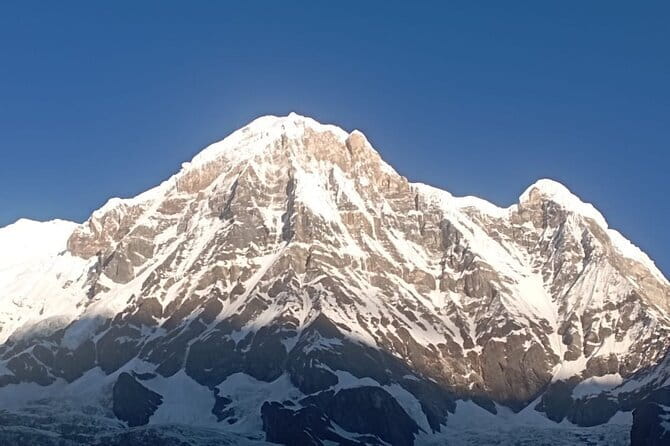
The fourth day moves closer to the trek’s main prize. The path passes Himalaya Hotel and the large Hinko Cave, then continues beneath Annapurna South and Hiunchuli. The trail drops near the Modi River before climbing again toward the higher lodges and the sanctuary.
This is where the route begins to feel properly alpine. The thick forest gradually gives way to more open ground, and the peaks become a more constant part of your view. Annapurna South and Hiunchuli are not distant background shapes here. They rise above the route, making the walking feel bigger and more exposed.
The listed duration for this day is 13 hours, another very long figure. It may include several segments or a broad operating-day estimate, but you should not assume it means thirteen continuous hours on foot. Ask for the planned overnight stop, the expected walking hours, and how the guide handles slow groups.
Altitude also becomes more important as you move higher. The tour information describes the region as moderate and requires a moderate level of physical fitness, but moderate does not mean effortless. A seven-day schedule leaves less spare time than a longer version. Walk steadily, follow the guide’s pace, and tell the guide early if you feel unwell or unusually tired.
A few more things to do in Kathmandu worth a look
- Everest Base Camp Trek – 14 Days
★ 5.0 · 1,499 reviews - Everest Base Camp Trekking
★ 5.0 · 485 reviews - Nagarkot Sunrise View and Day Hiking from Kathmandu
★ 5.0 · 471 reviews - Annapurna Circuit Trek with Tilicho Lake
★ 5.0 · 368 reviews
Annapurna Base Camp, the moment the route earns its name
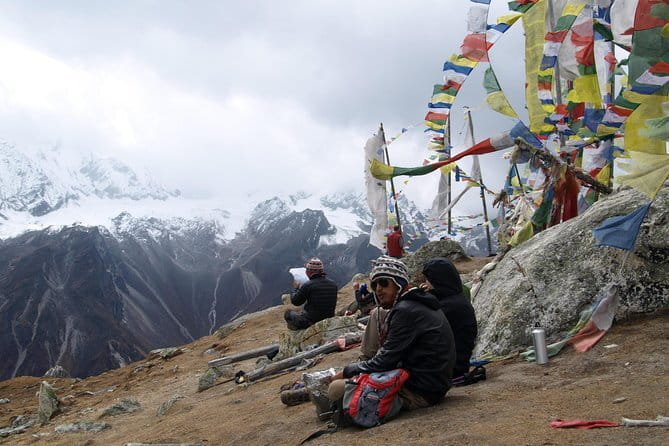
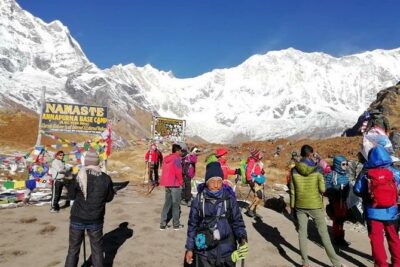
The highlight comes at Annapurna Base Camp, where the trail brings you into a mountain bowl surrounded by high peaks and glaciers. The reward is not only the destination marker. It is the sense of being enclosed by the Annapurna sanctuary, with the mountains rising on every side.
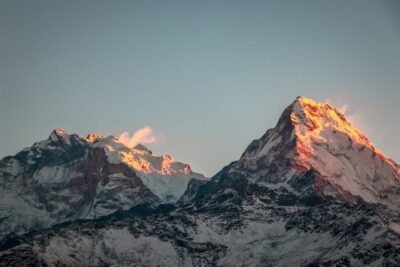
Sunrise is a major reason to spend the night near base camp. The changing light on Annapurna South, Hiunchuli, and Machhapuchhre can turn a cold early morning into the most memorable part of the trek. You will want warm layers, a charged camera, and patience for the conditions. Mountain weather can change quickly, and the tour specifically requires suitable weather.
After enjoying base camp, the route heads downhill, with some short uphill sections, toward Bamboo. The itinerary describes this as nearly six hours of walking, though the listed stop duration is only two hours. Those numbers conflict, so confirm the walking plan rather than relying on the abbreviated timetable.
The descent is easier on your lungs but can be tough on knees and toes. Trekking poles can help, though they are not listed as included equipment. A good guide will help set a sensible pace and arrange the night’s lodging, but you remain responsible for having suitable footwear and clothing.
Returning through Chomrong to Jhinu Danda
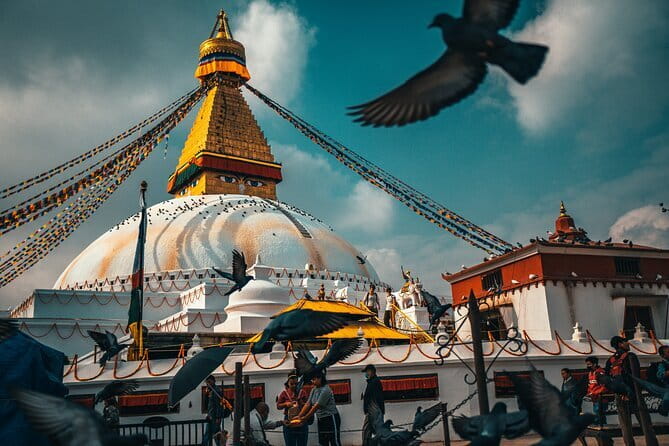
The return route brings you back toward Chomrong, using a mix of uphill and downhill trail. From the Chomrong hilltop, the route branches onto a different path toward Jhinu Danda.
Jhinu is a welcome change after the high sanctuary. It is a hill village with broad views and access to a hot spring area. The stop adds a more relaxed note to the return journey and breaks up what could otherwise be a simple retracing of the approach.
The listed stop duration for Jhinu Danda is two hours, but the text describes the return from the base camp area and the route to the village as a full walking segment. Again, get the day’s actual plan in writing. You need to know where you sleep, how far you walk, and whether the hot spring visit is included in the timing or simply available near the village.
The accommodation is described as seven nights on the trek. Mountain lodging is part of the value, but do not expect city-hotel extras. Hot showers, hot water, charging, and laundry are specifically excluded, so budget for them if they matter to you. This is a route where simple comforts often cost extra.
The final walk to Siwai and return to Pokhara
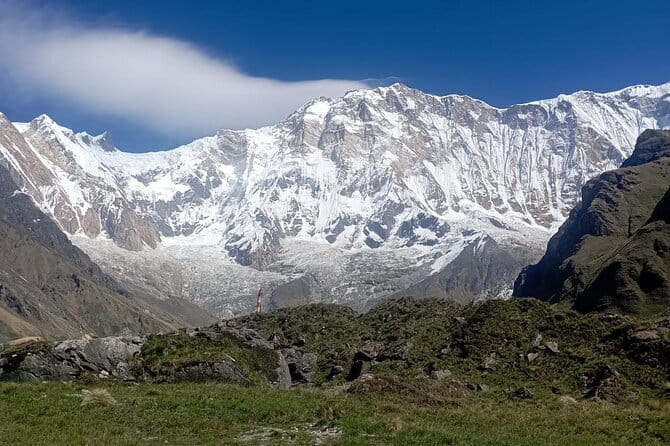
The last day takes you downhill through lower and warmer farming areas toward Siwai, followed by a roughly two-hour drive to Pokhara. The walking portion is listed at about four hours.
This final section is useful because it returns you gradually to the road and the lower hills rather than ending suddenly at a vehicle. The farms and warmer air make a clear contrast with the high sanctuary. Once in Pokhara, the itinerary includes a visit to the Pokhara Museum, listed at about 30 minutes, though the exact timing may depend on the drive and the group.
Ground transport from Samrung Khola to Pokhara is included in the package. The transfer is not just a convenience. After several days of steep paths, a vehicle connection saves you from extending the trek simply to reach the city.
What the $699.67 price really covers
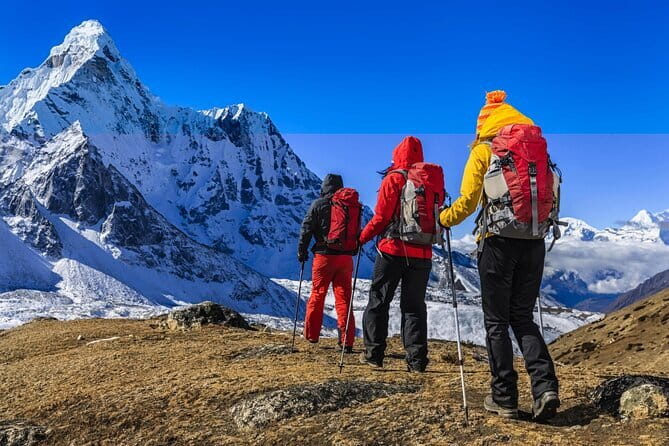
At $699.67 per person, the price offers solid value if you want a guided package rather than a self-arranged trek. It includes seven nights of accommodation, breakfast, lunch, and dinner, along with seasonal fruit, a government-licensed mountain guide, the Annapurna Conservation Area Permit, and the TIMS card.
The listed ground transfers are also included: transport from Pokhara to Syauli Bazar and from Samrung Khola back to Pokhara. These details matter because road connections can complicate a trek when handled separately.
You still need to pay for travel and rescue insurance, personal drinks, phone calls, laundry, battery charging, bottled water, hot water, showers, and guide tips. Insurance is not an optional nicety on a high mountain trek. Arrange coverage that includes trekking and rescue before you go, since it is specifically excluded from the package.
The price is strongest for a small private group that values having the main logistics handled. It is less attractive if you already have permits, transport, and food arranged or if you want hotel-level comfort. Ask exactly how many people will be in your private group, since the experience is described as private and limited to your group.
Guides, porters, and the human side of the trek
The guide can shape the whole trip. Names connected with this itinerary include Suraj, Laku, and Anos. Past bookings also identify porters Sonam and Necha. You can ask the company if one of these people is available, particularly during the busy hiking season.
The strongest praise centers on practical care: help with accommodation, meals, planning, communication, and keeping the group’s energy up. One especially useful detail is that a guide adjusted the route after listening to the group’s needs. That flexibility matters on a mountain trek, where weather, fatigue, and walking speed can change the best plan.
Communication before departure is handled through email and WhatsApp, according to the information provided. I would use that contact to settle the important questions: the exact meeting point, transport details, daily walking hours, guide assignment, porter arrangements, and what happens if the weather closes the route.
The meeting time is 4:45 a.m., so plan for a very early start. Pickup is offered, but confirm the pickup location and whether it is from a hotel in Kathmandu or another point in the wider Kathmandu and Pokhara plan.
Who should book this seven-day route
This trek suits you if you want the Annapurna Base Camp experience in a compact format and are comfortable with long walking days, basic mountain accommodation, and changing conditions. It is also a good fit if you prefer a private guided trip with meals and permits arranged in advance.
You should think twice if you want a slow itinerary with plenty of rest days. The seven-day schedule has little room for delays, and the unusual duration figures make it important to confirm the real daily plan. A longer schedule may be more comfortable, but this particular package is aimed at people who want to reach base camp within a fixed holiday window.
The route also suits anyone who values variety. You get Gurung villages, terraced farms, forest paths, river gorges, high mountain views, a base camp sunrise, and a hot spring stop. It is not just a march to a single viewpoint.
Should you book the Annapurna Base Camp Trek?
I would book this trek if you want a full-service, seven-day route and can handle a moderately demanding mountain schedule. The inclusions are useful, the route has a strong mix of village and high-altitude scenery, and the return through Jhinu Danda keeps the trip from feeling like a simple out-and-back walk.
Before paying, I would confirm the daily walking hours, the exact overnight stops, the guide’s name, the private group size, and the road transfer schedule. If those details are clear and your insurance is in place, the $699.67 price gives you a practical way to reach one of Nepal’s most rewarding base camps without arranging every permit, meal, bed, and vehicle yourself.
FAQ
Where does the Annapurna Base Camp Trek take place?
The experience is based in Nepal, with the walking route beginning near Ghandruk after an overnight stay and breakfast in Pokhara.
How long is the trek?
The advertised duration is approximately seven days. The package also includes seven nights of accommodation on the trek.
What time does the experience start?
The stated start time is 4:45 a.m. Confirm the exact pickup point with the operator because pickup is offered.
Is this a private tour?
Yes. Only your group participates in the private tour or activity.
What meals are included?
Breakfast, lunch, and dinner are included during the trek. The package lists seven breakfasts, seven lunches, and six dinners, along with seasonal fruit.
Are permits included?
Yes. The Annapurna Conservation Area Permit and TIMS card are included.
Is transportation included?
Yes. Listed ground transportation includes the route from Pokhara to Syauli Bazar and the return from Samrung Khola to Pokhara.
Are showers and hot water included?
No. Hot water, showers, bottled water, phone calls, laundry, and battery charging are listed as additional expenses.
What level of fitness is required?
You should have a moderate level of physical fitness. The route includes repeated uphill and downhill sections, a high-altitude base camp, and an early start.
What happens if bad weather cancels the trek?
If poor weather causes cancellation, you will be offered a different date or a full refund. If the minimum number of participants is not met, you will be offered a different experience or a full refund.
Just added in Kathmandu
- Kathmandu to Chitwan Tour by Tourist Bus – A Convenient and Affordable Way★ 4.0 · 4 reviews
- Changunarayan Hill to Telkot Hike Near Kathmandu Day Tour★ 5.0 · 6 reviews
- Mt Everest Base CampTrek | Budget Package★ 5.0 · 4 reviews
- Chitwan Jungle Safari 3-Day Tour★ 5.0 · 9 reviews
- Chandragiri Hill Station Tour by Cable Car★ 5.0 · 4 reviews
- Chandragiri Hills cable car day trip, private car with driver from Kathmandu★ 5.0 · 8 reviews
- Chandragiri to Taudaha Nature Day Hiking from Kathmandu★ 5.0 · 13 reviews
- Chandragiri Cable Car & Monkey Temple Private Guided Day Tour★ 5.0 · 5 reviews
Annapurna Base Camp Treks, compared.
Kathmandu to Annapurna Base Camp (ABC) 5-Day Trek
Read our review →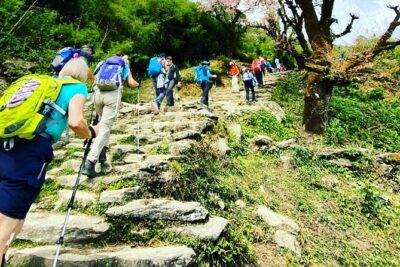
11-Day Hike Tour to Annapurna Base Camp Bliss in Kathmandu
Read our review →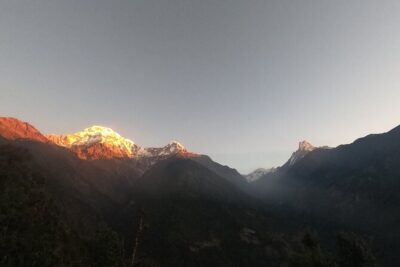
Browse the lists this tour appears in