
Reviewed · ANNAPURNA BASE CAMP TREKS
Annapurna Base Camp Trek
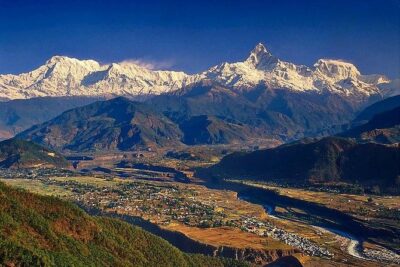
Annapurna Base Camp is the big prize here: after days of stone steps, forest trails, waterfalls, and mountain villages, you sleep at 4,130 meters inside a bowl of Himalayan peaks. The route also gives you a useful taste of Nepal beyond the summit views, with Gurung villages, riverside paths, and the hot springs at Jhinu Danda.
I like the way the package takes care of the hard-to-arrange pieces, including permits, lodging, meals, transfers, a guide, and porter support. I also like the personal touch built into the service: guide Shiva, porter Bishal, and airport greeter Suman are named in the detailed trip account, which gives you a clearer sense of the team behind the itinerary.
The main caution is the pace. This is an 11-day trek with long days, steep stone stairs, and a high overnight stay, not a gentle sightseeing holiday. The description also switches between a flight and a road journey from Kathmandu to Pokhara, so confirm that transport detail before you pay.
Key points to know before booking
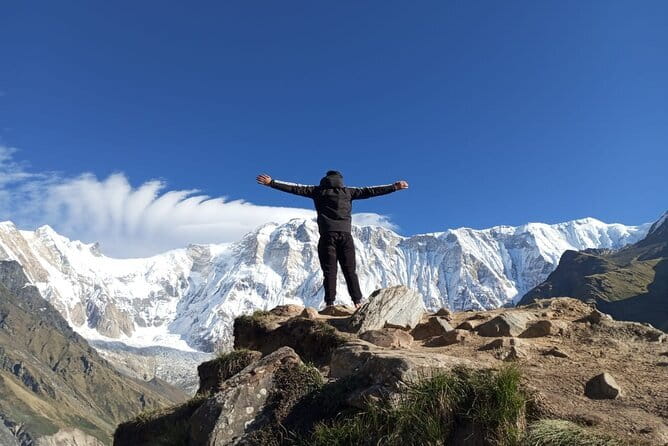
- Sleep at 4,130 meters: Annapurna Base Camp is the high point, reached after Machhapuchhre Base Camp.
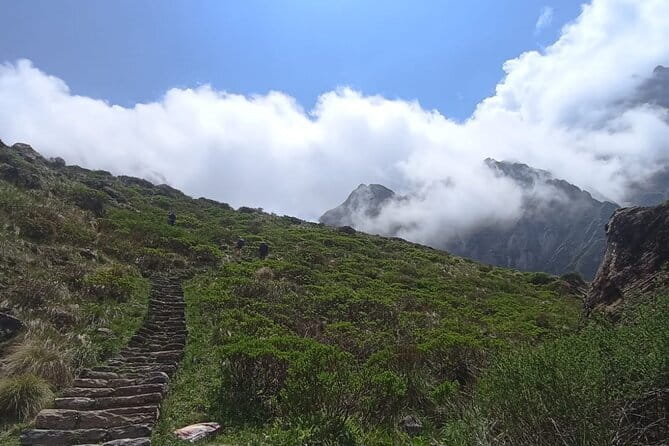
- Walk through changing terrain: Expect terraced fields, rhododendron and bamboo forests, waterfalls, rocky upper trails, and river valleys.
- Jhinu Danda adds a welcome break: Natural hot springs offer a chance to rest before and after the hardest mountain section.
- The package is fairly inclusive: Permits, meals during the trek, hotels, transfers, a guide, porter support, sleeping bags, and down jackets are covered.
- The group can reach 15 people: That is small enough for a more organized trek, though not a private walk.
- Plan for moderate fitness: Long trekking days, steep sections, altitude, and repeated stone stairways are part of the deal.
What the $906.67 price covers
At $906.67 per person, this trek is priced as a fairly full-service package rather than a simple route-and-guide arrangement. You receive three nights in Kathmandu, two nights in Pokhara, all lodging during the trek, breakfast, lunch, and dinner on the listed trekking days, plus transport costs.
The package also includes a professionally trained English-speaking guide, an assistant guide, and one porter for every two people, with a maximum porter load of 30 kilograms. That matters on a route where carrying your own pack can make the stairs and altitude feel much harder.
Your TIMS card and Annapurna Conservation Area permit are included, along with a first-aid medical box. Sleeping bags and down jackets are available to rent through the operator, which can save you from buying bulky equipment for one trip.
The price does not include your Nepal visa, international flights, food in Kathmandu or Pokhara, travel insurance, rescue costs, personal spending, extra nights caused by itinerary changes, or tips for the guide and porters. I would treat insurance and emergency rescue cover as essential, not optional, for a high-altitude trek.
Other Annapurna routes from Kathmandu:
- Annapurna base camp trek 5 Days
★ 5.0 · 252 reviews - Annapurna Base Camp Trek
★ 5.0 · 111 reviews - Kathmandu to Annapurna Base Camp (ABC) 5-Day Trek
★ 5.0 · 102 reviews
Kathmandu begins with practical support
Your first day starts at Tribhuvan International Airport. A representative picks you up after immigration and drives you to Hotel Green Horizon in Thamel, one of Kathmandu’s main visitor districts.
This is a useful start because you do not need to arrange a taxi after a long international flight. Thamel also gives you an easy place to handle last-minute needs, although the package does not cover your personal meals there.
On the second day, you meet the guide for a trek briefing before heading toward Pokhara. The route description refers to a 30-minute flight, while the detailed day plan also describes a scenic road journey and roadside stops. Since the two versions do not match, ask the operator exactly whether your departure uses air or road transport.
The road option would give you views of green hills, terraced fields, rivers, temples, and small settlements. The flight option is much quicker and gives you more time in Pokhara, so this is not a minor detail. It affects both the feel of the day and the amount of time spent in transit.
Pokhara gives you a softer landing
Pokhara is Nepal’s adventure center and a pleasant contrast to Kathmandu. You stay near Lakeside, where you can walk among restaurants, shops, lake views, and souvenir stalls before the trek begins.
The city is also your last comfortable base before the mountain route. Use the time to check your rented sleeping bag and down jacket, organize your pack, and ask the guide about the walking schedule. Food in Pokhara is not included, so budget separately for meals here.
The trip then returns to Pokhara after the trek. That gives you a useful buffer between the hard walking days and the journey back to Kathmandu.
Naya Pul to Jhinu Danda, where the trail gets serious
The walking section begins with a drive of about an hour and a half to Naya Pul. This gateway to the Annapurna region takes you away from the city and into smaller settlements, river valleys, temples, and mountain scenery.
From Naya Pul, you follow the Modi River toward Jhinu Danda. The route passes Chandrakot, Pritam Deurali, Tolga, and Landruk, with suspension bridges, stone steps, religious monuments, and smaller villages along the way.
This first trekking day is long, listed at roughly 12 hours including the transfer and walking. It is not simply a short warm-up. You climb, descend, cross bridges, and then climb again toward Jhinu Danda.
The reward is the natural hot spring below the village. You may have time to soak and loosen tired legs, though the day’s effort means you should not assume the spring will feel like a full rest day.
A few more things to do in Kathmandu worth a look
- Everest Base Camp Trek – 14 Days
★ 5.0 · 1,499 reviews - Everest Base Camp Trekking
★ 5.0 · 485 reviews - Nagarkot Sunrise View and Day Hiking from Kathmandu
★ 5.0 · 471 reviews - Annapurna Circuit Trek with Tilicho Lake
★ 5.0 · 368 reviews
Bamboo brings forest, stairs, and a tougher rhythm
The route from Jhinu Danda climbs through terraces toward Chhomrong, passing Nayagaon and the Chhomrong River. Stone stairways are a major feature here, and the trail repeatedly changes direction as it rises and drops across the valley.
After Chhomrong, the path continues through bamboo forest and terraced fields toward Siruwa. You then descend through rhododendron and bamboo woodland to Kuldighar before reaching Bamboo.
The name Bamboo describes the setting more than the lodging style. The overnight stop is at a simple mountain lodge, not a city hotel, and the terrain becomes noticeably steeper in places. The contrast is part of the appeal, but you should expect basic accommodation and a day that tests your knees.
Dovan and Deurali mark the mountain transition
The fifth day is described as shorter, giving you some preparation before the higher climb. You cross a stream and follow a gradual trail through rhododendron and oak forest to Dovan.
From there, the route passes waterfalls and the Himalaya hotel area before opening to views of the Modi River. The trail climbs more sharply toward Hinku Cave, then continues for about 45 minutes to Deurali.
This is where the scenery changes in a clear way. Plants become less dense, the ground becomes rockier, and the walk feels more exposed and demanding. The shorter schedule helps, but you are still gaining altitude, so a steady pace matters more than speed.
Machhapuchhre Base Camp leads to the main goal
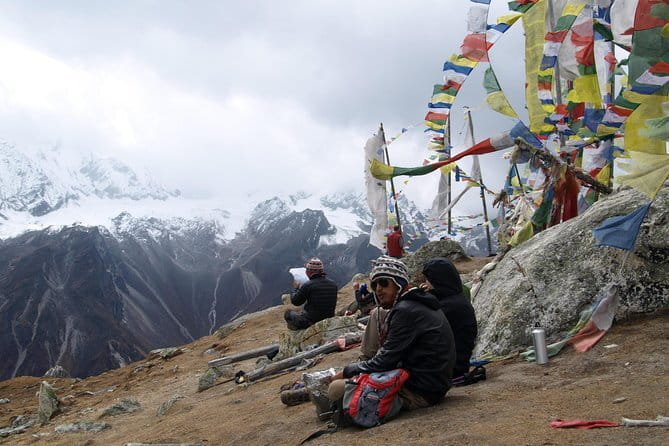
The sixth day is the heart of the trek. From Deurali, you follow a steep route through Bagar toward Machhapuchhre Base Camp, also known as Fishtail Base Camp.
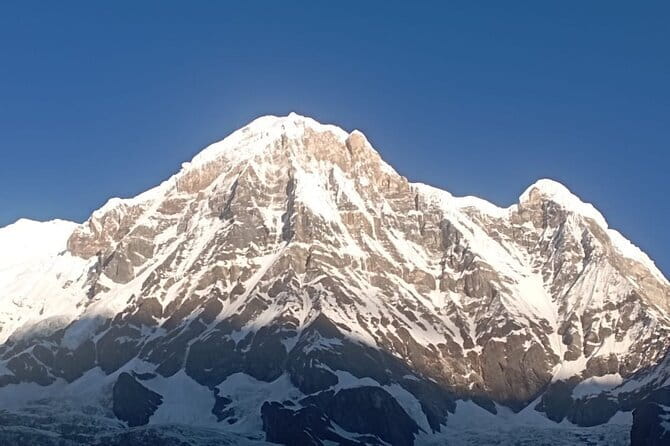
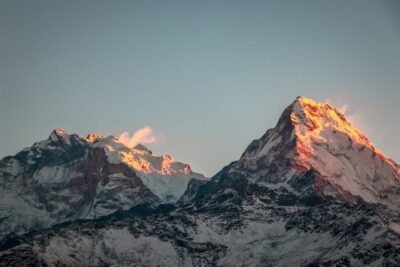
At Machhapuchhre Base Camp, the mountain views widen. You can see Machhapuchhre, Hiunchuli, Annapurna South, Annapurna I, Annapurna III, and Gangapurna, among other peaks named in the itinerary.
From there, the trail leaves the Modi River and turns toward Annapurna Base Camp. Vegetation thins, the route widens, and the surrounding peaks become the main event.
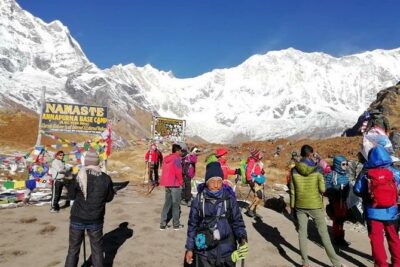
Annapurna Base Camp sits at 4,130 meters. The setting feels different from the lower villages because the forest has largely fallen away and the mountains surround you on every side. You spend the night there, which is a major reason to choose this itinerary instead of a shorter mountain-view trip.
The altitude is also the main physical concern. This schedule takes you high in a short number of days, and the package does not describe an extra acclimatization day. You need to take the guide’s advice seriously and tell the guide promptly if you feel unwell.
The return to Bamboo is easier, but still demanding
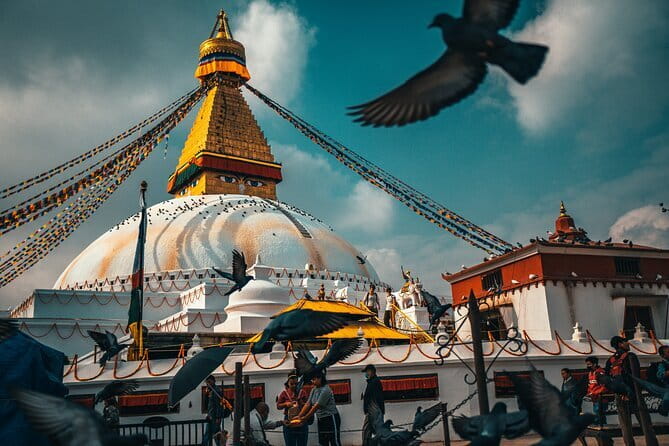
Day seven begins with an early mountain sunrise, followed by a long descent to Bamboo. Downhill walking may feel easier on your breathing, but it can be hard on your knees, especially after the high point of the trek.
The route passes an area prone to avalanches, then returns through Deurali, Dovan, bamboo forest, and a wooden bridge. You follow the Modi River for much of the way.
This is a seven-hour walking day according to the plan. It is a good reminder that reaching base camp is only half of the physical work. Pack trekking poles if you use them, and keep water and snacks easy to reach.
Jhinu Danda brings back the hot springs
The route from Bamboo retraces much of the earlier trail. You climb toward Kuldighar, pass the helipad area, and continue along a twisting path toward Sinuwa, Tilche, Chhomrong, and Taulung.
You cross a bridge and tackle more stone stairs before descending toward Jhinu Danda. The village is reached after roughly six hours of walking, with another chance to visit the hot springs.
I like this overnight stop because it breaks up the return route and gives your body a simple reward after the repeated climbs and descents. The route is familiar on the way back, but the changing direction gives you different views of the river valleys and hills.
Naya Pul ends the walking portion
The final trekking day follows the Modi Khola valley toward New Bridge and Naya Pul. You descend stone steps through farms, traditional houses, wooden bridges, and suspension bridges.
As you lose altitude, the valley widens and the fields become larger. The trail eventually reaches Naya Pul, where the physical trekking ends before transport returns you to Pokhara.
This section is not just a transfer to the finish. It gives you a last look at village life and cultivation, which helps connect the high mountain setting with the communities that support the route.
Kathmandu closes the trip with a short cultural stop
After Pokhara, the plan allows about five to six hours for the drive back to Kathmandu. Expect more hills, terraced fields, rivers, and roadside scenery rather than a quick city transfer.
The final Kathmandu stop is Durbar Square, where you can walk through the stone-paved royal palace area and spend remaining time in Thamel shopping for souvenirs. The plan gives about two hours for this stop, so consider it a brief cultural ending rather than a full Kathmandu sightseeing day.
The airport transfer follows on day eleven, with the operator planning to take you to Tribhuvan International Airport at least three hours before your scheduled flight.
How the support system affects your trip
A guide and assistant guide are included, along with one porter for every two people. That arrangement lets you walk with a lighter day pack, although you still need to carry personal essentials such as water, layers, medication, and anything you need during the day.
The detailed account names Shiva as guide and Bishal as porter, with Suman handling the airport welcome. If you book, ask whether these same team members are assigned to your departure, since staff can vary.
The maximum group size is 15. That is not a private trek, but it is more manageable than a large group. A group of this size can still move at different speeds, so ask how the guide handles varied walking ability.
The package earns strong marks for practical support, especially the airport pickup, included permits, rented cold-weather gear, meals, and porter service. Its weak point is not the support itself, but the amount of physical effort packed into the schedule.
Who should book this Annapurna route
I would choose this trek if you want the full Annapurna Base Camp setting without arranging every permit, transfer, lodge, and porter yourself. It suits someone with moderate fitness who is comfortable walking for several hours, climbing steep stairs, and spending nights in simple mountain lodges.
It is less suitable if you want a relaxed holiday, private rooms throughout, or a slow acclimatization plan with extra rest days. The altitude and long return walk deserve respect.
The cancellation terms are flexible if your plans change early: you can receive a full refund by canceling at least 24 hours before the start time. Changes or cancellations inside that window are not accepted for a refund.
Should you book it?
Book this trek if your priority is reaching Annapurna Base Camp while having the major logistics handled for you. The combination of Himalayan views, Gurung villages, forest trails, two hot-spring visits, and a high overnight stay gives you far more than a quick mountain photo stop.
Before booking, confirm the Kathmandu to Pokhara transport, ask who will guide your departure, and check exactly what rented gear is available. If you are prepared for altitude, steep steps, basic lodging, and long walking days, the $906.67 price offers solid value for a guided 11-day route.
FAQ
How long is the Annapurna Base Camp trek?
The experience lasts approximately 11 days, including time in Kathmandu and Pokhara, the trek itself, the return to Kathmandu, and the airport transfer.
How high is Annapurna Base Camp?
Annapurna Base Camp is at an altitude of 4,130 meters above sea level.
Are meals included during the trek?
Yes. Breakfast, lunch, and dinner are included during the trekking portion. Food in Kathmandu and Pokhara is not included.
Are permits included in the price?
Yes. The package includes the TIMS card and Annapurna Conservation Area permit fees.
Is airport pickup provided?
Yes. Airport pickup on arrival and airport drop-off at the end of the trip are included.
What fitness level is required?
The activity states that you should have a moderate physical fitness level. You should also be ready for steep stone steps, long walking days, changing terrain, and high altitude.
Just added in Kathmandu
- Kathmandu to Chitwan Tour by Tourist Bus – A Convenient and Affordable Way★ 4.0 · 4 reviews
- Changunarayan Hill to Telkot Hike Near Kathmandu Day Tour★ 5.0 · 6 reviews
- Mt Everest Base CampTrek | Budget Package★ 5.0 · 4 reviews
- Chitwan Jungle Safari 3-Day Tour★ 5.0 · 9 reviews
- Chandragiri Hill Station Tour by Cable Car★ 5.0 · 4 reviews
- Chandragiri Hills cable car day trip, private car with driver from Kathmandu★ 5.0 · 8 reviews
- Chandragiri to Taudaha Nature Day Hiking from Kathmandu★ 5.0 · 13 reviews
- Chandragiri Cable Car & Monkey Temple Private Guided Day Tour★ 5.0 · 5 reviews
Annapurna Base Camp Treks, compared.
Kathmandu to Annapurna Base Camp (ABC) 5-Day Trek
Read our review →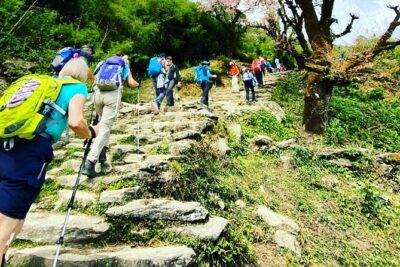
11-Day Hike Tour to Annapurna Base Camp Bliss in Kathmandu
Read our review →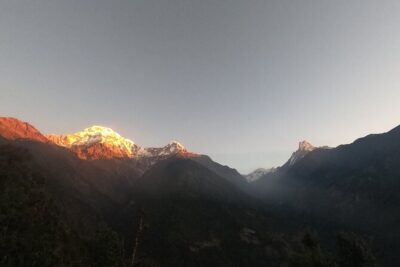
Browse the lists this tour appears in