
Reviewed · EVEREST BASE CAMP TREKS
Everest Base Camp Trek: A short EBC Trek to Iconic Himalaya
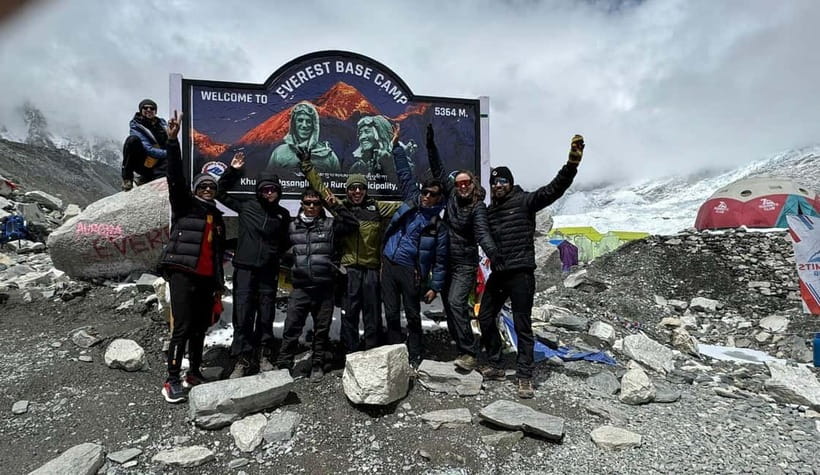
The great prize here is not simply reaching Everest Base Camp. It is the steady change from green foothills and rhododendron forest to the stark ice and rock around Gorak Shep. I like the chance to see Everest, Lhotse, Nuptse, and Ama Dablam in one journey, and I like that the route passes through real Sherpa communities rather than rushing straight toward the famous mountain.
The catch is the schedule. Nine days is short for a trek that reaches 5,364 meters, especially since the plan includes no full rest day at Namche or Dingboche. You need to be fit, comfortable walking 4 to 5 hours a day at altitude, and ready for long days. Adding one or two days would make this a wiser choice for most people.
Key points to know before booking
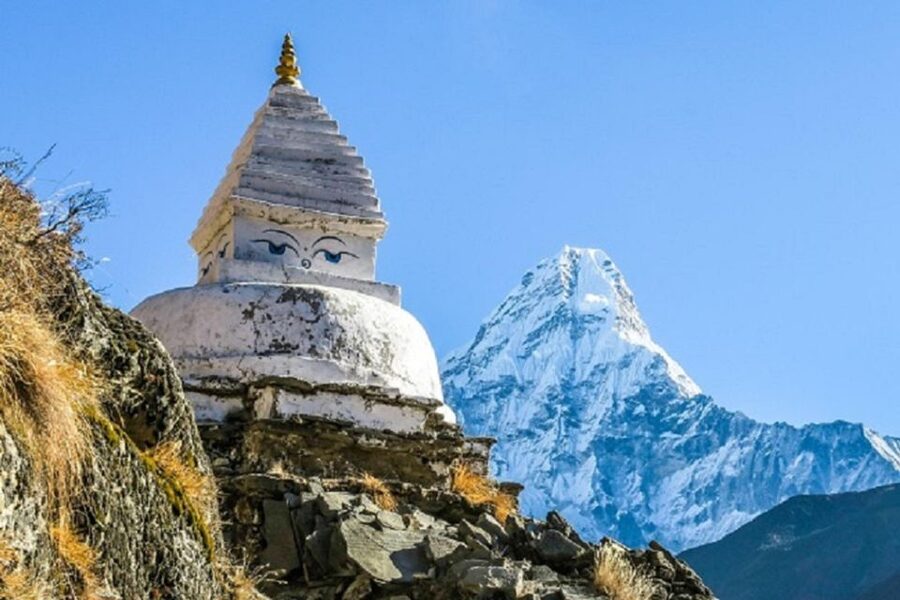
- The route reaches 5,364 meters at Everest Base Camp, with an early morning climb to Kala Patthar at 5,545 meters.
- The nine-day schedule is fast, with acclimatization built into walking days rather than separate rest days.
- The scenery changes dramatically, from suspension bridges and forest to the Khumbu Glacier and Icefall.
- Sherpa culture is part of the journey, especially in Namche Bazaar and at Tengboche Monastery.
- The $681 price covers trekking services and meals, but flights between Kathmandu and Lukla are extra.
- Past guide teams included Ramesh, Palden, and coordinator Sobit, with particular praise for attentive help and clear support.
What the $681 price really covers
At $681 per person, this trek can offer good value if you already have your own Kathmandu hotel, personal trekking gear, and flights. The cost includes a trekking guide, standard guesthouse or lodge accommodation during the route, breakfast, lunch, and dinner, some seasonal fruit, national park and local entrance fees, TIMS, and government taxes.
You also receive airport transfers connected with the trek, a sleeping bag, down jacket, duffle bag, and trekking pole if needed and returned afterward. A T-shirt or cap and a trip certificate are included as well. In Kathmandu, the package includes one cultural show and farewell dinner.
The price does not include the most important transport cost: the flight from Kathmandu to Lukla and back. Hotel rooms in Kathmandu are also extra, as are drinks, bottled water, tea, coffee, laundry, communications, personal equipment, and other personal spending. A porter is available by arrangement, but do not assume porter service is included unless you confirm it before booking.
That difference matters. A low headline price can rise once you add mountain flights, Kathmandu accommodation, warm gear, and perhaps porter support. Still, the included meals, guide, permits, accommodation on the trail, and equipment loan make the package useful for someone who wants a planned trek without paying for a luxury service.
Other treks that start from Nepal:
- Everest Base Camp Trek – 14 Days
★ 5.0 · 1,499 reviews - Everest Base Camp Helicopter Tour landing at Everest View Hotel
★ 5.0 · 668 reviews - Everest Base Camp Trekking
★ 5.0 · 485 reviews
Day 1: Lukla to Phakding begins the Himalayan test
Your trip starts with an early flight to Lukla, one of the most memorable parts of the journey before you even take your first long walk. From Lukla, the trail descends and follows the route toward Phakding, at 2,610 meters. The walk takes about three hours.
This is a sensible first day because it keeps the walking distance modest after the flight. Phakding gives you a gentler start and your first night in a trekking lodge. You will already feel the difference between a normal hill walk and a route where every day is shaped by altitude.
Flight plans can change. High air traffic may mean driving about four hours from Kathmandu to Ramechhap before flying to Lukla. That early road transfer is not a small detail, so keep your first day flexible and follow the pickup time given for your airport location and flight schedule.
Day 2: Namche Bazaar brings the first serious climb
The walk from Phakding to Namche Bazaar takes about six to seven hours and brings a major increase in altitude. Namche sits at 3,440 meters and is the main trading center of the Khumbu region. The route includes suspension bridges, uphill sections, and mountain views that become more impressive as you gain height.
Namche is valuable for more than its scenery. It is a working Sherpa town, with traditions, shops, lodges, and daily life shaped by the trekking economy and the mountains. This is where the cultural side of the route begins to feel as important as the mountain views.
The schedule describes acclimatization in Namche, but it does not give you a separate rest day. That is a weakness for anyone new to high altitude. If you have limited trekking experience, add a day here rather than treating the town as a quick overnight stop.
Day 3: Tengboche combines views with Sherpa culture
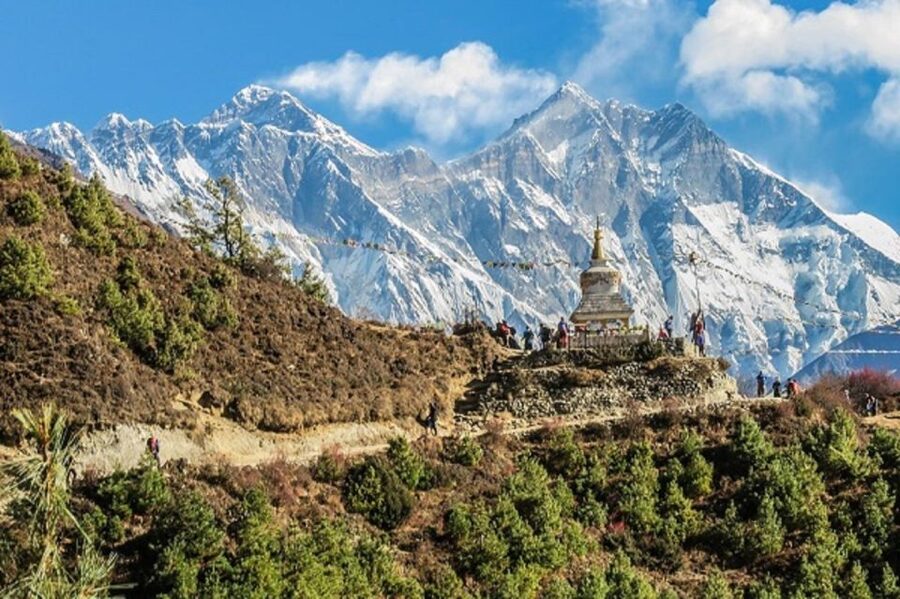
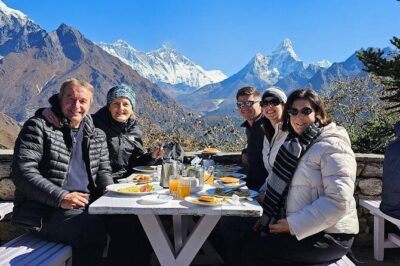
From Namche, you walk for about five to six hours to Tengboche at 3,860 meters. The route gives you some of the trek’s best mountain scenery, including views toward Ama Dablam and other Himalayan peaks. The trail also passes through rhododendron forest, which provides welcome color and shade before the route becomes more exposed and severe.
Tengboche Monastery is the main cultural stop. You are not just ticking off another village. You are visiting an important spiritual place in the Khumbu, surrounded by high peaks and reached on foot through a demanding mountain region. The setting gives the visit its force.
The drawback is that the altitude gain continues quickly. After the long climb to Namche, another ascent to Tengboche can leave you tired. Walk slowly, drink regularly, and pay attention to how your body responds rather than trying to match the fastest person in the group.
A few more things to do in Nepal worth a look
- Nagarkot Sunrise View and Day Hiking from Kathmandu
★ 5.0 · 471 reviews - Annapurna Circuit Trek with Tilicho Lake
★ 5.0 · 368 reviews - Everest Base Camp Trekking – 13 Day
★ 5.0 · 365 reviews - Everest Base Camp Trek -14 Days
★ 5.0 · 321 reviews
Day 4: Dingboche marks the high-altitude zone
The walk from Tengboche to Dingboche takes around five to six hours and reaches 4,410 meters. The forest gradually gives way to more open ground, colder air, and broad views of the high Himalayas. Dingboche feels like a clear turning point. From here, the trek becomes less about forest paths and more about endurance in a thin-air environment.
An acclimatization day is included in the plan for Dingboche, but again, the schedule does not clearly add a full extra day. That makes the nine-day version quite compressed. The package specifically allows one or two extra days for acclimatization or a slower pace, and I strongly recommend considering them.
Dingboche is also where small physical problems can become serious. Headaches, poor sleep, loss of appetite, and unusual fatigue deserve attention. The goal is not to prove that you can force your way upward. The goal is to reach Base Camp safely and still have enough strength for Kala Patthar.
Day 5: Lobuche narrows the focus to Everest Base Camp
The trail from Dingboche to Lobuche takes about five to six hours and reaches 4,910 meters. At this height, ordinary tasks can feel slow. The route moves through increasingly stark scenery, with rock, snow, and distant walls of ice replacing the lower valleys.
Lobuche is a practical overnight stop before the biggest day. Do not expect comfort to feel the same as it did in Kathmandu or even Namche. The lodge is there to give you food, shelter, and a place to rest before the push to Gorak Shep and Base Camp.
This is a good point to check your gear. Warm clothing, gloves, thermal layers, hiking pants, good socks, and sturdy hiking shoes are not optional extras here. A jacket and down layer are especially important, since the next morning begins early and the route reaches its highest points in cold conditions.
Day 6: Gorak Shep and Everest Base Camp
This is the main event, but it is not an easy victory walk. You first trek from Lobuche to Gorak Shep at 5,140 meters, then continue to Everest Base Camp at 5,364 meters. The full day takes about seven to eight hours, followed by an overnight stay at Gorak Shep.
The route follows the Khumbu Glacier and brings you close to the Khumbu Icefall, a huge and constantly changing mass of ice. The Icefall is one of the trek’s most dramatic sights, but the Base Camp view is not the same as the classic photographs of Everest’s summit. The mountain itself can be partly hidden from Base Camp. The setting is still powerful because you are at the foot of the route used by climbers heading toward the world’s highest peak.
The high altitude makes this day feel longer than the clock suggests. Walk at a steady pace and keep your expectations sensible. You may be tired, short of breath, or dealing with a headache. That does not mean you are failing. It means you are at a very high elevation.
Day 7: Kala Patthar supplies the classic Everest view
You rise early for the climb to Kala Patthar, at 5,545 meters. The aim is sunrise, when the peaks can catch the first light. From here, you get the broad panorama that many people picture when they think of Everest, including Mount Everest, Lhotse, Nuptse, and the surrounding Himalayan giants.
Kala Patthar is higher than Base Camp, so it may be the hardest physical part of the trek. The ascent is short compared with a full day on the trail, but the thin air makes every step count. Take your time. The view is worth seeing, but not at the cost of ignoring serious altitude symptoms.
After Kala Patthar, you descend to Pheriche at 4,371 meters, a seven to eight-hour day in total. Going downhill is easier on the lungs, but it can be hard on knees and tired legs. This is one of the reasons I would prefer the longer version of the trip for anyone who wants time to enjoy the scenery rather than simply complete the route.
Day 8: Pheriche to Namche gives your body some relief
The return to Namche takes about six to seven hours. You retrace sections of the route, but the experience changes because you are losing altitude and now know what the high country demands.
The descent gives you more room to notice details you may have missed while climbing. The air becomes easier, the villages feel more substantial, and the trail through forest offers a welcome change from the bare ground near Gorak Shep. Namche is a comfortable place to pause before the final walk to Lukla, though the day remains long.
If you have added an acclimatization day earlier, this return journey will feel less like a race. That extra time can also help if weather disrupts a flight or if you need to shorten one walking day.
Day 9: Lukla and the flight back to Kathmandu
The final trek from Namche to Lukla takes about six to seven hours. It is a long finish, especially after the previous week, but reaching Lukla means the walking portion is complete.
The return flight to Kathmandu is included as an arrangement when requested, but the airfare itself is listed as an extra cost. Mountain weather can delay flights, so do not schedule an international departure immediately after this trip. Allow at least one buffer day in Kathmandu.
This is practical advice, not needless caution. The trek begins and ends in places where weather and air traffic can affect plans. A spare day protects your international flight and gives you time to recover before heading home.
Guides, porters, and the human side of the trek
A good guide matters greatly on a high-altitude route. The company provides an experienced trekking guide, with support available in English, Chinese, Korean, Russian, Traditional Chinese, and Japanese. The specific guide for your departure should be confirmed before booking.
Ramesh and Palden have led recent departures, while Sobit has handled trek coordination from Kathmandu. Ramesh was especially praised for attentive support on a fast eight-day round trip, and Sobit was singled out for helping with arrangements from the capital. Those names give you useful points of contact to ask about, though they do not guarantee who will lead your own departure.
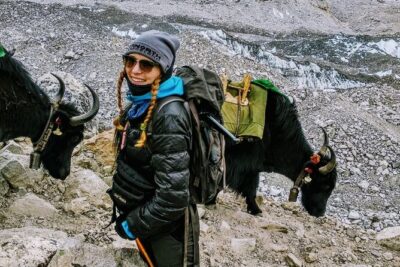
Porter service can be arranged on request. If you want one, settle the details before arriving in Nepal, including cost, baggage limits, and what you will carry yourself. A duffle bag is included, but that does not mean someone else automatically carries it.
Who should choose this short EBC trek?
This route suits a physically fit person who wants a direct, tightly planned approach to Everest Base Camp. It also suits someone who values Sherpa villages, monastery visits, big mountain views, and a real physical challenge more than comfort or spare time.
I would be cautious about recommending the nine-day version to a first-time high-altitude trekker. The plan asks you to gain altitude quickly, reach Base Camp, climb Kala Patthar, and descend on long walking days. Beginners are specifically advised to add extra days, and that is the advice I would follow.
The trek is not suitable for wheelchair users, babies under one year, or people over 95. The practical standard is simple: you should be able to walk four to five hours daily, including at high altitude. That does not guarantee an easy trip, but it gives you a reasonable starting point.
Free cancellation up to 24 hours before departure and reserve-now, pay-later booking provide flexibility. The more important choice, though, is the schedule. If you can add one or two days, do so. Your legs, lungs, and enjoyment will benefit.
Should you book this Everest Base Camp trek?
Book it if you want the essential Everest route in a compact package and understand that the $681 price does not cover flights, Kathmandu hotels, drinks, or personal gear. The included guide, meals, lodge stays, permits, and loan equipment keep the core planning simple.
Choose the longer version if this is your first high-altitude trek, if you want more time in Namche and Dingboche, or if you dislike rushing through important places. Ask about guide assignment, porter arrangements, Lukla flight costs, and the possibility of leaving from Ramechhap before you pay.
The strongest reason to go is the combination of scenery and purpose: Sherpa villages, Tengboche Monastery, the Khumbu Icefall, Everest Base Camp, and sunrise from Kala Patthar. The strongest reason to hesitate is the compressed schedule. Make that trade-off honestly, and this can be a powerful way to reach the foot of Everest.
FAQ
How long is the Everest Base Camp trek?
The planned duration is 9 days, beginning with a flight to Lukla and ending with a flight back to Kathmandu.
How high does the trek go?
Everest Base Camp is at 5,364 meters. Kala Patthar reaches 5,545 meters.
Is the Kathmandu to Lukla flight included in the $681 price?
No. The Kathmandu to Lukla and return flight cost is listed separately. The company can arrange the flight when requested.
Could the flight leave from Ramechhap instead of Kathmandu?
Yes. Due to high air traffic, the flight may depart from Ramechhap. In that case, the drive from Kathmandu to Ramechhap takes about four hours.
Are extra acclimatization days available?
Yes. You can add one or two days, especially for more time in Namche Bazaar and Dingboche or for a slower pace.
What meals are included?
Breakfast, lunch, and dinner are included during the trek, along with some seasonal fruit items. Drinks, tea, coffee, and water are not included.
Is a porter included?
Porter service is available by arrangement, but it is not listed as a standard inclusion. Confirm the details before booking.
What should I bring?
Bring warm clothing, hiking shoes, a jacket, gloves, socks, hiking pants, and thermal clothing. Personal adventure gear and equipment are not included.
Just added in Nepal
- Kathmandu to Chitwan Tour by Tourist Bus – A Convenient and Affordable Way★ 4.0 · 4 reviews
- Changunarayan Hill to Telkot Hike Near Kathmandu Day Tour★ 5.0 · 6 reviews
- Mt Everest Base CampTrek | Budget Package★ 5.0 · 4 reviews
- Chitwan Jungle Safari 3-Day Tour★ 5.0 · 9 reviews
- Chandragiri Hill Station Tour by Cable Car★ 5.0 · 4 reviews
- Chandragiri Hills cable car day trip, private car with driver from Kathmandu★ 5.0 · 8 reviews
- Chandragiri to Taudaha Nature Day Hiking from Kathmandu★ 5.0 · 13 reviews
- Chandragiri Cable Car & Monkey Temple Private Guided Day Tour★ 5.0 · 5 reviews
Everest Base Camp Treks, compared.
Everest Base Camp Helicopter Tour landing at Everest View Hotel
Read our review →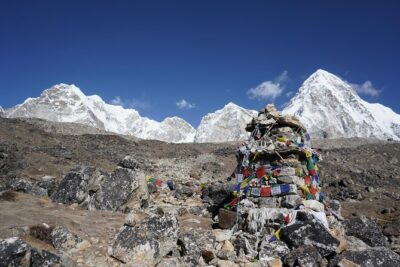
Browse the lists this tour appears in