
Reviewed · EVEREST BASE CAMP TREKS
Everest Base Camp Trek from Lukla
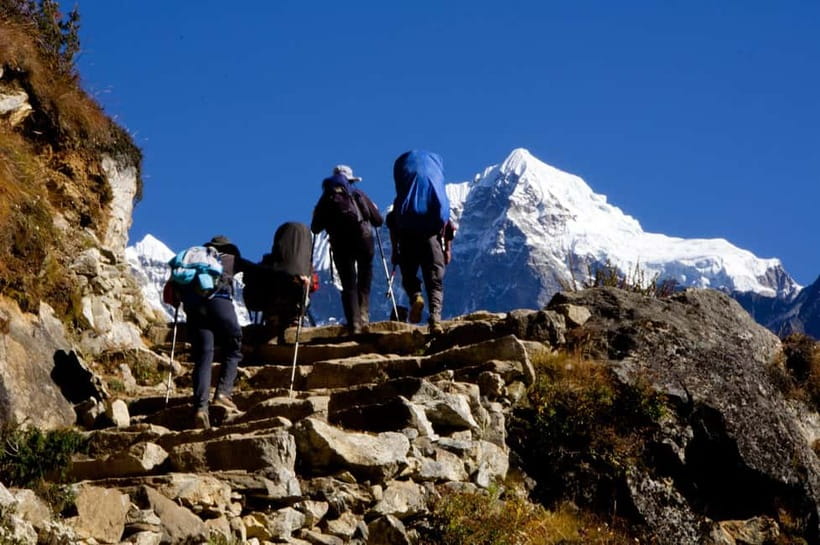
Landing at Lukla puts you straight into the story: a mountain airstrip, a narrow trail, and the Dudh Koshi River below. Over 12 days, you walk from Sherpa villages and pine forest to the rock and ice around Everest Base Camp at 5,364 meters.
I like the two built-in acclimatization days, which give your body time to adjust, and I like the small group limit of 10 people. The strongest moments are the quiet morning at Kala Patthar and the warm welcome of tea houses after a long day.
The main catch is that the $466 price does not include flights, meals, travel insurance, or personal costs. Also, this is a serious high-altitude trek, not a gentle sightseeing walk, so you need good preparation and a flexible attitude toward weather.
Key points to know before you book
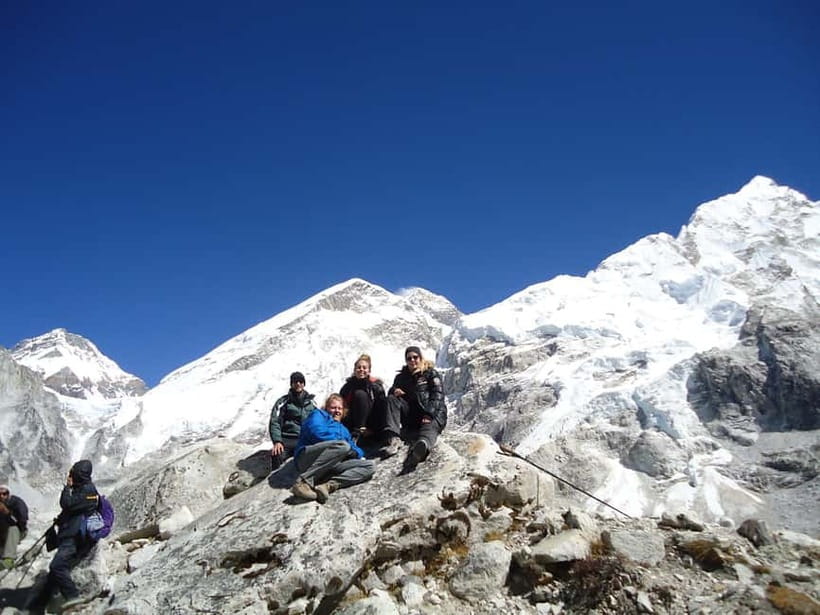
- Kala Patthar reaches 5,545 meters: The sunrise view from this high point is one of the great rewards of the route.
- Two acclimatization days are included: You pause in Namche Bazaar and Dingboche before reaching the highest sections.
- The group is limited to 10 people: This is small enough for a more personal guide experience without being a private trek.
- Tea houses keep the trek practical: Accommodation is simple, with meals and drinks handled separately.
- Porters and an English-speaking guide are included: The team carries gear and helps manage the route and high-altitude routine.
- Lukla flights are extra: You need to arrange and pay for the flight to Tenzing-Hillary Airport, though Peregrine Treks can assist with ticketing.
Why this Lukla to Everest trek works
The classic appeal here is not only seeing Everest. It is the steady change under your boots. You begin among green forest and river valleys, pass through Sherpa settlements, and finish among bare rock, glacial ice, and huge peaks.
You will walk roughly five to seven hours on most days, though the day-by-day schedule describes many hiking days as up to eight hours. That difference matters. Your pace, rest stops, weather, and altitude will shape the actual day more than the printed clock.
The route is supported by an English-speaking guide, porters, tea house accommodation, permits, entrance fees, and a first aid kit. The group limit is 10 participants. That gives you company on the trail while leaving the guide able to keep an eye on the group.
The package costs $466 per person. At first glance, that is a low price for a 12-day Himalayan trek, but you need to add the major extras. Flights to Lukla are not included. Meals, drinks, laundry, internet, travel insurance, visa fees, and other personal expenses are also separate.
That price can still offer good value if you want the main trekking structure handled for you. You are paying for the guide, porters, accommodation, permits, taxes, and first aid support. Just do not mistake the headline price for the full trip budget.
Other treks that start from Nepal:
- Everest Base Camp Trek – 14 Days
★ 5.0 · 1,499 reviews - Everest Base Camp Helicopter Tour landing at Everest View Hotel
★ 5.0 · 668 reviews - Everest Base Camp Trekking
★ 5.0 · 485 reviews
Day 1: Lukla to Phakding beside the Dudh Koshi
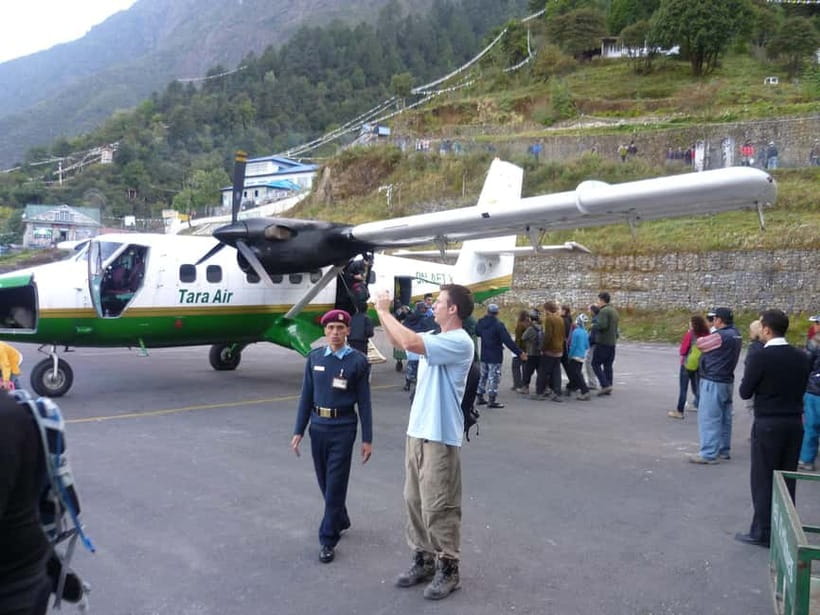
Your guide meets you at Tenzing-Hillary Airport after you share your flight details. The first walk heads toward Phakding, a small settlement beside the Dudh Koshi River.
This opening section introduces the rhythm of the trek without starting at extreme altitude. You pass through forest and cross suspension bridges, with the river providing a constant companion. The trail already feels like a proper mountain route, but the day is more approachable than what comes later.
Phakding is a useful first night because you are beginning to adjust to walking with a pack, even though the porter service carries the main load. Keep your daypack organized with water, sunscreen, warm layers, snacks, and a camera. You will not want to search through luggage each time the weather shifts.
Day 2: Phakding to Namche Bazaar
The route climbs toward Namche Bazaar, the main Sherpa trading center on this part of the Khumbu Valley. This is where the trek begins to feel more demanding.
Namche is not just a place to sleep. It is a social and practical stop, with local markets and mountain views toward Thamserku and Kongde Ri. You will have time to look around, but save energy for the climb. The approach includes suspension bridges and a sustained ascent, so steady pacing is smarter than trying to arrive early.
I like Namche as an acclimatization stop because it gives the trip a human center. You are no longer simply moving from one village to the next. You are watching supplies, trekkers, porters, and local life meet in a mountain town.
Day 3: A needed acclimatization day in Namche
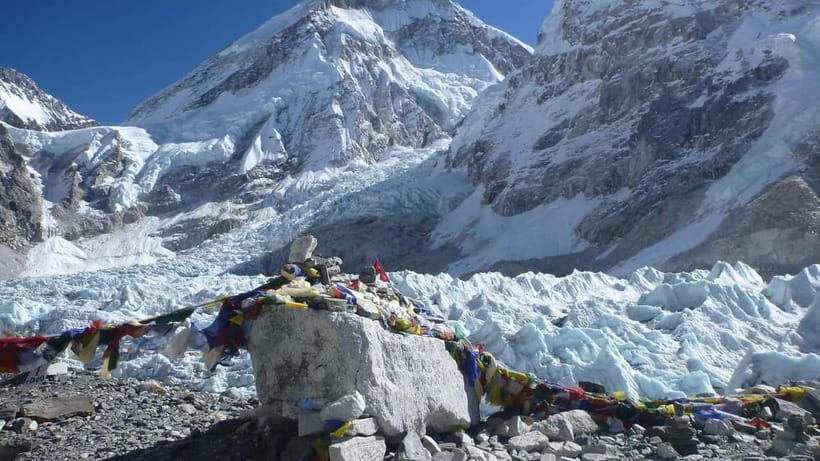
The schedule keeps you in Namche for a full day. That may look like lost time when you are eager to reach Everest, but it is one of the most useful parts of the plan.
You can explore the markets and take in the surrounding peaks without carrying out a full trekking day. The purpose is to let your body adjust before the trail climbs higher. You should not treat the day as a chance to race around town. A short outing and plenty of rest are the sensible choices.
The guide helps you manage the pace, but you still need to speak up if you feel unwell. High altitude affects people differently, and enthusiasm does not cancel out the need for caution.
A few more things to do in Nepal worth a look
- Nagarkot Sunrise View and Day Hiking from Kathmandu
★ 5.0 · 471 reviews - Annapurna Circuit Trek with Tilicho Lake
★ 5.0 · 368 reviews - Everest Base Camp Trekking – 13 Day
★ 5.0 · 365 reviews - Everest Base Camp Trek -14 Days
★ 5.0 · 321 reviews
Day 4: Forest, monastery, and the walk to Tengboche
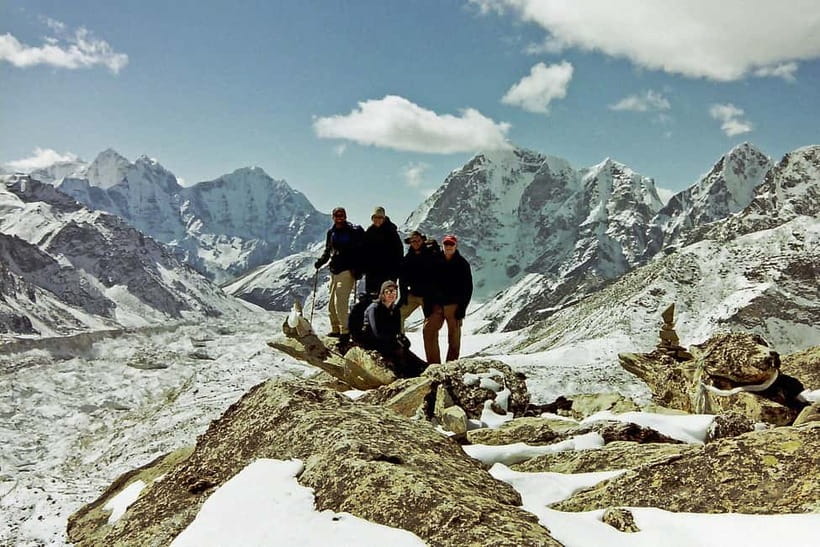
From Namche, the trail continues through rhododendron and pine forest toward Tengboche. This is one of the most scenic sections, with trees, open mountain views, and the first strong sense that you are entering a sacred Himalayan setting.
Tengboche Monastery is a major stop. It is one of the largest monasteries in the region and an important spiritual center for monks and the local Sherpa community. The setting is a big part of its appeal, with Ama Dablam, Everest, and Lhotse forming a powerful backdrop.
Give yourself time to be quiet here. The monastery is not simply another photo stop on a checklist. It offers a chance to understand that the Khumbu Valley is a lived-in cultural region, not just a route to a famous summit.
Day 5: Tengboche to high Dingboche
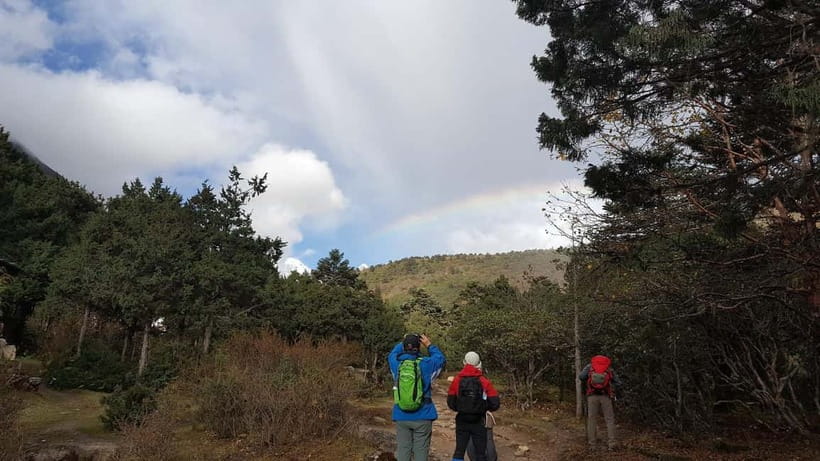
The trail continues to Dingboche, at about 4,410 meters. The trees thin out as you gain height, and the air begins to feel noticeably different.
Dingboche is a compact mountain village with striking views of the Himalayas. The high altitude makes this day less about distance and more about managing effort. Walk slowly, drink regularly, and keep warm when you stop.
This is also where the simplicity of tea house accommodation becomes clear. Rooms and facilities are basic, but you have a roof, a bed, and a place to eat after hours outside. The setting is practical rather than luxurious. If you need hot showers, strong internet, or private hotel comforts, adjust your expectations before you leave.
Day 6: Dingboche acclimatization
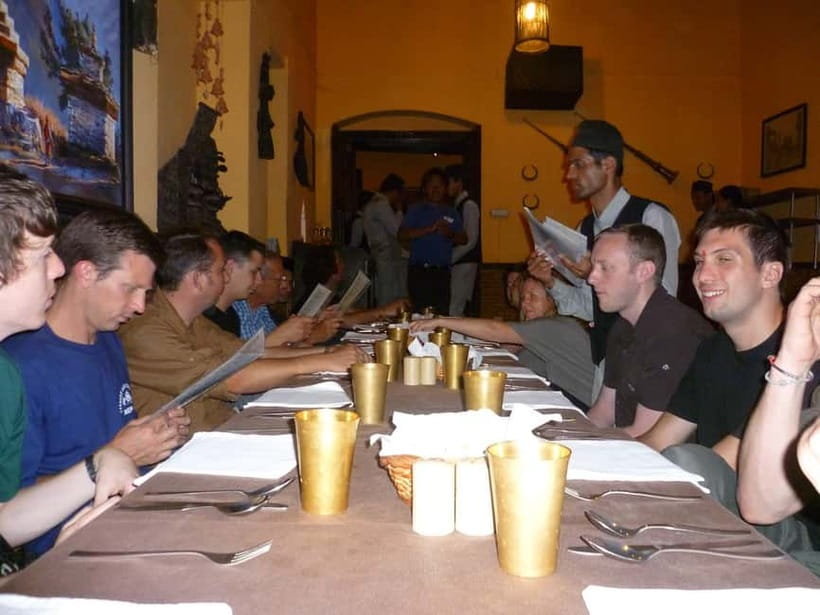
A second acclimatization day is built into the plan at Dingboche. You can take a short hike for more mountain views, then return to rest.
I consider this pause essential. The trek gets harder after Dingboche, and the extra day gives you a better chance of handling the upper route. It also helps break up the long sequence of walking days.
The views here are a reward in their own right. You do not need to force a dramatic outing. A calm day, a short walk, and attention to how your body feels are useful preparation for Lobuche, Gorakshep, and Base Camp.
Day 7: Dingboche to Lobuche
The route to Lobuche feels more remote. The forest has largely faded, and the surroundings become rockier and more exposed as you approach the highest settlements.
Lobuche is a small stop surrounded by high peaks. The increasing altitude slows everything down. A distance that might feel easy at home can take real effort here, especially if the weather turns cold or windy.
This is a good day to keep your goal in perspective. Everest Base Camp is close on the map, but the final approach is not a casual stroll. Keep your breathing even, follow the guide’s pace, and carry easy-to-reach snacks.
Day 8: Gorakshep and Everest Base Camp
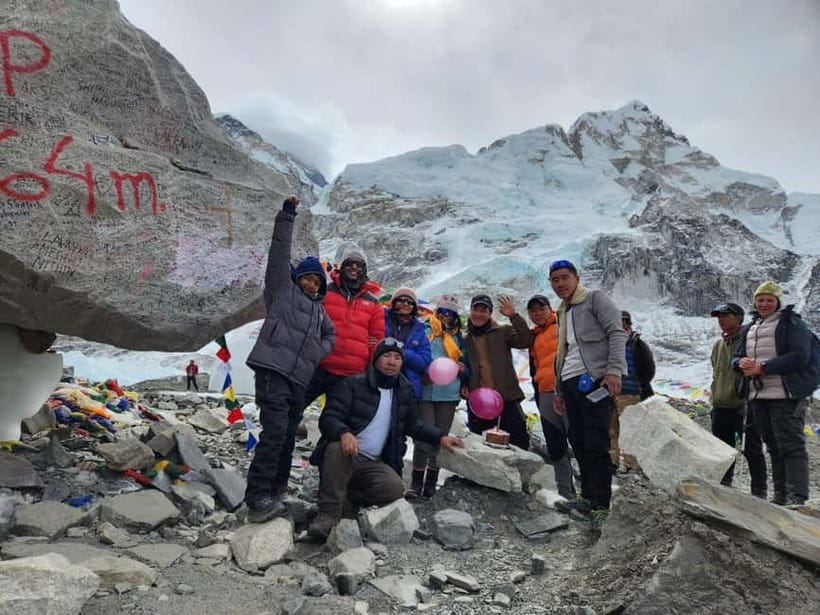
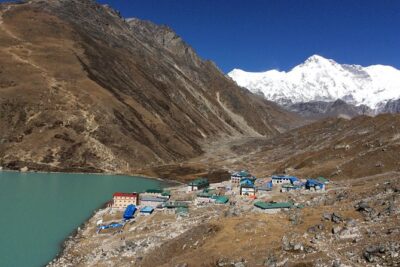
You continue to Gorakshep, the final overnight point before Base Camp, then walk onward to Everest Base Camp at 5,364 meters. This is the main achievement of the trek.
The reward is a close view of the Khumbu Icefall and the peaks around the Base Camp area. The setting is stark and powerful. You are at the foot of the world’s highest mountain, but you should understand that Everest itself is not viewed at its best from Base Camp. Kala Patthar provides the more dramatic mountain viewpoint.
This is a long and tiring day, and the high altitude makes the return to Gorakshep feel just as important as reaching Base Camp. Carry only what you need. Your warm layers, water, sunscreen, hat, and snacks should be easy to access.
An extra night at Gorakshep has been arranged by some groups for an added cost. That option can make the schedule less rushed, but it is not part of the stated package, so confirm any change and its price before departure.
Day 9: Kala Patthar at sunrise, then Pheriche
The early hike to Kala Patthar reaches 5,545 meters, higher than Everest Base Camp. This is the high point of the route and, for many people, the best view of Everest.
The sunrise timing matters. Golden light reaches the Himalayan peaks, and Mount Everest appears with the surrounding giants in a wide mountain panorama. The climb is short compared with the full trek, but altitude makes it tough. You need warm clothing, a head for early cold, and patience.
After Kala Patthar, the route returns toward Pheriche. The descent is welcome, though your legs may be tired from the previous days. The schedule also allows some flexibility. One group changed the order, visiting Kala Patthar at sunset and Base Camp the next morning. That kind of adjustment may be possible with the local team, but it should be agreed in advance.
Days 10 to 12: Back through Namche to Lukla
The return route retraces the trail through the villages and back to Namche. You will see familiar bridges and valleys from a different direction, and the lower altitude should gradually make walking feel easier.
The return is not filler. It gives you time to absorb what you have done and to notice details missed on the way up. Pheriche and Namche also give you a break from the highest sections before the final walk to Lukla.
On the last trekking day, you continue to Lukla and prepare for the flight from Tenzing-Hillary Airport. The flight is not included, so keep your schedule flexible. Himalayan weather can change quickly, and the tour information specifically advises you to be ready for different conditions.
A helicopter transfer has also been arranged by some groups from Lobuche to Kathmandu for an extra cost. It can cut out several trekking days, but it is an optional add-on, not part of the $466 package.
Tea houses, meals, porters, and daily comfort
Tea house accommodation is included, but meals are not. This distinction is important. The food system in the mountains can add a noticeable amount to your daily spending, especially when you also buy drinks, snacks, hot water, laundry, or internet access.
Dal bhat has been a dependable meal for this route, and it provides useful fuel after long walking days. You should still bring snacks you know you will eat. The packing advice includes water, sunscreen, warm clothing, comfortable shoes, a hat, and snacks.
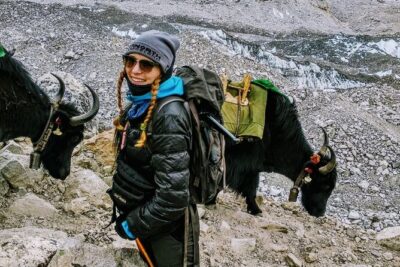
Porter service is included. That makes the trek more manageable, but you still carry a daypack with personal essentials. Pack lightly and avoid bringing items you will not use. A porter should not be treated as a reason to bring a full suitcase.
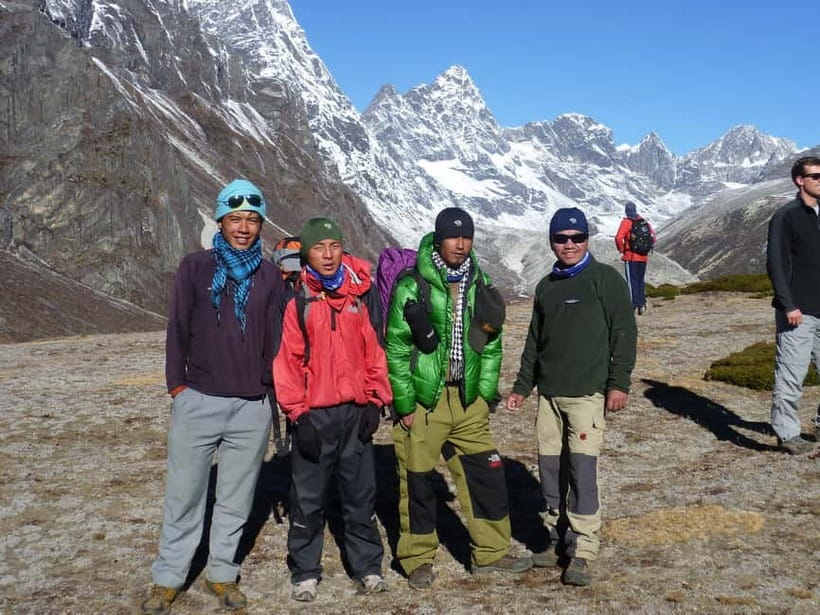
The guide and porters are one of the strongest parts of the arrangement. Guide Tirtha has been singled out for keeping one group’s trip running smoothly, while the wider team has handled route support and gear carrying. Names for every guide are not specified, so confirm your assigned guide before the trek.
What to budget beyond the $466 price
The advertised price covers several major services, but you should prepare a separate trip fund for:
- Flights to and from Lukla
- Meals, beverages, snacks, and personal expenses
- Travel insurance with high-altitude trekking cover
- Visa fees
- Laundry and internet
- Optional changes such as an extra night or helicopter transfer
Carry local currency. ATMs become scarce beyond Namche Bazaar, so do not rely on withdrawing money later in the route.
The booking terms allow free cancellation up to 24 hours before departure and reserve-now, pay-later booking. Those terms make planning easier, but they do not remove the need to arrange insurance. Insurance is especially important here because the trek reaches high altitude and weather can disrupt transport.
Who should book this trek?
You should consider it if you want the standard Everest Base Camp route with a guide, porters, tea houses, permits, and acclimatization days arranged in one package. It suits people who can walk for several hours a day and who are comfortable with basic accommodation.
It is not suitable for people with mobility impairments, heart problems, or pregnancy. The supplied information also lists people prone to seasickness, an unusual warning for a mountain trek, but you should still treat the stated suitability guidance seriously.
You need to accept cold, changing weather, limited facilities, long walking days, and high altitude. You also need to avoid alcohol and drugs and follow the no-littering rule. The Khumbu Valley is a fragile place, and keeping your waste under control is basic trail courtesy.
Should you book the Peregrine Treks package?
I would book this if you want strong logistical support without paying for a luxury trek. The guides and porters are included, the group is small, and the two acclimatization days make the schedule more sensible than a rushed climb.
I would not book it without first calculating the full cost of flights, meals, insurance, and personal expenses. Ask for clear details about your Lukla flight, assigned guide, meal arrangements, and any optional transfers before paying.
For a prepared walker, the package offers a direct route to Everest Base Camp, a memorable stop at Tengboche, and the sunrise climb to Kala Patthar. The best reason to choose it is not the low headline price. It is the combination of local support, a manageable group size, and enough time to let the mountains come to you.
FAQ
How long is the Everest Base Camp trek from Lukla?
The experience is advertised as a 12-day trek. The route begins at Tenzing-Hillary Airport in Lukla and returns to Lukla before your flight from the same airport.
Is the flight to Lukla included?
No. Flights are not included in the $466 price. You need to arrange and pay for them separately, though Peregrine Treks can assist with flight tickets if you contact the company.
What accommodation is provided?
Tea house accommodation is included. The rooms and facilities are basic, so you should expect practical mountain lodging rather than hotel-level comfort.
Are meals included?
No. Meals, drinks, snacks, and other personal expenses are separate. Dal bhat is available during the trek, and you should budget for food each day.
How high is Everest Base Camp?
Everest Base Camp is at 5,364 meters. Kala Patthar is higher, reaching 5,545 meters.
Is travel insurance required?
Travel insurance is not included, and you should have insurance that covers high-altitude trekking. The route reaches extreme elevation, and weather conditions can change quickly.
Just added in Nepal
- Kathmandu to Chitwan Tour by Tourist Bus – A Convenient and Affordable Way★ 4.0 · 4 reviews
- Changunarayan Hill to Telkot Hike Near Kathmandu Day Tour★ 5.0 · 6 reviews
- Mt Everest Base CampTrek | Budget Package★ 5.0 · 4 reviews
- Chitwan Jungle Safari 3-Day Tour★ 5.0 · 9 reviews
- Chandragiri Hill Station Tour by Cable Car★ 5.0 · 4 reviews
- Chandragiri Hills cable car day trip, private car with driver from Kathmandu★ 5.0 · 8 reviews
- Chandragiri to Taudaha Nature Day Hiking from Kathmandu★ 5.0 · 13 reviews
- Chandragiri Hill Day Tour★ 5.0 · 4 reviews
Everest Base Camp Treks, compared.
Everest Base Camp Helicopter Tour landing at Everest View Hotel
Read our review →
Browse the lists this tour appears in