Reviewed · TOURS IN KATHMANDU
Full Day Ticket Access around Kathmandu Valley
Kathmandu Valley packs Buddhist stupas, Hindu shrines, royal courtyards, and Newar art into one busy day. This tour links four of its most important places, from hilltop Swayambhunath to the cremation ghats of Pashupatinath, with a cultural guide to explain what you are seeing.
I like the private transportation, which saves time between sites, and the chance to visit both major Buddhist centers and Hindu Nepal in one outing. I also like the emphasis on religion, tradition, and daily life rather than simple photo stops.
The main drawback is the pace. Seven hours is enough for a useful overview, but not for lingering everywhere, and the advertised $40 price does not include roughly $20 in monument entry fees.
Key points to know before booking
- Four major sites in one day: Swayambhunath, Patan Durbar Square, Boudhanath, and Pashupatinath.
- Private transport is included: You spend less time sorting out city connections between the stops.
- A culture-focused guide leads the day: Manish is specifically praised for explaining Nepal’s religions and traditions with energy.
- The total cost is closer to $60 per person: The $40 tour price excludes about $20 in entry fees.
- The schedule is tightly planned: Two hours are assigned to each of the first three sites, followed by one hour at Pashupatinath.
- Pickup is offered at a 9:30 am start: Confirmation is sent at booking, and most participants can take part.
Four sides of Kathmandu Valley in seven hours
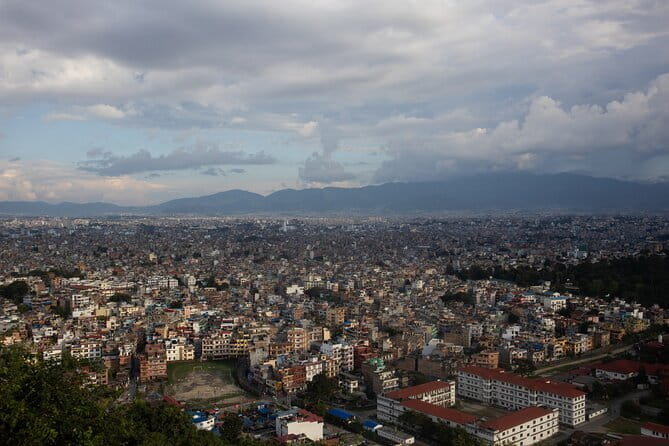
This is a sensible introduction to Kathmandu Valley if you have only one full day for sightseeing. Each stop offers a different window into Nepal: Buddhist devotion at Swayambhunath and Boudhanath, Newar royal art at Patan, and Hindu ritual at Pashupatinath.
The route also gives the day a useful rhythm. You begin above the city, move into a historic urban square, visit the Tibetan Buddhist center around Boudhanath, and finish beside the Bagmati River at one of Nepal’s most sacred Hindu sites.
You should expect a guided overview rather than a slow archaeological study. The schedule allocates seven hours in total, including travel, so your guide needs to keep the group moving. That is a fair trade if you want to cover the main sights without arranging separate taxis or local transport.
The tour begins at 9:30 am, with pickup offered. The details do not specify the exact pickup area or the size of the group, so confirm the meeting point when you book.
A few more things to do in Kathmandu worth a look
- Kathmandu: Full Day 7 UNESCO Tour with Lunch – Private/Group
★ 5.0 · 415 reviews - Kathmandu: Full Day Top 4 UNESCO Tour with Lunch – Private/Group
★ 5.0 · 269 reviews - Kathmandu: Full-Day 7 UNESCO Tour with Lunch – Private/Group
★ 4.9 · 247 reviews
Swayambhunath, the hilltop stupa and city view
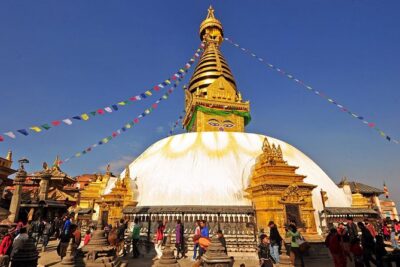
Your first stop is Swayambhunath, also called the Monkey Temple. It sits on a forested hill and is described as more than 3,000 years old, making it one of the oldest sacred sites in the valley.
The stupa is especially important in Nepali Buddhism. Its hilltop position gives the visit a strong sense of place, with religious buildings and wooded slopes around the main shrine. The name Monkey Temple points to the animals associated with the site, though the central reason to visit is its spiritual importance and long connection to Kathmandu.
You have about two hours here. That allows time to look around the stupa and hear explanations about Buddhist practice, Nepalese culture, and the way sacred spaces function in local life. The exact number of steps or walking conditions is not provided, so ask your guide about the route if mobility is a concern.
The admission line in the schedule says free, but the general tour information states that monument entry fees are paid separately by the guest. Since the fee details can vary by site or ticket arrangement, treat the stated $20 total as an additional budget item rather than assuming every entrance is free.
Swayambhunath is a strong opening stop because it introduces the religious themes that return later at Boudhanath. You see a hilltop sanctuary first, then later compare it with a large urban stupa surrounded by Kathmandu’s Tibetan Buddhist community.
Patan Durbar Square and Newar craftsmanship
After Swayambhunath, the route crosses the Bagmati River into Patan, the ancient Newar kingdom. Patan Durbar Square is a UNESCO World Heritage Site and one of the day’s best places to see the valley’s artistic traditions gathered in one compact area.
The square is known for metal casting and wood carving. That matters because the buildings are not just old walls and courtyards. Their carved details, statues, shrines, and decorative surfaces show the skill of Newar artisans and the importance of religious art in the city’s public life.
You have two hours here, which is useful for a place that rewards slow looking. Your guide can help you separate the major buildings from the smaller shrines and explain how the square worked as part of the old kingdom. Without guidance, it is easy to see a collection of attractive structures and miss the links between royal power, craft guilds, and worship.
Patan is also a practical counterpoint to the two stupas. At Swayambhunath and Boudhanath, the circular form of the stupa shapes the visit. In Patan, the focus shifts to courtyards, palace architecture, carved windows, and metal images.
The drawback is that two hours may still feel short if you want to examine every carving or spend time inside each open building. The tour works best when you accept that Patan is an introduction, not a full study of the old city.
Boudhanath, the great Buddhist circle
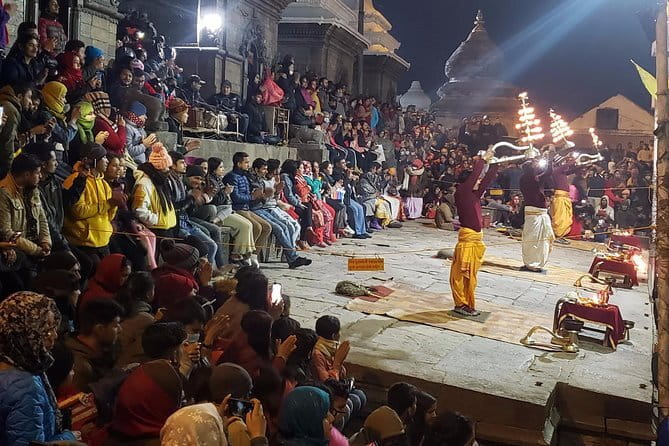
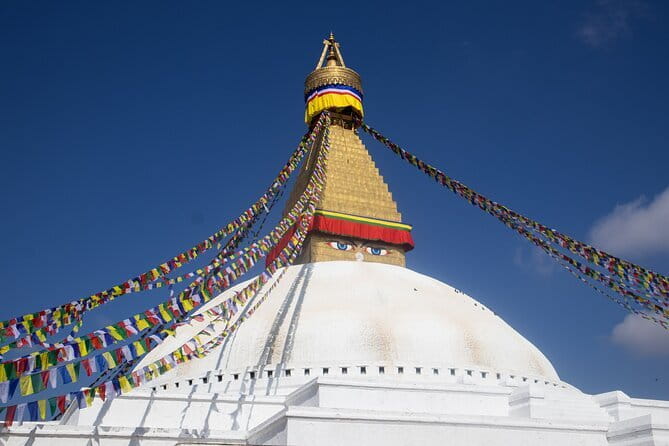
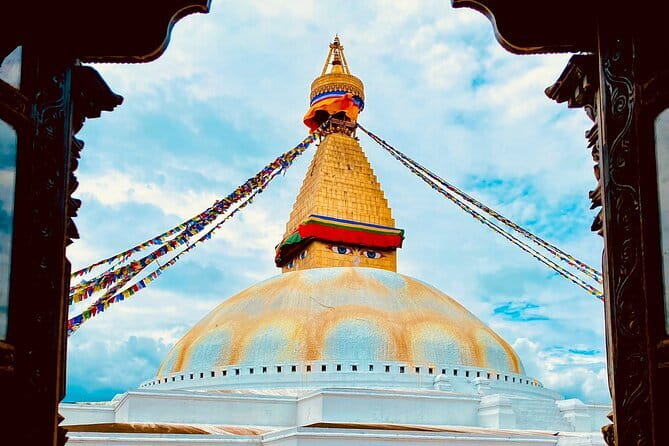
The third stop is Boudhanath Stupa, one of the world’s largest spherical stupas and the spiritual center of Nepal’s Tibetan Buddhist community. Two hours here gives you time to walk around the stupa and observe the religious activity that gathers around it.
The central action is circumambulation, known as kora. You walk around the stupa in the traditional direction, alongside monks and other worshippers. The supplied description also points to crimson-robed monks, juniper incense, and rooftop monasteries, details that help you understand why Boudhanath feels like more than a monument.
This is one of the places where a guide adds real value. A cultural guide can explain the meaning of the circular walk and place the buildings around the stupa in a wider Nepalese and Tibetan Buddhist setting. The guide can also help you approach the site respectfully, which is important when people are engaged in prayer rather than sightseeing.
Boudhanath follows Patan well. You move from the square geometry of a former royal center to a circular religious space that remains closely tied to active worship. The contrast makes the day more than a checklist of famous buildings.
The schedule gives Boudhanath two hours, but the tour does not promise free time for extensive shopping, a long café stop, or a detailed monastery visit. If you want a slow morning of photography or a long kora, this full-day route may feel brisk.
Same base, a different kind of day:
- Everest Base Camp Trek – 14 Days
★ 5.0 · 1,499 reviews - Private Kathmandu Sightseeing Tour | UNESCO World Heritage sites
★ 5.0 · 756 reviews - Everest Base Camp Helicopter Tour landing at Everest View Hotel
★ 5.0 · 668 reviews - Half day cooking class in Thamel kathmandu
★ 5.0 · 607 reviews
Pashupatinath and the Bagmati River
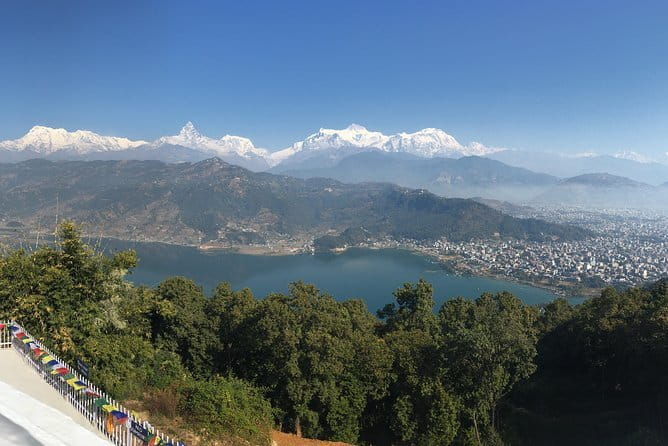
The final stop is Pashupatinath Temple, an ancient Hindu sacred site on the bank of the Bagmati River. You have about one hour here, making it the shortest visit of the day but perhaps the most emotionally weighty.
Pashupatinath presents a distinctive Nepalese understanding of the passage between life and death. The description focuses on the relationship between the soul and the body, and on the cultural practices connected with both. The Bagmati River is central to that setting.
This is not a stop to treat like a palace or museum. Religious activity here can be serious and private. Your guide’s role is especially important in helping you understand what you are seeing and how to behave respectfully.
One hour is enough for an introduction, but it limits the time available for observing the complex and its riverside setting. If Pashupatinath is your main reason for visiting Kathmandu, you may prefer a separate, longer visit. On this route, it works as a concise final chapter after the Buddhist and Newar sites.
Ending here gives the day a clear theme. You have seen living Buddhist practice, royal-era art, and a major Hindu center. Together, the stops show how several faiths and cultural traditions share the Kathmandu Valley.
What the guide adds to the day
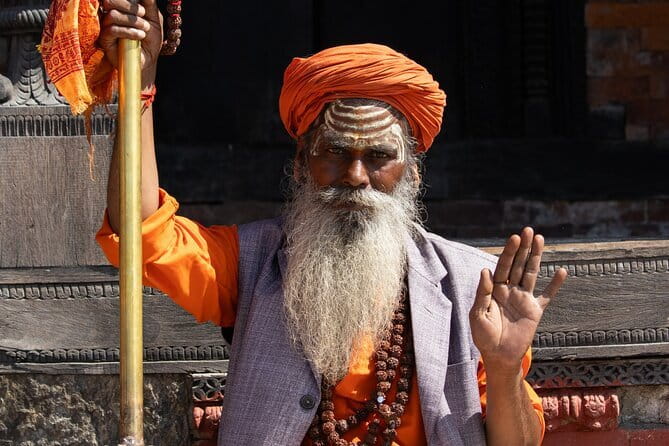
The tour is built around cultural explanation, not just transport. The provider describes the guide as an experienced cultural professional, with English in person and English audio available. One named guide, Manish, is praised for his strong knowledge of Nepal and its religions, as well as for being passionate and engaging.
That is the kind of guidance this route needs. The sites are visually impressive, but their meaning is not always obvious. A stupa, a carved palace window, or a riverside temple can look beautiful while leaving you unsure about its purpose. Clear explanations connect the objects to Nepalese traditions and help you notice details you might otherwise pass.
The wording also refers to university lectures and local experts guiding people personally. That suggests an educational approach, though the exact guide assigned to your booking is not guaranteed in the information provided. Ask at booking if you want to know who will lead your day.
You should also keep your expectations grounded. The tour promises a professional cultural guide, but it does not list a formal lecture length, special access, or a religious ceremony. Think of it as a guided cultural survey with room for questions.
Is the $40 price good value?
The advertised price is $40 per person. The additional monument entry cost is stated as $20 per person, so you should budget about $60 in total before any personal spending.
That price includes private transportation and a cultural guide. Those inclusions matter in Kathmandu, where arranging four separate stops can take time and create uncertainty. You are paying not only for admission planning, but also for the vehicle and a person who can explain the cultural setting.
The value is strongest if you want all four sites in one day. A person interested only in Boudhanath or Patan may find a shorter, more focused visit better suited to their interests. But if you want a broad first look at the valley, the combination is efficient.
The tour is also a practical choice for a first day in Kathmandu. It gives you a basic map of the valley’s religious and artistic centers, then leaves you better placed to decide where you want to return for more time.
Keep the extra $20 firmly in mind when comparing prices. The low headline figure can make the tour look cheaper than the final cost. The entry fees are not a surprise if you plan for them from the start, but they should be part of your decision.
Timing, comfort, and who should book
This is a seven-hour outing beginning at 9:30 am. The site allocations are two hours at Swayambhunath, two hours at Patan Durbar Square, two hours at Boudhanath, and one hour at Pashupatinath.
That is a full day without being an all-day marathon. Still, the schedule leaves little room for delays or long personal breaks. You will spend much of the day moving through sacred and historic places, so comfortable clothing and shoes are sensible, though the supplied details do not specify a dress code.
The route suits first-time visitors, people with limited time, and anyone who wants cultural context rather than independent wandering. It is also a good match for visitors who prefer private transport and a planned route.
It may not suit you if you want to spend half a day at one monument, shop at length, or set your own pace. The exact group size is not stated, so ask before booking if that detail affects your choice.
Service animals are allowed, the meeting area is near public transportation, and most participants can take part. The experience requires good weather. If poor weather causes cancellation, you are offered another date or a full refund.
Free cancellation is available up to 24 hours before the 9:30 am start time. Cancellations or changes made within 24 hours are not refunded or accepted, so keep the local cut-off time in mind.
Should you book this Kathmandu day tour?
Book it if you want the valley’s major Buddhist, Hindu, and Newar sites in one organized day. The strongest reasons are the private transport, the English cultural guidance, and the chance to hear the religious meaning behind places that can otherwise blur together.
I would be especially comfortable recommending it to a first-time visitor who has only one open day. Guide Manish is singled out for his grasp of Nepalese religions and his lively approach, though you should confirm your assigned guide if that matters to you.
Think twice if you want a slow, specialist visit to one site, or if the extra $20 in entry fees changes your budget. For most short stays, though, the route offers a useful and fairly priced introduction, provided you count the monument fees in the real total and accept the brisk schedule.
FAQ
How long does the Kathmandu Valley tour last?
The experience lasts approximately seven hours, beginning at 9:30 am.
Which sites are included?
The route visits Swayambhunath, Patan Durbar Square, Boudhanath Stupa, and Pashupatinath Temple.
Is transportation included?
Yes. Private transportation is included, and pickup is offered.
Is a guide included?
Yes. The tour includes an experienced cultural guide, with English provided in person and English audio available.
Are monument entry fees included in the $40 price?
No. Entry fees are paid separately by the guest. The stated additional cost is $20 per person.
What is the cancellation policy?
You can cancel at least 24 hours before the start time for a full refund. Cancellations and changes within 24 hours are not refunded or accepted.
What happens if bad weather cancels the tour?
If poor weather causes cancellation, you are offered a different date or a full refund.
Just added in Kathmandu
- Luxury Everest Base Camp Trek -11 Days★ 5.0 · 7 reviews
- 14 Days Everest Base Camp Trek★ 5.0 · 7 reviews
- Everest Base Camp Helicopter Tour★ 5.0 · 3 reviews
- Everest Base Camp Helicopter Tour★ 5.0 · 17 reviews
- Everest Base Camp Helicopter Tour★ 5.0 · 11 reviews
- Everest Base Camp Heli Tour★ 5.0 · 15 reviews
- Everest Base Camp Helicopter Tour with Stop at Everest View Hotel★ 5.0 · 19 reviews
- Everest Base Camp Helicopter Tour★ 5.0 · 4 reviews
Tours in Kathmandu, compared.
Private Kathmandu Sightseeing Tour | UNESCO World Heritage sites
Read our review →
Everest Base Camp Helicopter Tour landing at Everest View Hotel
Read our review →
Nagarkot Sunrise View and Day Hiking from Kathmandu
Read our review →
Full Day 7 UNESCO Tour with Lunch – Private/Group
Read our review →