
Reviewed · LANGTANG VALLEY TREKS
Langtang Valley Trek from Kathmandu
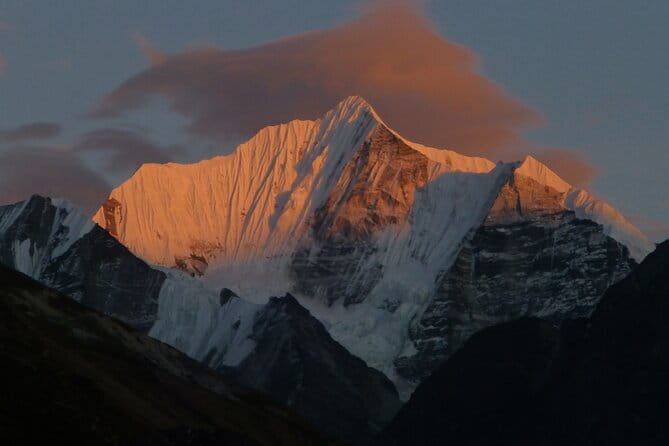
The Langtang Valley Trek gives you a close look at Nepal without the crowds and high costs often tied to Everest routes. You move from river valleys and bamboo forest to stone villages, yak pastures, and Kyanjin Gompa, with views toward Langtang Lirung, Ganesh Himal, and Shishapangma in Tibet.
I like the strong cultural side, especially the Tamang villages and Tibetan-influenced traditions. I also like that the route includes time at Kyanjin Gompa and an optional Tserko Ri climb. The main drawback is the long road trip to Syabrubesi and the basic guesthouse accommodation, so you should be comfortable with early starts, modest facilities, and six to seven hours of walking on several days.
Key points to know
- Kyanjin Gompa is the trek’s high point, combining mountain scenery, an ancient monastery, and the Kyanjin Cheese Factory.
- The route follows the Langtang River, through rhododendron, oak, bamboo, suspension bridges, and changing mountain scenery.
- Tserko Ri is optional, but it is the most demanding and rewarding day for wide Himalayan views.
- Tamang culture shapes the trip, with traditional villages, stone houses, and warm local hospitality.
- Your private group travels with an English-speaking guide, while the road transfers use a shared bus.
- The $1,110 price includes major trek costs, though the meal details deserve a careful check before booking.
Why Langtang feels different from Nepal’s busiest treks
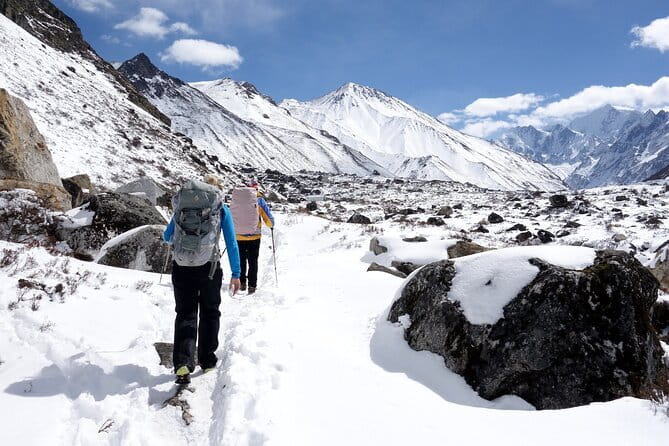
Langtang is a good choice when you want Himalayan scenery with a quieter, more personal feel. The route does not take you toward the famous Everest Base Camp crowds. Instead, it enters a valley known for Tamang culture, Tibetan influence, forest trails, and small settlements spread along the Langtang River.
The cultural setting is not just a side note. You pass through villages where traditional stone houses and mountain farming remain part of daily life. The visit to Kyanjin Gompa adds a spiritual center to the walk, while the surrounding yak pastures show how people and animals adapt to high elevations.
The route also carries a serious modern story. Langtang Village is recovering from the 2015 earthquake, and the trek gives you a direct view of local rebuilding and resilience. That makes the trip feel more connected to the communities along the trail, rather than being only a mountain photo expedition.
You should still set your expectations correctly. This is not a luxury walking holiday. The road is rough in places, the bus journey is long, and accommodation is in guesthouses. But for many people, those limits are part of the appeal. You spend more time close to local life and less time behind resort walls.
Other valley treks from Kathmandu:
- Langtang Valley Trek
★ 5.0 · 140 reviews - Private 8 – Day Langtang Trekking
★ 5.0 · 29 reviews - Kathmandu: 6-Day Limitless Langtang Trek
★ 5.0 · 21 reviews
Day 1: Kathmandu to Syabrubesi by shared bus
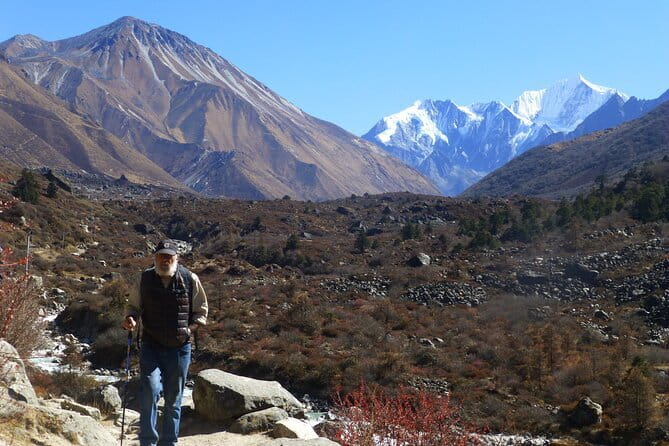
The first day is mostly a road journey, taking about six to seven hours. After breakfast, you travel from Kathmandu toward Syabrubesi, crossing the Trishuli area and passing green hills, rivers, and countryside.
This transfer matters because Syabrubesi is the practical starting point for the trek. It also gives you an early sense of how quickly Nepal changes outside Kathmandu. The road leaves the city behind and reaches a more rural, mountainous setting.
The trip can feel tiring before the walking even begins. You should expect a full day of transport, several stops, and a shared bus rather than a private vehicle. If you are prone to motion sickness, prepare accordingly, though the tour information does not specify what road conditions or vehicle amenities will be available.
Your overnight accommodation is in a guesthouse. This is a simple first night, but it puts you near the trail and avoids adding another long transfer the next morning.
Day 2: Forest trails and the river at Lama Hotel
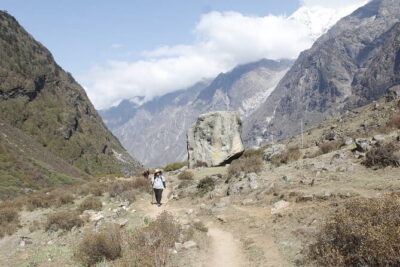
The walk to Lama Hotel takes about six hours. This is where the trek settles into its rhythm, with a route through subtropical forest and along the Langtang River.
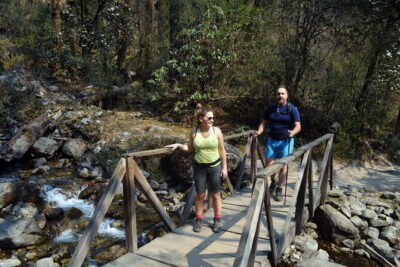
Rhododendron, oak, and bamboo fill much of the trail. Suspension bridges and the sound of rushing water add variety, and the changing vegetation helps you notice the rise in elevation even when the trail is shaded.
This section is appealing if you enjoy walking through nature rather than rushing from one famous viewpoint to another. You may also spot langur monkeys in the forest. The trail is not described as technically difficult, but six hours of walking requires a moderate level of fitness, especially after the previous day’s bus ride.
Lama Hotel is a useful early stop because it breaks the climb into manageable stages. You get a night to recover before heading toward the higher villages and more open mountain scenery.
Day 3: Reaching Langtang Village
The next six-hour walk brings you toward Langtang Village. The forest begins to give way to wider views, traditional stone houses, and yak pasture.
This is one of the most meaningful parts of the route. The village is recovering from the 2015 earthquake, so the stop offers a clear connection to the strength of local communities. You are not simply passing through a pretty settlement. You are seeing a place shaped by disaster, rebuilding, and the continued importance of tourism.
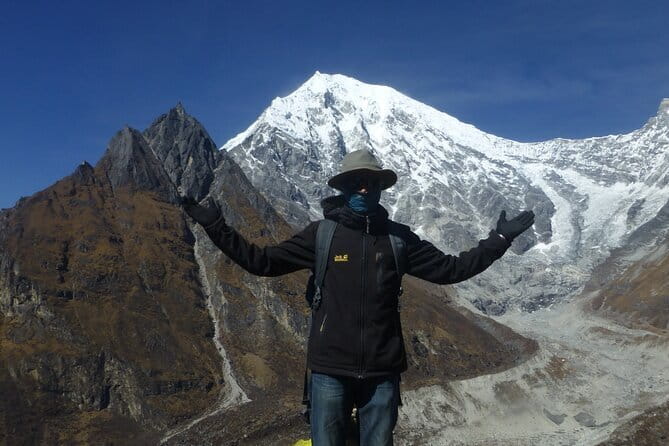
The mountain views also improve here. Langtang Lirung becomes a major presence, and the valley feels more open than the wooded trail below. The traditional houses and grazing areas help explain how the valley has functioned for generations.
You should allow time to walk at the group’s pace and enjoy the village rather than treating it as a quick lunch stop. The information provided does not give exact elevation figures, so your guide will be the best source for day-to-day pacing and altitude advice.
A few more things to do in Kathmandu worth a look
- Everest Base Camp Trek – 14 Days
★ 5.0 · 1,499 reviews - Everest Base Camp Trekking
★ 5.0 · 485 reviews - Nagarkot Sunrise View and Day Hiking from Kathmandu
★ 5.0 · 471 reviews - Annapurna Circuit Trek with Tilicho Lake
★ 5.0 · 368 reviews
Day 4: Kyanjin Gompa and the cheese factory
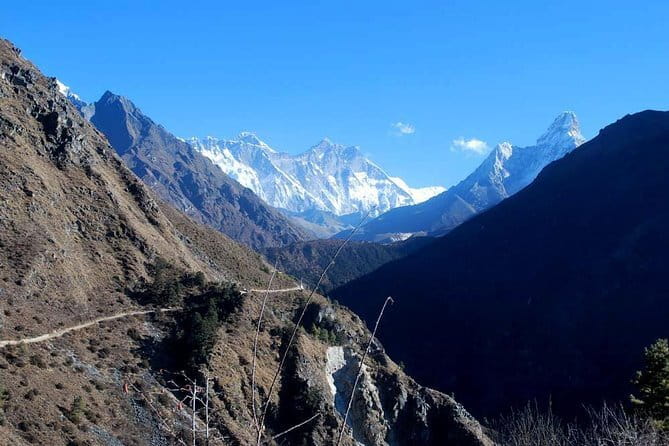
The walk to Kyanjin Gompa takes about five hours, making it shorter than several other trekking days. That is useful because you are moving higher, and a shorter schedule gives you time to adjust.
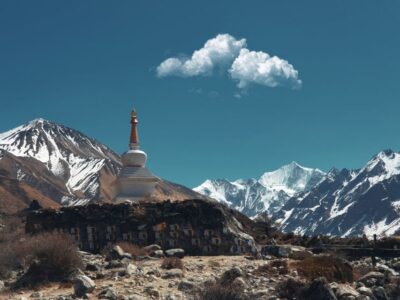
Kyanjin Gompa is the spiritual center of the trek. The ancient monastery brings history and faith into the mountain setting, while nearby yak pastures and the Kyanjin Cheese Factory show the practical side of life at altitude.
The day is not only about reaching a final village. It is about seeing how religious sites, local food production, and mountain livelihoods fit together. The cheese factory is a distinctive stop and gives the trek a local detail that you will not get from a viewpoint alone.
The itinerary describes this as an easier day, but you should not treat it as effortless. You are still walking uphill at increasing altitude, and cold, thin air can make a moderate trail feel demanding. Keep your pace steady and use the shorter day to rest.
Day 5: The optional Tserko Ri climb
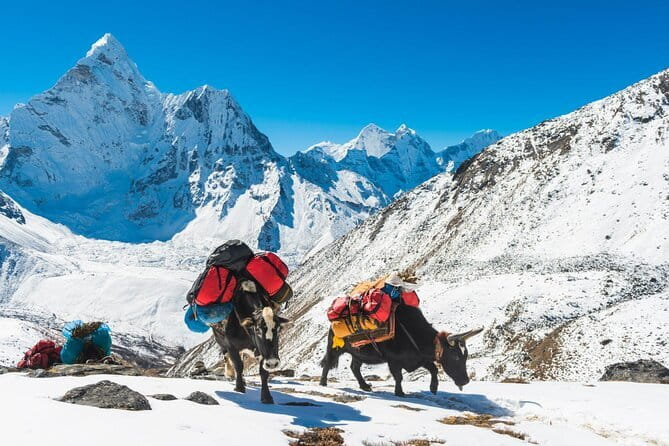
Day five is the trek’s main challenge. After an early breakfast and packed snacks, you cross a small wooden bridge over the Langtang River and begin the climb toward Tserko Ri.
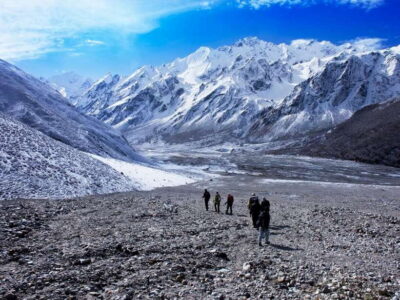
The summit walk takes about six hours and is designed around views. From the higher ground, you may see Langtang Lirung, Ganesh Himal, and Shishapangma across the border in Tibet. These are the broad mountain views that make the extra effort worthwhile.
Tserko Ri is optional, which is important. You can decide with your guide whether the climb suits your fitness, energy, and condition at altitude. The supplied information also refers to Kyanjin Ri as another possible viewpoint, but the detailed day plan focuses on Tserko Ri. Ask your guide which option is planned and what the conditions are before setting out.
This is the day when physical preparation matters most. The tour asks for moderate fitness, and that phrase should be taken seriously. You do not need to be an elite climber, but you should be ready for a long uphill walk followed by a descent. Packed snacks are included for the day, but you should confirm exactly what food and water arrangements are provided.
You return to Kyanjin Gompa after the climb. That return makes the day feel full rather than rushed, with the option to keep the summit attempt flexible.
Day 6: Descending to Lama Hotel
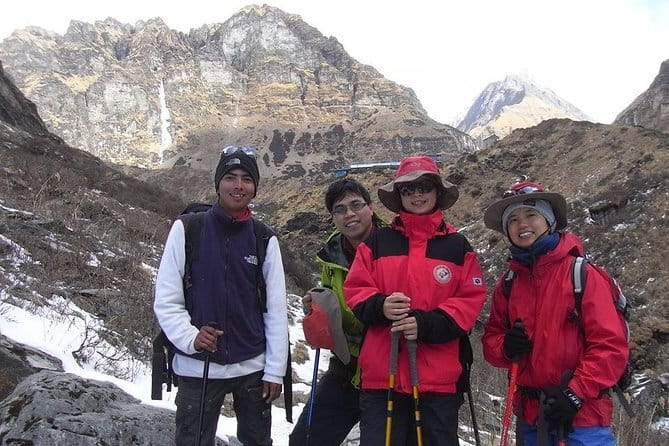
The sixth day takes you back to Lama Hotel in about six hours. You retrace much of the route, but the descent changes how the valley feels.
The walk is easier for many people because the altitude drops and the trail heads downhill. You again pass riverside sections and the narrower lower valley, with forest becoming more prominent as you lose height.
Downhill walking is not always easy on the knees, so do not assume this is a free rest day. Trekking poles may be useful, although the tour does not state that they are supplied. Your guide can help set a comfortable pace and arrange breaks.
This day also gives you a second chance to notice details missed during the uphill journey. Forest trails, bridges, and river views often look different when you are no longer concentrating on the climb.
Day 7: Returning to Syabrubesi
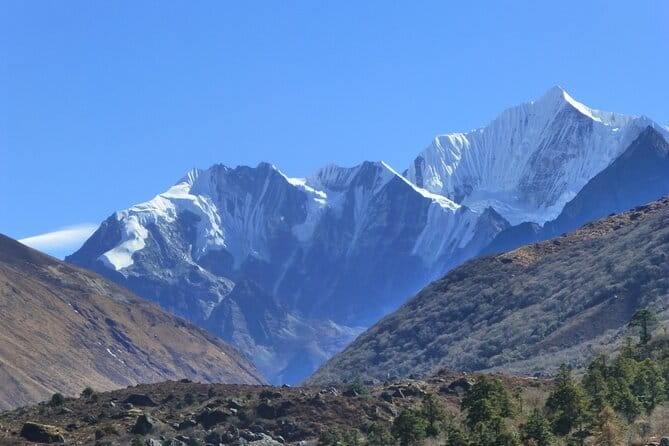
You walk for about seven hours back to Syabrubesi. The standard route retraces your earlier steps and is mostly downhill.
There is also an optional route via Sherpagaun. It is described as more scenic and provides a different trekking experience, but the available details do not explain its exact distance, elevation, or whether it changes the overnight plan. Ask your guide about the route before choosing it, especially if your legs are tired after the previous days.
Returning to Syabrubesi marks the end of the mountain walking, but not quite the end of the trip. It is a good time to look back at the change from forest to high valley and then back again. The route has a satisfying out-and-back shape, with Kyanjin Gompa and Tserko Ri serving as clear goals.
Your guesthouse accommodation is again part of the package. Facilities are basic, so pack with simple mountain lodging in mind rather than expecting hotel-style comforts.
Day 8: Syabrubesi back to Kathmandu
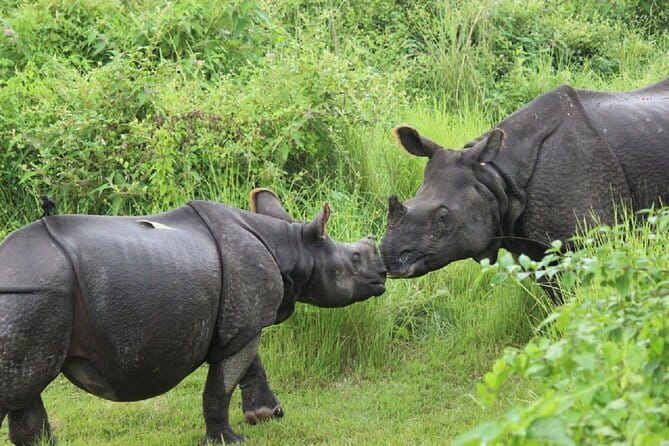
The final day is another road journey of about six hours. You pass green hills, forests, riverside areas, and rural Nepal before arriving in Kathmandu.
It is a scenic finish, but it can also be a tiring one after a week of walking. The package includes transfer to your selected hotel once you arrive, which is useful because it removes the need to arrange a separate taxi after the long bus ride.
The return journey also reinforces the scale of the trek. In a few hours, you move from a remote mountain valley back toward the capital. Build some flexibility into your wider Nepal plans, since road travel can take most of the day even when the stated duration is six hours.
What the $1,110 price covers
At $1,110 per person, this is not a budget day trip, but it covers an eight-day private trekking experience with substantial logistics.
Included services are hotel pickup and drop-off, round-trip shared-bus transfers, the trekking permit, the TIMS card, an English-speaking experienced guide, guesthouse accommodation, and a first-aid box carried by the guide.
The food information needs clarification. The package lists eight lunches, eight dinners, and seven breakfasts as included, but another line says meals are not included and gives an approximate cost of $25 per day. Because those statements conflict, ask the provider exactly which meals are covered and what the $25 estimate refers to before paying.
Gratuities are optional and not included. You should also confirm what is excluded beyond meals, such as drinks or personal purchases, since those details are not specified.
The private format is a plus if you want your group to set its own pace. At the same time, the road transfers use a shared bus, so private trekking does not mean every part of the trip is private.
Who should book this Langtang trek
I would recommend this route to you if you want a medium-length Himalayan trek with cultural depth, quieter trails, and a strong mountain finish. It suits people who care as much about villages, monasteries, forests, and local recovery as they do about summit views.
It is also a good fit if you prefer an eight-day plan rather than a much longer Himalayan expedition. The optional Tserko Ri climb lets you make the hardest day more ambitious without forcing every member of the group to take the same approach.
You should think twice if you want private transport, upscale lodging, or a relaxed schedule with short walks. The two long bus journeys and several six to seven-hour trekking days demand patience. The tour also requires moderate physical fitness and is not appropriate for someone who is physically ill.
The strongest practical advantage is the guide support. The experience includes an English-speaking guide, a first-aid box, permits, and local accommodation, so you do not need to assemble those pieces yourself. The three available ratings are all five out of five, with especially strong praise for kind, caring, reliable guides and porters. No guide names are provided, so you should request the assigned guide’s name and qualifications before departure.
Should you book it?
Book this Langtang Valley Trek if you want a quieter route from Kathmandu, meaningful contact with Tamang communities, and a real Himalayan viewpoint at Tserko Ri. The combination of Kyanjin Gompa, the cheese factory, recovering villages, and mountain scenery gives the journey more substance than a simple out-and-back walk.
Before booking, clarify the conflicting meal information, ask about the exact Tserko Ri and Sherpagaun plans, and make sure six to seven hours of trekking suits you. If the answers are clear and you are comfortable with shared buses and guesthouses, the $1,110 cost offers a well-supported way to experience Langtang without arranging each permit, transfer, and overnight stop yourself.
Free cancellation is available if you cancel at least 24 hours before the local start time. Changes or cancellations made within 24 hours are not refundable.
FAQ
How long is the Langtang Valley Trek from Kathmandu?
The experience lasts approximately eight days, including road transfers between Kathmandu and Syabrubesi.
Is hotel pickup included?
Yes. Hotel pickup and drop-off are included.
Is the trekking group private?
Yes. This is a private tour or activity, and only your group participates. The round-trip road transfer uses a shared bus.
What level of fitness is required?
A moderate level of physical fitness is required. The itinerary includes trekking days of about five to seven hours, and the Tserko Ri climb is the most demanding section.
Is Tserko Ri mandatory?
No. The climb to Tserko Ri is optional. You can discuss the climb with your guide after considering your fitness and condition at altitude.
What accommodation is provided?
Accommodation during the trek is in guesthouses. The specific guesthouse names and room arrangements are not provided.
What is the cancellation policy?
You can cancel at least 24 hours before the experience start time for a full refund. Cancellations or changes made less than 24 hours before the local start time are not accepted for a refund.
Just added in Kathmandu
- Traditional Momo Making Class★ 5.0 · 10 reviews
- Women Empowerment Project(Nepali cooking class & jewelry workshop★ 5.0 · 15 reviews
- Kathmandu 2 Nights 3 Days Chitwan Jungle Safari Tour★ 5.0 · 9 reviews
- Walking tour of Kathmandu with awesome local guides★ 5.0 · 4 reviews
- Wildlife Adventure in Chitwan Nepal★ 4.0 · 4 reviews
- Kathmandu to Pokhara Premium sofa bus ticket★ 4.0 · 17 reviews
- Regular Yoga for all levels of practitioners in Kathmandu★ 5.0 · 4 reviews
- Kathmandu Street Food Walking Tour – Eat Like a Local★ 5.0 · 3 reviews
Langtang Valley Treks, compared.
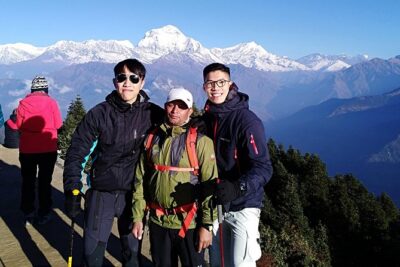
Trekking in Annapurna/Langtang/Everest/Upper Mustang regions
Read our review →
Browse the lists this tour appears in