
Reviewed · ANNAPURNA BASE CAMP TREKS
Pokhara: 5-Day Trek to Annapurna Base Camp and Hot Springs
The best part of this trek is the quick change from Pokhara’s lakeside streets to high Himalayan country. In five days, you follow the Modi Khola River, pass villages and waterfalls, cross forests, reach Annapurna Base Camp, and finish with a soak at Jhinu’s hot springs.
I like the clear route and the practical support: permits, a registered guide, lodging, hotel pickup, and shared jeep transport are covered. I also like the way the schedule saves the hot springs for the end, when your knees will be grateful. The main drawback is the pace. Reaching 4,120 meters and then dropping to Sinuwa in one day demands good fitness.
Key points
- Annapurna Base Camp at 4,120 meters: Reach the famous mountain amphitheater on day three.
- Five demanding hiking days: Expect up to eight hours on foot, with long uphill and downhill sections.
- Jhinu hot springs: Finish the route with a well-earned bath near the river.
- Shared jeep transport: Road transfers cut out a longer approach from Pokhara.
- Registered English-speaking guide: Guides such as Tanka, Chhabi, and Amir have been praised for safety, care, and adjusting the pace.
- Flexible package choices: Meals and a porter depend on whether you choose the budget or all-inclusive option.
From Lakeside Pokhara to the Annapurna trail
This trek gives you a lot in a short period. The road transfer from Pokhara takes you toward the trailhead, reducing the amount of time spent on lower roads and letting you begin walking in the Modi Khola river country.
The published day-one schedule lists a three-hour jeep journey from Lakeside Pokhara to Samrung, followed by about four hours of trekking to Sinuwa. Other descriptions refer to Jhinu as the road endpoint or to the first night near Jhinu Danda. That wording is not perfectly consistent, so I would confirm the exact road stop and overnight village before departure.
That small bit of checking matters in Nepal, where roads and trail access can change. Your guide should meet you in the hotel lobby or at the entrance to your apartment five to ten minutes before pickup. Bring your passport or identification card, since permits are checked before you set off.
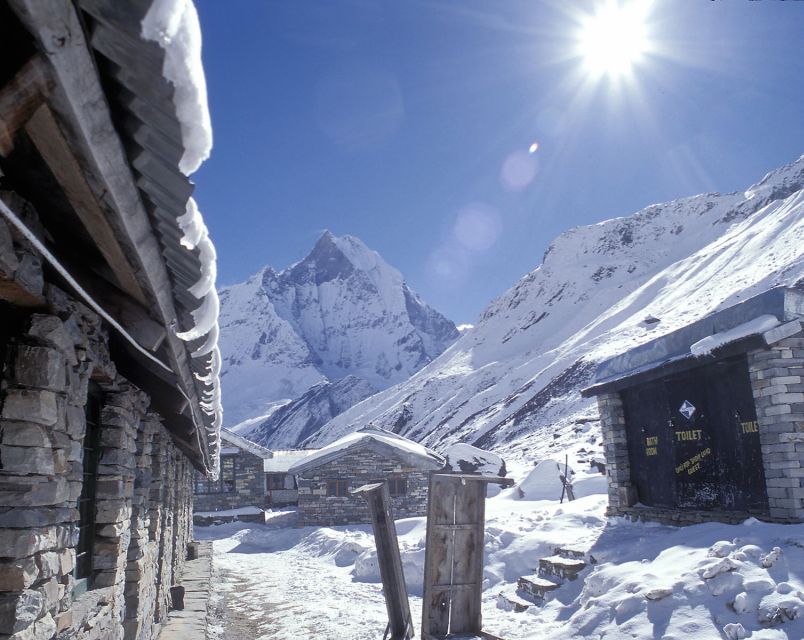
The route follows the Modi Khola and passes small villages, streams, waterfalls, and thick forest. You get a steady taste of local mountain life rather than a simple viewpoint visit. The accommodation is in tourist-standard tea lodges, private rooms according to the package details, but you should keep your expectations practical. This is a working trekking route, not a resort trip.
Other Annapurna routes from Pokhara:
- Kathmandu/Pokhara: 5-Day Annapurna Base Camp (ABC) Trek
★ 4.9 · 72 reviews - Private 7 – Day Annapurna Base Camp Trekking
★ 5.0 · 50 reviews - Annapurna Base Camp Trek (8 days)
★ 5.0 · 45 reviews
Day one: four hours on foot to Sinuwa
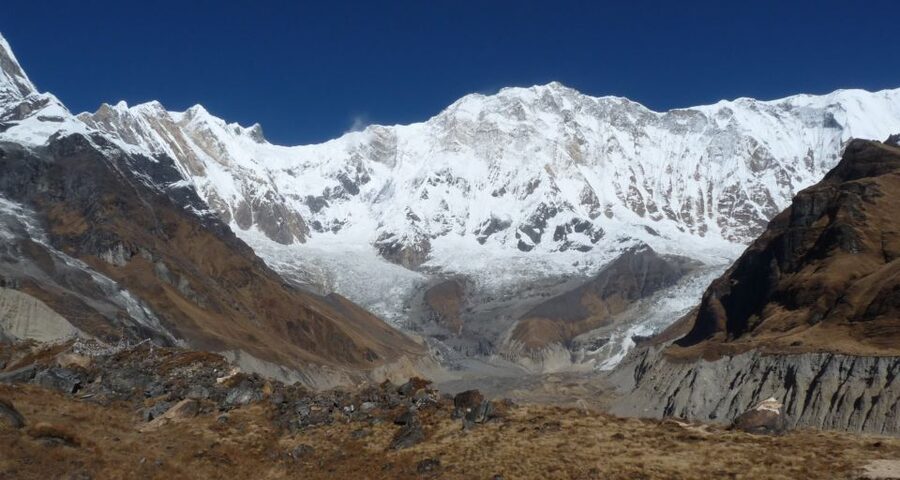
The first walking section introduces the rhythm of the trek. You travel by jeep, then begin on foot along the river and through settlements toward Sinuwa. The route includes crossings and uphill sections, so your first day is not merely a gentle warm-up.
At around four hours of walking, Sinuwa gives you a useful first-night stop before the trail climbs higher. The combination of road travel and hiking makes this day manageable for people who are prepared, but you still need to carry water, clothing, sunscreen, and personal items in a daypack.
This is also the day to learn how your guide works. A good guide will help set a pace you can maintain rather than racing ahead. One praised guide, Tanka, was especially careful about health and adjusted the daily walking speed to suit the group. Amir was also described as friendly and attentive. Guides vary, but the experience includes a government-registered English-speaking guide.
Day two: Sinuwa, Chhomrong, and Deurali
Day two is listed as a six to seven-hour trek from Upper Sinuwa to Deurali at 3,230 meters. You climb through forest and pass Chhomrong, one of the largest villages along the route.
Chhomrong is important as both a settlement and a trail marker. It gives the route a sense of scale. You are no longer simply walking between roadside villages. The valley narrows, the elevation rises, and the mountains become a more constant part of the view.
From Chhomrong, the trail continues through forest toward Deurali. Expect a full day, not a casual walk. Forest cover can make the heat more manageable, but the repeated climbs still test your legs. I recommend using trekking poles if you have them, especially if your knees are less happy with steep steps.
At Deurali, you are sleeping at about 3,230 meters. This is where altitude begins to matter more. The package does not promise medical support beyond the guide, so pay attention to headaches, unusual tiredness, nausea, or shortness of breath. The provided information specifically recommends travel and rescue insurance, and that is sensible for a high-altitude trek.
Day three: Deurali to Annapurna Base Camp
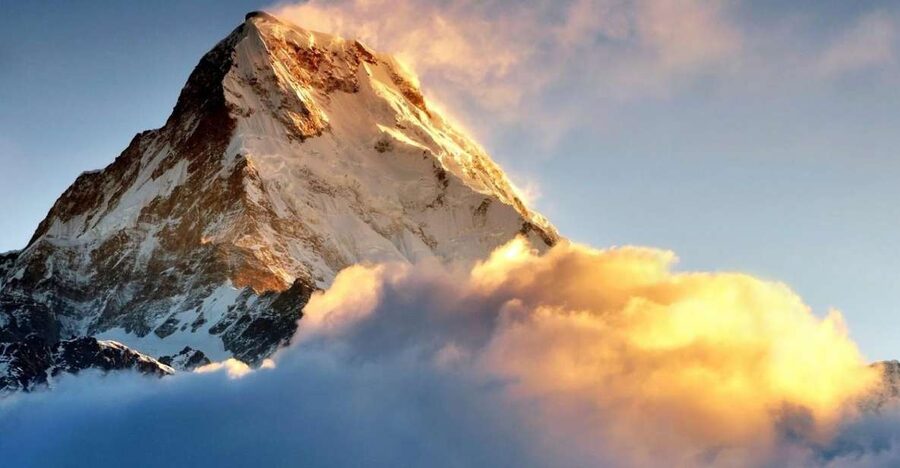
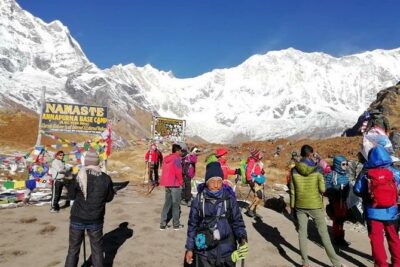
The third day is the high point of the route, both literally and emotionally. You walk from Deurali to Annapurna Base Camp, a five to six-hour section that reaches 4,120 meters.
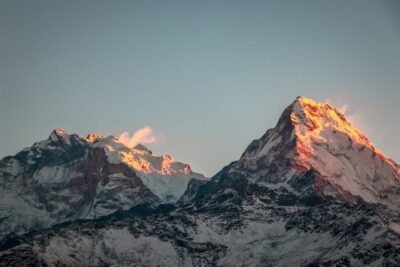
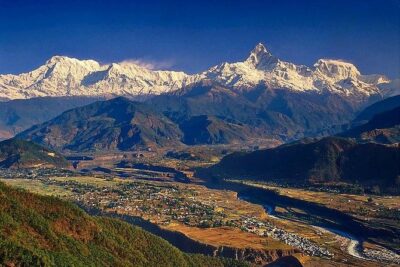
The trail passes streams and continues toward Machhapuchhare Base Camp. Machhapuchhare, also known as Fishtail, is one of Nepal’s best-known mountain shapes. From this upper section, the route takes you into the Annapurna Sanctuary, a high hollow surrounded by major peaks.
The description also refers to Ablation Valley, a corridor between the glacier and the mountain. This is one of the trek’s most unusual sections. The surroundings become more open and severe as you leave much of the forest behind. You cross hills and continue to Annapurna Base Camp, where you spend the night.
This is the day when the trek’s short five-day format makes itself felt. You gain a great deal of height in only a few days. Walk slowly, drink regularly, and tell your guide if you feel unwell. The scenery can encourage you to hurry for photographs, but your best view comes when you still have enough energy to enjoy it.
At base camp, you can expect mountain views, glacial surroundings, and a strong sense of arrival. You should not expect much comfort. The night is at high elevation, and the lodge setup is basic compared with Pokhara accommodation. Still, sleeping near Annapurna Base Camp is the reason many people accept the hard schedule.
A few more things to do in Pokhara worth a look
- Poon hill Trek 3 days
★ 5.0 · 176 reviews - Trekking in Annapurna/Langtang/Everest/Upper Mustang regions
★ 5.0 · 161 reviews - Pokhara: 4-Day Ghorepani, Poonhill & Ghandruk Mountain Trek
★ 5.0 · 132 reviews - Ghorepani – Poon Hill Trek 3N-4D
★ 5.0 · 125 reviews
Day four: the long descent to Sinuwa
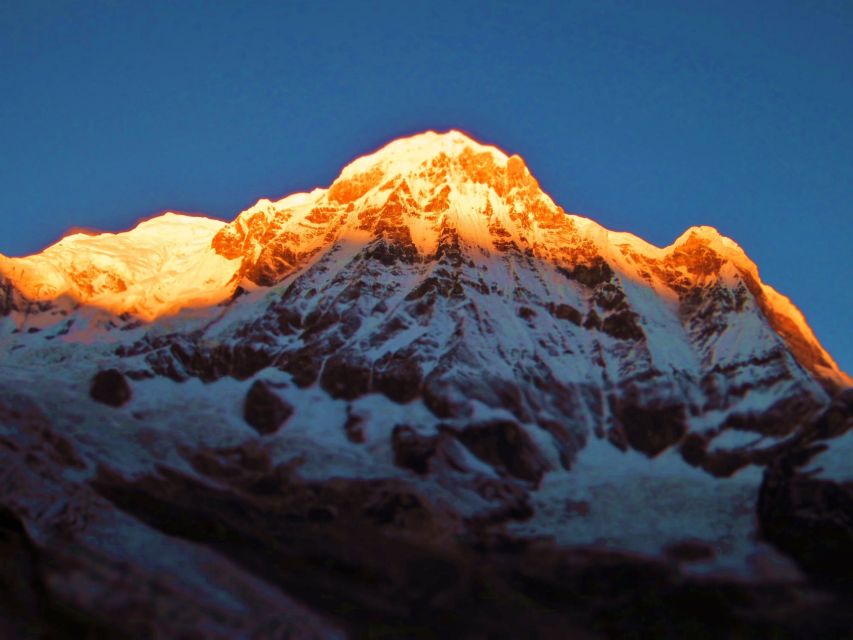
The route turns downhill on day four, from Annapurna Base Camp to Sinuwa. The stated walking time is seven to eight hours, making this the hardest day for many people.
The trail passes through the only practical exit from the Annapurna Sanctuary and drops toward Bamboo and Sinuwa. Bamboo is about 1,600 meters lower than Annapurna Base Camp. That huge descent explains the warning about sore knees. Downhill walking can be tougher than climbing, particularly on uneven steps.
Take this day slowly. Use trekking poles, shorten your stride, and keep your knees soft rather than locking them. A porter can be useful here if you do not want to carry a full pack, but the porter is included only with the all-inclusive option. In the budget package, you pay extra if you decide you need one.
The reward is a return to lower, greener country and a more comfortable breathing rhythm. You also get another night at Sinuwa before the final route to Jhinu. That stop breaks up the descent and keeps the last day from becoming an even longer slog.
Day five: Jhinu’s hot springs and the return to Pokhara
The final day combines four hours of trekking with about three hours in a shared jeep. You descend from Lower Sinuwa toward Jhinu Danda, passing farmland near the river.
Jhinu is the fitting finish. After several days of steep paths, a soak in the hot spring baths gives your muscles a chance to recover. The bath is not an optional sightseeing add-on in the way a city stop might be. It is part of what makes this short itinerary work. You finish with rest rather than simply walking straight to a vehicle.
After Jhinu, the shared jeep takes you back toward Lakeside Pokhara. The road transfer can be rough and slow, and shared transport means you may not have the vehicle to yourself. Still, it saves you from walking the entire lower route and gets you back to your hotel or the airport transfer point.
The schedule also uses several names for the lower route, including Jhinu, Jhinu Danda, Samrung, and Sinuwa. Confirm the exact final walking point and vehicle meeting point with the provider. Clear instructions will help you avoid confusion after a tiring morning.
What the $206 price covers
At $206 per person, the value depends heavily on the package you choose. The base price includes hotel pickup and drop-off from a Lakeside Pokhara hotel or the airport by car, shared jeep transport, tourist-standard lodge accommodation, conservation permits, the TIMS permit, a registered guide, the guide’s salary, accommodation, and meals.
The all-inclusive option also includes meals and a porter. That is a meaningful difference. Food costs can add up over five days, and a porter changes the physical demands of the trek. If you are unsure about carrying your own gear, compare the two package prices before booking rather than deciding only after your knees start complaining.
The budget option excludes meals and porter service. You also pay for drinks, personal snacks, hot or cold beverages, alcoholic drinks, showers, laundry, phone calls, battery charging, bottled or boiled water, and bar bills. Bring Nepalese rupees or another accepted form of spending money for these extras.
The price does not include travel insurance. For a route reaching 4,120 meters, rescue and travel insurance are not luxuries. Check that your policy covers trekking at the planned elevation and emergency evacuation before you leave Pokhara.
Guides, porters, and the human side of the trek
The guide is central to this experience. You are not simply paying for directions. Your guide handles permit checks, helps with the route, watches the group’s condition, and can adjust the pace.
The names connected with past trips include Tanka, Chhabi, and Amir. Tanka was praised for watching health and safety, answering questions about animals, nature, and local culture, and offering route choices at the end. Chhabi was described as a quiet, kind porter who worked closely with him. Amir was praised for being friendly and attentive.
Those details point to what you should expect from the better version of this trip: steady support, not a lecture-heavy tour. The guide’s English is listed as the working language. If you want detailed information about local customs or the environment, ask questions as you walk.
A porter is not included in the budget option. If you hire one, pack sensibly and understand what you are asking someone to carry. A smaller daypack with water, warm clothing, sunscreen, medication, and toiletries is still useful even when a porter carries the main load.
What to pack for five high-altitude days
The required list is straightforward, but each item earns its place. Bring hiking shoes, comfortable shoes, sunglasses, a sun hat, sunscreen, insect repellent, toiletries, spare clothes, and a daypack.
Add warm layers for Annapurna Base Camp, even though the supplied packing list does not spell out a full clothing system. Weather can change with elevation. You need clothing you can add or remove while walking.
Keep your passport or identification card accessible for permits. Carry personal funds for water, hot drinks, showers, laundry, charging, and other small expenses. A daypack should hold the items you need during the day, not just a camera.
Weapons, sharp objects, and pets are not allowed. Pregnant women and people with heart problems are advised against taking this activity. Anyone with medical concerns should speak with a doctor and arrange proper rescue coverage before booking.
Who should choose this trek?
This route suits you if you have a reasonable level of fitness, want to see Annapurna Base Camp, and have only five days for the trek itself. You get an efficient route with road transfers, a guide, permits, lodging, and the chance to visit Jhinu’s hot springs.
It is less suitable if you want short walking days, private transport throughout, hotel-style comfort, or a relaxed approach to altitude. The seven to eight-hour descent on day four is particularly important to understand.
There is also a small schedule issue to clear up. Some trip wording describes a longer seven-day version, while the formal day-by-day schedule is five days and runs from Pokhara to Sinuwa, Deurali, Annapurna Base Camp, Sinuwa, and Jhinu before returning. Ask which five-day plan you are booking, especially if the longer version appeals to you.
The activity allows free cancellation up to 24 hours in advance and offers reserve-now, pay-later booking. Those terms give you some flexibility while you check your fitness, insurance, and travel dates.
Should you book it?
I would book this trek if you want the strongest possible Annapurna experience within a compact five-day plan and you are ready for long walking days. The combination of Annapurna Base Camp, a registered guide, and Jhinu’s hot springs gives the route a clear payoff.
I would choose the all-inclusive option if you want meals and a porter handled in advance. I would choose the budget option only if you are comfortable carrying your own gear and paying separately for food and personal needs.
Before paying, confirm the exact first-day road endpoint, the lodge arrangements, whether your price includes meals and a porter, and which itinerary length applies. If those details match your plans, this is a strong-value route for fit hikers who want mountain scenery, village contact, and a satisfying hot-spring finish without spending weeks on the trail.
FAQ
How long is the trek?
The advertised duration is five days. The day-by-day route runs from Lakeside Pokhara to Sinuwa, Deurali, Annapurna Base Camp, Sinuwa, and then back to Pokhara via Jhinu.
What is the highest point?
Annapurna Base Camp is the highest point, at 4,120 meters.
How many hours do I walk each day?
Day one includes about four hours of trekking after roughly three hours by jeep. Day two takes six to seven hours, day three five to six hours, day four seven to eight hours, and day five about four hours of trekking plus jeep travel.
Is transportation from Pokhara included?
Yes. Hotel pickup and drop-off from Lakeside Pokhara hotels or the airport are included, along with shared jeep transport on the Pokhara to trail road and the return journey.
Are meals included?
Meals are included if you select the all-inclusive option. They are not included with the budget option.
Is a porter included?
A porter is included with the all-inclusive option. The budget option does not include one, but you can arrange and pay for a porter if needed.
Are permits included?
Yes. Conservation entry permits and the Trekkers’ Information Management System permit are included.
What language does the guide speak?
The guide language is English.
Can I visit hot springs during the trek?
Yes. The route passes through Jhinu, where you can rest in the hot spring baths on the final day.
Is travel insurance included?
No. Travel insurance is not included. Rescue insurance is recommended for this high-altitude trek.
More Spa & Hot Springs in Pokhara
- From Pokhara: 5-Day Annapurna Basecamp Trek with Hot Springs
★ 4.9 · 26 reviews - Pokhara: 7-Day Annapurna Base Camp Trek & Natural Hot Spring
★ 5.0 · 11 reviews - Pokhara: 7-Day Annapurna Base Camp Via PoonHill & Hot Spring
★ 5.0 · 6 reviews - Pkr/Kathmandu: 5-Day Annapurna Base Camp & Hot spring Trek
★ 5.0 · 6 reviews
Just added in Pokhara
- Tandem Paragliding in Pokhara★ 4.8 · 8 reviews
- Seti George and Thrilling Suspension Bridge Tour at Pokhara★ 4.5 · 3 reviews
- Pokhara: Suspension Bridge Private Tour- 30 Min Village Walk★ 4.8 · 9 reviews
- Pokhara: Visit Best Seven Tourist Destination by Sharing Bus★ 3.4 · 10 reviews
- Pokhara: Sunrise Tour to Sarangkot★ 5.0 · 3 reviews
- Pokhara Sightseeing By Bus: Day Trip★ 4.6 · 7 reviews
- Pokhara Sightseeing By Bus – Day Trip★ 3.2 · 8 reviews
- Pokhara Sarangkot : Cable Car (Himalayas) Sunrise Tour★ 5.0 · 6 reviews
Annapurna Base Camp Treks, compared.
Kathmandu to Annapurna Base Camp (ABC) 5-Day Trek
Read our review →
11-Day Hike Tour to Annapurna Base Camp Bliss in Kathmandu
Read our review →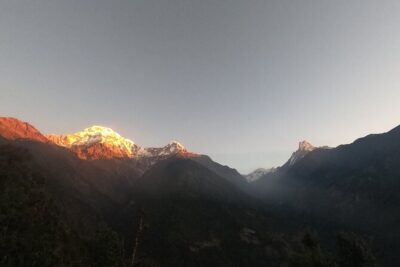
Browse the lists this tour appears in