
Reviewed · ANNAPURNA CIRCUIT TREKS
12 days Annapurna Circuit Trek
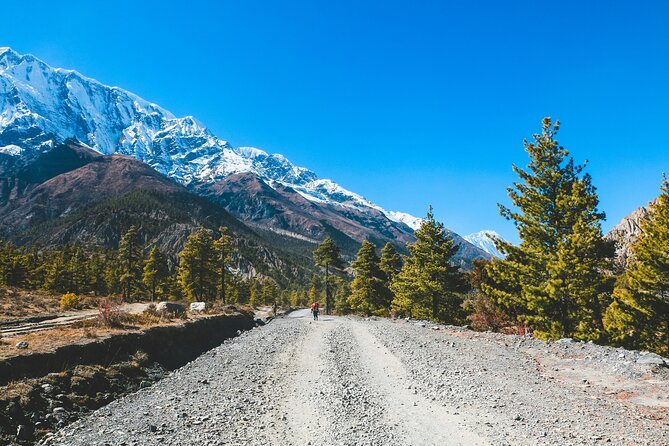
The biggest draw here is the route itself: in 12 days, you move from river valleys and rhododendron forest to the dry high country around Manang, cross 5,416-meter Thorong La, then finish with sunrise at Poon Hill. It is a serious trek, but the plan avoids carrying every detail yourself.
I like the useful mix of included costs: teahouse lodging, three meals a day while trekking, permits, guide expenses, and transport on the harder road sections. I also like the personal touch promised by Magnificent Himalayan Treks, with local guides and a private group rather than a large mixed tour.
The main caution is the pace. Several days are listed at 10 to 12 hours, and the route reaches high altitude quickly. Porters, travel insurance, drinks, and personal costs are extra, so the advertised $1,100 price is good value only if you budget for those additions.
Key points at a glance
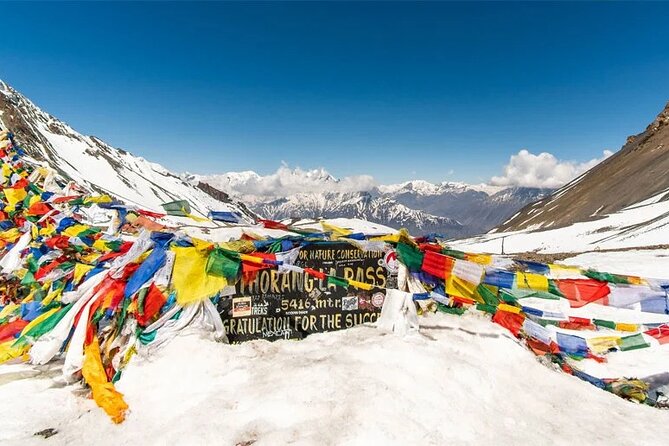
- Thorong La is the great test: You leave around 3 a.m. to cross one of the world’s highest trekking passes.
- The route changes character every few days: Expect river valleys, pine and rhododendron forest, dry mountain country, Thakali villages, and hot springs.
- Manang gets a proper acclimatization day: This is an important pause before the higher trail to Yak Kharka and Thorung Phedi.
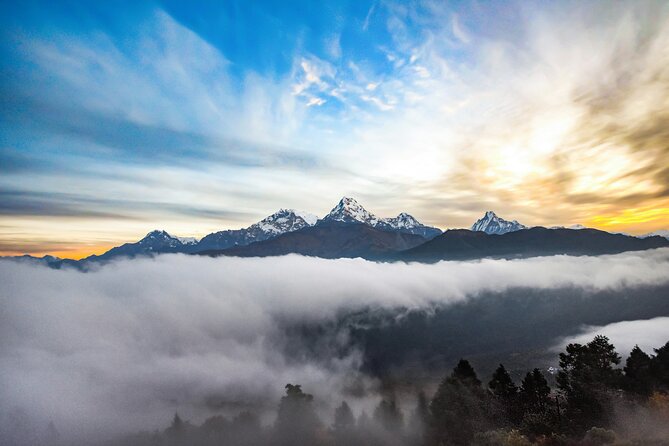
- Poon Hill adds a famous sunrise finish: The short climb to 3,210 meters gives wide views toward Dhaulagiri, Annapurna, and Machhapuchhre.
- Most major trip costs are covered: Accommodation, meals, permits, guide costs, and listed transport are included.
- The trip is private and adjustable: You can discuss changes with the operator, and group discounts are available.
Why this 12-day route works
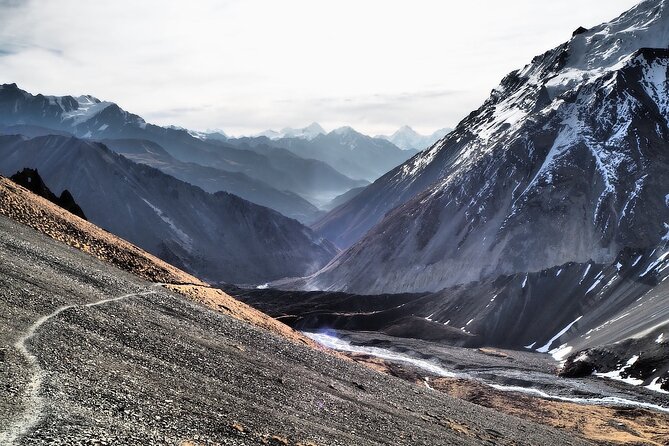
The Annapurna Circuit is rewarding because it does not give you the same mountain scene every day. You begin beside the Trishuli River, pass through the Marsyangdi Valley, reach the high villages of Manang, cross Thorong La into Mustang, and then descend toward the Kali Gandaki River and the hills above Pokhara.
That variety is the strongest reason to choose this trip. You are not simply walking toward one viewpoint. You are crossing a large section of Nepal, with traditional villages, mountain sanctuaries, local markets, and changing architecture along the way.
The itinerary is also practical in a few important ways. A jeep takes you from Besisahar to Dharapani, and later from Muktinath to Tatopani. Those road transfers shorten sections that can be rough or less appealing on foot, though you should expect long vehicle days and basic public transport at the beginning.
At $1,100 per person, the package offers solid value for a private trek. You receive a licensed English-speaking guide, lodging in teahouses or lodges, breakfast, lunch, and dinner during the trek, the Annapurna Conservation Area Permit, the TIMS card, and the listed transport. A night in Pokhara with breakfast and a farewell dinner in Kathmandu are also included.
Still, do not read the price as all-inclusive. Drinks, insurance, visa fees, tips, laundry, phone use, camera or video charges, and porters are left out. A porter costs $20 per day and carries up to 20 kilograms, which may be worth adding for this route.
Other long routes from Kathmandu:
- Annapurna Circuit Trek with Tilicho Lake
★ 5.0 · 368 reviews - Annapurna Circuit Trek
★ 5.0 · 94 reviews - Annapurna Circuit Trek
★ 5.0 · 35 reviews
Day 1: Kathmandu to Dharapani by road
The first day is mostly transport. You drive from Kathmandu along the Trishuli River toward Besisahar, then continue by jeep to Dharapani. The full day can take about 12 hours.
This is not a glamorous start, but it gets you onto the circuit quickly. Dharapani is the point where the walking section begins, and avoiding an extra night lower down helps keep the trip within 12 days.
The tradeoff is comfort. Public transportation and mountain roads can make this a tiring day, so keep essential items close rather than buried in luggage. The midnight listed start time also deserves clarification before departure, since the exact pickup arrangement should be confirmed with the operator.
Day 2: Dharapani to Chame
The trek begins properly as you walk toward Chame, headquarters of Manang District. The route climbs through rhododendron forest, and the surroundings begin to feel more alpine as you gain height.
This is your first long walking day, listed at about 12 hours. You should treat it as a real test of your boots, pack, and general fitness rather than a gentle warm-up.
Chame gives the trip a stronger sense of place. It is not only a stop for sleeping. It is the administrative center of the district and a useful point where the valley starts to look drier and more rugged.
Day 3: Chame to Upper Pisang
The walk to Upper Pisang reaches about 3,300 meters. Lamjung Himal provides one of the first major high-mountain views, with morning light on the peak described as a highlight of the day.
This section is listed at about 10 hours, so the distance still demands steady pacing. Upper Pisang is a good place to notice how quickly the character of the circuit changes. Forest gives way to more open mountain terrain, and the air begins to feel thinner.
Altitude matters here. You may feel fine at the start and more tired later in the day. Keep your walking speed modest, drink regularly, and tell your guide if you develop symptoms that concern you.
A few more things to do in Kathmandu worth a look
- Everest Base Camp Trek – 14 Days
★ 5.0 · 1,499 reviews - Everest Base Camp Trekking
★ 5.0 · 485 reviews - Nagarkot Sunrise View and Day Hiking from Kathmandu
★ 5.0 · 471 reviews - Everest Base Camp Trekking – 13 Day
★ 5.0 · 365 reviews
Day 4: Upper Pisang to Manang
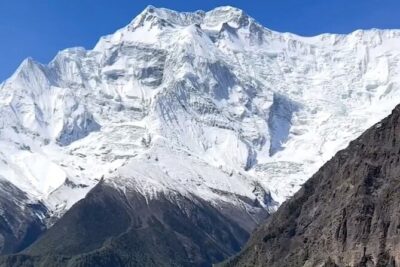
The route passes through Geru toward Manang, with views of Annapurna II, Annapurna III, Annapurna IV, Gangapurna, Tilicho, and Pisang Peak. This is one of the most scenic days on the eastern side of the circuit.
The description notes colder, drier air, which is an important warning rather than a minor detail. Manang sits at the base of Annapurna III, and the elevation means your body needs time to adjust.
The walking day is again around 10 hours. The reward is arrival in Manang, one of the most memorable settlements on the route. You have reached the high country, but the hardest crossing still lies ahead.
Day 5: Acclimatization around Manang
This rest day is one of the most valuable parts of the program. You remain in Manang rather than gaining sleeping altitude, with possible walking around Ice Lake to help your body adjust.
The wording allows some flexibility, which is sensible. A high excursion can help acclimatization, but it can also be demanding. Follow the guide’s advice and do not treat the day as a race.
Manang also gives you a chance to explore a traditional mountain settlement instead of moving through it in a hurry. You can use the day to rest, inspect local markets, and prepare for the colder, higher stages.
Day 6: Manang to Yak Kharka
You leave Manang and climb toward Tenki before moving northwest into the Jarsang Khola valley. The route leaves the Marshyangdi Valley and enters more open high country.
Yak Kharka is a functional stop rather than a sightseeing town. Its importance comes from its position on the approach to Thorong La. You are gaining altitude in measured steps, which is safer than rushing straight to the pass.
This is another long day, listed at about 12 hours. The combination of thinner air and a long schedule can make it feel harder than the distance suggests. Keep your expectations realistic and use the guide’s pace.
Day 7: Yak Kharka to Thorung Phedi
The path rises to a ridge, drops toward the Marsyangdi River, crosses a wooden bridge, and then climbs again toward Thorung Phedi. This stop lies at the foot of Thorong La Pass.
It is a preparation day for the pass rather than a dramatic destination in its own right. The key issue is the next morning. You need to reach Thorung Phedi, eat, rest, and organize your clothing and day pack before the early start.
The day is listed at around 12 hours, which makes this one of the most demanding parts of the plan. A private guide can help adjust the pace, but you should still arrive with enough energy for the pass crossing.
Day 8: Thorong La to Muktinath
This is the trip’s central challenge. You wake at about 3 a.m. and begin the climb to Thorong La, which reaches 5,416 meters. From the top, you descend toward Muktinath.
The early start is necessary because mountain weather can worsen later in the day. You should have warm layers, gloves, a hat, water, and only the day’s essentials in your pack.
Crossing the pass is physically demanding, and altitude can affect even fit people. The schedule lists about 10 hours, but the experience may feel longer because of the cold, darkness at the start, steep climbing, and long descent.
Muktinath makes a fitting destination after the pass. It is an important religious site and a major stop in the Mustang region. The move from Manang to Muktinath also marks a clear change in scenery and culture.
Day 9: Muktinath to Tatopani
After the pass day, you travel by jeep for about three hours to Tatopani. The name is associated with hot springs, and you can rest at the lodge or visit the springs for a swim.
This transfer is a welcome break from walking. It also shows the practical nature of the route, which uses vehicles where road access can save time and recovery energy.
Tatopani is not just a place to sleep. The hot springs offer a simple way to relax tired legs before the final mountain section. Bring modest expectations, since the package does not specify details about the facilities or how long you will spend there.
Day 10: Tatopani to Ghorepani
The trail passes through Thakali settlements including Sikha and Chitre, then climbs toward Ghorepani on the east side of the Kali Gandaki River.
This day brings another change in scenery. The high, dry country around Muktinath gives way to greener hill country and village paths. The ethnic Thakali settlements add cultural interest, while the climb to Ghorepani restores the physical challenge.
The itinerary lists around 12 hours. That is a long day after the pass and jeep transfer, so ask about the exact walking distance and pace before setting out. Ghorepani is important because it positions you for the pre-dawn walk to Poon Hill.
Day 11: Poon Hill sunrise and Pokhara
You climb to Poon Hill at 3,210 meters for sunrise. The viewpoint looks toward Dhaulagiri, Annapurna, Machhapuchhre, and other peaks in the range.
The climb itself is listed at one hour, but the early start means you will need warm clothing and a headlamp or suitable light. The reward is one of the best broad mountain views on this itinerary, especially after the narrower valleys and higher pass.
After returning to Ghorepani, you trek to Birethanti and take a bus to Pokhara. The full day is listed at about 12 hours, so do not think of Poon Hill as the entire day’s activity.
A night in Pokhara with breakfast is included. This gives you a softer landing after the trek, and Pokhara’s lakeside setting provides a useful contrast to the mountain villages.
Day 12: Pokhara to Kathmandu
After breakfast, you take a tourist bus back to Kathmandu. A 25-minute flight is available, but it costs extra and is not included.
The bus keeps the package price down, but it can make the final day long. If you have an international flight soon after reaching Kathmandu, allow plenty of spare time. The flight may be worth considering if your schedule is tight, though it adds to the budget.
The trip ends with a farewell dinner in Kathmandu, listed among the inclusions.
Guides, group style, and practical support
This is a private activity, so only your group participates. That matters on a high-altitude trek because you are not tied to the needs of a large mixed group.
The operator provides a government-licensed, English-speaking guide and covers the guide’s meals, insurance, salary, lodging, and transport. Names connected with the company include Bhim Panta, Manit, and Kumar. Manit is described as handling detailed online questions about routes and equipment, while Bhim is associated with airport help, Kathmandu arrangements, and guiding support.
You should still ask who will lead your exact departure. The listing promises experienced local guides, but it does not name the individual assigned to every booking.
The route is described as customizable, and group discounts are available. That gives you room to discuss transport, extensions, or pacing before you pay, especially if you want to add time around Tilicho Lake. A three-day Tilicho Lake extension has been arranged with this company, but it is not part of this 12-day price.
What the $1,100 price really covers
The strongest value comes from the number of essential items bundled together:
- Teahouse or lodge accommodation during the trek
- Breakfast, lunch, and dinner during the trekking days
- One night in Pokhara with breakfast
- Kathmandu to Dharapani transport
- Muktinath to Tatopani and Nayapul to Pokhara transport
- Tourist bus from Pokhara to Kathmandu
- ACAP and TIMS fees
- Guide salary, insurance, meals, lodging, and transport
- Government and local taxes
- Farewell dinner in Kathmandu
You still need money for alcoholic and non-alcoholic drinks, tips, personal purchases, insurance, laundry, communications, and visa fees. Nepal visas are listed at $30 for 15 days, $50 for 30 days, and $125 for 90 days.
The biggest optional cost is a porter at $20 per day. Since the porter carries up to 20 kilograms, this can make a major difference on the long days, particularly before and after Thorong La.
Who should book this trek?
I would recommend it to you if you want a classic Annapurna Circuit route with the major sights included, prefer private arrangements, and have a moderate level of fitness. It suits someone who values practical inclusions and local guide support more than polished hotels or a fully private vehicle.
It is less suitable if you dislike long road transfers, basic teahouse lodging, early starts, or high-altitude walking. The itinerary is demanding, and several days run 10 to 12 hours.
Free cancellation is available if you cancel at least 24 hours before the local start time. Changes or cancellations inside that window are not refunded, so check the start time and transport plan before making other bookings.
Should you book the 12-day Annapurna Circuit?
Book this trip if you want to cross Thorong La, see Manang and Mustang, relax at Tatopani, and finish with Poon Hill without arranging every permit, meal, and vehicle yourself. The combination of private guiding, included permits, full-board trekking meals, and transport makes $1,100 a fair starting price.
Before confirming, ask for the exact day-by-day walking distances, the name of your guide, the pickup details for the midnight start, and the likely cost of adding a porter. If you are comfortable with the long days and high pass, this is a strong, practical way to experience the Annapurna Circuit in a compact schedule.
FAQ
How long is the Annapurna Circuit trek?
The experience lasts approximately 12 days, beginning in Kathmandu and ending with transport back from Pokhara.
What is the price per person?
The listed price is $1,100 per person.
Is this a private tour?
Yes. Only your group participates in the activity.
Are permits included?
Yes. The Annapurna Conservation Area Permit and Trekkers Information Management System card fee are included.
Are meals included?
Breakfast, lunch, and dinner are included during the trek. One breakfast is included with the Pokhara accommodation, and a farewell dinner in Kathmandu is also included.
Is accommodation included?
Yes. Teahouse or lodge accommodation during the trek is included, along with one night in Pokhara and breakfast.
Is a porter included?
No. Porters are available for $20 per day and can carry up to 20 kilograms.
Is travel insurance included?
No. Insurance of any kind is not included.
How do I return from Pokhara to Kathmandu?
The package includes a tourist bus. You may choose a 25-minute flight instead, but the flight costs extra.
Can I cancel for a full refund?
Yes, if you cancel at least 24 hours before the experience start time. Cancellations or changes made less than 24 hours beforehand are not accepted for a refund.
Just added in Kathmandu
- Kathmandu to Chitwan Tour by Tourist Bus – A Convenient and Affordable Way★ 4.0 · 4 reviews
- Changunarayan Hill to Telkot Hike Near Kathmandu Day Tour★ 5.0 · 6 reviews
- Mt Everest Base CampTrek | Budget Package★ 5.0 · 4 reviews
- Chitwan Jungle Safari 3-Day Tour★ 5.0 · 9 reviews
- Chandragiri Hill Station Tour by Cable Car★ 5.0 · 4 reviews
- Chandragiri Hills cable car day trip, private car with driver from Kathmandu★ 5.0 · 8 reviews
- Chandragiri to Taudaha Nature Day Hiking from Kathmandu★ 5.0 · 13 reviews
- Chandragiri Cable Car & Monkey Temple Private Guided Day Tour★ 5.0 · 5 reviews
Annapurna Circuit Treks, compared.
15-Day Private Annapurna Circuit Trek from Kathmandu
Read our review →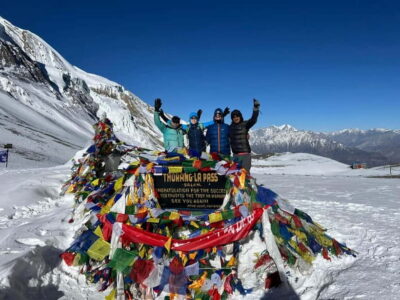
8 Days Private Guided Trekking in Annapurna Circuit with Pickup
Read our review →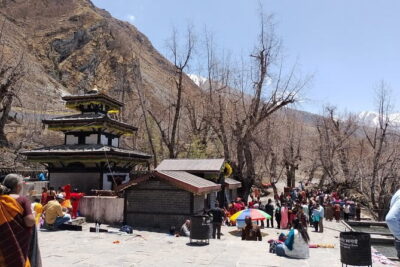
Browse the lists this tour appears in