
Reviewed · ANNAPURNA CIRCUIT TREKS
20 Days Annapurna Circuit Trek
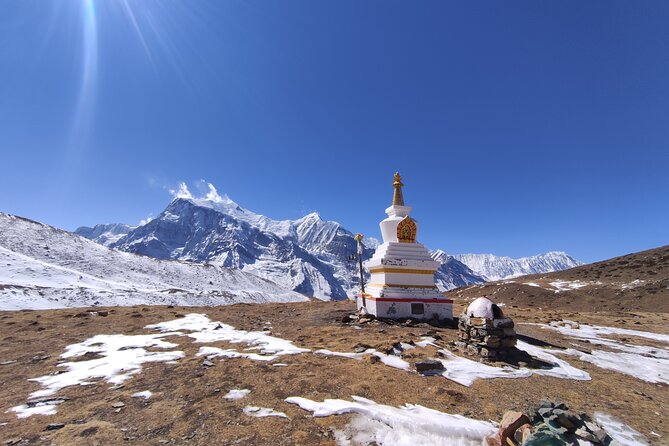
The great hook here is the sheer change under your boots: subtropical forest gives way to dry mountain desert, then returns to pine forest and terraced farmland. The high point is Thorong La Pass at 5,416 meters, followed by the sacred site of Muktinath.
I like the built-in acclimatization day in Manang and the steady support of a licensed guide and porter. I also like the mix of transport and walking, since you reach the trail without spending several extra days on foot. The drawback is the long road journey on Day 3 and the hard altitude schedule around Thorong La, which calls for solid fitness and careful pacing.
Key points to know before you book
- Thorong La is the physical centerpiece: You begin early and climb to 5,416 meters before descending to Muktinath.
- The scenery changes almost every few days: Expect farmland, waterfalls, pine woods, high peaks, dry valleys, and the Kali Gandaki River.
- Manang gives you one full acclimatization day: That pause matters before the route climbs above 4,000 meters.
- The package includes practical trekking support: A government-licensed guide, one porter for every two people, permits, meals, and ground transfers are included.
- The final section adds Poon Hill and Pokhara: The trek does not end at the pass. You continue through Tatopani and Ghorepani before relaxing beside Phewa Lake.
- The price is $1,200 per person: That is a useful value if you want permits, meals, airport transfers, guide service, and porter support arranged together.
Why the Annapurna Circuit remains such a strong choice
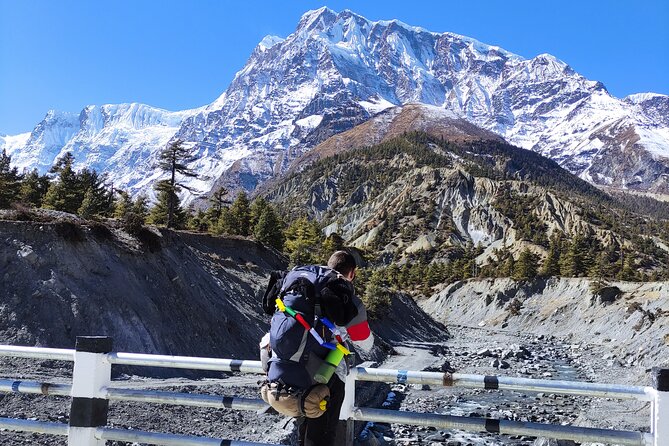
The Annapurna Circuit gives you a rare sense of geographic change. Over roughly 160 to 230 kilometers, the route circles the Annapurna massif and moves through several climate zones. One day you may walk among terraced fields and waterfalls. A few days later, you are in a stark, wind-swept valley with snow peaks overhead.
That variety is the main reason I would choose this route over a shorter out-and-back trek. You are not simply walking toward one viewpoint and returning by the same path. The circuit keeps changing, and the villages change with it. Flat-roofed houses, Buddhist details, Hindu shrines, suspension bridges, and apple-growing communities all become part of the walk.
This is a private trip, so only your own group participates. That matters when the altitude gets serious. You can discuss your pace with your guide rather than being tied to a large group’s schedule. The company provides a government-licensed trekking guide and one porter for every two people, with a 25-kilogram maximum load.
Other long routes from Kathmandu:
- Annapurna Circuit Trek with Tilicho Lake
★ 5.0 · 368 reviews - Annapurna Circuit Trek
★ 5.0 · 94 reviews - Annapurna Circuit Trek
★ 5.0 · 35 reviews
Kathmandu begins with temples, stupas, and a busy first day
Day 1 is simple and useful. A representative from The Great Adventure Treks meets you outside Tribhuvan International Airport and takes you to your hotel. After a long flight, that airport welcome removes one of the more irritating parts of arriving in Kathmandu.
Day 2 is set aside for the city. You visit Pashupatinath Temple, Boudhanath Stupa, and Kathmandu Durbar Square by car. Entrance fees are not included, so budget separately for the listed charges: NPR 1,000 for Pashupatinath, NPR 400 for Boudhanath for foreign nationals, and NPR 1,000 for Kathmandu Durbar Square. SAARC and BIMSTEC nationals pay lower rates at some sites, and Indian visitors enter Pashupatinath free.
Pashupatinath sits beside the Bagmati River and is Nepal’s major Hindu temple complex. Boudhanath offers a quieter change of pace, with its large Buddhist stupa and famous painted eyes. Kathmandu Durbar Square brings palaces and historic courtyards into the same day.
The schedule is worthwhile, but it is not light. You will spend several hours sightseeing before the trek begins. I would use the evening to organize your pack, confirm equipment, and sleep well.
The long road to Syange sets a practical tone
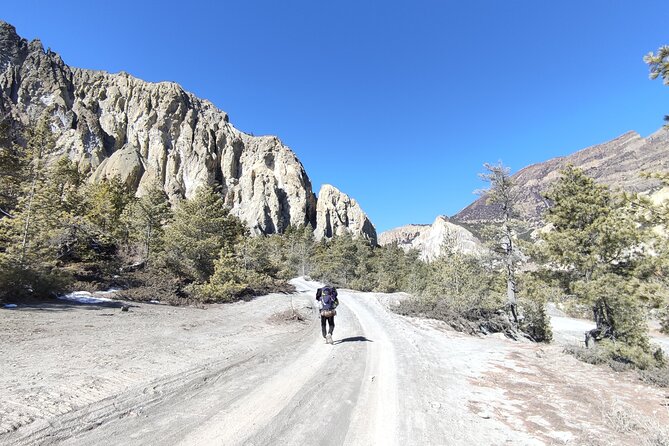
Day 3 is not a scenic stroll. It is a long transport day, with roughly 10 hours from Kathmandu to Syange. The trip uses a regular bus from Kathmandu to Besisahar, followed by a shared jeep to Syange, where you stay at about 823 meters.
This arrangement keeps the cost down, but road travel in Nepal can be tiring. You should think of this day as part of the approach rather than as a sightseeing stop. The benefit is that you reach Syange and begin walking sooner than you would if the trek started from a lower roadhead.
From Day 4, the route becomes more satisfying. The walk from Syange toward Dharapani brings steep sections, farm terraces, waterfalls, deep river gorges, and distant snow peaks. The listed walking time is about six hours, a good introduction to the rhythm of the trail.
Dharapani, Chame, and Pisang bring the first mountain drama
The route from Dharapani to Chame takes about six hours and marks a clear shift in scenery. The air cools, the vegetation changes, and pine and forest sections become more common. Bagarchhap is an early village with Tibetan-style features, giving you a first taste of the cultural change as you move north.
From Chame to Pisang, the trail reaches about 3,200 meters. The walk takes five to six hours and follows the river on its northern bank after leaving Chame. This is where the high peaks begin to feel much closer.
Pisang to Manang takes about five hours. The trail climbs after a short gradual section, and the Annapurna peaks become a constant presence. The route offers a choice of village atmosphere and mountain views, though the supplied schedule does not specify side-route options, so you should ask your guide what route will be used on the day.
A few more things to do in Kathmandu worth a look
- Everest Base Camp Trek – 14 Days
★ 5.0 · 1,499 reviews - Everest Base Camp Trekking
★ 5.0 · 485 reviews - Nagarkot Sunrise View and Day Hiking from Kathmandu
★ 5.0 · 471 reviews - Everest Base Camp Trekking – 13 Day
★ 5.0 · 365 reviews
Manang is the pause you need before the pass
Day 8 is a full acclimatization day in Manang. This is one of the most sensible parts of the plan. Manang sits among high peaks and includes about 500 flat-roofed houses, making it a good place to rest, walk locally, and adjust before the route climbs higher.
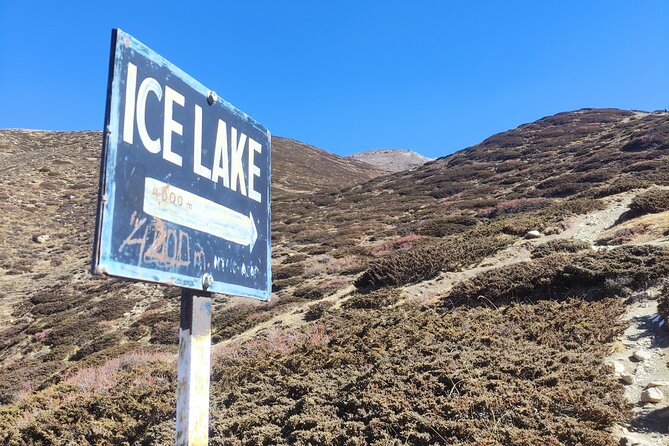
You should not treat this as a wasted day. Altitude is not impressed by enthusiasm. A slower day in Manang gives your body time to respond before Yak Kharka, Thorong High Camp, and the pass.
The walk from Manang to Yak Kharka takes about five hours. The route climbs slowly and opens to views of Annapurna II, Gangapurna, Tilicho, and the Chulu peaks. Vegetation becomes sparse, and the surrounding country feels more exposed.
Thorong High Camp and the 5,416-meter crossing
The approach to Thorong High Camp takes about six hours from Yak Kharka. You pass Ledar, the last settlement on this section, then follow a route that climbs through increasingly bare terrain. The goal is not sightseeing alone. You are positioning yourself for an early pass crossing.
Day 11 starts early because wind and cold often build later in the day. The initial climb to Thorong La can feel strenuous, and the altitude makes every rise harder than it looks on paper. The reward is a huge sense of achievement at 5,416 meters, with views across the Annapurna region.
After the pass, you descend to Muktinath. The schedule gives about three hours for this section, but the full day is the trek’s longest when the climb and descent are combined. Muktinath is sacred to both Hindus and Buddhists, so it is more than an overnight stop. Give yourself time to appreciate the place after the physical effort of the pass.
This is the part of the trip where preparation matters most. The package includes guide support, but it does not include rescue or evacuation costs. You need suitable travel insurance that covers high-altitude trekking and emergency evacuation.
Muktinath to Marpha follows the Kali Gandaki Valley
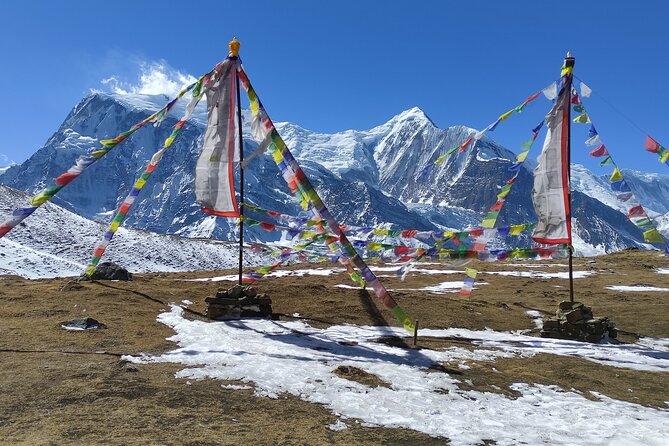
From Muktinath, the route drops about 1,200 meters toward the Kali Gandaki River. You pass Ekale Bhatti, whose name means lonely teahouse, a small settlement with only a few teahouses. The day ends in Marpha after about five hours of walking.
Marpha is a welcome change after the high pass. The route follows the river valley, and the dry surroundings begin to feel more settled. From Marpha to Lete, the walk continues downstream for about six hours, passing Tukuche beneath Tukuche Peak and Dhaulagiri.
This section is a good reminder that the circuit is not only about famous peaks. The river corridor, small settlements, bridges, and changing vegetation create the character of the walk. You are also descending, which generally makes breathing easier, though the long days still require care.
Tatopani and Ghorepani add forests and warmer air
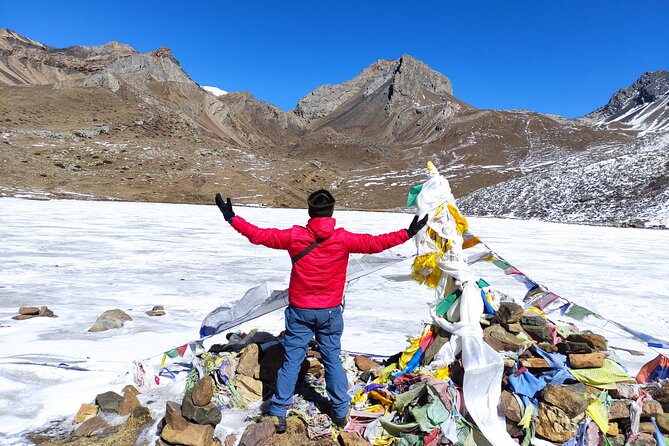
The trail from Lete to Tatopani takes about six hours. The dry, arid country gives way to pine and conifer forest as the route passes between Dhaulagiri and Annapurna. Waterfalls and a suspension bridge over the Kali Gandaki add some visual variety to the walking.
Tatopani is a useful stop because the route feels lower and greener again. From there, the climb toward Ghorepani takes six to seven hours and reaches about 2,860 meters. The trail passes through rural farmland and forest, and the change from dry valley to wooded hills can feel dramatic.
The next morning, the plan allows a one-hour hike to Poon Hill at 3,195 meters, weather permitting. From the top, you can see a broad mountain panorama reaching from Dhaulagiri and Annapurna toward the Manaslu range. Sunrise walks require an early start, but this is one of the trip’s most accessible big viewpoints.
Tikhedhunga and Pokhara provide a softer finish
After Poon Hill, the route descends toward Tikhedhunga. The listed walking time is about five hours, with rural farm villages and mountain views along the way. Day 17 continues for roughly seven hours toward Pokhara, following a pleasant trail through villages and past cascading waterfalls before road transport or the final arrival into the city.
The schedule names Tikhedhunga as the overnight stop before Pokhara, so you should confirm the exact transport and walking arrangements with the company before departure. Road and trail conditions can affect timing.
Day 18 is a full leisure day in Pokhara. You can visit Phewa Lake, Begnas Lake, and Rupa Lake, or simply rest after the trek. This buffer is welcome. After 15 trekking days, your legs may prefer a quiet lakeside morning to another ambitious outing.
Day 19 is an approximately eight-hour drive back to Kathmandu, following hill roads and views of the Trisuli and Marsyangdi rivers. Day 20 ends with an airport transfer, planned around three hours before your flight.
What the $1,200 price covers
At $1,200 per person, the package offers solid practical value for a 20-day private trek. It includes airport pickup and drop-off, Kathmandu sightseeing by car, transport to the trailhead, a licensed guide, porter support, ACAP and TIMS permits, and most meals during the trek.
The meal allowance is listed as 15 lunches, 18 breakfasts, and 15 dinners. That means you should check which meals are not included, especially in Kathmandu, Pokhara, and on transport days. Drinks are excluded, including soft drinks and alcoholic drinks.
You also pay for international flights, visa costs, personal expenses, staff tips, special accommodation, entrance fees in Kathmandu, and rescue or evacuation. The price is attractive because the large trekking essentials are arranged, but it is not an all-inclusive holiday.
The porter system deserves attention. One porter serves two people and can carry up to 25 kilograms. You will still need a small daypack for water, layers, documents, and personal items. Ask in advance how your main luggage will be divided and what you should carry yourself.
Who should book this Annapurna Circuit trek?
This trip suits you if you want a full circuit rather than a short Himalayan sampler. You need moderate physical fitness, comfort with five- to seven-hour walking days, and the patience for one very long road journey and one demanding high-pass day.
It is also a good fit if you value cultural stops. Kathmandu’s temples, Manang’s traditional houses, Muktinath’s religious importance, Marpha’s river-valley setting, and the farming villages near Ghorepani make this more than a mountain-view hike.
The company has named guides and porters connected with its Nepal trekking work, including Jaya, Malik, and Dinesh. One company representative is also noted for speaking Chinese fluently. Your booking confirmation should identify the guide assigned to your group.
Should you book it?
Book this trek if you want an organized, private Annapurna Circuit with permits, meals, airport transfers, guide service, and porter support handled in one package. The route has a strong mix of mountain scenery, village life, temples, and changing climates.
Think twice if you dislike long bus journeys, basic trekking accommodation, or high-altitude walking. Confirm the exact lodging, meal coverage, guide assignment, and final Pokhara arrangements before paying. Cancellation is flexible only up to three full days before the start time, after which the amount paid is not refunded.
FAQ
How long is the Annapurna Circuit trek?
The experience lasts approximately 20 days. The route covers roughly 160 to 230 kilometers, depending on the exact trail and road sections used.
What altitude does the trek reach?
The highest point is Thorong La Pass at 5,416 meters. Muktinath sits at about 3,800 meters, and Manang is used as an acclimatization stop before the highest section.
Is a guide included?
Yes. The package includes a professional trekking guide with a government license. It also includes one porter for every two people, with a maximum listed load of 25 kilograms.
Are meals included?
Yes, the package lists 18 breakfasts, 15 lunches, and 15 dinners. Drinks are not included, and you should confirm which meals are excluded on transport and leisure days.
Are Kathmandu sightseeing entrance fees included?
No. Entrance fees for Pashupatinath Temple, Boudhanath Stupa, and Kathmandu Durbar Square are separate. The listed foreign-national fees are NPR 1,000, NPR 400, and NPR 1,000 respectively.
What is the cancellation policy?
You can receive a full refund if you cancel at least three full days before the experience start time. Cancellations or changes made less than three full days ahead are not accepted for a refund.
Just added in Kathmandu
- Kathmandu to Chitwan Tour by Tourist Bus – A Convenient and Affordable Way★ 4.0 · 4 reviews
- Changunarayan Hill to Telkot Hike Near Kathmandu Day Tour★ 5.0 · 6 reviews
- Mt Everest Base CampTrek | Budget Package★ 5.0 · 4 reviews
- Chitwan Jungle Safari 3-Day Tour★ 5.0 · 9 reviews
- Chandragiri Hill Station Tour by Cable Car★ 5.0 · 4 reviews
- Chandragiri Hills cable car day trip, private car with driver from Kathmandu★ 5.0 · 8 reviews
- Chandragiri to Taudaha Nature Day Hiking from Kathmandu★ 5.0 · 13 reviews
- Chandragiri Hill Day Tour★ 5.0 · 4 reviews
Annapurna Circuit Treks, compared.
15-Day Private Annapurna Circuit Trek from Kathmandu
Read our review →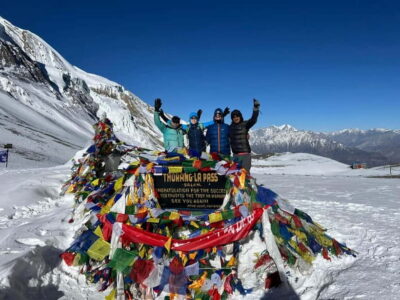
8 Days Private Guided Trekking in Annapurna Circuit with Pickup
Read our review →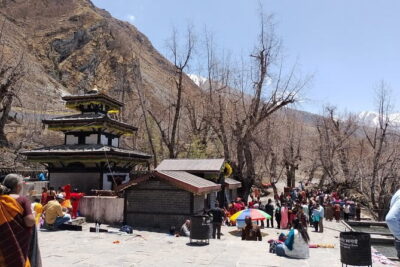
Browse the lists this tour appears in