
Reviewed · CITY TOURS
Full Day Kathmandu city tour
Kathmandu packs an astonishing amount of sacred architecture into one valley, and this private day tour gives you a practical way to see the main sights without bargaining with taxis. You’ll visit places such as Durbar Square, Boudhanath, and Swayambhunath, with a guide explaining how Hindu and Buddhist traditions overlap in daily life.
I like the private car and hotel transfers, especially in a city where traffic can make short distances take time. I also like the personal format: guides such as Rajan Dhakal and Dip have been praised for clear explanations, safe driving arrangements, and help shaping the day around the group. The main drawback is simple: entrance fees, food, and drinks are not included, and a single day can only offer an introduction.
Key points at a glance
- Three major Kathmandu sights in one day: The route focuses on the valley’s best-known cultural landmarks.
- Private transport for up to nine people: Your group rides together rather than joining a large coach.
- Hotel pickup and drop-off included: The day begins and ends at your accommodation.
- Guides add cultural context: Rajan Dhakal and Dip are among the named guides connected with praised experiences.
- About eight hours on the road: The schedule suits a first visit or a short stay.
- Budget separately for entry tickets: Heritage and monument fees, meals, and drinks are extra.
Why this one-day Kathmandu tour makes sense
Kathmandu is not a city you understand by looking at one temple and moving on. Its important sites are spread across the valley, and the roads can be confusing for a first-time visitor. A private vehicle saves you from spending part of the day locating taxis, agreeing on fares, or trying to explain the next destination through traffic noise.
The tour is built for someone with limited time. In roughly eight hours, you can see several of the city’s major cultural landmarks and ask questions as you go. That is useful if you have just arrived in Nepal, have a short stop before a trek, or want an organized introduction before exploring on your own.
You should think of this as a highlights day, not a slow architectural study. You will get a broad sense of Kathmandu’s religious life and historic center, but each stop may feel brisk if you want long periods for photography, quiet observation, or shopping.
A few more things to do in Kathmandu worth a look
- Kathmandu: Full Day 7 UNESCO Tour with Lunch – Private/Group
★ 5.0 · 415 reviews - Kathmandu: Full Day Top 4 UNESCO Tour with Lunch – Private/Group
★ 5.0 · 269 reviews - Kathmandu: Full-Day 7 UNESCO Tour with Lunch – Private/Group
★ 4.9 · 247 reviews
Starting at 8:45 am with a private car
The scheduled start is 8:45 am, with pickup from your hotel. That is a sensible hour for a full day in Kathmandu. You get moving early enough to make good use of the daylight, while avoiding a painfully early start after an international flight or a late night in Thamel.
Transport is by private vehicle, with a driver-guide or guide and driver arrangement. The booking allows only your group to participate, with space for up to nine people. For two people, the price may feel less economical than a shared sightseeing bus. For a family or small group, the calculation improves because the $70 price is per group, not per person.
The private format also gives you room to ask for clarification. If a carving, shrine, ritual, or statue catches your attention, you can pause for an explanation instead of trying to keep up with a large party. The tradeoff is that the exact rhythm of the day depends on road conditions, the guide, and how much time your group spends at each site.
The city’s traffic is part of the experience, but it can also eat into your sightseeing hours. One of the useful details from the feedback is the repeated praise for safe driving and punctual arrangements. That matters here. A short transfer on a map may take much longer on the road, so having someone handle the route is worth more than it might seem at first.
Durbar Square: Kathmandu’s historic core
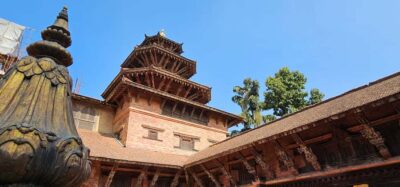
Durbar Square is the natural place to begin understanding old Kathmandu. It brings temples, statues, courtyards, bells, and palace architecture into one concentrated area. A guide can help you read the site rather than treating it as a collection of photogenic buildings.
Look for the contrast between active worship and monumental architecture. This is not simply an open-air museum. Religious practice continues around these structures, and your guide can explain the difference between a shrine used for daily devotion and a building valued mainly for its design or historic role.
Earthquake damage and restoration remain part of the visible story in Kathmandu’s heritage areas. Some buildings may still be under repair, and that can change the appearance of a square from one visit to the next. Rather than seeing restoration as an inconvenience, I find it useful context. It shows that preservation here is an ongoing job, not a finished display behind glass.
You should wear comfortable shoes and expect uneven surfaces. The supplied information does not specify how long you remain at Durbar Square, so ask your guide early if there is a particular temple or courtyard you most want to see. With only one day, a little planning helps prevent the best parts from being squeezed at the end.
Boudhanath: the broad Buddhist focus of the day
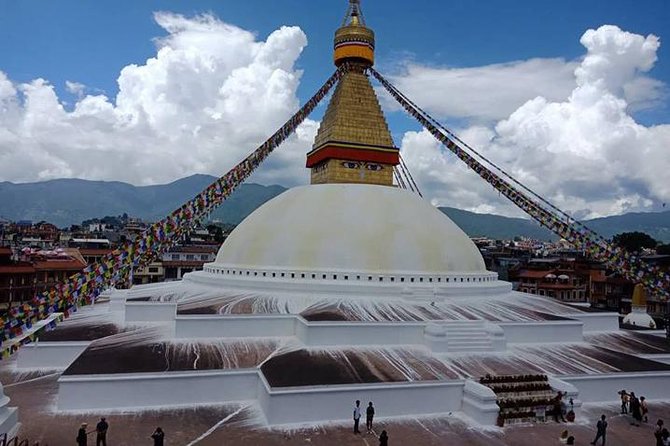
Boudhanath gives the tour a different mood and visual language. Its great stupa is one of Kathmandu’s most recognizable Buddhist monuments, with prayer flags, devotional movement, and a strong sense of sacred space. The large circular setting also gives you a chance to slow down after the tighter streets and courtyards of central Kathmandu.
This is where a guide’s explanation can make a real difference. Buddhism in the Kathmandu Valley is not presented as an isolated tradition, and the tour’s wider theme is the meeting of Hindu and Buddhist practice. You can ask about the symbols on the stupa, the purpose of prayer wheels, and how local worship fits into the daily life of the area.
Boudhanath is also a practical lunch point. One review praised the rooftop terraces available for lunch, though food and drinks are not part of the tour price. That means you should plan to pay separately if you stop for a meal. The rooftop setting can offer a pleasant break, but do not assume a particular restaurant or meal is included.
Give yourself enough time to look upward and around, not just at the central monument. The surrounding buildings and smaller shrines help explain why Boudhanath feels like a living religious quarter rather than a single photo stop. The exact amount of free time is not stated, so tell the guide if you prefer quiet observation over a quick circuit.
Same base, a different kind of day:
- Everest Base Camp Trek – 14 Days
★ 5.0 · 1,499 reviews - Private Kathmandu Sightseeing Tour | UNESCO World Heritage sites
★ 5.0 · 756 reviews - Everest Base Camp Helicopter Tour landing at Everest View Hotel
★ 5.0 · 668 reviews - Half day cooking class in Thamel kathmandu
★ 5.0 · 607 reviews
Swayambhunath, the hilltop temple with monkeys
Swayambhunath is widely known as the Monkey Temple, and the nickname is easy to understand once you see the animals around the complex. It is one of the day’s more memorable stops, especially if you enjoy a site that combines religion, views, sculpture, and a little unpredictability.
The monkeys are part of the visual character of the place, but you still need to watch your belongings and follow local guidance. Do not treat them as tame pets. The provided tour details do not give specific safety instructions, so common sense is your best guide: keep food secured and avoid sudden movements.
The hilltop setting adds a physical element that you should consider. The tour description does not state the number of stairs or the accessibility arrangements, so ask before booking if steps are a concern. Most people can participate, but that broad statement does not replace a personal check about mobility needs.
Swayambhunath also helps you see Kathmandu from above. After several close views of temples and courtyards, the wider outlook gives the day some breathing room. Weather and city conditions affect visibility, so the view is a bonus rather than something to build your whole visit around.
Other Kathmandu Valley sights and the value of a guide
The tour is described as a visit to the valley’s major cultural and historic landmarks, with and more included alongside Durbar Square, Boudhanath, and Swayambhunath. The supplied schedule uses broad stop descriptions rather than a detailed minute-by-minute route, so you should confirm the final list of sites with the operator before the day begins.
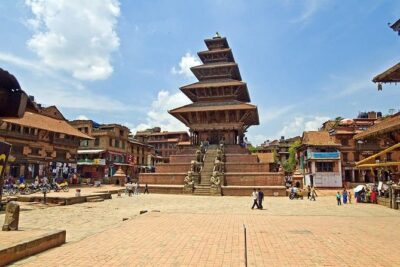
Bhaktapur appears in the wider experience details, including a historic square filled with temples, statues, bells, and traditional buildings. It is worth asking if Bhaktapur is part of your planned route, rather than assuming it is guaranteed. A one-day Kathmandu itinerary can change depending on traffic, opening conditions, and the time spent at earlier stops.
This is one reason the guide matters. The most useful feedback centers on personal service, city explanations, and help choosing a route. Dip is described as being helpful with organizing sightseeing, while Rajan Dhakal is praised for making the day informative and fun. Those names give you useful points of contact, but guide assignment can vary, and a multilingual guide may operate the tour.
You are not just paying for a car. You are paying for someone to connect the sites, explain what you are seeing, and keep the day moving. That value is strongest if you are new to Nepal or prefer context over wandering without a plan.
What the $70 group price really buys
At $70 for a group of up to nine, the tour can be good value for a family or group of friends. A private vehicle, hotel pickup, hotel drop-off, fuel surcharge, and a driver-guide are included. Splitting the price among several people makes the private arrangement especially attractive.
For one person or a couple, the value depends on what you want. You may pay more than you would for local public transport, but you gain time, convenience, and a fixed arrangement. You also avoid the uncertainty of negotiating multiple taxi rides across a busy valley.
Do not forget the excluded costs. You pay separately for heritage and monument entrance fees, as well as food and drinks. Since the tour visits several major sites, these extras can affect your final budget. Ask the operator for current entrance prices if you need an exact total.
The price also does not buy an unlimited amount of time at every location. Eight hours sounds generous, but traffic and a full route create limits. If you want a slow day, long meals, or detailed photography, consider choosing fewer stops with the guide.
Who will get the most from this experience
I would choose this tour for a first visit, a short Kathmandu stay, or a group that wants a simple introduction before heading into the mountains. Hotel pickup and private transport remove much of the early guesswork, and the guide gives you a framework for understanding the city’s Hindu and Buddhist sites.
It also suits families and small groups. Up to nine people can travel together, and the private format avoids splitting up or waiting for strangers. The arrangement may be less compelling if you are a solo budget visitor who enjoys public transport and has several days to explore.
It is a good match for culturally curious people who like asking questions. The strongest feedback points to informative guiding, friendly service, safe driving, and help with planning. That combination matters more than a polished vehicle or a rigid checklist.
You may want another plan if accessibility is a major concern. The tour states that most people can participate, but it does not provide detailed information about wheelchair access, stairs, walking distances, or vehicle adaptations. Contact the provider before booking if those details affect your decision.
Practical advice for making the day work
Start by telling the guide what matters most to you. If Durbar Square is your priority, ask for time there. If you care more about Buddhist sites, say so before the route gets underway. The private setup gives you a better chance of shaping the day than a fixed group excursion.
Carry money for entrance fees, food, and drinks. A rooftop lunch may be possible in the Boudhanath area, but it is not included in the $70 price. Keep the day’s schedule flexible, since Kathmandu traffic can stretch transfers.
Wear shoes suitable for temple compounds and uneven ground. Bring a phone or printed confirmation, since mobile tickets are supported and booking confirmation is provided at the time of purchase. The tour starts at 8:45 am, so be ready at your hotel before then.
Cancellation is free if you cancel at least 24 hours before the local start time. Changes or cancellations inside that window are not accepted for a refund. That is a useful safety net, but it does not cover last-minute changes.
Should you book the Kathmandu city tour?
Book it if you have one day, want the major cultural sights, and value a private car with a guide who can explain what you are seeing. The best reasons are the door-to-door service, the group pricing, and the chance to visit Kathmandu’s major Hindu and Buddhist landmarks without arranging every ride yourself.
Before paying, confirm the exact stop list, ask which guide is assigned, and budget for entrance tickets and lunch. If you want a slow, highly detailed visit to one or two sites, create your own plan instead. If you want a well-organized first look at Kathmandu, this private day is a sensible choice.
FAQ
What is included in the Kathmandu city tour?
The tour includes a driver-guide, private vehicle transport, fuel surcharge, hotel pickup, and hotel drop-off. Food, drinks, and heritage or monument entrance fees are not included.
How long does the tour last?
The experience lasts approximately eight hours. The scheduled start time is 8:45 am.
Is this a private tour?
Yes. Only your group participates, and the vehicle can accommodate a group of up to nine people.
Which Kathmandu sights are included?
The tour focuses on major cultural landmarks, including Durbar Square, Boudhanath, and Swayambhunath. The wider route may include additional sites, so confirm the final itinerary with the provider.
Can most people participate?
The tour information says most people can participate. Detailed information about stairs, walking distances, wheelchair access, and vehicle adaptations is not provided, so contact the operator if you have specific mobility needs.
What is the cancellation policy?
You can cancel at least 24 hours before the experience starts for a full refund. Cancellations or changes made less than 24 hours before the local start time are not accepted for a refund.
Just added in Kathmandu
- Traditional Momo Making Class★ 5.0 · 10 reviews
- Women Empowerment Project(Nepali cooking class & jewelry workshop★ 5.0 · 15 reviews
- Kathmandu 2 Nights 3 Days Chitwan Jungle Safari Tour★ 5.0 · 9 reviews
- Walking tour of Kathmandu with awesome local guides★ 5.0 · 4 reviews
- Wildlife Adventure in Chitwan Nepal★ 4.0 · 4 reviews
- Kathmandu to Pokhara Premium sofa bus ticket★ 4.0 · 17 reviews
- Regular Yoga for all levels of practitioners in Kathmandu★ 5.0 · 4 reviews
- Kathmandu Street Food Walking Tour – Eat Like a Local★ 5.0 · 3 reviews
City Tours, compared.
Sarangkot Sunrise with Half or Full-Day City Tour
Read our review →
Full Day Kathmandu City Sightseeing Tour of UNESCO Heritage Sites
Read our review →
Browse the lists this tour appears in