Reviewed · HIKING & TREKKING
Ranikot Village Hiking in Kathmandu
Ranikot Village Hiking gets you out of Kathmandu and into wooded hills, working farms, and small villages without sending you far from the city. The day begins at Suryabinayak Ganesh Temple, where Tuesday worship can offer a close look at Hindu prayer and pilgrimage.
I like the chance to meet local farmers and see how land is worked, and I like that the private format lets you set a comfortable pace. The traditional vegetarian buffet, tea or coffee, and bottled water also make the $59 price easier to justify. The catch is that public transportation is part of the experience, so this is not the smoothest choice if you want a private vehicle and a tightly controlled schedule.
Key points before you book
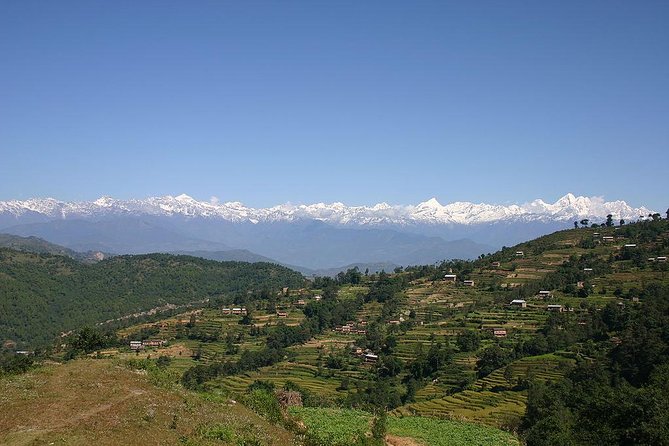
- A countryside day near Kathmandu: You leave the city for forest trails, small villages, and farming areas around Ranikot.
- Suryabinayak on a Tuesday: The Ganesh Temple can be especially active with Hindu pilgrims every Tuesday.
- Private guiding: Only your group participates, and your guide remains with you along the route.
- Public transport by design: Buses or other public transport help create a more local rural experience, but add less control over timing.
- Four distinct stops: The day links Suryabinayak Ganesh Temple, Ranikot, Kushadevi Temple, and Panauti Museum.
- Useful inclusions: A traditional vegetarian buffet, coffee or tea, bottled water, and round-trip completion at the Kathmandu meeting point are included.
Why Ranikot is a good break from Kathmandu
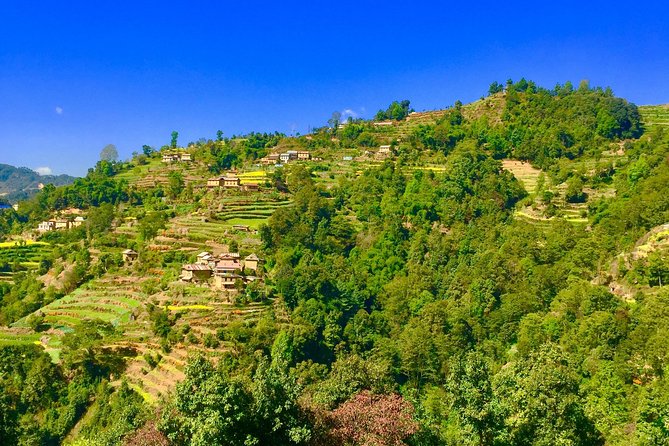
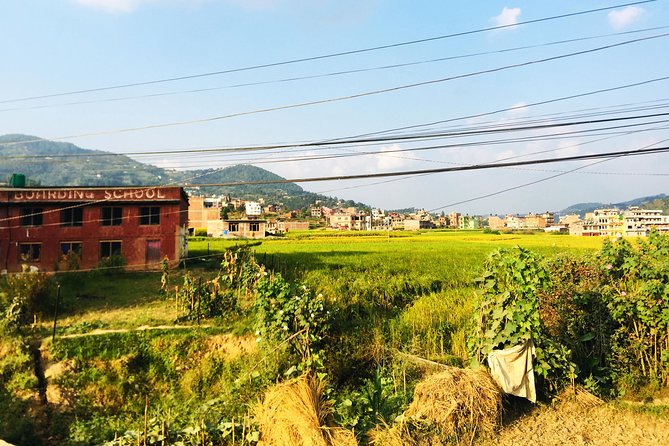
Kathmandu can fill a day quickly with temples, traffic, shops, and dense streets. Ranikot offers a different rhythm. You move into green, forested hills and pass through small settlements where farming remains part of daily life.
The appeal is not a single spectacular monument. It is the change in setting, from city streets to walking paths, woodland, village homes, and cultivated plots. One of the strongest parts of the experience is the chance to interact with local farmers and see different types of farming at close range. That gives the walk a human focus that a viewpoint alone cannot provide.
You should also keep your expectations clear. The supplied information does not give a fixed hiking distance, elevation gain, or trail difficulty rating. The day lasts about nine hours, but that includes transport, stops, meals, and sightseeing. You are booking a full countryside outing, not a short urban walk.
The private format matters here. You do not have to match the pace of a large group, and the guide can stay with your party throughout the day. That is useful if some people want to pause for photographs, temple visits, or village conversations while others prefer to keep moving.
A few more things to do in Kathmandu worth a look
- Everest Base Camp Trek – 14 Days
★ 5.0 · 1,499 reviews - Everest Base Camp Trekking
★ 5.0 · 485 reviews - Nagarkot Sunrise View and Day Hiking from Kathmandu
★ 5.0 · 471 reviews
Suryabinayak Ganesh Temple begins the walk
The first stop is Suryabinayak Ganesh Temple, a Hindu shrine associated with Ganesh, the elephant-headed god. It sits beside Bhaktapur Town, at the edge of the green hill forest that marks the start of the Ranikot area.
This is more than a quick photo stop. The temple provides religious context before you walk through the villages. On Tuesdays, Hindu pilgrims gather here, so the setting can give you a closer look at worship and temple life. If you want to understand the religious side of the day, Tuesday is the most significant time to go.
You should allow yourself to observe respectfully. The tour information does not specify a required temple procedure, so your guide is the right person to ask about where to stand, what you may photograph, and how to behave during worship.
The temple also serves a practical purpose. It marks the transition from the Kathmandu Valley’s built-up areas to the forested hills. Once you leave this first stop, the day becomes more about walking, village life, and open countryside.
Ranikot brings forest paths and farming villages
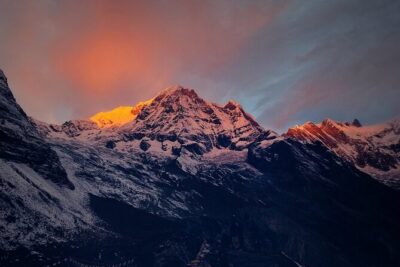
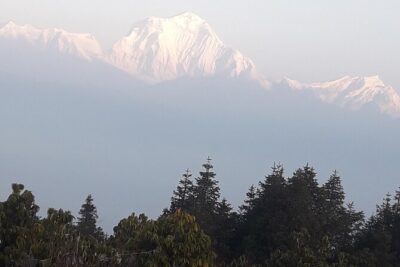
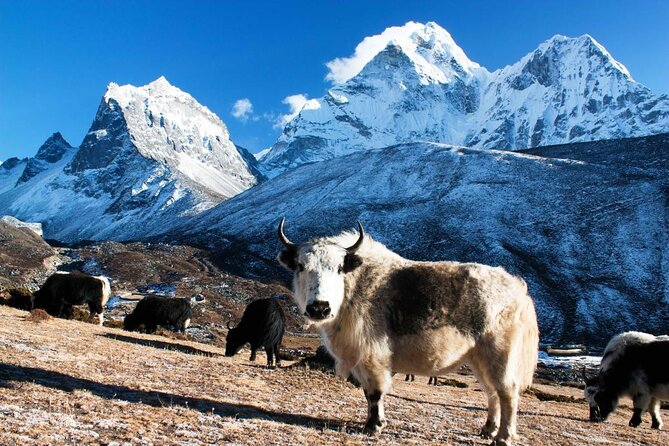
Ranikot is the central walking section of the day. Expect green forested hills, small villages, and views that may open toward snow-capped Himalayan peaks. The description promises mountain sightlines, but mountain visibility is never guaranteed. Clouds, haze, and the season can change what you see.
The forest is part of the attraction. You are not simply walking between monuments on paved city roads. The route takes you through a more rural setting, where the sounds and pace are likely to feel different from central Kathmandu.
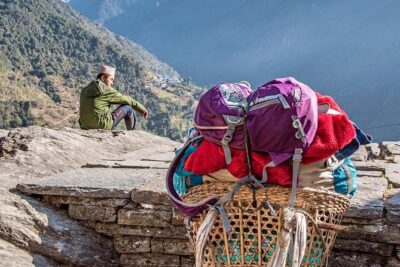
I especially like the farming element. You can see local agriculture rather than treating the countryside as a backdrop. The experience includes interaction with local farmers and views of different kinds of farming, which makes the walk more grounded and specific.
There is no stated promise of a technical trail or demanding climb. Still, you should dress for an outdoor walking day and be ready for uneven paths. The formal outdoor gear dress code points you toward practical clothing rather than city wear. Comfortable walking shoes, sun protection, and a light layer are sensible choices, though those specific items are not listed as tour inclusions.
Because the guide stays with your group, you can ask about village life and farming as you go. The private structure also means you are not locked into the pace of strangers. That is a real advantage on a route where you may want time to look around.
Kushadevi Temple adds another quiet stop
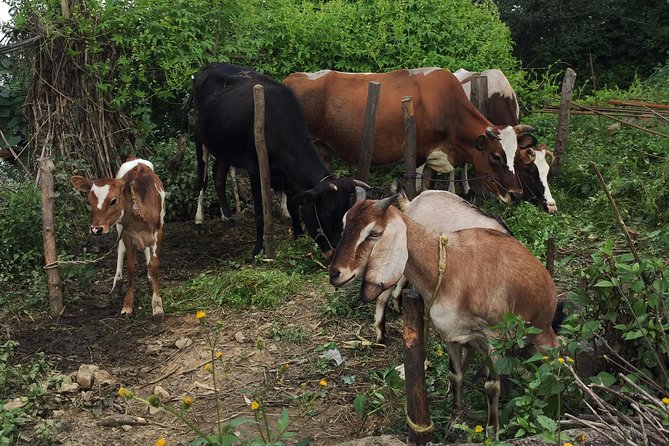
Kushadevi Temple is the third named stop. The supplied details do not describe its architecture, religious traditions, or exact setting, so you should not book this tour expecting a full guided study of the temple. Instead, treat it as another cultural pause within a countryside day.
Its value comes from the way it fits into the route. After walking through forest and village areas, a temple stop gives the day a different focus. You can compare it with Suryabinayak Ganesh Temple and ask your guide about local worship practices.
The limited information here is worth noting. If your main goal is detailed temple interpretation, you may want to confirm in advance how much time and explanation the guide provides at Kushadevi. If your goal is a balanced day of walking, rural contact, and several cultural sites, the stop makes sense.
Same base, a different kind of day:
- Private Kathmandu Sightseeing Tour | UNESCO World Heritage sites
★ 5.0 · 756 reviews - Everest Base Camp Helicopter Tour landing at Everest View Hotel
★ 5.0 · 668 reviews - Half day cooking class in Thamel kathmandu
★ 5.0 · 607 reviews - Kathmandu: Full Day 7 UNESCO Tour with Lunch – Private/Group
★ 5.0 · 415 reviews
Panauti Museum closes the sightseeing circuit
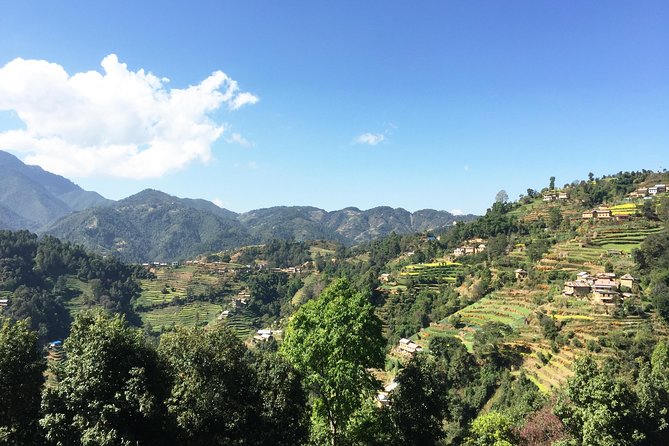
The final named attraction is Panauti Museum. This gives the day a more structured cultural finish after the forest and village walking.
No collection details or opening information are provided, so I would not plan the day around one particular exhibit. The museum is best understood as the final cultural stop in a route that moves from temple worship to rural life and then to a museum setting.
The sequence is useful. You are not spending nine hours on one trail with nothing else to break it up. The temples and museum provide points of interest, while Ranikot supplies the main outdoor section. That mix suits you if you want some walking but also appreciate scheduled sights.
The tour ends back at the meeting point in Kathmandu. The supplied details do not state the exact timing for each stop, so the order and time available at Panauti may depend on transport and the pace of your group.
Public transportation is part of the rural feel
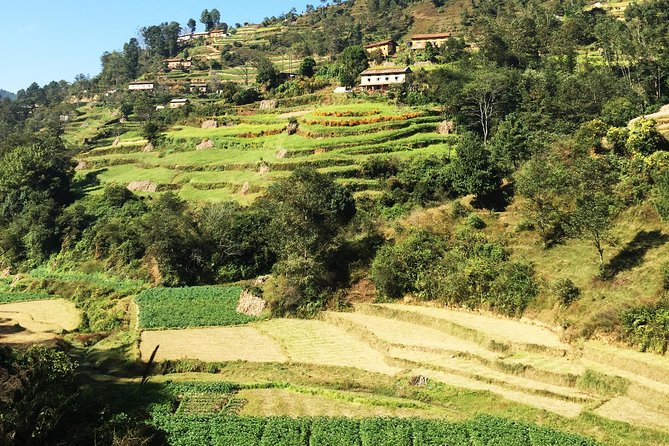
This experience includes public transportation rather than private transportation. That is one of its clearest differences from a standard sightseeing day.
For me, public transport can make a countryside outing feel more connected to ordinary local life. You are not sealed inside a private vehicle from one attraction to the next. It also helps explain the $59 price, since private transportation is specifically excluded.
The trade-off is control. Public transport can be less predictable, and the day may feel less polished than a private car tour. You should choose this experience because you are comfortable with that trade-off, not because you expect door-to-door convenience.
The meeting point is Trekking Trail Nepal, Post Box No. 20108, Thamel Marg, Kathmandu 44600. The activity finishes at the same meeting point. Confirmation is provided at booking, and the tour is near public transportation.
Private does not mean private transport here. It means only your group takes part in the activity, while the route uses public transport for part of the day. That distinction is important when comparing options.
Lunch and drinks keep the long day simple
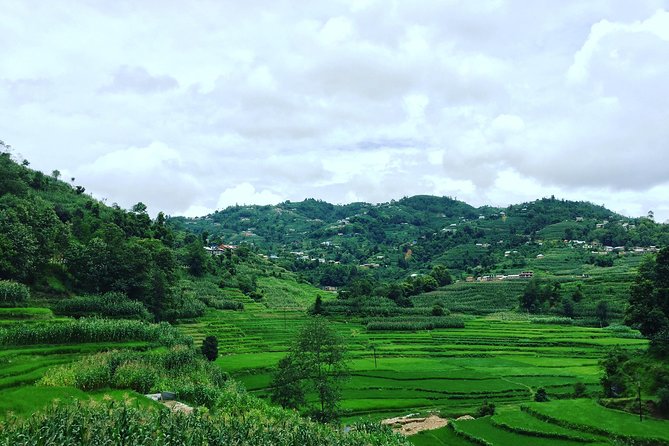
A traditional vegetarian buffet lunch is included, along with coffee or tea and bottled water. For a walking day of about nine hours, those details matter.
The buffet is a good fit if you want a straightforward meal without stopping to choose a restaurant. It also keeps the day focused on the route. The food is vegetarian, so you should be comfortable with that arrangement.
A meal included in the price adds practical value, but it does not mean every expense is covered. Alcoholic drinks are available to purchase but are not included. Private transportation and personal porter service are also excluded, as are excess luggage charges where applicable.
One meal and basic drinks will not remove the need to prepare sensibly. You should begin the day ready for outdoor walking, since the provided information does not promise extra snacks or a porter. Keep personal belongings manageable, especially when public transport and forest paths are involved.
Is $59 good value?
At $59 per person, the tour combines a private guide, several cultural stops, a full day of countryside walking, public transportation, lunch, tea or coffee, bottled water, and a return to the starting point. That is a fair package if you value local contact and do not need a private vehicle.
The private format is the main value point. A large group can make village walking feel rushed or impersonal. Here, your guide stays with your party, and you can move at your own pace.
The price is less attractive if you mainly want a strenuous, clearly measured hike. There is no listed trail distance, elevation profile, or difficulty grade. You are paying for a guided cultural and rural day, not simply for access to a marked mountain route.
It is also less suitable if your ideal day includes a private car, guaranteed Himalayan views, or a fixed minute-by-minute schedule. The tour promises the chance to look for snow-capped peaks, but weather controls the view. Public transport adds local flavor but can reduce predictability.
The overall rating is five out of five from eight reviews, with particular praise for the jungle setting, excellent food, local farmers, farming activity, guide companionship, and spectacular views. Those points match the tour’s strongest features: it feels like a real countryside outing rather than a checklist of major Kathmandu sights.
Who will enjoy this day most?
I would choose this tour if you want:
- A break from central Kathmandu
- Forest walking without leaving the Kathmandu area for a multi-day trek
- Contact with local farmers and village life
- A private group pace
- Temple visits combined with outdoor activity
- A simple lunch arrangement included in the price
- Public transport as part of the local experience
You may want another option if you need a measured hiking distance, guaranteed mountain views, private road transport, or a highly detailed schedule. The available information does not establish the trail grade or the exact amount of walking, so ask before booking if those points are important to you.
Most travelers can participate, service animals are allowed, and the tour is near public transportation. No special restriction is given for mobility, but the forested village route and outdoor dress code mean you should consider your own comfort with walking on rural paths.
Booking details worth knowing
You can cancel for a full refund if you do so at least 24 hours before the experience starts. Cancellation within 24 hours, or changes made within that period, are not accepted for a refund. The cut-off uses local time.
The activity is private, but group discounts are available. Confirmation arrives at the time of booking. Since no guide names are provided, you will need to confirm your assigned guide separately if knowing that in advance matters to you.
Plan to meet at the Trekking Trail Nepal address in Thamel and return there at the end. The total duration is about nine hours, so leave enough room in your day for the full outing rather than scheduling a tight evening commitment.
Should you book Ranikot Village Hiking?
Book it if you want a private, full-day escape from Kathmandu that joins temples, forest trails, farming villages, public transport, and a museum. The strongest reasons are the local contact, flexible pace, and the chance to see how rural life sits beside the Kathmandu Valley.
Think twice if you want a classic high-altitude trek or a polished vehicle-based tour. The route details are not highly technical, Himalayan views depend on weather, and public transportation can bring delays.
For the right kind of day, $59 is sensible value. You get more than a walk and more than a temple visit. You get a guided look at the countryside, with enough structure to make the day easy and enough local texture to keep it interesting.
FAQ
Where does the Ranikot Village Hiking tour start?
It starts at Trekking Trail Nepal, Post Box No. 20108, Thamel Marg, Kathmandu 44600, Nepal.
Where does the tour end?
The activity ends back at the meeting point in Kathmandu.
How long does the experience last?
The full experience lasts about nine hours.
Is this a private tour?
Yes. Only your group participates, and the guide stays with your group throughout the activity.
Does the tour use private transportation?
No. Public transportation is used as part of the rural experience. Private transportation is not included.
What temples are visited?
The named temple stops are Suryabinayak Ganesh Temple and Kushadevi Temple.
What is special about visiting Suryabinayak Ganesh Temple on Tuesday?
Every Tuesday, the temple is full of Hindu pilgrims, which can give you more insight into Hindu worship and religious practice.
Is lunch included?
Yes. A traditional vegetarian buffet lunch is included.
Are drinks included?
Coffee or tea and bottled water are included. Alcoholic drinks are available to buy but are not included.
Can I cancel for a full refund?
Yes, if you cancel at least 24 hours before the experience start time. Cancellations within 24 hours are not refunded, and changes within that period are not accepted.
Just added in Kathmandu
- Traditional Momo Making Class★ 5.0 · 10 reviews
- Women Empowerment Project(Nepali cooking class & jewelry workshop★ 5.0 · 15 reviews
- Kathmandu 2 Nights 3 Days Chitwan Jungle Safari Tour★ 5.0 · 9 reviews
- Walking tour of Kathmandu with awesome local guides★ 5.0 · 4 reviews
- Wildlife Adventure in Chitwan Nepal★ 4.0 · 4 reviews
- Kathmandu to Pokhara Premium sofa bus ticket★ 4.0 · 17 reviews
- Regular Yoga for all levels of practitioners in Kathmandu★ 5.0 · 4 reviews
- Kathmandu Street Food Walking Tour – Eat Like a Local★ 5.0 · 3 reviews
Hiking & Trekking, compared.
Nagarkot Sunrise View and Day Hiking from Kathmandu
Read our review →