
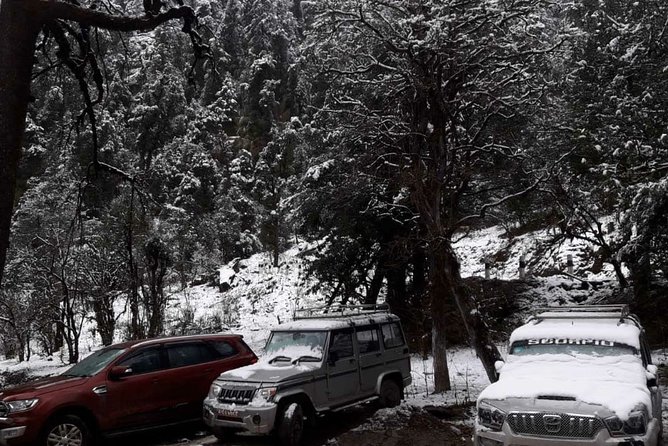
Reviewed · HIKING & TREKKING
3 Days Kalinchowk Trekking from Kathmandu
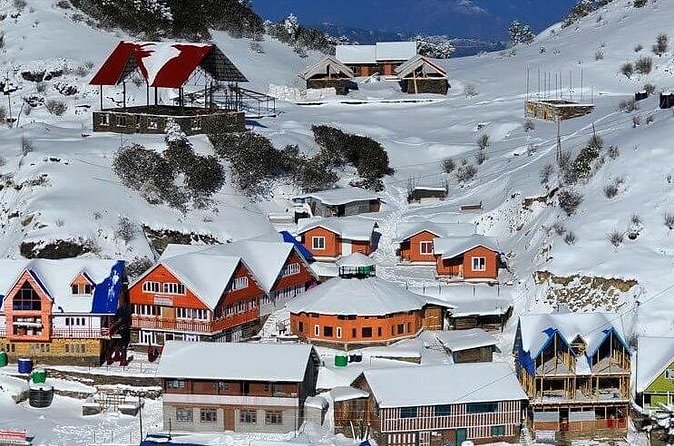
Kalinchowk gives you a quick taste of the Himalaya without committing to a long, demanding trek. The trip combines a public-bus journey from Kathmandu with walking through Charikot and Kuri before reaching the snow-covered Kalinchowk area and its famous Bhagwati Temple. On a clear day, you can see the Langtang, Ganesh Himal, and Gaurishanker ranges.
I like the private format, since your own English-speaking guide can set the pace and help with the practical details. I also like that permits, official documents, hotel transfers, and guesthouse lodging are arranged. The main caution is the long first and last days, plus the fact that meals are not included and transport is by public bus.
Key points at a glance
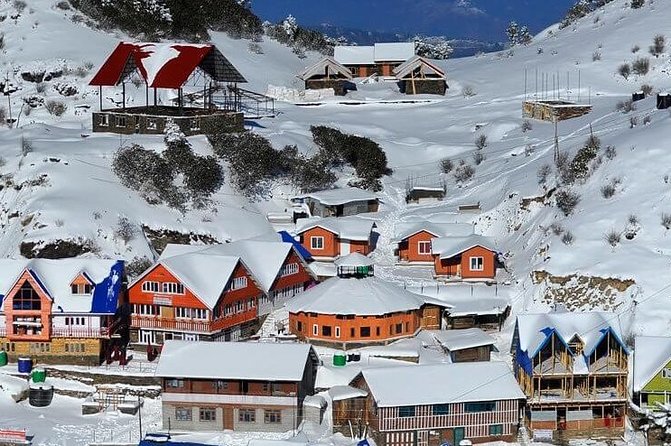
- Three days from Kathmandu: The trip includes hotel pickup, a bus to Charikot, trekking to Kuri and Kalinchowk, then the return to Kathmandu.
- Kalinchowk Bhagwati Temple: The mountain destination is also a well-known pilgrimage site, especially striking when snow covers the area.
- Private guide service: Only your group participates, with an English-speaking trekking guide accompanying you.
- Tea-house style lodging: Overnight accommodation is provided in a guesthouse, giving you a simple local base rather than a resort stay.
- Meals are your responsibility: You choose and pay for your food, which offers flexibility but means you should budget beyond the $290 tour price.
- Moderate fitness needed: The trek is described as moderately easy, but the long travel days and uphill walking still require reasonable stamina.
Why Kalinchowk works as a short Himalayan escape
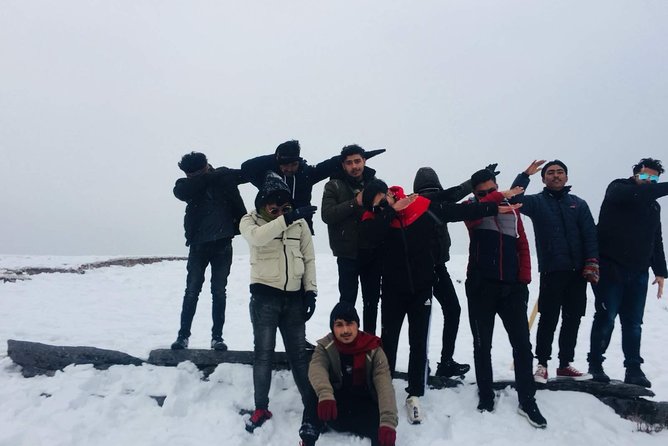
The appeal here is simple: you can leave Kathmandu, reach a high mountain setting, and return in three days. You are not signing up for a demanding multiweek route or a heavily organized sightseeing circuit. Instead, you get a short walk, a local guesthouse, mountain views, and time away from the capital’s noise.
The destination is Kalinchowk, best known for the Kalinchowk Bhagwati Temple. The temple gives the trek a clear purpose beyond reaching a viewpoint. Snow can cover the upper area, and the combination of mountain scenery and pilgrimage culture makes this more than a standard countryside walk.
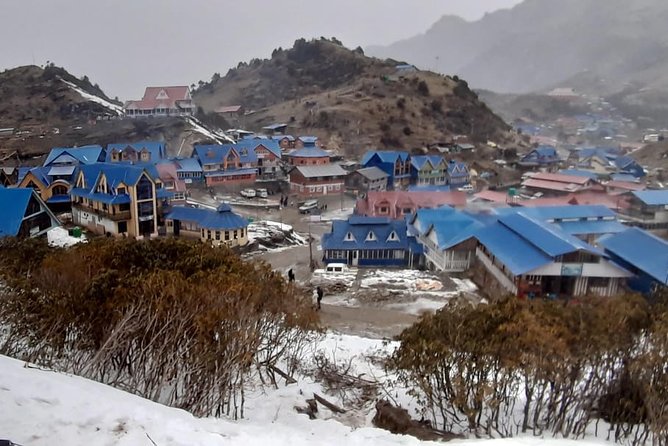
The route also passes through Charikot and Kuri. Charikot is the transport and trekking link for the journey, while Kuri is the overnight stop before the final walk to Kalinchowk. Kuri is repeatedly singled out as a particularly pleasant part of the trip, so do not think of it as merely a place to sleep.
You should keep expectations realistic. This is a short introduction to trekking near Kathmandu, not a remote Himalayan expedition. The advertised difficulty is moderately easy, but the schedule is tight, and the road sections can take time.
A few more things to do in Kathmandu worth a look
- Everest Base Camp Trek – 14 Days
★ 5.0 · 1,499 reviews - Everest Base Camp Trekking
★ 5.0 · 485 reviews - Nagarkot Sunrise View and Day Hiking from Kathmandu
★ 5.0 · 471 reviews
Day one: Kathmandu, Charikot, and the walk to Kuri
Your first day begins with hotel pickup in Kathmandu. From there, the group travels by public bus toward Charikot. The drive is listed at about four hours, followed by the trek to Kuri, making this a roughly ten-hour day.
That timing matters. Even if the walking is manageable, you are combining road travel and trekking in one stretch. Start with suitable shoes, keep water and essential items accessible, and avoid packing anything you will not need during the day. Your larger belongings and your day-to-day arrangement should be confirmed with the guide before departure.
Charikot is an important transition point. The urban setting gives way to a quieter mountain route, and the trip starts to feel like a proper trek rather than a day excursion. The schedule lists Charikot as the stop for both the first and second days, but the description makes clear that you continue onward to Kuri for the overnight stay.
Kuri is one of the most appealing details of this trip. Accommodation is in a guesthouse, described as an authentic tea-house style stay. That means you should expect a straightforward mountain lodging experience, not polished hotel service. The simplicity is part of the appeal, but pack with that in mind and bring personal items you value for comfort.
Meals are not included. This gives you freedom to choose what you eat, but it also means your $290 covers the organized elements rather than every expense. You should set aside money for breakfast, lunch, dinner, snacks, drinks, and any personal purchases.
Day two: Kuri to snow-covered Kalinchowk
The second day is the heart of the trip. You trek from Kuri to Kalinchowk, with the walking portion listed at about two hours. Compared with the first and third days, this is the shortest and most focused day.
The route is described as moderately easy, but do not confuse that with effortless. The destination is at high elevation, and the walk leads to a mountain area that may be covered in snow. Your guide can help you manage the pace, but you still need reasonable physical fitness and comfortable footwear.
The reward is the setting. From Kalinchowk, you may see snow-capped peaks connected with the Langtang, Ganesh Himal, and Gaurishanker ranges. Clear weather is important, so the views are never guaranteed. Even when clouds limit the distant peaks, the snow, temple, and mountain environment give the day a strong sense of place.
Kalinchowk Bhagwati Temple is a major reason to make the trip. It is a famous religious site, and the visit adds a local cultural element to the mountain scenery. You do not simply walk to a high point, take a photograph, and turn around. You arrive at a destination with meaning for local worshippers.
This is also the best day to avoid rushing. The walking time is short on paper, but you will want time for the temple, views, photographs, and the surroundings. Ask your guide how much time is planned at the top and how the return to the guesthouse is organized.
Weather can change the character of the experience. Rain has affected some departures, and snow can make the upper area feel more demanding. The operator requires good weather for the trip and offers a different date or full refund if poor weather forces cancellation. You should still bring clothing that can handle changing conditions, since a clear forecast does not guarantee clear mountain views.
Day three: returning through Charikot to Kathmandu
The final day combines the trek back to Charikot with the public-bus ride to Kathmandu. It is listed at about nine hours, so this is another full day rather than a relaxed final morning.
The return walk lets you see the route from a different angle, but the practical point is that you need to keep your energy for the road trip. A private transfer is not included. Public buses can be a more direct connection with ordinary Nepali travel, but they also make the schedule less controlled than a private vehicle.
After reaching Kathmandu, the tour includes transfer back to your hotel. That is useful after a long day, especially if you have an onward flight or another activity planned. I would avoid booking a tight same-day connection, since the return timetable and road conditions can affect your arrival time.
The three-day structure works best when you accept that the first and last days are travel-heavy. Day two is where the mountain experience is concentrated. If you want long hours on the trail each day, this will feel too brief. If you want a compact escape with a clear destination, the balance is sensible.
Same base, a different kind of day:
- Private Kathmandu Sightseeing Tour | UNESCO World Heritage sites
★ 5.0 · 756 reviews - Everest Base Camp Helicopter Tour landing at Everest View Hotel
★ 5.0 · 668 reviews - Half day cooking class in Thamel kathmandu
★ 5.0 · 607 reviews - Kathmandu: Full Day 7 UNESCO Tour with Lunch – Private/Group
★ 5.0 · 415 reviews
What the $290 price really covers
At $290 per person, the value depends on how much help you want with the logistics. The price includes hotel pickup and drop-off in Kathmandu, round-trip public-bus transport, an English-speaking trekking guide, guesthouse accommodation, trekking permits, official document arrangements, and a private trip for your group.
That is a useful package for someone who does not want to arrange the route independently. Permits and documents can be small tasks that become annoying when combined with transport, a new destination, and a short schedule. Here, the guide takes responsibility for those arrangements.
The private format adds value for couples, friends, and families who prefer not to join strangers. You can ask questions freely and discuss the walking pace with your guide. It also makes the experience more personal than a large group departure.
Still, the price does not cover meals or personal expenses. Gratitude for the guide is optional, but you should budget for food and drinks throughout the three days. Group discounts are available, which may improve the per-person value when several people book together.
Because transport is by public bus, you are not paying for a premium road experience. That is not necessarily a weakness. The bus keeps the trip closer to ordinary local travel and helps keep the package at a reasonable price. If your priority is privacy in the vehicle or maximum comfort on the road, this may not be the right arrangement.
The guide can make a short trek feel easy
On a short route, a good guide has a practical role. The guide handles permits and documents, helps connect the bus and walking sections, accompanies you on the trek, and can help you settle into the guesthouse.
The experience is listed with an English-speaking guide, which is important if you want explanations and clear communication throughout the trip. Guides named Rabbin and Ravi have been associated with especially friendly and reassuring service on this route. The booking does not promise that either person will lead your departure, so ask who is assigned to your group.
The private setup also means you should speak up. If you need a slower pace, a short rest, or clarification about the plan, say so early. The route is short enough that communication can make a real difference.
Do not expect the guide to remove every inconvenience. Public transport, mountain weather, basic accommodation, and self-funded meals remain part of the trip. The guide’s value is in managing those conditions, not turning the outing into a luxury tour.
Guesthouse nights and the tea-house style
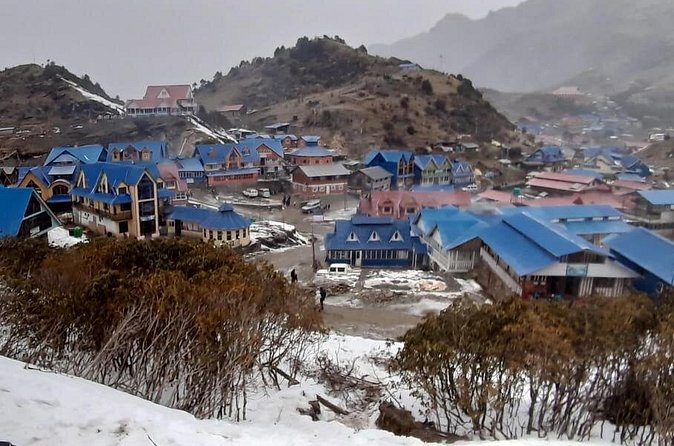
The included accommodation is a guesthouse, described as authentic tea-house lodging. That wording signals a simple, local overnight experience. It gives you a place to rest along the route, but you should not book this expecting the facilities or service of a Kathmandu hotel.
Kuri is one of the more memorable stops because it breaks the journey into a human-sized rhythm: travel from the capital, walk through the hills, sleep in a mountain settlement, then continue to Kalinchowk. The guesthouse helps keep you close to that rhythm.
Since meals are not included, you will need to arrange food at or near your overnight stops. The benefit is choice. You are not tied to a fixed menu or meal schedule included by the operator. The trade-off is that you must carry enough money and take responsibility for planning around meal times.
Who should book this trek?
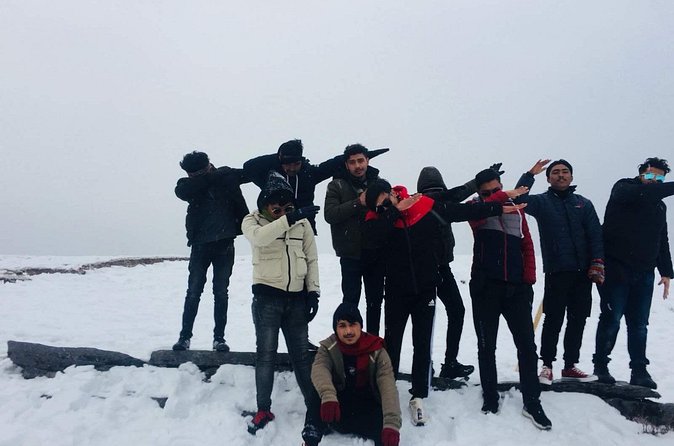
I would recommend this trip to you if you want a short Himalayan outing from Kathmandu and prefer support with permits, transport, and lodging. It suits people with moderate fitness who are comfortable walking uphill and spending long periods on a public bus.
It is also a good match for first-time trekkers. The route is described as moderately easy, the walking sections are relatively short, and a guide accompanies your private group. The temple and mountain views give you a clear reason for each part of the journey.
You may want a different trip if you are looking for long, isolated days on the trail, high-end accommodation, private road transport, or meals included in the price. You should also think twice if you dislike early starts, long road journeys, or basic guesthouse lodging.
The best season is not specified, so you should ask about current weather and snow conditions before booking. Since the experience depends on good weather, flexibility is useful. Free cancellation is available up to 24 hours before the start time, and a weather cancellation offers a different date or full refund.
Should you book the Kalinchowk trek?
Book it if you want a compact, private mountain break with an English-speaking guide, a famous temple, tea-house lodging, and a good chance of Himalayan views. The trip gives you a lot of structure for three days, while still leaving food choices and the feel of local public transport in your hands.
I would not choose it for a luxury holiday or a serious trekking challenge. But for a first short trek from Kathmandu, the combination of Kuri, snowy Kalinchowk, mountain views, and organized permits is appealing. Just budget for meals, expect long bus days, and keep your schedule flexible for weather.
FAQ
How long is the Kalinchowk trek from Kathmandu?
The experience lasts approximately three days. The first day includes about four hours by bus and trekking to Kuri, the second includes about two hours of trekking to Kalinchowk, and the third combines the return trek to Charikot with the bus ride to Kathmandu.
Is hotel pickup and drop-off included?
Yes. Hotel pickup in Kathmandu is included at the start, and transfer back to your hotel is provided after returning to Kathmandu.
Is this a private tour?
Yes. This is a private activity, so only your group participates.
Is an English-speaking guide included?
Yes. The tour includes an English-speaking trekking guide. The guide also arranges trekking permits and official documents.
Are meals included?
No. All meals are excluded. You pay for your own food, drinks, snacks, and other personal expenses.
What kind of transport is used?
The tour includes round-trip transfer by public bus between Kathmandu and Charikot. The first and third days include the main bus journeys.
Where do you stay?
Accommodation is provided in a guesthouse, with the trip described as an authentic tea-house style experience.
How physically fit do you need to be?
You should have a moderate level of physical fitness. The trek is described as moderately easy, but the schedule includes uphill walking and long travel days.
What can you see from Kalinchowk?
The route offers views of snow-capped Langtang, Ganesh Himal, and Gaurishanker mountains when weather conditions are clear. Kalinchowk Bhagwati Temple is also a main destination.
Can you cancel for a full refund?
Yes, if you cancel at least 24 hours before the experience start time. Cancellations made less than 24 hours in advance are not refunded, and changes within that period are not accepted. If poor weather causes the operator to cancel, you receive a different date or a full refund.
Just added in Kathmandu
- Kathmandu to Chitwan Tour by Tourist Bus – A Convenient and Affordable Way★ 4.0 · 4 reviews
- Changunarayan Hill to Telkot Hike Near Kathmandu Day Tour★ 5.0 · 6 reviews
- Mt Everest Base CampTrek | Budget Package★ 5.0 · 4 reviews
- Chitwan Jungle Safari 3-Day Tour★ 5.0 · 9 reviews
- Chandragiri Hill Station Tour by Cable Car★ 5.0 · 4 reviews
- Chandragiri Hills cable car day trip, private car with driver from Kathmandu★ 5.0 · 8 reviews
- Chandragiri to Taudaha Nature Day Hiking from Kathmandu★ 5.0 · 13 reviews
- Chandragiri Cable Car & Monkey Temple Private Guided Day Tour★ 5.0 · 5 reviews
Hiking & Trekking, compared.
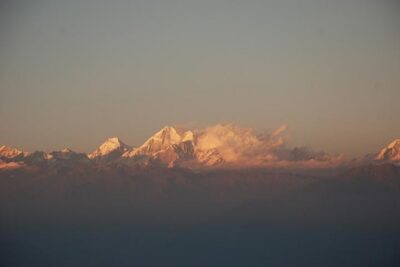
Nagarkot Sunrise View and Day Hiking from Kathmandu
Read our review →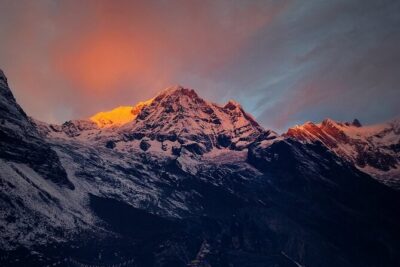
Trekking in Annapurna/Langtang/Everest/Upper Mustang regions
Read our review →Browse the lists this tour appears in