
Reviewed · ANNAPURNA CIRCUIT TREKS
Annapurna Circuit Trek in Nepal (9 Days)
The high point of this trek is literal: you cross Thorong La Pass at 5,416 meters, then descend toward the sacred site of Muktinath. Along the way, you move from Nepal’s busy capital to Tibetan-style villages, pine forests, apple orchards, high meadows, and stark mountain country.
I like the built-in acclimatization day in Manang, and I like that the $880 price includes eight tea house nights, meals, permits, guides, and the main ground transport. The small private-group format also gives you more say in the pace than a large commercial trip.
The catch is the schedule. Nine days is a tight version of the Annapurna Circuit, with long road transfers and several demanding walking days. You need moderate fitness, a sensible attitude toward altitude, and a clear understanding that porters, insurance, Kathmandu lodging, and private transport cost extra.
Key points at a glance
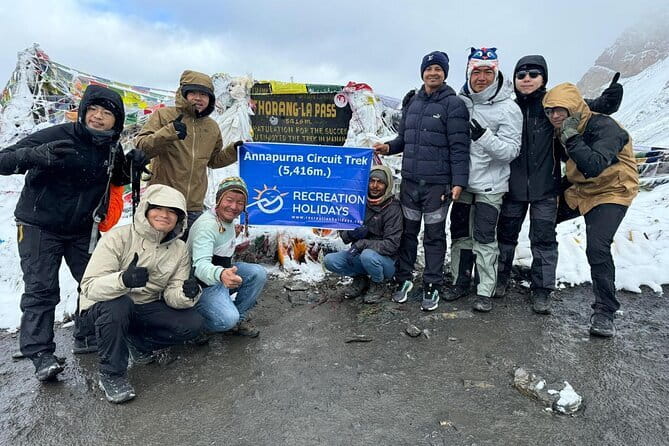
- Thorong La Pass at 5,416 meters: The trek’s major physical challenge and defining mountain crossing.
- Manang acclimatization day: Time to rest, explore the village, visit monasteries, or walk toward Gangapurna’s glacial lakes.
- Eight tea house nights: Twin-sharing lodging gives you a simple, local base each evening.
- Meals included: Eight breakfasts, eight dinners, and nine lunches are part of the package.
- Kathmandu to Pokhara route: Transport is included from Kathmandu to Dharapani and from Muktinath to Pokhara.
- Extra porter cost: A porter costs $240, with one porter available for every two trekkers.
What the nine-day Annapurna Circuit really involves
This is not a gentle walking holiday. It is a compact mountain trek with early starts, rough roads, long days, and a high pass that demands respect.
You begin in Kathmandu and finish in Pokhara. That means the route is not a loop completed entirely on foot. Roads now reach much of the Annapurna region, so the first and last portions rely on bus, shared jeep, or similar local transport. That saves time, but it also means some days include long stretches of jolting travel.
The route’s appeal comes from its changing scenery and communities. You pass through villages influenced by Tibetan culture, walk among rhododendron and pine forests, cross suspension bridges, and reach dry high-altitude terrain near Thorong La. The cultural side matters as much as the views. Local meals, tea houses, monasteries, cultivated fields, and village life give the trek a human scale.
Recreation Holidays supplies a licensed English-speaking guide and a first-aid medical kit. Groups of eight or more receive an assistant guide, with that person’s food, lodging, salary, and insurance covered. Emergency evacuation support is listed as covered by travel insurance, but the insurance itself is not included, so you must arrange it separately.
Other long routes from Kathmandu:
- Annapurna Circuit Trek with Tilicho Lake
★ 5.0 · 368 reviews - Annapurna Circuit Trek
★ 5.0 · 94 reviews - Annapurna Circuit Trek
★ 5.0 · 35 reviews
Day 1: Kathmandu to Bhulbhule, Dharapani, and the trail
Your day begins early, with pickup listed around 6:00 or 7:00 a.m. The meeting information gives 6:15 a.m. at Tribhuvan Airport, while the day plan refers to pickup at your Kathmandu hotel. Confirm the exact pickup point before departure.
The first portion is a scenic bus journey toward Bhulbhule via Besisahar. From Bhulbhule, you transfer to a shared jeep for the road toward Dharapani. This is practical rather than luxurious travel, and the road journey can feel long after an early start.
The reward is reaching the Annapurna trekking zone on day one instead of spending an extra night on the approach. Local transport from Kathmandu to Dharapani is included, which helps explain the value of the package. It also means you should pack patience, keep essentials close, and expect a full day rather than a relaxed introduction.
Day 2: Dharapani to Chame through village country
Leaving Dharapani, you walk into cooler alpine surroundings. The route passes through Bagarchhap and Danakyu, with apple orchards adding a pleasant change from the lower river valleys.
This is also where the cultural character of the trek becomes clearer. Tibetan-style villages, stone buildings, cultivated land, and mountain views give the day more variety than a simple uphill walk. You are not just moving from one lodge to another. You are passing through working communities.
The itinerary allows up to 12 hours for the day, so take the timing seriously. The exact walking pace will depend on the group and trail conditions, but the long estimate shows that this is a demanding day. Your guide’s role matters here, especially in setting a steady pace and arranging tea house stops.
Chame is a useful overnight point because it brings you farther into the high country. You will want a warm meal, dry clothing, and a good night’s rest.
Day 3: Forests, bridges, and Paungda Danda
The route continues through dense rhododendron and pine forests, with meadows and steep sections along the way. Suspension bridges add a little drama, while the curved rock face of Paungda Danda provides one of the day’s most memorable sights.
This section gives you the Annapurna Circuit’s classic mix of forest, river crossings, cliffs, and distant peaks. It is not all open mountain views. The trees often frame the scenery, and the trail can feel more enclosed before opening near major rock formations and settlements.
The published timing again reaches 12 hours. That is a strong signal that you should not treat the itinerary as a casual stroll. A moderate fitness level is required, and you should be ready for sustained walking, uneven ground, and repeated climbs.
The good news is that the day has visual variety. If you enjoy routes that change character every few hours, this is one of the stronger parts of the schedule.
A few more things to do in Kathmandu worth a look
- Everest Base Camp Trek – 14 Days
★ 5.0 · 1,499 reviews - Everest Base Camp Trekking
★ 5.0 · 485 reviews - Nagarkot Sunrise View and Day Hiking from Kathmandu
★ 5.0 · 471 reviews - Everest Base Camp Trekking – 13 Day
★ 5.0 · 365 reviews
Day 4: Reaching Manang and the heart of the trek
Manang is one of the major highlights of the route. The day begins on flatter ground before gradually climbing toward Humde. Along the way, you get broad views of Annapurna II, Annapurna III, and Annapurna IV, among other peaks.
Manang feels important not only because of its setting, but because it marks a change in the trek. You are now moving into higher country, and altitude becomes a serious planning issue. The slower rise is useful, but the schedule still asks you to cover a lot of ground.
This is one of the places where a good guide can make a real difference. A guide can watch the group’s pace, help you recognize signs that you are struggling with altitude, and keep the day orderly when tiredness sets in.
The itinerary gives this day a full day designation, while other days use 12-hour estimates. Either way, plan for a substantial walking day. Manang is not simply a place to sleep. It is where you should begin treating hydration, rest, and gradual movement as part of the trek itself.
Day 5: Manang acclimatization day
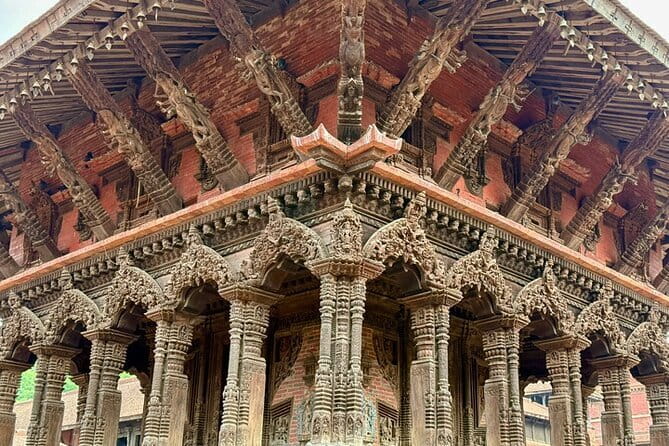
I consider this rest day one of the strongest parts of the schedule. You stay in Manang rather than gaining more height immediately, giving your body time to adjust before the trail climbs toward Thorong La.
You can explore Manang village, walk toward the glacial lakes below Gangapurna, or visit local monasteries. The choices allow you to keep moving without repeating a hard transfer day. You also get a closer look at village life, which is easy to miss when every day is focused only on reaching the next lodge.
Do not treat acclimatization as wasted time. At this altitude, pushing too fast can spoil the rest of the trip. A calm walking day, plenty of fluids, and a sensible pace are more useful than trying to fill every hour.
The itinerary does not provide a separate activity fee for this day. Your guide can help shape the outing, but the exact walk you take should reflect your condition and the group’s needs.
Day 6: Manang to Yak Kharka
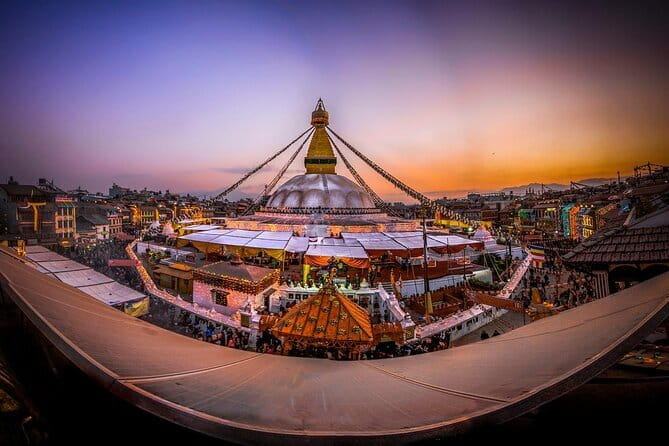
After the pause in Manang, you continue toward Yak Kharka. The trail passes local settlements and cultivated fields, then climbs steadily at a moderate rate.
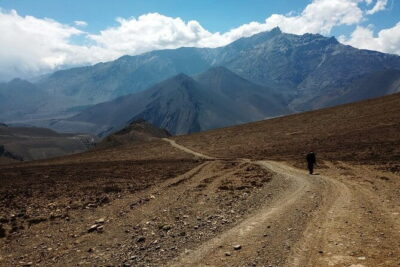
You cross suspension bridges and continue into more exposed high-country terrain. The scenery becomes less forested and more open, with a stronger sense that you are nearing the pass. The route is not described as a technical climb, but altitude makes ordinary uphill walking harder.
This is a day to keep your pace deliberately slow. You may feel fit at lower elevations and then notice the difference as the air thins. Keep your daypack light, follow your guide’s rhythm, and resist the temptation to rush ahead.
Yak Kharka is mainly a practical overnight stop. It positions you for the approach to Thorong Phedi and gives you another night to adjust before the highest section.
Day 7: Yak Kharka to Thorong Phedi
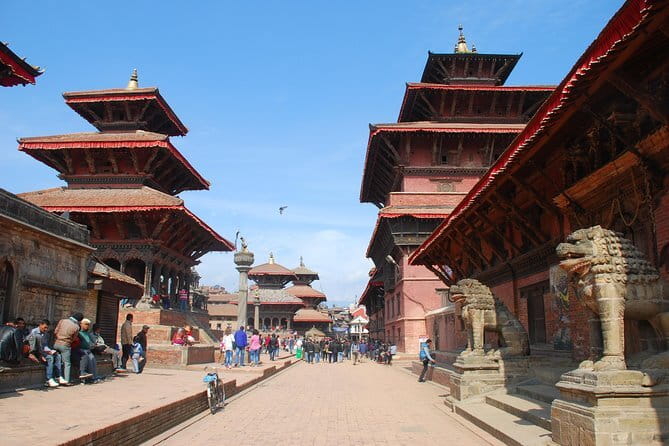
The itinerary describes the walk to Thorong Phedi as roughly four to five hours, with a gradual incline. That may sound short compared with earlier days, but the altitude changes the effort.
Thorong Phedi is the staging point for the pass crossing. You spend the day gaining height, resting, drinking water, and preparing for the early start ahead. The route offers striking mountain views, but the most important task is arriving with enough energy for tomorrow.
The package lists the admission ticket for this day as included. More important than the ticket detail is the timing: the group must be ready for a start around 3:00 a.m. on day eight.
A night at Thorong Phedi can be basic. Tea house accommodation is included on a twin-sharing basis, but you should not expect hotel-style comfort in this remote section. Bring layers, protect your sleeping bag or clothing from damp, and keep headlamp batteries ready.
Day 8: Thorong La Pass and Muktinath
This is the trek’s biggest day. You leave around 3:00 a.m. for Thorong La, which rises to 5,416 meters. The early start is designed to get you across the pass while conditions are generally more manageable, but it also means you begin in darkness after a short night.
The ascent is slow and steady. The altitude can make each step feel heavier than expected, so regular breaks are essential. Your guide should help keep the group together and watch for signs that someone needs to stop or descend.
At the top, the reward is a broad mountain panorama and the satisfaction of crossing the Annapurna Circuit’s highest point. This is a serious physical achievement, but it is not a moment to linger carelessly. Weather and altitude can change the feel of the pass quickly.
After the crossing, you descend toward Muktinath. The change can be dramatic, with drier terrain and a different cultural setting in the lower Mustang region. Muktinath Temple is a major stop and an important pilgrimage site. The day can last around 12 hours, so save energy for the descent.
Admission for the pass day is included, and the trek package covers the night’s tea house accommodation and meals. This is also the day when travel insurance matters most. Emergency evacuation support is listed as available through insurance, but you are responsible for purchasing the policy.
Day 9: Muktinath to Pokhara
After a well-earned rest, you leave Muktinath for Pokhara by jeep or bus. The road descends through the lower Mustang Valley, offering a final look at the dry mountain country before you return toward greener, lower elevations.
This is a transport day, not a final walking stage. The ride may be long and rough in places, but it completes the route within nine days. Local transport from Muktinath to Pokhara is included.
Pokhara is the finishing point, and the itinerary gives the day up to 12 hours. Your accommodation in Pokhara is not included, so plan where you will stay after arrival. You can request an achievement certificate, and Recreation Holidays also offers luggage storage during the trek, which is useful if you leave larger bags in Kathmandu.
What the $880 price covers
At $880 per person, the package offers solid value for a private nine-day trek if you want the main costs grouped together. Included are:
- Eight nights of twin-sharing tea house accommodation
- A licensed English-speaking guide
- An assistant guide for groups of eight or more
- Trekking permits
- Eight breakfasts
- Eight dinners
- Nine lunches
- Transport from Kathmandu to Dharapani
- Transport from Muktinath to Pokhara
- First-aid supplies
- Fees and taxes
- Luggage storage during the trek
The price does not include porter service. A porter costs $240, with one porter available for every two trekkers. For many people, that is a worthwhile extra because the schedule is strenuous and carrying less can make the long days more manageable.
You also pay separately for Nepal’s entry visa, international flights, Kathmandu and Pokhara lodging, extra baggage, private transport, and travel and medical insurance. Add those costs before deciding that $880 is your full trip budget.
The private format is another value point. Only your group participates, so you are not automatically tied to a large mixed party. Still, confirm how flexible the daily pace really is, especially on the pass crossing and transport days.
Who should book this trek
I would recommend this trek to someone who wants a fast, organized route across the Annapurna region and is comfortable with basic lodging, long days, and shared road transport.
It suits you if you value:
- A guide-led mountain trip rather than planning each permit and lodge yourself
- Cultural stops and village life alongside mountain views
- A built-in acclimatization day
- Meals and tea house lodging included in the main price
- A private group rather than a large public departure
- A finish in Pokhara after crossing Thorong La
I would think twice if you want a relaxed walking holiday, private rooms, short travel days, or a fully self-contained price. The 3:00 a.m. pass start, high altitude, and 12-hour itinerary estimates are not minor details.
Practical advice before you book
Confirm the pickup details because the information gives both Tribhuvan Airport and Kathmandu hotel pickup as the starting point. Ask exactly where you should meet the group and what time you should be ready.
Ask about the current road and walking split too. The route includes bus and jeep travel, and conditions can affect how long the first and final days take.
Arrange travel and medical insurance before arrival. It should account for high-altitude trekking and possible emergency evacuation, since evacuation support depends on insurance even though the operator lists assistance.
If you want a porter, reserve one before departure. The stated rate is $240 per porter, with one porter for every two trekkers. Also use the complimentary luggage storage so you do not carry city clothing and other nonessential items into the mountains.
The cancellation policy allows a full refund if you cancel at least 24 hours before the experience begins. Changes or cancellations inside that window are not accepted for a refund.
Should you book the Annapurna Circuit Trek?
Book it if crossing Thorong La is your priority and you want the key logistics handled by a local company. The combination of a licensed guide, included meals, tea house nights, permits, transport, and an acclimatization day makes the $880 starting price reasonable.
Do not book it without preparation. This is a compressed schedule at high altitude, not an easy sampler of Nepal. You need moderate fitness, insurance, warm clothing, and enough flexibility to handle long road days and basic lodging.
For the right person, the route offers a strong mix of mountain scenery, local culture, monasteries, villages, and one unforgettable high pass. For a slower trip, look for a longer Annapurna itinerary instead.
FAQ
How long is the Annapurna Circuit Trek?
The trek lasts approximately nine days, beginning in Kathmandu and finishing in Pokhara.
Where does the trek start?
The listed meeting point is Tribhuvan Airport in Kathmandu, with a start time of 6:15 a.m. The day plan also describes pickup from your Kathmandu hotel around 6:00 or 7:00 a.m., so confirm the exact arrangement before departure.
Where does the trek finish?
The experience finishes in Pokhara after transport from Muktinath through the lower Mustang Valley.
Is accommodation included?
Yes. The package includes eight nights in twin-sharing tea house accommodation during the trek. Accommodation in Kathmandu and Pokhara is not included.
Are meals included?
Yes. The package includes eight breakfasts, eight dinners, and nine lunches.
Is a porter included?
No. Porter service is available for $240 per porter, with one porter offered for every two trekkers.
Is travel insurance included?
No. Travel and medical insurance are not included. Emergency evacuation support is listed as covered through travel insurance, so you must arrange suitable insurance separately.
Just added in Kathmandu
- Kathmandu to Chitwan Tour by Tourist Bus – A Convenient and Affordable Way★ 4.0 · 4 reviews
- Changunarayan Hill to Telkot Hike Near Kathmandu Day Tour★ 5.0 · 6 reviews
- Mt Everest Base CampTrek | Budget Package★ 5.0 · 4 reviews
- Chitwan Jungle Safari 3-Day Tour★ 5.0 · 9 reviews
- Chandragiri Hill Station Tour by Cable Car★ 5.0 · 4 reviews
- Chandragiri Hills cable car day trip, private car with driver from Kathmandu★ 5.0 · 8 reviews
- Chandragiri to Taudaha Nature Day Hiking from Kathmandu★ 5.0 · 13 reviews
- Chandragiri Cable Car & Monkey Temple Private Guided Day Tour★ 5.0 · 5 reviews
Annapurna Circuit Treks, compared.
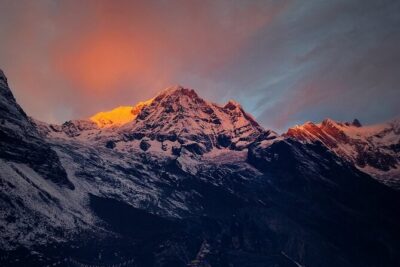
15-Day Private Annapurna Circuit Trek from Kathmandu
Read our review →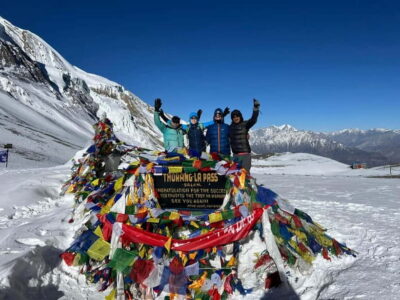
8 Days Private Guided Trekking in Annapurna Circuit with Pickup
Read our review →
Browse the lists this tour appears in