Reviewed · HIKING & TREKKING
Everest Three Pass Trek
The Everest Three Pass Trek takes you across Kongma La, Cho La, and Renjo La, three high crossings above 5,300 meters. You also get Kala Patthar at sunrise, Gokyo Lakes, Namche Bazaar, and the famous flight into Lukla. This is not a gentle walk with mountain views in the background. It is a serious high-altitude route with steep climbs, rough paths, snow, and long days.
I like the way the itinerary includes both acclimatization and major viewpoints. The stay in Namche, the rest day in Gokyo, and the early move from Dingboche to Chhukung all help prepare you for the passes. I also like the practical package: Lukla flights, permits, meals, guesthouses, porters, a sleeping bag, and a down jacket are included.
The catch is simple: this trek demands strong fitness and mental stamina. Weather can affect the Lukla flights and high passes, and the package does not include personal gear, drinks, hot showers, laundry, or staff tips. You need to be ready for basic mountain lodging and changing conditions.
What makes this trek different
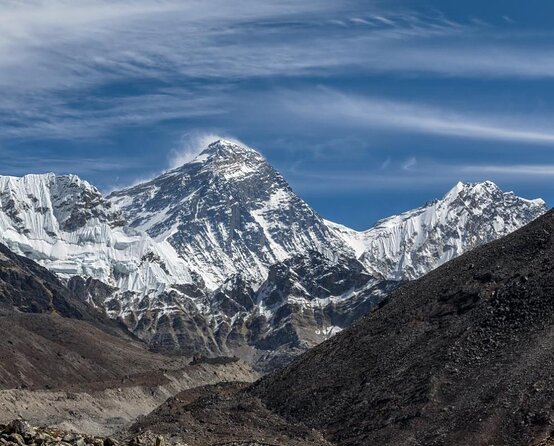
- Three major high passes: Kongma La reaches 5,535 meters, Cho La 5,420 meters, and Renjo La 5,360 meters.
- Two classic sunrise viewpoints: Kala Patthar offers an early view toward Everest, while Gokyo Ri looks across the Gokyo Valley and its lakes.
- A private trip: Only your group takes part, with a local licensed English-speaking guide and porters.
- A useful route adjustment: The itinerary spends a night in Chhukung rather than adding another full acclimatization day in Dingboche, shortening the following pass day.
- A strong package price: At $1,800 per person, the cost covers domestic flights, permits, food, lodging, staff, and key sleeping equipment.
- A quieter alternative to the standard route: The route includes Everest scenery but also visits the less direct Gokyo and high-pass sections.
Three passes, one demanding Himalayan route
This trek is best understood as a circuit through the Khumbu rather than a simple walk to Everest Base Camp. You begin and end at Lukla, but the route takes you away from the usual out-and-back pattern and across three high mountain passes.
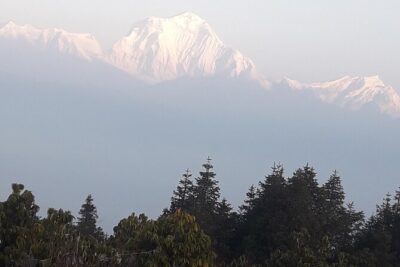
The reward is variety. You get river valleys, suspension bridges, Sherpa villages, rhododendron forest, glaciers, high passes, Gokyo Lakes, and broad views of Everest, Lhotse, Nuptse, Ama Dablam, and the Mahalangur Himalayan Range.
The price is effort. The highest point on the route is Kongma La at 5,535 meters, while Kala Patthar is listed at 5,550 meters. At these heights, even a short uphill section can feel hard. You should be comfortable walking on rough ground for several hours and handling steep ascents without easy access to road transport.
A few more things to do in Kathmandu worth a look
- Everest Base Camp Trek – 14 Days
★ 5.0 · 1,499 reviews - Everest Base Camp Trekking
★ 5.0 · 485 reviews - Nagarkot Sunrise View and Day Hiking from Kathmandu
★ 5.0 · 471 reviews
Day 1: Kathmandu to Lukla and the first mountain steps
The day begins early, with a flight from Kathmandu to Lukla. The flight passes over green hills and snow-covered peaks before landing at Tenzing-Hillary Airport, one of the world’s most notable mountain airfields.
After meeting the guide and porters in Lukla, you begin walking toward the Dudh Koshi Valley. The first day is important because it shifts you from city travel to mountain travel at once. The route is already hilly, but you are not yet dealing with the severe altitude of the upper Khumbu.
Flights to Lukla depend on weather. The tour’s policy allows a different date or a full refund if poor weather cancels the experience, but you should still leave flexibility in your wider Nepal plans.
Day 2: Dudh Koshi bridges and Sagarmatha National Park
The trail follows the Dudh Koshi River and crosses it several times on suspension bridges decorated with prayer flags. These crossings are a memorable part of the route, though anyone uneasy with heights should expect a few tense steps.
You enter Sagarmatha National Park and climb toward Namche Bazaar. The trail moves through wooded sections and rises steadily. This is not yet one of the hardest days, but it introduces the steady uphill rhythm that defines the trek.
Namche is more than a place to sleep. It is the main Sherpa town on the route and a useful point to slow down, eat, and begin adjusting to altitude.
Day 3: Acclimatization around Namche Bazaar
The third day is set aside for acclimatization. You explore Namche and climb toward the Everest View Hotel, where the route provides views of Everest, Nuptse, Thamserku, and other peaks.
A rest day does not mean sitting indoors all day. A short uphill outing helps your body adjust better than complete inactivity, while the return to Namche gives you time to rest afterward.
This is one of the itinerary’s sensible features. High-altitude trekking is not just about covering distance. It is about giving your body time to respond to thinner air before the route climbs higher.
Same base, a different kind of day:
- Private Kathmandu Sightseeing Tour | UNESCO World Heritage sites
★ 5.0 · 756 reviews - Everest Base Camp Helicopter Tour landing at Everest View Hotel
★ 5.0 · 668 reviews - Half day cooking class in Thamel kathmandu
★ 5.0 · 607 reviews - Kathmandu: Full Day 7 UNESCO Tour with Lunch – Private/Group
★ 5.0 · 415 reviews
Day 4: Tengboche and its mountain setting
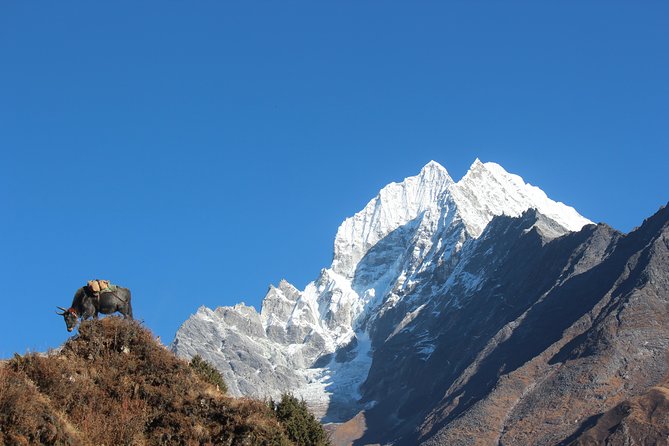
You follow the Dudh Koshi upstream, passing the water-driven prayer wheels near Phunke Tenga. From there, the trail climbs above the Imja Khola toward Tengboche.
Tengboche is known for its monastery, and the stop adds cultural interest to a route otherwise dominated by mountain scenery. The approach through forest makes the arrival feel different from the open, rocky country higher up.
The climb to Tengboche is steady, so pace matters. You will appreciate a guide who keeps the group moving at a comfortable speed rather than treating the day as a race.
Day 5: Ama Dablam, Lhotse, and the approach to Dingboche
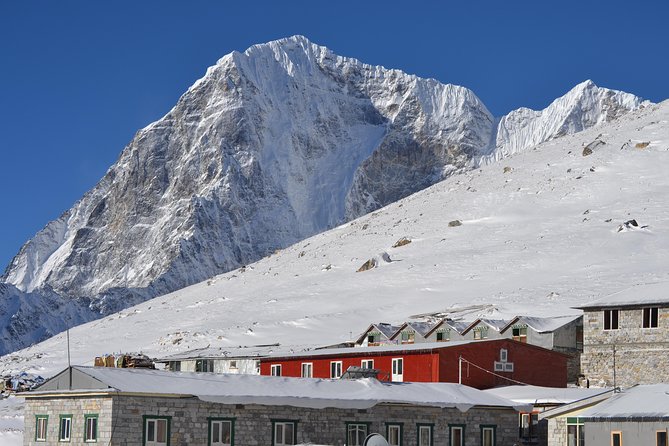
The trail continues toward Dingboche through rhododendron forest and past Pangboche village. The views now become more dramatic, with Ama Dablam, Lhotse, and Everest accompanying the route.
Dingboche is a key upper-valley stop. The air is thinner, the vegetation is less dense, and the walking becomes more exposed. The village also marks the point where careful pacing becomes especially important.
The views can tempt you to walk faster or stop often for photographs. I would keep a steady rhythm. At altitude, saving energy for the next day matters more than covering a short stretch quickly.
Day 6: A short move to Chhukung
Instead of spending another full day in Dingboche, this itinerary makes a shorter climb to Chhukung. The change is practical: it reduces the distance you need to cover on the following day, when you cross Kongma La.
The trail rises through the Imja Valley, with mountain views continuing around you. Chhukung is a small and high settlement, and the stop prepares you for the first pass.
This is also one of the route’s trade-offs. Some trekkers may prefer a longer acclimatization stay in Dingboche, while others will value the shorter pass day. The schedule is demanding, so you should discuss how you are feeling with your guide before committing to the next stage.
Day 7: Kongma La, the highest of the three passes
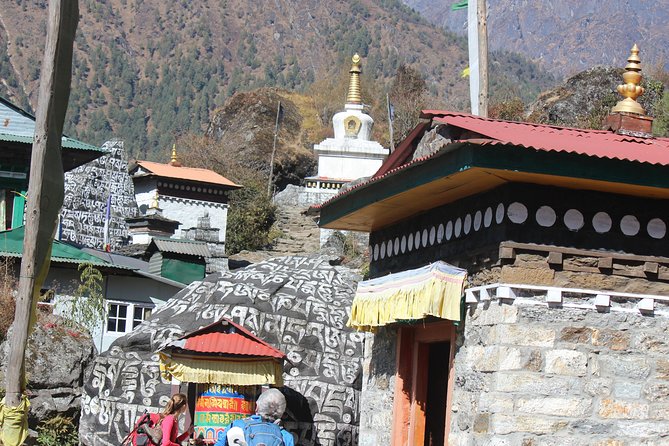
Kongma La is the first and highest pass, at 5,535 meters. The approach is steep, rough, and difficult. You should expect a slow climb and uneven ground rather than a smooth trail.
At the top, the reward is a broad Himalayan view that includes the Mahalangur range and Everest. The pass itself is the sort of place where weather and trail conditions matter greatly. Snow can make the crossing harder, and poor visibility can reduce the views.
This is likely to be one of the toughest days of the entire trip. The itinerary places the group in Chhukung the night before, which helps, but no schedule can remove the physical challenge of a pass at this height.
Day 8: Stony trails toward Gorakshep
After Kongma La, the route continues toward Gorakshep. The trail is generally stony, and you can expect a long, tiring day in a stark high-mountain setting.
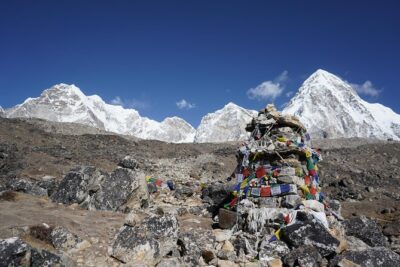
The appeal here is the scale of the surroundings. Snow-covered peaks and glaciers fill the view, and the trail feels far removed from the greener valleys below. Gorakshep is a practical overnight stop before the early climb to Kala Patthar.
Basic lodging becomes more noticeable at this elevation. The included guesthouses are mainly twin-sharing, but you should not expect city-style comfort. Hot showers and drinks cost extra, and personal spending adds up quickly in the upper valleys.
Day 9: Kala Patthar at sunrise
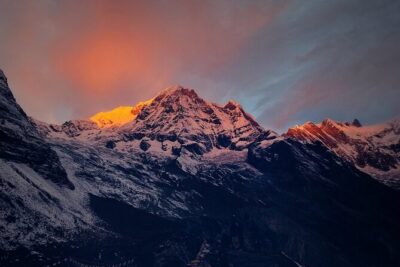
The early climb to Kala Patthar, listed at 5,550 meters, is one of the trek’s signature moments. From the top, you look across the valleys as the first sunlight reaches Everest and the surrounding peaks.
The climb is short compared with a pass crossing, but the altitude makes it strenuous. Starting early also means cold conditions, so warm layers and gloves are essential parts of your personal kit.
After Kala Patthar, the route continues toward the next section of the circuit. This day combines one of the best-known Everest viewpoints with the practical need to keep moving. You should enjoy the sunrise, but conserve energy for Cho La.
Day 10: Cho La and the route to Gokyo
Cho La rises to 5,420 meters and is the second major pass. The trail climbs steeply over an ice-covered section, making this another hard day where footwear and balance matter.
The pass leads toward the Gokyo Lakes, one of the most attractive changes of scenery on the entire route. After the stark high paths near Gorakshep, the lakes provide a different setting and a strong sense of arrival.
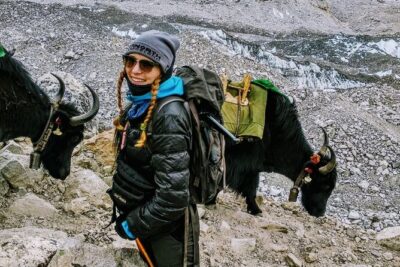
This is not an easy scenic walk. Ice, steep ground, and altitude can make Cho La feel more difficult than its elevation suggests. Your guide and porters are included, but you remain responsible for bringing suitable personal trekking equipment.
Day 11: Gokyo Ri and a closer look at the valley
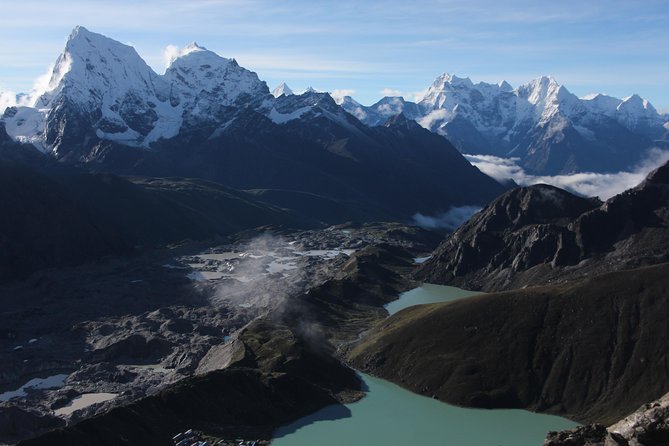
The itinerary calls this a rest day, with a morning hike to Gokyo Ri at 5,360 meters. It is an active rest day, but the climb is worthwhile for views across the Gokyo Valley, its smaller lakes, and nearby peaks.
Gokyo is one of the reasons to choose this circuit over a more direct Everest route. You see a different side of the Khumbu, and the second high viewpoint gives you another chance to appreciate the scale of the mountains.
You may feel tired after Cho La, so the pace should stay measured. The day is valuable because it allows some recovery while still giving you a major viewpoint.
Day 12: Renjo La, the final pass
Renjo La is the third and final pass, reaching 5,360 meters. The route climbs gradually along a snow-filled path before reaching the top.
From Renjo La, you get views toward Cho Oyu, Everest, and other high peaks. After crossing, the route begins moving toward lower ground, which should feel welcome after three major passes.
Do not treat this as an easy finish. You have already crossed Kongma La and Cho La, and fatigue can affect balance and concentration. An early start helps the group make progress while conditions are generally more manageable.
Days 13 to 15: Returning through Namche and Lukla
Day 13 takes you back toward Namche on a more relaxed trail. The route provides distant mountain views and a chance to enjoy the scenery without another major pass.
Day 14 continues from Namche to Lukla, crossing villages, forests, rivers, and suspension bridges. It is the final walking day, but it can still feel long after nearly two weeks on foot.
On Day 15, you fly from Lukla back to Kathmandu. The return flight again offers views of green hills and snow-covered peaks. Once back in Kathmandu, the activity ends at the original meeting point.
What the $1,800 price really covers
At $1,800 per person, this is a strong value if you need a fully organized trek. The package includes:
- Domestic flights between Kathmandu and Lukla, including airport tax
- Best available guesthouses, mainly in twin-sharing rooms
- Breakfast, lunch, and dinner for 14 days
- A licensed English-speaking guide
- Porters and the required trekking staff
- Staff wages, food, lodging, insurance, equipment, and transport
- Sagarmatha National Park entry permit
- TIMS permit
- Down jacket, sleeping bag, and duffel or kit bag
- First-aid medical kits
- Necessary land transport
You still need to budget for international airfare, drinks, laundry, hot showers, personal gear, and tips. The provided sleeping bag, down jacket, and duffel reduce the amount of equipment you must buy, but you should confirm the available sizes and condition when arranging the trip.
The private format also matters. Your group is not combined with strangers, and the guide can focus on your pace and condition. The trade-off is that a small private group may have less flexibility if someone needs to change the plan.
Guides, service, and what to expect
The company assigns a local licensed English-speaking guide, but a specific guide is not named in the tour details. Past company customers have referred to guides named Shiva, Jwala, Nabracht, Bhim, and Ram, as well as organizer Shree. Those names show the company has an established guiding team, but you should ask who will lead your particular trek before booking.
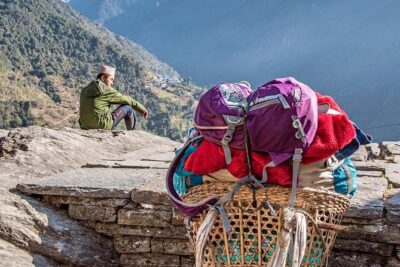
The company’s service reputation is strongest around organization and staff support. You can expect the guide to manage the route, permits, staff, and daily movement, while porters carry luggage. You should still ask how much luggage each porter carries and what personal bag you need to keep with you.
The trek is usually booked 39 days ahead, which is a useful planning signal. Give yourself time to arrange international flights, insurance, personal equipment, and a buffer for possible weather delays.
Who should book this trek
I would recommend it to you if you want the hardest and most varied version of an Everest-region trek, rather than a straightforward route to Base Camp. It suits people who are comfortable with steep trails, cold conditions, high altitude, basic lodging, and long days.
It is not the right choice if you want a relaxed holiday, predictable transport, private rooms, or an easy path. The required fitness level is explicitly strong, and the three passes make this much more demanding than a typical mountain sightseeing trip.
You also need the right attitude. The rewards come from moving slowly through difficult terrain, not from rushing between viewpoints. A guide can organize the route, but you still need patience, steady pacing, and good personal preparation.
Should you book the Everest Three Pass Trek?
Book it if the three passes are the main goal. The route gives you Kongma La, Cho La, Renjo La, Kala Patthar, Gokyo Ri, Namche, and the major Everest-region peaks in one 15-day circuit.
The $1,800 cost is reasonable for the included flights, food, permits, porters, guide, guesthouses, and equipment. Before paying, confirm the assigned guide, luggage arrangements, current flight details, and what personal gear you need to bring.
I would choose this trip for a fit trekker who wants a demanding private route and values logistical support. I would choose a gentler itinerary for anyone uncertain about high-altitude walking or unwilling to accept basic conditions and weather-related changes.
FAQ
How long is the Everest Three Pass Trek?
The trek lasts approximately 15 days, beginning and ending in Kathmandu. The walking route starts and finishes through Lukla.
What are the three passes on the route?
The route crosses Kongma La at 5,535 meters, Cho La at 5,420 meters, and Renjo La at 5,360 meters.
Is the trek private?
Yes. This is a private activity, so only your group participates.
What meals are included?
Breakfast, lunch, and dinner are included for 14 days.
Are flights to Lukla included?
Yes. Domestic airfare between Kathmandu and Lukla, including airport tax, is included.
Is a guide provided?
Yes. The trip includes a local government licensed English-speaking guide, along with the required trekking staff and porters.
What happens if bad weather cancels the trip?
If poor weather causes the experience to be canceled, you will be offered a different date or a full refund. You can also cancel for a full refund if you do so at least 24 hours before the experience start time.
Just added in Kathmandu
- Traditional Momo Making Class★ 5.0 · 10 reviews
- Women Empowerment Project(Nepali cooking class & jewelry workshop★ 5.0 · 15 reviews
- Kathmandu 2 Nights 3 Days Chitwan Jungle Safari Tour★ 5.0 · 9 reviews
- Walking tour of Kathmandu with awesome local guides★ 5.0 · 4 reviews
- Wildlife Adventure in Chitwan Nepal★ 4.0 · 4 reviews
- Kathmandu to Pokhara Premium sofa bus ticket★ 4.0 · 17 reviews
- Regular Yoga for all levels of practitioners in Kathmandu★ 5.0 · 4 reviews
- Kathmandu Street Food Walking Tour – Eat Like a Local★ 5.0 · 3 reviews
Hiking & Trekking, compared.
Nagarkot Sunrise View and Day Hiking from Kathmandu
Read our review →