Reviewed · HIKING & TREKKING
Mohare Danda Trek
The Mohare Danda Trek takes you through community-run mountain lodges and Magar villages, rather than along Nepal’s busiest trekking routes. I like the chance to see daily village life while supporting education, local income, women’s work, and rural development. I also like the big payoff: clear weather can reveal up to 42 peaks, including Annapurna, Dhaulagiri, and Manaslu.
The main drawback is the road time. You spend long hours traveling between Kathmandu, Pokhara, and the trailhead, and the 10-day plan includes several days with substantial driving. The trek is described as easier and shorter than many Himalayan routes, but stairs, uneven paths, and the descent still require good fitness.
Key points of the Mohare Danda route
- Community trekking with a purpose: Your spending supports local lodges, village economies, education, women’s empowerment, and rural development.
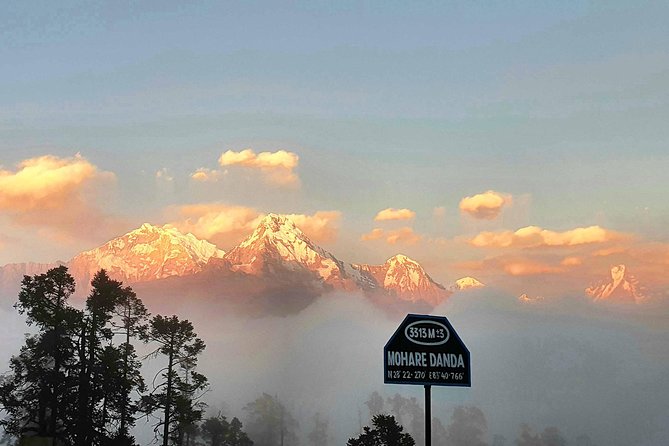
- A high point of 3,313 meters: Mohare Danda gives you a serious mountain viewpoint without the length or altitude of major high-pass treks.
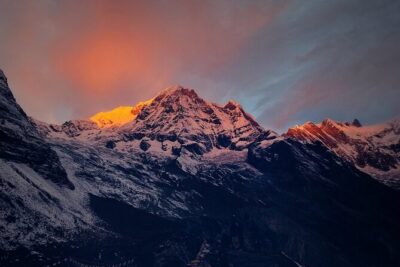
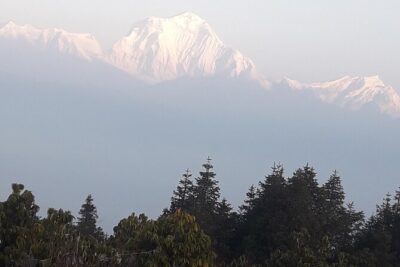
- Three 8,000-meter peaks in view: Annapurna, Dhaulagiri, and Manaslu may all appear when the weather is clear.
- Magar culture along the trail: Nagi, Tikot, and other villages bring local food, customs, and hospitality into the journey.
- Small group size: The maximum is 11 people, which should make walking and lodge arrangements easier to manage.
- A largely organized package: Guides, porters, permits, transport, selected meals, a sleeping bag, down jacket, first-aid kit, and oxygen monitor are included.
Why Mohare Danda feels different
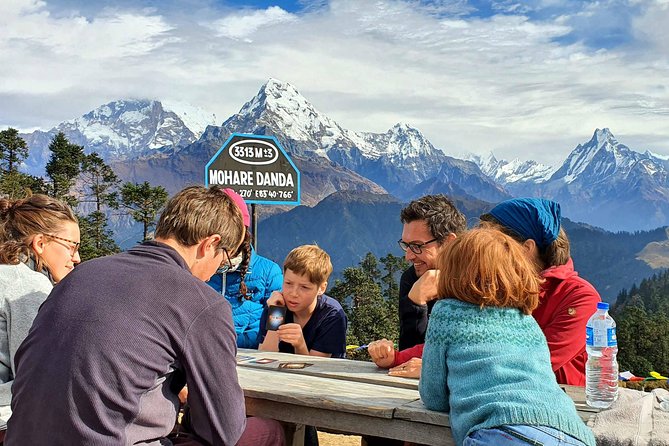
Mohare Danda is designed as a community trek. That matters because the route is not only about reaching a viewpoint. It directs money toward village lodges and local services, with the stated goals of improving education, household income, women’s roles, and rural development.
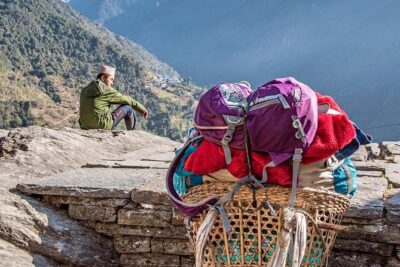
You stay close to village life instead of treating the mountains as empty scenery. The Poon Magar tradition is an important part of the route, and the walk through ethnic Magar settlements gives the trip a human scale. You may share meals in community lodges, see how people live in the hill villages, and spend more time around local hosts than you would on a tightly scheduled sightseeing tour.
I also like the route’s balance. You reach 3,313 meters, high enough for broad Himalayan views, but the trip does not require a long acclimatization schedule or a technical mountain crossing. The route is promoted as new, peaceful, short, and less touched by mass trekking.
That does not mean it is effortless. The itinerary includes hiking on stone stairs and a fairly serious downhill section. If you have joint problems, especially with walking down steps, tell the operator before setting out. A different or easier route may be possible.
A few more things to do in Kathmandu worth a look
- Everest Base Camp Trek – 14 Days
★ 5.0 · 1,499 reviews - Everest Base Camp Trekking
★ 5.0 · 485 reviews - Nagarkot Sunrise View and Day Hiking from Kathmandu
★ 5.0 · 471 reviews
Day 1: Kathmandu arrival and Thamel
Your first day begins at Tribhuvan International Airport. A representative meets you after immigration and baggage collection, then transfers you to your hotel in Thamel.
Thamel is a useful place to begin a Nepal trek. You can settle in, sort your luggage, and prepare for the road journey ahead. The first day is short, with about three hours of scheduled activity, so it should leave time to rest after your flight.
This is also the day to check practical items with your guide. Confirm what is supplied in your duffle bag, sleeping bag, and down jacket. Personal drinks, snacks, and other small purchases are not included, so this is a good time to buy anything you need.
Day 2: The long road to Pokhara
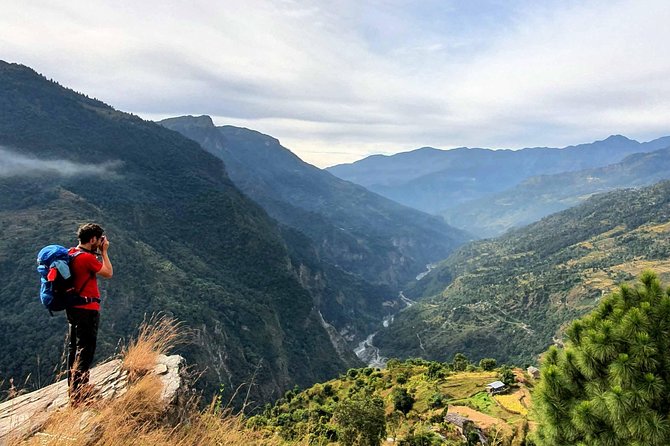
After breakfast, you drive west along the Prithvi Highway toward Pokhara. The distance is about 200 kilometers, but road conditions and traffic make this a six to seven-hour trip.
This is not a scenic transfer you should underestimate. It is a full travel day, and the road may feel tiring after an international arrival and a busy first morning. The reward is Pokhara, the relaxed lakeside city that serves as the gateway to the Annapurna region.
Phewa Tal, or Phewa Lake, is the main stop listed for the day. You have time to rest and enjoy the city, but lunch and dinner in Pokhara are your responsibility. The included meals begin in the trekking package, not as a blanket cover for every meal in Nepal.
Day 3: Beni Bazaar and the first mountain walking
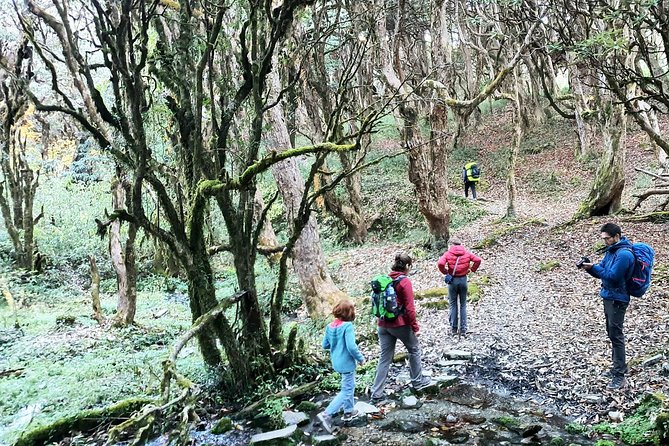
The first trekking day begins with another road transfer. From Pokhara, you drive around four hours to Beni Bazaar, where the walking section begins.
This combination of road travel and trekking is useful because it brings you closer to the mountain villages without adding several extra walking days. It also means Day 3 can feel long. You are not simply stepping out of a hotel and walking into the hills. You first spend part of the day in a vehicle, then begin the trail.
The exact walking details for this day are not specified, so ask your guide about the expected distance, elevation gain, and overnight village before departure. That is sensible planning, especially if you want to manage your pace from the start.
Same base, a different kind of day:
- Private Kathmandu Sightseeing Tour | UNESCO World Heritage sites
★ 5.0 · 756 reviews - Everest Base Camp Helicopter Tour landing at Everest View Hotel
★ 5.0 · 668 reviews - Half day cooking class in Thamel kathmandu
★ 5.0 · 607 reviews - Kathmandu: Full Day 7 UNESCO Tour with Lunch – Private/Group
★ 5.0 · 415 reviews
Day 4: Ramche, Nagi, and the village trail
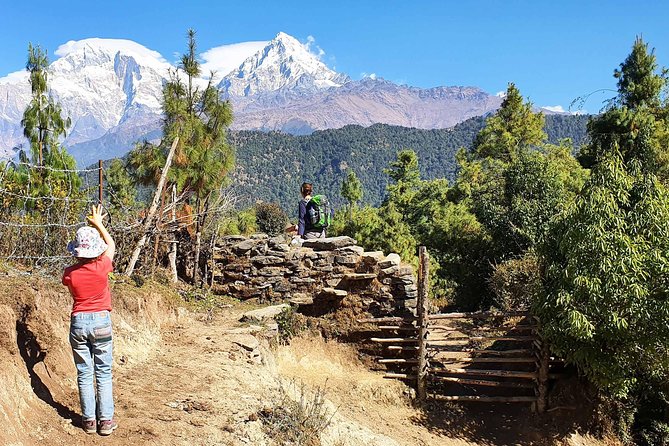
The route toward Nagi takes you through forest, mountain scenery, and village country. Ramche is listed as a stop, while Nagi is the main destination for the day.
This is where the route’s character becomes clear. You are not rushing from one famous viewpoint to another. You are walking through communities, meeting people, and seeing the trail as part of a working rural area.
The itinerary allows about three hours for the listed stop, but the overall walking time and elevation details are not provided. Keep your pace steady and use the guide’s timing rather than trying to match an imagined schedule. The value of this day is the setting and contact with local life, not a single monument.
Nagi is also important because it leads into the high point of the trip. You spend the night preparing for the climb to Mohare Danda, so use the evening to organize layers, water, and camera batteries.
Day 5: Climbing from Nagi to Mohare Danda
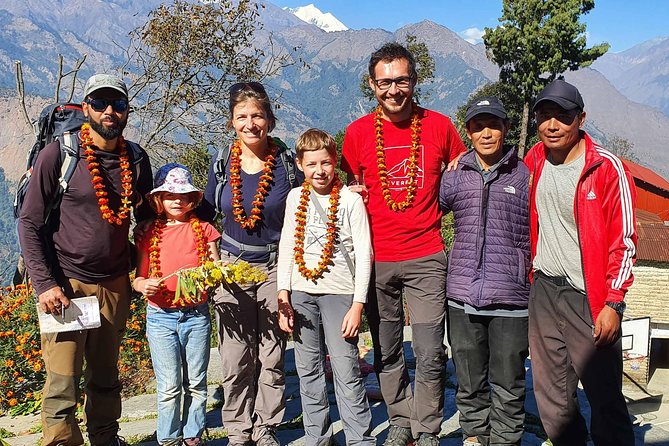
After breakfast, you begin the walk from Nagi toward Mohare Danda. The stated walking time is about four to six hours, depending on pace and trail conditions.
This is likely to be one of the more demanding days, even though the trek is marketed as easier than many Himalayan routes. You gain height, and the path can include uneven ground and stairs. The reward is the change in views as the route opens toward the mountains.
The aim is not simply to reach a sleeping place. Mohare Danda is the central viewpoint of the route, and reaching it gives the next morning its purpose. If your group includes people with different fitness levels, this is a day when a patient guide and sensible pacing matter.
Day 6: Sunrise at 3,313 meters
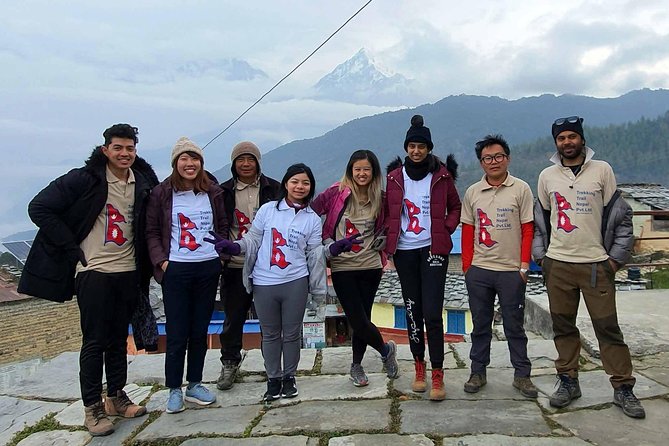
Mohare Danda is the highest point of the trek at 3,313 meters. The morning is built around sunrise and Himalayan views from the community lodge.
On clear days, you may see a broad line of peaks, with Annapurna, Dhaulagiri, and Manaslu among the major highlights. The route information says up to 42 peaks can be visible, but mountain weather changes quickly. Treat that figure as a possibility, not a promise.
This is the most scenic part of the trip, and it is worth getting up early. Sunrise gives the mountains changing light and gives you the best chance to make use of a clear window before clouds gather.
The schedule lists about 15 hours at Mohare Community Lodge. That long period likely includes the early view, meals, rest, and time around the lodge rather than 15 hours of walking. It is a welcome pause after the climb from Nagi.
At this altitude, keep your layers close and pay attention to how you feel. The package includes an oxygen monitor, a first-aid kit, sleeping bag, and down jacket. Those items are useful safeguards, but they do not replace careful pacing or communication with your guide.
Day 7: Descending to Tikot
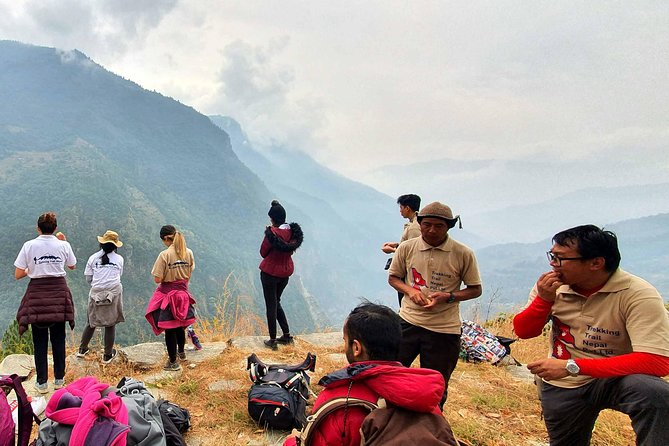
The route continues toward Tikot, an ethnic Magar settlement. You pass viewpoints at Thula Kharka and Sikha Danda on the way.
The day is listed at about 10 hours, so this is one of the longest and most tiring sections. A long downhill can be harder on knees than an uphill climb, particularly on stone steps. If you have joint trouble, discuss it in advance rather than waiting until the descent begins.
Tikot gives the trek another strong cultural stop. The village setting and Magar traditions help keep the journey grounded in local life. The mountain views are important, but the community aspect is what separates this trek from a simple viewpoint hike.
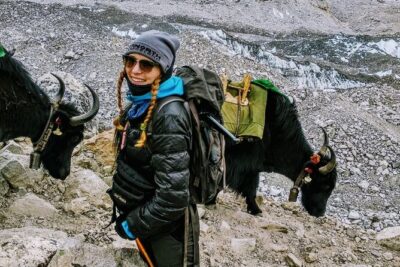
This is also where the quality of your walking support matters. The package includes guides and porters, along with their wages, insurance, and gear. You should still carry a daypack with personal essentials, while the porter handles the larger trekking load.
Day 8: The final trail to Basari
Your last mountain walking day leads to Basari. The route description calls it the end of the trekking section, so this is your final chance to enjoy the quiet trail and village atmosphere before returning to road travel.
The exact walking time is not supplied, so ask about the day’s distance and the planned overnight arrangement. Basari may feel like a modest destination compared with Mohare Danda, but it is an important transition point. You finish the walking circuit here and prepare to return to Pokhara.
After several days on foot, this part of the route may feel satisfying but tiring. Keep some energy in reserve for the road journey that follows. The best strategy is simple: walk at a steady pace, drink regularly, and let the guide set the rhythm.
Day 9: Returning to Kathmandu
The final full day is a long drive back to Kathmandu from Pokhara, listed at about seven hours. The itinerary also shows around 12 hours of scheduled activity, which suggests a substantial travel day with transfers and possible delays.
This is the least adventurous part of the experience, but it is a necessary trade-off for a route that begins outside Kathmandu. If you dislike long road journeys, this detail should weigh heavily in your booking decision.
You return to Thamel with time to rest. Lunch and dinner in Kathmandu are not included, so budget for those meals separately.
Day 10: Airport transfer or extra time in Nepal
The final day includes airport transfer for your departure flight. If you are staying longer in Nepal, the itinerary also allows you to extend your plans rather than leaving immediately.
The transfer is listed at about three hours. Confirm the pickup time with the operator, especially if your flight is early or you have extra luggage from the trek.
What the $799 price covers
At $799 per person, the package has real value if you want one organized price for a 10-day Nepal trip. It includes the trekking guide and porters, their wages, insurance, and gear. Required trekking permits and documentation are included too, which removes several tasks you would otherwise need to manage yourself.
Ground transportation is covered, as are nine breakfasts, six lunches, and five dinners. You also receive a trekking map, a complimentary duffle bag, a completion certificate, and a short visit to Baglung High Bridge with entry fees.
The equipment support is useful. A sleeping bag, down jacket, oxygen monitor, and first-aid kit are included. These inclusions reduce the amount of specialist gear you need to buy or pack, though you should confirm sizing and availability before departure.
The price does not cover tips, drinking water, snacks, drinks, bar bills, personal expenses, or lunch and dinner in Kathmandu and Pokhara. Budget for these extras. The package is organized, but it is not an all-expenses Nepal holiday.
Guides, group size, and practical comfort
The maximum group size is 11 people. That is small enough for a guide to keep an eye on walking pace and trail needs, while still giving you the social feel of a group trek.
The operator has used guides named Apar and Lokendra on its Nepal trekking programs. Ask who will lead your departure and what experience that person has with the Mohare Danda route. A good guide matters here because the route includes changing weather, long descents, village lodges, and varied walking ability.
Service animals are allowed, and most people can participate. Still, the route should not be treated as a casual walk. Tell the operator about joint problems or difficulty descending stone stairs before booking. That information can help the team arrange a more manageable route.
The free cancellation policy allows a full refund if you cancel at least 24 hours before the start time. Cancellations within 24 hours are not refunded, and changes in that final period are not accepted. Poor weather can lead to a different date or a full refund.
Who should book this trek?
I would choose Mohare Danda if you want Himalayan scenery, village contact, and a community purpose without committing to a long, high-altitude expedition. It suits people who value local lodges and cultural contact as much as famous mountain names.
It also fits you if you can manage several hours of walking, uneven paths, stairs, and a long downhill day. You should be comfortable with two long road transfers and understand that clear views depend on weather.
I would look elsewhere if you want a very short trek, dislike road travel, need guaranteed mountain visibility, or have serious knee and joint concerns. The route is easier than some major Himalayan treks, but easier does not mean flat or effortless.
Should you book the Mohare Danda Trek?
Book it if you want a small-group community trek with a clear social purpose, strong Himalayan viewpoints, and meaningful time in Magar villages. The included permits, porters, equipment, meals, and transport make the $799 price reasonable for a 10-day organized trip.
Before paying, confirm the exact walking hours for Days 3, 4, and 8, the assigned guide, the equipment sizes, and the transport schedule. If you accept the long road days and prepare for the descent, Mohare Danda offers a thoughtful alternative to Nepal’s more crowded trekking routes.
FAQ
How long is the Mohare Danda Trek?
The full trip lasts approximately 10 days, including arrival and departure transfers, road journeys, and the mountain walking section.
What is the highest point of the trek?
Mohare Danda is the highest point at 3,313 meters above sea level.
Which Himalayan peaks can I see?
In clear weather, the route can provide views of up to 42 peaks, including the 8,000-meter peaks of Annapurna, Dhaulagiri, and Manaslu.
What meals are included?
The package includes nine breakfasts, six lunches, and five dinners. Lunch and dinner in Kathmandu and Pokhara are not included.
Are guides and porters included?
Yes. The package includes trekking guides and porters, along with their wages, insurance, and gear.
What equipment is provided?
A sleeping bag, down jacket, first-aid medical kit, oxygen monitor, trekking map, and complimentary trekking duffle bag are included.
Can I cancel for a full refund?
You can receive a full refund if you cancel at least 24 hours before the experience begins. Cancellations within 24 hours are not refunded. If poor weather causes the operator to cancel, you are offered another date or a full refund.
Just added in Kathmandu
- Traditional Momo Making Class★ 5.0 · 10 reviews
- Women Empowerment Project(Nepali cooking class & jewelry workshop★ 5.0 · 15 reviews
- Kathmandu 2 Nights 3 Days Chitwan Jungle Safari Tour★ 5.0 · 9 reviews
- Walking tour of Kathmandu with awesome local guides★ 5.0 · 4 reviews
- Wildlife Adventure in Chitwan Nepal★ 4.0 · 4 reviews
- Kathmandu to Pokhara Premium sofa bus ticket★ 4.0 · 17 reviews
- Regular Yoga for all levels of practitioners in Kathmandu★ 5.0 · 4 reviews
- Kathmandu Street Food Walking Tour – Eat Like a Local★ 5.0 · 3 reviews
Hiking & Trekking, compared.
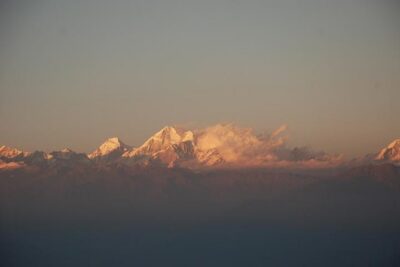
Nagarkot Sunrise View and Day Hiking from Kathmandu
Read our review →