Reviewed · HIKING & TREKKING
Upper Mustang Trekking
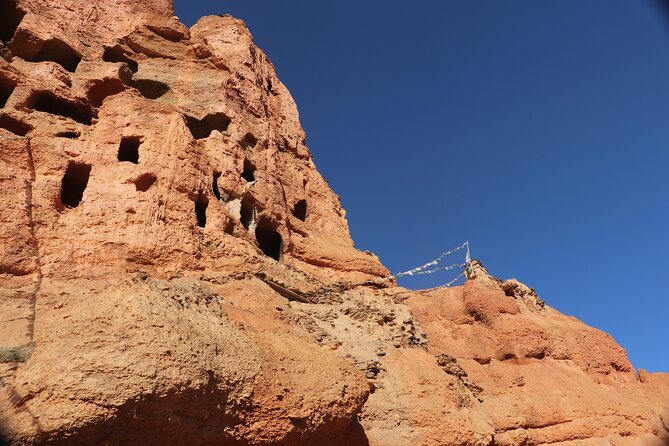
Upper Mustang feels like Nepal turned the page into another country. You walk through dry, rugged valleys, old Tibetan Buddhist villages, monastery compounds, apple gardens, and the walled city of Lo Manthang. The region is not empty or untouched, but it is far less crowded than Nepal’s best-known trekking routes.
I especially like the rare access to Upper Mustang, made possible by the required special permit, and the mix of walking and local transport. The route also gives you two good cultural anchors: Kagbeni, the gateway to the restricted area, and Lo Manthang, the trek’s grand prize. The main drawback is the price, plus long bus rides and basic lodge accommodation.
Key points to know before booking
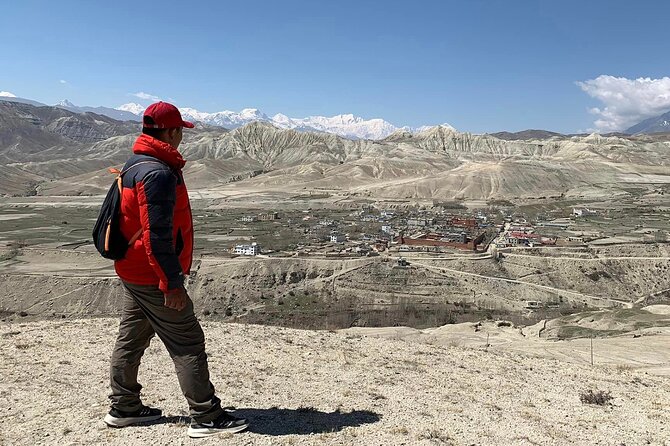
- Lo Manthang is the centerpiece: Spend a full day exploring the old city, its monasteries, and King’s Palace.
- The $500 special permit is included: It covers 10 days in Upper Mustang and helps explain the tour’s high price.
- The route reaches about 4,000 meters: You need strong physical fitness, even though this is not the highest Himalayan trek.
- Expect dust and wind: The Kali Gandaki Valley can become very windy after midday, especially near Kagbeni.
- Transport is part of the adventure: The plan uses tourist buses, domestic flights, private transfers, and trekking.
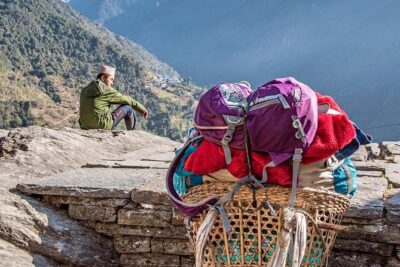
- You travel privately: Only your group participates, with a licensed guide and one porter for every two people.
Why Upper Mustang feels different from other Nepal treks
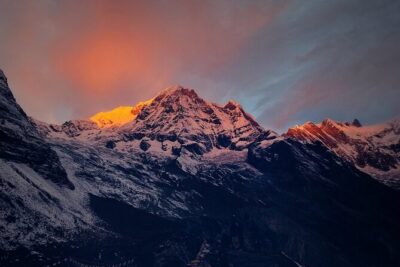
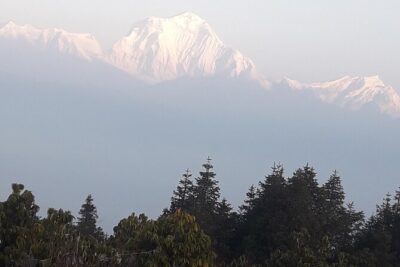
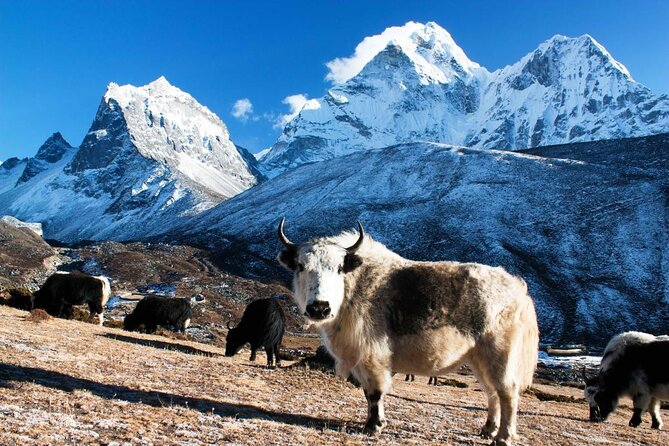
Upper Mustang is a place of dry cliffs, broad empty slopes, river valleys, and villages shaped by Tibetan Buddhist culture. The scenery is dramatic without relying only on snow peaks. On clear days, you can see Dhaulagiri at 8,167 meters and Annapurna I at 8,097 meters, though the route’s main appeal is the combination of mountains, old settlements, and local life.
You also get a sense of distance without being cut off from all comforts. The trek uses lodges and tea houses, and the route links villages rather than asking you to camp. That matters if you want a serious mountain walk but do not want to carry sleeping gear and food.
The route is also less crowded than the Annapurna circuit and other major Nepal trails, according to the experience details provided. You should still expect dusty paths, wind, simple rooms, and uneven walking days. This is a demanding cultural trek, not a gentle sightseeing tour.
A few more things to do in Kathmandu worth a look
- Everest Base Camp Trek – 14 Days
★ 5.0 · 1,499 reviews - Everest Base Camp Trekking
★ 5.0 · 485 reviews - Nagarkot Sunrise View and Day Hiking from Kathmandu
★ 5.0 · 471 reviews
Days 1 and 2: Kathmandu permits and preparation
Your first day begins at Tribhuvan International Airport, where a representative from Everest Trekking Routes meets you and transfers you to a hotel. The package includes three nights in a three-star Kathmandu hotel with breakfast, giving you time to recover from your flight and prepare for the mountains.
Day 2 is useful rather than glamorous. After breakfast, you may visit sightseeing points in Kathmandu Valley if you are interested. The key job is obtaining the Upper Mustang special permit. You must present your original passport and Nepal visa, so keep both available.
The permit costs $500 per person for 10 days and is included in the advertised price. This is not a minor paperwork charge. It is one of the main reasons the trip costs $2,400 per person, and it also limits how much time the itinerary can spend inside Upper Mustang.
Day 3: The long road toward Pokhara
The route begins with a walk of about 10 minutes from the hotel to the tourist bus station. The bus leaves at 7:00 a.m. and follows the Prithvi Rajmarg highway toward Pokhara. There is a breakfast stop after about two hours, lasting roughly 20 minutes.
This is a full transport day, so set your expectations accordingly. You are not reaching the mountains on foot yet. You are trading a domestic flight for a lower-cost road connection, which keeps the package more practical but adds hours on the road.
The package includes the tourist bus from Kathmandu to Pokhara and the return bus at the end. Two nights in Pokhara with breakfast are also included. That gives you a useful overnight stop before the early mountain flight.
Days 4 and 5: Jomsom, Kagbeni, and the restricted area
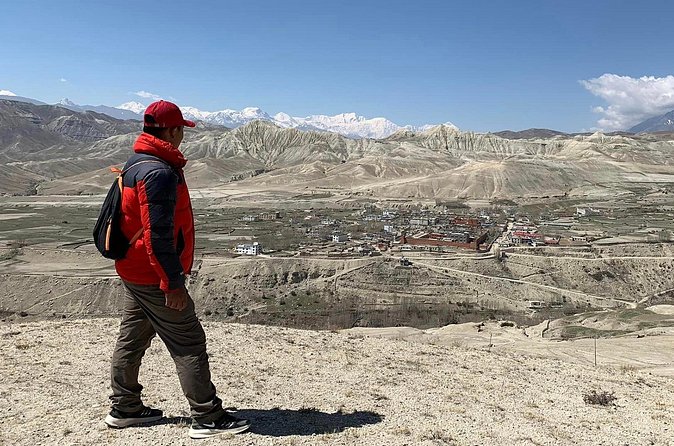
After breakfast on Day 4, you transfer to the domestic airport and fly to Jomsom, at an altitude of 2,715 meters. The flight is brief, but the change in setting is striking. From Jomsom, you walk for four to five hours to Kagbeni along the popular Jomsom and Muktinath route.
Kagbeni is more than a stop for the night. It is the main entry point to the restricted Upper Mustang area. On Day 5, you pass through the permit check and continue toward Chhusang. The route descends through Kagbeni before entering the special permit zone.
This is where the trip starts to feel distinct from a standard lower Mustang walk. You are now walking under the rules and time limits of a restricted area, with your permit and guide handling the formalities. The day also introduces the Kali Gandaki River corridor and the dry scenery that defines the trek.
Same base, a different kind of day:
- Private Kathmandu Sightseeing Tour | UNESCO World Heritage sites
★ 5.0 · 756 reviews - Everest Base Camp Helicopter Tour landing at Everest View Hotel
★ 5.0 · 668 reviews - Half day cooking class in Thamel kathmandu
★ 5.0 · 607 reviews - Kathmandu: Full Day 7 UNESCO Tour with Lunch – Private/Group
★ 5.0 · 415 reviews
Days 6 and 7: Chele, Syangboche, and high mountain views
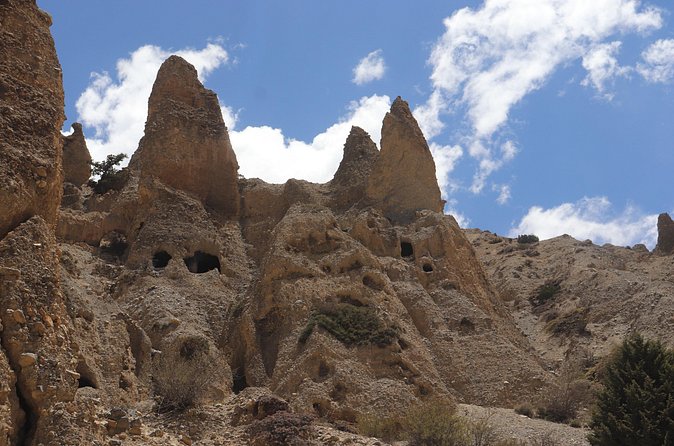
From Chhusang, the trail heads toward Somare and then Chele. Some sections are fairly flat, but the climb after Chele is more serious, continuing toward Syangboche. Expect five to six hours of walking and a mix of steady paths and steeper uphill work.
The route passes an apple garden and small settlements, giving you a closer look at how people farm in a dry, high valley. The contrast is part of the pleasure here: bare slopes sit beside cultivated patches where water and careful work make crops possible.
Day 7 continues with an uphill walk to Syangboche, followed by a lunch and rest stop. The payback is the view. On clear days, the white peaks of Dhaulagiri and Annapurna I appear beyond the dry Mustang terrain. The itinerary notes that scenery can be especially good in clear weather, so do not be disappointed if clouds or haze limit the view on a particular day.
Day 8: Ghiling and the road to Tsarang
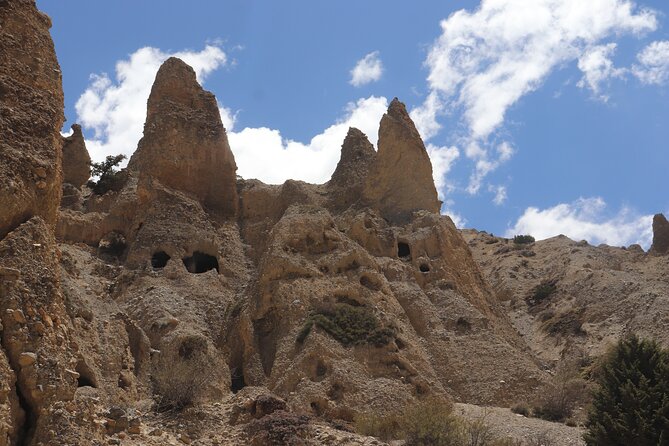
This day takes you through Ghiling, a village with old monasteries and farm areas, before continuing toward Tsarang. The route is tied closely to the old religious and village life of Mustang rather than only to mountain viewpoints.
Tsarang is described as one of the larger settlements on the route. Its size makes it a useful overnight base and a good place to notice the difference between isolated hamlets and the region’s more established villages.
The walk also helps you understand the rhythm of the trek. You are not moving from one dramatic viewpoint to another every hour. Instead, the appeal comes from walking between settlements, crossing dry river areas, passing farms, and seeing monasteries appear as part of ordinary village life.
Days 9 and 10: Reaching Lo Manthang
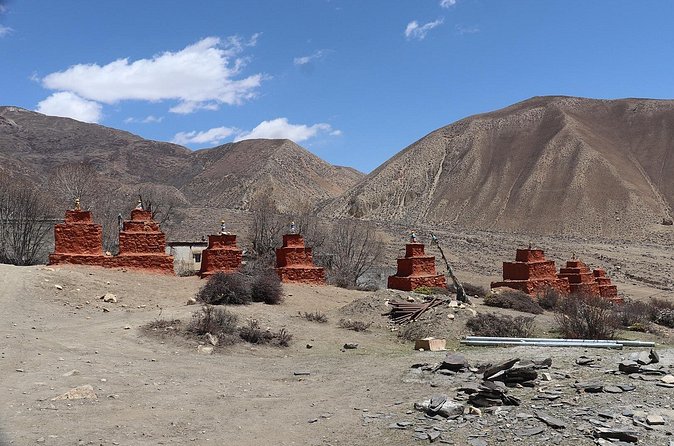
Day 9 is the main approach to Lo Manthang. You walk for five to six hours, crossing rivers and bridges and passing through desert-like scenery before reaching the walled city. The route is not simply a transfer to a hotel. It is the gradual arrival at the cultural heart of Upper Mustang.
Lo Manthang is known here as the Himalayan kingdom of Nepal. The old city, colorful buildings, monastery sites, and royal palace give the trek a clear focal point. You will want time to walk rather than rush through, which is why the full exploration day on Day 10 matters.
After breakfast, Day 10 is set aside for monasteries and the King’s Palace. This is one of the strongest parts of the schedule. A single arrival afternoon would give you only a quick look, while a full day lets you examine the city at a slower pace.
Keep in mind that the itinerary does not list exact monastery names, opening hours, or entrance fees. Those details should be confirmed with the operator before departure. The guide is a government-licensed professional, so you will have someone to help explain the route and local sites.
Days 11 and 12: Dhakmar and Ghami
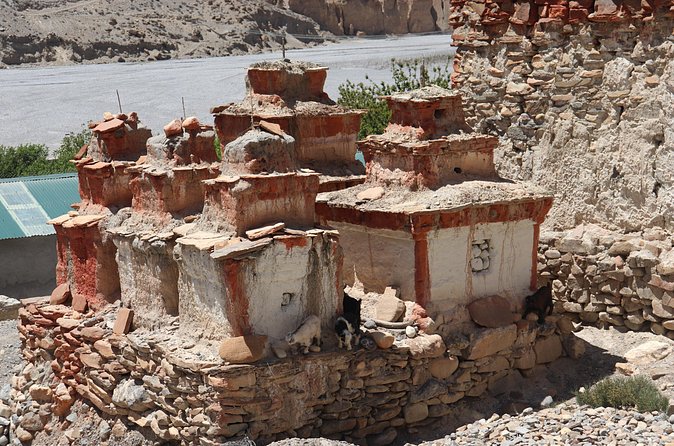
The return route begins with an uphill stretch toward a gompa before continuing to Dhakmar. This section is a reminder that the route is not simply a walk back over the same easy path. You still face climbs, and the high, dry setting can make even moderate slopes feel demanding.
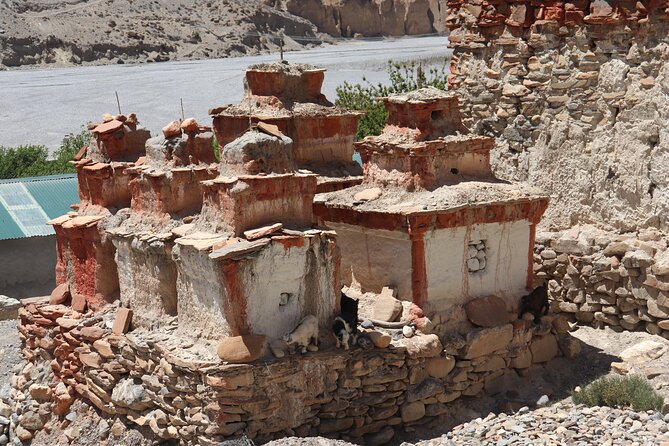
The scenery around Dhakmar is described as especially striking, with many gompas and a strong connection to Mustang’s religious past. You will find the best moments here by walking at a steady pace and giving yourself time to look closely at the settlements and buildings.
On Day 12, you continue from Dhakmar to Ghami after breakfast. Ghami is another large village with a monastery, farm products, and apple gardens. The combination of local agriculture and dry mountain terrain is one of the route’s most interesting details.
The schedule notes that some farm production has involved foreign participation. It does not provide more detail, so treat that as a point to ask about rather than a major planned attraction. The main reason to value Ghami is its village setting and religious sites.
Days 13 to 15: Returning through Chhusang, Kagbeni, and Jomsom
Day 13 takes you from Syangboche down toward Chhusang, passing Samar, Bhena, and Chele. It is a major downhill day, with about 1,000 meters of descent toward the Kali Gandaki River. That amount of loss in altitude can be tough on knees, so trekking poles may be useful, though they are not listed as part of the package.
The valley becomes windier as you descend. On Day 14, the plan calls for an early start from Chhusang because strong winds often arrive around midday on the route to Kagbeni. This is one of the most useful practical details in the whole schedule. Eat breakfast early, walk promptly, and keep loose items secured.
Day 15 is a shorter, easier walk to Jomsom. Once there, you check the flight schedule for the next day and have time to see the town. The itinerary specifically mentions apple brandy and other apple products, giving you a chance to buy a local item if you wish.
Personal spending is not included, so purchases, extra drinks, and other private costs come from your own budget. Tips for the guide, porters, and driver are also excluded.
Days 16 to 18: Flights, Pokhara, and Kathmandu
The return flight from Jomsom to Pokhara takes about 25 minutes. The schedule depends on the flight time. You may have breakfast in Jomsom, or you may need to leave early for the airport and wait for the flight.
In Pokhara, you transfer to the included hotel. The following day, you take a tourist bus to Kathmandu, with the trip listed at about seven hours. This is another long road section, but it keeps the itinerary from becoming much more expensive.
The final day includes a private transfer to Tribhuvan International Airport. Airport, hotel, and airport transfers are included by private car, van, or bus, which makes the start and finish easier after a long trek.
What the $2,400 price covers
The price includes a lot of costly moving parts:
- Three nights in a three-star Kathmandu hotel with breakfast
- Two nights in a Pokhara hotel with breakfast
- Kathmandu to Pokhara and Pokhara to Kathmandu tourist buses
- Pokhara to Jomsom and Jomsom to Pokhara flights
- Annapurna Conservation Area permit
- Upper Mustang special permit, listed at $500 per person for 10 days
- Lodge and tea house accommodation during the trek
- A government-licensed guide
- One porter for every two people
- Airport and hotel transfers
- Government taxes and service charges
- Breakfasts and 16 listed lunch and dinner meals
At first glance, $2,400 is a high price for an 18-day Nepal trip. Once you account for the restricted-area permit, two domestic flights, staff, accommodation, and transport, the value becomes easier to understand. You are paying for access and organization as much as for a bed and meals.
The package does not include personal expenses, tips, or extra hotel nights. Ask for clarification on the meal count before booking, since the package lists 16 lunches and dinners and 17 breakfasts without explaining exactly which days are covered.
Who should book this trek?
This trip suits you if you want a private trek with strong cultural content, dry mountain scenery, old monasteries, and a clear goal in Lo Manthang. It is also a good choice if you prefer lodge accommodation and porter support instead of camping.
You should be comfortable walking for five to six hours on some days, handling uphill and downhill trails, and traveling through areas where dust and wind are part of the experience. The operator specifically requires strong physical fitness.
This is not the best choice if you want a short trek, a luxury trip, or a simple point-to-point holiday with little transport. The bus journeys are long, the lodges are basic, and the route includes a special permit that makes last-minute changes less flexible.
The tour is private, so only your group participates. That gives you more control over pace and requests than a large group departure. The supplied comments also describe the agency, guide, and porter as helpful, kind, patient, and discreet, with flexibility for requests made before arrival.
Should you book Upper Mustang Trekking?
I would book this trek if your priority is a less crowded part of Nepal with unusual scenery, Tibetan Buddhist villages, and time in Lo Manthang. The strongest features are the private format, included permit, licensed guide, porter support, and carefully connected route from Kathmandu through Pokhara and Jomsom.
I would pause if you dislike long bus rides, basic lodges, strong wind, or a fixed schedule. Ask the operator to confirm current flight arrangements, exact meal coverage, monastery access, and what happens if your 10-day permit window needs adjustment.
For the right person, this is a memorable 18-day route with a real sense of place. It offers more than mountain views. You get to walk through a working region where farms, monasteries, old walls, and modern trekking support share the same narrow valleys.
FAQ
How long is the Upper Mustang trek?
The full experience lasts approximately 18 days, including arrival and departure days, Kathmandu and Pokhara hotel stays, transport, flights, and trekking.
Where does the trek begin?
The experience begins in Kathmandu, Nepal, with airport pickup and a hotel transfer.
Is the Upper Mustang special permit included?
Yes. The package includes the Upper Mustang special permit, listed at $500 per person for 10 days.
Do I need my original passport for the permit?
Yes. The permit process requires your original passport and Nepal visa.
How do I reach Jomsom?
You travel by domestic flight from Pokhara to Jomsom. The flight is scheduled on Day 4 of the itinerary.
Is transportation between Kathmandu and Pokhara included?
Yes. The package includes tourist buses between Kathmandu and Pokhara in both directions.
Is accommodation included during the trek?
Yes. Trekking accommodation is provided in lodges and tea houses.
Is a guide included?
Yes. The package includes a government-licensed trekking guide.
Is a porter included?
Yes. The package provides one porter for every two people.
What is the cancellation policy?
You can receive a full refund if you cancel at least six full days before the experience start time. Cancellation two to six full days before the start time allows a 50 percent refund. Cancellations less than two full days before the start time are nonrefundable.
Just added in Kathmandu
- Traditional Momo Making Class★ 5.0 · 10 reviews
- Women Empowerment Project(Nepali cooking class & jewelry workshop★ 5.0 · 15 reviews
- Kathmandu 2 Nights 3 Days Chitwan Jungle Safari Tour★ 5.0 · 9 reviews
- Kathmandu to Pokhara Premium sofa bus ticket★ 4.0 · 17 reviews
- Walking tour of Kathmandu with awesome local guides★ 5.0 · 4 reviews
- Wildlife Adventure in Chitwan Nepal★ 4.0 · 4 reviews
- Regular Yoga for all levels of practitioners in Kathmandu★ 5.0 · 4 reviews
- Kathmandu Street Food Walking Tour – Eat Like a Local★ 5.0 · 3 reviews
Hiking & Trekking, compared.
Nagarkot Sunrise View and Day Hiking from Kathmandu
Read our review →