
Reviewed · EVEREST BASE CAMP TREKS
12 Days Everest Base Camp Trek
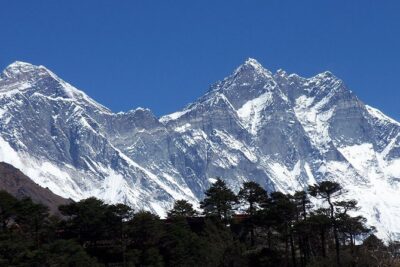
The big draw is simple: you walk into the heart of the Khumbu, reach Everest Base Camp at 5,364 meters, then climb Kala Patthar for a sunrise view of Mount Everest. Along the way, you cross suspension bridges, pass Sherpa villages, follow the Dudhkoshi River, and spend time at Tengboche Monastery.
I especially like the built-in acclimatization days at Namche and Dingboche, plus the fact that the price includes meals, permits, domestic flights, a guide, and one porter for every two trekkers. The main caution is altitude. The itinerary is well spaced, but this is still a demanding high-mountain walk, not a casual hike.
Key points
- Kala Patthar at sunrise: The steep, rocky climb gives you one of the finest viewpoints of Everest on the route.
- Two acclimatization stops: Namche and Dingboche provide time to adjust before the trail rises higher.
- A practical package: Flights, meals, lodge rooms, permits, a licensed guide, porter support, and basic trekking equipment are included.
- Sherpa villages and monasteries: The trail offers more than mountain views, with Tengboche, Namche, Phakding, and other settlements along the way.
- Small to medium group size: The maximum is 20 people, with walkie-talkie support available for group treks.
- Guiding experience: Guides named in past trips include Gopal, Bikram, Rajesh Magar, and Narayan Ntc. Ask who will lead your departure.
The 12-day route at a glance
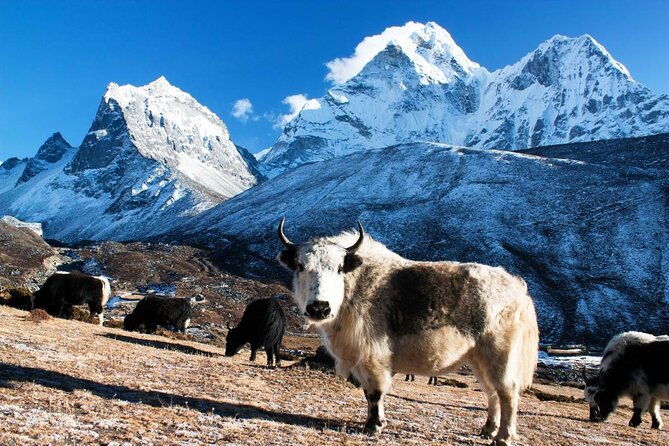
This trek begins and ends in Kathmandu, but the walking starts at Lukla. You fly into Lukla, follow the classic trail toward Namche Bazaar, continue through Tengboche and Dingboche, then reach Lobuche, Gorakshep, Everest Base Camp, and Kala Patthar.
The route is not a race. Its best feature is the rhythm: walk higher, rest and adjust, walk higher again. You cover the same lower trail on the way back, but the return feels different because the elevation drops and the mountains appear from new angles.
At $605 per person, the price is attractive for a package that includes flights, food, accommodation, staff, permits, and porter help. Still, you should check exactly what best available twin-sharing lodge accommodation means for your departure, since lodge quality can vary along the route. Personal insurance, snacks, drinks, gear, and tips are extra.
Other treks that start from Kathmandu:
- Everest Base Camp Trek – 14 Days
★ 5.0 · 1,499 reviews - Everest Base Camp Helicopter Tour landing at Everest View Hotel
★ 5.0 · 668 reviews - Everest Base Camp Trekking
★ 5.0 · 485 reviews
Day 1: Lukla to Phakding beside the Dudhkoshi
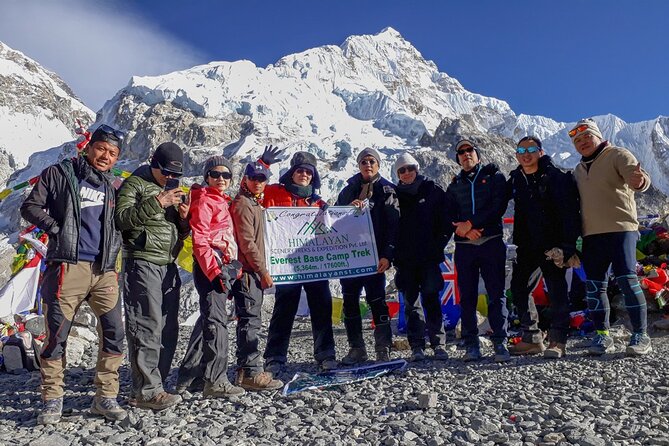
Your first flight from Kathmandu to Lukla takes about 45 minutes. The flight itself gives you an early sense of the journey ahead, then you begin walking almost at once.
The opening trek descends toward Phakding and follows the Dudhkoshi, also called the Milk River. You pass through villages and see daily life in the Khumbu rather than simply walking from one scenic viewpoint to the next.
This is a sensible first day because the walking time is about four hours after the flight and includes a descent. You do not begin with the hardest climb, but you are still adjusting to the sudden change from airport travel to mountain walking.
Day 2: The long climb to Namche Bazaar
Day two is one of the first real tests. The walk from Phakding to Namche takes about seven hours, with repeated crossings of the Dudhkoshi on steel suspension bridges.
You move from one side of the river to the other, then climb toward Namche Bazaar. The trail becomes busier and more demanding here, but the destination rewards the effort. Namche is the main trading center of the Khumbu and an important place to rest before moving higher.
The practical point is to keep your pace steady. A strong start can feel good at lower altitude, but saving energy matters more than arriving early. Your guide carries an oximeter for checking pulse, oxygen saturation, and heart rate, which adds a useful safety tool as the air gets thinner.
Day 3: Acclimatization above Namche
You spend this day adjusting rather than simply sitting still. After breakfast, the route climbs toward the Everest View Hotel by way of the Syangboche airstrip. The excursion takes about two hours.
This is the classic climb high, sleep lower idea in practice. You gain some height during the day, enjoy wide mountain views, and return to Namche to rest. The short walk is especially valuable for anyone who feels fine and is tempted to skip an acclimatization day.
The itinerary describes this as a relaxing day, but the altitude means it still deserves care. You may feel well in the morning and notice the thinner air later. Drink regularly, walk slowly, and tell your guide if you feel unwell.
A few more things to do in Kathmandu worth a look
- Nagarkot Sunrise View and Day Hiking from Kathmandu
★ 5.0 · 471 reviews - Annapurna Circuit Trek with Tilicho Lake
★ 5.0 · 368 reviews - Everest Base Camp Trekking – 13 Day
★ 5.0 · 365 reviews - Everest Base Camp Trek -14 Days
★ 5.0 · 321 reviews
Day 4: Tengboche and its monastery
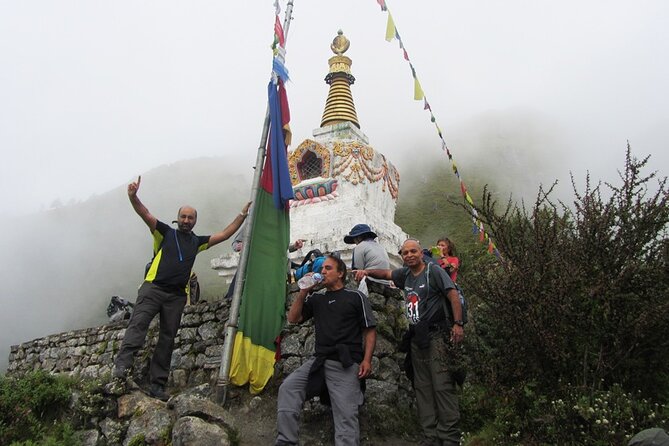
The trail leaves Namche and begins with a steep climb before settling into a more moderate rhythm. After around five hours, you reach Tengboche, one of the most memorable stops on the route.
Tengboche is known for its monastery and its mountain setting. The stop gives the trek a cultural side that you will not get from a simple mountain viewpoint. If the morning is clear, waking early for sunrise near the monastery is well worth the effort.
The route is not all uphill. You descend through forested sections before climbing again, so your legs get a changing workout. This is a good day to keep your bag light and let the porter do the heavy carrying included in the package.
Day 5: Through Deboche to Dingboche
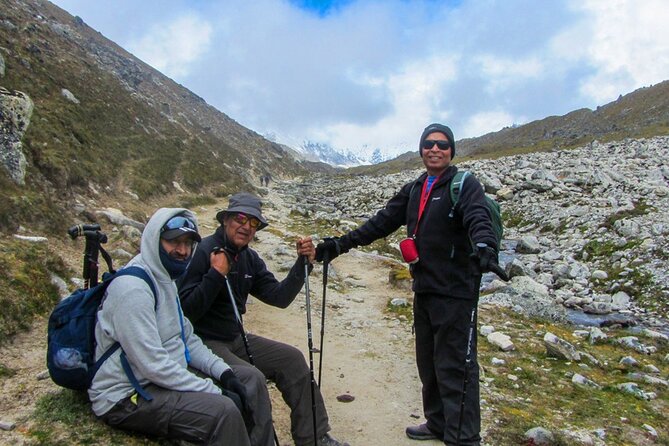
The morning begins with a descent through rhododendron forest to Deboche at about 3,320 meters. From there, the trail continues toward Dingboche, with about six hours of walking planned.
Dingboche marks a major change in the trek. The route becomes higher, colder, and more open, while the vegetation thins. You are now well above the lower river valleys, and the mountain setting begins to feel more severe.
The schedule gives you another rest day after arriving, which is exactly what you want before the final push. The walk is not yet the hardest part, but the altitude now matters more than the distance.
Day 6: Rest and a short climb to Nagarjuna
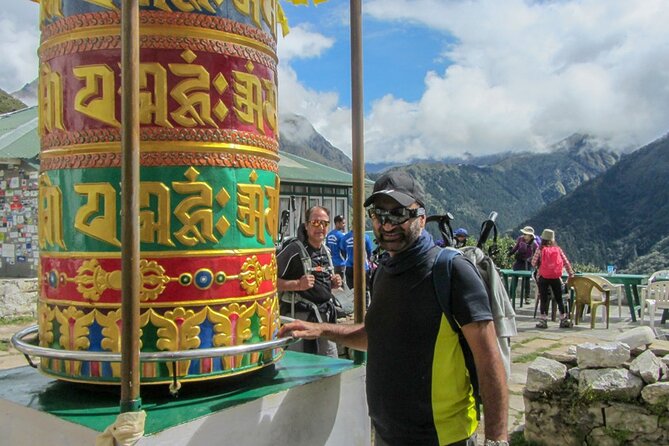
Your second acclimatization day is based in Dingboche. The plan is leisurely, with a short hike toward Nagarjuna, a nearby hill that provides high mountain views and helps your body adjust.
The listed walking time is about three hours. That leaves room to rest, eat, and monitor how you feel. This day is also where a good guide can make a real difference. Gopal, named in several past trips with this company, is known for giving practical advice about acclimatization and the Sagarmatha National Park area. Bikram has also been praised for adjusting pace and start times to suit a faster walker.
That does not mean every departure will have either guide, so ask before booking if a particular guide matters to you. The important point is that the operator emphasizes licensed, high-altitude-trained leadership rather than leaving you to manage the route alone.
Day 7: Dingboche to Lobuche
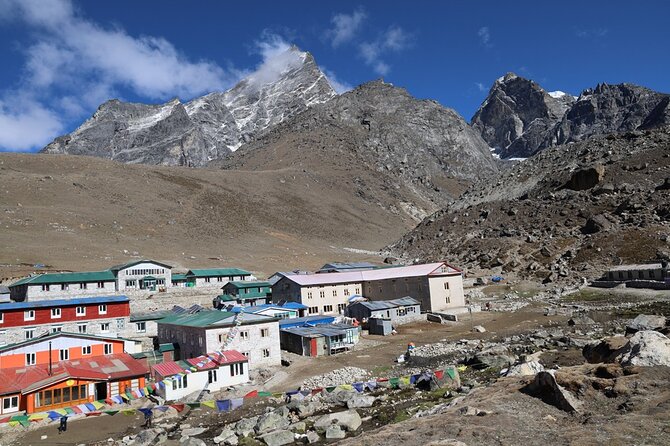
The trail climbs into a broad valley beneath Cholatse and Tawache peaks. You walk for about six hours toward Lobuche, with the terrain becoming rockier and more exposed.
This section feels more remote than the villages below. The views grow larger, but the path can feel tougher because the air is thin and the ground is uneven. Your pace should now be slow and even, with regular breaks.
Lobuche is the staging point for the next day. Reaching it after a rest day helps, but you should not assume that acclimatization removes all altitude risk. The included oximeter, guide support, and first aid kit are useful here, but they do not replace personal travel insurance or honest communication about symptoms.
Day 8: Gorakshep and Everest Base Camp
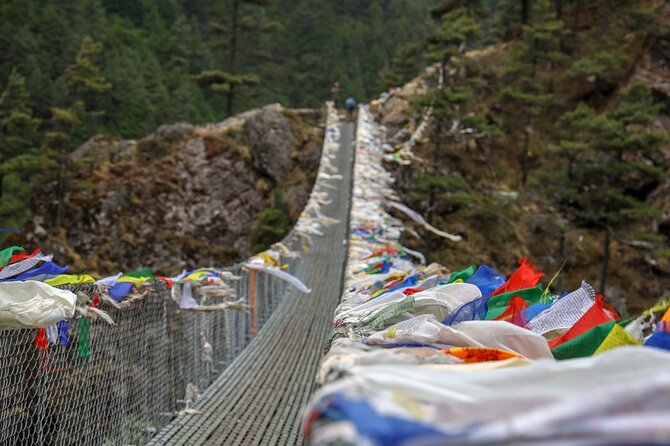
You leave Lobuche and follow a rocky route beside the Khumbu Glacier toward Gorakshep. The first part takes about three hours, then the walk continues to Everest Base Camp.
The trail to Base Camp is not a smooth promenade. It includes rocky, downhill, and uphill sections beside the glacier, with about four hours listed for the Base Camp portion. The total day can feel much longer than the clock suggests because of altitude and the rough ground.
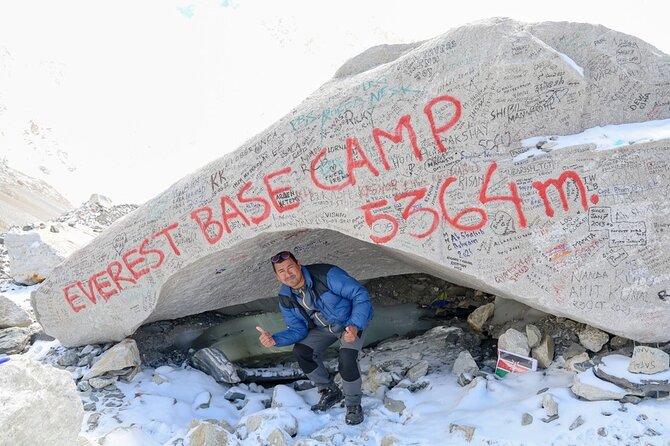
Everest Base Camp is at 5,364 meters. You will not necessarily see the summit of Everest from the camp itself, but you will be standing at the point used by climbers preparing for the mountain. The glacier, ice, rock, and expedition setting make this a powerful destination in its own right.
Gorakshep is also a practical stop rather than a place to expect comfort. The package includes the best available twin-sharing lodge accommodation, but facilities at this height are basic. Pack patience, warm layers, and a willingness to keep the evening simple.
Day 9: Kala Patthar at sunrise
The day begins early with the steep, rocky climb to Kala Patthar. The listed duration is about eight hours, which reflects both the ascent and the walking that follows.
Kala Patthar is the great viewpoint day. From the top, you get the sunrise over Everest and the surrounding peaks. The climb is short compared with the whole trek, but altitude makes it serious. You may need to stop often, and reaching the top matters less than returning safely.
After the viewpoint, the route continues back toward lower ground and eventually Namche Bazaar. This is a long day, but the descent helps. The early start also means you should prepare clothing, water, and anything needed before going to sleep the night before.
Day 10: Descending to Namche Bazaar
You eat a substantial breakfast and follow the trail toward Namche. The six-hour walk uses the same general route, but the lower elevation makes it feel more manageable.
You pass familiar bridges, villages, and river sections from a different direction. The descent is easier for breathing, though downhill walking can be tiring on knees and legs. Trekking poles, included with the package, are useful here.
Namche is a good place to enjoy the change in air and pace. You have completed the highest parts of the route, but the trek is not finished. Keep walking carefully, since fatigue can lead to slips even when altitude is no longer the main concern.
Day 11: Namche to Lukla
The final full walking day takes about seven hours. You descend through forests, cross bridges and streams, pass remote villages, and return through Monjo and Phakding before reaching Lukla.
This is a satisfying closing walk because it brings the whole route together. You recognize places from the outward journey, but the direction and lower elevation change the feel of the trail.
The package includes one porter for every two trekkers. That is a major help on a 12-day route, especially if you want to keep your day pack limited to water, layers, snacks, and personal essentials. You still need to bring your own trekking gear, and the cost does not cover personal snacks or drinks.
Day 12: Flying back to Kathmandu
The flight from Lukla to Kathmandu takes about 35 minutes. After landing, a private or shared vehicle takes you to your hotel, and the rest of the day is free.
The included Kathmandu airport pickup and drop-off make the start and finish easier, especially after a long walk. You also receive a trekking map, hat, duffel bag, trekking pole, and a completion certificate.
The flight is the final part of the adventure, not just a transfer. It gives you one last look at the Himalayan peaks before returning to city life.
What the $605 price really covers
The headline price is strong because it includes several expensive and useful pieces:
- Kathmandu to Lukla and return flights
- Three meals each day during the trek
- Twin-sharing lodge accommodation
- A licensed, high-altitude-trained guide
- One porter for every two trekkers
- Sagarmatha National Park entry and TIMS fees
- Airport transfers
- Staff accident insurance
- First aid kit and oximeter
- Trekking map, hat, duffel bag, and trekking pole
You still pay for personal travel insurance, snacks, drinks, personal gear, and tips. Those extras can affect your final budget, so do not treat $605 as the complete cost of the holiday.
The maximum group size is 20 people. That is not a private trek, but it is still limited enough for organized group support. Walkie-talkie communication is available for group trekkers, which may help the guide coordinate the party.
Who should book this trek?
This route suits you if you want the classic Everest Base Camp experience with a prepared itinerary and support staff. The schedule also works for beginners and older walkers who have a moderate level of fitness and are willing to move slowly at altitude.
It is not suitable if you want a soft adventure with short walks and guaranteed comfort. Several days last five to eight hours, the ground is rocky, and the highest points exceed 5,000 meters.
The strongest reason to choose this package is the support structure. Past trips have highlighted guides such as Rajesh Magar, Narayan Ntc, Gopal, and Bikram for their care, responsibility, pacing, and practical help. Ask which guide will lead your group and how the operator handles changes if someone struggles above 5,000 meters.
Should you book the 12-day Everest Base Camp Trek?
Book it if you want a classic route, a clear 12-day plan, and a low headline price that includes the costly basics. The two acclimatization days, porter arrangement, meals, permits, and domestic flights make this better value than a bare trekking package.
Think twice if you dislike shared rooms, long walking days, basic high-altitude facilities, or uncertain comfort. You also need your own insurance and gear, and you should take the altitude seriously despite the welcoming description for beginners and seniors.
For a first Everest Base Camp trip, this is a sensible choice if you arrive prepared, walk patiently, and confirm your guide, group setup, and personal expenses before paying.
FAQ
How long does the Everest Base Camp Trek take?
The trek lasts approximately 12 days, including flights from Kathmandu to Lukla and back.
Where does the trek begin?
The walking route begins in Lukla after the domestic flight from Kathmandu.
How high is Everest Base Camp?
Everest Base Camp sits at 5,364 meters.
How high is Kala Patthar?
Kala Patthar reaches about 5,545 meters.
Are flights from Kathmandu to Lukla included?
Yes. The package includes domestic flights from Kathmandu to Lukla and return flights from Lukla to Kathmandu.
Are meals included during the trek?
Yes. Breakfast, lunch, and dinner are included for 11 days during the trekking program.
Is accommodation included?
Yes. The package includes the best available twin-sharing lodge accommodation during the trek.
Is a guide included?
Yes. One government-licensed, high-altitude-trained guide is included.
Is porter support included?
Yes. One porter is provided for every two trekkers.
What fitness level is needed?
You should have a moderate level of physical fitness. The trek includes walking days of about three to eight hours and reaches elevations above 5,000 meters.
What is the maximum group size?
The maximum group size is 20 people.
What is included for altitude and first aid support?
The package includes a first aid kit and an oximeter for checking pulse, oxygen saturation, and heart rate.
Can I cancel for a full refund?
Yes, if you cancel at least 24 hours before the experience starts. Cancellations within 24 hours are not refunded.
Just added in Kathmandu
- Kathmandu to Chitwan Tour by Tourist Bus – A Convenient and Affordable Way★ 4.0 · 4 reviews
- Chitwan Jungle Safari 3-Day Tour★ 5.0 · 9 reviews
- Changunarayan Hill to Telkot Hike Near Kathmandu Day Tour★ 5.0 · 6 reviews
- Mt Everest Base CampTrek | Budget Package★ 5.0 · 4 reviews
- Chandragiri Hill Station Tour by Cable Car★ 5.0 · 4 reviews
- Chandragiri Hills cable car day trip, private car with driver from Kathmandu★ 5.0 · 8 reviews
- Chandragiri to Taudaha Nature Day Hiking from Kathmandu★ 5.0 · 13 reviews
- Chandragiri Cable Car & Monkey Temple Private Guided Day Tour★ 5.0 · 5 reviews
Everest Base Camp Treks, compared.
Everest Base Camp Helicopter Tour landing at Everest View Hotel
Read our review →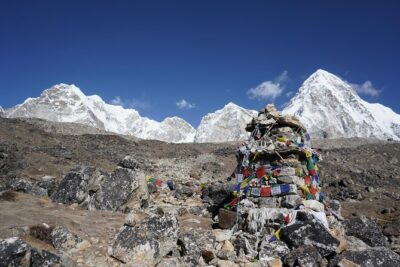
Browse the lists this tour appears in