
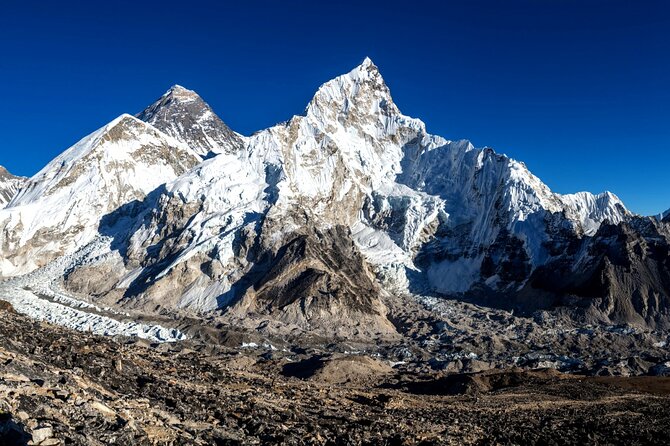
Reviewed · EVEREST BASE CAMP TREKS
12 Days Everest Base Camp Trekking
The best part of this 12-day Everest Base Camp trek is the steady build-up: you begin with a mountain flight to Lukla, pass through Namche Bazaar and Dingboche, then reach Gorak Shep, Base Camp, and Kala Patthar. It gives you time to adjust rather than rushing straight toward the high country.
I like that acclimatization is built into the plan, with rest days in Namche and Dingboche. I also like the practical inclusions: round-trip Lukla airfare, teahouse lodging, meals, permits, a licensed English-speaking guide, and a pulse oximeter for altitude checks.
The main caution is the pace. Several days run for seven to nine hours, and the itinerary reaches high altitude quickly. Porter service is extra, personal costs are not covered, and flights to Lukla depend on weather, so you need a little patience and solid fitness.
Key points to know before booking
- Two acclimatization days: Spend one day in Namche Bazaar and another in Dingboche, with optional hikes to Everest View Hotel, Nagarjun Hill, or Chukhung.
- Lukla flight included: The package covers domestic airfare from Kathmandu, or from Ramechhap during busy periods.
- Private trekking format: Only your own group takes part, rather than joining a large shared walking party.
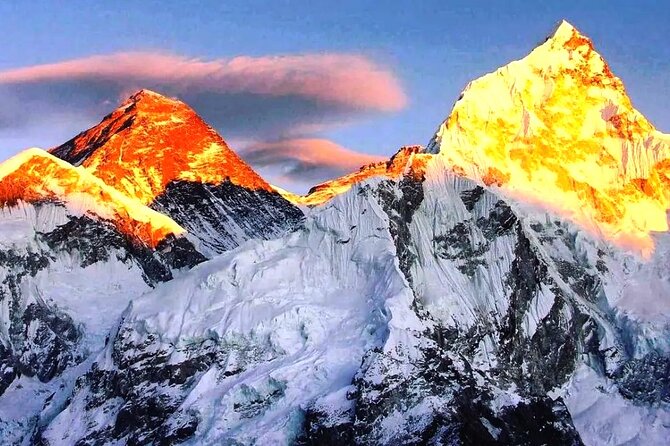
- Kala Patthar sunrise: The early hike offers some of the clearest views of Everest, Lhotse, and nearby peaks.
- Teahouse meals and lodging included: You receive twin-sharing rooms and breakfast, lunch, dinner, and breakfast tea or coffee.
- Guide support matters: Blissful Himalayas has operated trekking services since 2011, and guides named in the feedback include Ramchandra and Ram.
Why this 12-day route works
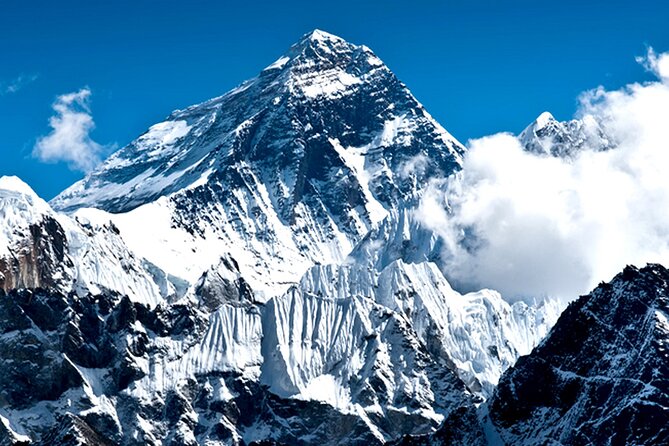
Everest Base Camp is not a sightseeing stop you can reach by road. You walk there, sleep in simple mountain teahouses, and adjust your body as the air gets thinner. This itinerary follows the standard approach from Lukla, using Namche Bazaar and Dingboche as planned pauses.
I like this structure because it gives the trek a clear rhythm. You walk for several days, stop to adjust, then continue toward the glacier and Base Camp. The two acclimatization days are not wasted time. At altitude, they are part of the trip’s safety plan.
The route is offered as a private activity, so your group is not tied to strangers. That can help with pacing and conversation, though the itinerary still has long walking days. A private trip also gives your guide more room to respond to how your group is feeling.
The listed price is $1,399 per person. That is a substantial amount, but it covers major costs that can otherwise pile up: airport transfers, Kathmandu hotel accommodation, Lukla flights, trekking permits, guide costs, teahouse rooms, and all meals during the trek. Porter service, insurance, snacks, hot showers, laundry, Wi-Fi, tips, and other personal spending are extra.
Other treks that start from Kathmandu:
- Everest Base Camp Trek – 14 Days
★ 5.0 · 1,499 reviews - Everest Base Camp Helicopter Tour landing at Everest View Hotel
★ 5.0 · 668 reviews - Everest Base Camp Trekking
★ 5.0 · 485 reviews
Day 1: Kathmandu to Lukla, then Phakding
Your guide collects you from your hotel and takes you to the airport for the early flight to Lukla, at about 2,800 meters, or 9,184 feet. The flight is a major part of the experience, taking you from Kathmandu’s urban setting to a small mountain airstrip surrounded by high peaks.
From Lukla, you begin walking toward Phakding. The day is listed at about eight hours, although the exact walking time can vary. This is a demanding opening day because you are adjusting to altitude while also getting used to the trail.
The first day’s goal is not Everest Base Camp, despite the itinerary heading used for this stop. The actual route is Lukla to Phakding, a sensible first stage before the larger climb toward Namche.
The flight is weather-sensitive. The cancellation terms allow a date change or full refund if the experience itself is canceled because of poor weather, but you should still bring flexibility to your wider Nepal plans.
Day 2: Suspension bridges and Namche Bazaar
After breakfast, you walk from Phakding to Namche Bazaar, the main trading center in the Khumbu region. The day takes about seven hours and includes several suspension bridges, gradual climbing, and views along the river valleys.
Namche is more than a stop on a map. It is the key staging point for the upper part of the trek, and it is where the route begins to feel properly high and mountainous. The climb here can feel tougher than the distance suggests, especially after the Lukla flight and first walking day.
You spend the night in a local teahouse. Twin-sharing accommodation is included, along with meals. These lodges are a practical feature of the route, but they are not hotel-style accommodation. You should expect simple rooms and shared facilities, with extra charges possible for comforts such as hot showers and Wi-Fi.
Day 3: Acclimatizing around Namche
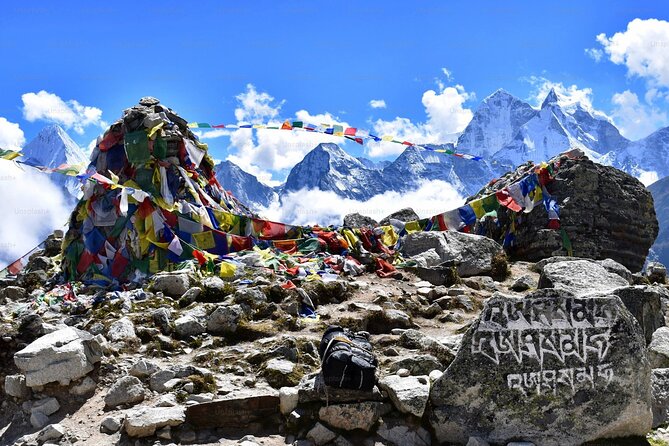
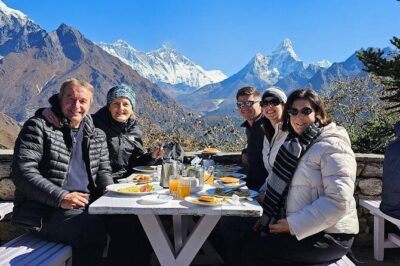
Day 3 is set aside for acclimatization. You can explore Namche or take an optional hike to Everest View Hotel for broad views of Everest and the surrounding peaks.
I consider this one of the most useful parts of the plan. You gain height through a day walk, then return to Namche to sleep at the same elevation. That lets you see more of the Khumbu without adding another overnight climb.
The day is listed at about eight hours, so it is not necessarily a lazy rest day. The optional hike gives you a chance to test your legs and notice how your body responds to the altitude. Your guide can help monitor your condition, and the included first aid kit contains a pulse oximeter for checking oxygen levels related to altitude.
Altitude sickness remains a serious concern. The itinerary includes acclimatization, but no schedule can guarantee that everyone will feel well. You should tell your guide promptly about unusual symptoms and follow medical advice.
A few more things to do in Kathmandu worth a look
- Nagarkot Sunrise View and Day Hiking from Kathmandu
★ 5.0 · 471 reviews - Annapurna Circuit Trek with Tilicho Lake
★ 5.0 · 368 reviews - Everest Base Camp Trekking – 13 Day
★ 5.0 · 365 reviews - Everest Base Camp Trek -14 Days
★ 5.0 · 321 reviews
Day 4: Into Sagarmatha National Park
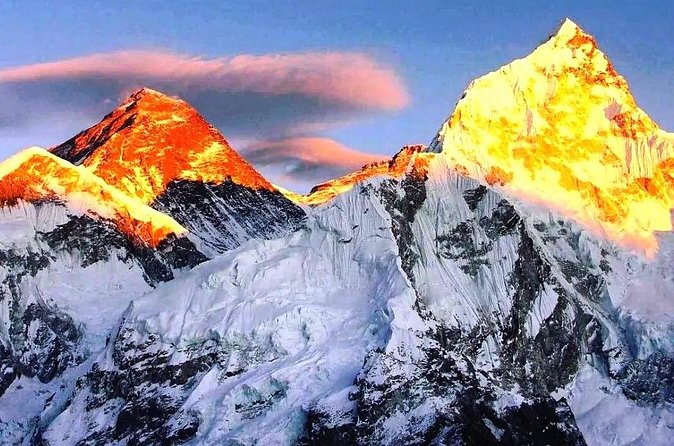
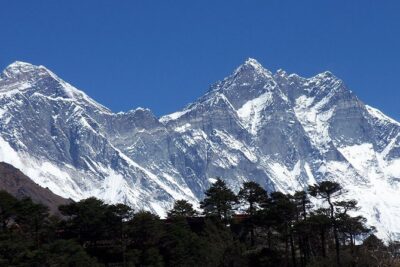
The trail continues through Sagarmatha National Park, with views of Everest, Nuptse, and Ama Dablam along the way. The route first descends for roughly two hours through rhododendron forest before climbing toward the next section.
That up-and-down shape is typical of Himalayan trekking. A descent can feel welcome, but every downhill stretch eventually adds to the next climb. The day runs about eight hours, so your knees and pacing matter as much as your enthusiasm.
This is one of the prettiest changes in scenery on the route. You move from lower forest into more open mountain country, with the major peaks becoming more prominent. I like that the trek does not rush this transition. You get to see the vegetation thin as the elevation rises.
Day 5: Dingboche and the higher Khumbu
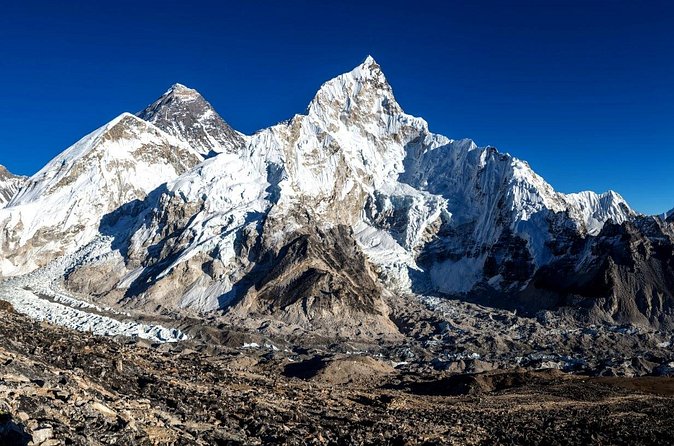
You continue toward Dingboche, a village known for views of Island Peak and other Himalayan summits. The trail passes through alpine forest and then more barren ground, a clear sign that you are moving into a harsher high-altitude zone.
The day lasts around eight hours. By now, the excitement of the early route gives way to a more serious walking routine. You need to eat properly, drink enough, and keep a steady pace rather than racing ahead.
Dingboche is an important overnight stop because it prepares you for the final approach to Base Camp. The village also makes a useful base for the next acclimatization day.
Day 6: Acclimatization in Dingboche
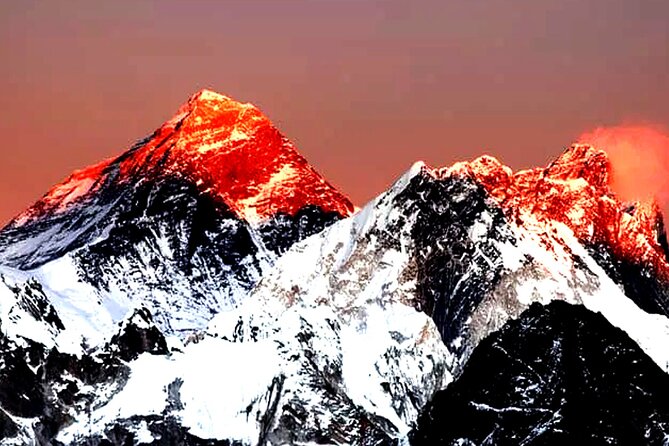
You spend a second acclimatization day in Dingboche. Optional outings include Nagarjun Hill or Chukhung, giving you a way to gain more altitude during the day without immediately sleeping higher.
This is a demanding rest day rather than a day off. The schedule still lists about eight hours, and you should be honest about how much walking you can handle. Some people will want the optional hike; others may need a slower day.
The value here is practical. Your body gets more time to adjust before the route climbs toward Lobuche, Gorak Shep, and Base Camp. I would treat this day as a chance to conserve energy, not as an obligation to chase the longest optional walk.
Day 7: Khumbu Glacier and rocky moraines
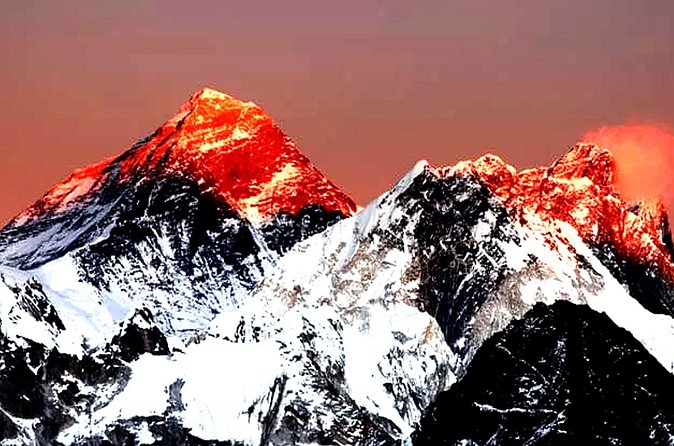
You start early, cross the Khumbu River, and climb through rocky ground and glacial moraines. The Khumbu Glacier and surrounding peaks become the focus of the day.
The scenery changes again. Forest is now behind you, replaced by rock, ice, and wide mountain views. A glacial moraine is uneven underfoot, so careful steps matter even when the trail is not steep.
The day takes about eight hours and includes admission to the listed glacier stop. An early start helps you make progress while you still have energy, but the altitude makes every climb slower. Your guide’s role becomes especially useful here, both for navigation and for keeping the group together.
Day 8: Gorak Shep and Everest Base Camp
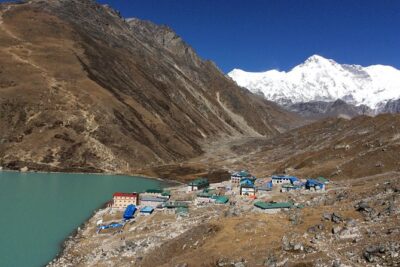
This is the main event. You walk from Lobuche to Gorak Shep, the final settlement before Everest Base Camp. After reaching Gorak Shep, you have lunch, settle your bags, and continue on foot to Base Camp.
The day is listed at about nine hours, making it the longest scheduled day. You are already high, the trail is rough, and the walk to Base Camp is not a quick photo stop. Keep your expectations realistic: the destination is important, but the approach is tiring.
At Base Camp, you can explore the area before returning to Gorak Shep. The feeling here comes from knowing how far you have walked, not from luxury or comfort. The camp area itself is tied to expedition activity, glaciers, and enormous peaks rather than shops or polished visitor facilities.
You sleep at Gorak Shep, not at Base Camp. That distinction matters when you picture the day. The route takes you there and back, then gives you a mountain lodge for the night.
Day 9: Kala Patthar at sunrise
You rise early for the hike to Kala Patthar, described as the best place on this route for views of Everest. From the viewpoint, you can see Everest, Lhotse, and other peaks in the early light before returning to Gorak Shep for breakfast.
This is another long day, listed at about eight hours. The climb can feel hard after reaching Base Camp the day before, but it provides the broad mountain view that Base Camp itself may not offer.
After breakfast, you continue the descent toward Pheriche. The itinerary also notes a helicopter landing at Kala Patthar, but the described program centers on the early hike. You should confirm the exact arrangement with Blissful Himalayas if a helicopter flight or landing is important to you.
Days 10 and 11: The long return through Sagarmatha National Park
The return walk is easier in one sense because you are losing altitude, but it still places stress on your knees. Day 10 runs about eight hours, and the route continues through Sagarmatha National Park.
You should not assume the descent is effortless. Loose ground, tired legs, and downhill steps can cause problems. Trekking poles, careful footing, and a measured pace can make the return more comfortable, though trekking poles are not listed as an included item.
Day 11 is the final trekking day and is shorter, at about six hours. You return toward Lukla and have an evening to celebrate with your guide, porters, and fellow group members. Since porter service is not included by default, ask in advance if you want help carrying your main bag.
This final night gives the trip a natural closing point before the flight back to Kathmandu. It also gives you a little breathing room after the high-altitude section.
Day 12: Lukla to Kathmandu
You take an early flight back to Kathmandu and receive a transfer to your hotel. One night of deluxe hotel accommodation in Kathmandu with breakfast is included, giving you a more comfortable finish after the teahouse nights.
The rest of the day is open for rest or personal exploring. The plan also includes a farewell dinner, and the schedule lists about three hours for the day’s organized activities.
The flight from Lukla is again dependent on conditions. During peak season, the package may use Ramechhap instead of Kathmandu for the domestic flight connection, so confirm the departure airport before you set your transport plans.
What the $1,399 price really covers
The price is strongest for someone who wants a guided, organized trek without arranging each part independently. Included services cover:
- Airport pickup and drop-off
- One deluxe hotel night in Kathmandu with breakfast
- Round-trip domestic flights to Lukla, or Ramechhap during peak season
- Twin-sharing teahouse accommodation
- Breakfast, lunch, dinner, and breakfast tea or coffee during the trek
- A licensed English-speaking guide
- Guide salary, meals, lodging, equipment, and insurance
- Sagarmatha National Park and TIMS permits
- A basic first aid kit and pulse oximeter
- Government taxes and official service charges
The package includes 11 breakfasts, 11 lunches, and 12 dinners according to the supplied details. Personal spending is separate, including snacks, drinks, laundry, hot showers, Wi-Fi, extra porters, and tips.
Travel and medical insurance are strongly recommended but not included. International flights and the Nepal entry visa are also your responsibility.
Who should book it
I would choose this trek if you want a private group, a clear day-by-day route, and support with the complicated parts of the Everest region. It suits people with moderate physical fitness who are ready for several seven-to-nine-hour walking days at altitude.
It may also suit first-time trekkers who want help with permits, flights, meals, lodging, and altitude monitoring. The feedback highlights first-time support from guide Ramchandra, while another successful trip specifically mentions a guide named Ram. Guide quality can shape this trek, so ask which guide will lead your group before booking.
I would think twice if you dislike basic lodging, long uphill walks, uncertain flight schedules, or shared teahouse facilities. The trip is not a casual mountain holiday. It is a serious walking program with comfort kept to a practical minimum once you leave Kathmandu.
Blissful Himalayas has provided trekking and tour services since 2011, and the available feedback points to careful organization, customized support, and successful completion. The sample is small, so I would still ask direct questions about your guide, porter arrangements, group size, and backup plans for flight delays.
Booking decision
Book this trek if you want the classic Everest Base Camp route with two acclimatization days, a private format, included Lukla airfare, and a guide handling the main logistics. The price is fair for what it covers, especially if you would rather not arrange permits, meals, teahouses, and domestic flights yourself.
Before paying, confirm the exact airport for the Lukla flight, the name of your guide, the porter fee, and what happens if weather disrupts the schedule. If you are fit, patient, and ready for basic mountain conditions, this is a well-structured way to reach Everest Base Camp and see Kala Patthar without trying to organize the whole trek alone.
FAQ
How long is the Everest Base Camp trek?
The experience lasts approximately 12 days, including flights from Kathmandu to Lukla and back, trekking days, acclimatization days, and the return to Kathmandu.
What is included in the $1,399 price?
The price includes ground transfers, one night of deluxe Kathmandu hotel accommodation with breakfast, round-trip domestic airfare to Lukla, twin-sharing teahouse accommodation, meals during the trek, an English-speaking guide, permits, basic first aid equipment, taxes, and official service charges.
Are meals included?
Yes. Breakfast, lunch, and dinner are included during the trek. Tea or coffee with breakfast is also included.
Is accommodation included?
Yes. You receive one night in a deluxe hotel in Kathmandu and twin-sharing accommodation in local teahouses during the trek.
Are domestic flights to Lukla included?
Yes. Round-trip airfare between Kathmandu and Lukla is included. During peak season, the flight may operate through Ramechhap instead of Kathmandu.
Is a porter included?
No. Porter service is available upon request but is not included in the listed price.
Is travel insurance included?
No. Travel and medical insurance are not included, but they are highly recommended.
How fit do I need to be?
The experience requires a moderate level of physical fitness. Several trekking days last about seven to nine hours, and the route reaches high altitude.
Is this a private tour?
Yes. Only your group participates in the activity. Group discounts are also offered.
What is the cancellation policy?
You can receive a full refund if you cancel at least 24 hours before the experience begins. Changes or cancellations made less than 24 hours before the start time are not accepted or refunded. If poor weather causes the experience to be canceled, you are offered another date or a full refund.
Just added in Kathmandu
- Kathmandu to Chitwan Tour by Tourist Bus – A Convenient and Affordable Way★ 4.0 · 4 reviews
- Changunarayan Hill to Telkot Hike Near Kathmandu Day Tour★ 5.0 · 6 reviews
- Mt Everest Base CampTrek | Budget Package★ 5.0 · 4 reviews
- Chitwan Jungle Safari 3-Day Tour★ 5.0 · 9 reviews
- Chandragiri Hills cable car day trip, private car with driver from Kathmandu★ 5.0 · 8 reviews
- Chandragiri to Taudaha Nature Day Hiking from Kathmandu★ 5.0 · 13 reviews
- Chandragiri Hill Station Tour by Cable Car★ 5.0 · 4 reviews
- Chandragiri Cable Car & Monkey Temple Private Guided Day Tour★ 5.0 · 5 reviews
Everest Base Camp Treks, compared.
Everest Base Camp Helicopter Tour landing at Everest View Hotel
Read our review →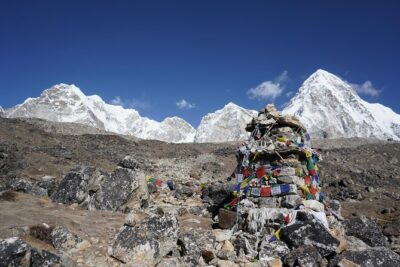
Browse the lists this tour appears in