
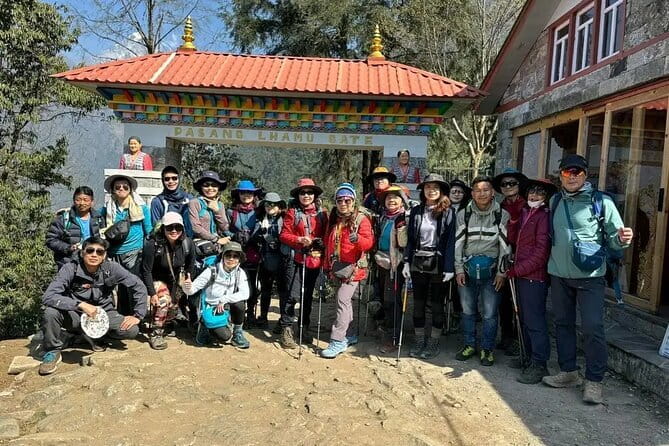
Reviewed · EVEREST BASE CAMP TREKS
14 Days Everest Base Camp Trek
The finest part of this 14-day Everest Base Camp trek is its steady route through the Khumbu, from rhododendron woods and Sherpa villages to glacial moraines beneath Everest, Lhotse, Nuptse, and Ama Dablam. You get the big Himalayan views, but also time in Namche Bazaar, Tengboche, Dingboche, and other working mountain communities.
I like the sensible acclimatization days in Namche and Dingboche, and I like that the price includes meals, permits, a licensed guide, a porter, domestic flights, and two Kathmandu hotel nights. The main drawback is the physical demand: Kala Patthar reaches 5,545 meters, and some walking days last about five hours. Weather can also affect the Lukla flights.
Key points to know before booking
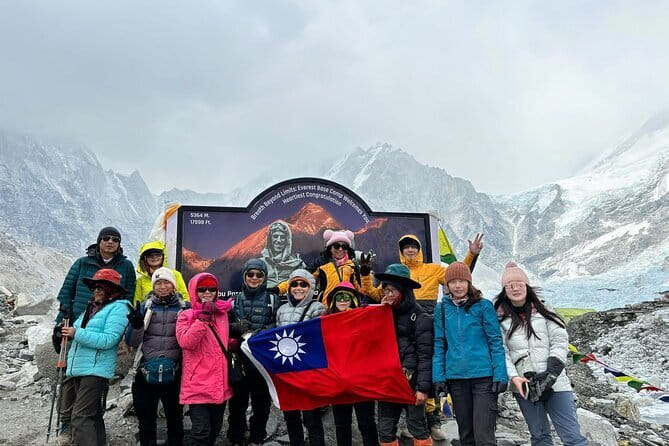
- Kala Patthar at 5,545 meters: The pre-dawn climb gives you the trip’s broadest views of Everest, Nuptse, Lhotse, and nearby peaks.
- Two useful acclimatization stops: Namche and Dingboche both include active rest days, a much better plan than rushing uphill.
- Private group format: Only your own group takes part, with a minimum of two people required.
- Good cost coverage: Meals during the trek, permits, domestic flights, a guide, porter, staff costs, and two Kathmandu hotel nights are included.
- One porter for two clients: Pack carefully and keep your daily essentials in your day bag.
- Lukla flight flexibility matters: The schedule may use Kathmandu or Manthali, Ramechhap, depending on flight availability and weather.
What the 14 days really involve
This is not a sightseeing holiday with a short walk added. It is a serious high-altitude trek with several hours of walking on most days, steep sections, cold conditions, and basic mountain accommodation. The reward is a gradual change in scenery, culture, and air as you move from Kathmandu toward the Khumbu Glacier.
The advertised price is $2,200 per person. That is a useful value if you want the main logistics handled in one package. You receive airport transfers, two nights in a three-star Kathmandu hotel, domestic flights, trekking permits, three daily meals during the walk, guide and porter services, staff expenses, taxes, and a farewell dinner.
You still need to budget for a Nepal entry visa, international flights, insurance with high-altitude evacuation cover, personal trekking equipment, drinks, hot showers, WiFi, snacks, desserts, and tips. Those extras can add up, so the headline price is not your full trip budget.
Other treks that start from Kathmandu:
- Everest Base Camp Trek – 14 Days
★ 5.0 · 1,499 reviews - Everest Base Camp Helicopter Tour landing at Everest View Hotel
★ 5.0 · 668 reviews - Everest Base Camp Trekking
★ 5.0 · 485 reviews
Day 1: Kathmandu and Thamel
A representative meets you at the airport and takes you to a hotel in Thamel. This gives you a soft landing before the mountains, with the afternoon free for shops, restaurants, and last-minute preparation.
Thamel is useful rather than quiet. You can check your clothing, sort your bags, and spend your first evening getting ready for an early start. The included hotel stay is on a twin-sharing basis with breakfast, so solo bookers should confirm the room arrangement and any single supplement before paying.
Day 2: The long transfer to Lukla and Phakding
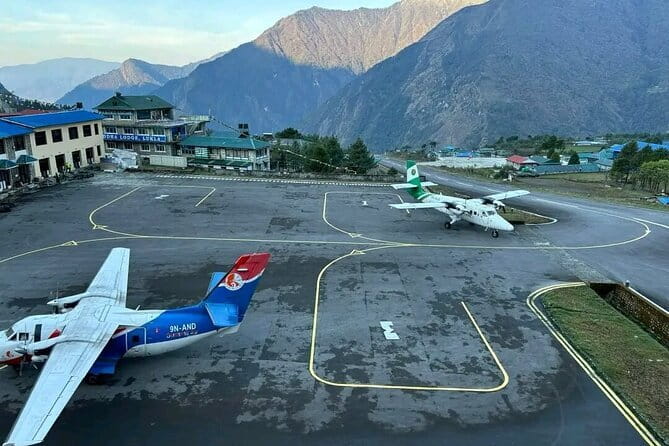
The mountain journey starts with a four to five-hour drive from Kathmandu to Manthali in Ramechhap. From there, you take a short flight of about 20 minutes to Lukla, then walk to Phakding for the night.
This day is less about distance on foot and more about transport. The drive to Manthali makes the schedule feel long, but it reflects the flight plan used for the trek. Weather and flight operations are important here. The return may also use Manthali rather than Kathmandu, so keep some flexibility in your international flight planning.
The walk to Phakding is a gentle opening compared with what comes later. You have time to meet the guide, settle into the mountain routine, and begin noticing the change in air and terrain.
Day 3: Phakding to Namche Bazaar
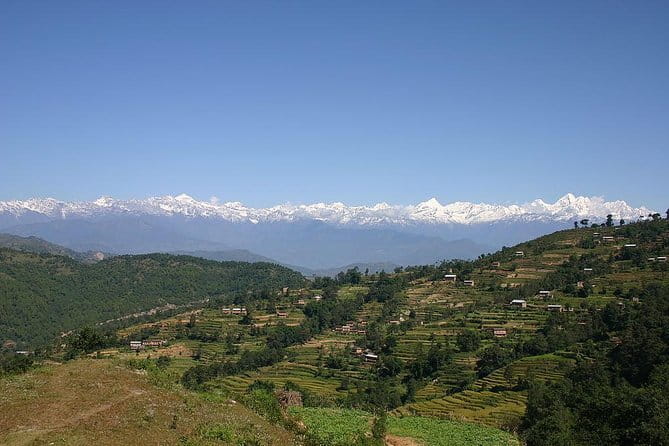
The route passes through Sherpa communities including Benkar and Chumoa before reaching Monjo, the entrance to Sagarmatha National Park. From there, the trail turns uphill toward Namche Bazaar.
This is one of the first demanding days. The walking time is listed at about five hours, but steep ground can make it feel longer, especially at the first major altitude increase. Namche is more than a stop for the night. It is the main trading and service center of the Everest region, with markets, food, and a clear sense that you have entered the high country.
The permit and park arrangements are included, which saves you from handling the paperwork yourself. Your guide should also help set a sensible pace. Do not treat this first hard climb as a race.
A few more things to do in Kathmandu worth a look
- Nagarkot Sunrise View and Day Hiking from Kathmandu
★ 5.0 · 471 reviews - Annapurna Circuit Trek with Tilicho Lake
★ 5.0 · 368 reviews - Everest Base Camp Trekking – 13 Day
★ 5.0 · 365 reviews - Everest Base Camp Trek -14 Days
★ 5.0 · 321 reviews
Day 4: Namche acclimatization
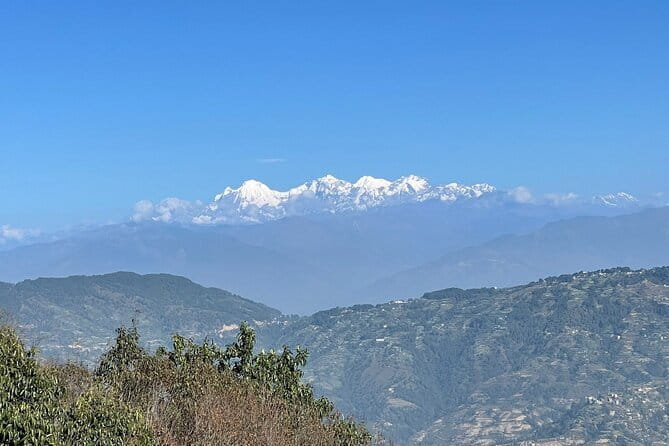
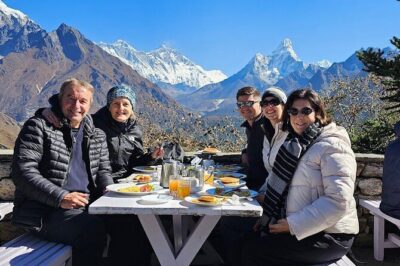
You spend another night in Namche, with a walk to the Everest View Hotel. The route provides wide views of Ama Dablam, Thamserku, Everest, and Nuptse.
This is an active rest day, not a day spent entirely indoors. That matters because your body needs time to adjust to thinner air, while light walking helps you stay loose. The walk also gives you a strong first view of the peaks that will appear repeatedly as you continue upward.
I like this part of the schedule. A rushed itinerary might cut the second Namche night, but this plan gives you a better chance to handle the higher villages. You should still take headaches, nausea, unusual tiredness, or breathing trouble seriously and tell your guide promptly.
Day 5: Namche to Tengboche
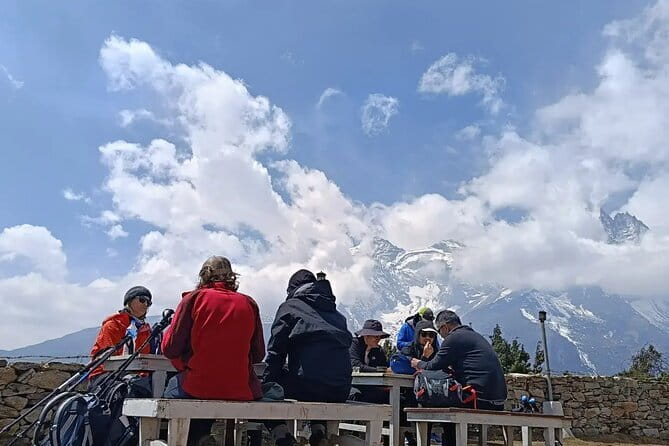
The trail to Tengboche has fewer steep sections than the previous day and is well suited to taking photographs. You will see prayer flags, stupas, and repeated views of Ama Dablam as the route enters a more alpine setting.
Tengboche Monastery is the day’s main cultural stop. It is a revered place in the region, and the surrounding setting gives it real visual force. Sunrise and sunset can be especially striking when the peaks catch the changing light, though mountain weather controls what you actually see.
The listed walking time is about five hours. Even with easier sections, the altitude continues to rise. Take your time, drink as advised by your guide, and keep your camera protected from cold and dust.
Day 6: Tengboche to Dingboche
You continue through Pangboche, passing chortens, mani walls, and views toward Ama Dablam. The route becomes more exposed as trees give way to shorter plants, open slopes, and yak pasture.
Dingboche is an important base for the higher part of the trek. The day takes about four hours, so it is not among the longest walking days, but the altitude makes each uphill section count. You are now preparing for Lobuche, Gorak Shep, Everest Base Camp, and Kala Patthar.
The cultural details here are not decoration. Chortens and mani walls show how local Buddhist practice is woven into everyday movement through the valley. Walk around these features respectfully and follow your guide’s lead.
Day 7: Dingboche and Nagarjun Hill
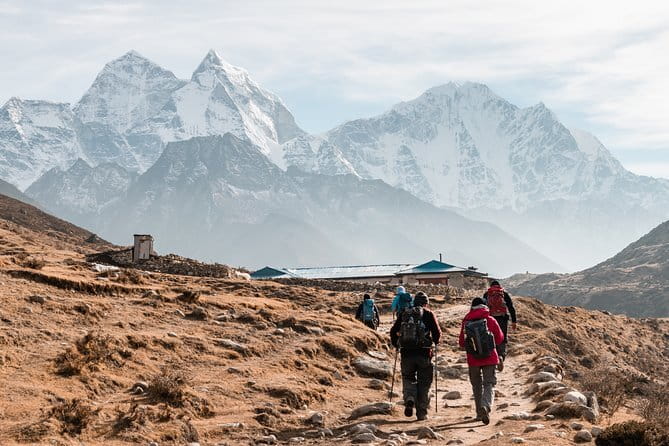
The second active rest day includes a walk toward Nagarjun Hill at about 5,100 meters. The climb takes around five hours and gives you views over the surrounding peaks.
This is a tough acclimatization day, not an easy stroll. The point is to climb higher for a period, then sleep lower in Dingboche. That pattern helps prepare you for the next nights, though no schedule can remove the risks of high altitude.
You should judge this day by how your body responds, not by pride. If you feel unwell, tell the guide. The presence of a licensed guide is one of the package’s key strengths, but the guide can only help if you report symptoms honestly.
Day 8: Dingboche to Lobuche
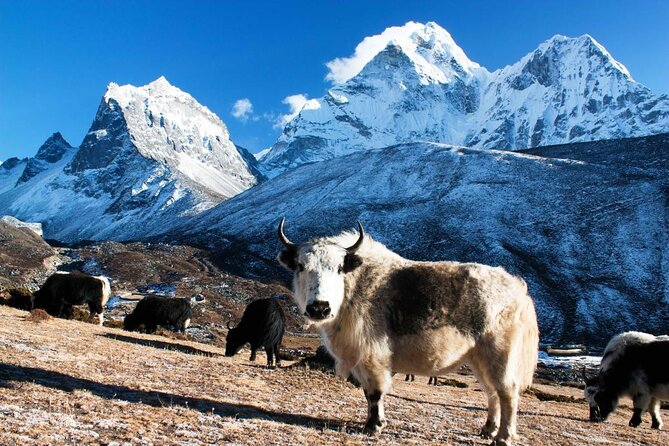
The trail follows the Pheriche Valley through alpine brush and yak pasture. Ama Dablam, Tawoche, and Cholatse rise above the valley, and the route begins to feel colder, barer, and more severe.
The walking time is about four hours. You are not yet at Everest Base Camp, but the surroundings make the goal feel close. The gradual ascent can be misleading, since altitude makes moderate distances tiring.
Lobuche is a practical overnight stop before Gorak Shep. Accommodation at this altitude is generally simple, and hot showers, WiFi, drinks, and other comforts are not included in the price. Bring the personal equipment you need to stay warm and organized.
Day 9: Lobuche to Gorak Shep and Everest Base Camp
This is the emotional center of the trek. You walk to Gorak Shep, a small settlement beside the lateral moraine of the Khumbu Glacier, then continue toward Everest Base Camp.
The walk takes about four hours, though the glacier moraine can be uneven and tiring. Everest Base Camp itself is not a warm, polished destination. It is a high, rocky meeting point shaped by ice, weather, and expedition traffic. The value is in reaching the place and seeing the Khumbu Glacier up close.
You return to Gorak Shep for the night. Conditions are basic and cold, so keep your headlamp, warm layers, water, and essential medication close at hand. This is one of the nights when good personal gear matters more than fancy extras.
Day 10: Kala Patthar and the descent to Pheriche
You leave before dawn for Kala Patthar, the highest point of the trek at 5,545 meters. From the top, the planned panorama includes Everest, Nuptse, Lhotse, Ama Dablam, and other major peaks.
The early start is practical. Morning often gives you the best chance of clear mountain views, and the light can change quickly. The climb is strenuous, especially after the previous day’s walk to Base Camp, but this is where you gain the clearest broad view of Everest itself.
After Kala Patthar, you descend toward Pheriche. Going downhill is not automatically easy. Tired legs, loose ground, and the long day can make the return demanding. The scheduled walking time is about five hours, but altitude, weather, and group pace affect the actual day.
Day 11: Pheriche to Namche Bazaar
The route heads back toward Namche, with a generally descending trail and some uphill stretches. Forests and plant life return as you lose altitude, which makes the scenery feel noticeably softer after the bare upper valley.
This is another five-hour walking day, and it can feel long after Base Camp and Kala Patthar. The reward is physical as much as visual: breathing often feels easier as you descend. The return also lets you see familiar sections from a new direction.
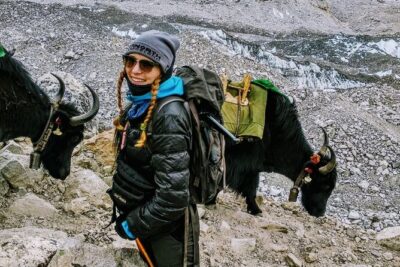
Your porter continues to carry the main luggage, but you should still keep your own day pack light. One porter is assigned to two clients, so sensible packing benefits everyone.
Day 12: Namche to Lukla
The final hiking day follows the route back to Lukla. It takes about five hours, with a mixture of descents, flatter stretches, and the familiar approach to the airstrip town.
This is a good evening to acknowledge the scale of what you have done, but do not assume the trip is finished until you have flown out. Lukla flights depend on weather and availability. A comfortable return buffer is wise if you have an important international connection.
The package includes a night in Lukla before the flight. That gives you a proper stopping point rather than forcing the trek and flight into one rushed day.
Day 13: Lukla to Kathmandu or Manthali
The return flight may take you to Kathmandu or to Manthali, depending on conditions and available flights. From there, you return to Kathmandu and have time for shopping or rest.
The two included Kathmandu hotel nights help frame the trek with a night before and a night after the mountains. A farewell dinner in a typical Nepali restaurant is also included, giving the trip a clear final evening.
The transport uncertainty is worth taking seriously. Do not schedule a tight international departure immediately after the expected return. Mountain flight plans can change, and this itinerary itself allows for either airport.
Day 14: Airport transfer and departure
A staff member takes you to the airport three hours before your scheduled departure. That closes the trip with a private airport transfer rather than leaving you to arrange a taxi after a demanding trek.
The package also includes an achievement certificate. It is a small keepsake, but it marks a substantial physical accomplishment.
What is included, and where the value lies
The strongest value comes from the services that are expensive or inconvenient to arrange separately:
- Private airport pickup and drop-off
- Domestic flight tickets and airport tax
- Two Kathmandu hotel nights with breakfast
- Breakfast, lunch, and dinner during the trek
- Sagarmatha National Park and TIMS permits
- A government-licensed guide
- A porter for every two clients
- Staff wages, meals, accommodation, insurance, taxes, and office charges
- A farewell dinner and completion certificate
You pay separately for international flights, Nepal’s entry visa, travel insurance, personal equipment, drinks, snacks, desserts, hot showers, WiFi, and tips. Insurance deserves special attention. The package specifically excludes high-altitude emergency evacuation cover, so you should arrange a policy that clearly includes it.
There are 13 breakfasts, 12 lunches, and 12 dinners listed. Lunch and dinner in Kathmandu are not included. Drinks, including mineral water, hot water, coffee, and alcohol, also cost extra.
Who should choose this trek?
I would recommend it to someone with moderate physical fitness who wants a private Everest Base Camp route rather than a large group departure. The minimum group size is two, and only your own party takes part, which can make pacing and communication easier.
It suits you if you value having permits, meals, flights, guides, porters, and transfers bundled together. It is less suitable if you want a luxury mountain holiday, complete control over your own pace, or a very short itinerary with no demanding acclimatization walks.
The public company information identifies Pemba as the owner, and Prayash as a guide on one EBC, Chola Pass, and Gokyo Lakes route. For this exact 14-day departure, confirm your assigned guide before booking. That is a sensible question, not a fussy one, since the guide’s judgment matters greatly at altitude.
Should you book it?
Book this trek if you want the classic Everest Base Camp experience with a sensible acclimatization plan and most major costs handled. Namche, Tengboche, Dingboche, Base Camp, and Kala Patthar give the route a strong mix of mountain views and Sherpa culture.
Before paying, make sure you understand the Manthali transfer, flight delays, shared porter arrangement, basic mountain facilities, and extra costs for insurance, drinks, showers, WiFi, equipment, and tips. The cancellation terms are also worth noting: a full refund is available when you cancel at least six full days before the start, a 50 percent refund applies two to six days before, and cancellations less than two days before departure are nonrefundable.
For a private, organized trek at $2,200 per person, this is a solid choice for a fit and prepared walker. It is not an easy holiday, but it gives you the time and support needed to reach one of the world’s great mountain goals.
FAQ
How long does the Everest Base Camp trek take?
The experience lasts approximately 14 days, including arrival and departure days in Kathmandu, the Lukla flights, the trek, and the return to Kathmandu.
What is the highest point on the trek?
Kala Patthar is the highest point, at 5,545 meters.
Is the trek private?
Yes. Only your own group participates, and the experience requires a minimum of two people.
Are meals included?
Breakfast, lunch, and dinner are included during the trek. Lunch and dinner in Kathmandu are not included.
Are domestic flights included?
Yes. The package includes the domestic flight ticket for the Lukla route and domestic airport tax. The itinerary uses flights between Lukla and Kathmandu or Manthali, depending on availability and weather.
Is a guide included?
Yes. An experienced, government-licensed trekking guide is included.
Is a porter included?
Yes. One porter is assigned to two clients to carry luggage.
Is travel insurance included?
No. You must arrange your own travel insurance, including high-altitude emergency evacuation coverage.
Just added in Kathmandu
- Traditional Momo Making Class★ 5.0 · 10 reviews
- Women Empowerment Project(Nepali cooking class & jewelry workshop★ 5.0 · 15 reviews
- Kathmandu 2 Nights 3 Days Chitwan Jungle Safari Tour★ 5.0 · 9 reviews
- Walking tour of Kathmandu with awesome local guides★ 5.0 · 4 reviews
- Wildlife Adventure in Chitwan Nepal★ 4.0 · 4 reviews
- Kathmandu to Pokhara Premium sofa bus ticket★ 4.0 · 17 reviews
- Regular Yoga for all levels of practitioners in Kathmandu★ 5.0 · 4 reviews
- Kathmandu Street Food Walking Tour – Eat Like a Local★ 5.0 · 3 reviews
Everest Base Camp Treks, compared.
Everest Base Camp Helicopter Tour landing at Everest View Hotel
Read our review →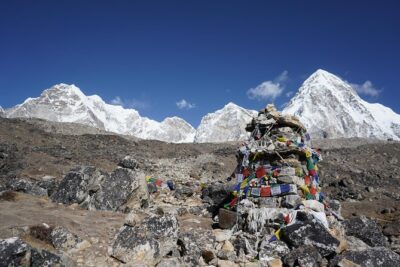
Everest Base Camp Trek with Helicopter Return from Gorakshep to Lukla
Read our review →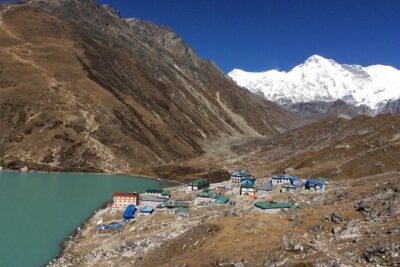
Browse the lists this tour appears in