
Reviewed · EVEREST BASE CAMP TREKS
Luxury Everest Base Camp Trek -11 Days
The clever part of this Everest Base Camp trip comes at the end: after walking through the Khumbu Valley to Everest Base Camp and Kala Patthar, you return by shared helicopter from Gorakshep to Kathmandu. I like the upgraded teahouses and the two acclimatization days, which give you comfort and time to adjust to thin air. The drawback is the price, $4,500 per person, and the return flight can still depend on mountain weather.
I also like the careful support system: a private group, airport pickup, porter service, meals on the trail, permits, and a company team led by Bhagwat Simkhada. Guides such as Prakash have received especially strong praise for communication and care. Still, this is a serious high-altitude trek, not a soft sightseeing holiday.
What makes this 11-day Everest trek different
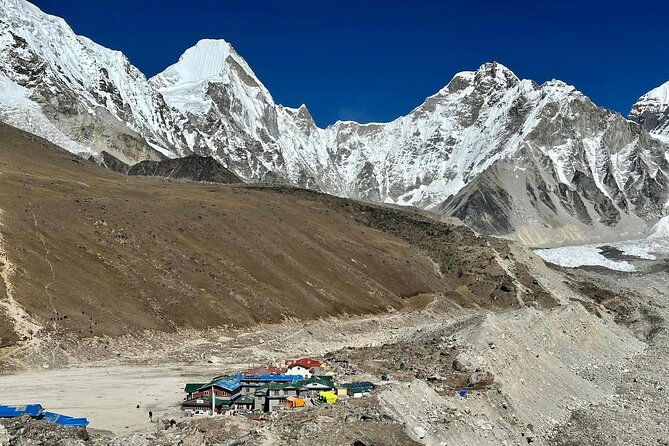
- Walk up, fly back: Reach Gorakshep on foot, then return toward Kathmandu by shared helicopter.
- Two useful acclimatization days: Spend time adjusting at Namche Bazaar and Dingboche before the highest sections.
- Upgraded teahouses: Sleep in twin-sharing rooms at improved mountain lodges rather than choosing the most basic option.
- A private trip: Your group travels together, with an experienced guide and one porter for every two clients.
- Kala Patthar at 5,545 meters: The itinerary includes one of the best-known high viewpoints in the Everest region.
- Good logistical coverage: Permits, domestic flights, meals during the trek, airport transfers, rescue arrangements, and a farewell dinner are included.
The big picture: comfort on the way up, speed on the way down
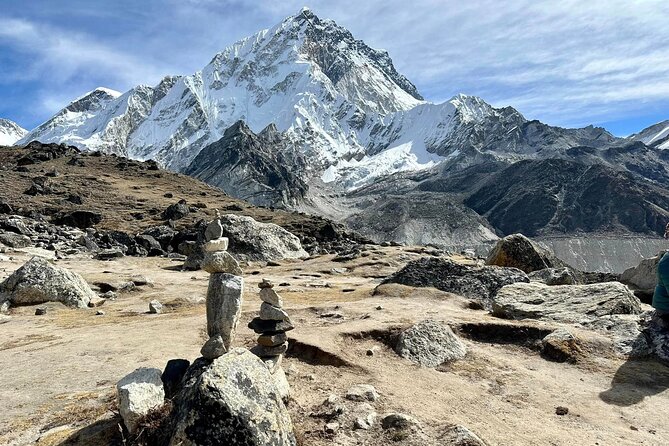
This is a classic Everest Base Camp route with a luxury-minded finish. You still walk the full approach through the Khumbu Valley, so you earn the mountain views step by step. The word luxury here means upgraded teahouses, organized support, and a helicopter return, not five-star hotels in the high mountains.
The route begins in Kathmandu and flies to Lukla, at 2,860 meters. From there, you walk through Phakding, Namche Bazaar, Tengboche, Dingboche, Lobuche, and Gorakshep before reaching Everest Base Camp. The next day includes Kala Patthar, at 5,545 meters, followed by the helicopter journey.
I like this design because it avoids retracing the entire route on foot. The return walk can be tiring, and flying back gives you more time in Kathmandu. But you should not treat the helicopter as a guaranteed escape. The tour notes that weather delays and other mountain problems can create extra costs and schedule changes.
The price is $4,500 per person. That is a large sum, but it covers many expensive pieces: two nights in a five-star Kathmandu hotel, domestic flights, upgraded teahouses, meals during the trek, staff, permits, a duffle bag, and the shared helicopter fare. I would compare the price against a standard Everest Base Camp trek plus a separate helicopter flight before deciding. The value is strongest if comfort, private support, and a quick return matter to you.
Other treks that start from Kathmandu:
- Everest Base Camp Trek – 14 Days
★ 5.0 · 1,499 reviews - Everest Base Camp Helicopter Tour landing at Everest View Hotel
★ 5.0 · 668 reviews - Everest Base Camp Trekking
★ 5.0 · 485 reviews
Day 1: Kathmandu airport pickup and a soft landing
Your trip begins at Tribhuvan International Airport, where a representative from Himalayan Adventure Treks and Tours meets you and transfers you to your hotel by private vehicle. The plan includes two nights at a five-star hotel in Kathmandu with breakfast.
This first day is simple by design. You can use it to settle in, recover from the flight, and meet the company team. Bhagwat Simkhada is the company leader named in the trip feedback, while Prakash is one guide whose work has received particular praise. Ask your guide early about the walking pace, luggage arrangements, and the next morning’s departure.
The listed start time is 6:00 am. That matters because the Lukla flight day begins early. Keep your first evening light, and do not plan a late night unless your arrival schedule leaves you no choice.
Day 2: Lukla and the first walk to Phakding
You fly from Kathmandu to Lukla, an airport at 2,860 meters. From Lukla, the trek begins toward Phakding.
This is a memorable change of scale. You leave the traffic and city streets behind and begin walking through the mountain region. The first walking day is also useful because it lets you ease into the rhythm before the route climbs higher.
The supplied itinerary does not state the exact walking time or distance for this day, so do not judge the trek by a fixed schedule alone. Conditions, flight timing, and pace can affect the day. Your porter carries the main load, with one porter assigned for every two clients, while you carry only your day essentials.
Flight disruption is one of the practical risks. Weather can affect mountain flights, and the company notes that delays may lead to extra expenses or additional nights. Travel insurance with trekking and rescue coverage is not included, so arrange it before leaving home.
Day 3: Phakding to Namche Bazaar
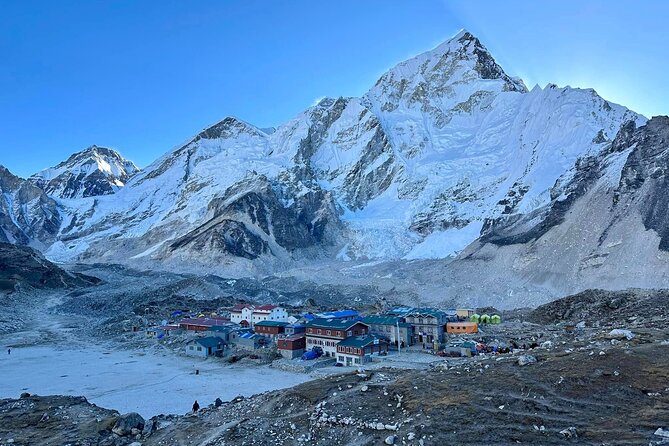
The trail continues from Phakding to Namche Bazaar, at roughly 3,440 meters. Namche is one of the main settlements in the Everest region and an important stopping point for acclimatization.
The walking becomes more demanding here as the route gains height. You should expect a full mountain day, with uneven ground and a steady rise. Your guide and porter support are particularly valuable now because a sensible pace matters more than speed.
Namche is not just a place to sleep. It is the first major base for adjusting to altitude, and the next day is set aside for that purpose. I like that the itinerary does not rush straight through. A fast schedule may look efficient on paper, but it gives your body less time to respond.
A few more things to do in Kathmandu worth a look
- Nagarkot Sunrise View and Day Hiking from Kathmandu
★ 5.0 · 471 reviews - Annapurna Circuit Trek with Tilicho Lake
★ 5.0 · 368 reviews - Everest Base Camp Trekking – 13 Day
★ 5.0 · 365 reviews - Everest Base Camp Trek -14 Days
★ 5.0 · 321 reviews
Day 4: Namche acclimatization at 3,880 meters
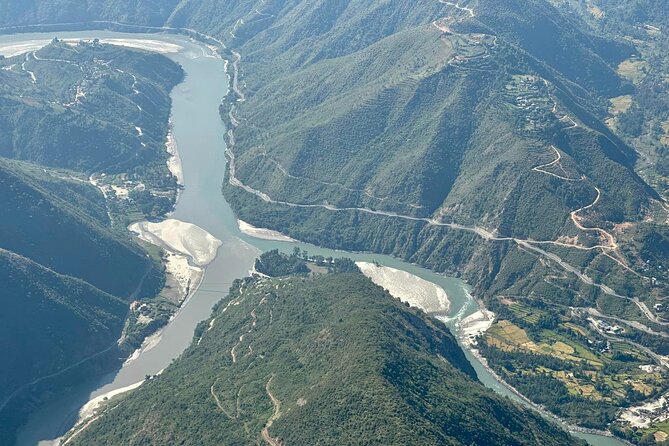
The fourth day is an acclimatization day based around Namche and an altitude of about 3,880 meters. You have the chance to walk higher and return to sleep lower, with the itinerary mentioning Hotel Everest View.
This is a useful day rather than a wasted one. The goal is to help your body adjust before the trail climbs toward Dingboche and the higher camps. You will have time to take in views of the Everest range from the ground and learn how your body is responding.
Do not spend this day trying to prove your fitness. Keep your pace steady, drink enough, and tell your guide if you feel unwell. The itinerary allows time for adjustment, but it cannot remove the effects of altitude.
Day 5: Tengboche and the mountain trail
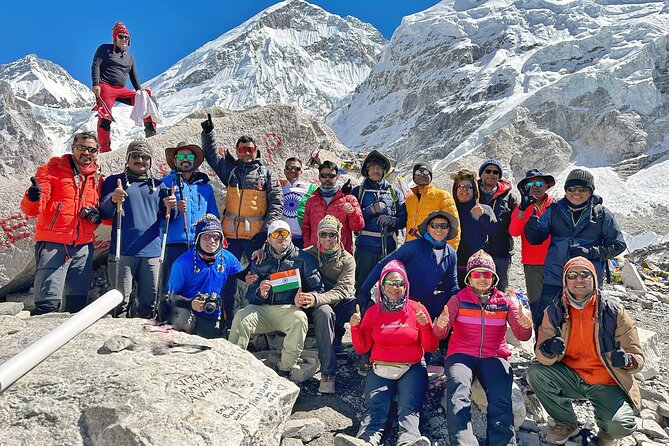
From Hotel Everest View, you walk to Tengboche, at about 3,820 meters. This section usually takes four to five hours according to the planned schedule.
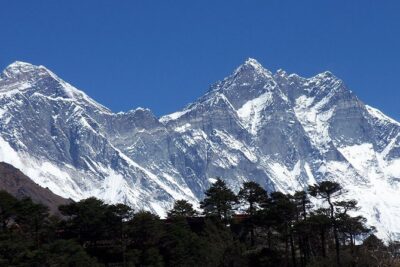
Tengboche is one of the best-known points on the route, and the setting gives you a strong sense of the Khumbu region. The trail continues to shift from lower valley walking toward more exposed, higher terrain. You will see mountain views along the way, though cloud and weather can change the scene quickly.
The day is moderate compared with the highest sections, but the altitude remains serious. The benefit of an organized trip is that your guide can monitor the group and manage the pace. Meals, dinner, lunch, and breakfast are included during the trekking portion, which makes daily planning easier.
Day 6: Diboche to Dingboche at 4,360 meters
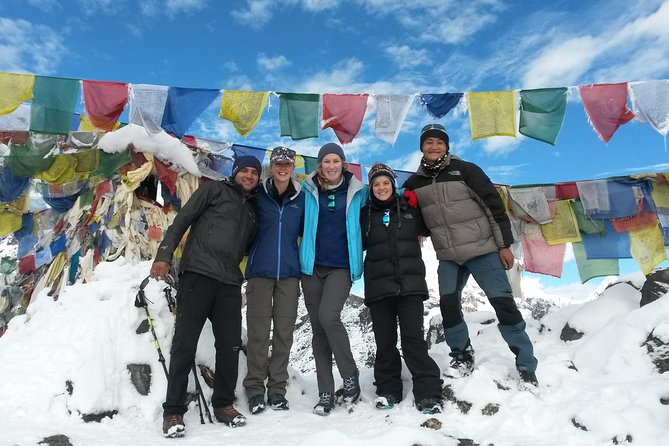
You leave Diboche and continue to Dingboche, at about 4,360 meters. The planned walking time is five to six hours.
This is an important step up. Dingboche is the place where the air feels noticeably thinner, and the next day is another acclimatization day. The route and weather can make this section feel harder than the clock suggests.
Your upgraded teahouse accommodation matters most in places like Dingboche. You should not expect city-hotel facilities, but the trip is designed to give you a more comfortable stay than the most basic lodge option. Personal extras such as hot showers, battery charging, bottled or boiled water, laundry, phone calls, and bar bills cost extra.
Day 7: Dingboche acclimatization
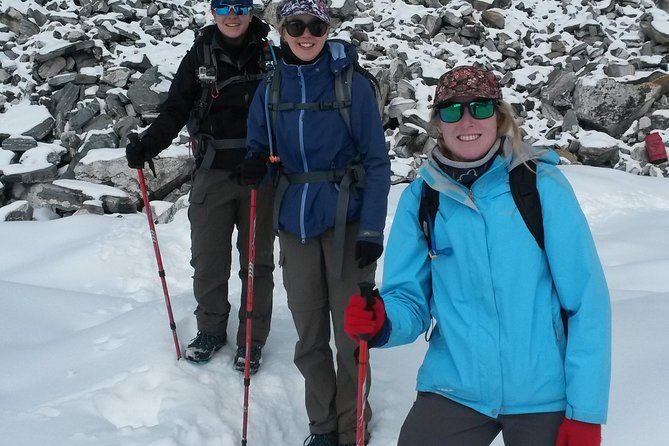
The second acclimatization day takes place in Dingboche at 4,360 meters. You spend the day adjusting before the route climbs toward Lobuche and Gorakshep.
I consider this one of the strongest parts of the schedule. The later stages are strenuous, and this pause gives you a better chance to continue safely. You will have an opportunity to walk at altitude, rest, and prepare for the colder and rougher sections ahead.
Fitness still matters. The company asks for moderate physical fitness, but that phrase should not fool you into thinking this is easy. You need to be comfortable walking for several hours on steep and uneven high-altitude trails.
Day 8: Lobuche and the first high mountain terrain
The route from Dingboche to Lobuche takes about five to six hours. You move across high-altitude ground, with rocky sections and difficult weather possible.
This is where the trek begins to feel more remote and demanding. The views include the surrounding peaks, but the trail itself requires attention. Walk slowly, keep your water close, and use layers so you can adjust as temperatures change.
Lobuche is a practical overnight stop before the long push to Gorakshep and Everest Base Camp. The staged route is sensible, since trying to combine these sections would create a much harder day.
Day 9: Gorakshep and Everest Base Camp
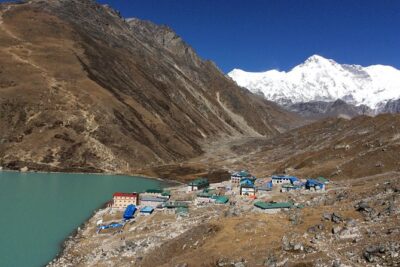
The walk from Lobuche to Gorakshep and onward to Everest Base Camp takes roughly six to seven hours. The trail climbs through rocky ground and glacial moraine, with views of nearby peaks.
This is the day many people imagine when they book an Everest Base Camp trek, but it is not a casual photo stop. The altitude and rough surface can make each hour feel long. You need patience, a steady pace, and close communication with your guide.
Reaching Base Camp is the emotional high point of the walking route. You are at the foot of the Everest climbing area, surrounded by the stark mountain world that the trek has been building toward since Lukla. The itinerary returns you to Gorakshep for the night, setting up an early and demanding day ahead.
Day 10: Kala Patthar and the helicopter return
The day starts with a trek from Gorakshep to Kala Patthar, at 5,545 meters, or 18,192 feet. This is the highest point in the itinerary and one of its major highlights.
Kala Patthar is valued for its wide views of the Everest range. The climb is strenuous, and the altitude is extreme, so you should follow your guide’s pace rather than chase a personal speed record. The itinerary then includes the helicopter fare from Gorakshep to Kathmandu, shared with other passengers.
This is the trip’s defining luxury feature. Instead of walking back through Lobuche, Dingboche, Namche, and Lukla, you see the region from the air and reach Kathmandu much faster. It also gives you a different view of the route you have just walked.
The word shared is important. This is not a private helicopter charter for your group. The flight is also subject to mountain weather and operating conditions. If a delay or early return creates extra nights or expenses, those costs are not included in the package.
Day 11: Airport transfer and the trip home
A company representative takes you to the airport about three hours before your scheduled flight. The activity ends back at the meeting point in Kathmandu.
The package also includes a final farewell dinner at an authentic Nepalese restaurant with a cultural performance. Depending on flight schedules, this may be arranged before departure or around the end of your Kathmandu stay. Confirm the timing with the company.
International airfare is not included, and extra hotel nights are not covered if you arrive early, depart late, return from the mountains early, or face delays. That is normal for a mountain itinerary, but you should budget for it.
What the $4,500 price really buys
The trip includes:
- Airport pickup and private transfer
- Two nights in a five-star Kathmandu hotel with breakfast
- Upgraded teahouse accommodation on a twin-sharing basis
- Breakfast, lunch, and dinner during the trek
- TIMS permit and Khumbu Valley fees
- Guide service and one porter for every two clients
- Kathmandu to Lukla or Ramechhap to Lukla flight arrangements
- Duffle bag and company T-shirt
- Shared helicopter fare from Gorakshep to Kathmandu
- Travel and rescue arrangements
- First-aid supplies
- Farewell dinner with cultural performance
That is a substantial package. I especially value the staff ratio, meals, permits, and helicopter fare because these are easy to underestimate when building a trek budget yourself.
You still need to pay for your Nepal visa, international flights, insurance, personal expenses, tips, extra nights, hot showers, charging, laundry, and bottled or boiled water. Travel and rescue insurance is essential for a trip at these altitudes, yet it is not part of the price.
Who should book this trek?
I would recommend it to a fit first-time Everest Base Camp trekker who wants strong logistical support and does not want to walk back down the entire route. It also suits families with suitable fitness, since the itinerary is private and can be managed around your group’s needs.
It is a good choice if you care about better teahouses, a guide and porter team, airport transfers, and a helicopter return more than finding the lowest possible price. The trip has also been used by repeat clients and by an adventure club sending members to Nepal each year, which suggests the company can handle returning groups and ongoing arrangements.
I would hesitate if your main goal is a low-cost trek, if you dislike fixed schedules, or if you expect guaranteed helicopter travel. You also need to accept basic mountain conditions even with upgraded lodges.
The strongest personal names connected with the service are Bhagwat, who is closely involved in planning, and Prakash, a guide praised for his communication and leadership. If you book, ask in advance who your guide will be and confirm the flight, helicopter, and backup plans.
Final call: Is this luxury Everest Base Camp trek worth it?
I think this is a strong choice for you if the return helicopter is a major priority. It combines the classic walking route, two proper acclimatization days, better teahouse accommodation, and a shorter return with useful support from start to finish.
The price is high, and the trip remains physically demanding. Book it if you want convenience and a private, well-supported experience, not if you simply want the cheapest route to Base Camp. Plan for insurance, personal spending, possible delays, and the fact that mountain weather always gets the final word.
FAQ
How long is the Luxury Everest Base Camp Trek?
The trip lasts approximately 11 days, beginning with airport arrival in Kathmandu and ending with an airport transfer on Day 11.
Where does the trek begin?
The trip begins at Tribhuvan International Airport in Kathmandu. You are met there and transferred to your hotel before flying to Lukla.
Is airport pickup included?
Yes. Airport pickup and private transfer to the Kathmandu hotel are included.
Is this a private tour?
Yes. Only your group participates in the activity.
How many acclimatization days are included?
Two acclimatization days are included. One is based around Namche Bazaar, and the other takes place in Dingboche.
What is the highest point on the itinerary?
Kala Patthar is the highest point listed, at 5,545 meters or 18,192 feet.
Is the helicopter ride included?
Yes. The shared helicopter fare from Gorakshep to Kathmandu is included.
Are meals included?
Breakfast, lunch, and dinner are included during the trek. Breakfast is included at the Kathmandu hotel, while meals in Kathmandu are otherwise not included.
Is accommodation included?
Yes. The package includes two nights in a five-star Kathmandu hotel with breakfast and twin-sharing accommodation in upgraded teahouses during the trek.
Do I need travel insurance?
Travel and rescue insurance is not included in the price. You should arrange suitable insurance before departure, since the itinerary reaches high altitude and mountain delays may create extra costs.
Just added in Kathmandu
- 14 Days Everest Base Camp Trek★ 5.0 · 7 reviews
- Everest Base Camp Helicopter Tour★ 5.0 · 11 reviews
- Everest Base Camp Helicopter Tour★ 5.0 · 3 reviews
- Everest Base Camp Helicopter Tour★ 5.0 · 17 reviews
- Everest Base Camp Heli Tour★ 5.0 · 15 reviews
- Everest Base Camp Helicopter Tour with Stop at Everest View Hotel★ 5.0 · 19 reviews
- Everest Base Camp Helicopter Tour★ 5.0 · 4 reviews
- Short Everest Base Camp Trek 10 Days★ 5.0 · 8 reviews
Everest Base Camp Treks, compared.
Everest Base Camp Helicopter Tour landing at Everest View Hotel
Read our review →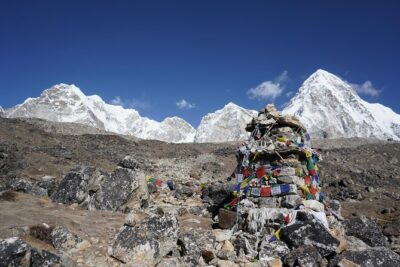
Browse the lists this tour appears in