
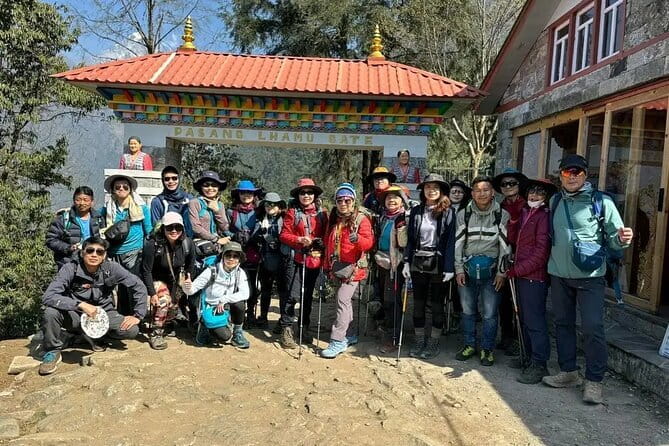
Reviewed · EVEREST BASE CAMP TREKS
14 Days Everest Base Camp Trek
The big draw here is the classic Everest Base Camp route, with the thrilling Lukla flight, Sherpa villages, high suspension bridges, and two major viewpoints: Everest Base Camp at 5,463 meters and Kala Patthar at 5,450 meters. You get the full mountain story in 14 days, not just a quick walk toward the famous peak.
I like the built-in acclimatization days at Namche Bazaar and Dingboche, and I like that the package includes a licensed guide, porters, meals, permits, domestic flights, and a medical kit. The company also has a strong record of careful support, with names such as Nabin, Shanta, and Santaji associated with its trekking operation.
The main caution is altitude. This is a serious high-altitude trek, not a sightseeing stroll. You must have strong physical fitness, travel insurance, and patience for possible weather delays on the Lukla flights. Also confirm exactly what accommodation and personal expenses are covered before paying.
Key points to know before booking
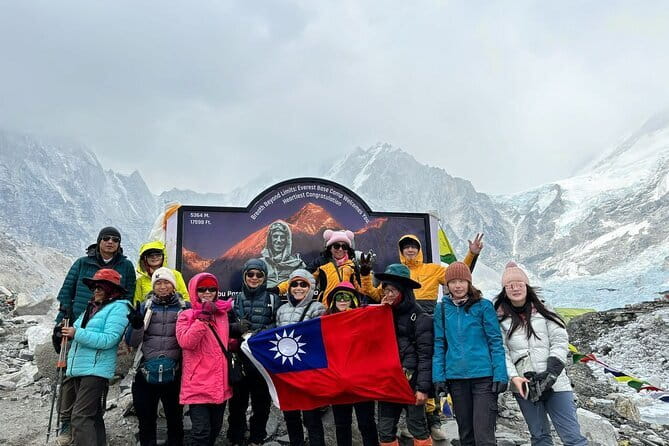
- Lukla flight included: The route begins with a flight from Kathmandu to the mountain airstrip at Lukla, followed by a return flight at the end.
- Two acclimatization days: Time in Namche Bazaar and Dingboche includes short hikes rather than complete rest.
- Everest Base Camp and Kala Patthar: You visit both the base camp area and the sunrise viewpoint above Gorak Shep.
- Meals and permits covered: The package includes 13 breakfasts, 13 dinners, 11 lunches, government charges, national park entry, and taxes.
- Private group format: Only your own group participates, with an experienced licensed guide and porters.
- High-altitude demands: The itinerary reaches above 5,400 meters, so fitness, insurance, and careful pacing matter.
Why this 14-day route works
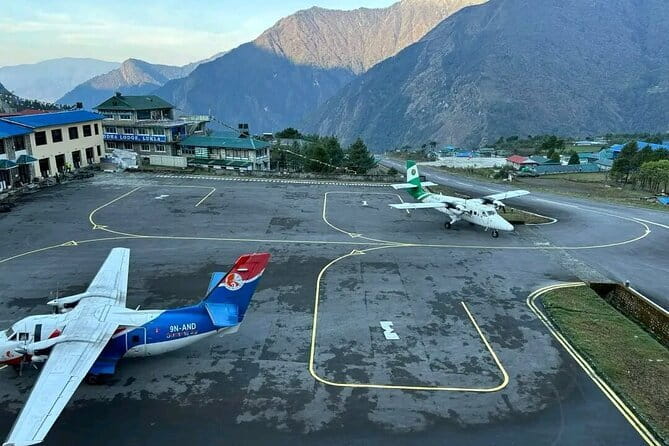
This trek follows the standard approach to Everest from the south. You begin in Kathmandu, fly to Lukla, and walk through the Khumbu region toward Base Camp. The route rises gradually, with planned stops that help your body adjust before the highest days.
That pacing matters. The trek is not simply a matter of walking farther each day. At high altitude, even a modest climb can feel hard. The two acclimatization days give you useful time in Namche and Dingboche while still keeping your legs moving.
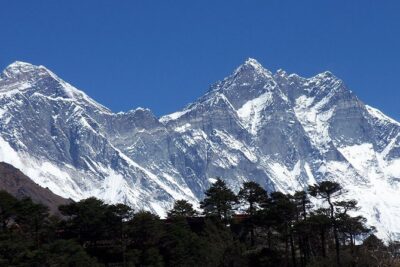
You also get more than a mountain viewpoint. The route passes through Sherpa settlements, Buddhist cultural sites, suspension bridges, memorials to climbers, and valleys framed by peaks such as Ama Dablam, Thamserku, Taboche, and Island Peak. The mountain setting is the headline, but the villages and local life give the trek its character.
At $1,680 per person, the price is reasonable for a private 14-day package that includes the guide, porters, domestic flights, meals, permits, taxes, airport transfers, and medical supplies. It is not an all-inclusive holiday. You still pay for insurance, Nepal’s entry visa, tips, drinks, personal purchases, emergency rescue, and extra food or beverages. Clarify accommodation coverage as well, since overnight stays are scheduled but lodging is not clearly itemized in the included-cost list.
Other treks that start from Kathmandu:
- Everest Base Camp Trek – 14 Days
★ 5.0 · 1,499 reviews - Everest Base Camp Helicopter Tour landing at Everest View Hotel
★ 5.0 · 668 reviews - Everest Base Camp Trekking
★ 5.0 · 485 reviews
Days 1 and 2: Kathmandu to Lukla
Your first day begins with airport pickup in Kathmandu. A representative from Magic Himalaya Treks and Expeditions meets you at Tribhuvan International Airport, then takes you to your hotel. This is a useful service after an international flight, especially if Nepal is new to you.
The second morning shifts quickly from city travel to mountain travel. Your guide picks you up at the hotel and takes you to Kathmandu’s domestic terminal. The flight to Lukla is one of the most memorable parts of the trip, not simply a transfer. Lukla is the gateway to the Everest region, and landing there puts the scale of the trek into focus.
After meeting the porters, you start walking. The first trekking day lasts about five hours. The itinerary describes the route as a descent toward the trail, so expect a gentle introduction rather than an immediate high-altitude grind.
You should keep your day flexible. The schedule depends on flights, and the package notes that poor weather can cause cancellation or a change of date. A buffer after the trek is wise if you have an important international flight from Kathmandu.
Day 3: The trail to Namche Bazaar
You continue along the Dudh Koshi River, crossing suspension bridges as the trail works toward Namche Bazaar. Lunch is planned at Jorsalle, a village near the entrance to the higher Khumbu route.
This is a six-hour walking day, and it introduces the steady rhythm of the trek: breakfast, a long morning on foot, lunch in a village, then a slower afternoon climb. The suspension bridges are a memorable feature, but they also signal that the trail is becoming more remote and more rugged.
Namche is one of the key stops on the route. It is a natural place to rest, eat, and prepare for higher elevations. You should not judge the trek by how you feel here. Some people feel fine in Namche and struggle later, while others need more time to adjust.
Day 4: Acclimatization around Namche
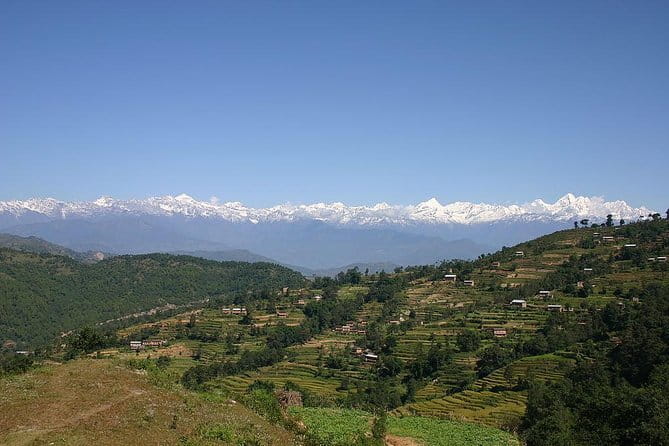
Day four is officially a rest day, but the plan includes about four hours of walking. That is a sensible choice. A short hike helps you adjust while giving you a chance to see more of the area without moving your overnight base.
The options include Syangboche viewpoint or an Everest viewpoint. The exact choice may depend on weather and how the group is feeling. These walks offer some of the first broad mountain views of the trip, and they make Namche more than just a place to sleep.
I like this approach because a complete day indoors can leave you stiff and restless. Still, do not treat the acclimatization hike as a challenge to conquer. The goal is to walk high and sleep lower, not to prove how fast you can climb.
A few more things to do in Kathmandu worth a look
- Nagarkot Sunrise View and Day Hiking from Kathmandu
★ 5.0 · 471 reviews - Annapurna Circuit Trek with Tilicho Lake
★ 5.0 · 368 reviews - Everest Base Camp Trekking – 13 Day
★ 5.0 · 365 reviews - Everest Base Camp Trek -14 Days
★ 5.0 · 321 reviews
Day 5: Tengboche and the first major mountain views
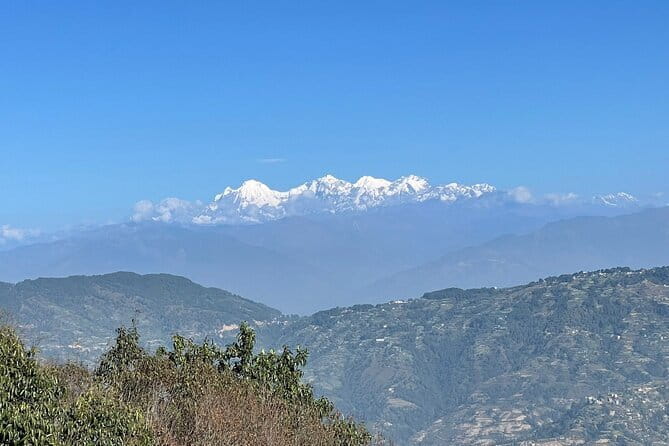
The route to Tengboche takes about six hours and is described as one of the most scenic days. You walk with views toward Everest and other Himalayan peaks, including Ama Dablam, Thamserku, and Taboche.
Tengboche is an important stop on the route, and its setting gives the day a strong sense of arrival. The trail brings you farther into the mountain region, where the peaks begin to feel less like distant scenery and more like the walls of the valley.
The walking itself remains demanding. You are gaining height, and the trail can include long climbs and descents. Your guide’s pacing matters here. The company’s strongest praise centers on guides who provide encouragement without turning the trek into a race. That kind of calm support is valuable when your breathing becomes harder than expected.
Days 6 and 7: Dingboche and a 5,000-meter acclimatization hike
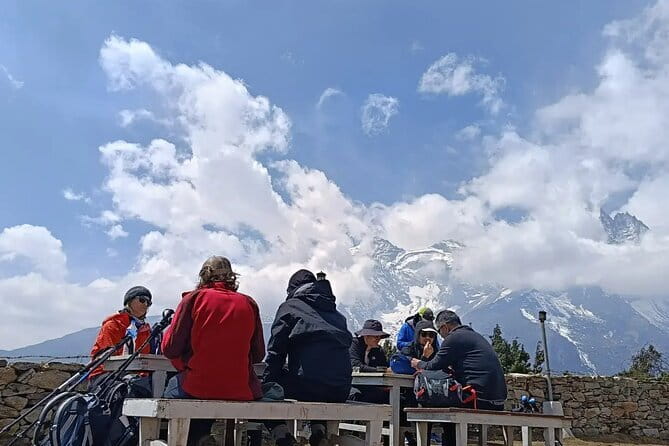
On day six, you walk for about four to five hours to Dingboche, passing Pangboche and Sanasa. The shorter schedule gives you time to reach the village around lunch and settle in. Ama Dablam is a major visual feature of this part of the route.
Dingboche is the second major acclimatization base. The next day includes a hike to Nangkartshang Hill, at roughly 5,000 meters. From the hill, you can see the Imja Tse Valley, Island Peak, Ama Dablam, and other high peaks.
This is a useful but demanding day. The climb itself is not just a scenic extra. It gives your body more time at altitude before the route rises toward Lobuche and Gorak Shep. You should expect slow progress, frequent pauses, and cold conditions.
The itinerary lists about four hours for this hike, but time at high altitude can feel longer than the clock suggests. Bring patience. If you feel unwell, tell your guide early. No viewpoint is worth hiding symptoms.
Day 8: Lobuche and the Thukla memorials
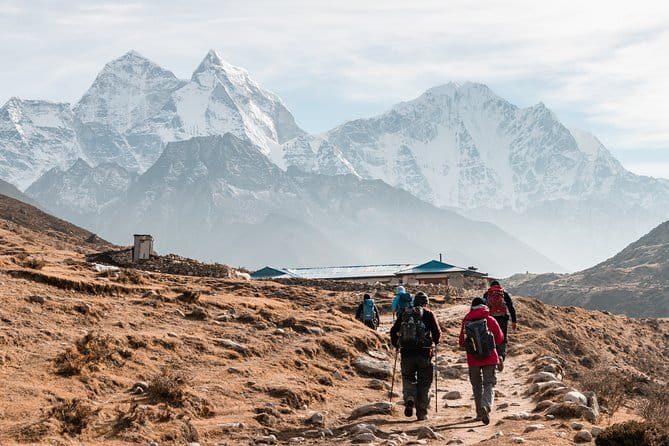
The walk to Lobuche takes about six hours and passes through Thukla and Thukla Pass. The memorials at Thukla honor climbers who died in the Himalayas. This is one of the most sobering places on the route.
The memorials change the mood of the trek. Until this point, it is easy to focus on scenery, village stops, and personal achievement. At Thukla, you are reminded that Everest is not a harmless backdrop. High mountains demand judgment, preparation, and respect.
Lobuche puts you close to the final approach. The air is thinner, the nights are colder, and the walking becomes more exposed and strenuous. Keep your expectations realistic. Reaching this point is already a major accomplishment, even before Base Camp.
Day 9: Gorak Shep and Everest Base Camp
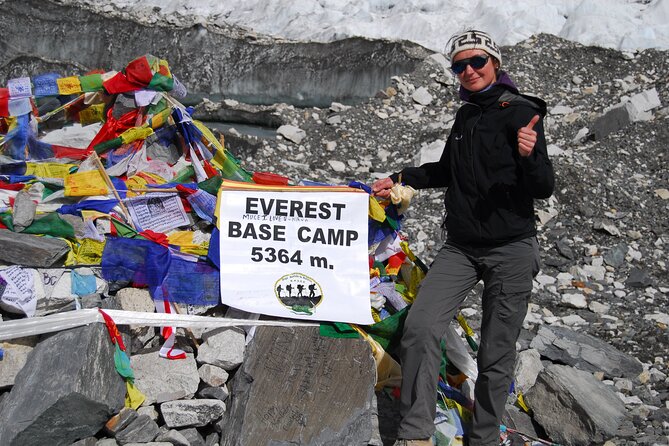
Day nine is one of the longest days. You walk to Gorak Shep in the morning, have a light lunch, and then continue for about two hours toward Everest Base Camp.
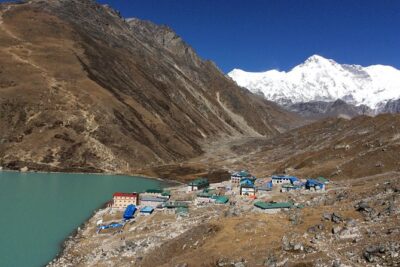
The route to Base Camp crosses the Khumbu glacier area, where the trail can feel rough and uneven. The base camp changes over time as the glacier shifts, so the exact appearance and position are not fixed. The attraction is not a permanent camp with a grand building. It is the arrival point at the foot of the Everest climbing route, surrounded by huge glacial terrain and high peaks.
The altitude makes this day hard. You may feel tired, short of breath, or headachy. The walk back to Gorak Shep after reaching Base Camp can be just as demanding as the approach. Keep your pace slow, drink according to your guide’s advice, and save energy for the return.
The package includes a medical kit and required medicine for the trek, but that is not a substitute for travel insurance or an emergency rescue policy. Rescue costs are specifically excluded.
Day 10: Kala Patthar at sunrise
You rise early for the climb to Kala Patthar, reaching the top around sunrise after tea. At 5,450 meters, this is another serious high-altitude effort, but it is also one of the most rewarding viewpoints on the route.
Kala Patthar is known as one of the closest viewpoints for seeing Everest. You stop for photographs and time to take in the mountains, then descend to Gorak Shep for breakfast before continuing down the trail.
The early start serves a purpose. Morning conditions often offer the clearest mountain views, though weather can still change quickly. Bring warm layers and keep your camera protected from the cold. The descent is easier on the lungs but can be tiring on the knees.
Day ten also begins the return journey. That shift can feel strange. You have reached the main goals, but you still have several long days of walking ahead.
Days 11 and 12: Returning through Namche to Lukla
The route drops toward Namche Bazaar on day eleven, passing Pangboche and Tengboche. The walk takes about six hours, with lunch planned at Phortse Tenga. Reaching Namche gives you a welcome change of pace after the stark high-altitude settlements above Gorak Shep.
The itinerary specifically mentions enjoying the bars and pubs in Namche. This is one of the few chances to relax socially on the route, but alcohol is not included and can be a poor choice while your body is still recovering. The company lists all bar bills, including alcoholic and non-alcoholic drinks, as personal expenses.
Day twelve is the final trekking day and one of the longest, at about seven to eight hours. You walk from Namche to Lukla, stopping for lunch at Phakding. The mood shifts toward celebration, and the plan includes a final gathering to thank and celebrate with the porters.
That moment matters. Porters carry much of the practical burden of a Himalayan trek, and tips are listed as compulsory. Budget for this before departure rather than treating it as an afterthought.
Days 13 and 14: Flying back to Kathmandu
On day thirteen, you go to the airport after breakfast, depending on the flight schedule. Once back in Kathmandu, a private driver transfers you to your hotel, and the day is set aside for rest. Breakfast is provided.
The return flight may not run at the exact hour you expect, since Lukla flights depend on conditions and operations. Keep your plans loose and avoid scheduling an international departure immediately afterward.
Day fourteen is your departure day, with breakfast before your flight home. The package includes airport pickup and private transportation in Kathmandu, but your international flight and departure tax are not included.
What the $1,680 price covers
The strongest value comes from the number of major costs bundled into one private trek:
- Round-trip Kathmandu to Lukla flights for you and the guide
- Airport pickup and private Kathmandu transfers
- A licensed guide and required porters, including their salary and expenses
- Government taxes and VAT
- Khumbu Municipality charges
- Sagarmatha National Park entrance fee
- A medical kit and required trek medicines
- 13 breakfasts and 13 dinners
- 11 lunches
The package does not cover personal spending, drinks, extra meal items, tips, Nepal’s entry visa, international flights, departure tax, travel insurance, or emergency rescue.
One point deserves a direct question before booking: accommodation. Overnight stays are part of the daily plan, and day thirteen specifically says accommodation and breakfast are provided, but the included list does not clearly spell out all lodging costs. Ask the operator what type of accommodation is included in each mountain village and if any supplement applies.
Who should book this trek
You should consider this trip if you want the classic Everest route, prefer a private group, and are comfortable walking for several hours on most trekking days. It suits someone who values logistical support, since the guide, porters, flights, permits, meals, transfers, and medical kit are arranged together.
You also need strong physical fitness. The route reaches more than 5,400 meters and includes long days, steep sections, cold conditions, and uncertain flight timing. The operator requires good fitness, and that requirement should be taken seriously.
This is not the right choice if you want a relaxed holiday, dislike early starts, or need a fixed schedule with no room for weather delays. It also may not suit you if you have not arranged travel insurance that covers high-altitude trekking and emergency evacuation.
Magic Himalaya’s support is one of the more appealing parts of the package. The company’s trekking team, including Nabin, Shanta, and Santaji, is associated with careful planning, friendly guide and porter service, and encouragement when altitude becomes difficult. That does not remove the physical risks, but it can make the long route feel more manageable.
Should you book the Everest Base Camp Trek?
I would book this trek if you want the standard Everest Base Camp experience in a private format and value having the major logistics handled for you. The itinerary includes the two acclimatization bases that matter most, reaches both Base Camp and Kala Patthar, and gives you time in the Sherpa communities along the route.
Before committing, confirm the accommodation details, tip expectations, rescue arrangements, and flight flexibility. Make sure your insurance covers this altitude, and leave spare time around the Lukla flights.
The cancellation policy allows a full refund if you cancel at least 24 hours before the start time. Weather or minimum-group cancellations can lead to a different date or a full refund. With those points checked, the $1,680 price offers solid value for a demanding, carefully supported Himalayan trek.
FAQ
How long is the Everest Base Camp Trek?
The trek lasts approximately 14 days, including arrival and departure in Nepal, the Lukla flights, the walk to Base Camp, the return trek, and time in Kathmandu.
Where does the trek begin?
The experience begins in Kathmandu, Nepal. Airport pickup is offered at Tribhuvan International Airport.
Is the Lukla flight included?
Yes. Round-trip Kathmandu to Lukla air tickets are included for the guide and clients.
Are meals included?
Yes. The package includes 13 breakfasts, 13 dinners, and 11 lunches. Extra items and alcoholic or non-alcoholic drinks are not included.
Are permits and government fees included?
Yes. The price includes Khumbu Municipality charges, Sagarmatha National Park entrance fees, government taxes, and VAT.
Are a guide and porters included?
Yes. An experienced licensed guide and required porters are included, along with their salaries and expenses.
Does the trek visit both Everest Base Camp and Kala Patthar?
Yes. The itinerary includes Everest Base Camp at about 5,463 meters and an early morning hike to Kala Patthar at about 5,450 meters.
Do I need travel insurance?
Yes. Travel insurance is not included, and you are responsible for arranging it. Emergency rescue costs are also excluded.
Can I cancel for a full refund?
You can cancel for a full refund if you do so at least 24 hours before the experience start time. Weather or minimum-participant cancellations may result in a different date or a full refund.
Just added in Kathmandu
- Luxury Everest Base Camp Trek -11 Days★ 5.0 · 7 reviews
- Everest Base Camp Helicopter Tour★ 5.0 · 3 reviews
- Everest Base Camp Helicopter Tour★ 5.0 · 17 reviews
- Everest Base Camp Helicopter Tour★ 5.0 · 11 reviews
- Everest Base Camp Helicopter Tour with Stop at Everest View Hotel★ 5.0 · 19 reviews
- Everest Base Camp Helicopter Tour★ 5.0 · 4 reviews
- Everest Base Camp Heli Tour★ 5.0 · 15 reviews
- Short Everest Base Camp Trek 10 Days★ 5.0 · 8 reviews
Everest Base Camp Treks, compared.
Everest Base Camp Helicopter Tour landing at Everest View Hotel
Read our review →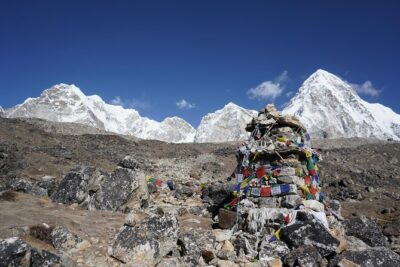
Browse the lists this tour appears in