
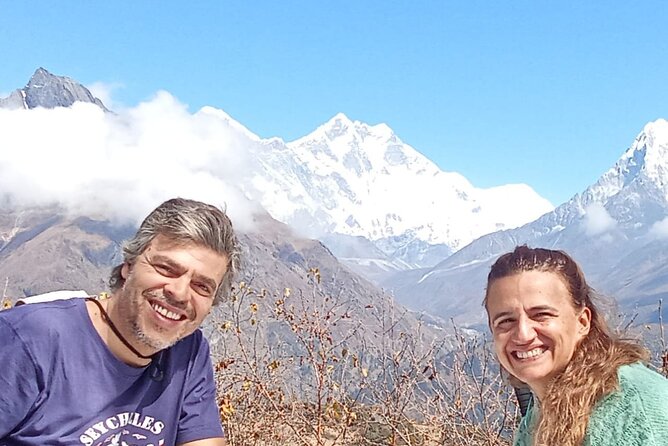
Reviewed · EVEREST BASE CAMP TREKS
Everest Base Camp Trek Via Gokyo Lake and Cho La Pass
The finest feature here is the route itself: you get Everest Base Camp and Kala Patthar, then cross Cho La Pass to reach the quieter Gokyo Valley. I like that this trek shows you two sides of the Khumbu, the famous Everest trail and the striking chain of high lakes.
I also like the practical setup. Domestic flights, permits, meals, teahouse beds, airport transfers, a licensed guide, and porter support are included. The main drawback is clear: this is a serious high-altitude trek, not a comfortable walking holiday. Cho La can be icy, the days are long, and flight delays may add costs.
Key points to know
- Two classic routes in one trip: Reach Everest Base Camp, then cross Cho La to Gokyo.
- Kala Patthar sunrise: The early climb gives you one of the best planned viewpoints of Everest.
- High-altitude challenge: Cho La Pass and the approach to Base Camp require good fitness and patience.
- Useful inclusions: Flights, permits, meals, teahouses, guide, porter support, and a trekking duffel are covered.
- Small private group: Only your own group takes part in the activity.
- Sherpa culture along the trail: Namche, Tengboche, Pangboche, Khumjung, and other villages add human depth to the walk.
Why this Everest route is worth the extra effort
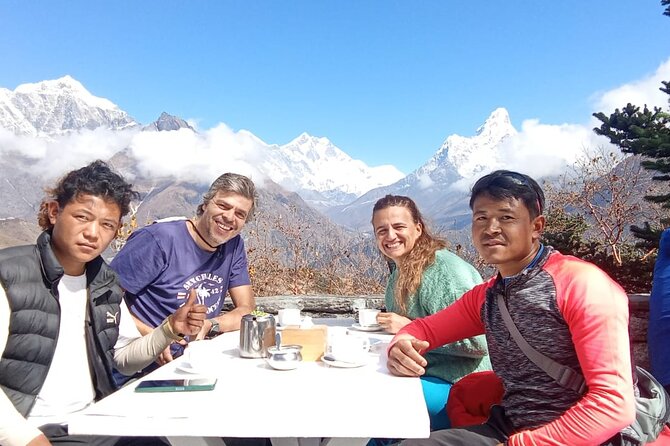
The standard Everest Base Camp route is already a major Himalayan walk. This version adds Gokyo Lakes and Cho La Pass, giving you more variety and a stronger sense of the Khumbu region.
You begin with the familiar trail toward Namche Bazaar and Tengboche. After reaching Everest Base Camp, you turn toward Dzongla, cross Cho La, and enter the Gokyo Valley. That change matters. Instead of simply walking up and back along one corridor, you make a high mountain crossing and see a quieter side of the region.
I especially like the contrast between the two sections. The Everest side brings famous names, memorials, monastery visits, and the excitement of reaching Base Camp. Gokyo brings broad mountain views, blue-green lakes, and a calmer finish before the descent to Namche.
The route is listed at about 14 days, with a price of $1,000 per person. For a private trek, that is a useful package because several costly and essential services are already covered. You still need to budget for equipment, insurance, tips, visa fees, food in Kathmandu, showers, Wi-Fi, charging, and possible extra nights.
Other treks that start from Kathmandu:
- Everest Base Camp Trek – 14 Days
★ 5.0 · 1,499 reviews - Everest Base Camp Helicopter Tour landing at Everest View Hotel
★ 5.0 · 668 reviews - Everest Base Camp Trekking
★ 5.0 · 485 reviews
Kathmandu arrival and the flight to Lukla
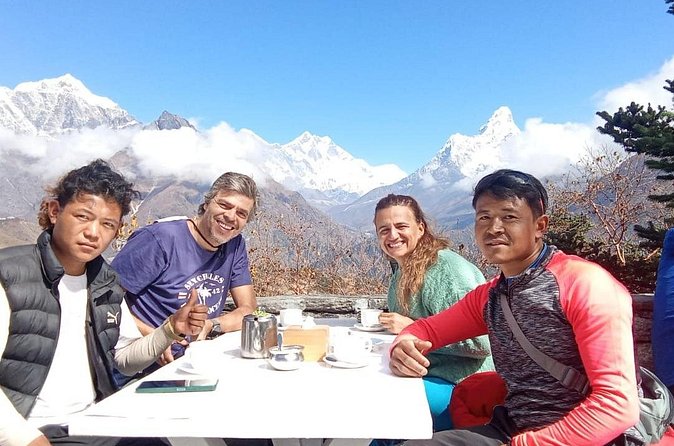
Your trip begins at Tribhuvan International Airport, where a guide meets you with a sign bearing your name. Airport transfer and one hotel night with breakfast are included.
The first day also includes a trek briefing and gear check. Use this time well. Check your boots, warm layers, gloves, headlamp, water system, and any rented equipment before leaving Kathmandu. Personal trekking gear is not included, although you can rent it in the city.
The next morning, you take a scenic domestic flight to Lukla. From there, the trail starts through Sherpa villages toward Phakding. The first walking day is relatively short compared with the higher stages, but it gives you time to settle into the pace, meet the support team, and learn how teahouse trekking works.
Domestic mountain flights can be affected by weather. The package includes the planned return flights, but extra hotel nights caused by delays are not included. Travel insurance is mandatory, and it should cover trekking at the altitude reached on this route.
Namche Bazaar and the first acclimatization pause
The trail from Phakding continues toward Namche Bazaar, crossing suspension bridges and entering Sagarmatha National Park. You also get your first glimpse of Everest on this section, weather permitting.
Namche is more than a stop for the night. It is the main trading and service center of the trek, and it gives your body a valuable chance to adjust to the growing altitude. The itinerary includes a rest and exploration day here.
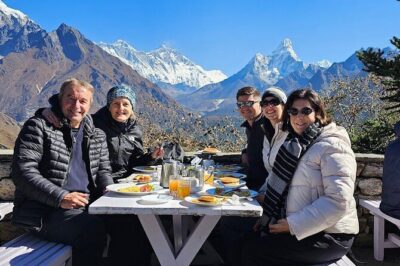
An optional hike leads toward the Everest View Hotel at 3,880 meters. You can also visit the local market and Sherpa museum. I like this day because it adds context to the mountains. You are not simply walking through scenery. You are passing through a working Sherpa community with its own history, trade, and mountain traditions.
Do not treat the rest day as wasted time. At this altitude, the pause is part of the route design. It may be tempting to push onward, but a steady schedule is a much better choice than rushing and struggling later.
Tengboche and Dingboche: monasteries and thinner air
From Namche, you walk through pine forest with views toward Thamserku and Everest before reaching Tengboche. The monastery is the main attraction here, and it gives the trek a strong cultural center.
Tengboche is also a good reminder that the route is not only about summits and photographs. Buddhist monasteries, prayer traditions, and Sherpa villages shape everyday life in the Khumbu. Take time to look around rather than treating the monastery as a quick photo stop.
The next stage reaches Dingboche after crossing the Imja Khola and passing through Pangboche. This is where the altitude begins to feel more serious for many people. The walk is listed at about six hours, but your actual pace will depend on conditions and how your body responds.
You should expect slower movement, more frequent rests, and colder mornings as you go higher. The included guide and porter support are helpful here, but they do not remove the need to carry your own day bag and manage your personal gear carefully.
A few more things to do in Kathmandu worth a look
- Nagarkot Sunrise View and Day Hiking from Kathmandu
★ 5.0 · 471 reviews - Annapurna Circuit Trek with Tilicho Lake
★ 5.0 · 368 reviews - Everest Base Camp Trekking – 13 Day
★ 5.0 · 365 reviews - Everest Base Camp Trek -14 Days
★ 5.0 · 321 reviews
Lobuche, memorials, and the approach to Base Camp
The trail from Dingboche leads toward Lobuche through increasingly open alpine terrain. Along the way, you pass memorials dedicated to climbers who died on Himalayan expeditions.
These memorials change the mood of the trek. Everest is often presented as a grand adventure, but the stones and monuments near Lobuche show its risk and cost. Give yourself time to stop and reflect.
Lobuche is a staging point for the Base Camp push. The route is not technically described as a mountaineering expedition, but the altitude makes even ordinary walking demanding. Keep your breathing steady, follow your guide’s advice, and do not judge your progress by how fast anyone else moves.
Everest Base Camp and the Kala Patthar sunrise
From Lobuche, you continue to Gorak Shep and follow the Khumbu Glacier toward Everest Base Camp. The day is listed at about eight hours, with time at Base Camp for photographs and the return to Gorak Shep.
Base Camp itself is an emotional goal, but the views are not always the classic Everest image people expect. The glacier, moraine, surrounding peaks, and expedition activity make it memorable, yet the finest broad view of Everest on this itinerary comes from Kala Patthar.
The following morning begins early with a climb to Kala Patthar for sunrise. This is one of the strongest parts of the trip. You gain a wide view of Everest and the surrounding peaks as the light changes, then descend through Lobuche toward Dzongla.
The early start and cold can be tough. Still, if you are choosing between a simple Base Camp visit and this longer route, Kala Patthar is a major reason to accept the extra effort.
Cho La Pass: the hardest day on the route
The crossing from Dzongla to Gokyo is the trip’s most demanding section. You leave early to cross the icy Cho La Pass, then descend into the Gokyo Valley. The day is listed at about eight hours.
Conditions on a high pass can change the experience. Ice, cold, wind, altitude, and uneven ground may all slow you down. The itinerary describes this as a thrilling crossing, but you should read that as a serious physical challenge rather than a casual scenic walk.
This is where your fitness, footwear, clothing, and attitude matter most. Bring proper traction if your guide advises it, keep warm during pauses, and protect water from freezing. The supplied information does not state that technical climbing equipment is provided, so ask the operator before departure what is required for current conditions.
Emergency oxygen is part of the stated safety support. That is reassuring, but oxygen is not a substitute for acclimatization or good decisions. Travel insurance remains essential.
Gokyo Lakes and a quieter mountain setting
After Cho La, you descend into Gokyo Valley. The next morning includes a climb for wide views toward Everest, Cho Oyu, and Makalu, followed by visits to the third and fourth Gokyo Lakes.
This section gives the trek its strongest change of mood. The Everest Base Camp trail can feel focused on a single famous destination. Gokyo is about open views, high lakes, and the pleasure of reaching a less direct route.
The third and fourth lakes are specifically included, so you have time to see more than the first body of water near the settlement. The views depend on weather, but the combination of lakes and giant peaks is the payoff for crossing Cho La.
You should also remember that this is not an easy recovery day. The valley remains high, and the climb for viewpoints comes after the pass crossing. Enjoy it at a measured pace.
The return through Dole, Machhermo, and Namche
From Gokyo, the route descends through Machhermo and Dole before returning to Namche Bazaar. This seven-hour day gives you a chance to see familiar places from a different direction.
The descent is welcome after the high route, but downhill walking can still be hard on knees and feet. Trekking poles are useful, though they are not included. Namche offers the practical reward of a hot shower and a proper rest before the final walk to Lukla.
The last trekking day follows the Dudh Koshi River toward Lukla and takes about seven hours. By this point, you may be tired, but the river corridor and the knowledge that the main walking is finished can make the day feel lighter.
An early morning flight returns you to Kathmandu on Day 14. You have free time for rest, shopping, or an optional massage. The trip ends back at the airport meeting point, with a hotel night or transfer available as an optional arrangement.
What the $1,000 price really covers
The price is strongest when you look at what is included rather than comparing it with a basic room-and-guide rate. The package covers:
- Round-trip Kathmandu to Lukla flights
- One Kathmandu hotel night with breakfast
- Twelve nights in twin-sharing teahouses
- Breakfast, lunch, and dinner during the trek
- A licensed English-speaking guide
- Porter support at a ratio of one porter for two trekkers
- Sagarmatha National Park and TIMS permits
- Airport transfers
- A trekking duffel bag for temporary use
- Government taxes and trekking service charges
That is a useful amount of coverage for a private trip. Meals and lodging are handled along the trail, and the guide and porter arrangement reduces the weight and planning burden.
The price does not include international flights, a Nepal visa, Kathmandu lunches and dinners, personal clothing and equipment, insurance, tips, hot showers, Wi-Fi, battery charging, or extra nights caused by flight delays. These costs can add up, so I would not treat $1,000 as the complete trip budget.
Twin-sharing teahouse accommodation is practical rather than luxurious. You should expect simple rooms and shared facilities, with comfort becoming more basic at higher elevations. The included meals make budgeting easier, but personal snacks and drinks are separate expenses.
Who should book this private trek
This trip suits you if you want the major Everest highlights but do not want to repeat the same trail in both directions. It is a good fit for a fit hiker who accepts long days, simple accommodation, cold conditions, and a demanding pass crossing.
The private format is useful if you want the pace and support to focus on your own group. It may also suit first-time high-altitude trekkers who want a guide, porter support, permits, flights, and meals arranged in one package.
I would not choose it if you want short walks, easy access, polished hotels, or a flexible schedule with no weather risk. You also need a moderate level of physical fitness, as stated by the operator. The route reaches high altitude quickly enough that preparation matters.
The provider’s other Nepal trips have featured guides such as Udio and Shisir, with particular praise for reassurance, organization, food, and practical help. Your assigned guide is not named in the supplied details, so confirm the guide’s name and experience before departure.
Booking advice and cancellation terms
Confirmation is provided at booking, and the activity is for your private group only. Service animals are allowed, but the long, high-altitude route still requires careful planning.
You can cancel for a full refund up to 24 hours before the start time. Weather or minimum group requirements can also cause cancellation, in which case you are offered another date or a full refund. Since flight disruption is a real concern on this route, ask how the operator handles changes before you pay for extra Kathmandu arrangements.
Should you book this Everest Base Camp route?
Book it if you want more than the standard Base Camp walk. The combination of Everest Base Camp, Kala Patthar, Cho La Pass, and Gokyo Lakes gives you a fuller view of the Khumbu and makes the higher price and extra effort easier to justify.
Skip it if your main goal is a relaxed mountain holiday. Cho La is the deciding factor. If you are fit, properly equipped, insured, and comfortable with a demanding high-altitude day, this is an exciting and well-organized way to connect Nepal’s best-known trail with its more peaceful Gokyo side.
FAQ
How long is the Everest Base Camp trek via Gokyo Lake and Cho La Pass?
The trek lasts approximately 14 days, including arrival and departure in Kathmandu, domestic flights, and the walking route.
Where does the trek begin and end?
It begins at Tribhuvan International Airport in Kathmandu and ends back at the same meeting point after the return flight from Lukla.
Are domestic flights included?
Yes. Round-trip domestic flights between Kathmandu and Lukla are included.
Is accommodation included?
Yes. One night in a Kathmandu hotel with breakfast and 12 nights in twin-sharing teahouses during the trek are included.
Are meals included?
Breakfast, lunch, and dinner are included during the trek. Lunch and dinner in Kathmandu are not included.
Is a guide provided?
Yes. A licensed English-speaking trekking guide is included, along with porter support at a ratio of one porter for every two trekkers.
What major places does the trek visit?
The route includes Namche Bazaar, Tengboche, Dingboche, Lobuche, Everest Base Camp, Kala Patthar, Dzongla, Cho La Pass, Gokyo, Gokyo Lakes, and Lukla.
Do I need travel insurance?
Yes. Travel insurance is mandatory for this experience.
Is personal trekking equipment included?
No. Boots, jackets, poles, and other personal gear are not included. Equipment can be rented in Kathmandu.
Can I cancel for a full refund?
Yes. You can cancel at least 24 hours before the experience start time for a full refund. Poor weather or failure to meet the minimum number of participants may also lead to an alternative date or a full refund.
Just added in Kathmandu
- Traditional Momo Making Class★ 5.0 · 10 reviews
- Women Empowerment Project(Nepali cooking class & jewelry workshop★ 5.0 · 15 reviews
- Kathmandu 2 Nights 3 Days Chitwan Jungle Safari Tour★ 5.0 · 9 reviews
- Walking tour of Kathmandu with awesome local guides★ 5.0 · 4 reviews
- Wildlife Adventure in Chitwan Nepal★ 4.0 · 4 reviews
- Kathmandu to Pokhara Premium sofa bus ticket★ 4.0 · 17 reviews
- Regular Yoga for all levels of practitioners in Kathmandu★ 5.0 · 4 reviews
- Kathmandu Street Food Walking Tour – Eat Like a Local★ 5.0 · 3 reviews
Everest Base Camp Treks, compared.
Everest Base Camp Helicopter Tour landing at Everest View Hotel
Read our review →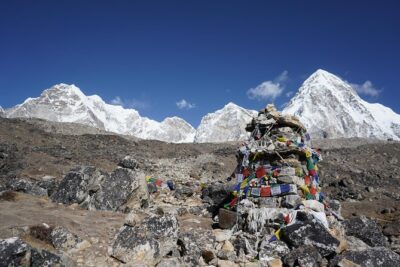
Everest Base Camp Trek with Helicopter Return from Gorakshep to Lukla
Read our review →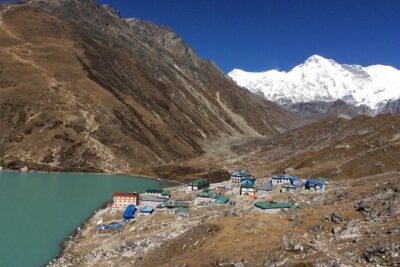
Browse the lists this tour appears in