
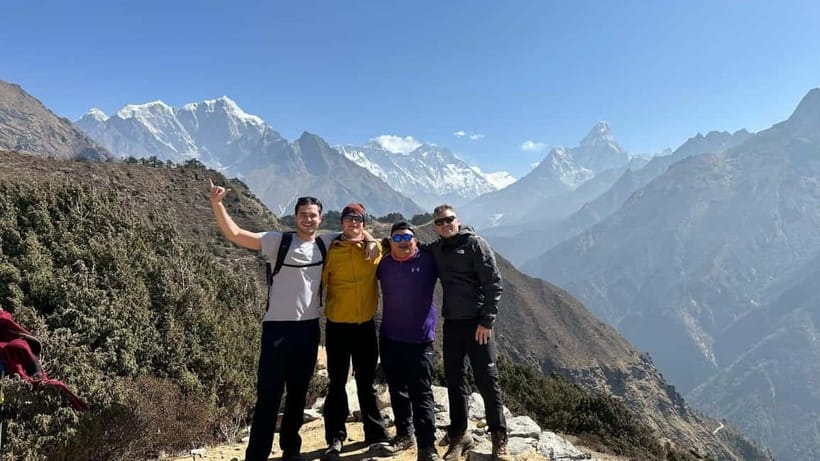
Reviewed · EVEREST BASE CAMP TREKS
From Kathmandu: 12-Day Everest Base Camp Guided Trekking
The payoff here is wonderfully clear: after a mountain flight to Lukla, you walk into the Khumbu Valley and reach Everest Base Camp at 5,364 meters. The route also takes you to Kala Patthar at 5,545 meters, where the high peaks and Khumbu glacier provide the biggest views of the trip.
I like the two built-in acclimatization days, one in Namche Bazaar and one in Dingboche. I also like the practical package: domestic flights, permits, tea-house lodging, a guide, and optional use of a sleeping bag, jacket, and duffle bag are included. The main caution is the pace and altitude. You spend several nights above 4,000 meters, and standard meals, drinks, porter service, and travel insurance cost extra.
Key points before you book
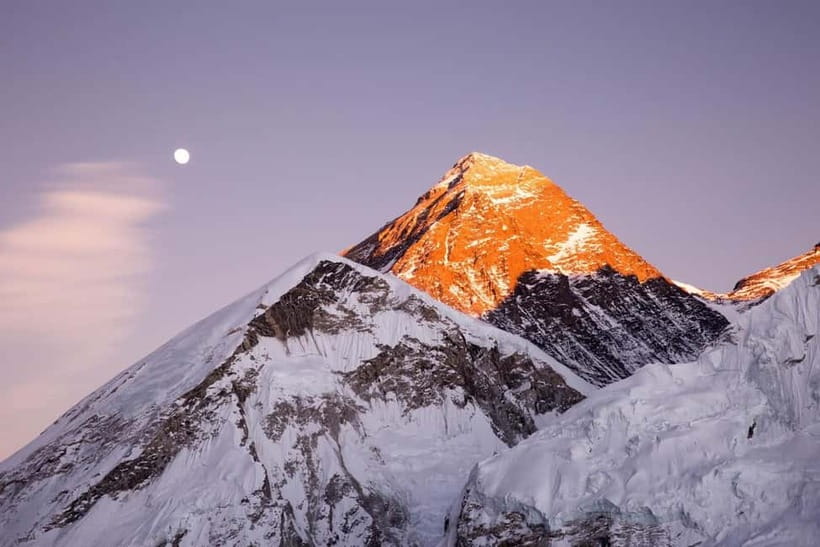
- Five nights at serious altitude: Dingboche is at 4,260 meters, Lobuche at 4,930 meters, and Gorakshep sits near the Everest Base Camp route.
- Kala Patthar is the visual high point: The climb reaches 5,545 meters, higher than Everest Base Camp itself.
- Experienced guides are central to the trip: Padam, Nishan, Rohan, and Adhish have led recent departures, with safety and pacing repeatedly emphasized.
- Flights and permits are included: The package covers the Kathmandu to Lukla flights, national park entry, TIMS fees, and airport transfers.
- Meals are not included: Budget separately for breakfast, lunch, dinner, drinks, hot showers, internet, and any porter service.
- Weather can change the air plan: Lukla flights are weather-sensitive, so a helicopter substitution may sometimes be arranged, though it should not be treated as a standard inclusion.
Lukla to Phakding: the quick start at 2,860 meters
Your first day begins with a hotel pickup in Kathmandu and a flight to Lukla. The flight is short, but it changes the character of the trip at once. You arrive in the mountain region, meet the trekking staff, and begin walking rather than spending a full day on a long road transfer.
The first hike leads to Phakding, where you spend the night in a tea-house lodge. This is a useful opening day because it gets your legs moving without sending you straight to extreme altitude.
The route starts gently compared with what follows, but you should still treat the day as real exercise. Your guide will set the pace, and the small-group format, limited to 15 people, gives the group a better chance of staying together than a large commercial departure.
Other treks that start from Kathmandu:
- Everest Base Camp Trek – 14 Days
★ 5.0 · 1,499 reviews - Everest Base Camp Helicopter Tour landing at Everest View Hotel
★ 5.0 · 668 reviews - Everest Base Camp Trekking
★ 5.0 · 485 reviews
Phakding to Namche Bazaar: the first real climb
Day two takes you to Namche Bazaar at 3,440 meters. This is where the trek begins to feel like a high-altitude expedition rather than a mountain walk.
Namche is an important stop because it serves as the main town of the Khumbu region. You get a second night there, rather than climbing higher immediately. That extra night is one of the smartest parts of the schedule.
I would use the Namche rest day sensibly. The plan is to rest and acclimatize, not to turn the day into another hard hike. You can enjoy the town, keep your energy for the days ahead, and pay attention to how your body responds to the altitude.
Namche to Tyangboche: mountain views with a cultural stop
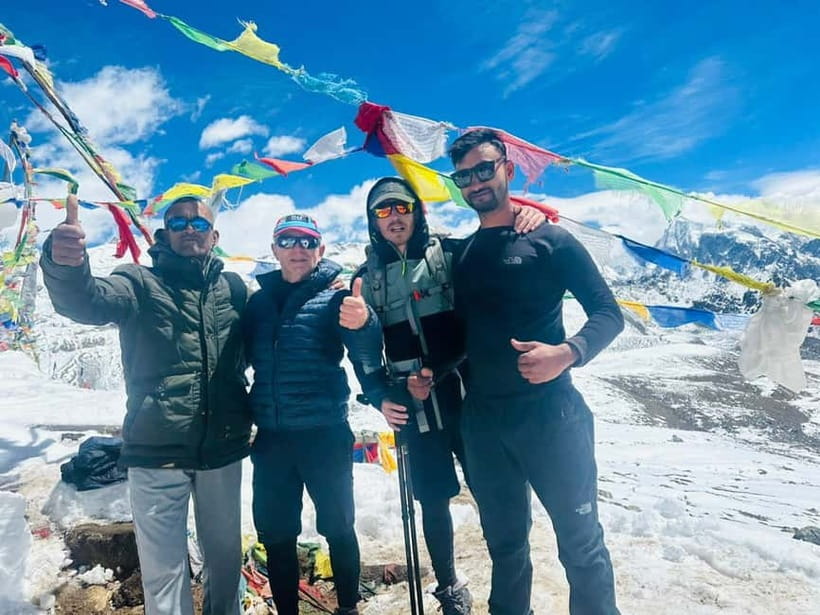
From Namche, the trail climbs to Tyangboche at 3,867 meters. The setting becomes more open and dramatic, with major Himalayan peaks appearing around the route.
Tyangboche is also a meaningful stop because the route passes through one of the best-known settlements in the Khumbu. The schedule gives you the night there, allowing the walk itself, rather than a hurried transfer, to shape the day.
At this point, the altitude is beginning to matter. You may find the distance manageable but the uphill sections slow. That is normal. A good guide should help you walk steadily, drink regularly, and avoid wasting energy by racing the group.
Through Imja Valley to Dingboche at 4,260 meters
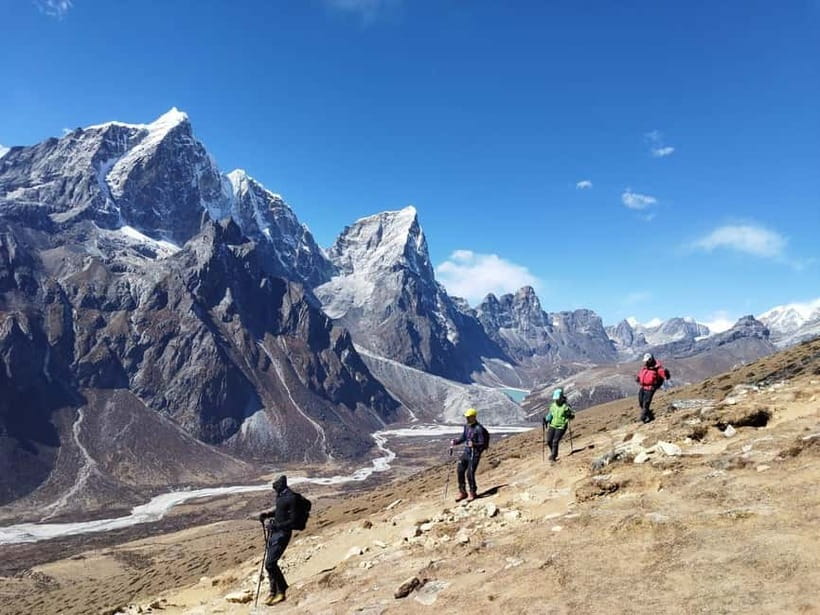
The next day takes you through rhododendron forest and across a suspension bridge over the Imja Khola. From there, the route heads toward Minlinggo and into the Imja Valley.
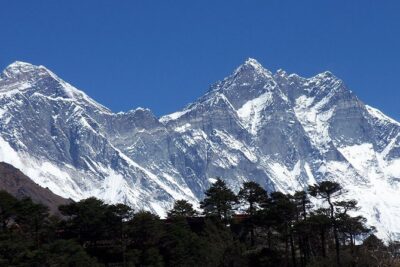
The mountain views become the star here. Ama Dablam, Nuptse, and Lhotse frame the valley, while the route moves toward Dingboche at 4,260 meters. You spend the night in a tea house, then remain for a second night to acclimatize.
Dingboche is one of the most important points on the itinerary. From here onward, the air is thin enough that even ordinary walking can feel demanding. The rest day is not wasted time. It helps your body adjust before the trail climbs toward Lobuche and Gorakshep.
The accommodations are tea houses and lodges, not mountain hotels. Your package includes the lodging, but not standard breakfast, lunch, or dinner. You should also expect to pay separately for drinks, hot showers, and internet access.
A few more things to do in Kathmandu worth a look
- Nagarkot Sunrise View and Day Hiking from Kathmandu
★ 5.0 · 471 reviews - Annapurna Circuit Trek with Tilicho Lake
★ 5.0 · 368 reviews - Everest Base Camp Trekking – 13 Day
★ 5.0 · 365 reviews - Everest Base Camp Trek -14 Days
★ 5.0 · 321 reviews
Dingboche to Lobuche: the route gets tougher
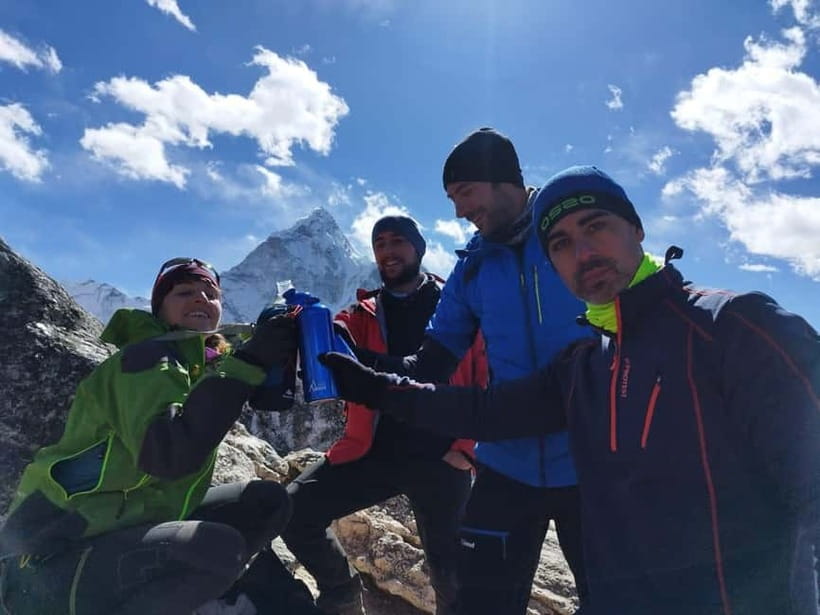
After acclimatizing in Dingboche, you hike for about 5.5 hours toward Lobuche. The plan includes a lunch stop at Dugla before continuing to Lobuche at 4,930 meters.
This section is less about sightseeing from a comfortable viewpoint and more about managing effort. At nearly 5,000 meters, you will notice the altitude. The walk can feel slow, and the cold may be more noticeable, especially at night.
Lobuche is a practical overnight stop before the Everest Base Camp push. You are already high, so there is no reason to expect a normal night’s sleep. A sleeping bag is available to use if requested, which is a useful inclusion for anyone who does not want to carry or buy specialized gear.
The operator also provides a jacket and duffle bag if required or requested. Confirm the arrangement before departure, especially if you are relying on borrowed equipment rather than bringing your own.
Gorakshep and Everest Base Camp at 5,364 meters
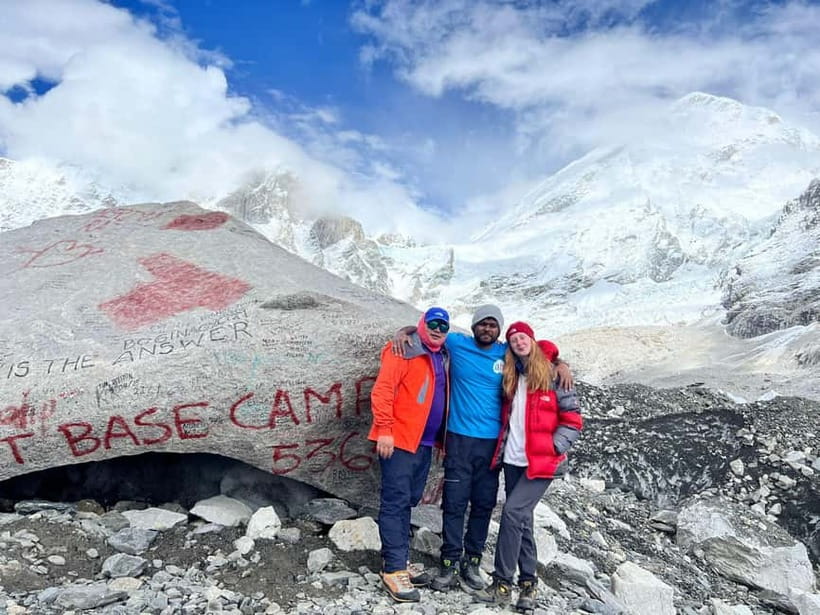
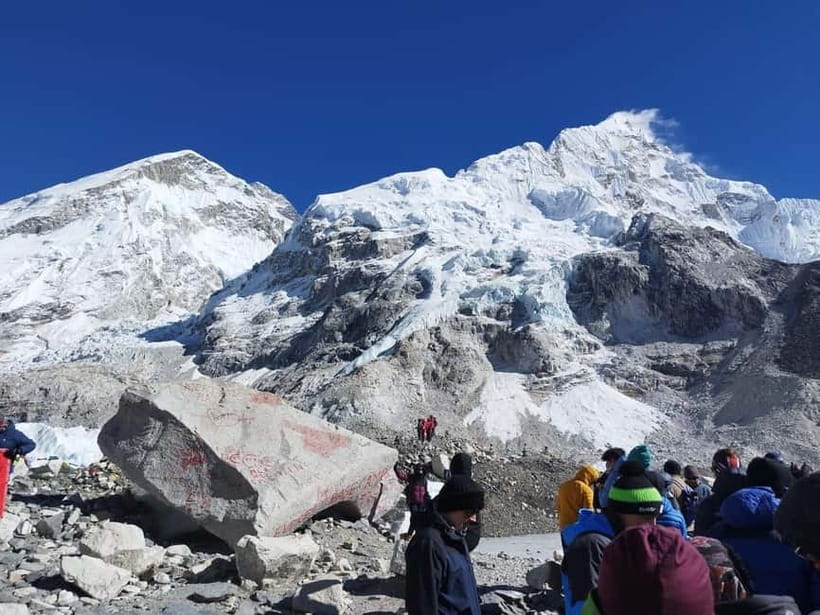
Day eight is the emotional center of the trek. After breakfast in Lobuche, you continue toward Gorakshep and then follow rocky paths beside views of the Khumbu glacier to Everest Base Camp.
Base Camp is at 5,364 meters. Reaching it is a major achievement, but it is worth keeping expectations realistic. You are visiting the staging area used for Everest expeditions, not climbing Everest and not necessarily seeing a permanent camp setup. Conditions and activity can vary.
The approach is rewarding because the route shows you the scale of the Khumbu region. Peaks named in the trip plan include Khumbetse, Nuptse, Lingtren, and Lhotse, with other high summits filling the skyline.
After visiting Base Camp, you return to Gorakshep for the night. This makes for a long and demanding day at very high altitude. You should save your energy for the return walk instead of treating Base Camp as the end of the day.
Kala Patthar to Pheriche: the best panorama
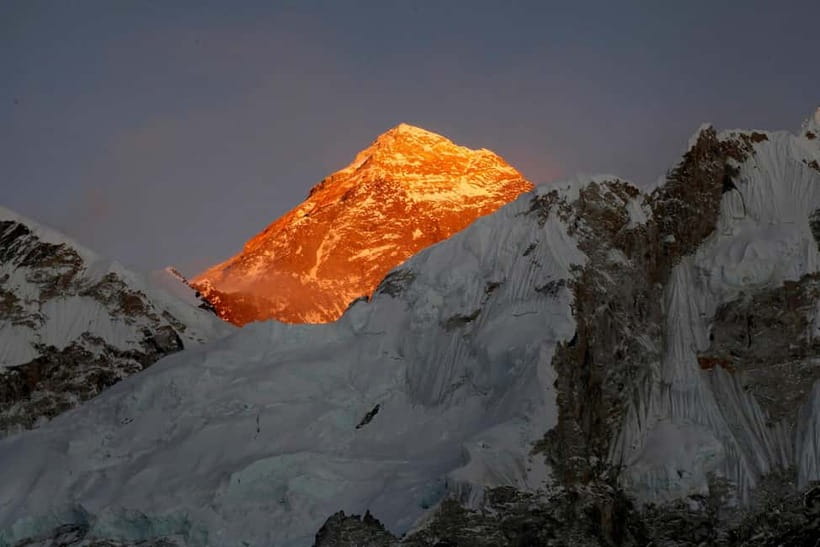
The next morning brings the climb to Kala Patthar at 5,545 meters. This is higher than Everest Base Camp and, for many people, the strongest viewpoint of the entire route.
You then descend to Pheriche at 4,243 meters. That descent matters. Even though the day begins with another high climb, dropping lower gives your body a welcome break from the thin air.
The Kala Patthar section is not a casual add-on. It adds another serious ascent after the Base Camp day. Still, if your legs and health allow it, this is the part I would prioritize. Base Camp gives you the destination; Kala Patthar gives you the broad mountain view.
The return route: Pheriche, Namche, and Lukla
The return schedule takes you back toward Tyangboche and then Namche Bazaar before the final night in Lukla. The supplied day-by-day description repeats Pheriche to Tyangboche and Pheriche to Namche in the Day 10 wording, so you should confirm the exact daily route and overnight location with Welcome Nepal Treks before departure.
The broader plan is clear: descend through the Khumbu, return to Namche, then continue to Lukla. Downhill does not always mean easy. Long descents can be hard on knees and feet, and the trail may still include climbs.
Day 11 ends in Lukla, giving you a final night before the flight to Kathmandu. That buffer is useful because it avoids trying to make a same-day mountain flight connection after a long trek.
On Day 12, you take an early flight back to Kathmandu and receive a transfer to your hotel. Air travel in and out of Lukla depends on mountain weather. A recent departure had its aircraft plan changed to a helicopter because of conditions, and the adjustment was handled professionally. That is encouraging, but you should still keep flexible expectations.
What the $1,002 price really covers
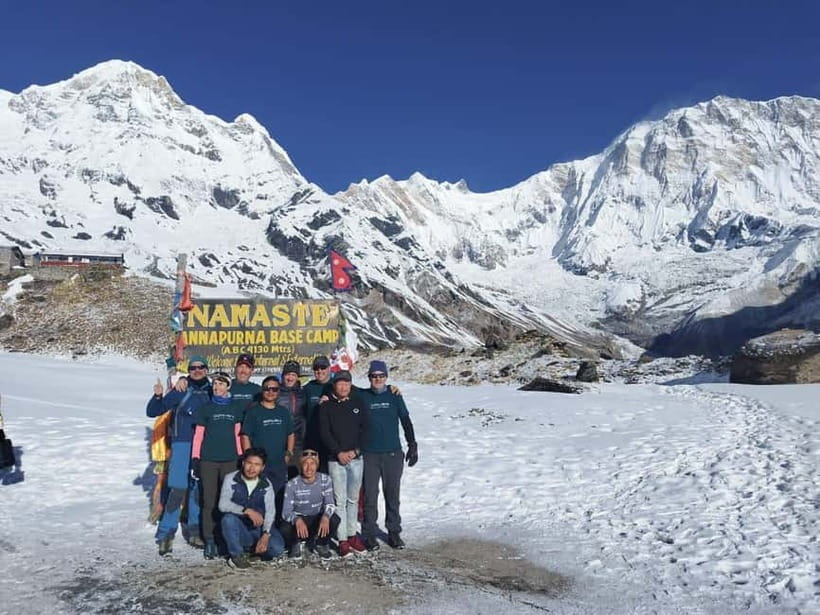
At $1,002 per person, this is not simply a guiding fee. The package includes airport pickup and drop-off, domestic airport transfers, return flights between Kathmandu and Lukla, tea-house accommodation, permits, TIMS fees, government taxes, and official service charges.
It also covers the guide’s salary, food, drinks, accommodation, transportation, and insurance. That matters because guide costs can otherwise become a large hidden expense on a high-altitude trip.
The price does not include your standard meals. You also pay for alcoholic and non-alcoholic drinks, hot showers, internet, and travel insurance. Porter service is extra, with one porter able to carry up to 25 kilograms for two people.
For two people sharing a porter, the added cost may be worthwhile. You should not assume that your guide carries your full luggage. The instructions also say not to bring luggage or large bags, so clarify the bag size and packing system before arriving in Nepal.
The included equipment can improve the value. A jacket, sleeping bag, and duffle bag are available if needed, but you should request them in advance and confirm what is supplied.
The guide makes a real difference
The strongest personal detail from this trip is the role of the guide. Padam has been praised for keeping the mood positive while also making people feel safe in difficult conditions. Nishan has adjusted the pace to suit individual needs, while Rohan and porter Bahla have handled the walking days with care. Adhish has also been singled out for making the trip fun.
Those names do not guarantee your assignment. Guide availability can change. Still, they show the level of personal service this operator has provided on recent departures, and you can ask about the assigned guide before you pay.
The English-speaking guide is not just there to point out peaks. On a route where altitude, weather, fatigue, and flight changes all matter, you want someone who can explain the plan and make sensible adjustments.
Who should book this trek?
This trip suits you if you want a guided Everest Base Camp route with flights and permits arranged in one package. It is also a good fit if you value a small group, but do not need private trekking.
You should be comfortable walking for several hours on mountain trails and staying in basic tea houses. The itinerary includes two acclimatization days, but it remains a demanding 12-day schedule with nights at very high altitude.
I would not choose it if you want comfortable hotels, included restaurant meals, or a relaxed sightseeing holiday. It is not suitable for wheelchair users, pregnant women, or people with heart problems. Travel insurance is not included, so arrange appropriate cover before setting out.
Book it if reaching Everest Base Camp matters more to you than having a polished hotel experience. The combination of flights, permits, lodging, a guide, and gear loans gives the $1,002 price solid value, provided you budget for meals, porter service, drinks, and insurance.
Before booking, confirm the guide, porter cost, equipment loan, meals budget, and the exact Day 10 route. If you are ready for thin air, cold nights, and long walking days, this is a well-structured way to reach Base Camp and add the superb Kala Patthar viewpoint.
FAQ
What is included in the $1,002 price?
The price includes airport pickup and drop-off, domestic transfers, return flights between Kathmandu and Lukla, tea-house accommodation, an experienced guide, national park permits, TIMS fees, government taxes, and official service charges. A jacket, sleeping bag, and duffle bag can be provided if requested.
Are meals included during the trek?
No. Breakfast, lunch, and dinner are not included. Alcoholic and non-alcoholic drinks, hot showers, and internet are also extra.
Is porter service included?
No. A porter can be hired for an additional cost. One porter can carry up to 25 kilograms for two people.
What language does the guide speak?
The live tour guide speaks English.
How large is the group?
This is a small-group trek with a maximum of 15 participants.
Where is hotel pickup available?
Pickup is available from hotels in Kathmandu, Bhaktapur, and Lalitpur.
Can I cancel the booking?
You can cancel up to 24 hours in advance for a full refund. The reserve now and pay later option lets you hold a place without paying immediately.
Just added in Kathmandu
- Kathmandu to Chitwan Tour by Tourist Bus – A Convenient and Affordable Way★ 4.0 · 4 reviews
- Mt Everest Base CampTrek | Budget Package★ 5.0 · 4 reviews
- Chitwan Jungle Safari 3-Day Tour★ 5.0 · 9 reviews
- Changunarayan Hill to Telkot Hike Near Kathmandu Day Tour★ 5.0 · 6 reviews
- Chandragiri Hill Station Tour by Cable Car★ 5.0 · 4 reviews
- Chandragiri Hills cable car day trip, private car with driver from Kathmandu★ 5.0 · 8 reviews
- Chandragiri to Taudaha Nature Day Hiking from Kathmandu★ 5.0 · 13 reviews
- Chandragiri Cable Car & Monkey Temple Private Guided Day Tour★ 5.0 · 5 reviews
Everest Base Camp Treks, compared.
Everest Base Camp Helicopter Tour landing at Everest View Hotel
Read our review →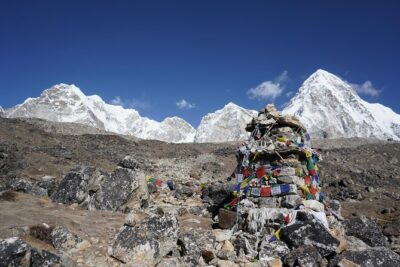
Browse the lists this tour appears in