
Reviewed · NEPALI COOKING CLASSES
Kathmandu: Local Women Lead Nepali Cooking & Momo-Making Class
Kathmandu’s best food lesson may begin before the stove is lit. You walk through a local market in Thamel, choose ingredients, then return to make momos, dal bhat, and other Nepali dishes with local women instructors. I like the market stop because it gives each spice and vegetable a place in everyday life, not just a name on a recipe card. I also like the small maximum of eight people, which should leave room for questions and hands-on work.
The main consideration is that this is a compact three-hour class, so the pace may feel brisk if you want a long market tour or a wide range of dishes. Pickup is available only with the selected option, and specialty drinks and alcohol cost extra.
Key points at a glance
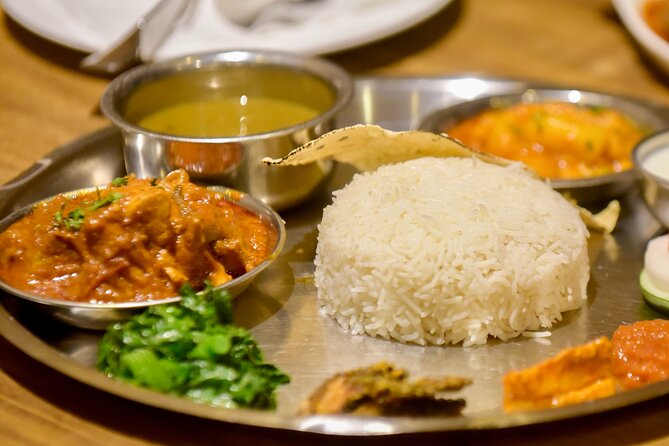
- Local market first: Shop for the ingredients before cooking and see the everyday building blocks of Nepali food.
- Momos are a highlight: Learn to prepare the dough and shape one of Nepal’s best-known foods.
- Your menu may be flexible: Previous class formats have included momos, dal bhat, carrot pudding, and Nepali masala tea.
- Small group setting: The class accepts a maximum of eight people, making it easier to take part rather than simply watch.
- Food is included in the activity: You prepare the meal, then sit down to taste what you cooked.
- Thamel location: The class begins and ends at Kathmandu Cooking Academy on Yapikhya Marg, with hotel transport available if selected.
Starting in Thamel with a market basket
The class begins at Kathmandu Cooking Academy on Yapikhya Marg in Thamel. This central Kathmandu neighborhood is a practical base for a cooking lesson because you can reach it by public transport, and the activity returns you to the same meeting point at the end.
If you choose the pickup option, hotel pickup and drop-off are included. If not, plan to reach the academy yourself. The supplied details do not give a separate pickup schedule or a list of hotels served, so check the exact option before paying.
The first part of the class takes you to a local market or shop to buy key ingredients. This is more useful than a quick introduction to spice jars. You see the produce and staples before they become lunch, and you can connect the finished dishes with what is sold in Kathmandu kitchens each day.
I like this format because it gives you a better sense of how Nepali cooking starts. Instead of arriving at a classroom where every ingredient has been measured and hidden from view, you take part in the shopping stage. The market visit also gives you a chance to ask what an ingredient is used for, how it is handled, and which items matter most to the dish.
The drawback is time. The market stop is part of a half-day activity, not a full food market tour. If you want long conversations with vendors or time to browse every stall, this class may feel too focused. The point is to gather ingredients and prepare food, not spend the morning shopping.
More cooking and eating in Kathmandu:
- Half day cooking class in Thamel kathmandu
★ 5.0 · 607 reviews - Kathmandu: Local Women-Led Nepali Cooking & Momo Class
★ 4.9 · 360 reviews - Kathmandu: Local Lead Nepali Cooking & Momo-Making Class
★ 5.0 · 212 reviews
Choosing dishes with local women instructors
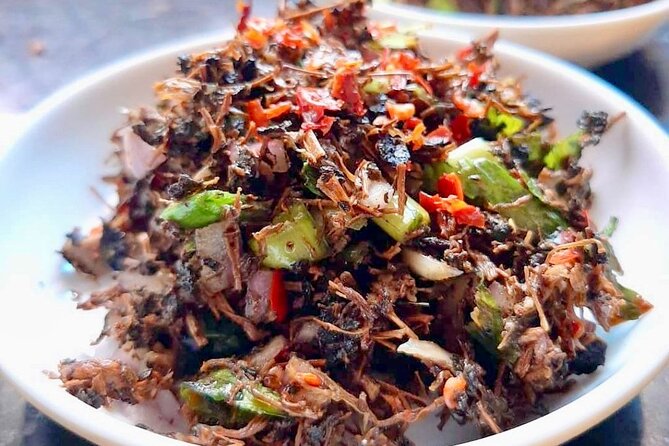
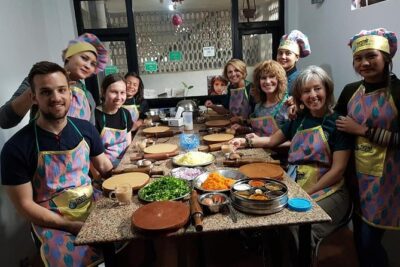
Once the shopping is finished, you return to the cooking space for step-by-step instruction. The class is led by local women instructors, and the focus is on doing the work yourself. You should expect to handle ingredients, use the equipment provided, and follow the cooking process rather than watch a chef prepare everything for you.
The exact menu can vary. The class description highlights momos and dal bhat, while past menu combinations have also included carrot pudding and Nepali masala tea. One useful feature is the chance to choose preferred menu items, although you should confirm the available choices on the day.
This flexibility matters. If you have limited experience with Nepali food, you can use the instructor’s advice to select familiar or manageable dishes. If you already know you want to learn momos, you can focus on the shaping and filling instead of treating the class as a general cooking demonstration.
The instructors provide cooking equipment and accessories, so you do not need to bring specialist tools. The supplied information does not specify whether aprons, recipe handouts, or ingredient substitutions are provided. If you have a serious dietary restriction, ask before booking rather than assuming the standard menu can be changed.
Making momos by hand
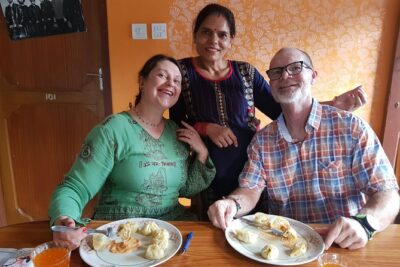
Momos are likely to be the most memorable part of the class. These filled dumplings are closely associated with Nepali food, and the lesson includes kneading the dough and learning how to form the dumplings. That is the sort of task that looks easy until you try to make several pieces with the same shape.
A cooking class is especially useful for momos because the technique is difficult to pick up from a restaurant meal. You can see how the dough is handled, how the filling is placed, and how the edges are sealed. The instructor can correct your method as you work, which is more useful than receiving a finished plate with no explanation.
Expect some variation between your first momo and your last. That is part of the fun, and the small group size should help the instructors give practical guidance. You may leave with a better sense of how to repeat the dish at home, even if your folds are not yet perfectly uniform.
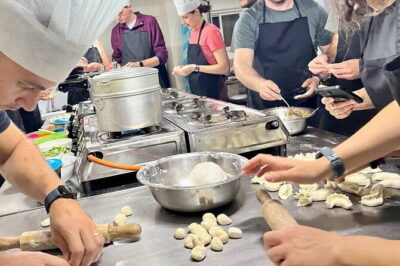
Momos also make the class social. People tend to work at the same table, compare shapes, and help each other through the fiddly parts. The class has attracted people from several countries, so it can become a relaxed way to meet others while doing something more active than sitting through a lecture.
Building a Nepali meal beyond momos
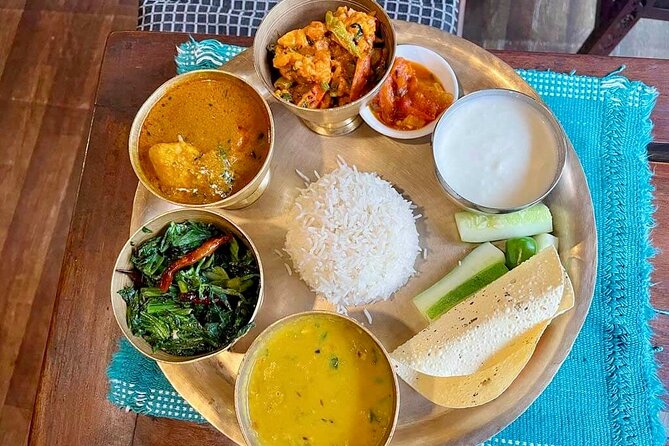
The class is not limited to dumplings. Dal bhat, Nepal’s well-known rice and lentil meal, is another featured dish. Learning it gives you a useful look at the everyday side of Nepali food, where a filling combination of rice, lentils, vegetables, and seasonings matters more than a single elaborate dish.
I like the contrast between momos and dal bhat. Momos require shaping and patience, while dal bhat shows how basic ingredients can become a complete meal through timing and seasoning. Together, they offer a broader picture of Nepali cooking than a class focused only on one specialty.
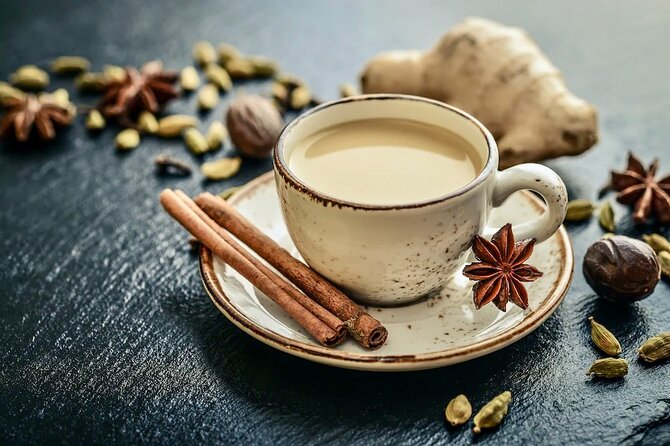
Carrot pudding has also appeared as part of a menu, giving the lesson a sweet finish. Nepali masala tea is included during the cooking session, so you get a taste of the country’s spiced tea tradition as well as its main dishes. The available menu can change, and the information does not promise every item at every session.
The hands-on approach is the real value here. You stir, knead, season, and cook under instruction. That makes the class useful for a first introduction to Nepali food, but it also gives experienced home cooks a chance to compare methods and flavors with what they already know.
A few more things to do in Kathmandu worth a look
- Knife (Khukuri) Making Workshop- Forge of the Gurkhas
★ 5.0 · 143 reviews - The best Private Nepali Cooking Class in Kathmandu
★ 5.0 · 83 reviews - Kathmandu: Traditional Momo Making Class & Pickup
★ 4.8 · 60 reviews - Traditional Nepali Momo Making Classes
★ 5.0 · 53 reviews
Sitting down to eat what you made
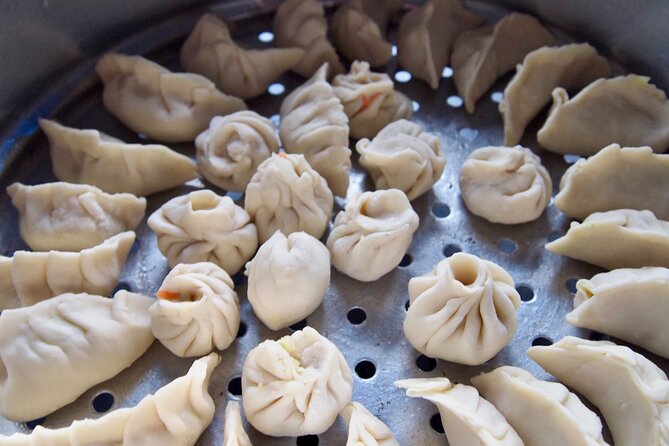
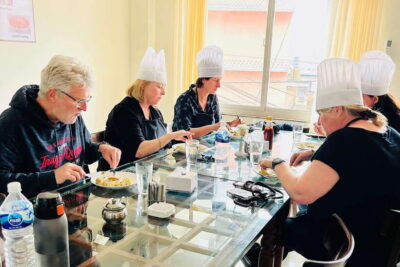
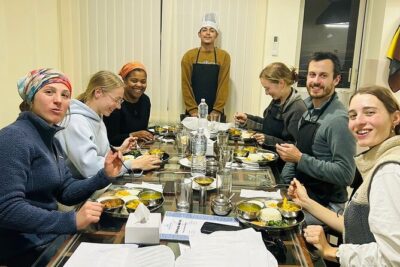
At the end, you taste the food prepared during the lesson. This final meal is more than a reward for finishing the work. It lets you judge the balance of spices, the texture of the dough, and the difference between a dish you helped make and one ordered from a menu.
The tasting session is included in the activity price. Specialty drinks and alcohol are not included, so budget separately if you want anything beyond the food and Nepali masala tea provided during the lesson.
Do not expect a formal restaurant meal with a long list of courses. This is a shared ending to a practical class. The appeal is knowing what went into the plate and remembering the steps behind it. For me, that makes the meal more useful than a standard lunch stop, especially if you plan to eat more Nepali food during your stay.
The class also works well for people who are unsure about unfamiliar dishes. You can ask questions while cooking, then try the food in a setting where its ingredients and preparation are clear. That can make it easier to recognize dishes later in Kathmandu restaurants.
What the $35 price really covers
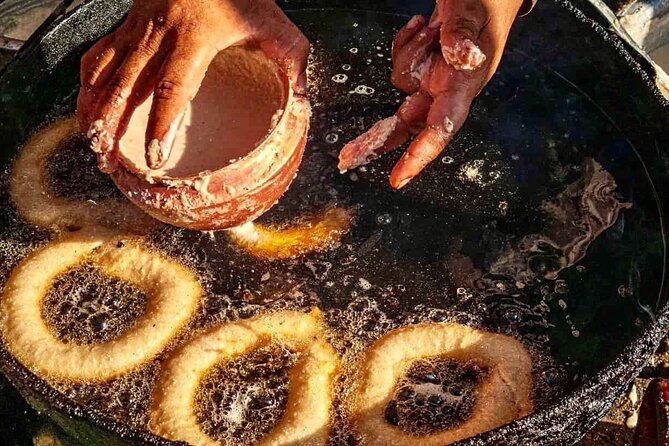
At $35 per person, the class is reasonably priced for a three-hour activity that combines a market visit, instruction, equipment, ingredients, and a meal. You are not paying only for a cooking demonstration. The price covers the practical parts of the experience, including the food you prepare and taste afterward.
The value is strongest if you want an activity with several parts. You get an introduction to local shopping, guidance from instructors, time at the cooking station, and a finished meal. If you already have extensive cooking experience and mainly want a restaurant meal, the price may feel less attractive.
Group size also affects the value. With a maximum of eight people, this should feel more personal than a large demonstration. You still share the session with others, but the class is small enough for questions and direct help while making momos or seasoning a dish.
The average booking lead time is 17 days, which suggests that you should not leave this until the last moment if the class is important to your Kathmandu plans. Book early if you have fixed dates, especially if you want pickup or a particular time.
Timing, meeting point, and cancellation
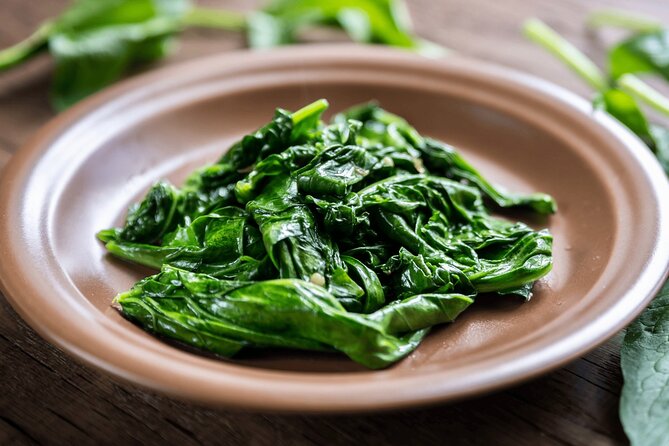
The activity lasts about three hours. That makes it easy to fit into a Kathmandu day, but remember to allow time to reach Thamel if you are not using the pickup option. The class begins and ends at Kathmandu Cooking Academy, so you will not need to arrange a separate return point.
Confirmation is provided at booking. The activity is near public transportation, and the small group is capped at eight people. Those details make it fairly straightforward for independent visitors who prefer to make their own way around Kathmandu.
Free cancellation is available up to 24 hours before the start time. Cancel at least 24 hours ahead for a full refund. Within 24 hours, the amount paid is not refunded, and changes made inside that period are not accepted. Cutoff times use local time in Kathmandu, so check the exact start time before changing your plans.
Tips are not included. There is no stated required tip, so treat it as an optional thank-you rather than a hidden fee.
Who should book this Kathmandu cooking class?
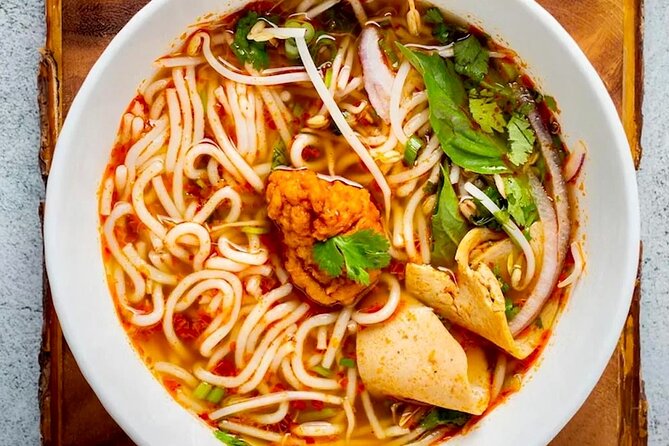
I would recommend it to anyone who wants more than a quick taste of Nepali food. It suits couples, families, solo visitors, and small groups who enjoy learning by doing. The class is also a good choice for people who want a low-pressure social activity in Thamel.
It is especially useful for anyone curious about momos. The shaping lesson gives you a technique you can remember and try again at home. People who enjoy markets will also get more from the ingredient-shopping portion than someone who wants to skip straight to eating.
Families should consider the three-hour length and hands-on format. The activity may work well for older children who can take part in kitchen tasks, but the supplied information does not state a minimum age or provide details about child supervision. Ask the provider if age or dietary concerns matter to your group.
This may not be the right pick if you want a private class, a long market excursion, or a fixed menu confirmed far in advance. The group is small but not stated to be private, and the available dishes may depend on the day and the menu choices made during the session.
Should you book it?
Book this class if you want a practical introduction to Nepali food and like the idea of turning a market visit into lunch. The strongest reasons are the local women instructors, the hands-on momo work, the possible menu choice, and the small group limit.
Skip it if you are looking mainly for a long sightseeing tour, an evening food crawl, or a guaranteed restaurant-style menu. For $35, though, the combination of shopping, instruction, ingredients, equipment, tea, and a shared meal makes this one of the more useful short activities to add to a Kathmandu stay.
FAQ
How long does the Nepali cooking class last?
The class lasts about three hours, including the market or shop visit, cooking lesson, and tasting session.
Where does the activity begin and end?
It begins at Kathmandu Cooking Academy, Nepali Cooking Class, on Yapikhya Marg in Kathmandu 44600, Nepal. The activity ends back at the same meeting point.
Is hotel pickup available?
Hotel pickup and drop-off are available if you select that option when booking. Pickup is not included in every booking option.
What food will I learn to prepare?
The class highlights momos and dal bhat. Menu choices may also include dishes such as carrot pudding and Nepali masala tea, depending on the class format and selections available.
How many people can join the class?
The activity has a maximum of eight participants.
Can I cancel for a full refund?
Yes. You can cancel at least 24 hours before the local start time for a full refund. Cancellations or changes made less than 24 hours before the start time are not refunded.
Just added in Kathmandu
- Traditional Momo Making Class★ 5.0 · 10 reviews
- Women Empowerment Project(Nepali cooking class & jewelry workshop★ 5.0 · 15 reviews
- Kathmandu 2 Nights 3 Days Chitwan Jungle Safari Tour★ 5.0 · 9 reviews
- Walking tour of Kathmandu with awesome local guides★ 5.0 · 4 reviews
- Wildlife Adventure in Chitwan Nepal★ 4.0 · 4 reviews
- Kathmandu to Pokhara Premium sofa bus ticket★ 4.0 · 17 reviews
- Regular Yoga for all levels of practitioners in Kathmandu★ 5.0 · 4 reviews
- Kathmandu Street Food Walking Tour – Eat Like a Local★ 5.0 · 3 reviews
Nepali Cooking Classes, compared.
Nepalese Momos or Dal Bhat Cooking Class (Cook with Delight)
Read our review →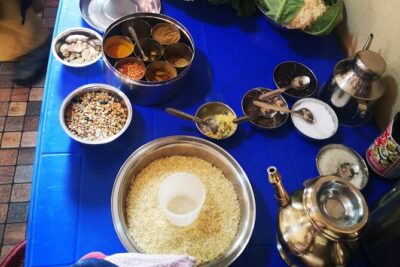
The best Private Nepali Cooking Class in Kathmandu
Read our review →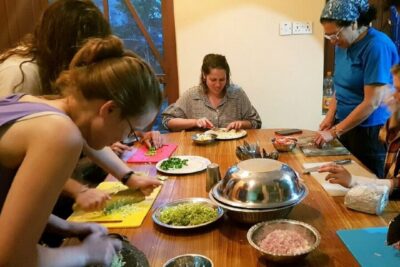
Nepalese Kitchen in Pokhara: Momos or Dal Bhat Cooking Class
Read our review →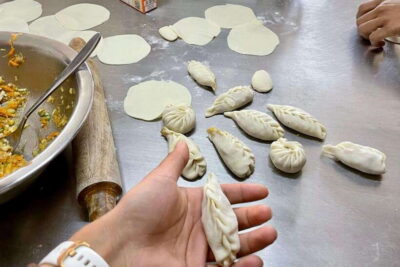
Browse the lists this tour appears in