
Reviewed · EVEREST BASE CAMP TREKS
Luxury Everest Base Camp Trek – 11 Days
Everest Base Camp is the star here, but the clever part is how you reach it. You fly by helicopter to Lukla, trek through Sherpa villages and high mountain valleys, then return by helicopter from Gorak Shep instead of retracing every step. That saves time and some hard downhill walking.
I like the luxury accommodation in a remote region where comfort is usually basic, and I like the strong guide-and-porter support. Prakash, Babu, Keshab, Ram, and Surya are among the staff praised for careful organization and personal attention. The catch is simple: this remains a serious high-altitude trek, not a soft sightseeing holiday.
Key points to know before booking
- Helicopter transfers save time: Fly from Kathmandu to Lukla and return from Gorak Shep by helicopter.
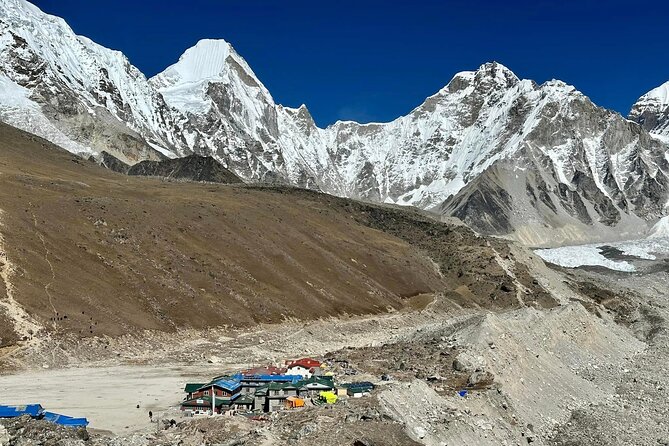
- The trek reaches 5,164 meters: Gorak Shep is the final overnight stop before Everest Base Camp and Kala Patthar.
- Namche includes an acclimatization day: You can rest, explore, and visit the Everest View Point before going higher.
- Luxury has limits here: You receive upgraded accommodation for the region, but remote mountain conditions still shape the experience.
- The maximum group size is 15: That keeps the group manageable while retaining the social feel of a guided trek.
- The $4,070 price covers major logistics: Helicopters, lodging during the trek, guides, porters, meals listed in the package, fees, and taxes are included.
Why this Everest trek feels different
Many Everest Base Camp trips take around two weeks and require a long return walk. This one compresses the route into about 11 days by using helicopters at both ends. You still get the classic trail through the Khumbu region, but you spend less time on connecting sections that add days without adding a new major destination.
The word luxury needs a little context. You are not getting a city hotel with room service at every stop. You are in one of the world’s most remote trekking areas. Here, luxury means the best available accommodation during the trek, organized porters, private logistical support, and a helicopter ride that can replace several tiring travel days.
I see the price of $4,070 per person as high but understandable if you value time and comfort. Helicopter travel alone changes the cost considerably. The package also includes guide and porter wages, insurance and meals for the crew, lodging during the trek, your listed meals, and taxes. You still need to budget for international flights, travel insurance, Kathmandu meals beyond breakfast and the farewell dinner, drinks, internet, laundry, shopping, and tips.
Other treks that start from Kathmandu:
- Everest Base Camp Trek – 14 Days
★ 5.0 · 1,499 reviews - Everest Base Camp Helicopter Tour landing at Everest View Hotel
★ 5.0 · 668 reviews - Everest Base Camp Trekking
★ 5.0 · 485 reviews
Day 1: A gentle arrival in Kathmandu
Your guide meets you at the airport and takes you to your hotel in Thamel. That matters after an international flight. You do not have to figure out airport transport, find the right hotel, or manage the first city transfer alone.
Thamel is Kathmandu’s main tourist district, with trekking shops, restaurants, cafés, and busy streets. The first day is mainly about arrival and preparation. You can settle in, meet the team, and get ready for an early start.
The meeting time is 5:15 a.m., so do not plan a late night. The package includes breakfast in Kathmandu, but meals other than breakfast and the farewell dinner are not included there.
Day 2: Helicopter to Lukla and the walk to Phakding
The morning begins with a transfer to Kathmandu Airport, followed by a helicopter flight to Lukla. This is a major advantage for anyone who wants to avoid a longer ground journey and make the most of a short schedule.
Lukla is the gateway to the Everest region. Once you meet the rest of the trekking crew, you begin walking toward Phakding. The trek takes about four hours, giving you a useful first taste of the route without immediately pushing you into the highest elevations.
Phakding is an important first overnight stop because it lets your body begin adjusting to the rhythm of walking and altitude. The day is still demanding if you have just arrived from sea level, so keep your pace steady and drink water. The package includes lunch and dinner on the trekking days listed, but bottled or other drinking water is not included.
Day 3: Pine forests, Monjo, and the road to Namche
The trail toward Namche Bazaar begins with a gentler section before becoming more demanding. You walk through pine forests and follow the route toward Monjo, where the environment begins to feel more distinctly Himalayan.
Namche is more than a place to sleep. It is the main Sherpa trading town on this route, and it gives you your first strong sense of mountain community, local commerce, and life shaped by the trekking economy. The path can feel busy, and the climb is not easy, but the change in scenery rewards the effort.
This is where your guide’s judgment becomes important. The strongest part of a guided high-altitude trip is not simply showing you the way. It is helping you keep a sensible pace, recognize when you are struggling, and avoid treating every uphill stretch like a race.
A few more things to do in Kathmandu worth a look
- Nagarkot Sunrise View and Day Hiking from Kathmandu
★ 5.0 · 471 reviews - Annapurna Circuit Trek with Tilicho Lake
★ 5.0 · 368 reviews - Everest Base Camp Trekking – 13 Day
★ 5.0 · 365 reviews - Everest Base Camp Trek -14 Days
★ 5.0 · 321 reviews
Day 4: Namche acclimatization and Everest View Point
Day 4 is designed as a rest and acclimatization day in Namche. You are not expected to sit indoors all day. The plan includes a visit to the Everest View Point, with about an hour allocated for the stop.
This kind of day is essential, not wasted time. You gain altitude gradually, spend time walking rather than sleeping at a higher level, and give your body a better chance to adjust before the route climbs again. Namche also offers time to explore the town, browse its shops, and enjoy the mountain views without carrying a full day’s trekking pressure.
The view point is one of the early visual highlights. You may see wide Himalayan panoramas, but weather can affect visibility. A clear morning can make this stop feel like a preview of the bigger views ahead. Poor weather may reduce the reward, so keep expectations flexible.
Day 5: The trail to Tengboche
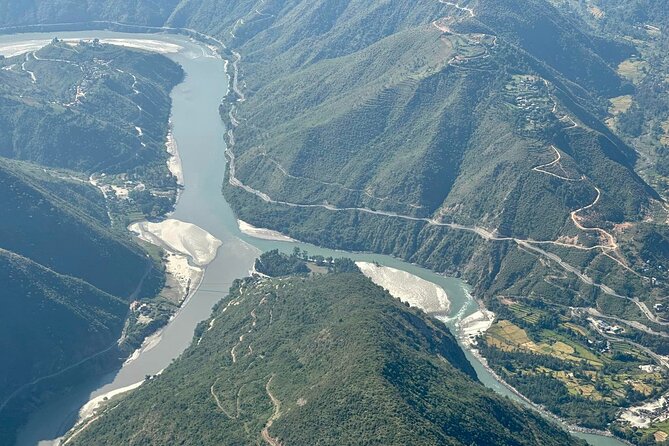
The route toward Tengboche passes through rhododendron forest and opens toward a cultural center of the Khumbu. Tengboche is known for its monastery, which gives the day a different character from the more commercial feel of Namche.
This is one of my favorite sections conceptually because the trip is not only about standing near Everest. You are moving through places where Tibetan Buddhist practice, Sherpa culture, mountain work, and tourism meet. The monastery adds a quiet spiritual note to a route otherwise shaped by steep trails and big views.
You should expect the day to feel more serious than the early walking stages. The altitude is rising, and conditions can change quickly. Your guide can help you maintain a pace that protects the days ahead rather than spending all your energy at once.
Day 6: Tengboche to Dingboche at 4,410 meters
From Tengboche, the trek continues toward Dingboche, usually taking about five to six hours. Dingboche sits in the Imja Valley at an altitude of 4,410 meters, so this is a clear step up in difficulty.
The valley setting gives you broad mountain views and a strong sense that you are now well above the lower villages. You will also notice the colder air and the effect of altitude during ordinary activities. A short slope can feel surprisingly hard.
This is where the accommodation question becomes practical. Luxury lodging can make nights more comfortable, but it cannot remove altitude, cold, or fatigue. Go slowly, follow your guide’s instructions, and tell the team early if you feel unwell. The supplied information specifically flags asthma as an additional concern, so anyone with asthma should discuss the trek with a medical professional and the operator before booking.
Day 7: Chukhung and another acclimatization opportunity
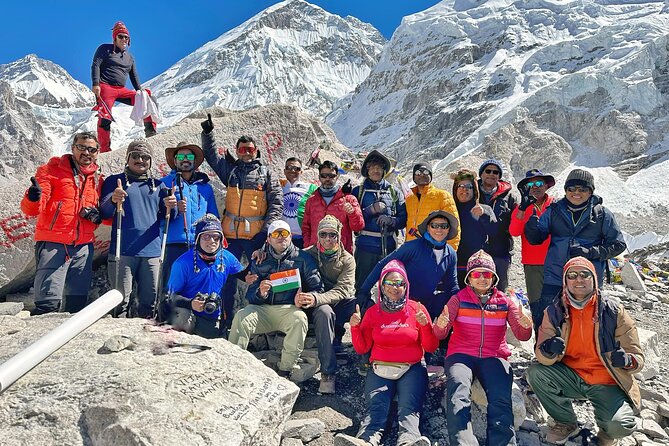
The route includes Chukhung while you continue adjusting to the increasing altitude. Dingboche is used as an acclimatization base, which is a sensible feature for a trek that reaches the high point of the route soon afterward.
Chukhung adds variety to the mountain setting and keeps the day focused on gradual adjustment rather than rushing directly toward the final destinations. The walking time listed for this stop is about 30 minutes, though the broader trek schedule includes high-altitude movement around Dingboche.
At this point, the trip becomes less about speed and more about listening to your body. You may be fit and still feel the altitude. The group format can help because your guide and porters are nearby, but you need to speak up about headaches, breathing trouble, or unusual fatigue.
Day 8: Through the Khumbu Glacier moraine to Lobuche
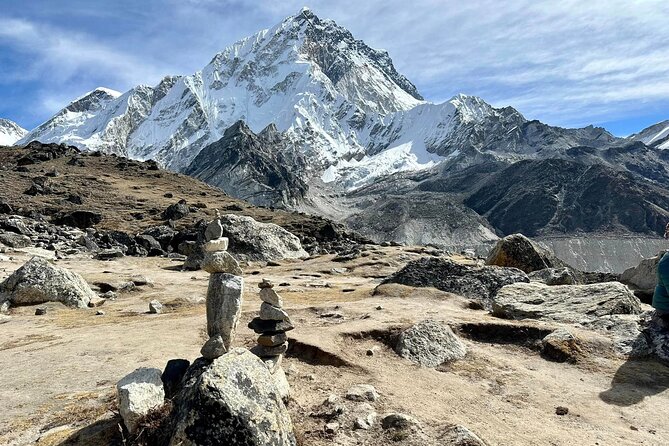
The route toward Lobuche follows the terminal moraine of the Khumbu Glacier. The surroundings become more austere as you move above the tree line. Vegetation gives way to rock, ice, and open high-altitude terrain.
Lobuche is an important staging point before Everest Base Camp. The air is thinner, the trail can feel rougher, and each section takes more effort than its distance suggests. This is the kind of day when a comfortable room and a warm meal have real value, even if the word luxury remains relative.
You should not expect a polished resort setting. Instead, judge comfort by the standards of the region: a reliable place to rest, organized support, and a plan that keeps the group moving safely. That is where the package’s porter and guide arrangements matter most.
Day 9: Gorak Shep and Everest Base Camp
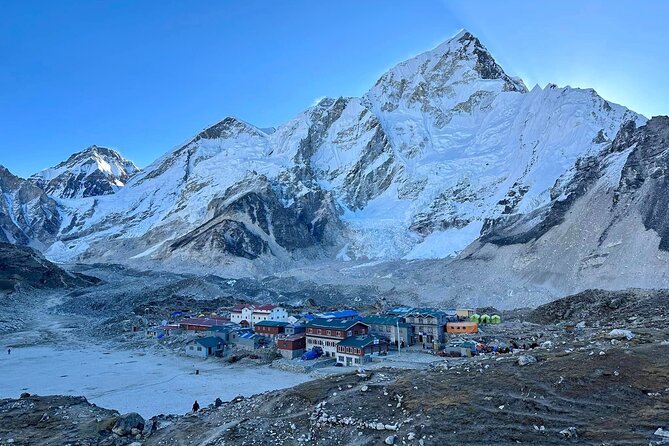
The trek reaches Gorak Shep, a small settlement at 5,164 meters. It is the final stop before Everest Base Camp and one of the highest points where you stay overnight.
From Gorak Shep, you continue to Everest Base Camp. The stop is famous, but the setting is not a permanent village or a grand viewpoint. It is a high-altitude expedition area connected with the Khumbu Glacier and the climbing route toward Everest.
Reaching Base Camp is a major personal goal for many people. You get the satisfaction of arriving at the place associated with the world’s highest mountain, while also seeing how stark and demanding the route really is. Your exact views depend on weather and season, and you should not expect to see the summit from Base Camp itself in the same way you might from Kala Patthar.
Day 10: Kala Patthar and the helicopter return
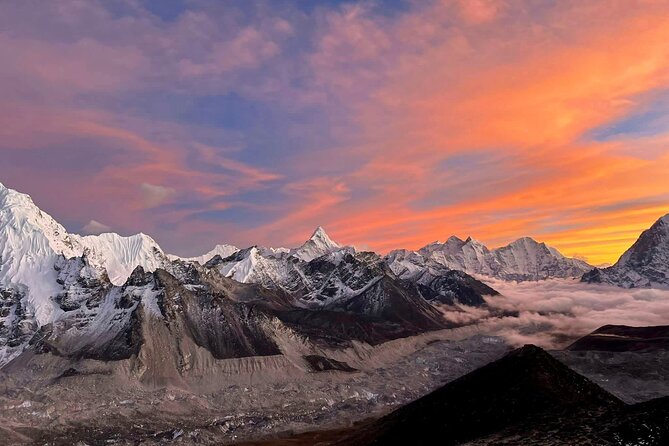
The final major mountain morning begins early, at first light, with a hike toward Kala Patthar. This is the classic viewpoint above Gorak Shep, located on the south ridge of Pumori.
The early start is worth understanding. Morning light can give the peaks a more dramatic appearance, and starting early allows the schedule to continue toward the helicopter transfer. The plan includes a helicopter landing at Kala Patthar, followed by a return from Gorak Shep to Kathmandu by helicopter.
That combination is a real selling point. You see Everest Base Camp on foot, reach one of the route’s best-known high viewpoints, and avoid walking the full trail back to Lukla. At the same time, helicopter operations depend on weather and local flying conditions. The schedule may need to change if the weather is poor, so flexibility is part of the deal.
Day 11: Airport transfer and departure
The final day is for transfer to the airport and your flight home. After so much walking, having the departure transfer arranged is useful. You will want to leave time for airport procedures and any last-minute packing, but the supplied schedule does not give a specific departure time.
The package includes nine breakfasts, eight lunches, and eight dinners, along with the listed trekking accommodation. Check the exact meal count and hotel plan before departure, especially if you have dietary needs or expect every day to include the same level of dining.
What the $4,070 price really buys
The strongest value comes from the combination of time savings and support. You are paying for helicopter flights in both directions, accommodation during the trek, a guide and porters, crew insurance and wages, meals listed in the package, and all fees and taxes.
The package does not include international flights, travel insurance, extra nights in Kathmandu, most Kathmandu meals, personal purchases, laundry, internet, phone calls, cold drinks, drinking water, or tips. Those exclusions are normal for a high-altitude trip, but they can add up.
I would compare this trip with a longer standard trek rather than with a regular Nepal holiday. If you have limited time, want less return walking, or prefer a higher level of organization, the cost may make sense. If you are mainly looking for the lowest-cost route to Base Camp, this is not the obvious choice.
The guides and crew make the difference
The strongest personal praise centers on the staff. Prakash is associated with careful guiding and airport-to-trail organization. Babu is credited with looking after a group when two people developed mountain sickness. Keshab is remembered for his friendly manner and understanding of local culture, while Ram helped a solo trekker feel safe and supported.
You may not be assigned one of these exact guides, so do not book on the assumption that a particular person will lead your group. Still, the pattern is useful: the operator has a pool of local guides and porters who handle complex arrangements, changing weather, flight cancellations, and high-altitude problems.
The maximum group size is 15. That is small enough for direct contact with the guide, though not a private trip. If you want a fully personal schedule, ask about a private departure and any extra cost before paying.
Who should book this trek
This trip suits you if you want Everest Base Camp but have about 11 days, prefer organized support, and are willing to pay for helicopter transfers and better accommodation. It also suits people who do not want to walk the entire route back after reaching the high point.
You need moderate physical fitness, but that phrase should not fool you into expecting an easy holiday. The route reaches 5,164 meters, includes long uphill sections, and requires patience with cold, altitude, and basic remote-area conditions.
I would not recommend booking without checking your health first if you have asthma or another condition affected by altitude. Travel insurance is not included, and it is an important separate purchase for a trip involving mountain weather and helicopter logistics.
Should you book the Luxury Everest Base Camp Trek?
Book it if you value organization, local support, shorter transfers, and a more comfortable version of a demanding trek. The strongest reasons are the helicopter access, the acclimatization planning in Namche and Dingboche, and the experienced guide and porter structure.
Think twice if you want a low-cost trek, dislike early starts, or expect luxury to mean city-hotel comfort at every stop. You are still walking to 5,164 meters in a remote mountain region.
For the right person, this is a well-planned way to reach Everest Base Camp without giving up every comfort or spending extra days retracing the trail.
FAQ
How long is the Luxury Everest Base Camp Trek?
The trip lasts approximately 11 days, including arrival and departure arrangements in Kathmandu.
Where does the trek start?
The experience starts in Kathmandu, where a guide meets you at the airport and takes you to your hotel in Thamel.
How do I reach Lukla?
You are transferred to Kathmandu Airport and take a helicopter to Lukla on Day 2.
Is the return from the Everest region by helicopter?
Yes. The package includes a helicopter transfer from Gorak Shep to Kathmandu.
Does the trek visit Everest Base Camp?
Yes. The route includes a trek to Everest Base Camp from Gorak Shep.
Does the experience include Kala Patthar?
Yes. The plan includes an early morning hike to Kala Patthar and a helicopter landing there.
What is the highest altitude mentioned?
Gorak Shep is listed at 5,164 meters. Dingboche is listed at 4,410 meters.
Are meals included?
The package includes nine breakfasts, eight lunches, and eight dinners. Meals in Kathmandu, apart from breakfast and the farewell dinner, are not included.
Can I cancel for a full refund?
You can receive a full refund if you cancel at least 24 hours before the experience start time. Weather cancellation may result in a different date or a full refund.
Just added in Kathmandu
- Traditional Momo Making Class★ 5.0 · 10 reviews
- Women Empowerment Project(Nepali cooking class & jewelry workshop★ 5.0 · 15 reviews
- Kathmandu 2 Nights 3 Days Chitwan Jungle Safari Tour★ 5.0 · 9 reviews
- Walking tour of Kathmandu with awesome local guides★ 5.0 · 4 reviews
- Wildlife Adventure in Chitwan Nepal★ 4.0 · 4 reviews
- Kathmandu to Pokhara Premium sofa bus ticket★ 4.0 · 17 reviews
- Walking tour of real Kathmandu through back streets.★ 5.0 · 3 reviews
- Regular Yoga for all levels of practitioners in Kathmandu★ 5.0 · 4 reviews
Everest Base Camp Treks, compared.
Everest Base Camp Helicopter Tour landing at Everest View Hotel
Read our review →
Everest Base Camp Trek with Helicopter Return from Gorakshep to Lukla
Read our review →
Browse the lists this tour appears in