
Reviewed · EVEREST BASE CAMP TREKS
Kathmandu: 14-Day Everest Base Camp with Kala Patthar Trek
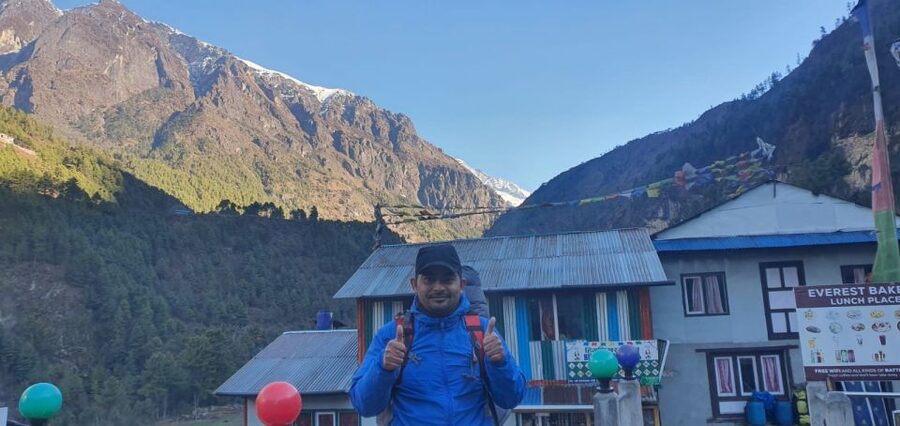
The big draw here is simple: you walk from the tiny mountain airstrip at Lukla into the heart of the Khumbu, then reach Everest Base Camp and climb Kala Patthar for the finest high-point view in the plan. Along the way, you pass through Sherpa country, sleep in basic tea houses, and see Everest, Lhotse, Nuptse, and Ama Dablam from several angles.
I like the built-in acclimatization days at Namche Bazaar and Dingboche. I also like that the price includes the Lukla flights, permits, guide, trekking lodges, and two Kathmandu hotel nights. The main concern is the cost of food and drinks during the trek, which is not included, along with the need for insurance that covers emergency medical evacuation.
The key points at a glance
- Lukla begins the adventure: The flight from Kathmandu lands at 2,850 meters, making the famous mountain airport part of the experience from day one.
- Two acclimatization stops help: You spend a short excursion day in Namche and a further rest day in Dingboche before reaching the highest camps.
- Kala Patthar is the visual high point: At 5,545 meters, it gives you a close mountain panorama after your Base Camp visit.
- The price covers major fixed costs: Flights, permits, guides, porters’ listed support costs, trekking lodges, a jacket, sleeping bag, duffle bag, and Kathmandu accommodation are included.
- Meals are extra: You pay separately for breakfast, lunch, dinner, and drinks during the trek, so budget beyond the advertised price.
- Weather can change the plan: Lukla flights may be canceled. One departure was replaced with another Base Camp trek after several days of bad weather.
Why this route works so well
The route follows the classic approach to Everest Base Camp, but the real appeal is not only the destination. You get a gradual change in scenery and daily life, from Kathmandu streets to Lukla’s high-airport setting, then to pine forests, suspension bridges, Buddhist monasteries, yak country, and high glacial valleys.
You also get time to adjust to altitude. That matters more than squeezing in extra miles. Namche sits at 3,440 meters, Dingboche at 4,410 meters, and the walking days above Dingboche become much harder because the air is thin. The rest days are not wasted time. They give you a better chance of continuing safely.
The advertised price is $1,296 per person. That is a useful value if you want the main logistics handled, since the domestic flights, national park permits, guide, trekking accommodation, and Kathmandu nights are bundled together. It is less of a bargain if you assume the total cost ends there. Trek meals, drinks, hot showers, and travel insurance are extra, and those costs add up over two weeks.
The operator also says a porter is arranged at a ratio of one for two people, while the inclusion list refers to porter salary and support costs. I would ask for the exact porter arrangement before paying. Find out how much of your luggage may be carried and whether any porter fee is added.
Other treks that start from Kathmandu:
- Everest Base Camp Trek – 14 Days
★ 5.0 · 1,499 reviews - Everest Base Camp Helicopter Tour landing at Everest View Hotel
★ 5.0 · 668 reviews - Everest Base Camp Trekking
★ 5.0 · 485 reviews
Kathmandu, Lukla, and the walk to Phakding
Your arrival day is deliberately easy. A representative meets you at Tribhuvan International Airport and takes you to your hotel. Two nights in Kathmandu with breakfast are included, though lunch and dinner are not.
The following day, you fly to Lukla at 2,850 meters. The airport is one of the defining moments of this trek, not just a transport detail. The runway and mountain setting make the arrival feel far removed from an ordinary city transfer.
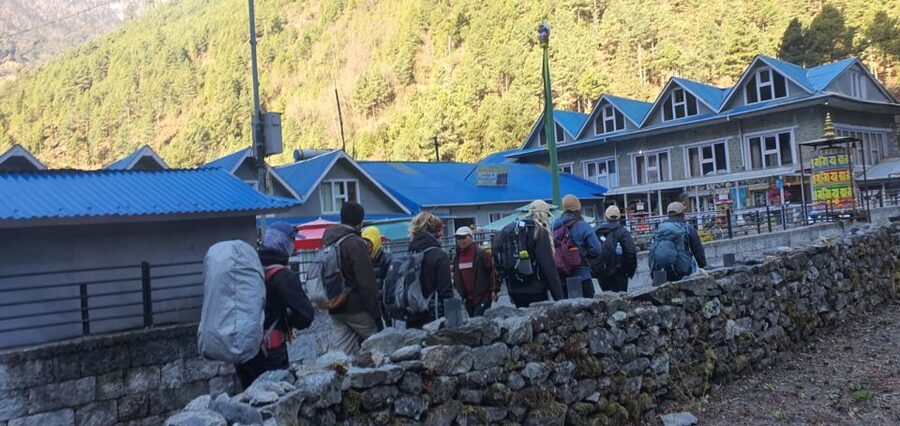
From Lukla, you walk to Phakding, at 2,640 meters, in about four to five hours. This first walking day is relatively short by the standards ahead. It gives you a chance to settle into the pace, test your boots, and see how your body responds to the change in altitude.
Keep your daypack organized. You should have your sunglasses, hat, sunscreen, water, toilet paper, a warm layer, and any personal medication close at hand. The supplied kit can include a jacket, sleeping bag, and duffle bag if required, but you still need your own trekking shoes, socks, shirts, trousers, and shorts.
Phakding to Namche Bazaar in six or seven hours
The route from Phakding to Namche Bazaar takes about six to seven hours. This is where the trek begins to feel like a serious mountain journey, with longer walking time and a greater rise in elevation.
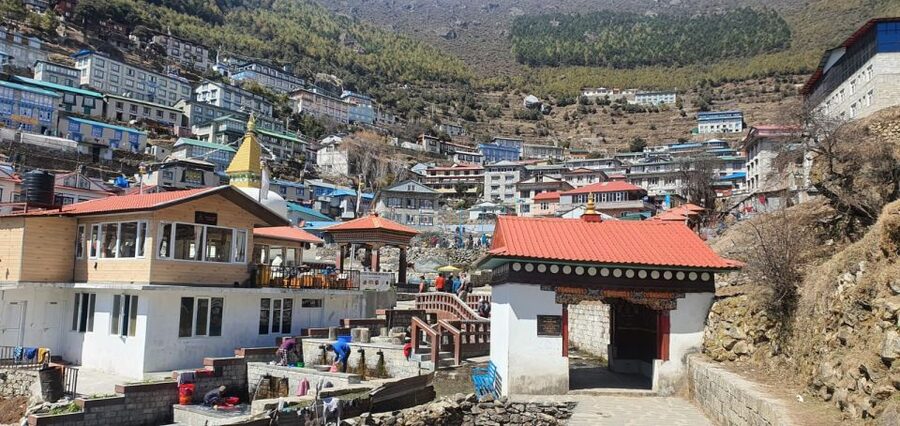
Namche is the Sherpa heartland of the route and your first major high-altitude settlement. At 3,440 meters, it is also the right place for a pause. The plan includes a rest and acclimatization day, with a two to three-hour excursion rather than another full trekking stage.
I like this part of the schedule because you are not simply pushed uphill every day. Namche gives you time to walk a little, look around, and let your body begin adjusting. You should still treat the day as a recovery period. A short outing can feel demanding at this height.
The atmosphere changes here. You are no longer just passing through the foothills. You are in the Sherpa region that gives the trek much of its character. The appeal is not polished sightseeing. It is the chance to move through working mountain communities on foot, with tea houses and local guide support shaping the trip.
Tengboche brings monasteries and big mountain views
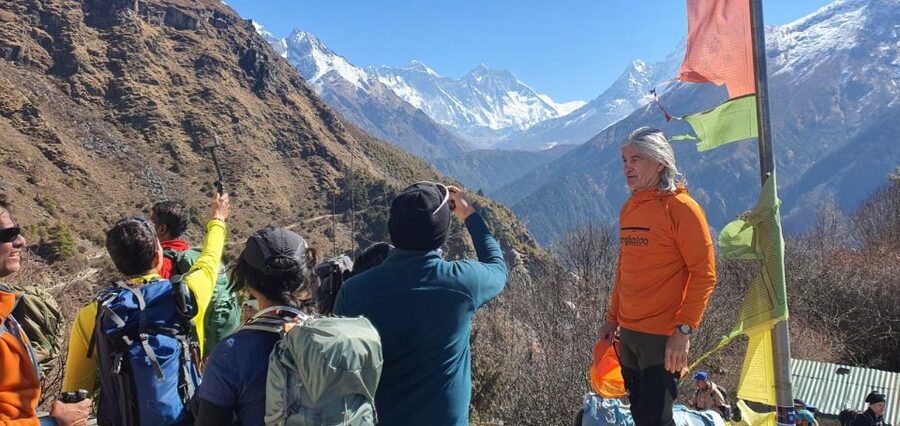
After Namche, you walk to Tengboche at 3,870 meters in about five to six hours. The day combines a steady climb with some of the strongest mountain scenery on the route.
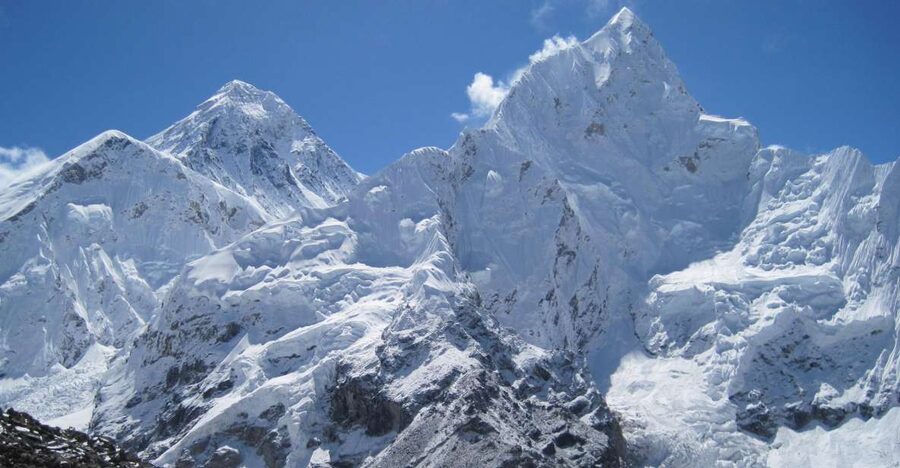
Tengboche is known for its monastery setting and its position among the major Himalayan peaks. From this part of the Khumbu, you can expect views connected with Everest, Lhotse, Nuptse, and Ama Dablam. Ama Dablam is especially memorable for its sharply shaped profile, while Everest is part of a larger group of summits rather than a single isolated peak.
This is a good day to pace yourself. You may feel strong at lower elevations and then notice the altitude more clearly as the route rises. Your guide’s role matters here. The company provides an English-speaking guide, and named guides from past departures include Padam and Anjan. A good guide can help you keep a sensible rhythm, explain the route, and watch for signs that you need more rest.
One previous departure also had a guide named Padam when weather forced a change of plan. The useful lesson is that the guide relationship can matter as much as the printed schedule, especially when flights or weather disrupt the route.
A few more things to do in Kathmandu worth a look
- Nagarkot Sunrise View and Day Hiking from Kathmandu
★ 5.0 · 471 reviews - Annapurna Circuit Trek with Tilicho Lake
★ 5.0 · 368 reviews - Everest Base Camp Trekking – 13 Day
★ 5.0 · 365 reviews - Everest Base Camp Trek -14 Days
★ 5.0 · 321 reviews
Dingboche and the second acclimatization day
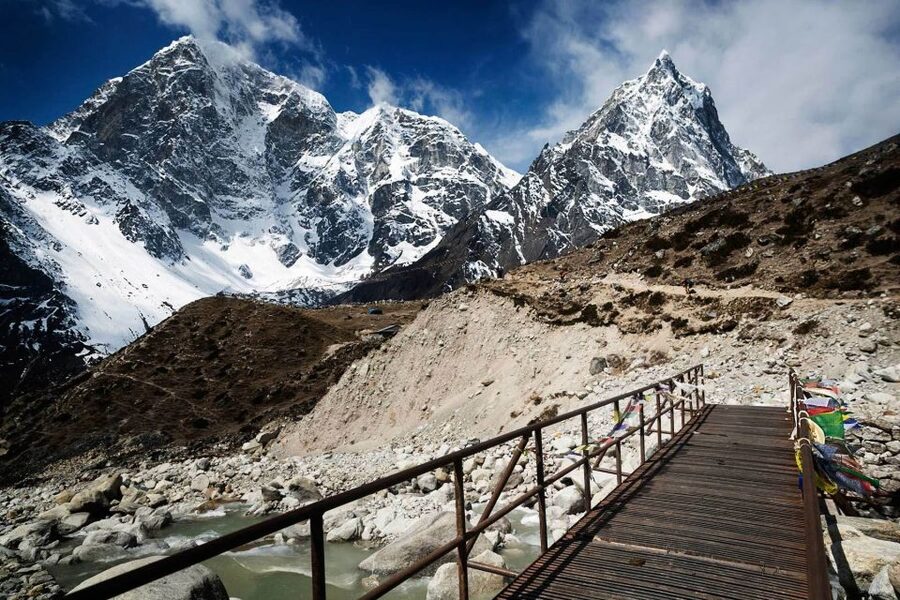
The walk from Tengboche to Dingboche takes another five to six hours. Dingboche is at 4,410 meters, so this is a major step upward from Namche.
The next day is reserved for further acclimatization. This is one of the strongest parts of the schedule. At this height, a rest day helps you prepare for Lobuche, Gorak Shep, Base Camp, and Kala Patthar. You will not be at sea level comfort, but you will have a chance to adjust before the hardest section.
You should not judge the trip by how easy the first few days feel. The stretch from Dingboche onward is where altitude becomes the main challenge. A slow walking pace is normal. Drink enough water, follow your guide’s advice, and tell the guide promptly if you feel unwell.
The tea house system is basic but practical. Accommodation is included, while food is not. You pay for breakfast, lunch, dinner, and drinks as you go. Hot showers are also excluded, so pack with the expectation that washing facilities may be limited or cost extra.
Lobuche to Gorak Shep and Everest Base Camp
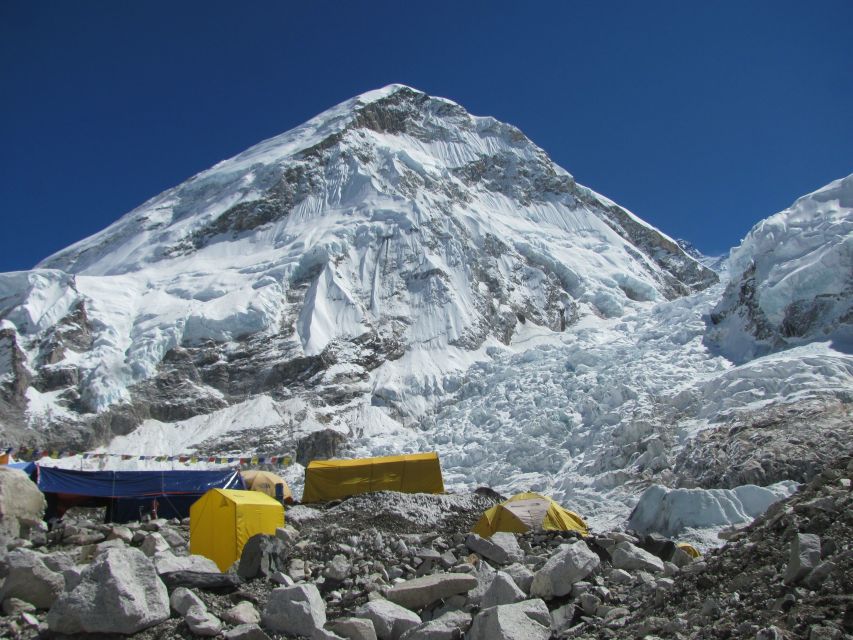
On day eight, you walk from Dingboche to Lobuche, at 4,940 meters. The route now feels high and exposed, and the air is noticeably thinner. The walking time is not specified for this day, but it is part of the gradual approach to the final camps.
The next stage takes you from Lobuche to Gorak Shep, at 5,170 meters. From there, you hike to Everest Base Camp at 5,364 meters, then return to Gorak Shep for the night.
This is a demanding day because you are combining the move to a very high sleeping point with the out-and-back walk to Base Camp. The Base Camp itself is important as the goal of the route, but the setting around it is the greater reward. You are at the foot of the Everest climbing area, surrounded by the high Khumbu peaks and glacial terrain.
Do not expect a comfortable sightseeing stop. At this height, every step can feel slow. The value is in reaching the point, taking in the setting, and returning to Gorak Shep rather than rushing the moment.
The schedule puts the Base Camp visit on day nine, which gives you a clear target after the Dingboche rest day. Still, weather and altitude may affect exact timing. This is a guided trek, not a fixed urban tour, so flexibility matters.
Kala Patthar at 5,545 meters
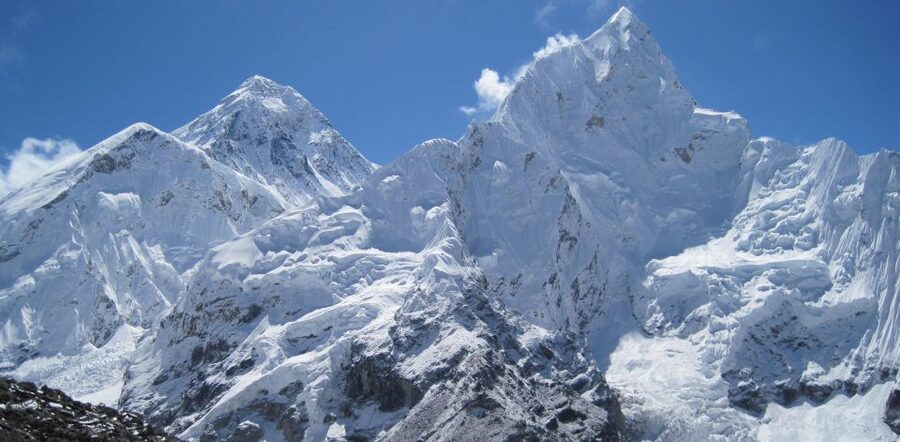
The climb to Kala Patthar is the visual high point of the trip. You begin from Gorak Shep, reach 5,545 meters, and then descend toward Pheriche at 4,371 meters.
Kala Patthar is higher than Everest Base Camp and is valued for its broad view of the Everest group. From here, the mountain panorama includes Everest, Lhotse, Nuptse, and Ama Dablam. You get the satisfaction of having reached Base Camp the previous day, then a better elevated viewpoint for seeing the peaks together.
This is also likely to be the toughest morning. You are climbing to the highest point of the trek after spending the night at Gorak Shep. The descent to Pheriche is welcome, but it remains a long day. Take the ascent slowly and keep your layers handy, since high mountain temperatures can change quickly.
If you care more about mountain views than the Base Camp sign or destination itself, Kala Patthar is the day to protect. Good weather matters, and a patient pace matters even more.
The three-day descent and return to Kathmandu
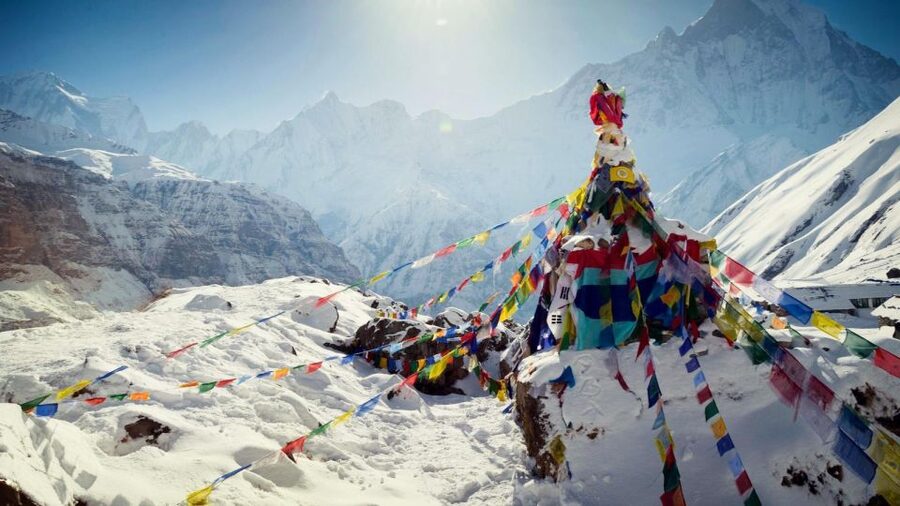
After Pheriche, you spend the next three days descending. The schedule does not give every overnight stop, but the direction is clear: the route returns through the Khumbu toward Lukla before the flight back to Kathmandu on day 13.
The descent is easier on your lungs, but it can be hard on your knees and feet. Use trekking poles if you normally rely on them, and do not let the downhill feel fool you into rushing. You still need energy for several days.
You return to Kathmandu on day 13 and spend a final evening there before departure on day 14. The domestic airport transfers are included, as are airport pickup and drop-off by private car, van, or bus. This makes the beginning and end less complicated, especially after a long trek.
Weather is the main uncertainty. A flight to Lukla may be canceled, and one departure had to wait several days before switching to another Base Camp trek at the customer’s request. The company worked with that change, but you should keep your wider Nepal plans flexible.
What the $1,296 price really covers
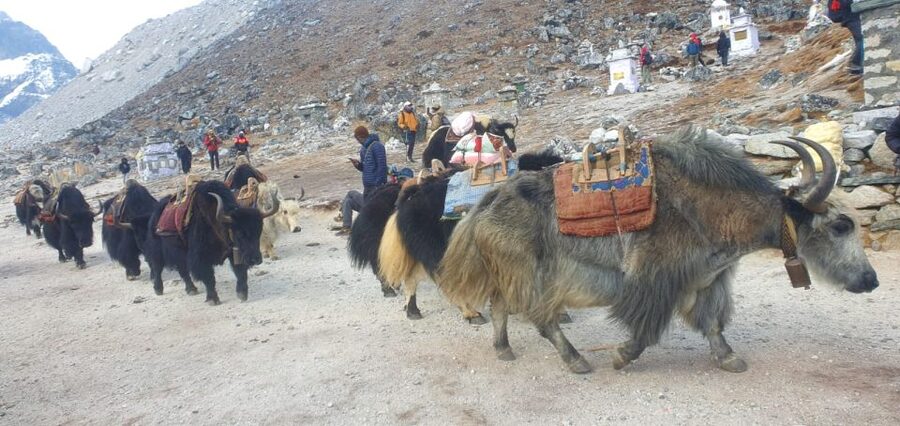
The price is strongest for people who want the major arrangements in one package. You receive:
- Two standard Kathmandu hotel nights with breakfast
- Kathmandu airport pickup and drop-off
- Domestic airport transfers
- Kathmandu to Lukla and Lukla to Kathmandu flights
- Trekking lodges or tea houses
- An English-speaking guide
- National park permits and required paperwork
- A jacket, sleeping bag, and duffle bag if needed
- Listed salary, food, accommodation, transportation, and insurance support for the guide and porter arrangement
The exclusions deserve equal attention. You pay for breakfast, lunch, and dinner during the trek, all alcoholic and non-alcoholic drinks, Kathmandu lunches and dinners, hot showers, and travel insurance.
Insurance is not a minor extra. The trip specifically requires valid insurance with emergency medical evacuation cover. Do not assume a standard holiday policy includes high-altitude trekking or evacuation.
The food budget is also worth planning before you arrive. You need to buy meals and drinks for most of the walking days, and you should carry enough cash for that purpose. The exact meal prices are not provided, so do not treat the $1,296 as your full trip budget.
Who will like this trek most
This trip suits you if you want the classic Everest Base Camp route with a guide handling permits, flights, accommodation, and the main support work. It is a good fit for someone who wants Sherpa villages, mountain views, and a clear 14-day schedule rather than an independent trek with many separate bookings.
It is not suitable for pregnant women, people with heart problems, or people with mobility impairments. Even for a fit person, the altitude and long walking days are serious. You should be comfortable with sustained trekking and prepared for basic lodging.
The guide support is a real part of the value. Past departures have included guides named Padam and Anjan, while organizer Hari has been available to help with requests and concerns. The exact guide for your departure should be confirmed before you book.
Should you book it?
Book this trek if you want the classic Everest Base Camp route, can handle high-altitude walking, and value having flights, permits, lodging, and guiding arranged for you. The two acclimatization days, the Kala Patthar climb, and the included Kathmandu nights make the structure sensible.
Think twice if you need private comfort, guaranteed Lukla flights, or an all-inclusive price. The food, drinks, showers, and insurance are extra, and bad weather can force a change of plan.
At $1,296, this is a practical package for a demanding Himalayan trek, not a luxury holiday. Confirm the porter arrangement, buy suitable evacuation insurance, allow flexibility around Lukla flights, and budget for meals before you commit. If you do that, the route offers the right mix of Sherpa culture, high mountain walking, and some of the finest Everest views available on foot.
FAQ
How long is the Everest Base Camp trek?
The experience lasts 14 days, including arrival and departure arrangements, the trek, the return to Kathmandu, and a final evening before departure.
Where does the trek begin?
The walking route begins at Lukla after a flight from Kathmandu. Lukla is at 2,850 meters.
Is the flight from Kathmandu to Lukla included?
Yes. The Kathmandu to Lukla and Lukla to Kathmandu flight tickets are included.
Does the trip include Kathmandu accommodation?
Yes. Two nights of standard accommodation in Kathmandu with breakfast are included.
Is food included during the trek?
No. Breakfast, lunch, and dinner during the trek are not included. Alcoholic and non-alcoholic drinks are also extra.
Are trekking permits included?
Yes. The package includes the necessary paperwork, national park entry permits, and Sagarmatha National Park fees.
Is a guide included?
Yes. An experienced English-speaking guide is included. Guides named on past departures include Padam and Anjan.
Are porters included?
The information states one porter for two people and also lists porter salary and support costs among the inclusions. Confirm the exact porter arrangement and luggage allowance before booking.
Does the trek include hot showers?
No. Hot showers during the trek are not included.
What insurance do I need?
You need valid travel insurance that includes emergency medical evacuation.
Just added in Kathmandu
- Kathmandu to Chitwan Tour by Tourist Bus – A Convenient and Affordable Way★ 4.0 · 4 reviews
- Chitwan Jungle Safari 3-Day Tour★ 5.0 · 9 reviews
- Changunarayan Hill to Telkot Hike Near Kathmandu Day Tour★ 5.0 · 6 reviews
- Mt Everest Base CampTrek | Budget Package★ 5.0 · 4 reviews
- Chandragiri Hill Station Tour by Cable Car★ 5.0 · 4 reviews
- Chandragiri Hills cable car day trip, private car with driver from Kathmandu★ 5.0 · 8 reviews
- Chandragiri to Taudaha Nature Day Hiking from Kathmandu★ 5.0 · 13 reviews
- Chandragiri Cable Car & Monkey Temple Private Guided Day Tour★ 5.0 · 5 reviews
Everest Base Camp Treks, compared.
Everest Base Camp Helicopter Tour landing at Everest View Hotel
Read our review →
Browse the lists this tour appears in