
Reviewed · EVEREST BASE CAMP TREKS
Everest Base Camp trek 12 days from Kathmandu
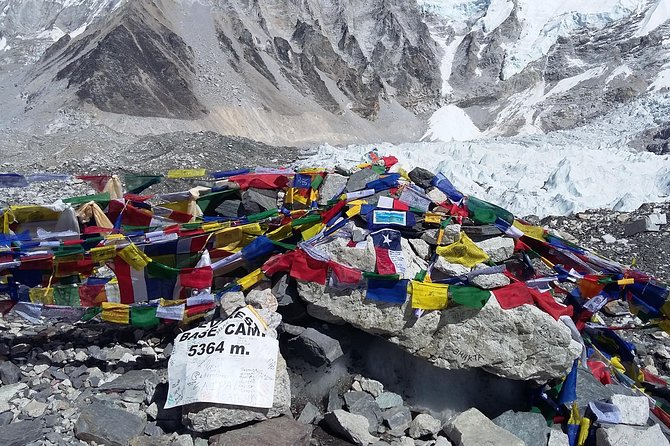
Everest Base Camp is the headline, but the real reward is the steady climb through the Khumbu: Namche Bazaar, Tengboche Monastery, Dingboche, the glacier, and finally the base camp at 5,320 meters. Kala Patthar, at 5,550 meters, gives you the clearest mountain panorama of the trip. I like the careful acclimatization stops and the fact that meals, permits, gear, flights, and a licensed guide are bundled into the $1,600 price.
I also like the practical support: you receive a duffle bag, down jacket, sleeping bag, walking pole, map, and trip certificate. The main drawback is the tight schedule. High altitude is serious, and the 12-day plan leaves little spare time if flights are delayed, weather changes, or you need a slower pace.
Key points to know before booking
- Kala Patthar at 5,550 meters: The best planned viewpoint for close views of Everest and the surrounding Khumbu peaks.
- Two useful acclimatization days: You hike above Namche to the Hotel Everest View and above Dingboche toward Nagarjun Hill.
- Peak-season airport change: From March to May and September to November, flights may leave from Ramechhap, a 5 to 6-hour drive from Kathmandu.
- A strong package for the price: Flights, permits, meals, lodges, guide, and several pieces of trekking gear are included.
- Basic fitness is not the same as easy: The route reaches extreme altitude, with several days of 6 to 8 hours on foot.
- Private group format: Only your own group participates, with a government-licensed guide leading the trek.
Why this 12-day route works
This is a classic Everest Base Camp trek compressed into 12 days. You fly from Kathmandu, walk from Lukla to Base Camp, climb Kala Patthar, then return by the same general route. The plan includes the key villages and viewpoints without adding side trips such as the three passes or Island Peak.
That makes it easier to compare with longer Everest routes. You get the major sights, but the schedule asks you to keep moving. I would choose this version if you have limited time, a reasonable fitness base, and a clear goal of reaching Base Camp. I would consider a longer itinerary if you want more time to adjust to altitude or prefer a gentler walking pace.
The tour is listed at $1,600 per person. For a Himalayan trek, that price carries real value because it includes the Kathmandu or Ramechhap airport transfers, Lukla flights, twin-share lodge accommodation, three meals each trekking day, permits, taxes, guide services, and useful cold-weather equipment. You still need a budget for drinks, hot showers, internet, charging, laundry, tips, insurance, and personal expenses.
Other treks that start from Kathmandu:
- Everest Base Camp Trek – 14 Days
★ 5.0 · 1,499 reviews - Everest Base Camp Helicopter Tour landing at Everest View Hotel
★ 5.0 · 668 reviews - Everest Base Camp Trekking
★ 5.0 · 485 reviews
Flying to Lukla and walking to Phakding
The first day begins early, with a listed meeting time of 5:15 am. The flight to Lukla takes about 40 minutes, followed by a 3 to 4-hour walk to Phakding at 2,652 meters.
Lukla is the practical gateway to the Everest region. The short flight saves days of road travel and puts you straight into mountain country. The walk to Phakding is relatively short compared with later days, which helps you begin at a controlled pace rather than starting with a punishing climb.
The airport arrangements deserve close attention. During March to May and September to November, flights to Lukla operate from Ramechhap because of heavy air traffic in Kathmandu. The road transfer from Kathmandu to Ramechhap takes about 5 to 6 hours and is shared with other passengers. You can travel there the previous day and stay overnight, or leave Kathmandu around 1 am on flight day.
That early start is not a small detail. It can turn the first day into a long combination of driving, flying, and hiking. Ask for the exact airport and transfer plan before you travel.
Namche Bazaar and the first acclimatization test
Day two takes you from Phakding to Namche Bazaar, a 6 to 7-hour walk ending at 3,440 meters. This is one of the harder early days because the route gains altitude while following the river valleys and crossing toward the main Sherpa trading center.
Namche is more than a place to sleep. It is the gateway to the Everest region and the first major stop where the change in altitude becomes obvious. Your guide should help you keep the pace measured. You will want time to eat, rest, and prepare for the next day instead of treating Namche as a quick photo stop.
Day three is an acclimatization day, but it is not a day spent doing nothing. You hike for 3 to 4 hours toward the Hotel Everest View at about 3,900 meters, then return to Namche. The point is to climb higher and sleep lower, giving your body a better chance to adjust.
I like this part of the plan because the hike adds an important mountain view without sacrificing a night in Namche. The itinerary names Khumjung among its stops as well, although the day-by-day schedule does not give a separate Khumjung visit. Confirm whether your guide plans to include it.
Tengboche Monastery and the walk to Dingboche
From Namche, you walk 5 to 6 hours to Tengboche at 3,860 meters. The village is best known for Tengboche Monastery, an important religious site in the region. The monastery gives the trek a cultural center, not just a sequence of mountain views and lodge rooms.
This is a good day to slow down and look around. The route is not only about reaching the next sleeping point. Tengboche connects the physical journey with the spiritual life of the Khumbu, and the stop adds meaning to the route.
Day five leads from Tengboche to Dingboche at 4,410 meters, again taking about 5 to 6 hours. The air is thinner now, and the walking rhythm matters more. You may find the distance manageable but the altitude tiring, especially on uphill sections.
Dingboche is the next major place to pause. The schedule gives you an acclimatization day here, which is essential rather than decorative.
A few more things to do in Kathmandu worth a look
- Nagarkot Sunrise View and Day Hiking from Kathmandu
★ 5.0 · 471 reviews - Annapurna Circuit Trek with Tilicho Lake
★ 5.0 · 368 reviews - Everest Base Camp Trekking – 13 Day
★ 5.0 · 365 reviews - Everest Base Camp Trek -14 Days
★ 5.0 · 321 reviews
Nagarjun Hill and the value of two acclimatization days
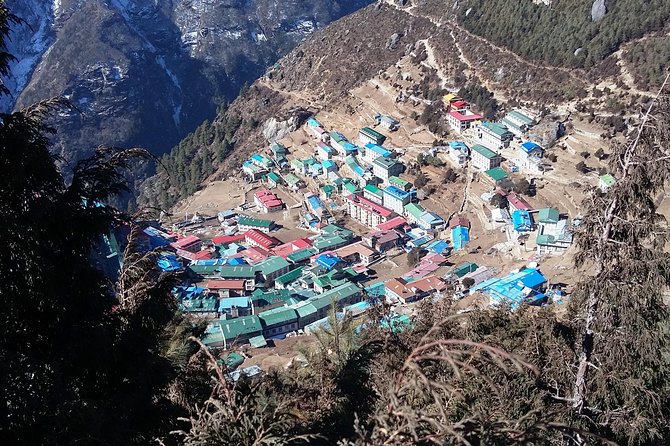
On day six, you hike toward Nagarjun Hill, reaching about 5,100 meters during a 4 to 5-hour outing. This is a demanding acclimatization walk because the high point is already above 5,000 meters.
The plan again uses the climb-high, sleep-lower method. You return to Dingboche rather than sleeping at Nagarjun Hill. That design gives you a better chance to adjust before the route moves toward Lobuche and Gorak Shep.
These two acclimatization days, at Namche and Dingboche, are among the strongest parts of the schedule. Still, no itinerary can guarantee that altitude sickness will not occur. Basic fitness helps with the walking, but it does not make you immune to altitude problems. You should be prepared to tell your guide if you feel unwell and accept a slower pace or a change of plan if needed.
Lobuche, Gorak Shep, and Everest Base Camp
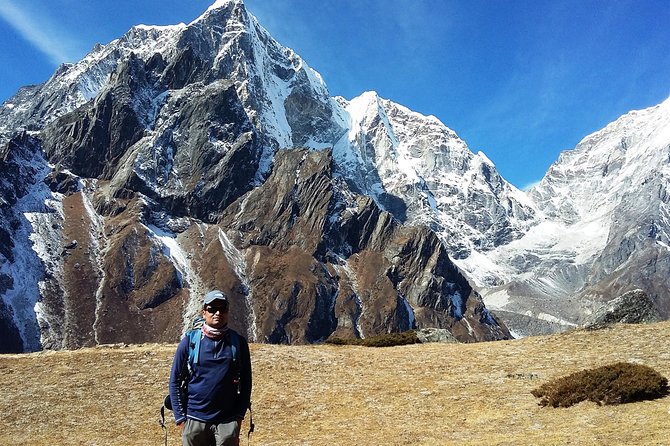
Day seven is the 4 to 5-hour walk from Dingboche to Lobuche at 4,910 meters. By now, the trek has become a high-altitude route in every sense. Even ordinary tasks can take longer, and the cold, thin air can make the evening feel short.
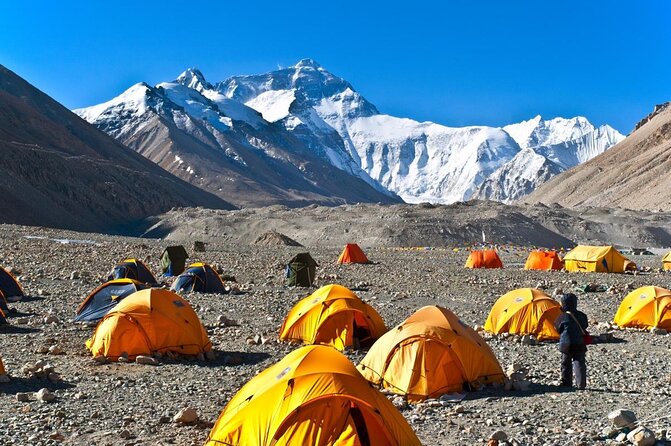
Day eight is the big push. You walk from Lobuche to Gorak Shep and continue to Everest Base Camp, with 7 to 8 hours on foot. Base Camp sits at 5,320 meters beside the Khumbu Glacier, the point associated with expeditions attempting Everest.
This is a long day, so you should measure your energy carefully. The Base Camp visit is a major goal, but it is not the only important moment. The route itself, the glacier, and the high mountain setting make the approach memorable.
Do not confuse Base Camp with the best viewpoint of Everest. The next morning’s Kala Patthar climb is designed for the broad mountain panorama. Base Camp is the expedition staging point and glacier experience. Kala Patthar is the viewpoint.
Kala Patthar at 5,550 meters
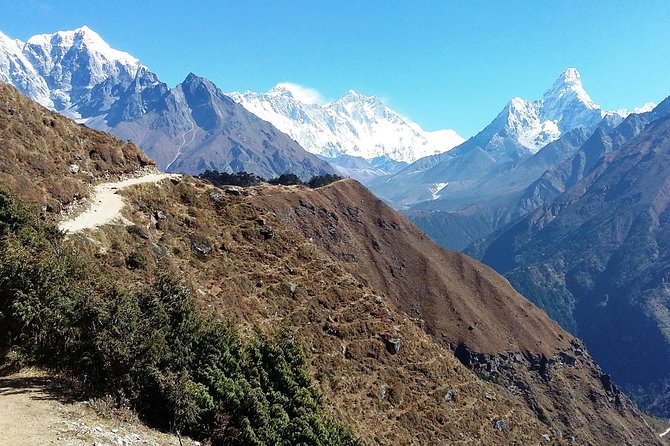
Day nine takes you from Gorak Shep to Kala Patthar at 5,550 meters, then down to Pheriche at 4,371 meters. The listed walking time is 6 to 7 hours.
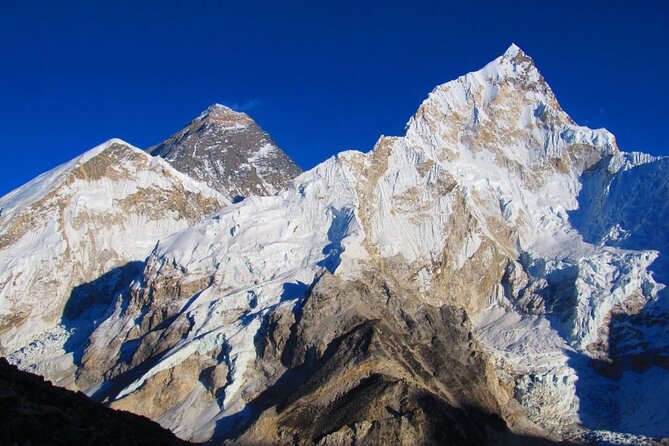
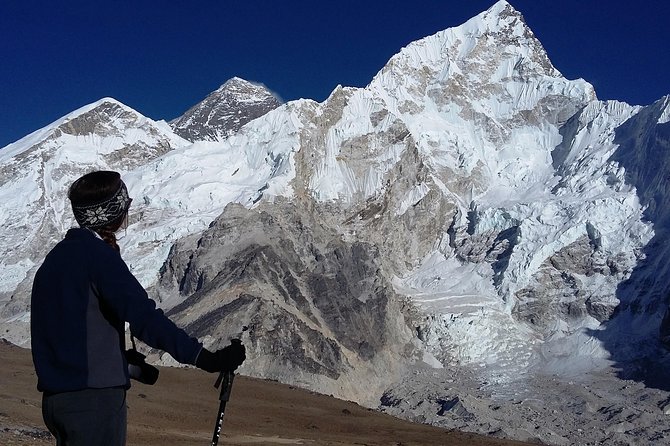
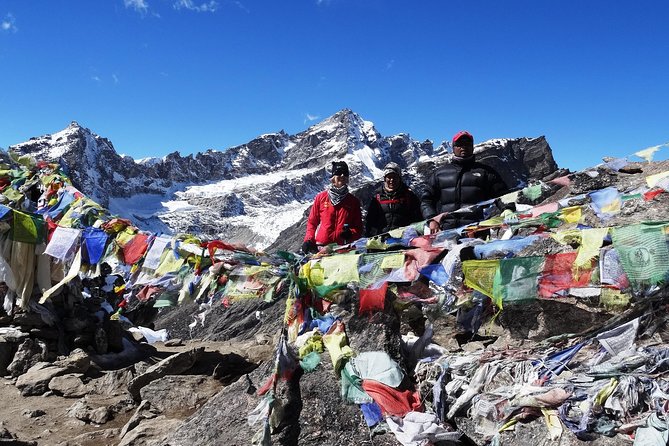
This is the highest point on the route and the clearest place for close views of Mount Everest and the Khumbu mountain group. The plan describes a 360-degree panorama, so you should expect the viewpoint to be a major photographic and scenic moment.
The descent to Pheriche matters just as much as the climb. After reaching the high point, you drop more than 1,000 meters for the night. That lower sleeping elevation gives your body a break after Base Camp and Kala Patthar.
The itinerary lists Kala Patthar several times among its stops, likely reflecting the main viewpoint focus rather than separate visits. The actual daily plan gives one Kala Patthar climb on day nine.
Returning through Namche to Lukla
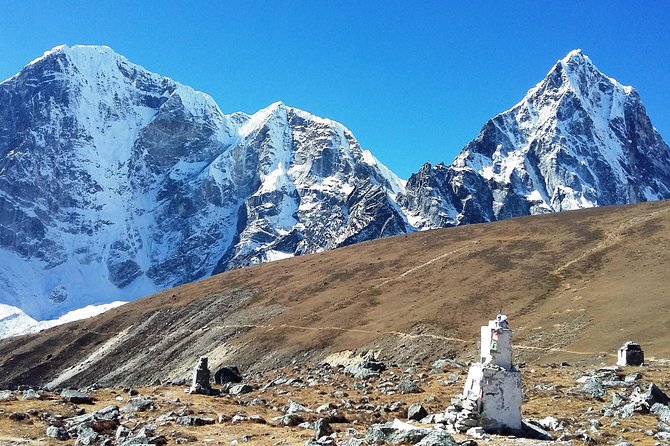
Day ten runs from Pheriche to Namche Bazaar in 6 to 7 hours. This is a substantial return day, even though you are losing altitude. Downhill walking can be hard on your knees, and the distance is not trivial.
Day eleven continues from Namche to Lukla, listed as 6 to 7 hours. The itinerary gives Lukla an elevation of 286 meters, which appears inconsistent with the high mountain route, so I would ask the operator to confirm the exact elevation details in your final briefing. The important practical point is that this is your last trekking day before the return flight.
Day twelve is the flight back to Kathmandu. Air travel in the mountains can affect the schedule, and the 12-day length should not be treated as a guarantee that every movement will happen at the planned hour. If you have an onward international flight, allow extra time rather than booking a tight connection.
Lodges, meals, gear, and what you still pay for
Accommodation is in guest houses or lodges on a twin-sharing basis. The package includes breakfast, lunch, and dinner during the trek. That removes two of the biggest daily decisions and keeps the main food costs within the tour price.
Drinks are not included. That covers tea, coffee, hot chocolate, boiled water, bottled water, cola, beer, and similar purchases. Hot showers, internet, phone calls, laundry, battery charging, and bar bills are also extra. These small costs can add up over 12 days, so carry a spending plan.
The included gear is useful:
- Duffle bag
- Down jacket
- Sleeping bag
- Walking pole
- Trekking map
- Trip achievement certificate
You should confirm how the duffle bag is handled and what personal luggage you may carry. A porter is not included, either, so you need to arrange and pay for one if you want that service.
The guide is a government-licensed professional, and the tour is private to your group. The supplied information does not name the individual guide, but the company has been associated with strong guide and porter support, clear evening briefings, and guides who explain the mountains along the route. Ask for your guide’s name and experience before departure, especially if this is your first high-altitude trek.
What the $1,600 price really covers
The price is reasonable if you use most of the included services. Lukla flights, permits, three meals a day, lodge accommodation, airport transfers, guide support, taxes, and equipment would be costly to arrange separately.
The value is strongest for a first-time trekker who wants one booking to handle the main logistics. You also avoid having to rent or buy a sleeping bag and down jacket for one trip.
The price is less all-inclusive than it first appears. Insurance, rescue or helicopter evacuation, medical emergencies, cancellation costs, tips, drinks, personal expenses, and a porter are outside the package. You need travel insurance that specifically addresses trekking and high-altitude evacuation. The tour provider does not cover those risks.
Who should book this trek?
I would recommend it to you if you have moderate physical fitness, can walk for 4 to 8 hours on consecutive days, and want the standard Everest Base Camp route in a compact schedule. No previous trekking experience is required according to the tour information, but that does not mean the route is easy.
You should be comfortable with simple lodge accommodation, twin sharing, cold conditions, early starts, and limited personal services. You should also accept that the highest sections can be physically demanding even when the daily distance looks modest.
I would hesitate if you need a flexible pace, have very little hiking experience, or cannot allow room for flight changes. A longer trek could give you more adjustment time, but this 12-day version is a practical choice for a fit person with limited holiday time.
Cancellation is free when you cancel at least 24 hours before the local start time. Cancellations or changes inside that window are not refunded or accepted.
Should you book the Everest Base Camp trek?
Book this trek if your priority is to reach Everest Base Camp and Kala Patthar with the main logistics handled for you. The route includes the right major stops, two useful acclimatization days, a licensed guide, meals, flights, permits, and cold-weather gear at a price that makes sense.
Before paying, confirm the Ramechhap plan for your travel dates, ask about the named guide, clarify porter arrangements, and make sure your insurance covers evacuation. If you can handle the long walking days and tight timing, this is a focused way to reach one of the world’s great trekking goals.
FAQ
How long is the Everest Base Camp trek?
The trek lasts approximately 12 days, including the flight from Kathmandu to Lukla and the return flight to Kathmandu.
What is the highest point on the route?
Kala Patthar is the highest listed point, at 5,550 meters. Everest Base Camp is listed at 5,320 meters.
Are flights to Lukla included?
Yes. The package includes flights from Kathmandu or Ramechhap to Lukla and back, according to the operating airport and itinerary.
Where do flights operate during peak seasons?
From March to May and September to November, flights to Lukla operate from Ramechhap because of air traffic in Kathmandu. Ramechhap is about a 5 to 6-hour drive from Kathmandu.
What meals and accommodation are included?
Breakfast, lunch, and dinner are included during the trek. Accommodation is in guest houses or lodges on a twin-sharing basis.
Is a porter included?
No. A porter is not included in the listed price. You can arrange one if needed, but the cost is separate.
Just added in Kathmandu
- Kathmandu to Chitwan Tour by Tourist Bus – A Convenient and Affordable Way★ 4.0 · 4 reviews
- Changunarayan Hill to Telkot Hike Near Kathmandu Day Tour★ 5.0 · 6 reviews
- Mt Everest Base CampTrek | Budget Package★ 5.0 · 4 reviews
- Chitwan Jungle Safari 3-Day Tour★ 5.0 · 9 reviews
- Chandragiri Hill Station Tour by Cable Car★ 5.0 · 4 reviews
- Chandragiri Hills cable car day trip, private car with driver from Kathmandu★ 5.0 · 8 reviews
- Chandragiri to Taudaha Nature Day Hiking from Kathmandu★ 5.0 · 13 reviews
- Chandragiri Cable Car & Monkey Temple Private Guided Day Tour★ 5.0 · 5 reviews
Everest Base Camp Treks, compared.
Everest Base Camp Helicopter Tour landing at Everest View Hotel
Read our review →
Browse the lists this tour appears in