
Reviewed · EVEREST BASE CAMP TREKS
Everest Base Camp trek 14 days
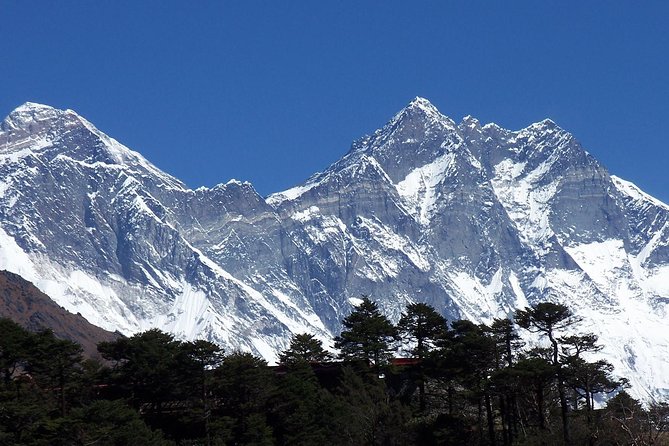
Everest Base Camp is the main event, but the real reward comes from the steady climb through Sherpa villages, prayer flags, high passes, and views of Ama Dablam, Lhotse, Makalu, Cho Oyu, and Everest. This 14-day plan takes care of the hard planning, from Kathmandu lodging to the Lukla flights and trekking permits.
I like the inclusion of a sleeping bag and down jacket, since those are costly and bulky items to arrange before you know what you need. I also like the two acclimatization days, the included guide and guide expenses, and the farewell dinner with a cultural show. The main caution is physical: long days reach 5,550 meters, and the published schedule has one confusing section around Dingboche that you should clarify before departure.
Key points to know before booking
- Lukla starts the real adventure: The 40 to 45 minute flight is followed by a 3 to 4 hour walk to Phakding on day two.
- Namche and Dingboche provide acclimatization time: These planned pauses matter as the trail climbs toward 5,200 meters at Gorakshep.
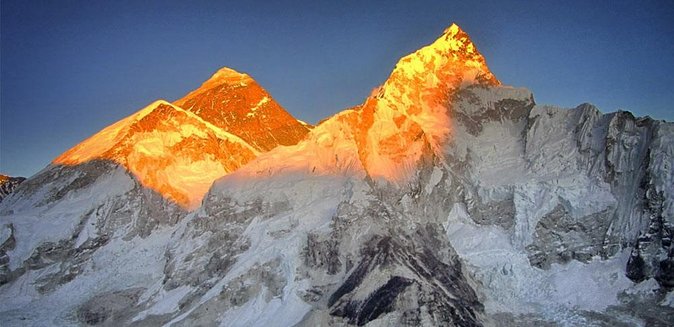
- Kala Patthar is the high point: The early hike reaches 5,550 meters and gives you a major Himalayan viewpoint.
- The package covers the practical essentials: Flights, airport transfers, permits, TIMS card, lodging, meals during the trek, guide costs, and selected gear are included.
- The group can reach 18 people: That keeps the price competitive, though it may feel less personal than a small private trek.
- The return is fast: After Base Camp and Kala Patthar, you walk back to Lukla in two days, then fly to Kathmandu.
What the $1,380 price really covers
At $1,380 per person, this is a value-focused way to arrange a demanding Himalayan trek. You are not simply paying for a walking route. The cost includes Kathmandu airport pickups and departures, the Kathmandu to Lukla and Lukla to Kathmandu flights, transportation by air-conditioned car or tourist deluxe bus, city lodging with breakfast, trekking lodges, permits, the TIMS card, a guide’s salary, meals, lodging, and insurance.
The package also includes three meals a day during the trekking portion, along with a sleeping bag and down jacket if needed. A first-aid medicine item, T-shirt, trip certificate, government taxes, cultural show, and farewell dinner round out the package.
That is a useful bundle for anyone who does not want to source each part separately. It also helps you budget, since flights and permits can otherwise become easy-to-miss costs.
You still need to pay for international airfare, Kathmandu meals outside the stated inclusions, entrance fees, drinks, personal spending, travel insurance, and tips for the trekking crew. Those extras can add up, so I would not treat $1,380 as your total Nepal budget.
The twin-sharing arrangement keeps the price down. If you want a private room, ask before booking, since the stated city accommodation is based on sharing.
Other treks that start from Kathmandu:
- Everest Base Camp Trek – 14 Days
★ 5.0 · 1,499 reviews - Everest Base Camp Helicopter Tour landing at Everest View Hotel
★ 5.0 · 668 reviews - Everest Base Camp Trekking
★ 5.0 · 485 reviews
Kathmandu begins the trip at an easy pace
Day one is your arrival in Kathmandu. The package provides airport pickup, and the night gives you time to settle in before the mountain section begins.
The final evening includes a cultural show and farewell dinner. I like this touch because it gives the trip a proper ending rather than simply dropping you back at a hotel after the flight from Lukla.
Kathmandu meals outside the included breakfasts are your responsibility. Entrance fees are also excluded, so keep some money aside for city sightseeing and personal purchases.
Lukla to Phakding introduces the trail
Day two starts with a 40 to 45 minute flight from Kathmandu to Lukla. From there, you walk for about three to four hours to Phakding at 2,640 meters.
This first walk is short compared with later days, but it gives you a useful introduction to the rhythm of the trek. You will already be hiking on mountain paths rather than roads, with the height beginning to matter.
Breakfast, lunch, and dinner are included on this trekking day. The package lists transport and accommodation throughout, but you should confirm the exact lodge arrangements and baggage handling with the operator before you go.
Namche Bazaar is the first major test
On day three, you walk from Phakding to Namche Bazaar, reaching 3,440 meters after five to six hours. This is one of the most important days in the trip because the route begins to feel properly high and the walking time increases.
Namche is a major stop on the Everest route and the scheduled acclimatization day on day four gives your body time to adjust. Do not treat this as a wasted day. It is one of the most useful parts of the plan.
You may be tempted to push ahead when you feel strong. I would not. The itinerary builds in a pause before the trail rises farther, and that pacing is more sensible than rushing to Base Camp.
A few more things to do in Kathmandu worth a look
- Nagarkot Sunrise View and Day Hiking from Kathmandu
★ 5.0 · 471 reviews - Annapurna Circuit Trek with Tilicho Lake
★ 5.0 · 368 reviews - Everest Base Camp Trekking – 13 Day
★ 5.0 · 365 reviews - Everest Base Camp Trek -14 Days
★ 5.0 · 321 reviews
Tengboche brings mountain views and a longer day
Day five takes you to Tengboche at 3,860 meters. The walk lasts about six to seven hours, making this one of the longer early stages.
The route places you deeper into the Khumbu region, with views toward the major peaks named in the package, including Ama Dablam, Lhotse, Makalu, Cho Oyu, and Everest. Mountain scenery is the great strength of this route, but you should expect the views to come with real uphill effort.
The listed meal plan includes breakfast, lunch, and dinner. Lodging is in trekking lodges rather than city hotels, so comfort is practical and basic. The package does not promise private rooms or hotel-style facilities in the mountains.
The Dingboche schedule needs a clear answer
The published day-by-day plan lists day six as acclimatization in Dingboche, then day seven as the trek to Dingboche at 4,410 meters. That order appears inconsistent, since the usual sequence would place arrival before an acclimatization day.
This is the one detail I would confirm in writing before paying. The intended plan may involve trekking toward Dingboche on day six and using day seven for acclimatization, but the supplied schedule does not say that clearly.
Either way, this part of the journey is vital. At 4,410 meters, you are high enough that a rest day has real value. The walking day to Dingboche is listed at five to six hours, and the route now demands more from your legs and breathing.
Lobuche and Gorakshep bring the high-altitude challenge
Day eight takes you to Lobuche at 4,910 meters after about five hours. By now, even a moderate walking pace can feel slow. The high altitude is not a minor detail, and you should be prepared for shorter steps, frequent pauses, and cold conditions.
Day nine is the push to Everest Base Camp, followed by a return to Gorakshep at about 5,200 meters. This is the emotional center of the trek, but it is not a casual sightseeing stop. You will be walking at a serious altitude and returning to sleep high.
The package includes the guide, meals, trekking lodging, and first-aid items, which makes this stage easier to manage logistically. It does not replace travel insurance, however. Travel insurance is specifically excluded, and you should arrange suitable cover before leaving home.
Kala Patthar is the high point at 5,550 meters
Day ten begins with a hike to Kala Patthar. The ascent is listed at about two and a half hours, reaching 5,550 meters, followed by a long descent to Periche at 4,200 meters that takes about seven hours.
For many people, Kala Patthar is the visual highlight because it offers a high viewpoint toward Everest and the surrounding peaks. The walk is short in hours but demanding in altitude, so the earlier acclimatization stops matter.
This is also a day when you need to pace yourself. The descent to Periche is long, and tired legs can make downhill walking surprisingly hard. Good footwear and a steady rhythm will matter more than speed.
The return to Lukla is quicker than the climb
Day eleven takes you back to Namche Bazaar in about six hours. Day twelve continues to Lukla, listed at around seven hours.
The return route may feel easier because you know what to expect, but do not underestimate it. Two long walking days follow the highest points of the trek, and fatigue can build quickly.
The package includes trekking meals and lodging, along with guide costs. Tips for the trekking crew are not included, so plan for that separately. The guide’s accommodation, meals, salary, and insurance are covered by the tour price, which is a useful point when comparing similar packages.
Kathmandu closes the route with transport handled
Day thirteen includes the flight back to Kathmandu and breakfast and dinner. Day fourteen is departure, with breakfast listed.
The tour handles airport departures and the return flight from Lukla. The maximum group size is 18 people, so ask how many people are actually booked for your dates. A full group can make the price attractive, while a smaller group may allow quicker decisions and a more personal pace.
The operator’s team has included people named Suresh, Sobit, Pasang Sherpa, and Ram. Ask who will guide your departure and how the guide-to-group arrangement works. That simple question can tell you a lot about the kind of support you will receive on long days.
Gear, meals, and daily comfort
You receive a sleeping bag and down jacket if you need them. That is a strong practical benefit, especially if you do not expect to trek at high altitude again soon.
Three daily meals are included during the trekking days specified in the plan. Kathmandu meals outside the stated inclusions are not covered, and drinks, bar bills, and personal expenses are extra.
The package supplies a basic first-aid medicine item, but you should still carry your own personal medications and travel insurance. The included equipment and support reduce the load, but they do not remove the need for sensible preparation.
The tour lists city hotels on a twin-sharing basis and trekking lodges during the mountain section. Expect a change from standard hotel comfort to more basic mountain accommodation.
Who this Everest trek suits best
This trip suits you if you want the classic Everest Base Camp route without arranging every permit, flight, lodge, meal, and transfer yourself. It also suits people who value a fixed plan and a guide-supported group.
You should have a moderate level of physical fitness. The schedule includes five to seven hour walking days, a 5,550 meter viewpoint, and a long descent on the Kala Patthar day.
I would be more cautious if you dislike shared rooms, basic trekking lodges, or group travel. The stated group limit is 18, and the package does not include a private-room upgrade.
The plan is also best for someone willing to ask questions before departure. Confirm the Dingboche sequence, the guide assigned to your group, the exact lodging arrangements, and what the supplied down jacket and sleeping bag are like.
Should you book the 14-day Everest Base Camp trek?
I would consider this tour a good-value choice for a first Everest Base Camp trek, especially if you want the major logistics organized in one package. The included Lukla flights, permits, TIMS card, guide costs, meals, trekking lodges, airport transfers, and loaned equipment make the $1,380 price easier to justify.
I would not book without clarifying the Dingboche schedule. I would also budget separately for travel insurance, Kathmandu meals, entrance fees, drinks, personal expenses, and crew tips.
Book it if you want a structured group trek with strong practical coverage and a traditional farewell in Kathmandu. Choose another arrangement if you need private accommodation, a very small group, or a highly flexible daily plan.
FAQ
How long does the Everest Base Camp trek last?
The planned experience lasts 14 days, with 13 nights of accommodation. The general tour information also gives a duration range of 5 to 14 days, so confirm the exact departure format when booking.
Where does the trek start?
The experience starts in Kathmandu, Nepal. Airport pickup is included.
Are the Kathmandu to Lukla flights included?
Yes. The package includes Kathmandu to Lukla and Lukla to Kathmandu flight tickets, along with airport pickups and departures.
Are meals included?
Breakfast, lunch, and dinner are included during the trekking days specified in the schedule. Extra meals in Kathmandu, drinks, bar bills, and personal expenses are not included.
Is trekking equipment provided?
A sleeping bag and down jacket are provided if you need them during the trek. A T-shirt and trip achievement certificate are also included.
What level of fitness is required?
The tour states that you should have a moderate physical fitness level. The schedule includes walking days of roughly three to seven hours and reaches 5,550 meters at Kala Patthar.
What is the cancellation policy?
You can cancel at least 24 hours before the experience start time for a full refund. Cancellations or changes made less than 24 hours before the start time are not accepted for a refund.
Just added in Kathmandu
- Kathmandu to Chitwan Tour by Tourist Bus – A Convenient and Affordable Way★ 4.0 · 4 reviews
- Changunarayan Hill to Telkot Hike Near Kathmandu Day Tour★ 5.0 · 6 reviews
- Mt Everest Base CampTrek | Budget Package★ 5.0 · 4 reviews
- Chitwan Jungle Safari 3-Day Tour★ 5.0 · 9 reviews
- Chandragiri Hill Station Tour by Cable Car★ 5.0 · 4 reviews
- Chandragiri Hills cable car day trip, private car with driver from Kathmandu★ 5.0 · 8 reviews
- Chandragiri to Taudaha Nature Day Hiking from Kathmandu★ 5.0 · 13 reviews
- Chandragiri Cable Car & Monkey Temple Private Guided Day Tour★ 5.0 · 5 reviews
Everest Base Camp Treks, compared.
Everest Base Camp Helicopter Tour landing at Everest View Hotel
Read our review →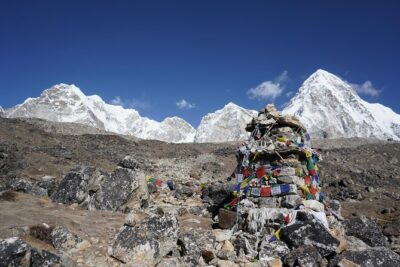
Browse the lists this tour appears in