
Reviewed · EVEREST BASE CAMP TREKS
Everest Base Camp Trek 15 Days
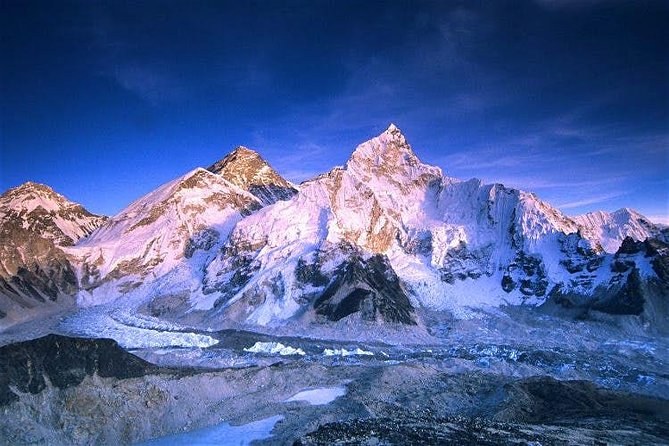
Everest Base Camp is the main event here: a 15-day walk to the foot of the world’s highest mountain, with the trail passing through Sherpa villages and Buddhist country before reaching the barren Khumbu icefall area. The summit itself is far above you, but standing at 5,364 meters still feels like a serious achievement.
I like two things right away. First, the package includes meals, fees, a sleeping bag, and a duffel bag, which removes several costly bits of planning. Second, this is a private trip, so your group is not tied to strangers’ pace. Guides named in past trips include Pasang, Lakpa, Buddha Tamang, Gumbo, and Tendi.
The main caution is altitude. A moderate fitness level is required, but that phrase should not fool you into thinking this is an easy holiday. Fifteen days helps, yet high mountain walking, cold, basic lodges, and the elevation at base camp demand preparation.
Key points to know before booking
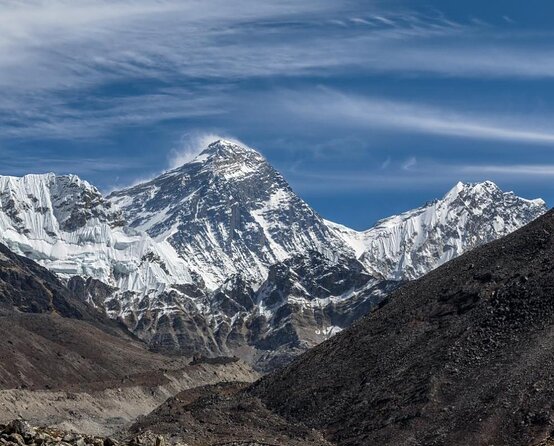
- Base camp at 5,364 meters: The goal is the foot of Everest, with views toward high peaks, glaciers, and the Khumbu icefall.
- Sherpa culture on the trail: Expect traditional villages, Buddhist customs, old heritage sites, monasteries, and local hospitality.
- Private group format: Only your party participates, giving the trek a more personal rhythm.
- Meals and trek gear included: Breakfast, lunch, dinner, a sleeping bag, and a duffel bag are covered.
- Guide support matters: Pasang and Lakpa received especially warm praise for care, encouragement, and practical help.
- Bring a separate budget: Nepal visa, insurance, tips, snacks, soft drinks, and alcohol are not included.
Reaching Everest Base Camp in 15 days
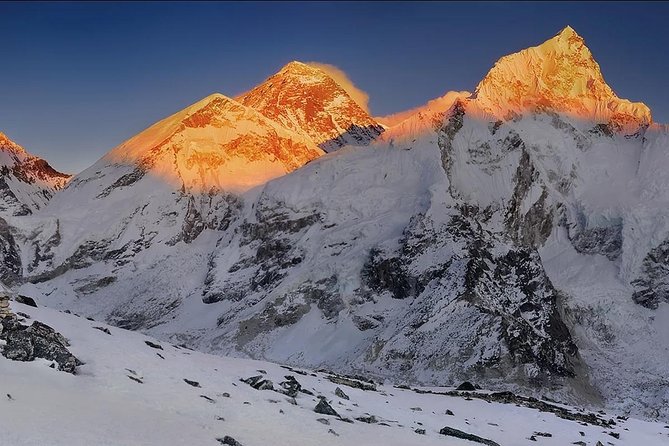
The appeal of this trek is not simply arriving at one famous signpost or rocky viewpoint. The route gives you time to move from Kathmandu into a high mountain world where Sherpa villages, prayer traditions, monasteries, pine woods, rhododendrons, and ice fields become part of the daily view.
The exact day-by-day route is not supplied, so I would ask the company for the full schedule before paying. That matters because you will want to know where each night falls, how many walking hours are planned, and where rest or acclimatization time is built in.
The broad experience is clear. You begin in Kathmandu at the Sherpa Expedition & Trekking office on Chaksibari Marg, with a stated start time of 6:15 in the morning. From there, the trek leads through highland settlements toward Everest Base Camp. You spend nights in scenic lodges and walk through changing terrain, from forested sections to exposed, glacial country.
That change is one of the trip’s strongest features. Early sections should feel more sheltered, with rhododendron and pine forests adding color and shade. Farther up, trees thin out and the setting becomes rockier, colder, and more severe. At the Khumbu icefall area, the mood shifts again. This is not a soft postcard setting. It is a stark reminder of the power and danger of the mountain.
Other treks that start from Kathmandu:
- Everest Base Camp Trek – 14 Days
★ 5.0 · 1,499 reviews - Everest Base Camp Helicopter Tour landing at Everest View Hotel
★ 5.0 · 668 reviews - Everest Base Camp Trekking
★ 5.0 · 485 reviews
Sherpa villages, monasteries, and a stronger sense of place
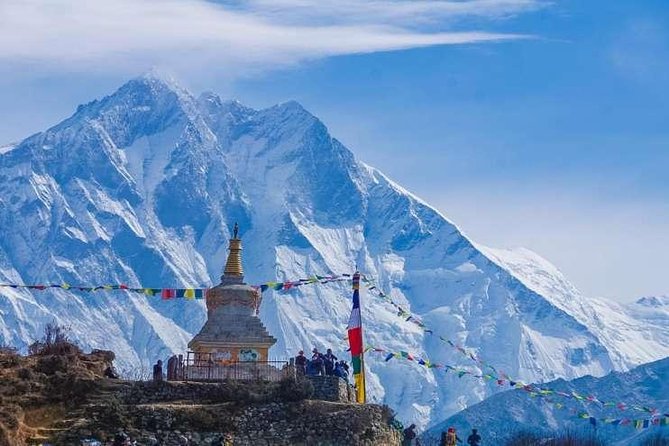
A good Everest trek is more than a long walk with mountain views. The cultural side gives the route meaning. You pass through Sherpa villages shaped by Buddhist customs, and the program includes old heritage sites and interesting monasteries.
I like this balance. You are not only counting kilometers or collecting photographs. You have chances to notice prayer traditions, local buildings, and the way communities function in a difficult high-altitude region. The scenery is spectacular, but the people and customs keep the trip from feeling like a simple mountain attraction.
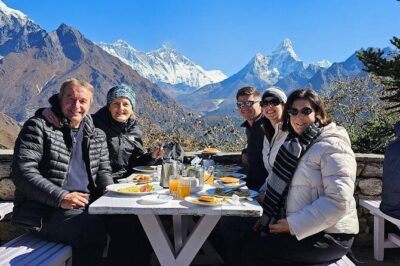
The phrase Sherpa hospitality appears in the experience description, and it fits the lodge-based nature of the trek. You sleep in clean scenic lodges rather than camping throughout the route. That makes a major difference after a tiring day. A warm room, a meal, and a place to organize your gear can feel more valuable than luxury at this altitude.
Still, lodge comfort should be kept in perspective. The information promises clean lodges, not hotel standards. You should be ready for a practical mountain stay rather than private bathrooms, broad menus, or reliable comforts at every stop. The sleeping bag included in the price is a useful sign that nights may be cold and basic.
What the walking days may feel like
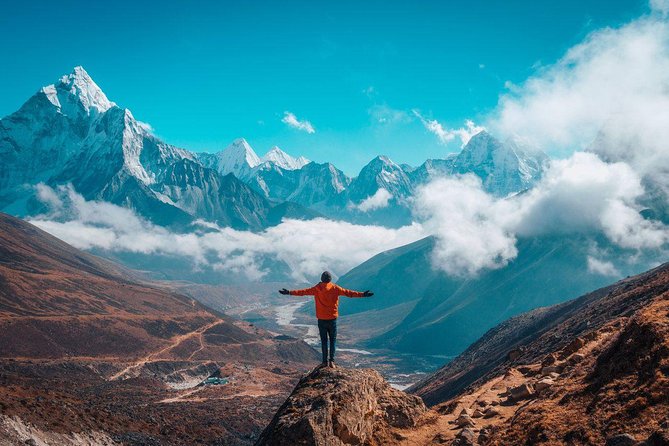
The trip is described as suitable for people with moderate physical fitness. That is a useful starting point, but it is not a medical clearance or a promise that the trek will feel moderate every day.
At altitude, ordinary tasks take more effort. Walking uphill, carrying a small day pack, and sleeping in a cold lodge can all feel harder than the same activities at home. You will need patience. A steady pace is more useful than trying to prove how fast you can walk.
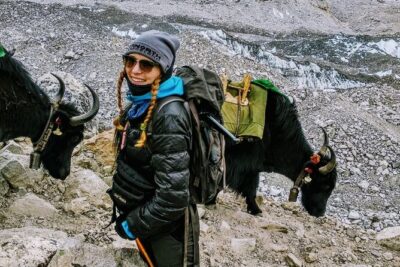
Your guide is important here. Past trips with this company have included Pasang, Lakpa, Buddha Tamang, Gumbo, and Tendi. Pasang was praised for extensive mountain knowledge, close care, and making the experience feel personal. Lakpa and porters Neema and Pasang were also credited with going beyond basic duties, including helping with day bags when people were exhausted.
Those details matter because a guide on a high-altitude trek does more than point out peaks. You need someone who watches how you are adapting, manages the group’s pace, and communicates clearly when plans change. One trip also involved a delayed arrival in Kathmandu, with Ram arranging a late-night hotel meeting to prepare the party. That suggests useful flexibility, though you should confirm who your own guide will be.
The views: forests below, ice and giants above
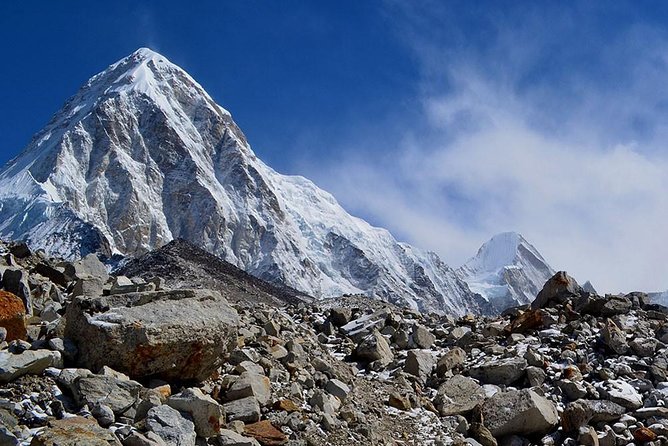
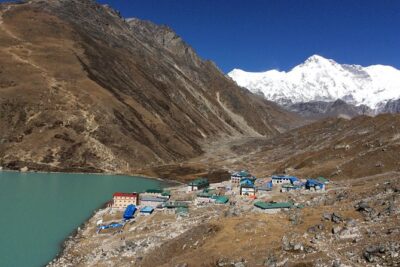
The scenery changes enough to keep the walk interesting. You have mountain views, alpine rhododendrons, pine forests, and the barren surroundings of Khumbu glaciers. This is not one repeated view with Everest added in the distance.
The lower forest sections offer a softer introduction. Rhododendron is Nepal’s national flower, and seeing it among the pines gives the route a sense of season and place. Higher up, the vegetation fades. The trail becomes more exposed, and the high peaks feel closer and more severe.
The views are a major reason to accept the physical cost. The description promises panoramic mountain views, and the trip’s strongest comments repeatedly point to scenery as a highlight. You should also accept that mountain weather can affect what you see. The cancellation terms specifically note that poor weather can force a change of date or a full refund, so the mountain always gets the final word.
A practical point: the best views are not guaranteed every hour. Cloud, snow, or poor visibility can change the mood quickly. The reward is that a clear mountain morning can feel far more memorable because it is never automatic.
A few more things to do in Kathmandu worth a look
- Nagarkot Sunrise View and Day Hiking from Kathmandu
★ 5.0 · 471 reviews - Annapurna Circuit Trek with Tilicho Lake
★ 5.0 · 368 reviews - Everest Base Camp Trekking – 13 Day
★ 5.0 · 365 reviews - Everest Base Camp Trek -14 Days
★ 5.0 · 321 reviews
What the $2,400 price really covers
At $2,400 per person, this is not a bargain city tour, but it includes several costs that can otherwise spread across a Himalayan trip. Breakfast, lunch, dinner, all fees and taxes, a sleeping bag, and a duffel bag are included.
The private format also adds value. You are paying for a trip reserved for your own group, rather than joining a large departure with an unknown pace and mixed expectations. If you care about a quieter group dynamic or want more direct contact with your guide, that is worth considering.
The price does not include a Nepal visa, travel insurance, tips for your guide or porter, alcoholic drinks, soda, or snacks. Those are not minor details on a 15-day trip. You should set aside money for them before comparing the headline price with other operators.
The gear allowance is practical, but check exactly what is supplied and what you must bring yourself. A sleeping bag and duffel bag do not replace warm clothing, walking shoes, personal medication, water protection, or a suitable day pack. The company should also clarify porter arrangements, since porter support appears in the experience description and past accounts but the precise baggage allowance is not stated.
Food, lodges, and the daily routine
Three meals a day are included, which makes budgeting easier and removes the need to negotiate every meal on the trail. Food is part of the daily rhythm on a trek. You will want to know if breakfast is served early enough for walking days and whether special dietary needs can be handled.
The package does not include snacks, soda, or alcohol. That is sensible to flag because snack purchases can add up over two weeks, especially when you want something familiar after a long day. Bring or budget for the extra items you know you will want.
The lodges are described as clean and scenic, with warmth and comfort. That is encouraging, but the information does not specify room arrangements, heating, showers, charging, or internet access. Ask before departure if any of those are important to you.
A lodge trek also gives you a closer look at mountain life than a fully supported luxury arrangement. You are staying in places used by people moving through the region, not sealed off from it. That can be one of the most authentic parts of the trip, provided you are comfortable with fewer conveniences.
Private travel and guide support
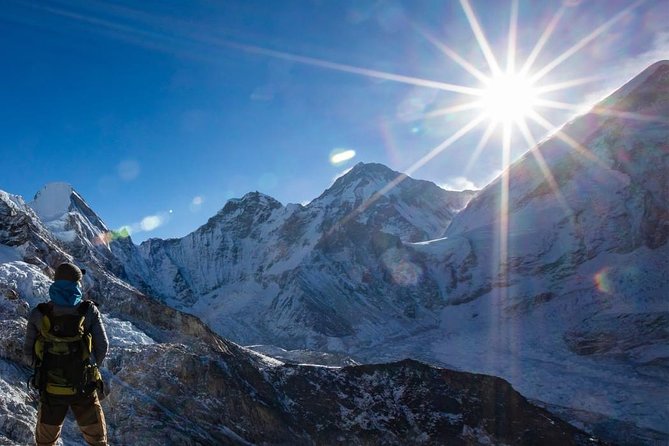
This is a private activity, and only your group participates. I see that as a real advantage for a demanding route. You can discuss pace, rest stops, and personal concerns directly with your guide instead of trying to fit into a large group.
The guide names associated with past departures give you some useful reference points. Pasang was repeatedly singled out for care and encouragement. Lakpa was praised for guiding people successfully to base camp, while Buddha Tamang received strong marks for organization, enthusiasm, regional knowledge, and attention to the group.
Do not assume you will receive one particular guide unless the company confirms it in writing. Ask who is assigned, how many people will be in your private group, and what porter support is included. Those answers can affect the value of the trip as much as the mountain views.
The company also offers pickup, although the confirmed meeting point is its Kathmandu office and the start time is 6:15 am. I would confirm whether pickup is included for your hotel or simply available as an option. That small detail can matter when you are leaving before sunrise with trekking bags.
Who should choose this Everest trek?
I would recommend this experience to you if Everest Base Camp is a serious personal goal and you want a supported, private trek with meals and basic equipment included. It suits someone who values Sherpa culture, Buddhist sites, mountain scenery, and a lodge stay as much as the final base camp arrival.
It may also suit a solo person who wants a private setup without walking entirely alone. One solo trip associated with the company placed strong emphasis on being watched carefully during altitude adaptation, which is exactly the kind of support a lone participant should seek.
I would hesitate if you want a relaxed holiday, polished hotel comfort, or a short burst of sightseeing. Fifteen days is a long commitment, and moderate fitness alone does not remove the demands of high altitude. You should also think carefully about insurance, since it is excluded and is especially important for a high mountain trip.
The company has a free cancellation policy up to 24 hours before the start time. Weather can cancel the experience, in which case a different date or full refund is offered. If the minimum number of participants is not met, the same type of alternative or refund applies.
Should you book the 15-day Everest Base Camp Trek?
I would book this trek if you want the full combination of Everest views, Sherpa culture, monasteries, glaciers, and guide support, and you are ready for the physical demands. The inclusion of meals, fees, sleeping gear, and a duffel bag gives the $2,400 price useful substance.
Before booking, get the full daily schedule, confirm the assigned guide, ask about porter baggage limits, and clarify what pickup means. If those answers are clear, this looks like a strong choice for a private first visit to Everest Base Camp.
If your main goal is comfort, easy walking, or a tightly specified hotel-style program, choose something else. The best reason to book this one is not simply to say you reached base camp. It is to spend 15 days moving through one of the world’s great mountain regions with local guides, high passes of scenery, Buddhist communities, and a sensible support structure.
FAQ
Where does the Everest Base Camp Trek start?
The stated meeting point is Sherpa Expedition & Trekking, Chaksibari Marg, Kathmandu 44600, Nepal.
What time does the trek start?
The listed start time is 6:15 am.
How long is the Everest Base Camp Trek?
The experience lasts approximately 15 days.
How high is Everest Base Camp?
The base camp destination is listed at 5,364 meters.
Is this a private trek?
Yes. Only your group participates in this private activity.
Are meals included?
Yes. Breakfast, lunch, and dinner are included.
Is trekking equipment provided?
A sleeping bag and duffel bag are included. The available information does not state that all other trekking equipment is provided.
What costs are not included?
Nepal visa costs, insurance, tips for the guide and porter, alcoholic drinks, soda, and snacks are not included.
Can I cancel for a full refund?
You can cancel at least 24 hours before the experience start time for a full refund. Poor weather or failure to meet the minimum number of participants may also result in a different date or a full refund.
Just added in Kathmandu
- Kathmandu to Chitwan Tour by Tourist Bus – A Convenient and Affordable Way★ 4.0 · 4 reviews
- Changunarayan Hill to Telkot Hike Near Kathmandu Day Tour★ 5.0 · 6 reviews
- Mt Everest Base CampTrek | Budget Package★ 5.0 · 4 reviews
- Chitwan Jungle Safari 3-Day Tour★ 5.0 · 9 reviews
- Chandragiri Hill Station Tour by Cable Car★ 5.0 · 4 reviews
- Chandragiri Hills cable car day trip, private car with driver from Kathmandu★ 5.0 · 8 reviews
- Chandragiri to Taudaha Nature Day Hiking from Kathmandu★ 5.0 · 13 reviews
- Chandragiri Cable Car & Monkey Temple Private Guided Day Tour★ 5.0 · 5 reviews
Everest Base Camp Treks, compared.
Everest Base Camp Helicopter Tour landing at Everest View Hotel
Read our review →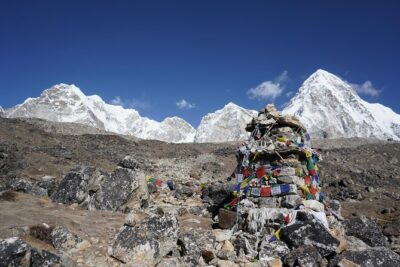
Browse the lists this tour appears in